Why You’ll Love This Small Batch Cheesecake
There’s something special about a creamy small batch cheesecake that brings joy to any table. This scaled-down version of the classic dessert is perfect for those times when you want something sweet but don’t need a full-sized cake. The small batch cheesecake recipe offers all the rich, velvety texture of traditional cheesecake without the commitment of eating leftovers for days.
When it comes to desserts that satisfy without overwhelming, this cheesecake for two (or four) hits all the right notes. Here’s why this creamy small batch cheesecake deserves a place in your baking rotation:
- Ease of preparation: Unlike full-sized cheesecakes that require special equipment and hours of preparation, this easy small batch cheesecake comes together quickly with common kitchen tools. The smaller size means faster baking time and quicker cooling, so you can enjoy your dessert sooner rather than later. Most of the preparation can be done in just one bowl, making cleanup a breeze too!
- Health benefits: Making a single serve cheesecake recipe allows for better portion control without sacrificing indulgence. Each slice contains less sugar and fat compared to larger versions, so you can satisfy your sweet tooth without going overboard. Plus, the small batch size means you’re less likely to overeat since there’s simply less available.
- Versatility: This small batch cheesecake recipe adapts beautifully to different dietary needs. Whether you need gluten-free crust options, lower sugar alternatives, or want to experiment with different flavors, the smaller scale makes it easier to customize without wasting ingredients if an experiment doesn’t work out perfectly.
- Distinctive flavor: What makes this cheesecake stand out is its incredibly rich, creamy texture despite its smaller size. The ratio of filling to crust creates the perfect balance in every bite, and the reduced surface area helps maintain that signature smooth texture that cheesecake lovers crave. You’ll get that classic tangy, sweet flavor profile in every perfectly portioned slice.
Jump To
- 1. Why You’ll Love This Small Batch Cheesecake
- 2. Essential Ingredients for Small Batch Cheesecake
- 3. How to Prepare the Perfect Small Batch Cheesecake: Step-by-Step Guide
- 4. Dietary Substitutions to Customize Your Small Batch Cheesecake
- 5. Mastering Small Batch Cheesecake: Advanced Tips and Variations
- 6. How to Store Small Batch Cheesecake: Best Practices
- 7. FAQs: Frequently Asked Questions About Small Batch Cheesecake
- 8. Small Batch Cheesecake
Essential Ingredients for Small Batch Cheesecake
Creating the perfect small batch cheesecake starts with quality ingredients. The beauty of this recipe lies in its simplicity, using common pantry items that come together to create something extraordinary. Each ingredient plays a specific role in achieving that creamy texture and balanced flavor that makes cheesecake so irresistible.
Before diving into the baking process, let’s take a closer look at what you’ll need to create this delightful dessert. Remember, for the best results, all your ingredients should be at room temperature before beginning.
Main Ingredients
- 1/2 cup graham cracker crumbs – Creates the classic crunchy base that provides texture contrast to the creamy filling
- 2 tablespoons melted butter – Binds the crust together and adds rich flavor
- 1 tablespoon sugar – Sweetens the crust for a balanced foundation
- 12 ounces softened cream cheese – The star of the show, providing that signature tangy creaminess
- 1/3 cup sugar – Sweetens the filling without overpowering the cream cheese flavor
- 1 large egg – Gives structure to the cheesecake while maintaining a silky texture
- 1 teaspoon vanilla extract – Enhances the overall flavor profile with aromatic depth
- 1 tablespoon lemon juice – Adds brightness that balances the richness of the cream cheese
Special Dietary Options
Making accommodations for different dietary needs doesn’t mean sacrificing flavor or texture. Here are some simple substitutions you can try:
Vegan Options
- Use plant-based cream cheese alternatives made from cashews or coconut for a dairy-free version
- Replace regular butter with melted coconut oil or vegan butter in the crust
- Swap the egg with a flax egg (1 tablespoon ground flaxseed mixed with 3 tablespoons water)
- Try silken tofu blended with plant-based yogurt for a creamy vegan filling
Gluten-Free Alternatives
- Use certified gluten-free graham cracker crumbs or gluten-free cookie crumbs for the crust
- Replace graham crackers with crushed gluten-free vanilla wafers or almond flour mixed with a little sugar
- Ensure all other ingredients are certified gluten-free, especially flavorings and add-ins
Lower-Calorie Options
- Use reduced-fat cream cheese or Neufchâtel cheese for a lighter version
- Replace half the sugar with a natural sweetener like stevia or monk fruit
- Add Greek yogurt to the filling for extra protein and creaminess with fewer calories
- Use almond flour in the crust for a lower-carb, higher-protein alternative
How to Prepare the Perfect Small Batch Cheesecake: Step-by-Step Guide
Now that we’ve gathered our ingredients, let’s walk through the process of creating a flawless small batch cheesecake. This method has been tested to produce consistently smooth, creamy results without the cracks that often plague cheesecake makers. Follow these steps carefully, and you’ll be rewarded with a dessert that tastes like it came from a professional bakery.
First Step: Prepare the Crust
Start by preheating your oven to 325°F (165°C). While the oven heats, prepare your baking vessel. For this recipe, a 7×4-inch loaf pan works perfectly, but you could also use a 6-inch cake pan or four 6-ounce ramekins. Line your chosen pan with parchment paper, leaving an overhang on the sides to make removing the cheesecake easier later.
In a small bowl, combine the graham cracker crumbs, melted butter, and sugar. Mix until all the crumbs are evenly coated and the mixture holds together when pressed. Pour the crumbs into your prepared pan and press firmly into the bottom using the back of a spoon or the bottom of a measuring cup. Creating an even, compact crust is essential for structural stability. Once pressed, place the pan in the refrigerator while you prepare the filling.
Second Step: Prepare the Filling
In a medium mixing bowl, beat the softened cream cheese with an electric mixer until completely smooth. This is a crucial step – any lumps in the cream cheese will remain in the finished cheesecake. Scrape down the sides of the bowl to ensure everything is evenly incorporated.
Add the sugar and continue mixing until well combined. The mixture should be smooth and free of graininess. Next, add the vanilla extract and lemon juice, mixing briefly to incorporate. These flavor enhancers work together to create that classic cheesecake taste profile.
Add the egg and mix just until combined. Be careful not to overmix at this stage, as incorporating too much air can lead to cracks during baking. The batter should be smooth and creamy with a slight sheen.
Third Step: Assemble and Bake
Remove the crust from the refrigerator and pour the filling over it, spreading evenly. Gently tap the pan on the counter a few times to release any air bubbles trapped in the batter.
For the best results, bake your cheesecake in a water bath. Place your filled pan inside a larger baking dish, then carefully pour hot water into the larger dish until it reaches halfway up the sides of your cheesecake pan. This technique helps regulate temperature and creates steam, resulting in a smoother texture and fewer cracks.
Bake for 30-35 minutes, or until the edges are set but the center still jiggles slightly when you gently shake the pan. The center should be about 2 inches in diameter and have a gentle wobble like gelatin. The residual heat will continue cooking the cheesecake as it cools.
Fourth Step: Cool Gradually
This cooling process is just as important as the baking itself. Turn off the oven and crack the door open slightly, leaving the cheesecake inside for 1 hour. This gradual cooling helps prevent cracks from forming due to sudden temperature changes.
After the hour, remove the cheesecake from the oven and run a thin knife around the edges to loosen it from the pan. This prevents the cheesecake from pulling away from the sides as it cools further, which can also cause cracks.
Let it cool at room temperature for 30 minutes, then cover and refrigerate for at least 4 hours, though overnight is even better. This chilling time allows the flavors to develop and the texture to set properly.
Final Step: Serve and Enjoy
Once fully chilled, remove the cheesecake from the refrigerator. If using a loaf pan with parchment paper, simply lift the cheesecake out using the parchment overhang. For other pans, run a warm knife around the edges and carefully release the springform or invert onto a plate.
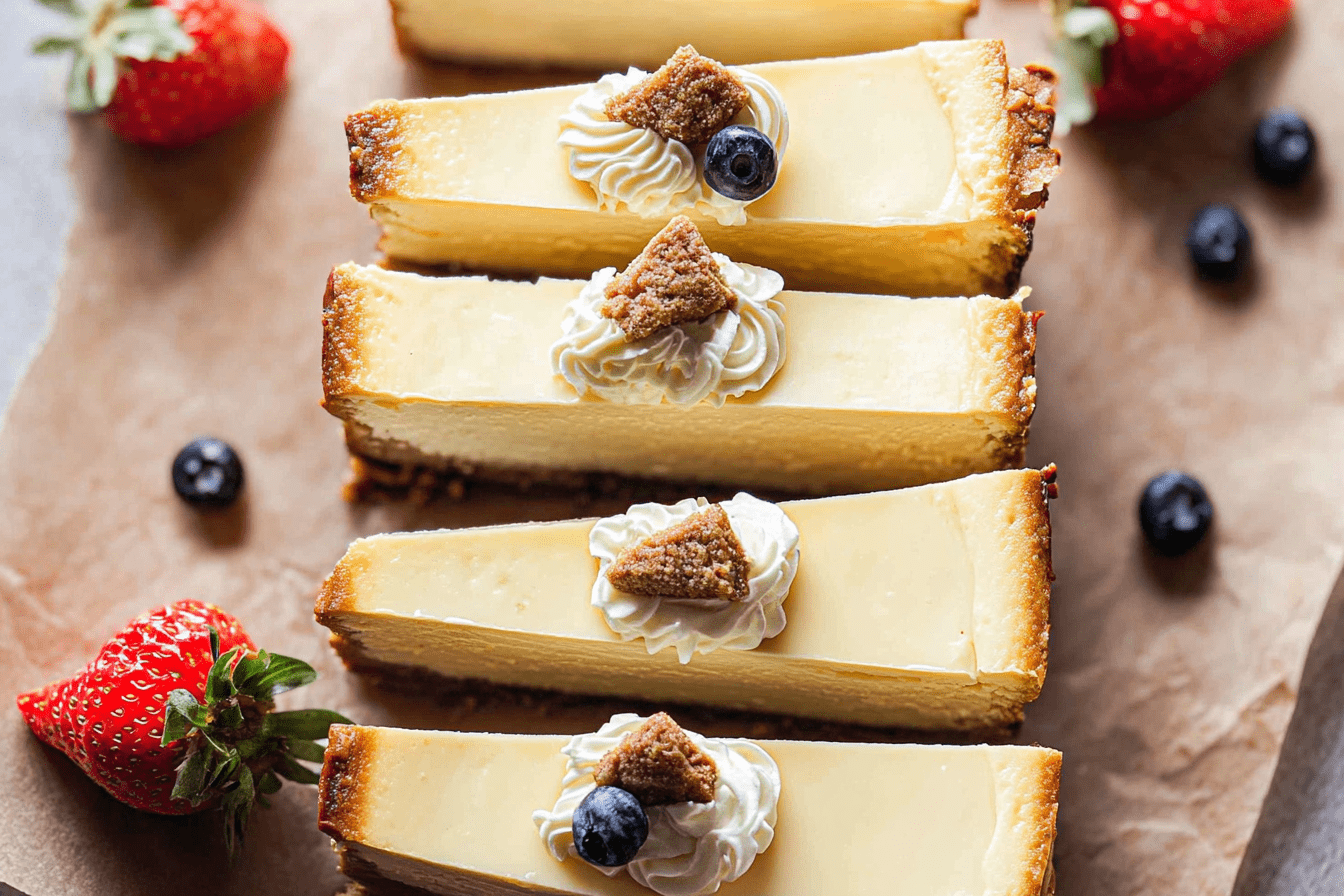
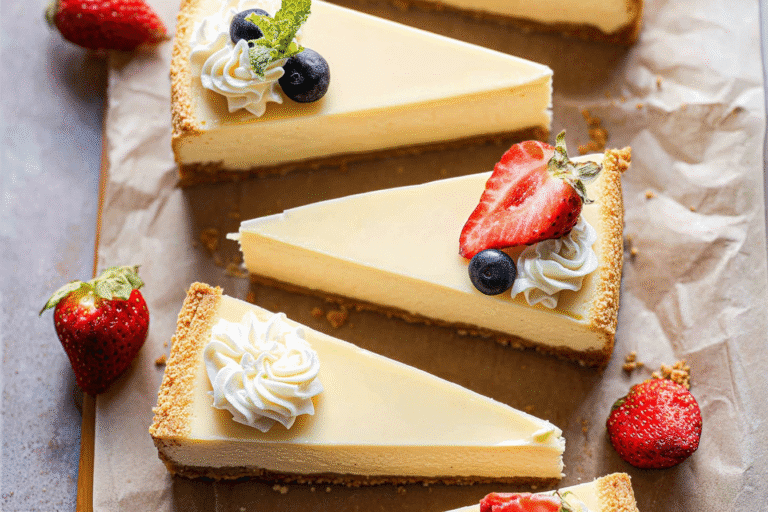
Slice with a sharp knife that has been dipped in hot water and wiped clean between cuts for the cleanest slices. The small batch nature of this recipe means each slice will be perfectly portioned, typically serving 4-6 people.
Top with fresh berries, a dollop of whipped cream, or a drizzle of chocolate sauce if desired. For more fruity dessert inspiration, you might enjoy our cherry crisp recipe or our fresh cherry pie, both of which pair beautifully with cheesecake flavors.
Pro tip: For a no-bake variation, skip the water bath and refrigeration steps. Instead, add 1/2 cup whipped cream to the filling and chill for 2-4 hours until set. This version is perfect for hot days when turning on the oven isn’t appealing!
Dietary Substitutions to Customize Your Small Batch Cheesecake
One of the wonderful aspects of cheesecake is its adaptability. Whether you’re accommodating dietary restrictions or simply want to experiment with flavors, this small batch cheesecake recipe serves as an excellent foundation for customization. Let’s explore various substitutions that can help tailor this dessert to your specific needs.
Protein and Main Component Alternatives
The cream cheese base can be modified in several ways depending on your dietary preferences or what you have available in your kitchen. For a lighter version, substitute half the cream cheese with low-fat cottage cheese that has been blended until completely smooth. This reduces the fat content while maintaining protein and a similar texture.
For those who can’t consume dairy, several excellent alternatives exist. Cashew cream, made by soaking raw cashews overnight and blending them with water until smooth, provides a rich, creamy base with a subtle nutty flavor. Coconut cream, the thick part from a can of full-fat coconut milk, also works well and adds a tropical note to the finished dessert.
Table cream or mascarpone cheese can replace part or all of the cream cheese for an even richer, more luxurious texture. These alternatives will affect the flavor profile slightly, with mascarpone adding a sweeter, more buttery taste.
Crust and Flavor Modifications
The graham cracker crust is traditional but by no means the only option. Vanilla wafers, shortbread cookies, or even crushed pretzels create interesting variations. For a more sophisticated crust, try mixing crushed digestive biscuits with a bit of cinnamon and nutmeg.
Flavor-wise, the lemon juice in this recipe can be replaced or augmented with other citrus juices. Lime juice creates a key lime pie-style cheesecake, while orange juice offers a sweeter, more mellow citrus note. For a berry-flavored cheesecake, reduce the lemon juice to 1 teaspoon and add 2 tablespoons of berry puree or jam.
Chocolate lovers can add 2 tablespoons of cocoa powder to the filling and reduce the sugar slightly to compensate. Alternatively, fold in mini chocolate chips or a swirl of melted chocolate before baking for a marbled effect.
Mastering Small Batch Cheesecake: Advanced Tips and Variations
Once you’ve mastered the basic small batch cheesecake recipe, you might want to elevate your technique with some professional tips and creative variations. These advanced techniques will help you achieve bakery-quality results in your home kitchen and inspire you to create unique flavor combinations.
Pro Cooking Techniques
Temperature control is the secret to perfect cheesecake. Use an oven thermometer to ensure your oven maintains exactly 325°F throughout the baking process. Even a 10-degree variation can affect the outcome. The water bath method mentioned earlier is perhaps the most important technique for achieving a smooth, crack-free surface. If you’re concerned about water leaking into your pan, wrap the bottom of your cheesecake pan in several layers of aluminum foil before placing it in the water bath.
For an ultra-smooth texture, try processing your filling in a food processor instead of a mixer. This breaks down any tiny lumps of cream cheese and incorporates the ingredients more thoroughly. Just be careful not to overmix after adding the egg, as this can introduce too much air.
Flavor Variations
The possibilities for flavor variations are nearly endless. For a fall-inspired cheesecake, add 1/2 cup of pumpkin puree and pumpkin pie spice to the filling. A New York style version simply doubles the cream cheese and adds an extra egg yolk for an even denser, richer result.
For a coffee-infused variation, dissolve 1 teaspoon of instant espresso powder in the lemon juice before adding it to the batter. This subtle coffee flavor pairs beautifully with chocolate crusts or toppings.
Cultural inspirations can also guide your flavor choices. Add matcha powder for a Japanese-inspired green tea cheesecake, or incorporate cardamom and rosewater for a Middle Eastern variation. These sophisticated flavors shine even more in a small batch format.
Presentation Tips
Visual appeal transforms a good dessert into a great one. For a professional look, use a kitchen torch to lightly caramelize the top of your chilled cheesecake. This creates a beautiful golden-brown surface and adds a subtle toasted flavor.
Garnishing strategically makes a big impact. A simple arrangement of fresh berries, a sprinkle of citrus zest, or a few mint leaves can elevate the presentation. For a special occasion, consider adding edible flowers or gold leaf for a truly elegant finish.
Make-Ahead Options
Cheesecake actually improves with a day in the refrigerator, making it an excellent make-ahead dessert. You can prepare the entire cheesecake up to 3 days before serving, storing it covered in the refrigerator. The flavors meld together during this time, creating a more cohesive taste.
For busy entertainers, the crust can be prepared up to a week in advance and stored in the refrigerator or freezer. Simply fill and bake when ready to serve. This breaks the preparation into manageable steps and reduces last-minute stress.
How to Store Small Batch Cheesecake: Best Practices
Proper storage ensures your small batch cheesecake maintains its quality and safety. Because of its dairy content and moisture level, cheesecake requires careful handling to preserve its delicious texture and prevent spoilage. These storage guidelines will help you enjoy your dessert at its best for as long as possible.
Refrigeration Guidelines
Freshly baked small batch cheesecake should be refrigerated within 2 hours of cooling to room temperature. Store it in an airtight container or cover tightly with plastic wrap to prevent it from absorbing other food odors and to maintain moisture. When stored properly at 40°F or below, your cheesecake will remain fresh for 5-7 days.
If your cheesecake has toppings like fresh fruit, it’s best to add these just before serving as they can become soggy during storage. For cheesecakes with whipped cream toppings, store the whipped cream separately and add it shortly before enjoying.
Freezing Techniques
For longer storage, freezing is an excellent option. First, chill the cheesecake until completely firm, then freeze uncovered for about an hour until solid. This step prevents the plastic wrap from sticking to the surface. Wrap the frozen cheesecake tightly in plastic wrap, then aluminum foil to prevent freezer burn.
For added convenience, consider cutting the cheesecake into individual portions before freezing. Wrap each slice separately, then place in a freezer-safe bag or container. This allows you to thaw just what you need without defrosting the entire cake. Properly frozen, your cheesecake will maintain its quality for up to 2 months.
Thawing and Reheating
The best method for thawing frozen cheesecake is to transfer it to the refrigerator the night before you plan to serve it. This slow thawing process helps maintain the texture and prevents condensation from forming on the surface. Allow approximately 8-12 hours for a whole cheesecake to thaw completely, or 2-3 hours for individual slices.
While cheesecake is traditionally served chilled, some people enjoy it slightly warmed. If you prefer it this way, let individual slices come to room temperature for about 30 minutes before serving. Avoid using the microwave, as this can cause the texture to become uneven and potentially rubbery.
For more information on the nutritional aspects of cheese in recipes, check out this resource on cheese and nutrition from Harvard’s T.H. Chan School of Public Health.
FAQs: Frequently Asked Questions About Small Batch Cheesecake
What is small batch cheesecake?
Small batch cheesecake refers to recipes scaled down for 2-6 servings, perfect for solo cooks, couples, or small families who don’t want leftovers. Unlike full-sized versions baked in 9-inch springform pans, these use loaf pans, ramekins, or muffin tins for easy portion control. They maintain the creamy texture and rich flavor of traditional cheesecake but bake faster—typically 25-40 minutes. Common types include baked New York-style with graham cracker crusts or no-bake options chilled overnight. Key ingredients are cream cheese, sugar, eggs (or egg yolks for denser results), and vanilla. This format reduces waste and ingredient costs, making it ideal for testing recipes or weeknight desserts. Prep a basic one by mixing 8 oz cream cheese with 1/4 cup sugar, 1 egg, and 1 tsp vanilla, pour over a pressed graham crust, and bake at 325°F in a water bath for crack-free results. (92 words)
What’s an easy small batch cheesecake recipe for beginners?
For a foolproof 4-serving recipe, preheat oven to 325°F. Crust: Mix 1/2 cup graham cracker crumbs, 2 tbsp melted butter, and 1 tbsp sugar; press into a 7×4-inch loaf pan lined with parchment. Filling: Beat 12 oz softened cream cheese, 1/3 cup sugar, 1 egg, 1 tsp vanilla, and 1 tbsp lemon juice until smooth. Pour over crust, place pan in a larger dish with hot water halfway up sides. Bake 30-35 minutes until edges set but center jiggles. Cool in oven 1 hour, then chill 4 hours. Top with fruit or whipped cream. This method prevents cracks and yields a creamy texture. Total time: 5 hours including chill. Stores in fridge up to 5 days. Customize with chocolate chips or pumpkin puree for variety. (118 words)
Can you make small batch cheesecake without a springform pan?
Yes, skip the springform—use an 8×4-inch loaf pan, 6-inch cake pan, or four 6-oz ramekins for perfect small batches. Line loaf pans with overhanging parchment for easy removal. For ramekins, grease lightly and reduce bake time to 20-25 minutes at 325°F. A water bath (place pan in a roasting pan with boiling water) ensures even cooking and no cracks, regardless of vessel. After baking, cool gradually: 30 minutes at room temp, then fridge. Loaf pan recipes serve 4-6 slices; unmold by lifting parchment. This approach works for baked or no-bake versions—press crust firmly and chill filling 2-4 hours. Experiment with silicone muffin cups for individual portions, baking 18-22 minutes. Always tap the pan pre-bake to release air bubbles. (112 words)
How do you prevent cracks in small batch cheesecake?
Cracks happen from rapid temperature changes or overbaking. Use a water bath: set your pan in a larger one filled with hot water during baking at 325°F for 30-40 minutes—stop when edges are set and center 2 inches jiggles. Avoid opening the oven door. Cool in the turned-off oven with door ajar for 1 hour, then room temp 30 minutes before chilling. Ingredients matter: add 1-2 tbsp cornstarch or sour cream to the batter for stability, and don’t overmix after eggs. Room-temp cream cheese and eggs blend smoothly without excess air. For no-bake, chill undisturbed 6 hours. If cracks appear, cover with ganache or fruit topping—they taste just as good. This technique works for all small batch sizes. (108 words)
How long does small batch cheesecake last and how to store it?
Freshly baked small batch cheesecake lasts 5-7 days in the fridge, covered tightly with plastic wrap or in an airtight container to prevent drying or absorbing odors. For longer storage, freeze slices wrapped in plastic then foil up to 2 months—thaw overnight in fridge. No-bake versions keep 4-5 days chilled. Avoid room temp beyond 2 hours to prevent bacterial growth. Label with dates for safety. Pro tip: portion into single servings before freezing for grab-and-go treats. Signs it’s gone bad: mold, off smell, or watery texture. Always use pasteurized eggs in recipes. Warm slightly before serving for best creaminess. These tips minimize waste for small batches made weekly. (102 words)
Small Batch Cheesecake
🧀🍰 Silky small batch creamy cheesecake serves 4-6 perfectly, delivering rich tangy bliss without waste or overcommitment!
🎂 Foolproof baked method yields crack-free texture ideal for weeknights, holidays, or impressing guests effortlessly.
- Total Time: 5 hours 10 minutes
- Yield: 6 servings
Ingredients
– 1/2 cup graham cracker crumbs – Creates the classic crunchy base that provides texture contrast to the creamy filling
– 2 tablespoons melted butter – Binds the crust together and adds rich flavor
– 1 tablespoon sugar – Sweetens the crust for a balanced foundation
– 12 ounces softened cream cheese – The star of the show, providing that signature tangy creaminess
– 1/3 cup sugar – Sweetens the filling without overpowering the cream cheese flavor
– 1 large egg – Gives structure to the cheesecake while maintaining a silky texture
– 1 teaspoon vanilla extract – Enhances the overall flavor profile with aromatic depth
– 1 tablespoon lemon juice – Adds brightness that balances the richness of the cream cheese
Instructions
1-First Step: Prepare the Crust Start by preheating your oven to 325°F (165°C). While the oven heats, prepare your baking vessel. For this recipe, a 7×4-inch loaf pan works perfectly, but you could also use a 6-inch cake pan or four 6-ounce ramekins. Line your chosen pan with parchment paper, leaving an overhang on the sides to make removing the cheesecake easier later. In a small bowl, combine the graham cracker crumbs, melted butter, and sugar. Mix until all the crumbs are evenly coated and the mixture holds together when pressed. Pour the crumbs into your prepared pan and press firmly into the bottom using the back of a spoon or the bottom of a measuring cup. Creating an even, compact crust is essential for structural stability. Once pressed, place the pan in the refrigerator while you prepare the filling.
2-Second Step: Prepare the Filling In a medium mixing bowl, beat the softened cream cheese with an electric mixer until completely smooth. This is a crucial step – any lumps in the cream cheese will remain in the finished cheesecake. Scrape down the sides of the bowl to ensure everything is evenly incorporated. Add the sugar and continue mixing until well combined. The mixture should be smooth and free of graininess. Next, add the vanilla extract and lemon juice, mixing briefly to incorporate. These flavor enhancers work together to create that classic cheesecake taste profile. Add the egg and mix just until combined. Be careful not to overmix at this stage, as incorporating too much air can lead to cracks during baking. The batter should be smooth and creamy with a slight sheen.
3-Third Step: Assemble and Bake Remove the crust from the refrigerator and pour the filling over it, spreading evenly. Gently tap the pan on the counter a few times to release any air bubbles trapped in the batter. For the best results, bake your cheesecake in a water bath. Place your filled pan inside a larger baking dish, then carefully pour hot water into the larger dish until it reaches halfway up the sides of your cheesecake pan. This technique helps regulate temperature and creates steam, resulting in a smoother texture and fewer cracks. Bake for 30-35 minutes, or until the edges are set but the center still jiggles slightly when you gently shake the pan. The center should be about 2 inches in diameter and have a gentle wobble like gelatin. The residual heat will continue cooking the cheesecake as it cools.
4-Fourth Step: Cool Gradually This cooling process is just as important as the baking itself. Turn off the oven and crack the door open slightly, leaving the cheesecake inside for 1 hour. This gradual cooling helps prevent cracks from forming due to sudden temperature changes. After the hour, remove the cheesecake from the oven and run a thin knife around the edges to loosen it from the pan. This prevents the cheesecake from pulling away from the sides as it cools further, which can also cause cracks. Let it cool at room temperature for 30 minutes, then cover and refrigerate for at least 4 hours, though overnight is even better. This chilling time allows the flavors to develop and the texture to set properly.
5-Final Step: Serve and Enjoy Once fully chilled, remove the cheesecake from the refrigerator. If using a loaf pan with parchment paper, simply lift the cheesecake out using the parchment overhang. For other pans, run a warm knife around the edges and carefully release the springform or invert onto a plate. Slice with a sharp knife that has been dipped in hot water and wiped clean between cuts for the cleanest slices. The small batch nature of this recipe means each slice will be perfectly portioned, typically serving 4-6 people. Top with fresh berries, a dollop of whipped cream, or a drizzle of chocolate sauce if desired. For more fruity dessert inspiration, you might enjoy our cherry crisp recipe or our fresh cherry pie recipe, both of which pair beautifully with cheesecake flavors.
Last Step:
Please leave a rating and comment letting us know how you liked this recipe! This helps our business to thrive and continue providing free, high-quality recipes for you.Notes
🧀 Room temperature ingredients blend lump-free for ultra-creamy results.
💧 Water bath prevents cracks; foil seals perfectly.
❄️ Overnight chill maximizes flavor and firm slicing.
- Prep Time: 15 minutes
- Chill: 4 hours
- Cook Time: 55 minutes
- Category: Dessert
- Method: Bake
- Cuisine: American
- Diet: Vegetarian
Nutrition
- Serving Size: 1 slice
- Calories: 320 kcal
- Sugar: 18g
- Sodium: 260mg
- Fat: 25g
- Saturated Fat: 14g
- Unsaturated Fat: 9g
- Trans Fat: 0g
- Carbohydrates: 20g
- Fiber: 0g
- Protein: 6g
- Cholesterol: 105mg