Why You’ll Love This Pasta Primavera Recipe
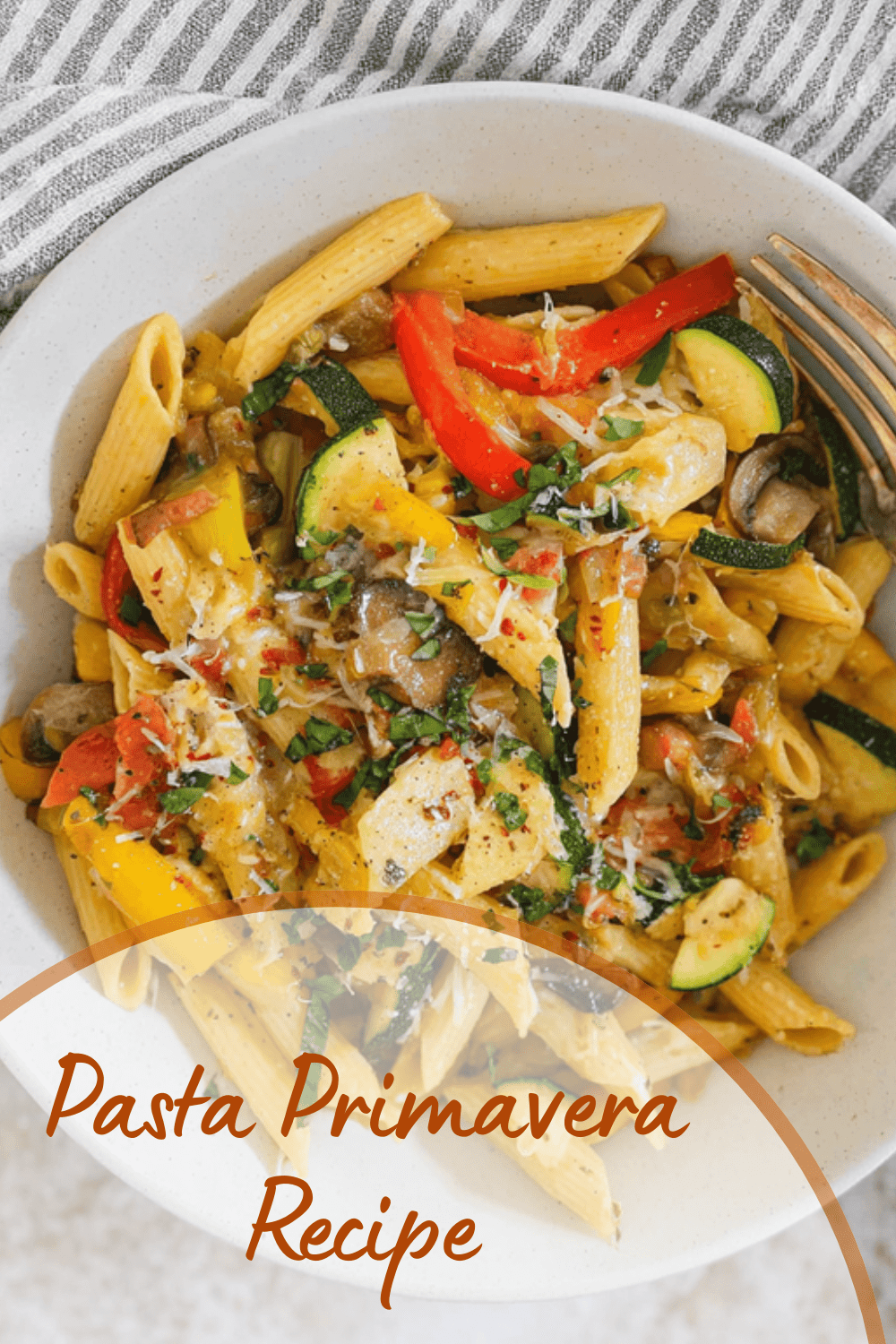
This Pasta Primavera Recipe is a go-to option for anyone wanting a quick and tasty meal that fits right into a busy schedule. It’s designed with ease in mind, using straightforward steps and ingredients you can find at any local store. Plus, it’s loaded with fresh vegetables that make it both delicious and good for you.
One reason to try this dish is its health benefits from plenty of fresh vegetables. You’ll get essential vitamins and minerals that help support overall wellness. What makes it even better is how adaptable it is, allowing tweaks for different diets like vegan or gluten-free without losing that fresh taste.
The flavors stand out too, blending colorful veggies with simple herbs and a light touch. This creates a vibrant meal that’s different from everyday pasta. For those who enjoy cooking without fuss, it’s perfect and can easily become a family favorite.
Jump To
- 1. Why You’ll Love This Pasta Primavera Recipe
- 2. Essential Ingredients for Pasta Primavera Recipe
- 3. How to Prepare the Perfect Pasta Primavera Recipe: Step-by-Step Guide
- 4. Dietary Substitutions to Customize Your Pasta Primavera Recipe
- 5. Mastering Pasta Primavera Recipe: Advanced Tips and Variations
- 6. How to Store Pasta Primavera Recipe: Best Practices
- 7. FAQs: Frequently Asked Questions About Pasta Primavera Recipe
- 8. Pasta Primavera Recipe
Essential Ingredients for Pasta Primavera Recipe
Gathering the right ingredients is key to making a great Pasta Primavera Recipe. Fresh vegetables take center stage, providing color, crunch, and nutrition. Let’s break down what you’ll need for this dish.
- 10 ounces penne pasta
- 2 tablespoons olive oil, plus more for drizzling
- 4 cloves garlic, sliced
- 1 yellow squash, sliced into thin half-moons
- 1 zucchini, sliced into thin half-moons
- 1 bunch asparagus, chopped into 1-inch pieces
- 1 cup cherry tomatoes, halved
- 1 cup thinly sliced red onion
- 1 teaspoon salt
- ½ cup frozen peas, thawed
- ¾ cup grated pecorino cheese
- 3 tablespoons fresh lemon juice
- Red pepper flakes to taste
- 1 cup fresh basil leaves, plus more for garnish
- ¼ cup fresh tarragon (optional)
- Salt and pepper to taste
These ingredients come together to create a balanced mix of carbs, veggies, and flavors. Feel free to adjust based on what you have on hand while keeping the core elements intact.
How to Prepare the Perfect Pasta Primavera Recipe: Step-by-Step Guide
Getting started with this Pasta Primavera Recipe begins with boiling water, a simple step that sets the foundation. First, bring a large pot of salted water to a boil and cook the penne pasta until al dente as per package instructions. Once done, drain it and toss with a drizzle of olive oil to keep it from sticking together.
Next, heat 2 tablespoons of olive oil in a large deep skillet over medium heat. Add the 4 cloves of sliced garlic, 1 yellow squash sliced into thin half-moons, 1 zucchini sliced into thin half-moons, 1 bunch of asparagus chopped into 1-inch pieces, 1 cup halved cherry tomatoes, 1 cup thinly sliced red onion, 1 teaspoon salt, and pepper to taste. Sauté for 3 to 4 minutes until the vegetables turn tender but still have a nice bite.
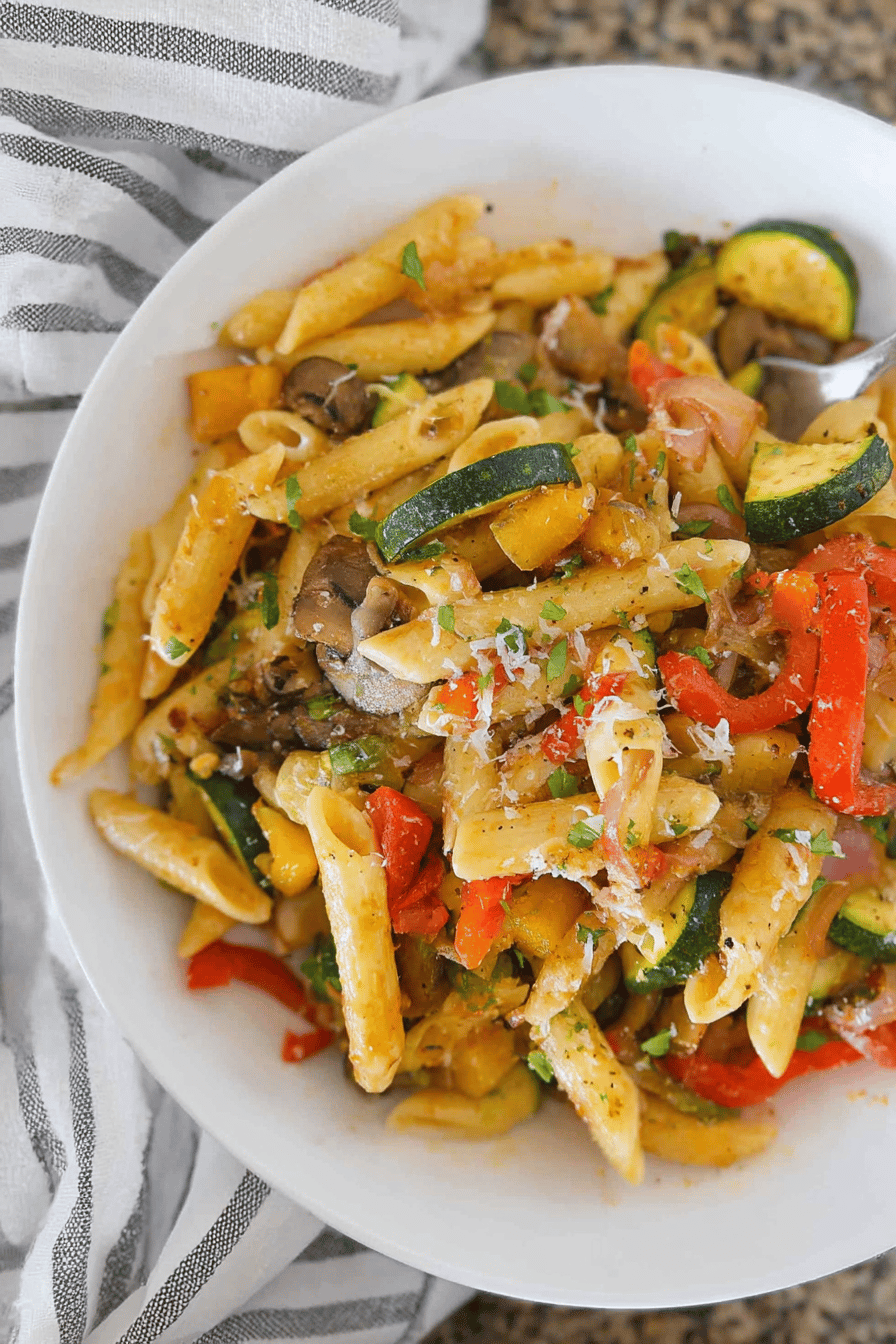
Then, add the cooked penne pasta, ½ cup thawed frozen peas, ¾ cup grated pecorino cheese, and 3 tablespoons fresh lemon juice. Toss everything together until the cheese melts and coats the pasta nicely. Stir in 1 cup fresh basil leaves and the optional ¼ cup fresh tarragon, then adjust with more salt and pepper as needed. Finally, garnish with extra fresh basil leaves before serving to add a pop of color and flavor.
Each of these steps can be adjusted for dietary needs, like swapping cheese for a vegan option. This guide keeps things straightforward, so even beginners can enjoy the process.
Dietary Substitutions to Customize Your Pasta Primavera Recipe
Making this Pasta Primavera Recipe work for your needs is easy with a few smart swaps. For protein, you could trade in chicken for tofu or tempeh to keep it vegan-friendly. If seafood sounds good, try adding shrimp or scallops for a fresh twist.
On the vegetable side, swap zucchini with asparagus or green beans based on what’s in season. For sauces, go with pesto or a tomato base to change things up. You can also play with herbs like basil, oregano, or thyme to shift the flavor profile.
Don’t forget seasonings; adding red pepper flakes or lemon zest can bring extra zing. These changes help tailor the recipe to fit various tastes and diets without much hassle.
Mastering Pasta Primavera Recipe: Advanced Tips and Variations
To take your Pasta Primavera Recipe to the next level, start with some pro cooking techniques. Blanch the vegetables before sautéing to help them keep their bright colors and firm texture, which makes the dish look and taste even better. This method ensures everything stays fresh and appealing on the plate.
Flavor variations can add excitement too; try tossing in nuts like pine nuts for crunch or different cheeses like goat cheese for a richer feel. For presentation, garnish with fresh herbs and a drizzle of olive oil to make it look elegant and inviting. If you’re prepping ahead, store the components separately and reheat gently to preserve that just-made quality.
One great way to explore more ideas is by checking out our pesto pasta recipe, which pairs well with these techniques. These strategies let you customize the recipe effortlessly, making it a hit for any occasion.
Additional Variations
Consider seasonal twists, like using summer squash in place of winter veggies, to keep things interesting. For a heartier meal, mix in protein sources such as grilled chicken or beans. Always taste as you go to balance flavors perfectly.
How to Store Pasta Primavera Recipe: Best Practices
Keeping your Pasta Primavera Recipe fresh starts with proper storage right after cooking. Put leftovers in an airtight container and keep them in the fridge for up to 3 days to maintain quality. This helps prevent spoilage and keeps the flavors intact.
If you want to save it longer, freeze portions in sealed containers for up to 2 months. When you’re ready, thaw it overnight in the fridge before reheating. For reheating, warm it gently on the stove or in the microwave with a bit of water or broth to avoid drying it out.
Meal prep is simpler if you cook the pasta and vegetables separately at first. That way, you can combine them just before eating to keep everything textured and tasty. Following these steps ensures your dish stays enjoyable even on the second day.
FAQs: Frequently Asked Questions About Pasta Primavera Recipe
What ingredients do I need to make a classic Pasta Primavera?
To prepare a classic Pasta Primavera, you’ll need pasta (such as penne or fettuccine), a mix of fresh vegetables like bell peppers, cherry tomatoes, zucchini, and asparagus, garlic, olive oil, Parmesan cheese, fresh basil or parsley, salt, and black pepper. Some recipes also include lemon juice or white wine for added flavor. Using fresh, seasonal vegetables helps achieve the best taste and vibrant colors.
How do I cook vegetables for Pasta Primavera without making them soggy?
To keep the vegetables crisp and vibrant, cook them quickly over medium-high heat. Start by sautéing denser vegetables like carrots and asparagus first, then add quicker-cooking ones like cherry tomatoes and zucchini later. Avoid overcooking by stirring frequently and removing from heat as soon as vegetables are tender but still firm. Alternatively, blanching vegetables briefly in boiling water before sautéing can help achieve the perfect texture.
Can I make Pasta Primavera a vegetarian or vegan dish?
Yes, Pasta Primavera is naturally vegetarian-friendly and can easily be made vegan by omitting cheese or replacing Parmesan with a plant-based alternative. For extra richness, add toasted nuts or seeds, such as pine nuts or walnuts, and a splash of nutritional yeast for a cheesy flavor. Always check that your pasta doesn’t contain eggs if you’re aiming for a fully vegan meal.
What type of pasta works best for Pasta Primavera?
Light, long, or tube-shaped pasta like linguine, fettuccine, penne, or farfalle pairs well with the fresh vegetable mix in Pasta Primavera. Choose a pasta shape that can hold the sauce and vegetables well. Whole wheat or gluten-free pasta can also be used based on dietary preference. Cook the pasta al dente to keep the dish balanced with tender but firm pasta.
How can I store and reheat leftover Pasta Primavera?
Store leftover Pasta Primavera in an airtight container in the refrigerator for up to 3 days. To reheat, warm it gently in a skillet over medium heat with a splash of water or broth to prevent drying out. Avoid microwaving directly without adding moisture, as this can make the pasta tough. Freshen flavors by stirring in a little olive oil or fresh herbs after reheating.
Pasta Primavera Recipe
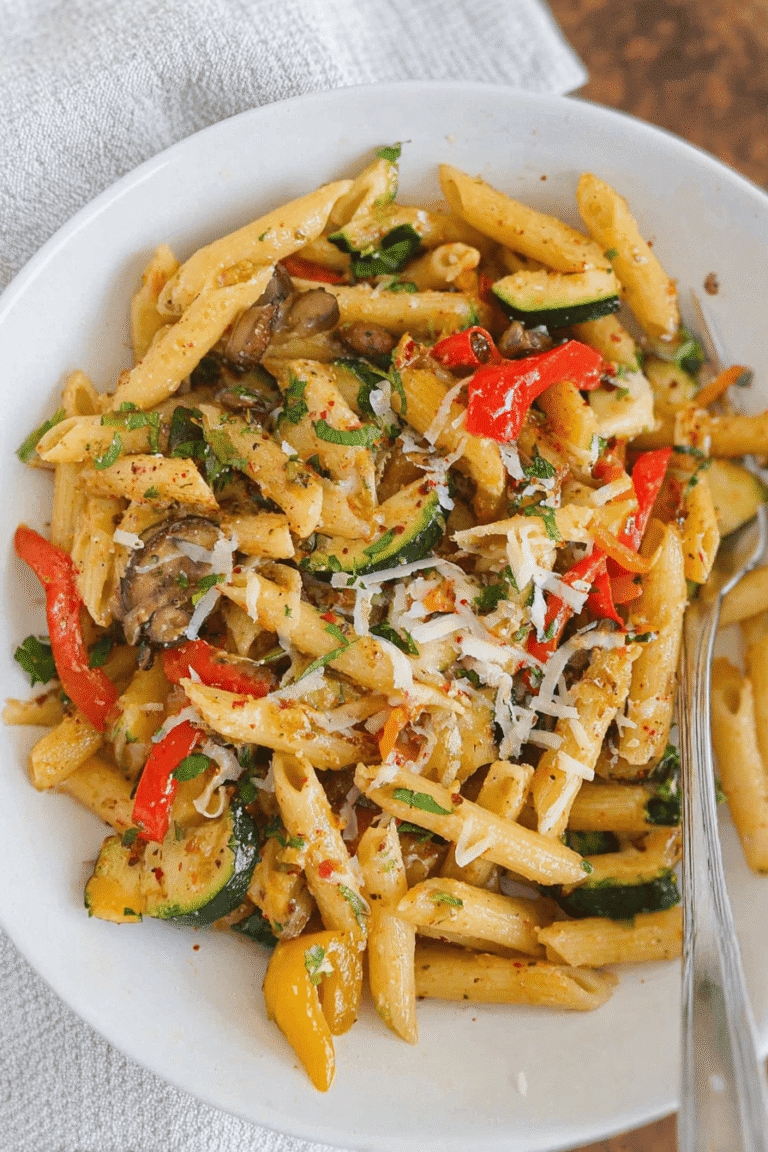
🍝 Enjoy a colorful, fresh pasta primavera recipe that celebrates seasonal vegetables for a nutritious and delicious meal.
🌿 This dish combines simple sauces and fresh herbs to create light and flavorful pasta perfect for any occasion.
- Total Time: 30 minutes
- Yield: 4 servings
Ingredients
– 10 ounces penne pasta
– 2 tablespoons olive oil, plus more for drizzling
– 4 cloves garlic, sliced
– 1 yellow squash, sliced into thin half-moons
– 1 zucchini, sliced into thin half-moons
– 1 bunch asparagus, chopped into 1-inch pieces
– 1 cup cherry tomatoes, halved
– 1 cup thinly sliced red onion
– 1 teaspoon salt
– ½ cup frozen peas, thawed
– ¾ cup grated pecorino cheese
– 3 tablespoons fresh lemon juice
– Red pepper flakes to taste
– 1 cup fresh basil leaves, plus more for garnish
– ¼ cup fresh tarragon (optional)
– Salt and pepper to taste
Instructions
1-Getting started: with this Pasta Primavera Recipe begins with boiling water, a simple step that sets the foundation. First, bring a large pot of salted water to a boil and cook the penne pasta until al dente as per package instructions. Once done, drain it and toss with a drizzle of olive oil to keep it from sticking together.
2-Next, heat 2 tablespoons of olive oil in a large deep skillet over medium heat. Add the 4 cloves of sliced garlic, 1 yellow squash sliced into thin half-moons, 1 zucchini sliced into thin half-moons, 1 bunch of asparagus chopped into 1-inch pieces, 1 cup halved cherry tomatoes, 1 cup thinly sliced red onion, 1 teaspoon salt, and pepper to taste. Sauté for 3 to 4 minutes until the vegetables turn tender but still have a nice bite.
3-Then, add the cooked penne pasta, ½ cup thawed frozen peas, ¾ cup grated pecorino cheese, and 3 tablespoons fresh lemon juice. Toss everything together until the cheese melts and coats the pasta nicely. Stir in 1 cup fresh basil leaves and the optional ¼ cup fresh tarragon, then adjust with more salt and pepper as needed. Finally, garnish with extra fresh basil leaves before serving to add a pop of color and flavor.
Last Step:
Please leave a rating and comment letting us know how you liked this recipe! This helps our business to thrive and continue providing free, high-quality recipes for you.Notes
🍅 Use penne pasta to hold the chopped vegetables well and get balanced bites.
⏲️ Avoid overcooking pasta since it continues to soften with vegetables.
🍋 Fresh lemon juice adds brightness and enhances the flavors of the dish.
- Prep Time: 10 minutes
- Cook Time: 20 minutes
- Category: Main Dish
- Method: Sautéing, Boiling
- Cuisine: Italian
- Diet: Vegetarian
Nutrition
- Serving Size: 1 serving
- Calories: 350
- Sugar: 6 g
- Sodium: 450 mg
- Fat: 12 g
- Saturated Fat: 3 g
- Unsaturated Fat: 8 g
- Trans Fat: 0 g
- Carbohydrates: 48 g
- Fiber: 7 g
- Protein: 12 g
- Cholesterol: 10 mg