

Why You’ll Love This Lemon Pudding
There’s something truly special about a bowl of lemon pudding made with love in your own kitchen. This homemade lemon pudding recipe brings together simple ingredients to create a dessert that feels luxurious yet comforting. Whether you’re preparing it for a family dinner or treating yourself after a long day, this easy lemon pudding recipe will quickly become a favorite in your repertoire.
What Makes This Recipe Special
- Ease of preparation: This lemon pudding from scratch comes together in just about 20 minutes, making it perfect for busy weeknights or unexpected guests. The straightforward technique requires no special equipment or advanced culinary skills, yet delivers impressive results that rival restaurant-quality desserts.
- Health benefits: Lemons are packed with vitamin C and antioxidants that support your immune system and overall wellness. This creamy homemade lemon pudding uses fresh lemon juice and zest, maximizing those beneficial compounds. Plus, by making it yourself, you control the ingredients and can easily adjust the sweetness to suit your dietary preferences.
- Versatility: This recipe adapts beautifully to various dietary needs without sacrificing texture or flavor. It can be easily transformed into a vegan lemon pudding or made with alternative sweeteners for those watching their sugar intake. The base recipe is naturally gluten-free, making it accessible to those with gluten sensitivities.
- Distinctive flavor: The perfect balance of tart and sweet sets this citrus pudding apart from boxed alternatives. Fresh lemon juice provides a bright, zesty punch that artificial flavors simply can’t replicate. The natural oils in the lemon zest add aromatic complexity while the creamy base creates a velvety mouthfeel that keeps everyone coming back for more.
Jump To
- 1. Why You’ll Love This Lemon Pudding
- 2. Essential Ingredients for Lemon Pudding
- 3. How to Prepare the Perfect Lemon Pudding: Step-by-Step Guide
- 4. Dietary Substitutions to Customize Your Lemon Pudding
- 5. Mastering Lemon Pudding: Advanced Tips and Variations
- 6. How to Store Lemon Pudding: Best Practices
- 7. FAQs: Frequently Asked Questions About Lemon Pudding
- 8. Lemon Pudding
Essential Ingredients for Lemon Pudding
The secret to creating the perfect lemon pudding lies in using high-quality ingredients measured precisely. Each component plays a crucial role in achieving that silky texture and bright flavor that makes this dessert so memorable. Below is everything you’ll need to make this delicious pudding recipe.
Main Ingredients
- 2 cups whole milk – Creates the rich, creamy base for your pudding
- 1/2 cup granulated sugar – Sweetens the pudding and balances the lemon’s acidity
- 1/4 cup cornstarch – Thickens the pudding to the perfect consistency
- 1/4 teaspoon salt – Enhances all flavors and prevents sweetness from becoming overpowering
- 2 large egg yolks – Adds richness and helps create a smooth, velvety texture
- 1/3 cup fresh lemon juice – Provides the signature tangy flavor and bright acidity
- 2 tablespoons unsalted butter – Contributes to the luxurious mouthfeel
- 1 tablespoon lemon zest – Intensifies the lemon flavor with aromatic oils
Special Dietary Options
Vegan Substitutions
- Replace whole milk with full-fat coconut milk or almond milk
- Use a cornstarch slurry instead of egg yolks (increase cornstarch to 1/3 cup)
- Substitute butter with vegan butter or coconut oil
Gluten-free Adaptations
This lemon pudding recipe is naturally gluten-free as written. Just ensure your cornstarch is certified gluten-free if you have celiac disease or severe gluten sensitivity.
Low-calorie Options
- Use skim milk instead of whole milk
- Reduce sugar to 1/4 cup and add a natural sweetener like stevia to taste
- Omit butter for a lighter version
How to Prepare the Perfect Lemon Pudding: Step-by-Step Guide
Making homemade lemon pudding is a rewarding process that yields impressive results. Follow these detailed steps to create a creamy pudding with the perfect consistency every time. This method works whether you’re making the traditional version or adapting it for specific dietary needs.
First Step: Preparation and Mise en Place
Before you begin cooking, gather all your ingredients and equipment. You’ll need a medium saucepan, a whisk, measuring cups and spoons, and four individual serving dishes. Having everything ready before you start will make the process smoother and more enjoyable. Measure out each ingredient exactly as specified in the list above. Separate your egg yolks from the whites if you haven’t already done so. Grate your lemon zest carefully, avoiding the bitter white pith beneath the yellow rind. Squeeze your lemons to extract the fresh juice, removing any seeds that might fall in. This preparation step takes about 5-10 minutes but saves time and prevents mistakes during cooking.
Second Step: Creating the Base Mixture
In your medium saucepan, whisk together 2 cups of milk, 1/2 cup of sugar, 1/4 cup of cornstarch, and 1/4 teaspoon of salt. It’s crucial to whisk thoroughly until the cornstarch is completely dissolved and no lumps remain. Any remaining lumps will be difficult to remove later and will affect the smooth texture of your finished lemon pudding. Place the saucepan over medium heat and begin stirring constantly with your whisk. Continuous stirring prevents scorching on the bottom of the pan and ensures even heating throughout the mixture.
Third Step: Cooking and Thickening
Continue cooking and whisking the mixture over medium heat. After about 5-7 minutes, you’ll notice it beginning to thicken. The mixture will start to bubble gently around the edges. At this point, lower the heat slightly but continue stirring. The pudding is ready when it has thickened enough to coat the back of a spoon. This technique, called nappé, is used by pastry chefs to determine the proper consistency for custards and puddings. The mixture should be glossy and smooth, with no visible starch granules. If you have an instant-read thermometer, the mixture should reach about 170°F (77°C). If you’re making a vegan version using additional cornstarch instead of eggs, you may need to cook it for 1-2 minutes longer to fully activate the thickening properties.
Fourth Step: Tempering the Egg Yolks
Remove the saucepan from the heat. Place your 2 egg yolks in a small bowl and whisk them briefly to break them up. This is a crucial step in preparing lemon pudding from scratch. You need to temper the yolks by gradually adding about 1/2 cup of the hot milk mixture to the yolks while whisking constantly. This gentle warming prevents the eggs from scrambling when you add them to the hot pudding base. Once the yolks are warm, pour the mixture back into the saucepan with the remaining hot milk mixture.
Fifth Step: Adding Lemon Flavor and Finishing
Return the saucepan to low heat and cook the citrus pudding for another 2 minutes, whisking constantly. This ensures the egg yolks are fully cooked and safe to eat. Remove from heat again and immediately whisk in 1/3 cup of fresh lemon juice, 2 tablespoons of butter, and 1 tablespoon of lemon zest. The butter will melt into the hot pudding, adding richness, while the lemon juice and zest infuse the dessert with that signature bright flavor. Whisk until the butter is completely incorporated and the mixture is smooth.
Final Step: Cooling and Serving
Pour your homemade lemon pudding into individual serving dishes. To prevent a skin from forming on the surface, press a piece of plastic wrap directly onto the top of the pudding. Refrigerate for at least 2 hours, though 3-4 hours is even better for the pudding to set completely. When ready to serve, you can garnish with fresh berries, a dollop of whipped cream, or additional lemon zest for a beautiful presentation. This no bake lemon pudding is perfect for making ahead of time for dinner parties or meal prep.
This creamy homemade lemon pudding is incredibly versatile and can be used as a filling for pies, tarts, or layered in parfaits with fresh fruit and whipped cream. For more delicious dessert ideas, check out our fresh cherry pie recipe or our cherry crisp for seasonal inspiration.
Dietary Substitutions to Customize Your Lemon Pudding
One of the wonderful things about this simple homemade lemon pudding is its adaptability. Whether you’re accommodating allergies, following a specific diet, or simply working with what you have in your kitchen, there are numerous substitutions you can make without sacrificing the delicious results.
Protein and Main Component Alternatives
For those who cannot consume eggs, whether due to allergies or dietary preferences, you can create an equally delicious version by adjusting the thickening agents. Simply increase the cornstarch to 1/3 cup and create a slurry by mixing it with a small amount of cold milk before adding it to the hot milk mixture. Cook until it reaches the desired consistency. This vegan version still yields a creamy pudding with a beautiful texture.
If you’re looking for protein alternatives, consider using silken tofu for a unique twist. Blend 1 package (about 12 ounces) of silken tofu with the lemon juice, sweetener, and zest until completely smooth. This creates a mousse-like pudding with additional protein and a slightly different mouthfeel that many find delightful.
Vegetable, Sauce, and Seasoning Modifications
While this recipe focuses on lemons, you can easily adapt it to feature other citrus fruits. Lime creates a refreshing variation that’s perfect for summer. Simply substitute fresh lime juice and zest for the lemon components. You might want to adjust the sugar slightly, as limes can be more acidic than lemons. For those who enjoy herbal notes, try adding a sprig of fresh lemon balm or a few lavender buds while the milk mixture heats up, then remove them before adding the eggs.
For a sophisticated twist, consider infusing the milk with other flavors before beginning the pudding process. Warm the milk with a vanilla bean split lengthwise, or add a cinnamon stick and a few cardamom pods for a spiced version. These subtle additions create complex flavor profiles that make this lemon dessert truly memorable.
Those watching their sugar intake can experiment with various sweeteners. Maple syrup provides a rich flavor that pairs beautifully with lemon, though it will add a slight color to the pudding. Honey works well too, though its distinctive flavor will be noticeable. Liquid stevia or monk fruit sweetener can be used for a zero-calorie option, but you may need to add a pinch of xanthan gum to maintain the proper texture.
Mastering Lemon Pudding: Advanced Tips and Variations
Once you’ve mastered the basic lemon pudding recipe, there are endless ways to customize and perfect it. These advanced techniques and creative variations will help you create impressive desserts that showcase your culinary skills while delivering exceptional flavor.
Pro Cooking Techniques
For the smoothest creamy pudding, consider using a double boiler method instead of direct heat. This gentle cooking method reduces the risk of scorching and separating, resulting in a perfectly smooth texture. Simply place your saucepan over a pot of simmering water, ensuring the bottom of the saucepan doesn’t touch the water.
Straining your finished pudding through a fine-mesh sieve is another professional technique that ensures absolute smoothness. This step removes any potential bits of cooked egg or undissolved starch that might remain despite careful whisking. While not strictly necessary, this extra step creates that restaurant-quality texture that elevates your homemade dessert.
Flavor Variations
Experiment with different lemon varieties for unique flavor profiles. Meyer lemons, a cross between lemons and mandarin oranges, offer a sweeter, less acidic flavor that’s perfect for those who find traditional lemon pudding too tart. Their thin skin also contains more aromatic oils, making them ideal for zest.
For an adult version, consider adding a splash of Limoncello to the finished pudding. This Italian lemon liqueur intensifies the citrus flavor while adding subtle complexity. About 2 tablespoons is typically enough to make a noticeable difference without overwhelming the palate.
Presentation Tips
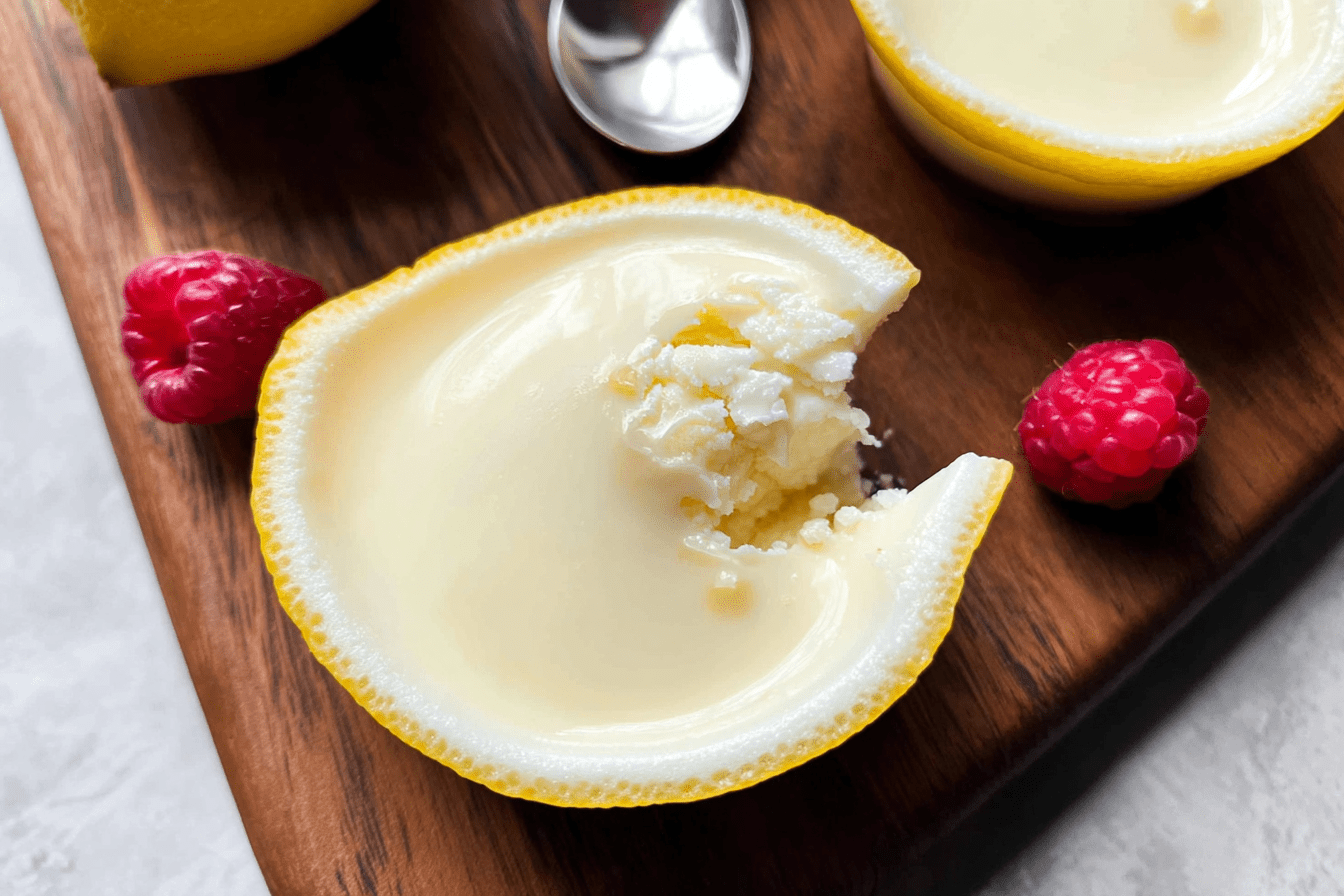
Turn your homemade lemon pudding into an elegant dessert with thoughtful presentation. Layer it in clear glass parfait dishes with alternating layers of fresh berries and vanilla wafers for a stunning trifle effect. Or serve it in hollowed-out lemon halves for a whimsical presentation that’s perfect for brunches or spring gatherings.
For a sophisticated finish, brûlée the top of your chilled pudding by sprinkling it thinly with sugar and using a kitchen torch to caramelize it. This creates a crispy, caramelized crust that contrasts beautifully with the smooth, cool pudding beneath.
Make-Ahead Options
This no bake lemon pudding is ideal for meal prep and advance preparation. The flavors actually develop and meld after resting in the refrigerator for 24 hours, making it even more delicious the next day. You can prepare it up to 3 days in advance, though the texture may become slightly looser over time. For the best results, store it in individual containers with plastic wrap pressed directly onto the surface to prevent skin formation.
How to Store Lemon Pudding: Best Practices
Proper storage ensures your lemon pudding maintains its delicious flavor and texture for as long as possible. Whether you’re saving leftovers or preparing this dessert in advance, these guidelines will help you enjoy your creamy pudding at its best.
Refrigeration
Fresh homemade lemon pudding should always be stored in the refrigerator. Place it in an airtight container or cover individual bowls tightly with plastic wrap. For optimal freshness, press the plastic wrap directly against the surface of the pudding to prevent a skin from forming. When stored correctly, your pudding will maintain its quality for 3-5 days. After the third day, you may notice some liquid separation, but this is natural and doesn’t indicate spoilage. Simply give it a gentle stir before serving to reincorporate the liquid.
Freezing
While lemon pudding can be frozen for up to 2 months, keep in mind that the texture may change slightly. Ice crystals can form during freezing, making the pudding somewhat grainy once thawed. To freeze, portion the pudding into freezer-safe containers, leaving about half an inch of space at the top as it will expand slightly. Label each container with the date. Thaw frozen pudding overnight in the refrigerator before serving. The texture may be a bit softer than freshly made pudding, but it will still be delicious. For best results, use frozen pudding in recipes where texture is less critical, such as in pie fillings or parfaits.
Reheating
While lemon pudding is typically enjoyed chilled, you can serve it warm if you prefer. To gently warm refrigerated pudding, place the container in a bowl of warm water for 10-15 minutes, stirring occasionally. Avoid using the microwave, as it can create hot spots and cause separation. If you need to reheat frozen pudding, let it thaw in the refrigerator first, then use the warm water method.
Meal Prep Considerations
For efficient meal prep, consider portioning your lemon pudding into individual containers immediately after cooling. This makes it easy to grab a single serving for quick snacks or desserts throughout the week. You can also prep multiple batches with slight variations, such as one with added berries and another plain, to keep your options interesting.
Check out more great dessert ideas like our fresh cherry lemonade or our peach cobbler for more seasonal inspiration to complement your lemon pudding.

FAQs: Frequently Asked Questions About Lemon Pudding
How do you make homemade lemon pudding from scratch?
Making homemade lemon pudding is simple and takes about 20 minutes. In a saucepan, whisk 2 cups milk, 1/2 cup sugar, 1/4 cup cornstarch, and 1/4 teaspoon salt until smooth. Cook over medium heat, stirring constantly until it thickens and bubbles, about 5-7 minutes. Remove from heat, then stir in 2 beaten egg yolks, 1/3 cup fresh lemon juice, 2 tablespoons butter, and 1 tablespoon lemon zest. Return to low heat for 2 minutes, stirring. Pour into bowls, cover with plastic wrap touching the surface to prevent a skin, and chill for 2 hours. Serves 4. This creamy pudding has bright citrus flavor and sets perfectly without gelatin. Pro tip: Use Meyer lemons for milder taste.
What are the basic ingredients for lemon pudding?
Core ingredients for classic lemon pudding include 2 cups whole milk (or plant-based alternative), 1/2 cup granulated sugar, 1/4 cup cornstarch (for thickening), 1/4 teaspoon salt, 2 large egg yolks, 1/3 cup fresh lemon juice, 2 tablespoons unsalted butter, and 1 tablespoon lemon zest. These create a tangy, silky texture. For vegan version, swap milk for coconut milk, use cornstarch slurry instead of eggs, and plant-based butter. Adjust sugar to taste—add 1/4 cup more for sweeter pudding. Fresh lemons give the best flavor over bottled juice. Measure accurately for perfect consistency; too much cornstarch makes it gummy. This recipe yields 4 servings and costs under $5.
Can you make no-bake lemon pudding?
Yes, instant no-bake lemon pudding uses boxed mix or store-bought instant pudding: Whisk one 3.4-oz box lemon Jell-O pudding with 2 cups cold milk for 2 minutes until thick. Fold in 1 cup whipped topping or Cool Whip, chill 1 hour. For homemade no-bake, blend 1 cup Greek yogurt, 1/2 cup lemon curd, 1/4 cup powdered sugar, and 1 cup heavy cream whipped stiff. Layer in jars with graham cracker crumbs. No cooking needed—ready in 10 minutes plus chill time. It’s lighter than stovetop versions, perfect for summer. Customize with berries or coconut. Stores up to 3 days in fridge. Great for beginners avoiding heat.
How do you fix runny lemon pudding?
If your lemon pudding is runny, first check if undercooked—reheat gently while stirring in 1-2 teaspoons cornstarch mixed with cold water to thicken without lumps. Simmer 1-2 minutes until it coats a spoon. Too much liquid? Reduce milk next time or cook longer. Acid from lemons can thin it, so add juice after thickening. For chilled pudding that won’t set, it may need more chill time (4+ hours) or plastic wrap to block condensation. If egg-based, ensure yolks temper properly by whisking hot milk in slowly. Test doneness at 170°F. Salvage by blending smooth and rechilling. Proper fixes yield creamy results every time—practice makes perfect consistency.
How long does homemade lemon pudding last in the fridge?
Homemade lemon pudding lasts 3-5 days in the fridge when stored in an airtight container. Cover surface with plastic wrap before sealing to avoid skin formation and bacterial growth. It may weep liquid after day 3 due to starch breakdown, but it’s still safe if no off smells or mold. Freezes well up to 2 months—thaw overnight in fridge and stir before serving; texture slightly softer. Egg-based versions shorten shelf life vs. vegan. Discard if it darkens or smells sour. For parties, make 1-2 days ahead. Nutrition per serving: 200 calories, high vitamin C from lemons. Label dates for freshness—enjoy safely!

Lemon Pudding
🍋🍮 Velvety homemade lemon pudding delivers bright zesty tang in silky smooth texture – fresh citrus heaven without boxes!
🌟 Quick stovetop luxury perfect for pies, parfaits, tarts, or chilled spoons – elevates desserts effortlessly.
- Total Time: 2 hours 20 minutes
- Yield: 4 servings
Ingredients
– 2 cups whole milk Creates the rich, creamy base for your pudding
– 1/2 cup granulated sugar Sweetens the pudding and balances the lemon’s acidity
– 1/4 cup cornstarch Thickens the pudding to the perfect consistency
– 1/4 teaspoon salt Enhances all flavors and prevents sweetness from becoming overpowering
– 2 large egg yolks Adds richness and helps create a smooth, velvety texture
– 1/3 cup fresh lemon juice Provides the signature tangy flavor and bright acidity
– 2 tablespoons unsalted butter Contributes to the luxurious mouthfeel
– 1 tablespoon lemon zest Intensifies the lemon flavor with aromatic oils
Instructions
1-First Step: Preparation and Mise en Place Before you begin cooking, gather all your ingredients and equipment. You’ll need a medium saucepan, a whisk, measuring cups and spoons, and four individual serving dishes. Having everything ready before you start will make the process smoother and more enjoyable. Measure out each ingredient exactly as specified in the list above. Separate your egg yolks from the whites if you haven’t already done so. Grate your lemon zest carefully, avoiding the bitter white pith beneath the yellow rind. Squeeze your lemons to extract the fresh juice, removing any seeds that might fall in. This preparation step takes about 5-10 minutes but saves time and prevents mistakes during cooking.
2-Second Step: Creating the Base Mixture In your medium saucepan, whisk together 2 cups of milk, 1/2 cup of sugar, 1/4 cup of cornstarch, and 1/4 teaspoon of salt. It’s crucial to whisk thoroughly until the cornstarch is completely dissolved and no lumps remain. Any remaining lumps will be difficult to remove later and will affect the smooth texture of your finished lemon pudding. Place the saucepan over medium heat and begin stirring constantly with your whisk. Continuous stirring prevents scorching on the bottom of the pan and ensures even heating throughout the mixture.
3-Third Step: Cooking and Thickening Continue cooking and whisking the mixture over medium heat. After about 5-7 minutes, you’ll notice it beginning to thicken. The mixture will start to bubble gently around the edges. At this point, lower the heat slightly but continue stirring. The pudding is ready when it has thickened enough to coat the back of a spoon. This technique, called nappé, is used by pastry chefs to determine the proper consistency for custards and puddings. The mixture should be glossy and smooth, with no visible starch granules. If you have an instant-read thermometer, the mixture should reach about 170°F (77°C). If you’re making a vegan version using additional cornstarch instead of eggs, you may need to cook it for 1-2 minutes longer to fully activate the thickening properties.
4-Fourth Step: Tempering the Egg Yolks Remove the saucepan from the heat. Place your 2 egg yolks in a small bowl and whisk them briefly to break them up. This is a crucial step in preparing lemon pudding from scratch. You need to temper the yolks by gradually adding about 1/2 cup of the hot milk mixture to the yolks while whisking constantly. This gentle warming prevents the eggs from scrambling when you add them to the hot pudding base. Once the yolks are warm, pour the mixture back into the saucepan with the remaining hot milk mixture.
5-Fifth Step: Adding Lemon Flavor and Finishing Return the saucepan to low heat and cook the citrus pudding for another 2 minutes, whisking constantly. This ensures the egg yolks are fully cooked and safe to eat. Remove from heat again and immediately whisk in 1/3 cup of fresh lemon juice, 2 tablespoons of butter, and 1 tablespoon of lemon zest. The butter will melt into the hot pudding, adding richness, while the lemon juice and zest infuse the dessert with that signature bright flavor. Whisk until the butter is completely incorporated and the mixture is smooth.
6-Final Step: Cooling and Serving Pour your homemade lemon pudding into individual serving dishes. To prevent a skin from forming on the surface, press a piece of plastic wrap directly onto the top of the pudding. Refrigerate for at least 2 hours, though 3-4 hours is even better for the pudding to set completely. When ready to serve, you can garnish with fresh berries, a dollop of whipped cream, or additional lemon zest for a beautiful presentation. This no bake lemon pudding is perfect for making ahead of time for dinner parties or meal prep.
Last Step:
Please leave a rating and comment letting us know how you liked this recipe! This helps our business to thrive and continue providing free, high-quality recipes for you.Notes
🍋 Zest lemons first, then juice for maximum fresh flavor.
🥄 Stir constantly while cooking to prevent lumps or scorching.
❄️ Plastic wrap on surface stops skin formation during chill.
- Prep Time: 10 minutes
- Chill: 2 hours
- Cook Time: 10 minutes
- Category: Dessert
- Method: Stovetop
- Cuisine: American
- Diet: Vegetarian
Nutrition
- Serving Size: ½ cup
- Calories: 260 kcal
- Sugar: 32g
- Sodium: 150mg
- Fat: 10g
- Saturated Fat: 5g
- Unsaturated Fat: 4g
- Trans Fat: 0g
- Carbohydrates: 38g
- Fiber: 0g
- Protein: 5g
- Cholesterol: 170mg


