Why You’ll Love This Udon Noodles
Udon noodles stand out as a staple in Japanese cuisine, offering a simple yet satisfying option for home cooks looking for a quick meal. Their thick, chewy texture comes from wheat flour, making them easy to prepare even on busy nights. In this section, we’ll highlight key benefits that make udon noodles a favorite among homemade udon enthusiasts. These noodles fit seamlessly into various udon recipes that can be adapted for any occasion.
- Ease of preparation: Udon noodles cook in just minutes, often requiring only boiling water for fresh ones, which saves time for busy parents and working professionals. This simplicity means you can whip up a delicious udon noodle recipe without needing advanced kitchen skills or fancy tools. Plus, the straightforward process reduces cleanup, allowing more time to enjoy the meal with family.
- Health benefits: Made primarily from wheat flour, udon noodles provide a source of carbohydrates that offer sustained energy, making them ideal for active individuals like students and athletes. They can be paired with vegetables for added nutrients, supporting a balanced diet for diet-conscious people. Additionally, options like vegetable-based toppings enhance the nutritional value without compromising on taste.
- Versatility: Udon noodles adapt to countless fresh udon dishes, from simple soups to stir-fries, catering to various dietary needs like vegan or gluten-free alternatives. This flexibility lets food enthusiasts experiment with quick udon recipes that suit seasons or preferences, such as cold udon in summer or hot broth in winter. Whether you’re a traveler trying new flavors or a senior seeking light meals, udon fits the bill.
- Distinctive flavor: The neutral taste of udon noodles allows them to absorb flavors from broths and seasonings, creating a unique profile in every japanese noodles dish. Toppings like scallions add a fresh crunch, while spices bring depth that appeals to baking enthusiasts looking for savory options. This makes how to make udon noodles at home an exciting way to explore authentic udon noodles without leaving your kitchen.
To dive deeper into related recipes, consider trying a Thai cold noodle salad for a refreshing twist on noodle dishes. This can complement your udon experience by introducing new Asian flavors.
Jump To
- 1. Why You’ll Love This Udon Noodles
- 2. Essential Ingredients for Udon Noodles
- 3. How to Prepare the Perfect Udon Noodles: Step-by-Step Guide
- 4. Protein and Main Component Alternatives
- 5. Vegetable, Sauce, and Seasoning Modifications
- 6. Mastering Udon Noodles: Advanced Tips and Variations
- 7. How to Store Udon Noodles: Best Practices
- 8. FAQs: Frequently Asked Questions About Udon Noodles
- 9. Udon Noodles
Essential Ingredients for Udon Noodles
Building a great udon noodle recipe starts with the right ingredients, which form the base of any simple udon dish. Below is a comprehensive list drawn from traditional Japanese practices, ensuring your homemade udon turns out perfectly. We’ll organize this into categories for easy reference, focusing on base components, common toppings, and variable additions.
Main Ingredients
- Udon noodles – Forms the thick, chewy base made from wheat flour, essential for the structure of the dish.
- Broth – Typically made from kombu (seaweed), katsuobushi (bonito flakes), and soy sauce, creating a mild dashi that varies by region; dark soy sauce is common in eastern Japan, while light soy sauce is used in western Japan.
Common Toppings
- Thinly sliced scallions – Added for a fresh, pungent flavor and crunch.
- Tempura (especially shrimp or mixed fritters) – Provides a crispy contrast to the soft noodles.
- Aburaage (sweet fried tofu pouches) – Offers a sweet and savory element, popular in many udon recipes.
- Kamaboko (sliced fish cake) – Adds a chewy texture and subtle seafood taste.
- Shichimi (Japanese seven-spice blend) – Used to taste for a spicy kick that enhances the overall flavor.
Variable Additions
- Vegetables such as mushrooms, onions, or radish – Incorporated by dish type to add nutrition and variety.
- Proteins including chicken, seafood, or eggs – Selected based on preferences to make the meal more filling.
- Seasonings like curry, miso, or soy sauce – Adjusted for flavor profiles in different japanese noodles variations.
Special Dietary Options
- Vegan: Substitute animal-based proteins with plant-based options like tofu or mushrooms; use vegetable broth instead of dashi with bonito flakes.
- Gluten-free: Opt for gluten-free udon made from alternative flours like rice; ensure soy sauce is a gluten-free version.
- Low-calorie: Choose lighter toppings such as more vegetables and less tempura; control portions of noodles for a balanced meal.
Note that specific measurements were not provided in the source, so adjust quantities based on your recipe needs, such as using standard servings for a family of four. For more on fresh ingredients, explore a fresh cherry salad recipe that complements udon with vibrant sides.
How to Prepare the Perfect Udon Noodles: Step-by-Step Guide
Creating a delicious homemade udon dish is straightforward and rewarding, perfect for easy udon noodles at home. This guide covers a basic udon noodle recipe that can be completed in minutes, focusing on fresh udon for the best texture. We’ll break it down into clear steps to ensure your japanese udon noodles turn out just right.
Preparation and Mise-en-Place
Before starting, gather all ingredients to make the process smooth. First Step: Begin by preparing your workspace, measuring out udon noodles and other components like broth and toppings. This sets the stage for an efficient cooking session.
Cooking the Noodles
Second Step: Boil a pot of water, using about 4 liters for 200g of fresh udon noodles to ensure they have room to move. Add the noodles once the water reaches a rolling boil, stirring gently to prevent sticking; cook for 1-2 minutes until they achieve a chewy consistency.
Third Step: While the noodles cook, prepare the broth by simmering kombu and katsuobushi in a separate pot for 10 minutes, then strain and add soy sauce to taste. This step infuses the broth with authentic flavors, making your udon recipes stand out.
Adding Toppings and Assembly
Fourth Step: Drain the cooked noodles and rinse them under cold water for 30 seconds to stop the cooking process andremove excess starch. Fifth Step: Assemble the dish by placing the noodles in a bowl, pouring the hot broth over them, and adding toppings like thinly sliced scallions and tempura.
Sixth Step: Customize with variable additions such as vegetables or proteins, heating them briefly if needed. Final Step: Serve immediately, sprinkling shichimi to taste for extra flavor, and enjoy your quick udon noodles while they’re warm. For inspiration on noodle variations, check out an external resource like the Yaki Udon Stir-Fried Noodles Recipe to expand your skills.
Protein and Main Component Alternatives
Adapting udon noodles for different needs means exploring protein alternatives, which can transform a simple udon into a personalized meal. For instance, if you’re avoiding seafood, swap kamaboko with plant-based options like tofu for a fresh udon experience.
- Chicken as a lean protein substitute for pescatarian dishes.
- Eggs for added richness in vegetarian udon recipes.
- Seitan for gluten-free seekers, providing a chewy texture similar to traditional udon.
Vegetable, Sauce, and Seasoning Modifications
Enhancing udon noodles involves tweaking vegetables, sauces, and seasonings to match seasons or restrictions, making your homemade udon more versatile. For example, use seasonal veggies like radish in summer for a light, refreshing touch.
- Vegetables: Swap onions for bell peppers in stir-fried versions for added crunch.
- Sauces: Opt for miso instead of soy sauce for a deeper, fermented flavor in broths.
- Seasonings: Add curry powder for a spicy twist in simple udon dishes.
Mastering Udon Noodles: Advanced Tips and Variations
Taking your udon noodle recipe to the next level involves advanced techniques that elevate the dish beyond basics. Pro cooking techniques include testing noodle doneness by biting into one to ensure the perfect chewy texture.
Flavor Variations
Experiment with different seasoning combinations, like incorporating miso for a hearty twist on japanese noodles.
Presentation Tips
- Arrange toppings neatly for an appealing visual effect.
- Use bowls with depth to hold broth without spilling.
Make-Ahead Options
Prep noodles in advance by storing them cooked and rinsed, ready for quick assembly on busy days like for working professionals.
How to Store Udon Noodles: Best Practices
Proper storage keeps your udon noodles fresh and tasty, extending their usability for meal prep. Refrigeration works well for short-term needs, while freezing offers long-term solutions.
- Refrigeration: Store cooked noodles in an airtight container for up to 3 days, keeping them separate from broth to avoid sogginess.
- Freezing: Freeze uncooked noodles in portions for up to 2 months, thawing them in the fridge before use.
- Reheating: Warm refrigerated noodles in hot broth to restore texture, avoiding microwaves to prevent mushiness.
- Meal prep considerations: Batch cook and portion for easy weekday meals, ensuring flavors remain vibrant.
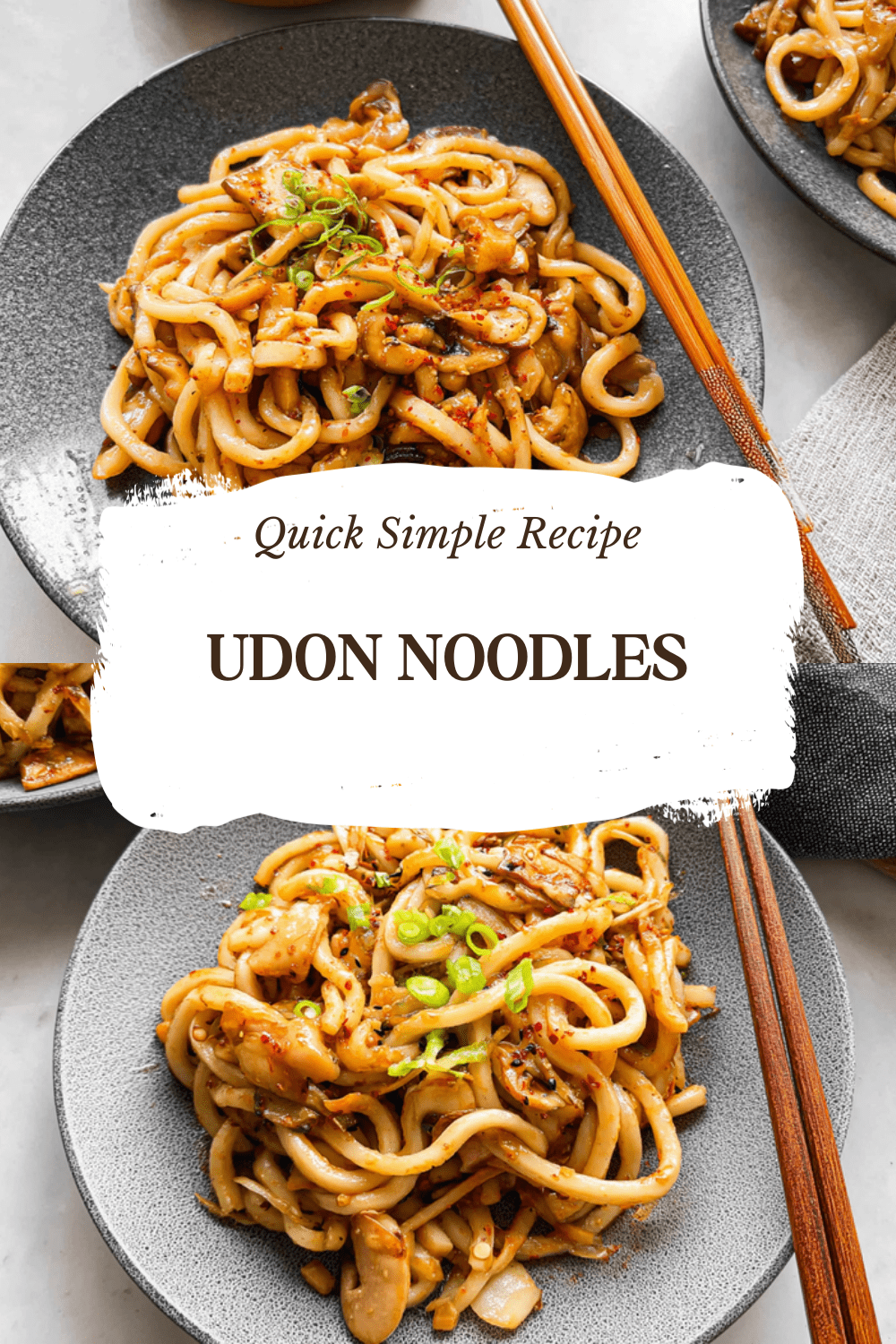
FAQs: Frequently Asked Questions About Udon Noodles
What are udon noodles?
Udon noodles are thick, white Japanese noodles made from wheat flour. They’re known for their delightfully chewy texture and neutral flavor that makes them versatile for many dishes. Unlike other noodles, udon is typically 2-4 millimeters in diameter, much thicker than ramen or soba noodles. This thickness gives udon its characteristic soft, slippery texture when cooked, and allows it to absorb flavors well from broths and sauces.
How do you cook udon noodles properly?
Cooking udon noodle is quick and simple. Fresh udon noodles only need 1-2 minutes in boiling water, while dried udon requires about 10-12 minutes. The key is not to overcook them, as they should maintain a chewy but firm texture. Stir occasionally to prevent sticking. Once cooked, drain immediately and rinse with cold water to stop the cooking process and remove excess starch. This ensures your noodles maintain the perfect consistency for any dish.
What are popular dishes made with udon noodles?
Udon noodles are featured in numerous Japanese dishes. The most famous is kitsune udon, topped with aburaage (fried tofu) and served in a hot dashi broth. Yaki udon features the noodles stir-fried with vegetables and meat, while tempura udon comes with crispy shrimp and vegetables in a savory broth. Cold udon salads are popular in summer, and nabeyaki udon bakes the noodles with other ingredients in a casserole-style dish. Their versatility makes them perfect for year-round Japanese cuisine.
Are udon noodles gluten-free?
No, traditional udon noodles are not gluten-free as they are made from wheat flour. People with celiac disease or gluten sensitivity should avoid regular udon noodles. However, some manufacturers now produce gluten-free versions using alternative flours like rice flour or buckwheat. If you’re dining out, it’s best to ask the restaurant about their ingredients, as most establishments use wheat-based udon. Always check packaging labels when purchasing dried udon for home cooking.
What’s the difference between udon and ramen noodles?
Udon and ramen noodles differ significantly in ingredients, thickness, and texture. Udon is made from wheat flour, water, and salt, resulting in thick, white, and chewy noodles. Ramen typically uses kansui (alkaline mineral water) with wheat flour, creating thinner, yellowish noodles with a firmer bite. Udon’s thickness (2-4mm) is nearly double that of ramen (1-2mm), giving udon a softer, more slippery texture while ramen offers more resistance when chewed. These differences make each suitable for distinct dishes and broth styles.
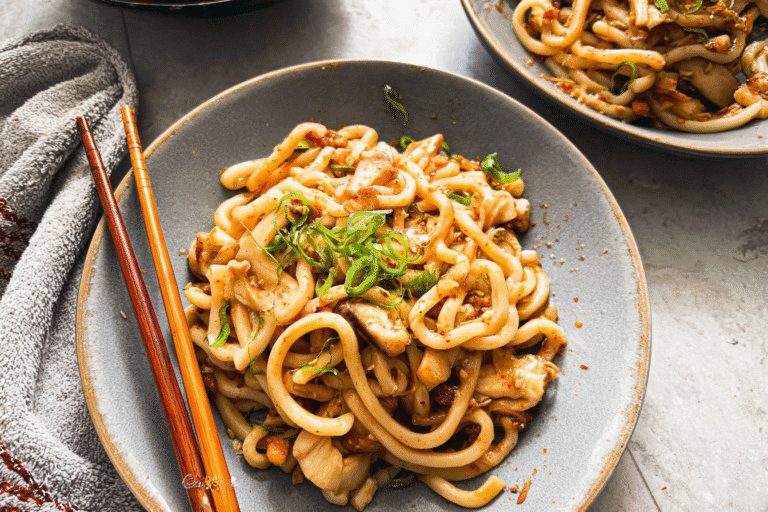
Udon Noodles
🍜 Experience authentic Japanese udon noodles with their signature thick, chewy texture that soaks up flavor perfectly.
🥢 Enjoy restaurant-quality noodle bowls at home in just minutes with this simple yet satisfying recipe.
- Total Time: 25 minutes
- Yield: 2 servings
Ingredients
– Udon noodles – Forms the thick, chewy base made from wheat flour, essential for the structure of the dish
– Broth – Creating a mild dashi that varies by region; dark soy sauce is common in eastern Japan, while light soy sauce is used in western Japan
– Thinly sliced scallions – Added for a fresh, pungent flavor and crunch
– Tempura (especially shrimp or mixed fritters) – Provides a crispy contrast to the soft noodles
– Aburaage (sweet fried tofu pouch) – Offers a sweet and savory element, popular in many udon recipes
– Kamaboko (sliced fish cake) – Adds a chewy texture and subtle seafood taste
– Shichimi (Japanese seven-spice blend) – Used to taste for a spicy kick that enhances the overall flavor
– Vegetables such as mushrooms, onions, or radish – Incorporated by dish type to add nutrition and variety
– Proteins including chicken, seafood, or eggs – Selected based on preferences to make the meal more filling
– Seasonings like curry, miso, or soy sauce – Adjusted for flavor profiles in different japanese noodles variations
Instructions
1-First Step: Before starting, gather all ingredients to make the process smooth. Begin by preparing your workspace, measuring out udon noodles and other components like broth and toppings. This sets the stage for an efficient cooking session.
2-Second Step: Boil a pot of water, using about 4 liters for 200g of fresh udon noodles to ensure they have room to move. Add the noodles once the water reaches a rolling boil, stirring gently to prevent sticking; cook for 1-2 minutes until they achieve a chewy consistency.
3-Third Step: While the noodles cook, prepare the broth by simmering kombu and katsuobushi in a separate pot for 10 minutes, then strain and add soy sauce to taste. This step infuses the broth with authentic flavors, making your udon recipes stand out.
4-Fourth Step: Drain the cooked noodles and rinse them under cold water for 30 seconds to stop the cooking process andremove excess starch.
5-Fifth Step: Assemble the dish by placing the noodles in a bowl, pouring the hot broth over them, and adding toppings like thinly sliced scallions and tempura.
6-Sixth Step: Customize with variable additions such as vegetables or proteins, heating them briefly if needed.
7-Final Step: Serve immediately, sprinkling shichimi to taste for extra flavor, and enjoy your quick udon noodles while they’re warm.
Last Step:
Please leave a rating and comment letting us know how you liked this recipe! This helps our business to thrive and continue providing free, high-quality recipes for you.Notes
🍜 For the best texture, don’t overcook the udon noodles – they should be tender but still slightly chewy when done
🌡 Keep the dashi stock at a gentle simmer, not a rolling boil, to maintain the delicate umami flavor
🧂 Add soy sauce gradually and taste as you go – you can always add more but you can’t take it away once it’s too salty
- Prep Time: 10 minutes
- Cook Time: 15 minutes
- Category: Main Course
- Method: Boiled
- Cuisine: Japanese
- Diet: Regular
Nutrition
- Serving Size: 1 bowl
- Calories: 320
- Sugar: 8g
- Sodium: 950mg
- Fat: 6g
- Saturated Fat: 1g
- Unsaturated Fat: 5g
- Trans Fat: 0g
- Carbohydrates: 58g
- Fiber: 2g
- Protein: 12g
- Cholesterol: 25mg