
Why You’ll Love This Tuscan Beef Stew
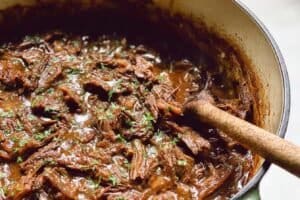
Imagine coming home after a long day and diving into a bowl of hearty Tuscan beef stew that warms you right up you know, the kind that makes busy evenings feel a little less chaotic. This recipe stands out because it’s straightforward to whip up, perfect for home cooks like you who juggle family dinners or quick meals after work. Let me share why this Tuscan beef stew might just become your go-to comfort food, blending rich flavors from fresh herbs and vegetables with minimal fuss.
- Ease of preparation: With only about 20 minutes of prep time, this Tuscan beef stew recipe is a breeze for anyone from busy parents to working professionals. You simply brown the beef, toss in the veggies and seasonings, and let the oven do the rest for around 2 hours. It’s simple enough for students or newlyweds just starting out in the kitchen, making it a reliable choice for weeknight dinners without needing fancy tools or advanced skills.
- Health benefits: Packed with nutrient-dense ingredients like carrots, celery, and garlic, this beef stew offers a boost of vitamins and minerals that support overall wellness. Each serving delivers a good amount of protein from the beef, along with fiber from the vegetables, which is great for diet-conscious folks aiming to balance their meals. Plus, the herbs add antioxidants, making this Tuscan stew a flavorful way to enjoy a nutritious meal that feels indulgent but keeps things light.
- Versatility: Whether you’re a food enthusiast experimenting with flavors or a senior looking for adaptable options, this recipe easily tweaks to fit various needs. Serve it with crusty bread for a hearty meal or over rice for busy parents; it’s even flexible for dietary adjustments like going gluten-free. That adaptability makes it ideal for travelers trying new tastes or baking enthusiasts pairing it with homemade sides.
- Distinctive flavor: What really sets this beef stew with herbs and vegetables apart is the deep, savory taste from Chianti wine and rosemary, creating that authentic Tuscan vibe you crave. The combination of tender beef and fresh veggies gives it a rustic charm that’s hard to beat, evoking memories of a cozy Italian kitchen. It’s like wrapping yourself in a blanket of flavors that linger, making every bite of this Tuscan style beef stew recipe unforgettable.
This Tuscan beef stew brings all these elements together in a way that’s not just delicious but also practical for your lifestyle. If you’re curious about similar hearty dishes, check out our take on beef bourguignon for another rich stew option. Plus, for more inspiration on wine-infused recipes, you can discover another Tuscan beef stew recipe that might spark your next cooking adventure.
Jump To
- 1. Why You’ll Love This Tuscan Beef Stew
- 2. Essential Ingredients for Tuscan Beef Stew
- 3. How to Prepare the Perfect Tuscan Beef Stew: Step-by-Step Guide
- 4. Mastering Tuscan Beef Stew: Advanced Tips and Variations
- 5. How to Store Tuscan Beef Stew: Best Practices
- 6. FAQs: Frequently Asked Questions About Tuscan Beef Stew
- 7. Tuscan Beef Stew
Essential Ingredients for Tuscan Beef Stew
Getting the ingredients just right is key to nailing that authentic Tuscan beef stew flavor, and I’ve laid them out here so you can see exactly what goes into this comforting dish. Each one plays a role in building those deep, hearty tastes that make the stew so special. Let’s break it down with a clear list, including why each ingredient matters and some tips for substitutions if needed.
Main Ingredients
- 3 to 3 ½ pounds boneless chuck roast, trimmed and cut into 2-inch pieces – This cut provides the tender, melt-in-your-mouth beef that’s the heart of the stew, breaking down beautifully during slow cooking for that classic Tuscan texture.
- 2 ½ teaspoons kosher salt – Helps season the beef evenly, enhancing all the flavors and drawing out moisture for better browning and taste.
- 1 tablespoon olive oil – Used for searing the beef, it adds a subtle richness and prevents sticking, making the browning step easier and more effective.
- 1 bottle Chianti wine, 750 ml – Infuses the stew with bold, fruity notes that tenderize the meat and create a deep, authentic Tuscan flavor profile that’s hard to replicate.
- 1 cup water – Keeps everything moist during cooking, balancing the wine’s intensity and helping to form a savory broth.
- 1 onion, thinly sliced – Adds a sweet, aromatic base that builds layers of flavor, making the stew more robust and inviting.
- 3 carrots, peeled and sliced into ½-inch thick rounds – Bring natural sweetness and crunch, plus vitamins, while absorbing the stew’s flavors for a colorful, nutritious touch.
- 3 stalks celery, sliced into ½-inch pieces – Provides a fresh, slightly bitter contrast that balances the richness and adds essential fiber.
- 10 cloves garlic, chopped – Infuses a pungent, earthy aroma that elevates the entire dish, offering both flavor and health benefits like immune support.
- 4 sprigs fresh rosemary – Delivers a fragrant, herbal note that’s traditional in Tuscan stew, enhancing the overall aroma and taste with its pine-like essence.
- 2 bay leaves – Add subtle depth and a hint of spice, helping to tie all the flavors together without overpowering the mix.
- 1 teaspoon black pepper – Brings a gentle heat and complexity, rounding out the seasoning for a well-balanced stew.
- 1 tablespoon unflavored gelatin powder – Helps thicken the broth naturally, giving the stew a silky texture that’s comforting and satisfying.
- 1 tablespoon tomato paste – Contributes a tangy sweetness that deepens the sauce, adding umami and a touch of acidity to cut through the richness.
- 1 teaspoon anchovy paste – Sneaks in a savory boost that enhances the meaty flavors without a fishy taste, making the stew more flavorful.
- 2 teaspoons cornstarch – Used at the end to refine the sauce’s consistency, ensuring it’s glossy and coats the ingredients perfectly.
Special Dietary Options
- Vegan: Swap the beef for plant-based proteins like seitan or jackfruit for a hearty alternative, and replace anchovy paste with miso paste to maintain that umami depth while keeping things fully vegan.
- Gluten-free: This recipe is naturally gluten-free, but double-check your cornstarch brand opt for a certified gluten-free version if needed, and serve with gluten-free sides like rice or potatoes.
- Low-calorie: Use leaner cuts of beef or reduce the oil slightly to cut down on fats; focus on loading up on the veggies for more volume and nutrients without extra calories.
These ingredients come together to make a versatile Tuscan stew that’s as adaptable as it is delicious, fitting for food enthusiasts and diet-conscious individuals alike.
How to Prepare the Perfect Tuscan Beef Stew: Step-by-Step Guide
If you’ve ever wanted to create a stew that feels like a hug in a bowl, this Tuscan beef stew guide will walk you through it with ease. I’ll break it down step by step, just like sharing tips with a friend over coffee, so you can adapt it for your family’s tastes. Remember, the key is in the slow cooking, which lets those herbs and vegetables really shine.
First Step: Prepare the Beef
Start by patting dry the 3 to 3 ½ pounds of boneless chuck roast pieces with paper towels this helps get a good sear. Toss the beef with 2 ½ teaspoons of kosher salt in a bowl and let it sit at room temperature for 30 minutes. This step draws out flavors and tenderizes the meat, making it perfect for busy parents who want maximum taste with minimal effort. For dietary tweaks, if you’re going leaner, consider using a different cut but adjust the cooking time accordingly.
Second Step: Preheat and Brown the Beef
Preheat your oven to 350°F with the rack in the lower middle position, setting the stage for even cooking. In a large Dutch oven, heat 1 tablespoon of olive oil over medium-high heat until it smokes a bit. Add half the beef in a single layer and brown it on all sides for about 8 minutes, adjusting the heat to avoid burning. This browning locks in that rich flavor, and if you’re making this for diet-conscious friends, browning in batches ensures it’s not greasy.
Third Step: Build the Stew Base
Once browned, stir in 2 cups of the 750 ml Chianti wine, 1 cup water, 1 thinly sliced onion, 3 peeled and sliced carrots, 3 sliced celery stalks, 10 chopped garlic cloves, 4 sprigs fresh rosemary, 2 bay leaves, 1 teaspoon black pepper, 1 tablespoon unflavored gelatin powder, 1 tablespoon tomato paste, and 1 teaspoon anchovy paste, along with the remaining beef. Bring everything to a boil, then reduce to a simmer. For variations, you could add seasonal veggies here to suit your preferences. Cover tightly with foil and the lid to keep in moisture, then transfer to the oven for about 2 hours until the beef is tender.
Fourth Step: Thicken the Sauce
After the stew has cooked, in a separate bowl, whisk the remaining wine with 2 teaspoons cornstarch until it’s fully dissolve ted. Add this mixture to the pot and place it on the stovetop. Bring to a boil over medium-high heat, then quickly reduce to a simmer and cook uncovered for 10 minutes, stirring occasionally, until the sauce thickens nicely. This step makes the stew more cohesive, and you can adjust seasonings with extra salt and pepper to taste, adapting for low-sodium options if needed.
Final Step: Serve and Enjoy
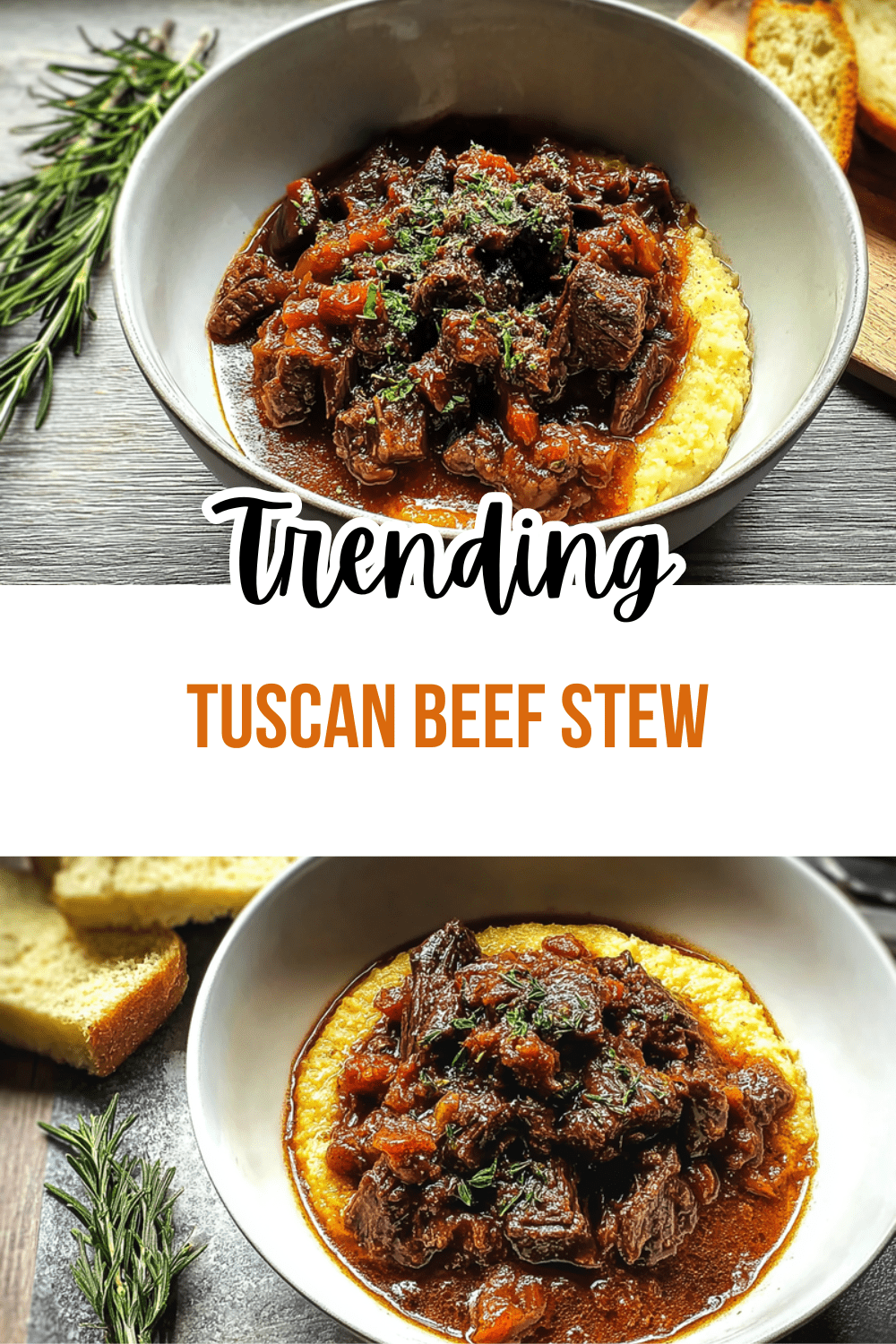
Once thickened, take the pot off the heat and let it rest for a minute before serving. Dish it up with crusty bread, rice, noodles, or potatoes for a complete meal that’s versatile for everyone from students to seniors. If you’re looking for side ideas, our red beans and rice recipe pairs wonderfully, adding a fun twist to your Tuscan beef stew. Remember, for more wine-based cooking tips, check out discussions on how wine enhances stews.
| Nutrient | Amount per Serving |
|---|---|
| Calories | 643 kcal |
| Carbohydrates | 11 g |
| Protein | 53 g |
| Fat | 33 g |
| Vitamin A | 5177 IU |
The total time is about <.h2>Dietary Substitutions to Customize Your Tuscan Beef Stew
Protein and Main Component Alternatives
Swapping proteins in your Tuscan beef stew can make it fit different dietary needs, like for vegan friends or those watching their intake. For instance, use lean beef cuts such as sirloin instead of chuck for a lighter version, or go with slow-cook friendly options like lamb for a twist. If you’re aiming for plant-p based, try seitan or tempeh to replace the beef, adjusting cook times by reducing them slightly to prevent over-softening, and tweak liquid ratios by adding more water or broth to maintain moisture.
Vegetable, Sauce, and Seasoning Modifications
Mixing up the veggies in this stew keeps things fresh, especially with seasonal swaps like using winter roots such as parsnips instead of carrots for a heartier feel, or summer zucchini for a lighter touch. For sauces, opt for a tomato-based braise if you’re skipping wine, or choose low-sodium broth to keep it healthy; herbs can vary with thyme instead of rosemary for a milder flavor, ensuring you preserve that classic Tuscan essence while making it robust or gentle as preferred.
Mastering Tuscan Beef Stew: Advanced Tips and Variations
To take your Tuscan beef stew to the next level, try some pro techniques that make all the difference, like using a heavy Dutch oven for even heat distribution. For flavor variations, experiment with different herbs or even a splash of balsamic for a tangy kick. When it comes to presentation, serve it in wide bowls with a sprinkle of fresh parsley for that rustic appeal. And for make-ahead options, prepare the stew a day early as the flavors meld beautifully, ideal статті for working professionals with packed schedules.
How to Store Tuscan Beef Stew: Best Practices
Storing your Tuscan beef stew properly keeps it tasty and safe for leftovers. For refrigeration, cool the stew completely and store it in an airtight container for up to 3 days, which is perfect for meal prep. When freezing, portion it into freezer-safe bags or containers and it can last up to 3 months thaw in the fridge overnight before reheating. For reheating, warm it gently on the stovetop with a little water to loosen it up, ensuring it retains that tender texture without drying out.
FAQs: Frequently Asked Questions About Tuscan Beef Stew
Can I add potatoes to Tuscan Beef Stew, and when should I add them?
Yes, you can add potatoes to Tuscan Beef Stew for extra heartiness. It’s best to add peeled and cut potatoes or mini potatoes during the last 30 to 45 minutes of cooking. This timing allows the potatoes to become tender without turning mushy, complementing the texture of the carrots and the braised beef perfectly.
How do I brown the beef properly before braising in Tuscan Beef Stew?
To brown the beef correctly, cut it into uniform cubes and brown in batches over medium-high heat. Avoid overcrowding the pan to ensure a good sear, which locks in flavor. Once browned, combine all the beef pieces with the other ingredients for braising. This step helps develop a rich, deep flavor in the stew.
Why is the sauce in Tuscan Beef Stew thickened separately, and how is it done?
The sauce is thickened separately to achieve a velvety, rich consistency that coats the beef. After braising, whisk cornstarch into a small amount of the reserved cooking liquid or wine, then stir it back into the stew. Simmering uncovered allows the sauce to thicken and intensify in flavor, enhancing the overall dish.
Can I make Tuscan Beef Stew ahead of time, and does it taste better the next day?
Yes, Tuscan Beef Stew can be made a day ahead and refrigerated. The flavors often deepen and meld overnight, making the stew taste even better the next day. Reheat gently on the stovetop while stirring occasionally, and if the sauce has thickened too much, add a splash of broth or water to loosen it.
What herbs and spices are traditional in Tuscan Beef Stew, and can I substitute them?
Traditional herbs include rosemary, thyme, and bay leaves, which bring earthy and aromatic notes to the stew. Garlic and black pepper complement these herbs well. If you don’t have fresh herbs, dried versions work, but use less to avoid overpowering the dish. Feel free to adjust herbs to suit your taste while keeping the stew’s rustic character.
Tuscan Beef Stew
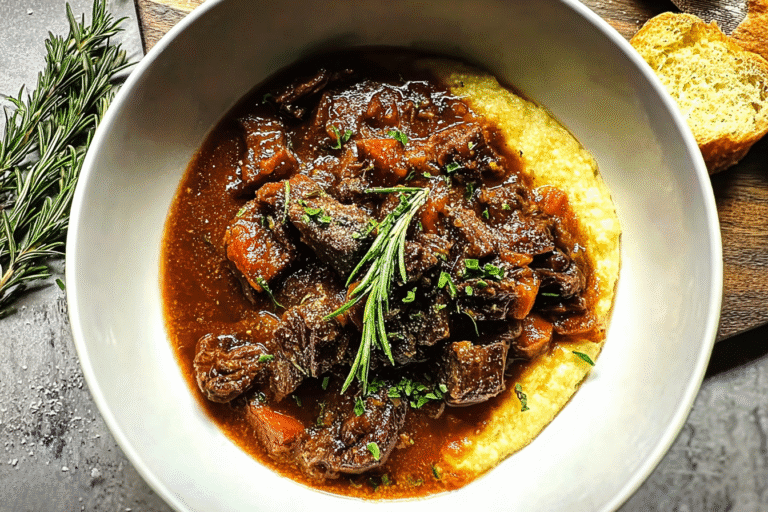
🍲 Tuscan Style Beef Stew is rich with herbs and loaded with hearty vegetables, offering a comforting meal with deep, savory flavors.
🍖 This stew features tender, slow-cooked beef combined with robust Chianti wine and fragrant seasonings, making it a perfect dish for special gatherings or cozy dinners.
- Total Time: 2 hours 20 minutes
- Yield: 6 servings
Ingredients
– 3 to 3 ½ pounds boneless chuck roast, trimmed and cut into 2-inch pieces
– 2 ½ teaspoons kosher salt for seasoning
– 1 tablespoon olive oil for searing the beef
– 1 bottle Chianti wine, 750 ml for tenderizing and flavor
– 1 cup water for moisture
– 1 onion, thinly sliced for aromatic base
– 3 carrots, peeled and sliced into ½-inch thick rounds for sweetness and texture
– 3 stalks celery, sliced into ½-inch pieces for fresh contrast
– 10 cloves garlic, chopped for aroma
– 4 sprigs fresh rosemary for herbal note
– 2 bay leaves for depth and spice
– 1 teaspoon black pepper for heat and complexity
– 1 tablespoon unflavored gelatin powder for thickening
– 1 tablespoon tomato paste for tangy sweetness and umami
– 1 teaspoon anchovy paste for savory boost
– 2 teaspoons cornstarch for sauce consistency
Instructions
1-First Step: Prepare the Beef Start by patting dry the 3 to 3 ½ pounds of boneless chuck roast pieces with paper towels this helps get a good sear. Toss the beef with 2 ½ teaspoons of kosher salt in a bowl and let it sit at room temperature for 30 minutes. This step draws out flavors and tenderizes the meat, making it perfect for busy parents who want maximum taste with minimal effort. For dietary tweaks, if you’re going leaner, consider using a different cut but adjust the cooking time accordingly.
2-Second Step: Preheat and Brown the Beef Preheat your oven to 350°F with the rack in the lower middle position, setting the stage for even cooking. In a large Dutch oven, heat 1 tablespoon of olive oil over medium-high heat until it smokes a bit. Add half the beef in a single layer and brown it on all sides for about 8 minutes, adjusting the heat to avoid burning. This browning locks in that rich flavor, and if you’re making this for diet-conscious friends, browning in batches ensures it’s not greasy.
3-Third Step: Build the Stew Base Once browned, stir in 2 cups of the 750 ml Chianti wine, 1 cup water, 1 thinly sliced onion, 3 peeled and sliced carrots, 3 sliced celery stalks, 10 chopped garlic cloves, 4 sprigs fresh rosemary, 2 bay leaves, 1 teaspoon black pepper, 1 tablespoon unflavored gelatin powder, 1 tablespoon tomato paste, and 1 teaspoon anchovy paste, along with the remaining beef. Bring everything to a boil, then reduce to a simmer. For variations, you could add seasonal veggies here to suit your preferences. Cover tightly with foil and the lid to keep in moisture, then transfer to the oven for about 2 hours until the beef is tender.
4-Fourth Step: Thicken the Sauce After the stew has cooked, in a separate bowl, whisk the remaining wine with 2 teaspoons cornstarch until it’s fully dissolve ted. Add this mixture to the pot and place it on the stovetop. Bring to a boil over medium-high heat, then quickly reduce to a simmer and cook uncovered for 10 minutes, stirring occasionally, until the sauce thickens nicely. This step makes the stew more cohesive, and you can adjust seasonings with extra salt and pepper to taste, adapting for low-sodium options if needed.
5-Final Step: Serve and Enjoy Once thickened, take the pot off the heat and let it rest for a minute before serving. Dish it up with crusty bread, rice, noodles, or potatoes for a complete meal that’s versatile for everyone from students to seniors. If you’re looking for side ideas, our red beans and rice recipe pairs wonderfully, adding a fun twist to your Tuscan beef stew. Remember, for more wine-based cooking tips, check out discussions on how wine enhances stews.
Last Step:
Please leave a rating and comment letting us know how you liked this recipe! This helps our business to thrive and continue providing free, high-quality recipes for you.Notes
🍷 Allow the stew to rest 1-2 days; flavors deepen and improve.
💧 Loosen thick stew with water when reheating for the perfect consistency.
🥔 Add potatoes in the last 30-45 minutes of cooking to prevent mushiness.
- Prep Time: 20 minutes
- Cook time: 2 hours
- Cook Time: 2 hours
- Category: Main Dish
- Method: Braising and simmering
- Cuisine: Italian
Nutrition
- Serving Size: 1 serving
- Calories: 643
- Sugar: 3 grams
- Sodium: 1462 milligrams
- Fat: 33 grams
- Saturated Fat: 14 grams
- Trans Fat: 2 grams
- Carbohydrates: 11 grams
- Fiber: 1 gram
- Protein: 53 grams
- Cholesterol: 183 milligrams