

Why You’ll Love This Spicy Sesame Gochujang Noodles
- Ease of preparation: These spicy sesame gochujang noodles are incredibly quick and simple to make, ready in just 25-30 minutes from start to finish. You don’t need any fancy cooking skills or equipment just a single pot and a bowl! The recipe uses pantry staples that you likely already have on hand, making it perfect for busy weeknight dinners.
- Health benefits: This dish packs a nutritional punch with balanced macronutrients. The base recipe contains only 278 calories per serving with 14g fat, 32g carbs, and 8g protein. Gochujang contains capsaicin from chili peppers, which can boost metabolism, while garlic offers immune-boosting properties. With customizable vegetables and proteins, you can easily increase the fiber and nutrient content.
- Versatility: One of the best things about this recipe is its incredible adaptability! You can use any type of noodles you have on hand, from udon to spaghetti. It accommodates various proteins like chicken, beef, shrimp, or tofu, making it perfect for meat lovers and vegetarians alike. The spice level is also easily adjustable by changing the amount of gochujang and gochugaru.
- Distinctive flavor: These noodles offer a bold, complex flavor profile that’s hard to find in quick weeknight dishes. The combination of spicy gochujang, nutty sesame, tangy vinegar, and umami from soy sauce creates a symphony of flavors that will excite your taste buds. The hot oil infusion technique really makes these flavors pop, giving the dish a restaurant-quality taste!
Jump To
- 1. Why You’ll Love This Spicy Sesame Gochujang Noodles
- 2. Essential Ingredients for Spicy Sesame Gochujang Noodles
- 3. How to Prepare the Perfect Spicy Sesame Gochujang Noodles: Step-by-Step Guide
- 4. Customizing Your Spicy Sesame Gochujang Noodles
- 5. Mastering Spicy Sesame Gochujang Noodles: Advanced Tips and Variations
- 6. How to Store Spicy Sesame Gochujang Noodles: Best Practices
- 7. FAQs: Frequently Asked Questions About Spicy Sesame Gochujang Noodles
- 8. Spicy Sesame Gochujang Noodles
Essential Ingredients for Spicy Sesame Gochujang Noodles
Main Ingredients:
- 8 ounces dry noodles (udon, wheat, rice noodles, ramen, egg noodles, or spaghetti cooked past al dente)
- ½ to 2 teaspoons Gochugaru (Korean chili flakes) or substitute with chili powder and red pepper flakes
- 4 to 6 cloves garlic, pressed or minced
- 4 scallions, greens only (sliced; white parts can be used in stir-fry variations)
- 2 teaspoons sesame oil
- 2 teaspoons sugar (or substitute with 1 ½ tablespoons maple syrup or honey)
- 2 tablespoons Gochujang paste
- 2 tablespoons high-heat oil (such as avocado or olive oil)
- 1 tablespoon tahini paste (optional: can replace or add peanut butter for extra richness)
- 2 tablespoons rice vinegar (or substitute with juice of one lime, about 2 tablespoons)
- 2 tablespoons soy sauce (or tamari for gluten-free)
Optional Additions:
- Protein: 1 pound boneless skinless chicken breasts (thinly sliced), beef, pork, shrimp, tofu, or omit for vegetarian
- Vegetables: 4-6 ounces shiitake mushrooms (thinly sliced), 2 handfuls baby spinach, steamed baby bok choy, steamed broccoli, snow peas, bell peppers, carrots, or ½ cup red onion (if scallions unavailable)
- Sauce Thinners: ½ cup reserved noodle cooking liquid, ½ cup water, or up to 1 cup water if mixture is very dry
- Toppings: Soft-boiled eggs (cook 5.5-6 minutes), chopped fresh cilantro or Thai basil, chopped peanuts, toasted sesame seeds, lime wedges
Special Dietary Options:
- Vegan: Use maple syrup instead of sugar, omit eggs, and use tofu as your protein. Ensure your gochujang is vegan-friendly (some contain fish products).
- Gluten-free: Substitute regular noodles with rice noodles and use tamari instead of soy sauce. Check that your gochujang is certified gluten-free.
- Low-calorie: Use zucchini noodles or shirataki noodles instead of regular noodles, reduce the oil by half, and increase vegetable content while keeping protein portions moderate.
How to Prepare the Perfect Spicy Sesame Gochujang Noodles: Step-by-Step Guide
Creating these delicious spicy sesame gochujang noodles is easier than you might think! In this guide, I’ll walk you through both preparation methods to help you achieve noodle perfection every time.Method 1: Basic Noodles (Quick Toss Method)
First Step: Cook Your Noodles
Bring a large pot of water to a rolling boil. Add your choice of noodles and cook according to package directions until they reach just under al dente texture if planning to stir-fry later, or cook them fully if you’re going to toss them directly with the sauce. Before draining, reserve about ½ cup of the starchy cooking liquid this liquid gold will help your sauce cling perfectly to the noodles! Drain the noodles and set them aside.Second Step: Prepare the Flavor-Packed Sauce Base
In a large mixing bowl, combine your gochugaru (or chili powder/red pepper flakes substitute), freshly minced garlic, sliced scallion greens, sesame oil, gochujang paste, and sugar (or maple syrup/honey if using). This combination forms the flavorful foundation of your dish. At this stage, don’t worry if the mixture seems dry that’s about to change with our next technique!Third Step: Infuse the Oil for Maximum Flavor
In a small saucepan, heat 2 tablespoons of avocado or olive oil until hot but not smoking. This is a crucial step that really makes these noodles special! Carefully and slowly pour the hot oil over your bowl of ingredients. You’ll immediately notice a wonderful aroma as the hot oil releases and intensifies the flavors of the garlic and spices. Give everything a good stir to combine. This oil infusion technique is similar to what’s used in authentic Chinese cooking to create bold flavors quickly.Fourth Step: Complete Your Sauce
Now stir in your tahini paste (if using), rice vinegar (or lime juice), and soy sauce (or tamari if you’re making this gluten-free). Whisk everything together until well combined. Your sauce should be thick but still pourable. If it’s too thick, gradually add a tablespoon of the reserved noodle cooking liquid or plain water at a time until you reach your desired consistency. This is where having that reserved water comes in handy!Fifth Step: Combine Noodles and Sauce
Add your drained noodles directly to the bowl with the sauce. Using tongs or two forks, toss the noodles vigorously until they’re evenly coated with that delicious spicy sesame gochujang sauce. This tossing action is important for ensuring every single noodle gets coated in that flavor-packed sauce. If the mixture seems too dry, add a bit more of your reserved cooking liquid or water until you reach the perfect consistency.Sixth Step: Serve with Toppings
Transfer the noodles to serving bowls and add your favorite toppings immediately. I recommend soft-boiled eggs (cooked for exactly 5.5-6 minutes for that perfect jammy yolk), steamed bok choy or broccoli, and a generous sprinkle of toasted sesame seeds or chopped peanuts. The contrast between the warm noodles and the cool, crisp toppings is absolutely delightful! Serve right away while hot for the best texture and flavor.Method 2: Stir-Fry Variation (For Extra Crispiness and Caramelization)
First Step: Prepare Your Protein
If you’re using chicken, beef, pork, shrimp, or tofu, start by seasoning your protein with a pinch of salt and pepper. Heat 1 tablespoon of oil in a large pan or wok over medium-high heat. Add your protein and cook until evenly browned and cooked through this typically takes about 4-5 minutes for chicken breast slices. Once cooked, transfer the protein to a clean plate and set aside. This searing step adds wonderful caramelized flavors that will take your dish to the next level!Second Step: Cook Your Vegetables
Add the remaining 1 tablespoon of oil to the same pan. If using mushrooms and scallion whites (save the green parts for later), add them now and sauté for 5-7 minutes until the mushrooms turn beautifully golden brown. This step allows the vegetables to develop those lovely caramelized edges that add so much flavor to the dish. You want them cooked but still with a bit of crispness, so don’t overcook them!Third Step: Add Aromatics
Add your minced garlic to the pan with the vegetables. Cook, stirring constantly, for about 2 minutes until fragrant but not browned. Garlic burns easily, so keep it moving in the pan! This quick cooking releases the garlic’s essential oils and infuses the oil with its distinctive aroma.Fourth Step: Combine Everything in the Pan
Return your cooked protein to the pan. Add your drained noodles and the prepared sauce from the basic method. Toss everything gently but thoroughly. If you’re using leafy greens like spinach or the scallion greens, add them now and continue tossing until they just wilt. The heat from the pan is just enough to wilt the greens while keeping their vibrant color and nutrients.Fifth Step: Adjust Consistency and Seasoning
If your stir-fry seems too dry or is sticking to the pan, add water (up to 1 cup as needed) a little at a time. This creates steam that helps cook the noodles through and prevents sticking. Taste your creation and adjust seasoning with extra soy sauce if needed. You might also want to add a dash more gochujang if you prefer it spicier!Sixth Step: Serve with Garnishes
Transfer your beautiful stir-fry to serving plates or bowls. Garnish with lime wedges and your favorite toppings like sesame seeds, chopped peanuts, or fresh cilantro. The bright acidity from the lime cuts through the richness of the dish and balances all the flavors perfectly. Your restaurant-quality spicy sesame gochujang noodle stir-fry is ready to enjoy!Both methods yield delicious results, but the stir-fry version offers more textural contrast and caramelized flavors. Choose the method that best fits your time constraints and equipment availability. No matter which method you choose, you’ll end up with a delicious, satisfying meal that’s packed with bold Korean-inspired flavors!
Customizing Your Spicy Sesame Gochujang Noodles
Protein and Main Component Alternatives
One of the best things about this recipe is how flexible it is when it comes to protein options. Here are some fantastic alternatives to try: Chicken is a classic choice, but thinly sliced beef works wonderfully too just look for flank steak or sirloin and slice it against the grain for maximum tenderness. For seafood lovers, shrimp cook quickly and pair beautifully with the spicy sauce, so add them in the last few minutes of cooking to prevent them from becoming rubbery. If you’re following a plant-based diet, tofu is an excellent option. Extra-firm tofu works best as it holds its shape during cooking. For a meatier texture, try pan-frying the tofu until golden before adding it to the noodles. Tempeh is another great alternative that provides a nutty flavor and satisfying chew. For those who prefer to skip the protein altogether, the noodles are delicious on their own or with a generous helping of vegetables. Sometimes I like to add a can of drained and rinsed chickpeas or edamame for a plant-based protein boost that doesn’t require any extra cooking time! Whatever protein you choose, make sure to season it well with salt and pepper before cooking, and don’t overcrowd the pan when searing this ensures a beautiful brown crust that adds so much flavor to your final dish. If you’re looking for more protein inspiration, check out my coconut lime grilled chicken thighs they’re fantastic when sliced and added to these noodles!Vegetable, Sauce, and Seasoning Modifications
The vegetable options for this dish are nearly endless, making it perfect for using up whatever’s in your fridge or adapting to the seasons. In spring, try adding asparagus and sugar snap peas for a fresh, crisp texture. Summer brings wonderful options like zucchini, bell peppers, and fresh corn. In fall, I love adding broccoli and carrots for their hearty texture and sweetness. Winter calls for heartier vegetables like cabbage and kale that hold up well to cooking. When it comes to sauce modifications, you can easily adjust the spice level to your preference. If you love heat, increase the gochujang and add some chili oil or a dash of your favorite hot sauce. For a milder version, reduce the gochujang and gochugaru, or substitute with a milder chili powder. If you’re looking for a different flavor profile, try adding a tablespoon of freshly grated ginger along with the garlic for an extra zing. For a sweeter sauce, increase the sugar or add a touch of honey or maple syrup at the end. A splash of rice wine or dry sherry can add complexity to the sauce, while a teaspoon of miso paste can deepen the umami flavors even further! For a creamy version, increase the tahini or peanut butter to ¼ cup this creates a rich, luscious sauce that coats the noodles beautifully. Those following a Paleo diet can substitute coconut aminos for soy sauce and use a honey instead of sugar. Remember that the beauty of this recipe lies in its flexibility feel free to experiment with different combinations until you find your perfect version of spicy sesame gochujang noodles!Mastering Spicy Sesame Gochujang Noodles: Advanced Tips and Variations
Once you’ve mastered the basic recipe, it’s time to elevate your gochujang noodle game with these professional tips and creative variations. Trust me, these will take your dish from good to absolutely amazing!Pro Cooking Techniques
The oil infusion technique I mentioned earlier is truly the secret to developing deep flavors quickly. But did you know that toasting your sesame oil first can intensify its nutty flavor? Heat it in the pan for just 30 seconds before adding the other ingredients but watch it carefully as sesame oil has a low smoke point and burns easily! Another pro tip is to achieve the perfect noodle texture. For wheat noodles like udon or ramen, cooking them just under al dente is crucial because they’ll continue to cook when added to the hot sauce. However, for rice noodles, you want to soak them until just pliable but still firm, as they’ll absorb more liquid during the final cooking process. For those who love the smoky flavor of wok cooking at home, try the “wok hei” technique by heating your pan until it begins to smoke lightly before adding ingredients. This high-heat cooking gives your stir-fry that characteristic smoky flavor you find in restaurants!Flavor Variations
While the classic spicy sesame gochujang flavor is fantastic on its own, here are some exciting variations to try: For a Korean-inspired BBQ flavor, add 1 tablespoon of gochujang-based BBQ sauce to your sauce mixture. This creates a sweet, smoky, and spicy profile that’s absolutely addictive. Try it with thinly sliced beef for a restaurant-quality dish at home! For a Thai-Korean fusion, add 1 tablespoon of crunchy peanut butter and a teaspoon of curry powder to the sauce. Finish with a squeeze of fresh lime juice and a sprinkle of chopped cilantro for a bright, creamy noodle dish that’s bursting with flavor. If you’re a fan of Japanese flavors, try adding 1 tablespoon of miso paste and a teaspoon of dashi powder to create an umami-rich variation that’s deeply satisfying. Top with nori strips and toasted sesame seeds for that authentic Japanese touch.Understanding the Nutritional Profile
| Nutrient | Amount Per Serving | % Daily Value* |
|---|---|---|
| Calories | 278 | 14% |
| Total Fat | 14g | 18% |
| Carbohydrates | 32g | 12% |
| Fiber | 4g | 14% |
| Protein | 8g | 16% |
*Percent Daily Values are based on a 2,000 calorie diet. Your values may be higher or lower depending on your calorie needs.
Note: These values are estimates for the basic recipe without added protein or vegetables. The nutritional content will vary significantly based on your specific ingredient choices and additions.
Presentation Tips
They say we eat with our eyes first, so here’s how to make your gochujang noodles look as good as they taste: Use a bowl with a wide opening to make it easier to toss the noodles and show off all the beautiful ingredients. Create a little well in the center of the noodles and drizzle with a little extra sesame oil for an elegant touch. Place your toppings in distinct sections rather than mixing them all together think of your bowl as a clock with different toppings at different “hours” for visual appeal. For restaurant-worthy presentation, try using tongs to create a neat nest of noodles in the center of the bowl, then arrange your toppings around the edges. A final sprinkle of vibrantly colored garnishes like thinly sliced red chilies, green onions, or sesame seeds against the rich red sauce creates a beautiful contrast that makes the dish look professional!Make-Ahead Options
For those busy weeknights, you can easily prepare components of this dish ahead of time: The sauce can be made up to 3 days in advance and stored in an airtight container in the refrigerator. In fact, many people find the flavor improves after a day as the ingredients have more time to meld together! You can also pre-chop your vegetables and store them in separate containers in the fridge for up to 2 days. If using protein, cook it completely and store it in the fridge for up to 3 days until ready to use. When you’re ready to assemble, simply reheat the protein, cook the noodles, toss everything together with your pre-made sauce, and add your toppings. This approach turns a 30-minute meal into a 15-minute lifesaver on hectic days! For meal prep enthusiasts, these noodles store beautifully in portion-sized containers, making them perfect for grab-and-go lunches throughout the week. Just keep the toppings separate until ready to eat to maintain their texture and freshness.How to Store Spicy Sesame Gochujang Noodles: Best Practices
Nothing beats freshly made spicy sesame gochujang noodles, but sometimes leftovers happen! Here’s how to make sure your delicious creation stays as tasty as possible for later enjoyment.Refrigeration
For short-term storage, place your cooled noodles in an airtight container and refrigerate within 2 hours of cooking. They’ll keep well for up to 2-3 days. I recommend storing the noodles separately from any toppings that might become soggy, like soft-boiled eggs or crispy vegetables. When you’re ready to eat, you can refresh the dish by adding a splash of water or sesame oil before reheating.Freezing
While freezing is not ideal for noodle dishes due to texture changes, it is possible if needed. For best results, freeze the sauce and protein separately from the noodles. The sauce can be frozen for up to 3 months in freezer-safe containers or ice cube trays for portioned servings. Cooked noodles tend to become mushy when frozen and thawed, but if you must freeze the entire dish, slightly undercook the noodles first to compensate for this textural change.Reheating
The best way to reheat spicy sesame gochujang noodles is on the stovetop. Place them in a non-stick pan over medium heat with a tablespoon of water or reserved noodle cooking liquid. Stir gently to distribute heat evenly and prevent sticking. Alternatively, you can use the microwave at 50-70% power, stirring every 30 seconds, until heated through. Avoid overheating as this can cause the noodles to become dry or mushy. Adding a small amount of fresh sauce or a drizzle of sesame oil after reheating can help restore moisture and flavor.Meal Prep Considerations
If you’re planning to make these noodles as part of your weekly meal prep, consider keeping components separate until ready to eat. Store the sauce in one container, cooked noodles in another, protein in a third, and chopped vegetables in a fourth. This approach maintains texture and quality far better than pre-combined meals. When ready to eat, simply reheat each component briefly and combine. This might take an extra 2-3 minutes compared to pre-mixed meal prep, but the improvement in texture and flavor is absolutely worth it! Remember, these noodles are at their best when freshly made, but proper storage and reheating techniques can ensure your leftovers are still delicious the next day!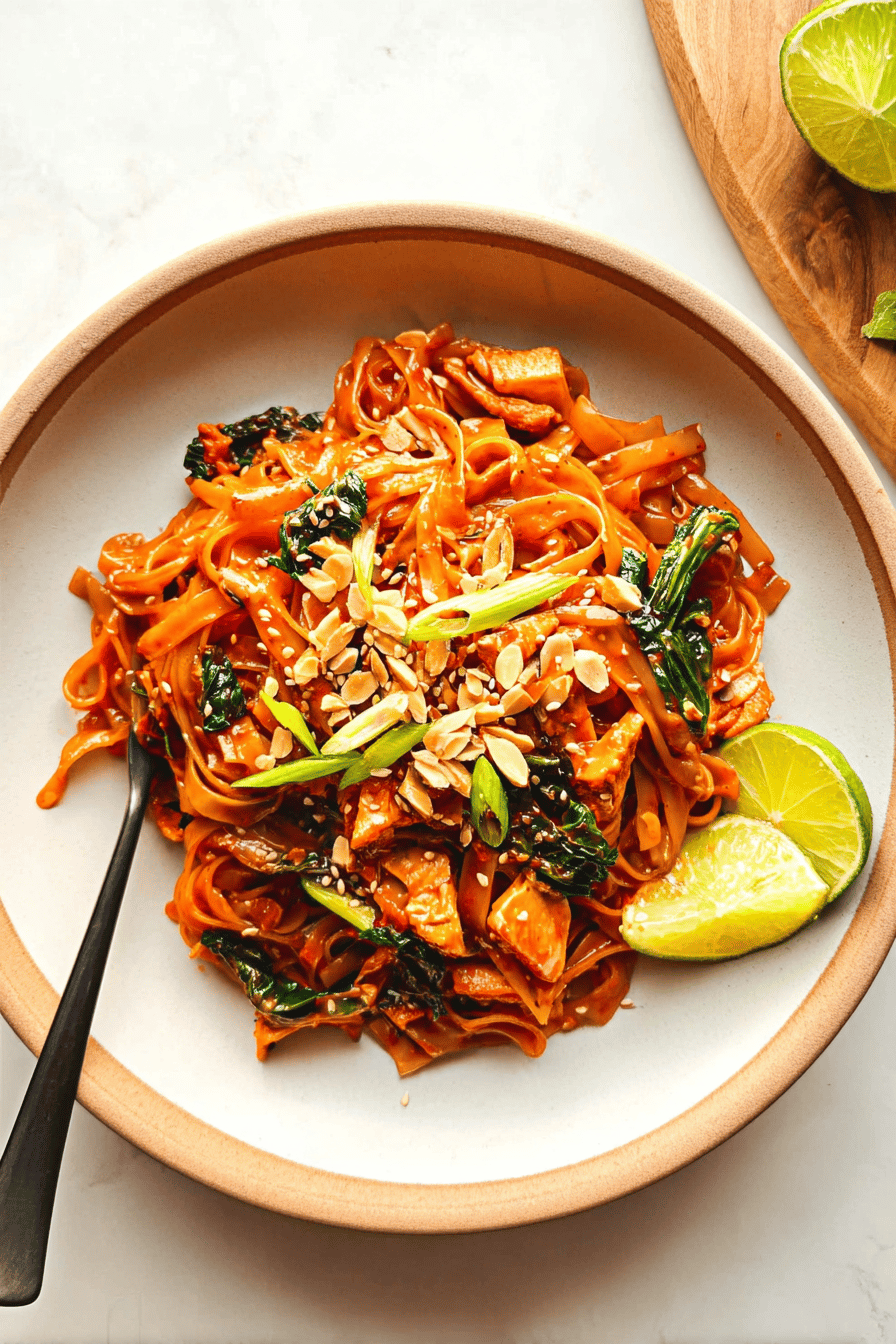
FAQs: Frequently Asked Questions About Spicy Sesame Gochujang Noodles
What is gochujang and what ingredients are in it?
Gochujang is a traditional Korean chili paste known for its sweet, spicy, and savory flavor. It is made from red chili pepper flakes, fermented soybean paste, glutinous rice, salt, and a sweetener such as tapioca syrup or rice syrup. The fermentation process gives it a unique depth and umami-rich quality that distinguishes it from other hot sauces.
How spicy are gochujang noodles compared to other spicy noodle dishes?
Spicy sesame gochujang noodles typically have a moderate level of heat. Gochujang provides a mild to medium spiciness that is less intense than sriracha or other chili sauces, making the noodles flavorful without being overwhelmingly hot. This makes them accessible for those who enjoy spice without extreme heat.
Can spicy sesame gochujang noodles be made vegetarian or vegan?
Yes, spicy sesame gochujang noodles can easily be adapted to vegetarian or vegan diets. Use gochujang paste that is free from animal products, and substitute any fish sauce or meat-based ingredients with soy sauce or mushroom-based seasonings. Add tofu or a variety of vegetables to keep the dish both nutritious and satisfying.
What are some easy toppings to add to spicy sesame gochujang noodles?
Common toppings include sliced scallions, toasted sesame seeds, julienned cucumbers, shredded carrots, and crushed peanuts. Adding a soft-boiled egg or marinated tofu can boost protein content. These toppings add texture and balance the spicy, nutty flavors of the noodles.
How should spicy sesame gochujang noodles be stored and reheated for best taste?
Store leftover noodles in an airtight container in the refrigerator for up to 2 days. To reheat, warm them gently in a microwave or on the stovetop, adding a splash of water or sesame oil to maintain moisture and texture. Avoid overheating to prevent the noodles from becoming dry or mushy.
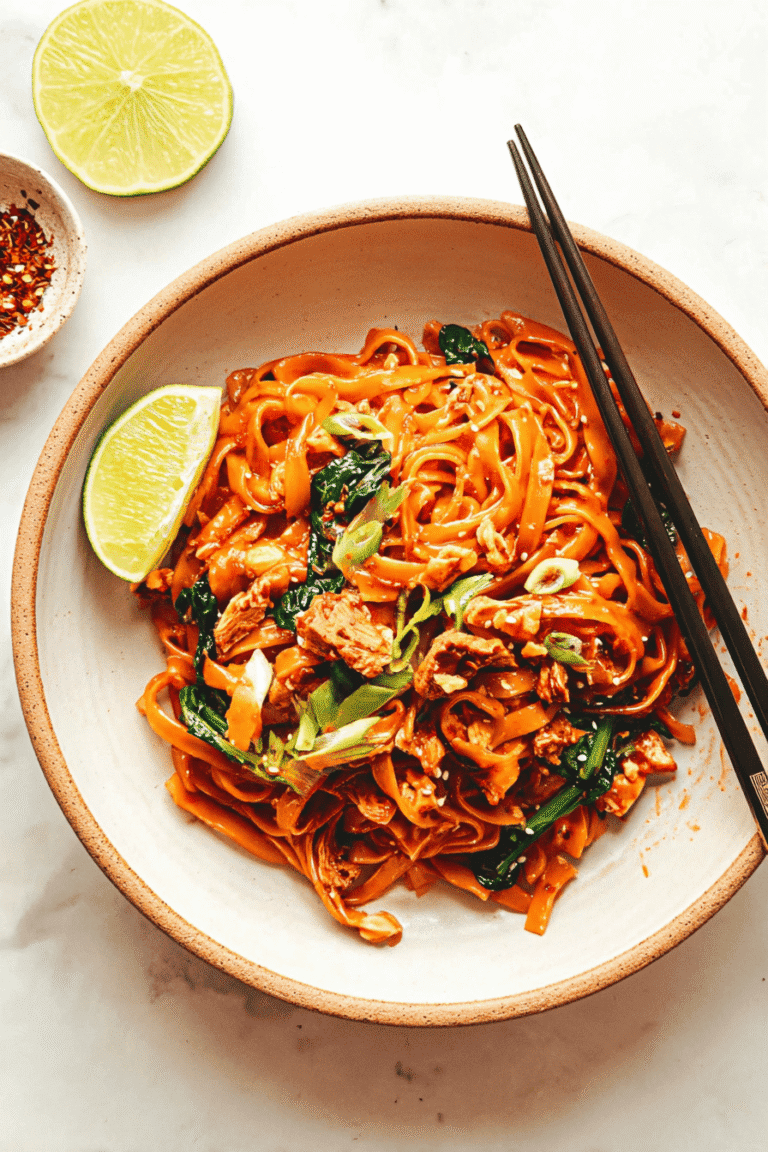
Spicy Sesame Gochujang Noodles
🍜 Quick and bold-flavored Korean-inspired noodles that deliver restaurant-quality taste in under 30 minutes
🌶️ Versatile dish perfect for spicy food lovers, customizable with various proteins and vegetables
- Total Time: 25-30 minutes
- Yield: 4 servings 1x
Ingredients
8 ounces dry noodles cooked past al dente
½ to 2 teaspoons Gochugaru (Korean chili flakes)
4 to 6 cloves garlic pressed or minced
4 scallions greens only sliced
2 teaspoons sesame oil
2 teaspoons sugar
2 tablespoons Gochujang paste
2 tablespoons high-heat oil
1 tablespoon tahini paste
2 tablespoons rice vinegar
2 tablespoons soy sauce
1 pound boneless skinless chicken breasts thinly sliced
beef
pork
shrimp
tofu
4–6 ounces shiitake mushrooms thinly sliced
2 handfuls baby spinach
steamed baby bok choy
steamed broccoli
snow peas
bell peppers
carrots
½ cup red onion if scallions unavailable
½ cup reserved noodle cooking liquid
½ cup water
up to 1 cup water if mixture is very dry
Soft-boiled eggs
chopped fresh cilantro
Thai basil
chopped peanuts
toasted sesame seeds
lime wedges
Instructions
1-First Step: Cook Your Noodles Bring a large pot of water to a rolling boil. Add your choice of noodles and cook according to package directions until they reach just under al dente texture if planning to stir-fry later, or cook them fully if you’re going to toss them directly with the sauce. Before draining, reserve about ½ cup of the starchy cooking liquid this liquid gold will help your sauce cling perfectly to the noodles! Drain the noodles and set them aside.
2-Second Step: Prepare the Flavor-Packed Sauce Base In a large mixing bowl, combine your gochugaru (or chili powder/red pepper flakes substitute), freshly minced garlic, sliced scallion greens, sesame oil, gochujang paste, and sugar (or maple syrup/honey if using). This combination forms the flavorful foundation of your dish. At this stage, don’t worry if the mixture seems dry that’s about to change with our next technique!
3-Third Step: Infuse the Oil for Maximum Flavor In a small saucepan, heat 2 tablespoons of avocado or olive oil until hot but not smoking. This is a crucial step that really makes these noodles special! Carefully and slowly pour the hot oil over your bowl of ingredients. You’ll immediately notice a wonderful aroma as the hot oil releases and intensifies the flavors of the garlic and spices. Give everything a good stir to combine. This oil infusion technique is similar to what’s used in authentic Chinese cooking to create bold flavors quickly.
4-Fourth Step: Complete Your Sauce Now stir in your tahini paste (if using), rice vinegar (or lime juice), and soy sauce (or tamari if you’re making this gluten-free). Whisk everything together until well combined. Your sauce should be thick but still pourable. If it’s too thick, gradually add a tablespoon of the reserved noodle cooking liquid or plain water at a time until you reach your desired consistency. This is where having that reserved water comes in handy!
5-Fifth Step: Combine Noodles and Sauce Add your drained noodles directly to the bowl with the sauce. Using tongs or two forks, toss the noodles vigorously until they’re evenly coated with that delicious spicy sesame gochujang sauce. This tossing action is important for ensuring every single noodle gets coated in that flavor-packed sauce. If the mixture seems too dry, add a bit more of your reserved cooking liquid or water until you reach the perfect consistency.
6-Sixth Step: Serve with Toppings Transfer the noodles to serving bowls and add your favorite toppings immediately. I recommend soft-boiled eggs (cooked for exactly 5.5-6 minutes for that perfect jammy yolk), steamed bok choy or broccoli, and a generous sprinkle of toasted sesame seeds or chopped peanuts. The contrast between the warm noodles and the cool, crisp toppings is absolutely delightful! Serve right away while hot for the best texture and flavor.
7-First Step: Prepare Your Protein If you’re using chicken, beef, pork, shrimp, or tofu, start by seasoning your protein with a pinch of salt and pepper. Heat 1 tablespoon of oil in a large pan or wok over medium-high heat. Add your protein and cook until evenly browned and cooked through this typically takes about 4-5 minutes for chicken breast slices. Once cooked, transfer the protein to a clean plate and set aside. This searing step adds wonderful caramelized flavors that will take your dish to the next level!
8-Second Step: Cook Your Vegetables Add the remaining 1 tablespoon of oil to the same pan. If using mushrooms and scallion whites (save the green parts for later), add them now and sauté for 5-7 minutes until the mushrooms turn beautifully golden brown. This step allows the vegetables to develop those lovely caramelized edges that add so much flavor to the dish. You want them cooked but still with a bit of crispness, so don’t overcook them!
9-Third Step: Add Aromatics Add your minced garlic to the pan with the vegetables. Cook, stirring constantly, for about 2 minutes until fragrant but not browned. Garlic burns easily, so keep it moving in the pan! This quick cooking releases the garlic’s essential oils and infuses the oil with its distinctive aroma.
10-Fourth Step: Combine Everything in the Pan Return your cooked protein to the pan. Add your drained noodles and the prepared sauce from the basic method. Toss everything gently but thoroughly. If you’re using leafy greens like spinach or the scallion greens, add them now and continue tossing until they just wilt. The heat from the pan is just enough to wilt the greens while keeping their vibrant color and nutrients.
11-Fifth Step: Adjust Consistency and Seasoning If your stir-fry seems too dry or is sticking to the pan, add water (up to 1 cup as needed) a little at a time. This creates steam that helps cook the noodles through and prevents sticking. Taste your creation and adjust seasoning with extra soy sauce if needed. You might also want to add a dash more gochujang if you prefer it spicier!
12-Sixth Step: Serve with Garnishes Transfer your beautiful stir-fry to serving plates or bowls. Garnish with lime wedges and your favorite toppings like sesame seeds, chopped peanuts, or fresh cilantro. The bright acidity from the lime cuts through the richness of the dish and balances all the flavors perfectly. Your restaurant-quality spicy sesame gochujang noodle stir-fry is ready to enjoy!
Last Step:
Please leave a rating and comment letting us know how you liked this recipe! This helps our business to thrive and continue providing free, high-quality recipes for you.Notes
🌶️ Adjust gochujang and gochugaru quantity to control spice level, start with less and add more to taste
🍜 Cook noodles until slightly underdone as they continue cooking when tossed with hot sauce
🥗 Customize with your favorite proteins and vegetables like tofu, shrimp, mushrooms, or bell peppers
- Prep Time: 10-15 minutes
- Cook Time: 15 minutes
- Category: Main Dish
- Method: Stir Fry
- Cuisine: Korean
- Diet: Gluten-free adaptable, Vegan adaptable
Nutrition
- Serving Size: 1 serving
- Calories: 278
- Sugar: 8
- Sodium: 800
- Fat: 14
- Saturated Fat: 2
- Unsaturated Fat: 11
- Carbohydrates: 32
- Fiber: 4
- Protein: 8
- Cholesterol: 0


Just made these noodles tonight and they were absolutely incredible! The perfect balance of spicy and savory flavors. I’m wondering if I could substitute the gochujang with miso paste for a less spicy version? My kids loved the taste but couldn’t handle the heat.