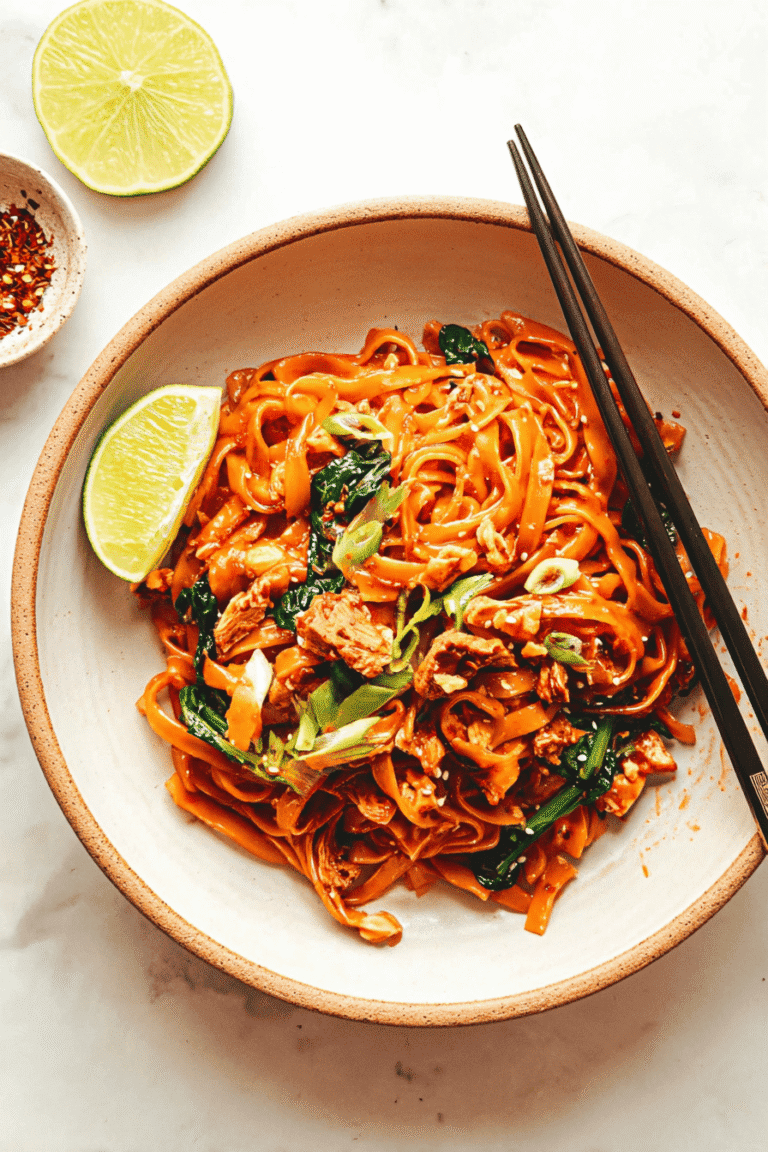
Ingredients
8 ounces dry noodles cooked past al dente
½ to 2 teaspoons Gochugaru (Korean chili flakes)
4 to 6 cloves garlic pressed or minced
4 scallions greens only sliced
2 teaspoons sesame oil
2 teaspoons sugar
2 tablespoons Gochujang paste
2 tablespoons high-heat oil
1 tablespoon tahini paste
2 tablespoons rice vinegar
2 tablespoons soy sauce
1 pound boneless skinless chicken breasts thinly sliced
beef
pork
shrimp
tofu
4–6 ounces shiitake mushrooms thinly sliced
2 handfuls baby spinach
steamed baby bok choy
steamed broccoli
snow peas
bell peppers
carrots
½ cup red onion if scallions unavailable
½ cup reserved noodle cooking liquid
½ cup water
up to 1 cup water if mixture is very dry
Soft-boiled eggs
chopped fresh cilantro
Thai basil
chopped peanuts
toasted sesame seeds
lime wedges
Instructions
1-First Step: Cook Your Noodles Bring a large pot of water to a rolling boil. Add your choice of noodles and cook according to package directions until they reach just under al dente texture if planning to stir-fry later, or cook them fully if you’re going to toss them directly with the sauce. Before draining, reserve about ½ cup of the starchy cooking liquid this liquid gold will help your sauce cling perfectly to the noodles! Drain the noodles and set them aside.
2-Second Step: Prepare the Flavor-Packed Sauce Base In a large mixing bowl, combine your gochugaru (or chili powder/red pepper flakes substitute), freshly minced garlic, sliced scallion greens, sesame oil, gochujang paste, and sugar (or maple syrup/honey if using). This combination forms the flavorful foundation of your dish. At this stage, don’t worry if the mixture seems dry that’s about to change with our next technique!
3-Third Step: Infuse the Oil for Maximum Flavor In a small saucepan, heat 2 tablespoons of avocado or olive oil until hot but not smoking. This is a crucial step that really makes these noodles special! Carefully and slowly pour the hot oil over your bowl of ingredients. You’ll immediately notice a wonderful aroma as the hot oil releases and intensifies the flavors of the garlic and spices. Give everything a good stir to combine. This oil infusion technique is similar to what’s used in authentic Chinese cooking to create bold flavors quickly.
4-Fourth Step: Complete Your Sauce Now stir in your tahini paste (if using), rice vinegar (or lime juice), and soy sauce (or tamari if you’re making this gluten-free). Whisk everything together until well combined. Your sauce should be thick but still pourable. If it’s too thick, gradually add a tablespoon of the reserved noodle cooking liquid or plain water at a time until you reach your desired consistency. This is where having that reserved water comes in handy!
5-Fifth Step: Combine Noodles and Sauce Add your drained noodles directly to the bowl with the sauce. Using tongs or two forks, toss the noodles vigorously until they’re evenly coated with that delicious spicy sesame gochujang sauce. This tossing action is important for ensuring every single noodle gets coated in that flavor-packed sauce. If the mixture seems too dry, add a bit more of your reserved cooking liquid or water until you reach the perfect consistency.
6-Sixth Step: Serve with Toppings Transfer the noodles to serving bowls and add your favorite toppings immediately. I recommend soft-boiled eggs (cooked for exactly 5.5-6 minutes for that perfect jammy yolk), steamed bok choy or broccoli, and a generous sprinkle of toasted sesame seeds or chopped peanuts. The contrast between the warm noodles and the cool, crisp toppings is absolutely delightful! Serve right away while hot for the best texture and flavor.
7-First Step: Prepare Your Protein If you’re using chicken, beef, pork, shrimp, or tofu, start by seasoning your protein with a pinch of salt and pepper. Heat 1 tablespoon of oil in a large pan or wok over medium-high heat. Add your protein and cook until evenly browned and cooked through this typically takes about 4-5 minutes for chicken breast slices. Once cooked, transfer the protein to a clean plate and set aside. This searing step adds wonderful caramelized flavors that will take your dish to the next level!
8-Second Step: Cook Your Vegetables Add the remaining 1 tablespoon of oil to the same pan. If using mushrooms and scallion whites (save the green parts for later), add them now and sauté for 5-7 minutes until the mushrooms turn beautifully golden brown. This step allows the vegetables to develop those lovely caramelized edges that add so much flavor to the dish. You want them cooked but still with a bit of crispness, so don’t overcook them!
9-Third Step: Add Aromatics Add your minced garlic to the pan with the vegetables. Cook, stirring constantly, for about 2 minutes until fragrant but not browned. Garlic burns easily, so keep it moving in the pan! This quick cooking releases the garlic’s essential oils and infuses the oil with its distinctive aroma.
10-Fourth Step: Combine Everything in the Pan Return your cooked protein to the pan. Add your drained noodles and the prepared sauce from the basic method. Toss everything gently but thoroughly. If you’re using leafy greens like spinach or the scallion greens, add them now and continue tossing until they just wilt. The heat from the pan is just enough to wilt the greens while keeping their vibrant color and nutrients.
11-Fifth Step: Adjust Consistency and Seasoning If your stir-fry seems too dry or is sticking to the pan, add water (up to 1 cup as needed) a little at a time. This creates steam that helps cook the noodles through and prevents sticking. Taste your creation and adjust seasoning with extra soy sauce if needed. You might also want to add a dash more gochujang if you prefer it spicier!
12-Sixth Step: Serve with Garnishes Transfer your beautiful stir-fry to serving plates or bowls. Garnish with lime wedges and your favorite toppings like sesame seeds, chopped peanuts, or fresh cilantro. The bright acidity from the lime cuts through the richness of the dish and balances all the flavors perfectly. Your restaurant-quality spicy sesame gochujang noodle stir-fry is ready to enjoy!
Last Step:
Please leave a rating and comment letting us know how you liked this recipe! This helps our business to thrive and continue providing free, high-quality recipes for you.Notes
🌶️ Adjust gochujang and gochugaru quantity to control spice level, start with less and add more to taste
🍜 Cook noodles until slightly underdone as they continue cooking when tossed with hot sauce
🥗 Customize with your favorite proteins and vegetables like tofu, shrimp, mushrooms, or bell peppers
- Prep Time: 10-15 minutes
- Cook Time: 15 minutes
- Category: Main Dish
- Method: Stir Fry
- Cuisine: Korean
- Diet: Gluten-free adaptable, Vegan adaptable
Nutrition
- Serving Size: 1 serving
- Calories: 278
- Sugar: 8
- Sodium: 800
- Fat: 14
- Saturated Fat: 2
- Unsaturated Fat: 11
- Carbohydrates: 32
- Fiber: 4
- Protein: 8
- Cholesterol: 0