Why You’ll Love This Spaghetti Squash
Spaghetti squash is a go-to vegetable for anyone wanting a simple, healthy meal that feels like a treat. It cooks up quickly and offers strands that mimic pasta without the heaviness, making it ideal for busy parents juggling family dinners or students in a rush. You’ll appreciate how this recipe fits into various lifestyles, from diet-conscious eaters to food enthusiasts seeking new flavors to brighten their table.
One big plus is the ease of preparation; this recipe requires minimal steps and tools, perfect for weeknights when time is short. It’s packed with vitamins and fiber, helping support your overall wellness while keeping calories low, which appeals to those watching their intake. Plus, its mild sweetness and versatility let you adapt it for vegan, gluten-free, or low-calorie diets, so everyone at the gathering can enjoy it. Whether you’re a newlywed experimenting in the kitchen or a senior looking for light options, this spaghetti squash will become a staple that adds joy to your meals.
Imagine serving it up for working professionals needing a quick lunch or baking enthusiasts turning it into creative dishes. The unique texture makes it a fun alternative to traditional pasta, inspiring travelers to try it abroad or at home. For more insights, check out this comprehensive guide on cooking spaghetti squash from a trusted source.
Jump To
- 1. Why You’ll Love This Spaghetti Squash
- 2. Essential Ingredients for Spaghetti Squash
- 3. How to Prepare the Perfect Spaghetti Squash: Step-by-Step Guide
- 4. Dietary Substitutions to Customize Your Spaghetti Squash
- 5. Mastering Spaghetti Squash: Advanced Tips and Variations
- 6. How to Store Spaghetti Squash: Best Practices
- 7. FAQs: Frequently Asked Questions About Spaghetti Squash
- 8. Spaghetti Squash
Essential Ingredients for Spaghetti Squash
- 1 spaghetti squash
- Olive oil (for lightly drizzling)
- Sea salt (for sprinkling)
- Freshly ground black pepper (for sprinkling)
These ingredients form the base of a straightforward spaghetti squash recipe that’s accessible for home cooks of all levels. Each one plays a key role in bringing out the natural flavors, with the squash providing those delightful noodle-like strands. Keep in mind special dietary options, like using this setup for vegan meals by sticking to plant-based oils and herbs.
For gluten-free needs, this recipe is naturally compliant, and you can keep it low-calorie by going light on the oil. Busy parents and students will love how few items are required, making grocery runs simple. Just remember to measure precisely to get the best results every time.
How to Prepare the Perfect Spaghetti Squash: Step-by-Step Guide
Getting spaghetti squash just right involves a few easy steps that anyone can follow, whether you’re a beginner or a seasoned food enthusiast. Start by preheating your oven to 400°F, as this temperature helps achieve that ideal tender texture. This method works well for busy parents, students, and working professionals who want a healthy meal without spending hours in the kitchen.
Gathering and Prepping Your Ingredients
Begin with washing the spaghetti squash thoroughly to remove any dirt. Carefully slice it in half lengthwise using a sharp knife, then scoop out the seeds and stringy parts with a spoon. At this stage, lightly drizzle the inside with olive oil and sprinkle with sea salt and freshly ground black pepper for extra flavor.
Roasting for the Best Results
Place the squash halves cut side down on a baking sheet and poke a few holes in the skin with a fork to let steam escape. Roast them in the preheated oven for 30 to 40 minutes, checking for doneness when they’re lightly browned and fork-tender but still slightly firm. Once done, remove from the oven, flip them cut side up, and let them cool a bit before scraping.
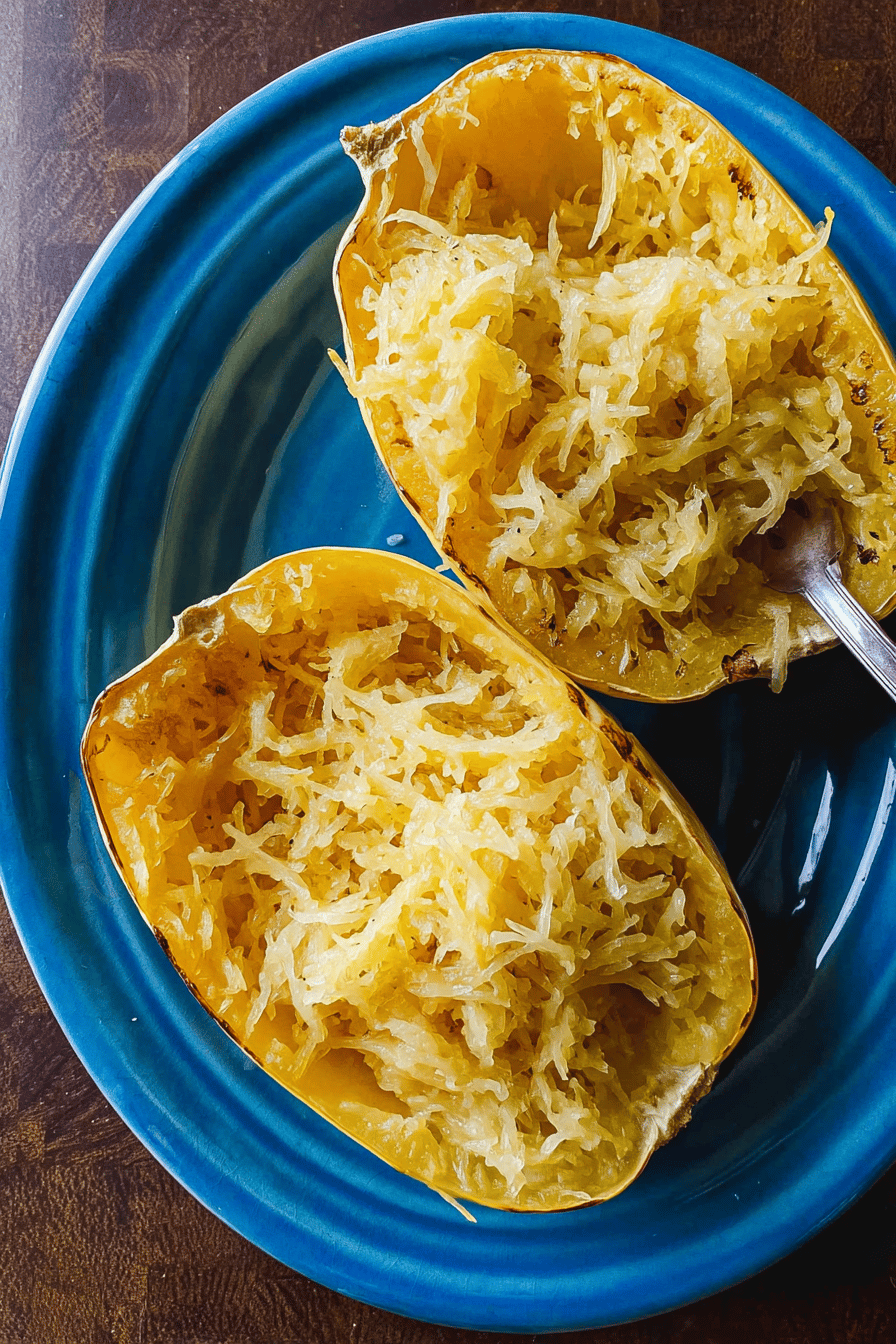
This roasting time of about 30 to 40 minutes yields al dente strands that are perfect for various diets, including those of diet-conscious individuals. After cooling, use a fork to scrape the strands starting from the outside and working inward, then fluff them up and add more seasoning if needed.
Final Touches and Serving
For added variety, toss the strands with extras like garlic or herbs, keeping it adaptable for newlyweds or seniors. The total preparation takes roughly 5 minutes, with cooking adding another 30 to 40 minutes, making it a quick option overall. If you’re looking for complementary ideas, try our pesto pasta recipe to pair with your spaghetti squash for a flavorful twist.
To learn more about health benefits, visit this resource on spaghetti squash benefits. Remember, you can adjust based on your needs, like adding proteins for vegan or low-calorie versions.
Dietary Substitutions to Customize Your Spaghetti Squash
Making spaghetti squash work for your lifestyle is simple with a few smart swaps, appealing to everyone from travelers to baking enthusiasts. For instance, if you’re boosting protein, try adding grilled chicken or turkey for a lean option that fits busy parents’ routines. Tofu and tempeh are great for vegan diets, while shrimp suits pescatarian preferences, ensuring the dish remains versatile.
- Substitute grilled chicken or turkey for a protein-packed meal.
- Use tofu or tempeh to keep it plant-based and satisfying.
- Opt for shrimp or fish if you’re following a pescatarian plan.
When it comes to veggies and sauces, mix in bell peppers, spinach, or mushrooms to add nutrition and color, which is ideal for food enthusiasts. Experiment with tomato-based sauces, pesto, or a light olive oil and lemon dressing for fresh flavors that seniors might enjoy. For gluten-free tweaks, go with gluten-free tamari instead of soy sauce, and amp up seasonings with Italian herbs or nutritional yeast.
These changes help maintain the dish’s flexibility, making it easy for working professionals or newlyweds to adapt. Always taste as you go to ensure it aligns with your dietary goals, like keeping it low-calorie with minimal oils.
| Dietary Need | Suggested Substitution |
|---|---|
| Vegan | Use plant-based oils and herbs |
| Gluten-Free | Check sauces for compliance |
| Low-Calorie | Lighten up on oil and add fresh veggies |
Mastering Spaghetti Squash: Advanced Tips and Variations
Taking your spaghetti squash to the next level means trying out pro techniques that save time and enhance taste, perfect for home cooks and food enthusiasts. For quicker prep, steam or microwave the squash to preserve nutrients while cutting down on oven time. This approach suits busy lifestyles, like those of working professionals or students needing fast meals.
Flavor and Presentation Ideas
Boost flavors by mixing in roasted garlic, sun-dried tomatoes, or lemon zest for a zesty kick that diet-conscious individuals will love. Serve the strands right in the squash shell for a rustic vibe, garnished with fresh herbs or a sprinkle of cheese alternatives. These tips make the dish more appealing for gatherings, inspiring newlyweds to impress at dinner.
Make-Ahead Strategies
Roast the squash ahead and store the strands in the fridge for up to 3 days, ideal for meal prep among travelers or seniors. For even better results, adjust roasting based on squash size to get that al dente texture everyone prefers. Remember, stores might cut it for you if it’s too tough, and tips like using a light drizzle of oil help avoid sogginess.
If the squash is too hard to cut, soften it by roasting it whole at 400°F for 10 minutes or microwaving in 1-minute bursts until it’s easier to slice.
Adding toppings such as garlic butter, paprika, or pesto can turn this into a satisfying meal, and for related recipes, check out our vegan lasagna for more ideas.
How to Store Spaghetti Squash: Best Practices
Proper storage keeps your spaghetti squash fresh and ready for another meal, which is handy for busy households. Put cooked strands in an airtight container and refrigerate for up to 4 days to hold onto that great texture. Freezing is another option; just place them in freezer-safe bags for up to 3 months, making it simple for meal preppers.
- Refrigerate cooked squash in an airtight container for freshness.
- Freeze in bags, removing air, for long-term storage.
- Reheat gently to keep the flavor intact.
- Portion into servings for easy weekly meals.
This method works well for everyone from baking enthusiasts to working professionals, ensuring leftovers don’t go to waste. Always let it cool first to avoid moisture buildup, extending its shelf life effectively.
FAQs: Frequently Asked Questions About Spaghetti Squash
How do I soften a spaghetti squash to make it easier to cut?
To soften a spaghetti squash for easier cutting, roast it whole in an oven preheated to 400°F (200°C) for about 10 minutes. Alternatively, microwave the whole squash in 1-minute increments until it feels softer when you press on the skin. If you prefer, you can also pierce the squash several times with a fork and microwave for about 3 to 5 minutes. This pre-cooking step reduces the toughness and helps you slice through the squash more safely and easily.
What’s the best way to prepare spaghetti squash before roasting?
Start by cutting the spaghetti squash in half lengthwise with a sharp knife. Use a spoon to scoop out the seeds and stringy pulp from the center. Next, drizzle both halves with olive oil and sprinkle with salt and pepper to taste. Place the squash halves cut side down on a baking sheet lined with parchment paper or a silicone mat. Poking a few holes in the skin can help steam escape, but it’s optional. This preparation helps the flesh roast evenly and develop a tender texture.
How long should I roast spaghetti squash for the best texture?
Roast spaghetti squash at 400°F (200°C) for 30 to 40 minutes. The squash should be fork-tender but still slightly firm to the touch. Smaller squash may roast faster, so check at around 25 minutes. To test doneness, insert a fork into the flesh; it should pull out easily when fully cooked. Over-roasting can cause mushy strands, while undercooking results in tough flesh.
How do you create spaghetti-like strands from roasted spaghetti squash?
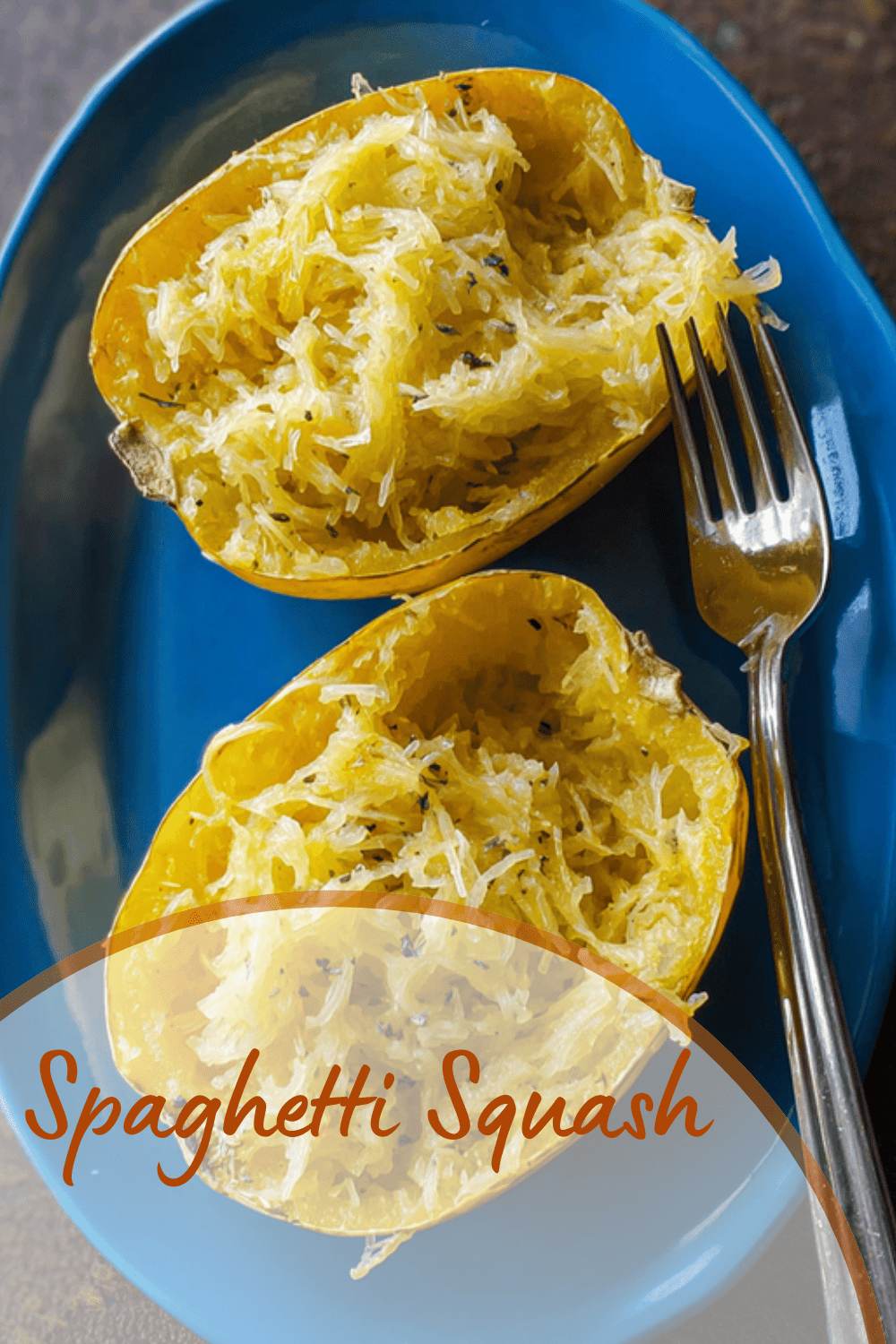
After roasting and allowing the squash to cool for several minutes, use a fork to scrape along the inside flesh. Start at the outer edge of each half and gently pull the flesh toward the center. This motion breaks the squash into long, thin strands resembling spaghetti. Continue scraping until all the flesh is separated. The strands can then be used as a pasta substitute or in a variety of dishes.
Can I store cooked spaghetti squash, and how long does it last?
Yes, cooked spaghetti squash can be stored in an airtight container in the refrigerator for up to 5 days. Allow the squash to cool completely before refrigerating to prevent moisture buildup. You can reheat the strands in the microwave or on the stovetop. For longer storage, cooked spaghetti squash can be frozen for up to 3 months; thaw overnight in the refrigerator before reheating. Storing properly helps maintain taste and texture for later use.
Spaghetti Squash
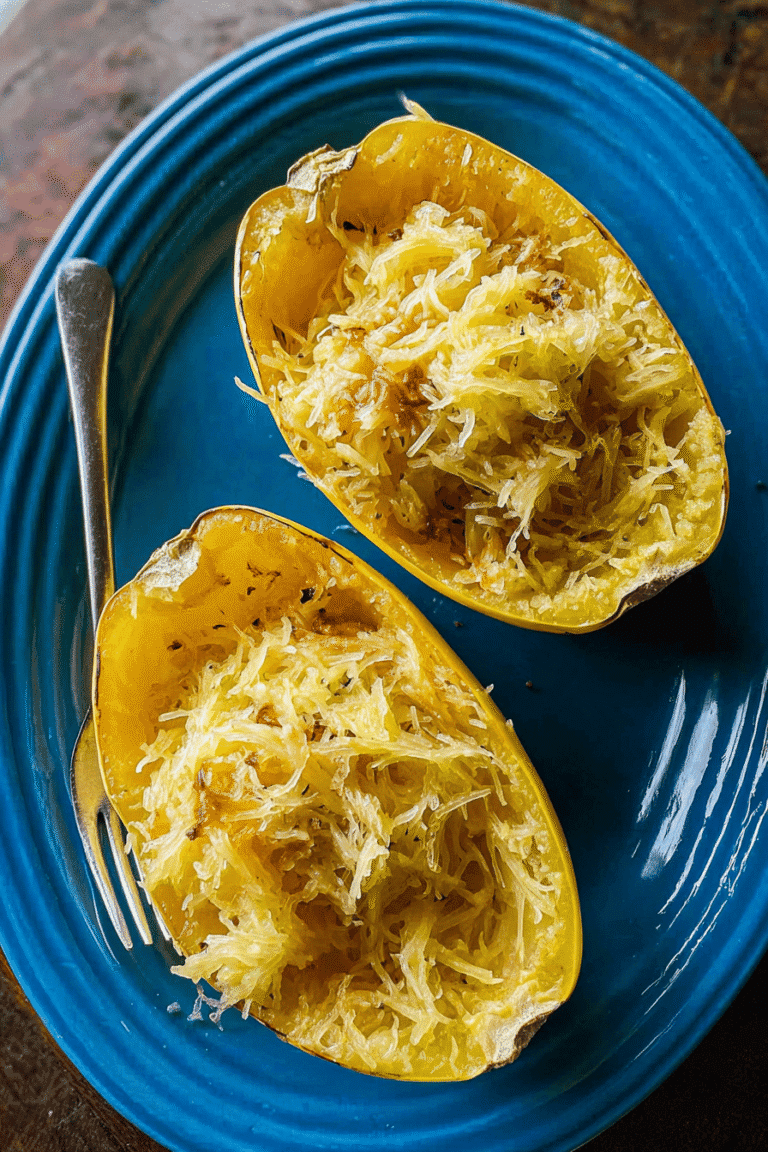
🎃 Learn how to cook spaghetti squash perfectly with simple steps for tender, flavorful strands.
🍽️ This method results in healthy, versatile squash ready to be enjoyed on its own or as a base for your favorite toppings.
- Total Time: 35-45 minutes
- Yield: 4 servings
Ingredients
– 1 spaghetti squash
– Olive oil for lightly drizzling
– Sea salt for sprinkling
– Freshly ground black pepper for sprinkling
Instructions
1-Getting spaghetti squash just right involves a few easy steps that anyone can follow, whether you’re a beginner or a seasoned food enthusiast. Start by preheating your oven to 400°F, as this temperature helps achieve that ideal tender texture. This method works well for busy parents, students, and working professionals who want a healthy meal without spending hours in the kitchen.
2-Gathering and Prepping Your Ingredients: Begin with washing the spaghetti squash thoroughly to remove any dirt. Carefully slice it in half lengthwise using a sharp knife, then scoop out the seeds and stringy parts with a spoon. At this stage, lightly drizzle the inside with olive oil and sprinkle with sea salt and freshly ground black pepper for extra flavor.
3-Roasting for the Best Results: Place the squash halves cut side down on a baking sheet and poke a few holes in the skin with a fork to let steam escape. Roast them in the preheated oven for 30 to 40 minutes, checking for doneness when they’re lightly browned and fork-tender but still slightly firm. Once done, remove from the oven, flip them cut side up, and let them cool a bit before scraping.
This roasting time of about 30 to 40 minutes yields al dente strands that are perfect for various diets, including those of diet-conscious individuals. After cooling, use a fork to scrape the strands starting from the outside and working inward, then fluff them up and add more seasoning if needed.
4-Final Touches and Serving: For added variety, toss the strands with extras like garlic or herbs, keeping it adaptable for newlyweds or seniors. The total preparation takes roughly 5 minutes, with cooking adding another 30 to 40 minutes, making it a quick option overall. If you’re looking for complementary ideas, try our pesto pasta recipe to pair with your spaghetti squash for a flavorful twist.
Last Step:
Please leave a rating and comment letting us know how you liked this recipe! This helps our business to thrive and continue providing free, high-quality recipes for you.Notes
🔪 If the squash is hard to cut, soften by roasting whole for 10 minutes or microwaving in 1-minute bursts.
🫒 Use a light drizzle of olive oil and light sprinkle of sea salt to avoid soggy squash.
⏲️ Adjust roasting time based on squash size and oven; 30-40 minutes yields al dente strands preferred for texture.
- Prep Time: 5 minutes
- Cooking Time: 30-40 minutes
- Cook Time: 30-40 minutes
- Category: Side Dish
- Method: Roasting
- Cuisine: American
- Diet: Gluten-Free, Vegan, Vegetarian
Nutrition
- Serving Size: 1/4 medium spaghetti squash