Why You’ll Love This Sous Vide Char Siu
Char Siu, the beloved Chinese BBQ pork, gets a modern upgrade with this sous vide method. This recipe brings the authentic flavors of Cantonese cuisine right to your kitchen with minimal effort and maximum taste. Here’s why this version stands out:
- Ease of preparation: This recipe requires just 15 minutes of active prep time. The sous vide method does most of the work for you, ensuring consistent results without the need for constant monitoring or complicated techniques. It’s perfect for busy weeknights or when you want to impress guests with minimal effort.
- Health benefits: By cooking sous vide, you maintain more nutrients in the pork compared to traditional high-heat methods. The controlled temperature prevents the formation of harmful compounds that can occur with charring or overcooking. Plus, this recipe provides a good balance of protein with 29g per serving.
- Versatility: This sous vide char siu works beautifully in various dishes. Enjoy it on its own, slice it for sandwiches, dice it for fried rice, or use it as a filling for bao buns. The possibilities are endless, making it a versatile addition to your meal rotation.
- Distinctive flavor: The combination of hoisin sauce, five-spice powder, and red fermented bean curd creates that signature char siu taste with its perfect balance of sweet, savory, and umami flavors. The sous vide method allows these flavors to penetrate deeply into the meat while the broiling finish adds the coveted caramelized exterior.
Jump To
- 1. Why You’ll Love This Sous Vide Char Siu
- 2. Essential Ingredients for Sous Vide Char Siu
- 3. How to Prepare the Perfect Sous Vide Char Siu: Step-by-Step Guide
- 4. Dietary Substitutions to Customize Your Sous Vide Char Siu
- 5. Mastering Sous Vide Char Siu: Advanced Tips and Variations
- 6. How to Store Sous Vide Char Siu: Best Practices
- 7. FAQs: Frequently Asked Questions About Sous Vide Char Siu
- 8. Sous Vide Char Siu
Essential Ingredients for Sous Vide Char Siu
The magic of char siu comes from its complex flavor profile, achieved through a carefully balanced combination of ingredients. Here’s everything you need to create this delicious dish:
Ingredients
- 3 pounds pork shoulder (or pork butt)
- ¼ cup honey
- ½ cup hoisin sauce
- ¼ cup ketchup
- ¼ cup oyster sauce
- 3 tablespoons Shaoxing wine
- 2 tablespoons dark soy sauce
- 2 cubes red preserved bean curd (smashed)
- 1 teaspoon Chinese five-spice powder
- ¼ teaspoon ground white pepper
- ½ teaspoon salt
- ¼ teaspoon red food coloring (optional)
- 2 tablespoons honey (for glaze)
- 1 tablespoon reserved marinade (for glaze)
Special Dietary Options
Vegan
For a plant-based version, substitute the pork with thick strips of seitan or firm tofu. Replace the oyster sauce with a mushroom-based vegetarian stir-fry sauce and use vegetable broth instead of Shaoxing wine.
Gluten-free
Make this recipe gluten-free by using a gluten-free hoisin sauce and tamari instead of soy sauce. Ensure your Shaoxing wine is labeled gluten-free, or substitute with dry sherry.
Low-calorie
Reduce calories by using a leaner cut of pork like pork loin, though be careful not to overcook it. You can also decrease the honey in the marinade and use a natural sweetener like stevia for part of it.
How to Prepare the Perfect Sous Vide Char Siu: Step-by-Step Guide
This detailed guide will walk you through creating restaurant-quality char siu at home. The sous vide method ensures perfectly tender meat every time, while the finishing broil gives you that signature caramelized exterior.
Preparation Phase
Start by gathering all your ingredients and equipment. You’ll need a sous vide immersion circulator, a large pot or container for the water bath, vacuum seal bags or high-quality Ziplock bags, and a baking sheet with a wire rack for the final broiling step. For more information on sous vide cooking times and temperatures, check out this comprehensive guide.
Creating the Marinade
First Step: In a small bowl, combine all the marinade ingredients including the honey, hoisin sauce, ketchup, oyster sauce, Shaoxing wine, dark soy sauce, smashed red preserved bean curd, Chinese five-spice powder, white pepper, salt, and red food coloring if using. Mix thoroughly until all ingredients are well incorporated. Reserve 1 tablespoon of this mixture for the glaze later.
Second Step: Prepare the pork by slicing it into 1-inch thick long strips. Try to keep the thickness as consistent as possible to ensure even cooking. Use a fork to poke holes all over the meat strips. This simple step helps the marinade penetrate deeper into the pork, resulting in more flavorful meat throughout.
Third Step: Place the pork strips in a bowl and pour the marinade over them. Massage the meat gently to ensure it’s evenly coated with the sauce. Transfer the marinated pork to vacuum-sealable bags or heavy-duty Ziplock bags. Remove as much air as possible before sealing. If using Ziplock bags, you can use the water displacement method by slowly lowering the bag into water to push the air out before sealing. Refrigerate the bags for 4 to 24 hours, with 8 hours being the recommended time for optimal flavor penetration.
Cooking Phase
Fourth Step: Preheat your water bath by setting your immersion circulator to 150°F. This temperature strikes the perfect balance between rendering the fat and keeping the meat tender and juicy. Once the water has reached the target temperature, carefully lower the sealed bags into the water bath. Make sure the bags remain submerged throughout the cooking process.
Fifth Step: Cook the pork in the water bath for 4 hours minimum, but you can extend this up to 24 hours if you prefer an even more tender result. The extended cooking time helps break down connective tissue further, making the meat exceptionally tender. For most home cooks, 4 hours provides excellent results while keeping the recipe practical for weeknight meals.
Sixth Step: After the cooking time is complete, remove the bags from the water bath. To prepare the meat for the final broiling step, place the bags in cold water for at least 20 minutes. This cooling step helps firm up the meat slightly, making it easier to handle and slice later. It also stops the cooking process to ensure the pork doesn’t continue cooking beyond the perfect temperature.
Finishing Phase
Seventh Step: While the pork is cooling, prepare the glaze by mixing the reserved tablespoon of marinade with 2 tablespoons of honey. Set this aside until ready to use.
Eighth Step: Prepare your broiling setup by adding 1 cup of water or a layer of salt to a baking sheet. Place a wire rack on top of the baking sheet. This simple trick prevents the drippings from burning and creating excessive smoke in your oven.
Ninth Step: Remove the pork strips from the bags and pat them dry with paper towels. Place the strips on the wire rack. Brush the glaze generously over the top and sides of each pork strip. Set your oven to broil at 500°F and place the baking sheet on the top rack. Broil for 3-4 minutes until the glaze begins to caramelize and bubble. Remove from the oven, brush another layer of glaze over the pork, then return to the oven for another 3-4 minutes. Keep a close eye on the meat during this process, as the high sugar content in the glaze can burn quickly. Use a thermometer to ensure the internal temperature stays below 150°F to avoid overcooking.
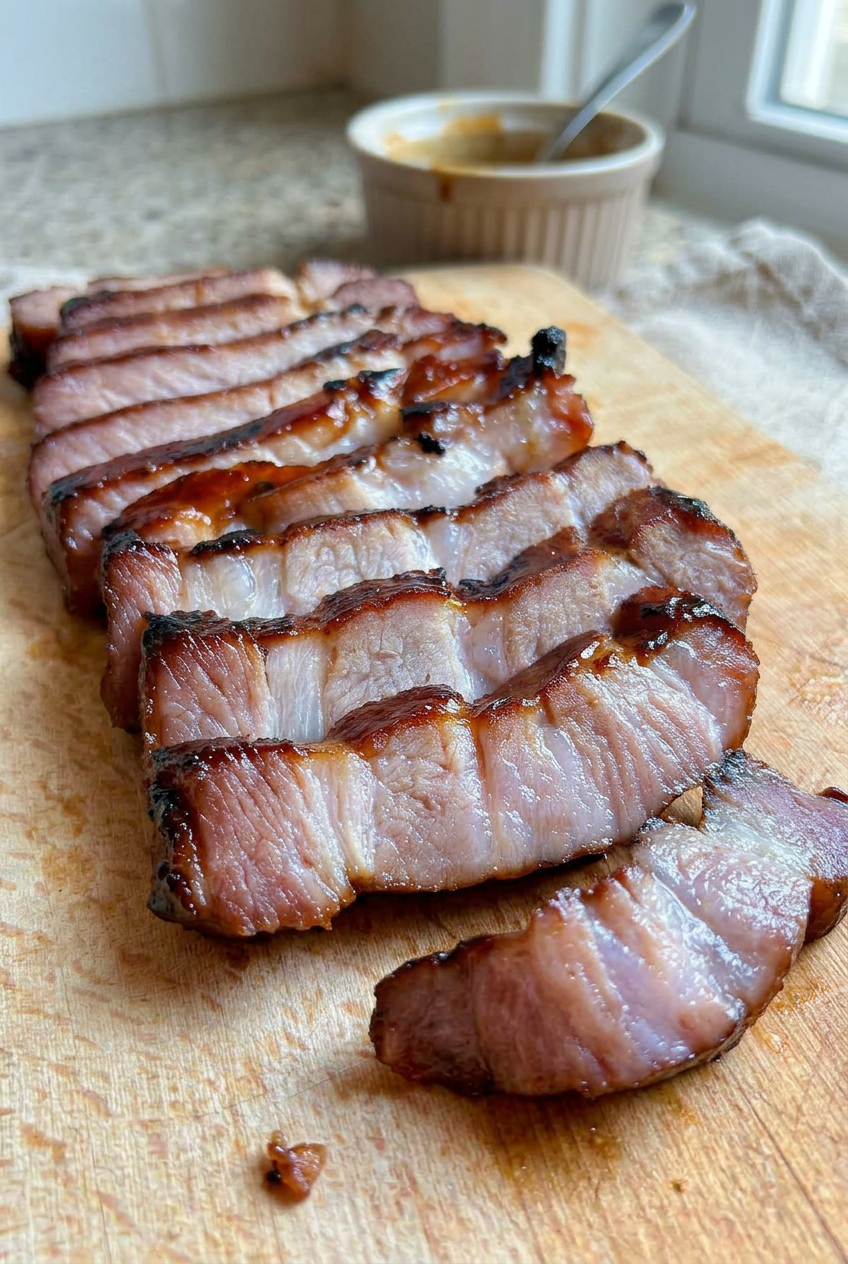
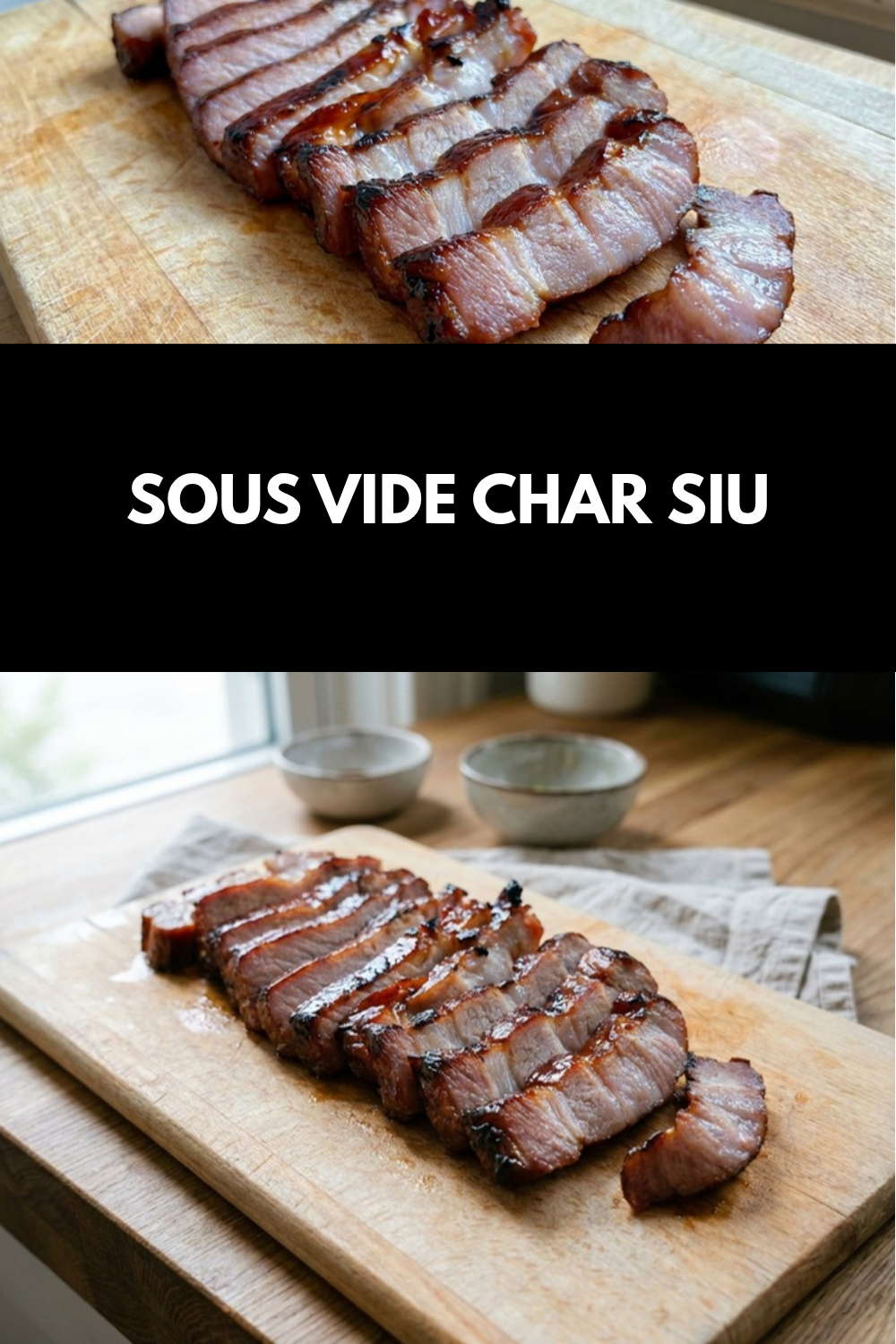
Final Step: Remove the char siu from the oven and let it rest for at least 10 minutes before slicing. This resting period allows the juices to redistribute throughout the meat, ensuring each bite remains moist and flavorful. Slice the pork against the grain into thin strips and serve hot. Enjoy your homemade sous vide char siu on its own, with rice, or in your favorite Chinese dishes. For a traditional recipe to compare, see this classic char siu recipe.
Dietary Substitutions to Customize Your Sous Vide Char Siu
Protein and Main Component Alternatives
While pork shoulder is the traditional choice for char siu, you can experiment with other proteins to suit your preferences. Pork loin offers a leaner option but requires careful attention to prevent drying out. For those who prefer beef, flank steak works well with the same marinade and cooking method. Chicken thighs provide a tasty alternative with excellent moisture retention, though they will cook faster than pork. If you want to try something different, duck breast creates a luxurious version of char siu with its rich fat content. For a plant-based option, firm tofu or seitan can be used, though you’ll need to adjust cooking times accordingly.
Vegetable, Sauce, and Seasoning Modifications
The marinade offers plenty of room for customization based on your taste preferences. If you enjoy spicy food, add sriracha or chili garlic sauce to the marinade. For a smokier flavor, incorporate a teaspoon of liquid smoke or smoked paprika. Those who prefer less sweetness can reduce the honey and ketchup while increasing the soy sauce for a more savory profile. If you can’t find red fermented bean curd, a small amount of miso paste can provide similar umami notes. For a different aromatic profile, try adding star anise, cinnamon sticks, or Szechuan peppercorns directly to the sous vide bag with the meat. These modifications allow you to create a personalized version of char siu that suits your unique taste preferences.
Mastering Sous Vide Char Siu: Advanced Tips and Variations
Pro Cooking Techniques
For the most authentic char siu experience, pay special attention to the shape of your pork strips. Traditional char siu features long, narrow strips with a slight taper at one end. When slicing your pork, aim for this shape to maximize surface area for the glaze while maintaining a tender interior. Another advanced technique is to use the water displacement method with Ziplock bags instead of vacuum sealing. This technique removes air more effectively without crushing the delicate meat fibers, resulting in better texture. Finally, for the crispest exterior after broiling, ensure the meat is completely dry before applying the glaze. Consider lightly dusting the surface with cornstarch before the final broil for an extra crispy finish.
Flavor Variations
Once you’ve mastered the classic recipe, try these exciting variations. Malaysian char siu incorporates additional aromatics like garlic, ginger, and lemongrass in the marinade. For a honey-char siu version, increase the honey in both the marinade and glaze while reducing the hoisin sauce slightly. Cantonese style often includes red fermented tofu, which provides a distinctive flavor and color. Korean-inspired char siu might include gochujang or pear puree in the marinade for sweetness and tenderizing enzymes. Each variation offers a unique twist on the traditional recipe while maintaining the essential char siu characteristics.
Presentation Tips
Make your sous vide char siu visually stunning with these presentation ideas. Slice the meat against the grain on a slight diagonal for professional-looking pieces. Arrange the slices on a platter with steamed bok choy or other Asian greens for color contrast. Garnish with thinly sliced green onions, sesame seeds, or fresh cilantro for a pop of color and fresh flavor. For a dramatic presentation, flame the glazed pieces with a kitchen torch just before serving to create beautiful caramelized highlights. If serving as part of a larger meal, consider presenting the whole charred pieces and allowing guests to slice their own portions at the table.
Make-Ahead Options
This sous vide char siu recipe is perfect for meal prep and advance cooking. You can sous vide the pork up to 3 days before finishing and serving. After the water bath cooking, cool the bags completely in an ice bath and refrigerate. When ready to serve, simply finish with the glazing and broiling steps. The meat can also be frozen after the initial sous vide cooking. Vacuum seal the cooled pork strips and freeze for up to 3 months. Thaw overnight in the refrigerator before proceeding with the glazing and broiling steps. This makes it easy to have fresh-tasting char siu on hand for quick weeknight meals.
How to Store Sous Vide Char Siu: Best Practices
Proper storage ensures your sous vide char siu remains delicious and safe to eat. Follow these guidelines for refrigeration, freezing, and reheating to maintain quality.
Refrigeration
Store cooked char siu in an airtight container in the refrigerator for up to 4 days. For best results, let the meat cool completely before refrigerating to prevent condensation that could make the exterior soggy. If you have leftovers that have already been sliced, store them with a paper towel in the container to absorb excess moisture. This helps maintain the texture of the meat. For added protection, you can brush a thin layer of oil on the cut surfaces to prevent drying out.
Freezing
For longer storage, freeze your char siu in portions that you’ll use for a single meal. Wrap the portions tightly in plastic wrap, then place in freezer bags or vacuum seal for optimal protection. Properly stored, char siu will maintain its quality for up to 3 months in the freezer. For added convenience, consider freezing already sliced portions, which can be quickly reheated without the need for thawing and slicing. Label your packages with the date to keep track of storage time.
Reheating
The best method for reheating char siu depends on your preference and available equipment. For the crispiest results, reheat in a skillet with a small amount of oil over medium-high heat until warmed through and edges are slightly crisped. To preserve moisture, steam the slices for a few minutes until heated through. For a quick option, microwave on a low setting in short intervals, checking frequently to avoid overheating. If you’ve frozen your char siu, thaw it overnight in the refrigerator before reheating using any of these methods. This ensures even heating throughout the meat.
Meal Prep Considerations
Sous vide char siu is excellent for batch cooking and meal prep. Prepare a large batch on the weekend and portion it for easy meals throughout the week. Pre-sliced portions can be added directly to fried rice, noodle dishes, or salads without additional cooking. Consider preparing complementary items like BBQ meatballs or vegetable sides at the same time to create complete meal kits. Label each portion with reheating instructions to make weeknight meal preparation even easier.
FAQs: Frequently Asked Questions About Sous Vide Char Siu
What is the best pork cut for sous vide char siu?
Pork shoulder, also called pork butt, works best for sous vide char siu. This cut has plenty of intramuscular fat that stays juicy and tender during cooking. Slice it into 2-inch thick strips for even results. Pork belly is an option, but it has more surface fat than marbled fat inside, which can make the texture less consistent. Avoid lean cuts like tenderloin, as they dry out easily. Prep by trimming excess fat caps to about 1/4-inch thick. This choice mimics traditional char siu while sous vide ensures perfect doneness every time. (78 words)
What temperature and time for sous vide char siu?
Set your sous vide bath to 150°F and cook pork shoulder strips for 4 hours. This temperature renders fat slowly for a juicy, tender result without overcooking. For thicker pieces over 2 inches, extend to 6 hours. Pat the meat dry after the bath, chill in ice water for 20 minutes, then proceed to broiling. Always use a reliable sous vide circulator for precise control. This method beats traditional roasting by preventing dryness and ensuring even seasoning penetration. (92 words)
What ingredients go in sous vide char siu marinade?
Mix 1/4 cup each of honey, ketchup, and hoisin sauce; 2 tbsp oyster sauce and Shaoxing wine; 1 tbsp dark soy sauce; 1 tsp Chinese five-spice powder and ground white pepper; plus 2 tbsp mashed red fermented tofu (nam yee). Optional: a few drops of red food coloring for authentic hue. Whisk together, coat 2 lbs pork strips, and marinate. Reserve some for glazing. This balances sweet, savory, and umami flavors key to char siu. Store extras in fridge up to 3 days. (98 words)
How long to marinate pork for sous vide char siu?
Marinate pork strips for at least 4 hours, ideally 8-24 hours in the fridge. First, poke holes all over with a fork to help flavors absorb deeply. Use a zip-top bag, remove air with water displacement, and refrigerate. Longer marination intensifies taste without toughness, as sous vide tenderizes later. Don’t exceed 24 hours to avoid mushiness from enzymes. After marinating, cook sous vide directly from cold. This step is crucial for restaurant-quality results at home. (89 words)
How to finish sous vide char siu with char?
After sous vide and chilling in ice water for 20 minutes, pat pork dry. Mix reserved marinade with 2 tbsp honey for glaze. Place strips on a wire rack over a foil-lined baking sheet with 1/2 cup water or salt below to catch drips and reduce smoke. Broil on high 6-8 minutes, flipping and brushing with glaze every 2 minutes until caramelized. Watch closely to avoid burning. Rest 5 minutes, slice thin. This adds smoky char without drying the perfectly cooked interior. (96 words)
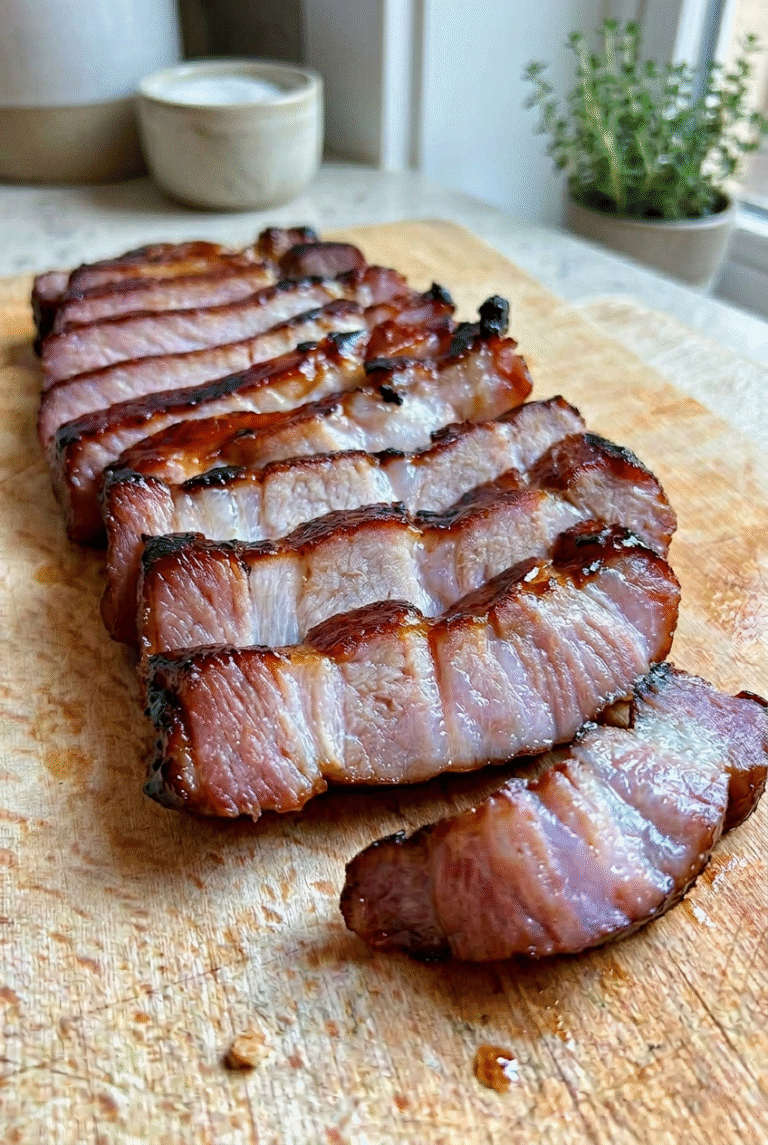
Sous Vide Char Siu
🥩 Juicy, tender BBQ pork with glossy char siu glaze – sous vide ensures perfect texture every time!
🍖 Authentic Chinese flavors at home, minimal effort for restaurant-quality results!
- Total Time: 8 hours 30 minutes
- Yield: 6 servings
Ingredients
– 3 pounds pork shoulder (or pork butt)
– ¼ cup honey
– ½ cup hoisin sauce
– ¼ cup ketchup
– ¼ cup oyster sauce
– 3 tablespoons Shaoxing wine
– 2 tablespoons dark soy sauce
– 2 cubes red preserved bean curd (smashed)
– 1 teaspoon Chinese five-spice powder
– ¼ teaspoon ground white pepper
– ½ teaspoon salt
– ¼ teaspoon red food coloring (optional)
– 2 tablespoons honey (for glaze)
– 1 tablespoon reserved marinade (for glaze)
Instructions
1-First Step: In a small bowl, combine all the marinade ingredients including the honey, hoisin sauce, ketchup, oyster sauce, Shaoxing wine, dark soy sauce, smashed red preserved bean curd, Chinese five-spice powder, white pepper, salt, and red food coloring if using. Mix thoroughly until all ingredients are well incorporated. Reserve 1 tablespoon of this mixture for the glaze later.
2-Second Step: Prepare the pork by slicing it into 1-inch thick long strips. Try to keep the thickness as consistent as possible to ensure even cooking. Use a fork to poke holes all over the meat strips. This simple step helps the marinade penetrate deeper into the pork, resulting in more flavorful meat throughout.
3-Third Step: Place the pork strips in a bowl and pour the marinade over them. Massage the meat gently to ensure it’s evenly coated with the sauce. Transfer the marinated pork to vacuum-sealable bags or heavy-duty Ziplock bags. Remove as much air as possible before sealing. If using Ziplock bags, you can use the water displacement method by slowly lowering the bag into water to push the air out before sealing. Refrigerate the bags for 4 to 24 hours, with 8 hours being the recommended time for optimal flavor penetration.
4-Fourth Step: Preheat your water bath by setting your immersion circulator to 150°F. This temperature strikes the perfect balance between rendering the fat and keeping the meat tender and juicy. Once the water has reached the target temperature, carefully lower the sealed bags into the water bath. Make sure the bags remain submerged throughout the cooking process.
5-Fifth Step: Cook the pork in the water bath for 4 hours minimum, but you can extend this up to 24 hours if you prefer an even more tender result. The extended cooking time helps break down connective tissue further, making the meat exceptionally tender. For most home cooks, 4 hours provides excellent results while keeping the recipe practical for weeknight meals.
6-Sixth Step: After the cooking time is complete, remove the bags from the water bath. To prepare the meat for the final broiling step, place the bags in cold water for at least 20 minutes. This cooling step helps firm up the meat slightly, making it easier to handle and slice later. It also stops the cooking process to ensure the pork doesn’t continue cooking beyond the perfect temperature.
7-Seventh Step: While the pork is cooling, prepare the glaze by mixing the reserved tablespoon of marinade with 2 tablespoons of honey. Set this aside until ready to use.
8-Eighth Step: Prepare your broiling setup by adding 1 cup of water or a layer of salt to a baking sheet. Place a wire rack on top of the baking sheet. This simple trick prevents the drippings from burning and creating excessive smoke in your oven.
9-Ninth Step: Remove the pork strips from the bags and pat them dry with paper towels. Place the strips on the wire rack. Brush the glaze generously over the top and sides of each pork strip. Set your oven to broil at 500°F and place the baking sheet on the top rack. Broil for 3-4 minutes until the glaze begins to caramelize and bubble. Remove from the oven, brush another layer of glaze over the pork, then return to the oven for another 3-4 minutes. Keep a close eye on the meat during this process, as the high sugar content in the glaze can burn quickly. Use a thermometer to ensure the internal temperature stays below 150°F to avoid overcooking.
10-Final Step: Remove the char siu from the oven and let it rest for at least 10 minutes before slicing. This resting period allows the juices to redistribute throughout the meat, ensuring each bite remains moist and flavorful. Slice the pork against the grain into thin strips and serve hot. Enjoy your homemade sous vide char siu on its own, with rice, or in your favorite Chinese dishes. For a traditional recipe to compare, see this classic char siu recipe.
Last Step:
Please leave a rating and comment letting us know how you liked this recipe! This helps our business to thrive and continue providing free, high-quality recipes for you.Notes
🍖 Pork shoulder balances fat and tenderness perfectly for sous vide char siu.
⏱️ Sous vide at 150°F renders fat slowly for juicy results without drying.
🔥 Broil carefully with water below rack to char exterior without smoke or burning.
- Prep Time: 15 minutes
- Marinating + Sous Vide: 8 hours
- Cook Time: 4 hours
- Category: Main Dishes
- Method: Sous Vide
- Cuisine: Chinese
Nutrition
- Serving Size: 1 serving
- Calories: 351 kcal
- Sugar: 26g
- Sodium: 1361mg
- Fat: 11g
- Saturated Fat: 4g
- Unsaturated Fat: 6g
- Trans Fat: 0g
- Carbohydrates: 32g
- Fiber: 1g
- Protein: 29g
- Cholesterol: 93mg