

Puff Puff (Deep Fried Dough)
If there is one smell that pulls me straight back to childhood, it is hot oil and sweet yeast drifting down a busy street at night.
I used to stand beside the puff puff vendors for as long as my mother allowed, watching their hands move faster than my eyes could follow.
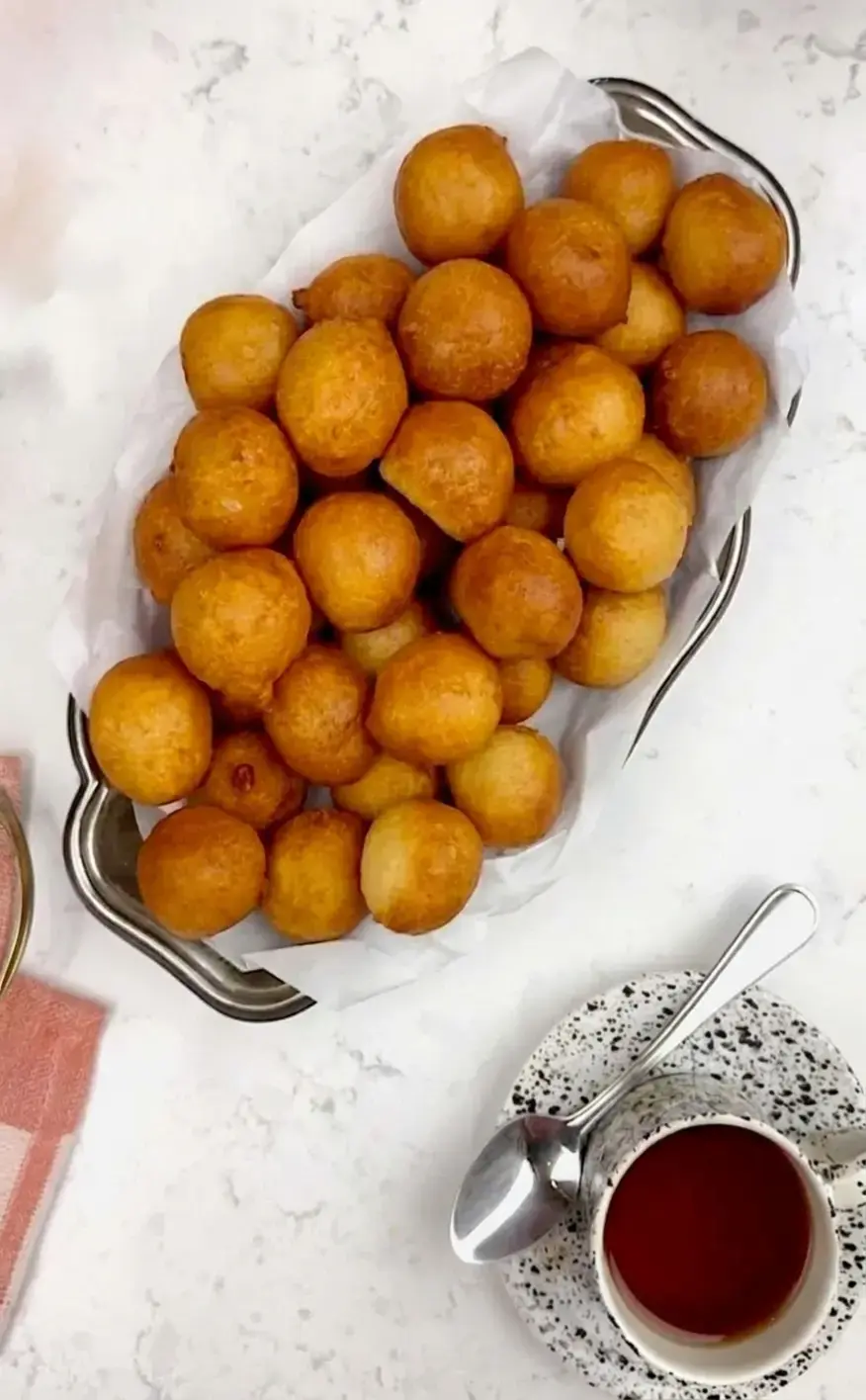
They pinched a piece of dough with their fingertips, rolled it once in their palms, and let it drop into the bubbling oil. Every ball came out round, golden, and impossibly light.
Puff puff is a West African street food with several regional variations, and it has been a late night favorite for generations. I practiced that wrist flick for years before my own dough balls stopped looking like little pebbles.
My first attempts were too heavy, then too pale, and then one evening they finally puffed up the way I remembered.
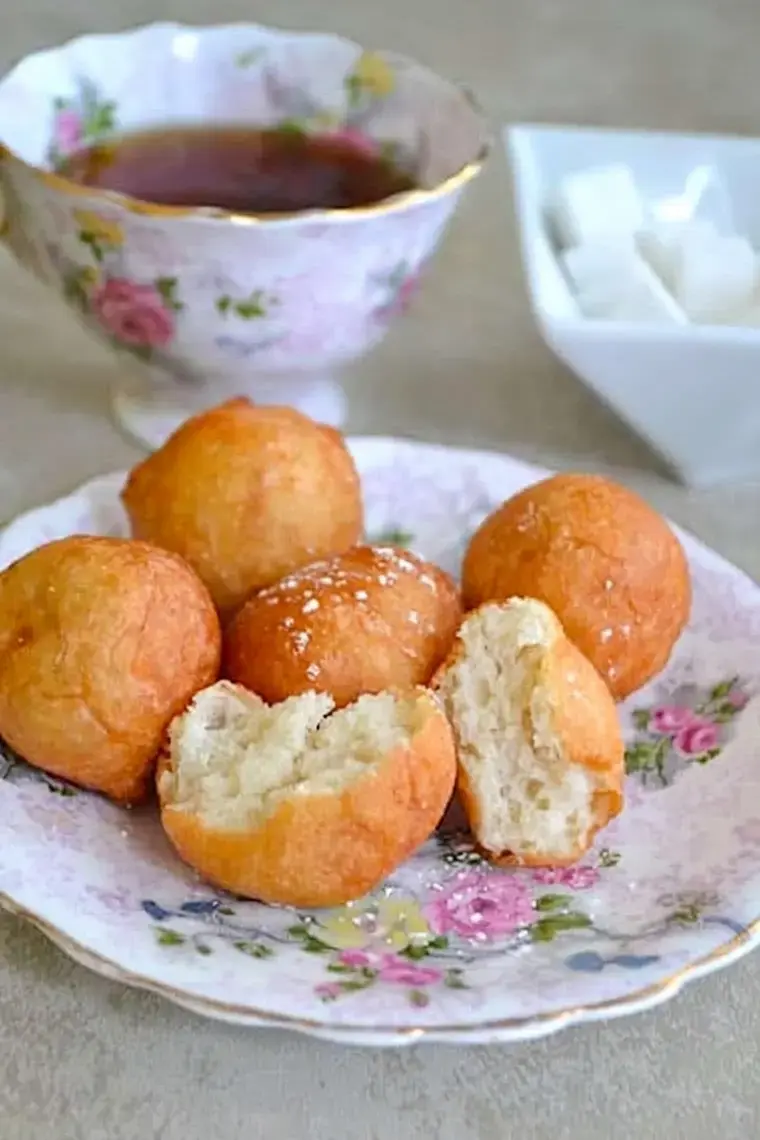
Now my kitchen fills with that same warm smell, and my family gathers at the counter the moment the first batch lands on the napkins.
This is a recipe that rewards patience more than skill. You need one big bowl, a whisk, and a deep pot of oil. The dough does most of the work while you wait, and the frying itself takes only a few minutes per batch.
Jump To
- 1. Puff Puff (Deep Fried Dough)
- 2. What Is Puff Puff?
- 3. How to Make Puff Puff
- 4. Tips and Tricks
- 5. Make Ahead and Leftover Instructions
- 6. What to Serve With Puff Puff
- 7. More Addictive Variations to Try
- 8. Ingredients
- 9. Instructions
- 10. Tips & Notes:
- 11. Recipe details
- 12. FAQs
- 13. Puff Puff (Deep-Fried Dough)
What Is Puff Puff?
Puff puff is one of the most loved street foods across West Africa, and it travels under different names depending on where you are standing. In Ghana it is called bofrot, also written togbei. In Nigeria and Cameroon it is puff puff. In French speaking countries you will hear it called beignet.
The basic ingredients are humble and familiar: flour, sugar, yeast, water, salt, and oil for deep frying. That short list is exactly why it shows up at parties, on roadsides, and in home kitchens late at night.
My version is the one I have made for years, the one that tastes like late night snacking back home. The outside turns crisp while it is still warm, and the inside stays soft, airy, and just sweet enough to keep you reaching for one more.
How to Make Puff Puff
The whole process comes down to two easy stages. First, mix the yeast, sugar, salt, and water, and set it aside for about 5 minutes to activate the yeast.
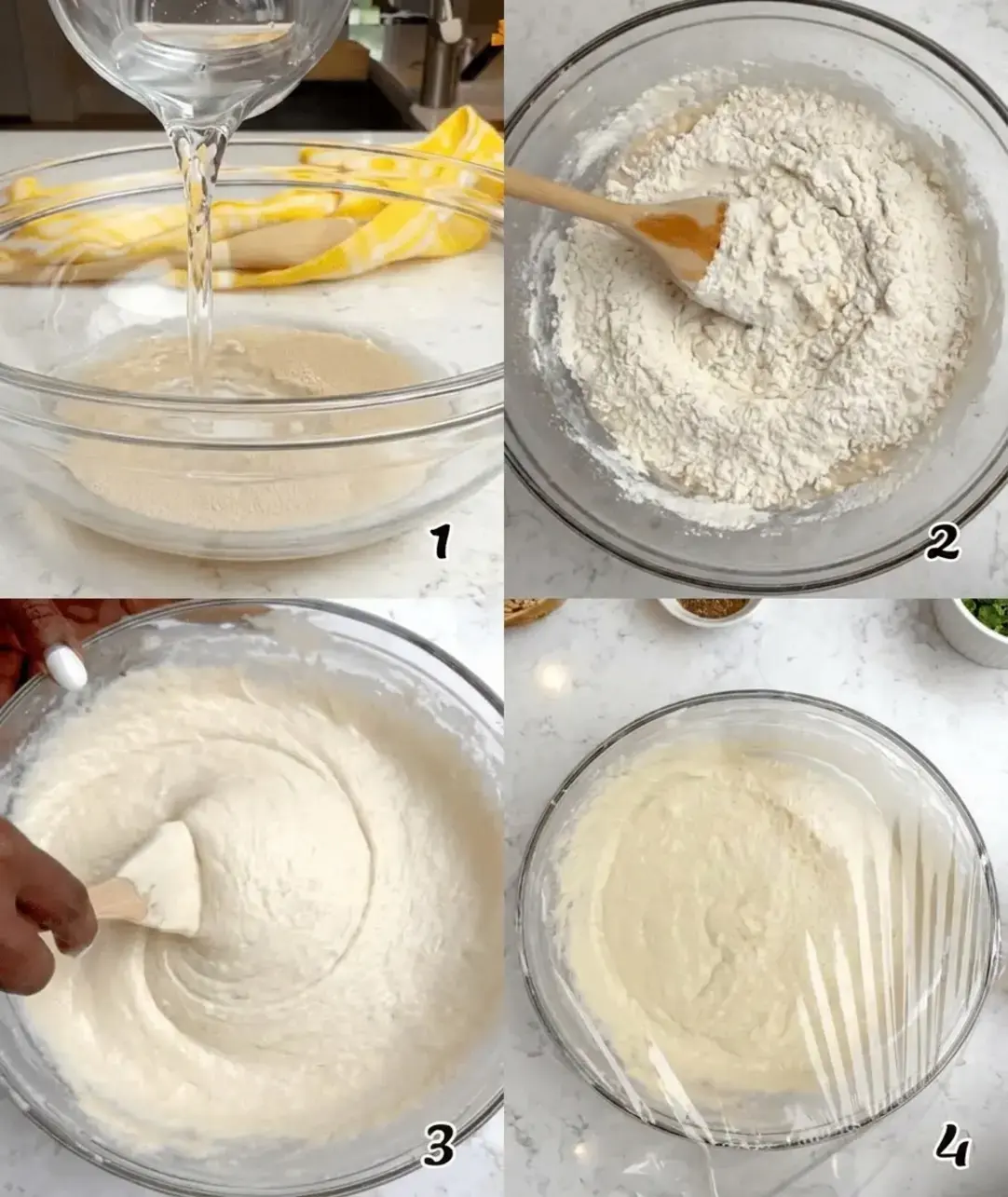
Then stir in the flour, cover the bowl, and let the dough rise for 1 to 2 hours. Second, heat at least 3 inches (7 to 8 cm) of vegetable oil on low, drop in small balls of dough, and fry until golden.
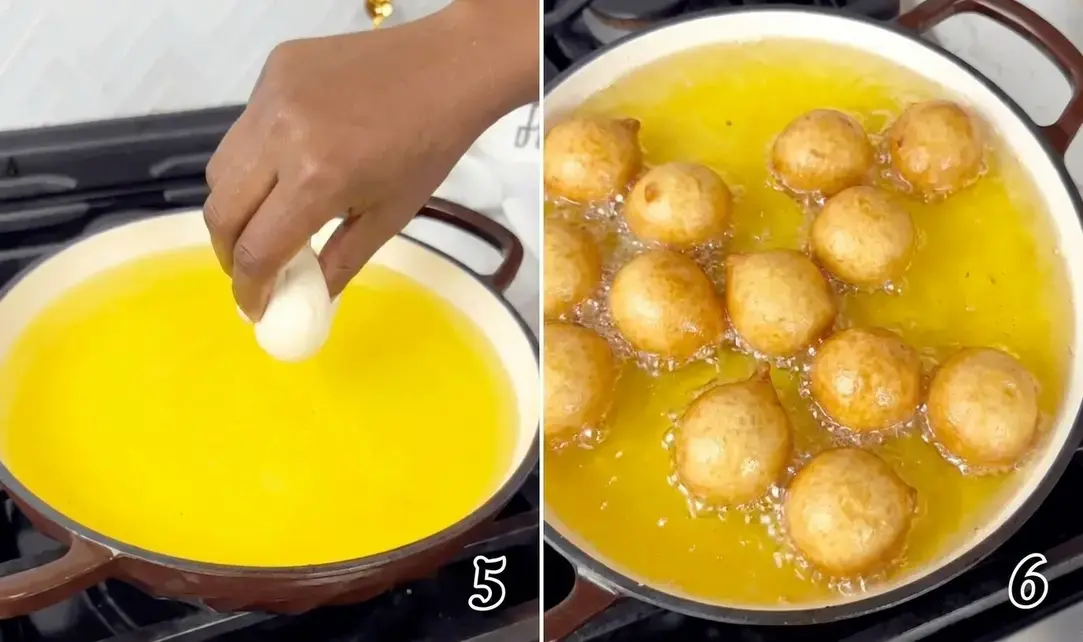
Too little oil gives you flatter balls, so always use a deep pot rather than a shallow pan.

Tips and Tricks
Cold kitchens are the number one reason puff puff disappoints. Yeast is a living thing and it slows down when the room is chilly.
When my dough refuses to rise in winter, I run the stove for 2 to 3 minutes, turn it off, and set the covered bowl beside the warm burner.
Another trick is to place the bowl inside a cold oven with a pan of hot water underneath it, then check on it after 30 minutes.
If your hands are sticky or the dough feels too soft to shape, reach for a spoon instead. A tablespoon scoop gives you even balls and keeps your fingers clean, which matters a lot when the oil is already hot.
Do not overcrowd the pan. When too many balls go in at once, the oil temperature drops and the dough soaks up oil instead of puffing. Fry in small batches and give each ball room to float and turn. That single habit changed my results more than any ingredient ever did.
Keep the oil steady and the batches small. Slow, even frying is what gives puff puff its hollow, airy center.
Make Ahead and Leftover Instructions
You can mix the dough in advance and let the refrigerator do the waiting for you. Store the raw dough in an airtight container in the fridge for up to 5 days.
It may take 1 to 2 days to rise in the cold, so plan ahead. Bring it back to room temperature before frying, otherwise the balls turn out dense and heavy in the middle.
Cooked puff puff keeps well too. Wrap the leftovers tightly and refrigerate them for about a week, or freeze them for 1 to 2 months. To bring them back to life, warm them in a preheated 350°F (177°C) oven for 5 to 10 minutes.
They soften up nicely, though they will never be quite as crisp as the first minute out of the oil.
What to Serve With Puff Puff
Puff puff is flexible enough to show up at breakfast, as a snack, as an appetizer, as a side dish, or as dessert, and it works both sweet and savory. In my house, pepper sauce is not optional. The spicy dip against the sweet dough is the combination I grew up with.
Chocolate sauce and cinnamon sugar are two more favorites around here, and my son likes his dusted with powdered sugar and nothing else. That is his idea of a simple dessert.
For drinks, ginger tea is a warm and soothing match, especially on a cool evening. Sorrel drink is the other one I reach for, bright and tart and refreshing next to fried dough.
More Addictive Variations to Try
Once you have the basic method down, there are plenty of directions to take it. Other versions worth exploring include banana, chocolate, no yeast, coconut, and beignet styles.
Ingredients
This batch makes about 20 puff puffs, which serves 10 people at 2 puff puffs each. Measure everything before you start, because the first stage moves quickly and you do not want to be hunting for the yeast halfway through.
- 2¼ teaspoons (7g) active dry yeast, about 1 packet
- ½ to ¾ cup (100 to 150g) sugar
- ½ tablespoon (8 to 9g) salt
- 2 cups (472ml) warm water, plus 1 to 2 tablespoons more for softer puffs
- 3½ cups (420g) flour
- Vegetable oil, for deep frying
Instructions
- Mix the yeast, sugar, salt, and water in a large bowl, then set it aside for 5 minutes to activate the yeast. You should see a light foam forming on the surface.
- Add the flour and mix well until you have a thick, smooth batter with no dry pockets of flour left at the bottom of the bowl.
- Cover the bowl and let the dough rise for 1 to 2 hours, until it has puffed up and looks airy and full of bubbles.
- In a large saucepan, heat at least 3 inches (7 to 8 cm) of vegetable oil on low. Too little oil will result in flatter balls, so give the dough plenty of depth to swim in.
- Test whether the oil is hot enough by dropping in a bit of batter. If the oil is not hot enough, the batter stays at the bottom rather than rising to the top.
- When the oil is hot enough, grab bits of the mixture with your hands, or use a spoon, to make small balls of dough. Drop them carefully into the oil.
- Fry for a few minutes until the bottom side is golden brown. Turn the balls over and fry for a few more minutes until the other side is golden brown.
- Use a large spoon or a strainer to lift them out of the oil, and place them on napkins right away to soak up the excess oil.
- If you like, roll the finished puffs in cinnamon or powdered sugar to make them sweeter.
Tips & Notes:
Adding 1 to 2 extra tablespoons of water gives you softer puff puffs. Some people find them a little hard once they have cooled, and that small splash of water solves the problem nicely.
If you prefer a less salty batch, you can reduce the salt to 1 teaspoon.
One more note on the numbers below. The nutrition information is only a rough estimate, and it changes with the products you use.
Recipe details
Here is the full picture at a glance before you tie on your apron.
| Detail | Value |
|---|---|
| Prep time | 5 minutes |
| Cook time | 15 minutes |
| Rising time | 1 hour |
| Total time | 1 hour 20 minutes |
| Servings | 10 |
| Yield | About 20 puff puffs |
| Serving size | 2 puff puffs |
Nutrition per serving of 2 puff puffs, as a rough estimate.
| Nutrient | Amount |
|---|---|
| Calories | 399 |
| Carbohydrates | 75g |
| Protein | 9g |
| Fat | 6g |
| Saturated fat | 1g |
| Fiber | 3g |
| Sugar | 12g |
| Sodium | 291mg |
Fry a batch this weekend, pile them on a plate, and watch how quickly the plate empties.
FAQs
How do you make puff puff fluffy and soft inside?
A soft, fluffy interior depends on the dough's consistency and rising time. Use 2 cups of warm water plus one or two extra tablespoons for a wetter batter, and let it rise for 1 to 2 hours until doubled in size. Fry at 350°F to 375°F so the center cooks through before the outside browns.
What is the best oil for frying puff puff?
A neutral oil with a high smoke point, such as vegetable, canola, or peanut oil, is best for frying puff puff. The oil should be at least 3 inches deep to allow the balls to float and puff evenly. Maintain a consistent temperature of 350°F to 375°F for a golden crust without greasiness.
Why are my puff puffs hard and not fluffy?
Hard puff puffs usually result from a dough that is too stiff or under-risen. Make sure the batter is sticky and slightly thicker than pancake batter by using 2 to 2.25 cups of warm water. Let the dough rise for a full 1 to 2 hours in a warm spot until it doubles in volume.
Can you make puff puff dough ahead of time?
Yes, you can make puff puff dough ahead of time. After mixing, cover the bowl tightly and refrigerate the dough for up to 12 hours; let it sit at room temperature for 30 minutes before frying. Cooked puff puffs also freeze well for up to 3 months and reheat best in a 350°F oven or air fryer.

Puff Puff (Deep-Fried Dough)
Puff Puff (Deep Fried Dough) If there is one smell that pulls me straight back to childhood, it is hot oil and sweet yeast drifting down a busy street at night. I used to stand beside the puff puff vendors for as long as my mother allowed, watching their hands move faster than my eyes could follow.
- Total Time: 80 min
- Yield: about 20 puff puffs 1x
Ingredients
2.25 teaspoons active dry yeast
0.5–0.75 cup sugar
0.5 tablespoon salt
2 cups warm water
3.5 cups flour
vegetable oil, for deep frying
Instructions
1-Mix the yeast, sugar, salt, and water,: Mix the yeast, sugar, salt, and water, and set aside for 5 minutes to activate the yeast.
2-Add the flour and mix well: Add the flour and mix well.
3-Cover and let it rise for 1-2: Cover and let it rise for 1-2 hours.
4-In a large saucepan, heat at least: In a large saucepan, heat at least 3 inches of vegetable oil (7-8cm) on low. Too little oil will result in flatter balls.
5-Test to make sure the oil is: Test to make sure the oil is hot enough by putting a drop of batter into the oil. If it is not hot enough, the batter stays at the bottom rather than rising to the top.
6-When the oil is hot enough, grab: When the oil is hot enough, grab bits of the mixture with your hands or use a spoon to get small balls of dough and drop them carefully into the oil.
7-Fry for a few minutes until the: Fry for a few minutes until the bottom side is golden brown. Turn the balls over and fry for a few more minutes until the other side is golden brown.
8-Use a large spoon or strainer to: Use a large spoon or strainer to remove them from the oil. I usually place them on napkins immediately to soak up the excess oil.
9-If desired, you can roll the finished: If desired, you can roll the finished product in cinnamon or powdered sugar to make it sweeter.
Last Step:
Please leave a rating and comment letting us know how you liked this recipe! This helps our business to thrive and continue providing free, high-quality recipes for you.- Prep Time: 5 min
- Cook Time: 15 min
- Method: stovetop
Nutrition
- Serving Size: 2 puff puffs
- Calories: 399
- Sugar: 12
- Sodium: 291
- Fat: 6
- Saturated Fat: 1
- Carbohydrates: 75
- Fiber: 3
- Protein: 9


