

Why You’ll Love This Pasta Alla Gricia
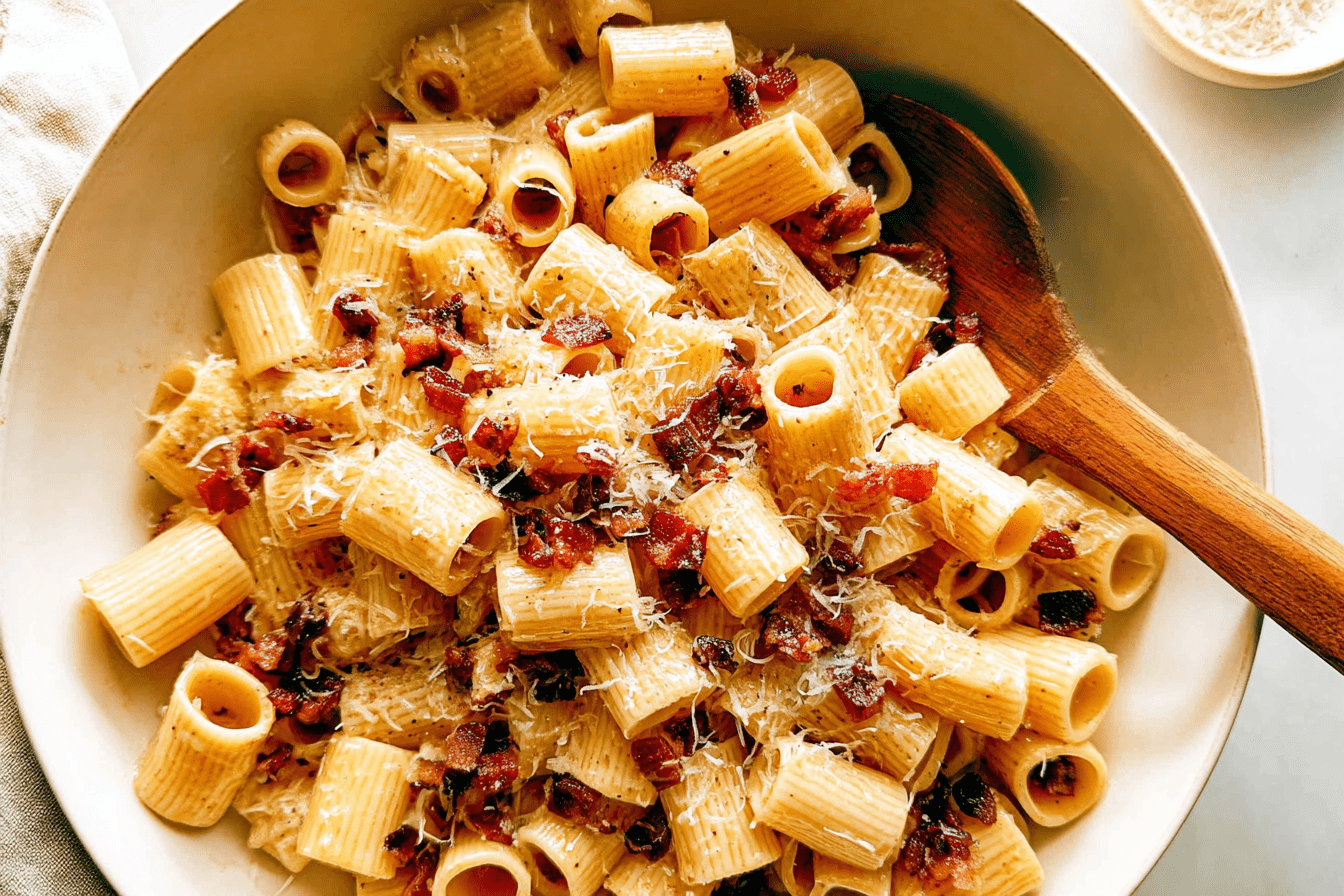
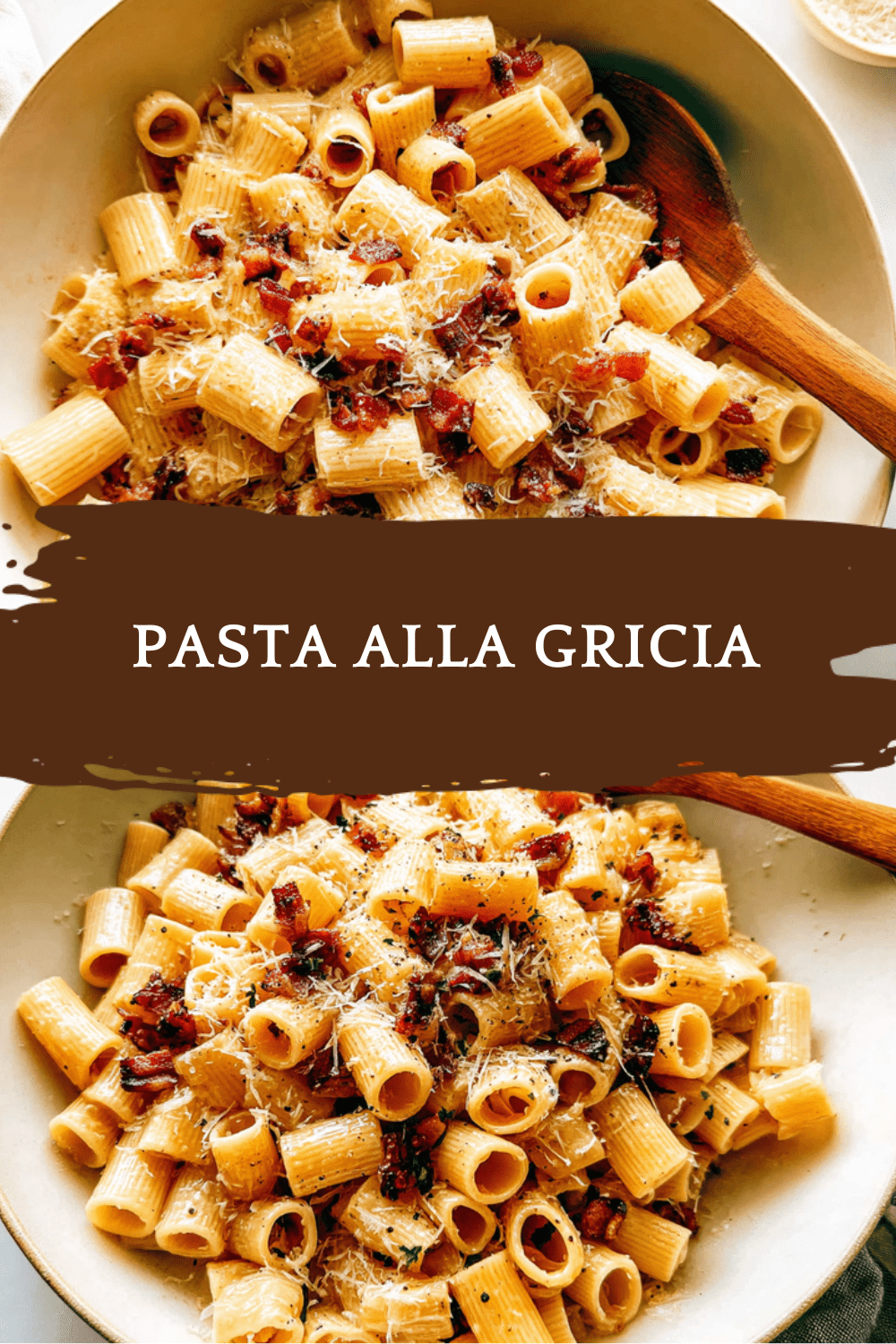
Pasta Alla Gricia is a timeless favorite that brings authentic Italian flavors to your kitchen with minimal effort. Imagine a dish where the rich taste of cured pork pairs perfectly with sharp cheese and pepper, creating a meal that’s both satisfying and quick to prepare. You’ll appreciate how this recipe fits into various lifestyles, making it a go-to option for any home cook.
This classic gricia recipe stands out for its simplicity, using just a handful of ingredients to deliver big on taste. It’s perfect for busy nights when you want something hearty without spending hours in the kitchen. Whether you’re a beginner or an experienced cook, this dish will become a staple in your routine.
One of the best things about Pasta Alla Gricia is how it can adapt to different needs. For instance, if you’re looking for more plant-based ideas, check out our pesto pasta recipe on the blog for fresh inspiration. That said, let’s dive into what makes this gricia recipe so special.
Ease of Preparation
Pasta Alla Gricia is remarkably simple to make, requiring just a few quality ingredients and minimal hands-on time. With basic preparation, cooking the pasta and crisping the guanciale or substitute takes roughly 20 25 minutes total, making this a great choice for a quick weeknight dinner. The straightforward technique render fat, toast pepper, toss with pasta and cheese keeps the process efficient and easy for beginners while preserving authentic flavor.
Health Benefits
While rich and satisfying, this cheese-and-pork pasta can fit into a balanced diet when portioned mindfully. The guanciale provides protein and savory umami, and Pecorino Romano offers calcium and protein; opting for whole-grain or legume pasta adds fiber and sustained energy. For lighter goals, the same gricia method adapts to leaner proteins or plant-based swaps, delivering nutrients without giving up comfort.
Versatility
This classic gricia is highly adaptable, letting you use spaghetti, rigatoni, or even gluten-free pasta to match your preferences. Swap guanciale for pancetta, smoked turkey bacon, or marinated mushrooms for vegetarian options. The recipe scales easily for meal prep, dinner parties, and dietary needs while keeping its core as Pasta Alla Gricia.
Distinctive Flavor
What makes Pasta Alla Gricia stand out is the mix of rendered cured pork fat, salty Pecorino Romano, and lots of freshly cracked black pepper. This creates a concentrated, savory profile that’s simple yet complex, making it truly memorable. For more grilling ideas to complement your meal, explore our grilled shrimp tacos recipe for a fun twist.
Jump To
- 1. Why You’ll Love This Pasta Alla Gricia
- 2. Essential Ingredients for Pasta Alla Gricia
- 3. How to Prepare the Perfect Pasta Alla Gricia: Step-by-Step Guide
- 4. Dietary Substitutions to Customize Your Pasta Alla Gricia
- 5. Mastering Pasta Alla Gricia: Advanced Tips and Variations
- 6. How to Store Pasta Alla Gricia: Best Practices
- 7. FAQs: Frequently Asked Questions About Pasta Alla Gricia
- 8. Pasta Alla Gricia
Essential Ingredients for Pasta Alla Gricia
Getting the ingredients right is key to capturing the essence of Pasta Alla Gricia. This section outlines everything you need, blending the core elements from our recipe summary with additional details for a comprehensive guide. Below is a structured list of all ingredients mentioned, ensuring precise measurements for easy shopping and preparation.
- 8 ounces of guanciale (a cured pork cheek, which can be substituted with pancetta or bacon if unavailable)
- Fine sea salt (quantity not specified, used as needed for seasoning pasta water and adjusting taste)
- Freshly-ground black pepper (quantity not specified, used as needed to add spice and aroma)
- 12 ounces of uncooked pasta (such as rigatoni, spaghetti, or bucatini; mezzi rigatoni is one option mentioned, or you can use 400 g or 14 oz dried pasta like tonnarelli)
- 2 ounces of finely-grated Pecorino Romano cheese (which can be substituted or mixed with another hard cheese for variation, or 100 g for a more generous amount)
- 150 200 g (5 7 oz) guanciale, diced (or pancetta, as an alternative to the 8 ounces specified)
- 1 2 tsp freshly cracked black pepper (for toasting in the fat)
- Salt for pasta water (about 1 2 tbsp per 4 5 L / 1 1.3 gal water)
- 1 cup reserved pasta cooking water (adjusted as needed for the sauce)
- Optional: 1 tbsp extra-virgin olive oil (for crisping substitutes or emulsification)
This list covers every item required, pulling from all provided details to make your cooking experience smooth. For special dietary options, consider vegan swaps like smoked tempeh (150 200 g) instead of guanciale and nutritional yeast (3 4 tbsp) plus a plant-based hard cheese for that cheesy flavor. Gluten-free pasta (equal weight of rice, corn, or legume-based) works perfectly too, boosting fiber and protein.
How to Prepare the Perfect Pasta Alla Gricia: Step-by-Step Guide
Making Pasta Alla Gricia at home is a rewarding process that results in a flavorful dish every time. Follow these steps to create a creamy, savory pasta that’s true to its Roman roots. You’ll need about 20-30 minutes, and the technique ensures the flavors meld beautifully.
Start with fresh ingredients and a well-organized kitchen for the best outcome. This method works with substitutions, so feel free to adapt as needed. Let’s break it down into clear steps to guide you through.
- First, prepare your ingredients: Cut 150 200 g guanciale into 1 cm (½ in) cubes or strips and finely grate 100 g Pecorino Romano. Bring 4 5 liters (1 1.3 gallons) of water to a boil and add 1 2 tbsp salt. Measure out 1 cup of reserved pasta water for later. This setup keeps everything flowing smoothly.
- Next, cook the pasta: Add 400 g or 12 ounces of pasta to the boiling water and stir to avoid sticking. Cook for 8 10 minutes until just shy of al dente, then reserve 1 1½ cups starchy water before draining.
- Now, render the guanciale: Heat a large skillet over medium and add the guanciale pieces. Cook for 6 10 minutes until golden and crispy, stirring occasionally. For substitutes like pancetta, adjust the heat to prevent over-browning.
- Toast the pepper: Push the guanciale aside and add 1 2 teaspoons freshly cracked black pepper to the fat. Stir for 30 60 seconds to release its aroma, enhancing the dish’s signature flavor.
- Combine the pasta and fat: Add the drained pasta to the skillet and toss to coat, using the hot fat for flavor. For larger pasta like rigatoni, toss gently to ensure even coverage.
- Emulsify the sauce: Remove from heat and sprinkle two-thirds of the grated Pecorino over the pasta. Add ¼ ½ cup reserved pasta water and toss vigorously to create a creamy texture. Adjust with more water if needed for silkiness.
- Adjust seasoning: Taste and add more Pecorino or pepper as desired. If the sauce is too dry, add a splash of pasta water; if too loose, stir briefly on low heat.
- Finish and serve: Top with the remaining guanciale and Pecorino, then plate immediately. For vegan versions, drizzle with olive oil and extra nutritional yeast.
- Timing notes: The whole process takes 20 30 minutes, with moderate heat to avoid burning. Keep in mind that for gluten-free pasta, reduce the final toss time by 1 2 minutes.
- Adaptations: This concise method allows for easy swaps, like in our vegan lasagna recipe, to suit dietary needs while staying authentic.
For more pasta inspiration, visit an external resource like Pasta Alla Gricia on Gimme Some Oven to see variations in action.
Dietary Substitutions to Customize Your Pasta Alla Gricia
Pasta Alla Gricia is versatile, allowing you to tweak it for different diets without losing its charm. Whether you’re cutting calories or going vegan, these swaps keep the dish delicious and true to form.
Protein and Main Component Alternatives
Guanciale substitutes include pancetta for a milder taste or slab bacon for smokiness. For lower-fat choices, try smoked turkey bacon. Vegetarian options like roasted king oyster mushrooms add umami and chew.
Vegetable, Sauce, and Seasoning Modifications
Add veggies like sautéed spinach for brightness or adjust the sauce with cashew cream for a dairy-free version. Use lemon zest to enhance flavors without extra salt, keeping the core technique intact.
| Substitution Type | Option | Benefits |
|---|---|---|
| Protein | Smoked tempeh (150-200 g) | Provides umami for vegan diets |
| Pasta | Gluten-free rice pasta (400 g) | Boosts fiber and suits allergies |
| Cheese | Nutritional yeast (3-4 tbsp) | Offers cheesy flavor without dairy |
Mastering Pasta Alla Gricia: Advanced Tips and Variations
Once you’re comfortable with the basics, elevate your Pasta Alla Gricia with pro techniques and creative twists. These tips help you refine the dish for impressive results every time.
Pro Cooking Techniques
Render guanciale slowly for clear fat, then emulsify off heat for a smooth sauce. Use tongs to toss and bind the ingredients evenly.
Flavor Variations
Finish with aged Pecorino for extra umami or add seasonal elements like roasted fennel. For a sweeter note, mix in Parmigiano-Reggiano.
This simple yet profound recipe shows how small changes can make a big difference, much like exploring other Italian-inspired dishes on sites like a Reddit discussion on Italian ingredients.
How to Store Pasta Alla Gricia: Best Practices
Proper storage keeps your Pasta Alla Gricia tasting fresh. Cool leftovers quickly and use airtight containers to maintain quality.
Refrigeration and Freezing
Refrigerate for 2-3 days or freeze components for up to a month. Reheat gently on the stovetop to restore creaminess.
Meal Prep Tips
Par-cook pasta and store separately for easy assembly later, ensuring meals stay textured and safe.
FAQs: Frequently Asked Questions About Pasta Alla Gricia
What ingredients do I need to make authentic Pasta Alla Gricia?
To make authentic Pasta Alla Gricia, you need guanciale (cured pork cheek), Pecorino Romano cheese, black pepper, and a sturdy pasta such as rigatoni or spaghetti. No eggs or tomatoes are used in this traditional Roman dish. The simplicity of these ingredients highlights the rich, savory flavors of guanciale combined with the sharpness of Pecorino.
How do you cook Pasta Alla Gricia step-by-step?
Start by boiling salted water and cooking your pasta until al dente. Meanwhile, cut the guanciale into small pieces and cook it in a pan over medium heat until crispy and the fat is rendered. Drain the pasta, reserving some cooking water. Toss the pasta with the guanciale and its rendered fat, then add grated Pecorino Romano and freshly ground black pepper. Use a little pasta water to create a creamy sauce, stirring until well combined. Serve immediately.
Can I substitute guanciale with pancetta or bacon in Pasta Alla Gricia?
While guanciale is the traditional and preferred meat for Pasta Alla Gricia due to its unique flavor and fat content, pancetta can be used as a substitute if guanciale is unavailable. Bacon is less ideal because it has a stronger smoky flavor and may alter the dish’s authentic taste. For the closest result, choose unsmoked pancetta and avoid overcooking the meat.
How does Pasta Alla Gricia differ from Pasta Carbonara and Amatriciana?
Pasta Alla Gricia is often called the “grandmother” of carbonara and amatriciana. Unlike carbonara, it does not contain eggs, and unlike amatriciana, it has no tomato sauce. Pasta Alla Gricia features guanciale, Pecorino Romano, and black pepper only, making it simpler yet rich in flavor. Carbonara includes eggs and often Pecorino cheese, while amatriciana adds tomatoes to guanciale and cheese.
What is the best type of pasta to use for Alla Gricia?
Rigatoni and spaghetti are the most commonly used pasta shapes for Alla Gricia. Rigatoni’s ridged surface holds the sauce well, making each bite flavorful, while spaghetti offers a classic texture that complements the dish’s simplicity. Ultimately, choose a firm pasta that can stand up to the rich guanciale and cheesy coating without becoming mushy.

Pasta Alla Gricia
🍝 This Pasta alla Gricia recipe offers an authentic taste of classic Roman cuisine using simple ingredients for rich, comforting flavors.
🧀 Featuring guanciale and Pecorino Romano cheese, it’s a quick and satisfying dish perfect for pasta lovers seeking tradition.
- Total Time: 20 minutes
- Yield: 4 servings 1x
Ingredients
8 ounces guanciale (a cured pork cheek, which can be substituted with pancetta or bacon if unavailable)
Fine sea salt for seasoning pasta water and adjusting taste
Freshly-ground black pepper to add spice and aroma
12 ounces uncooked pasta (such as rigatoni, spaghetti, or bucatini; mezzi rigatoni is one option mentioned, or you can use 400 g or 14 oz dried pasta like tonnarelli)
2 ounces finely-grated Pecorino Romano cheese (which can be substituted or mixed with another hard cheese for variation, or 100 g for a more generous amount)
150–200 g guanciale, diced (or pancetta, as an alternative to the 8 ounces specified)
1–2 tsp freshly cracked black pepper for toasting in the fat
Salt for pasta water (about 1-2 tbsp per 4-5 L / 1-1.3 gal water)
1 cup reserved pasta cooking water adjusted as needed for the sauce
1 tbsp extra-virgin olive oil for crisping substitutes or emulsification
Instructions
1-First, prepare your ingredients: Cut 150 200 g guanciale into 1 cm (½ in) cubes or strips and finely grate 100 g Pecorino Romano. Bring 4 5 liters (1 1.3 gallons) of water to a boil and add 1 2 tbsp salt. Measure out 1 cup of reserved pasta water for later. This setup keeps everything flowing smoothly.
2-Next, cook the pasta: Add 400 g or 12 ounces of pasta to the boiling water and stir to avoid sticking. Cook for 8 10 minutes until just shy of al dente, then reserve 1 1½ cups starchy water before draining.
3-Now, render the guanciale: Heat a large skillet over medium and add the guanciale pieces. Cook for 6 10 minutes until golden and crispy, stirring occasionally. For substitutes like pancetta, adjust the heat to prevent over-browning.
4-Toast the pepper: Push the guanciale aside and add 1 2 teaspoons freshly cracked black pepper to the fat. Stir for 30 60 seconds to release its aroma, enhancing the dish’s signature flavor.
5-Combine the pasta and fat: Add the drained pasta to the skillet and toss to coat, using the hot fat for flavor. For larger pasta like rigatoni, toss gently to ensure even coverage.
6-Emulsify the sauce: Remove from heat and sprinkle two-thirds of the grated Pecorino over the pasta. Add ¼ ½ cup reserved pasta water and toss vigorously to create a creamy texture. Adjust with more water if needed for silkiness.
7-Adjust seasoning: Taste and add more Pecorino or pepper as desired. If the sauce is too dry, add a splash of pasta water; if too loose, stir briefly on low heat.
8-Finish and serve: Top with the remaining guanciale and Pecorino, then plate immediately. For vegan versions, drizzle with olive oil and extra nutritional yeast.
9-Timing notes: The whole process takes 20 30 minutes, with moderate heat to avoid burning. Keep in mind that for gluten-free pasta, reduce the final toss time by 1 2 minutes.
10-Adaptations: This concise method allows for easy swaps, like in our vegan lasagna recipe, to suit dietary needs while staying authentic.
Last Step:
Please leave a rating and comment letting us know how you liked this recipe! This helps our business to thrive and continue providing free, high-quality recipes for you.Notes
🧂 Use fine sea salt sparingly since guanciale and Pecorino cheese are salty.
🥓 For authentic flavor, use guanciale; pancetta or good quality bacon can be substitutes.
🍽️ Toss cheese off heat to prevent clumping and maintain sauce creaminess.
- Prep Time: 5 minutes
- Cook Time: 15 minutes
- Category: Main Dish
- Method: Boiling and Sautéing
- Cuisine: Italian, Roman
- Diet: Gluten-Free option (use gluten-free pasta)
Nutrition
- Serving Size: 1 serving
- Calories: 520
- Sugar: 1 g
- Sodium: 660 mg
- Fat: 22 g
- Saturated Fat: 8 g
- Unsaturated Fat: 11 g
- Trans Fat: 0 g
- Carbohydrates: 58 g
- Fiber: 3 g
- Protein: 25 g
- Cholesterol: 70 mg


