

Why You’ll Love This Orecchiette Pasta
Orecchiette pasta brings simple joy to your kitchen with its quick cooking and ability to pair with so many flavors. Picture little ear-shaped bites that scoop up every bit of sauce, making each forkful full of taste. You will find orecchiette recipes easy to follow, whether you grab a package from the store or make your own from scratch.
- Ease of preparation: Orecchiette pasta cooks quickly and requires minimal hands-on time. The simple dough or store-bought orecchiette needs just 8 to 12 minutes boiling for an al dente texture. Sauces usually come together while the pasta cooks. This orecchiette recipe emphasizes straightforward mise en place, chop vegetables, measure olive oil, and grate cheese ahead, so overall active time is typically under 25 minutes, perfect for weeknight dinners or quick meal prep.
- Health benefits: Orecchiette and whole-grain or legume-based orecchiette alternatives provide complex carbohydrates, fiber, and sustained energy. Pairing the ear-shaped pasta with leafy greens, olive oil, garlic, and a lean protein boosts heart-healthy fats, vitamins, and plant protein. Choosing whole-grain or chickpea orecchiette raises fiber and micronutrient content and can lower glycemic impact compared with refined pasta. Learn more about the pasta healthy benefits.
- Versatility: This ear-shaped pasta adapts easily to vegetarian, vegan, gluten-free, and low-calorie diets. Swap dairy for nutritional yeast or vegan parmesan, substitute chickpea or lentil orecchiette for a gluten-free option, or reduce oil and bulk up on vegetables for a lighter plate. The adaptable orecchiette recipe works equally well in warm sautes, chilled pasta salads, or brothy soups.
- Distinctive flavor: Orecchiette’s concave shape captures sauce and seasoning, concentrating flavors in every bite. Toasted garlic, lemon zest, anchovy paste, or roasted vegetables build the profile, while finishing with high-quality olive oil or grated cheese gives a memorable, layered taste to this orecchiette pasta dish.
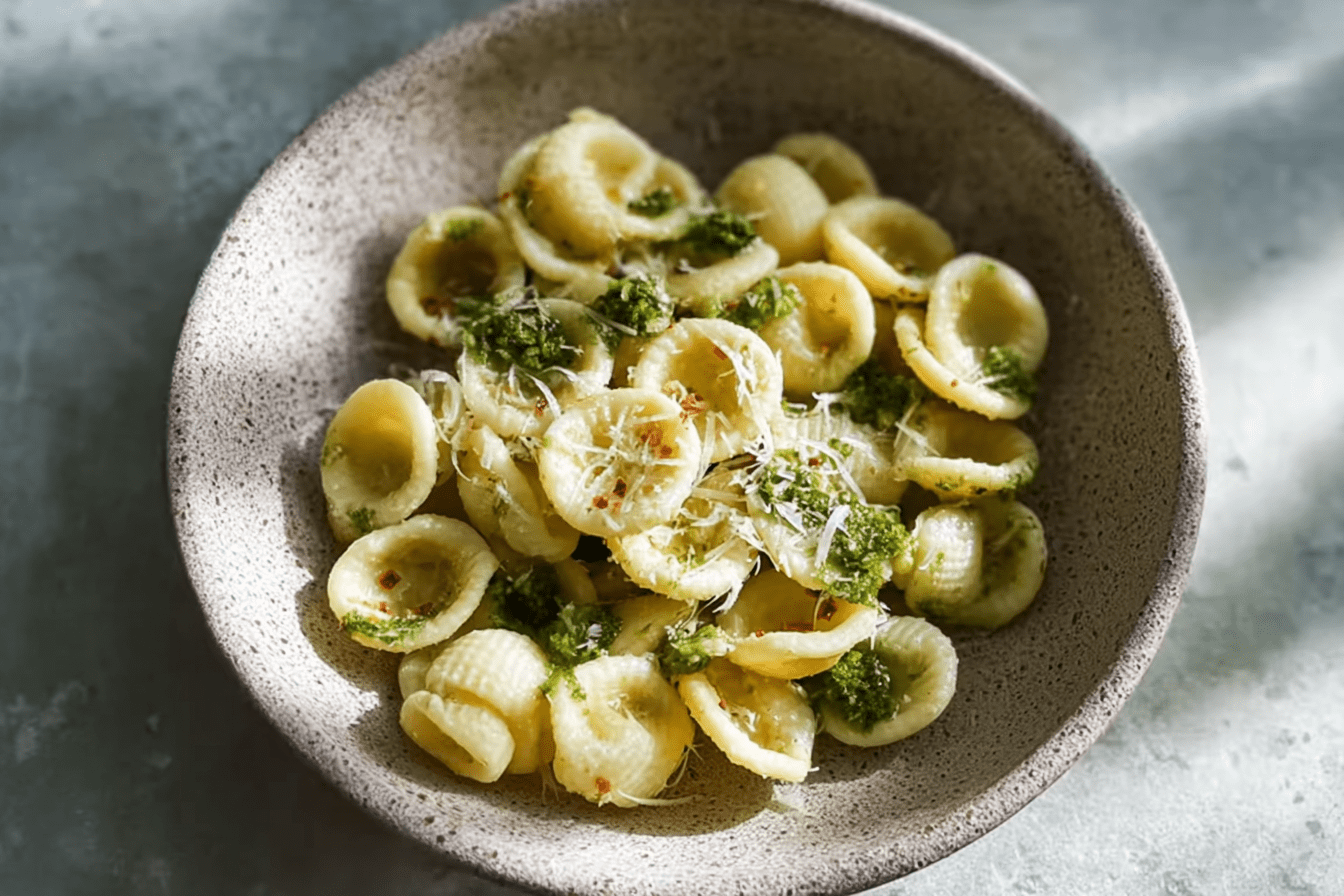
The charm of orecchiette pasta lies in its rustic shape from Puglia, Italy, where it cradles bold sauces like broccoli rabe and sausage perfectly.
Jump To
- 1. Why You’ll Love This Orecchiette Pasta
- 2. Essential Ingredients for Orecchiette Pasta
- 3. How to Prepare the Perfect Orecchiette Pasta: Step-by-Step Guide
- 4. Dietary Substitutions to Customize Your Orecchiette Pasta
- 5. Mastering Orecchiette Pasta: Advanced Tips and Variations
- 6. How to Store Orecchiette Pasta: Best Practices
- 7. FAQs: Frequently Asked Questions About Orecchiette Pasta
- 8. Orecchiette Pasta
Essential Ingredients for Orecchiette Pasta
Gathering the right ingredients makes your orecchiette pasta shine. Start with quality basics for the best results in your orecchiette recipes. Below, you will find everything for a classic dish, plus options for homemade orecchiette pasta.
Main Ingredients for Orecchiette with Broccoli Rabe and Sausage
- 12 oz (340 g) orecchiette pasta – Provides the ear-shaped base that holds sauce; use traditional semolina for authentic texture or whole-grain for extra fiber.
- 3 tbsp extra-virgin olive oil – For sautéing aromatics and adding heart-healthy fat and glossy mouthfeel.
- 3 cloves garlic, minced – Infuses savory depth and aroma into the sauce.
- 1 medium onion (about 1 cup), finely chopped – Adds sweetness, body, and complexity.
- 4 cups packed broccoli rabe or kale, chopped – Adds bitterness, fiber, and vitamins; pairs well with orecchiette’s shape.
- 1/2 tsp red pepper flakes (optional) – Provides gentle heat and balance.
- 1 cup cherry tomatoes, halved – Bright acidity and juiciness to complement the pasta.
- 6 oz (170 g) Italian sausage or 1 cup cooked chickpeas – Protein option to make the dish substantial.
- 1/2 cup grated Parmesan (or vegan alternative) – Finishing umami and creaminess.
- Salt and freshly ground black pepper to taste – Essential seasoning to enhance flavors.
- 1 lemon, zested and juiced – Bright finishing flavor to lift the dish.
Homemade Orecchiette Ingredients
Make your own fresh orecchiette pasta with just two items. This semolina flour dough yields about 800 g, perfect for 4 servings.
- 500 g semolina flour (about 17.6 oz)
- 300 ml warm water (about 1.25 cups)
Special Dietary Options
- Vegan: Use extra-virgin olive oil and sautéed mushrooms, tempeh, or seared tofu instead of sausage; replace Parmesan with nutritional yeast or a store-bought vegan parmesan; choose whole-grain or legume-based orecchiette.
- Gluten-free: Substitute 12 oz gluten-free orecchiette made from rice, corn, or chickpea flour; verify that processed ingredients (sausages, sauces) are labeled gluten-free.
- Low-calorie: Use 9 to 10 oz whole-grain or legume pasta, reduce oil to 1 to 2 tbsp, increase vegetables such as zucchini and spinach, and omit or lightly sprinkle cheese; increase herbs and citrus for flavor without calories.
How to Prepare the Perfect Orecchiette Pasta: Step-by-Step Guide
Follow these steps for orecchiette pasta that tastes just right. This guide covers how to cook orecchiette, including a homemade option. Total time stays around 30 to 40 minutes for busy days.
Making Homemade Orecchiette (Optional, About 30 Minutes Active + 10 to 15 Minutes Rest)
- Mound the semolina on a work surface and make a well in the center.
- Gradually pour the warm water into the well, mixing by pinching flour into the liquid until a paste-like dough forms.
- Knead thoroughly by pressing with the palm, folding and repeating until smooth and elastic; adjust with a little extra water if too dry or more semolina if too sticky.
- Let the dough rest 10 to 15 minutes.
- Roll a piece of dough into a thin snake (cord), then cut into small pillow-sized pieces.
- Using the blade of a butter knife (or your thumb), press through the center of each piece and roll it forward to form the concave ear shape. Alternatively, press and roll along the cord to form shapes without cutting each piece first.
- Use fresh immediately or dry on a rack for up to 72 hours before storing. Dust board and dough lightly with fine semolina to prevent sticking. Use good-quality semolina for better texture and bite. Add water gradually to control dough consistency. Knead well to develop gluten so the shapes hold up when cooked.
First Step: Mise en Place and Boiling Water
Bring a large pot of well-salted water to a rolling boil (about 4 to 6 quarts or 4 to 6 L of water for 12 oz pasta). While the water heats, prepare ingredients: trim and chop 4 cups of broccoli rabe or greens, halve 1 cup cherry tomatoes, mince 3 cloves garlic, and zest one lemon. If using sausage, remove casings and crumble; if using chickpeas, drain and rinse. Having everything ready lets you time the sauce to finish as the orecchiette reaches al dente.
Second Step: Cook the Orecchiette
Add the orecchiette to boiling water and stir gently to prevent sticking. Cook 8 to 12 minutes for traditional semolina orecchiette. Note timing on the package for gluten-free or legume-based varieties (they may cook faster or require more gentle handling). For fresh orecchiette, cook 12 to 20 minutes depending on thickness; begin checking doneness around 12 minutes. Add salt to boiling water. Test for al dente by tasting at the lower end of the range; reserve 1 cup pasta water just before draining. For low-calorie or vegetable-forward versions, reduce pasta quantity and extend cooking time of extra veggies in the sauce. See our fresh pesto pasta recipe for another quick pasta idea.
Third Step: Sauté Aromatics and Protein
While the pasta cooks, heat 3 tbsp extra-virgin olive oil in a large skillet over medium heat. Add crumbled sausage (or mushrooms or tempeh for vegan) and cook until browned (about 5 to 7 minutes). Remove and set aside. In the same skillet, add a touch more oil if needed, then add chopped onion and sauté 4 to 5 minutes until translucent; add minced garlic and red pepper flakes and cook 30 to 60 seconds until fragrant. For gluten-free and vegan adaptations, ensure oil and ingredients are certified or plant-based.
Fourth Step: Cook the Greens and Tomatoes
Add the chopped broccoli rabe or kale to the skillet with a splash of pasta water (2 to 4 tbsp) to help wilt them; cook 3 to 5 minutes until tender but still bright. Stir in cherry tomatoes and cook another 2 minutes until they blister and begin releasing juices. For a low-calorie variant, increase greens and reduce oil; for extra creaminess, add a little reserved pasta water to create an emulsion.
Fifth Step: Recombine Pasta, Protein, and Sauce
Add the drained orecchiette and reserved protein back to the skillet over medium heat. Toss vigorously with 1/2 cup grated Parmesan (or vegan alternative), lemon zest, and 2 to 4 tbsp reserved pasta water to create a cohesive sauce that clings to the ear-shaped pasta. Adjust seasoning with salt and freshly ground black pepper. For a lighter finish, use less cheese and more lemon juice.
Sixth Step: Finish and Taste
Taste and adjust acidity, salt, and heat. Finish with a drizzle of extra-virgin olive oil or a few drops of good-quality lemon juice to brighten flavors. If making a vegan version, finish with nutritional yeast and a sprinkle of toasted pine nuts for richness.
Final Step: Serve and Garnish
Plate the orecchiette while hot. Garnish with additional grated cheese or vegan alternative, chopped fresh parsley, a pinch of red pepper flakes, and a drizzle of olive oil. Serve immediately; leftover orecchiette can be cooled quickly and refrigerated for meals later. Note timings: overall active time 20 to 30 minutes, total time 30 to 40 minutes depending on protein and prep. For oven-finished variations, transfer to a 375°F (190°C) oven-safe dish, top with cheese, and bake 8 to 12 minutes to brown. Each step is adaptable: swap proteins, lower oil, or change greens to suit dietary needs while keeping the core technique the same. This is your go-to orecchiette pasta sauce pairings base.
Dietary Substitutions to Customize Your Orecchiette Pasta
Tailor your orecchiette recipes to fit any lifestyle. These swaps keep the dish delicious and balanced.
Protein and Main Component Alternatives
| Original | Substitution | Dietary Fit |
|---|---|---|
| Italian sausage | Plant-based sausage, tempeh, seared tofu, or sautéed mushrooms | Vegetarian/Vegan |
| Chickpeas or white beans | Add at greens step | Vegetarian |
| Refined orecchiette | Legume-based (chickpea/lentil) or whole-grain | Gluten-free, higher fiber |
Vegetable, Sauce, and Seasoning Modifications
- Greens: Switch broccoli rabe for spinach, Swiss chard, or arugula depending on bitterness preference. Spinach wilts faster, arugula adds peppery notes.
- Tomatoes: Use canned San Marzano crushed tomatoes for a saucier version or roast whole cherry tomatoes for concentrated sweetness.
- Sauces: For creamier plates, stir in 2 to 4 tbsp ricotta or a splash of cream (or cashew cream for vegan). Create a light lemon-garlic emulsion by whisking reserved pasta water with olive oil and lemon juice.
- Seasonings: Add anchovy paste or capers for umami and brine, smoked paprika for depth, or fresh herbs (basil, parsley) for brightness.
- Low-sodium: Use no-salt vegetable broth or extra lemon and herbs to compensate instead of salty cheeses or processed meats.
These substitutions maintain the spirit of the orecchiette recipe while accommodating allergies, preferences, and seasonal produce. Swap components freely to craft a balanced plate that suits dietary needs without sacrificing texture. The ear-shaped orecchiette will still trap sauce and flavors from whatever combination you choose.
Mastering Orecchiette Pasta: Advanced Tips and Variations
Pro Cooking Techniques
For the best texture, salt the boiling water generously (it should taste like the sea) and time the orecchiette to finish exactly when the sauce is ready. Reserve at least 1 cup of starchy pasta water before draining; the starch helps emulsify sauces so they cling to each ear-shaped piece. When working with whole-grain or legume pastas, rinse briefly in hot water if they seem gummy, and shorten boiling time according to package cues. For restaurant-quality flavor, finish the pan over medium-high heat with a cold cube of butter or a splash of good olive oil and toss vigorously to create a silky coating.
Flavor Variations
- Try anchovy, lemon, and toasted breadcrumbs for a bright, savory version.
- Combine roasted cherry tomatoes, burrata, and fresh basil for a creamy, summer-forward plate.
- For a smoky twist, use smoked pancetta or grilled eggplant and finish with smoked sea salt.
- Incorporate seasonal mushrooms with thyme and white wine for an autumnal take.
- Add preserved lemon and olives for a Mediterranean spin.
- For a richer, cream-based style, fold in mascarpone or ricotta and finish with lemon zest to cut the richness. Perfect for best sauces for orecchiette.
Presentation Tips
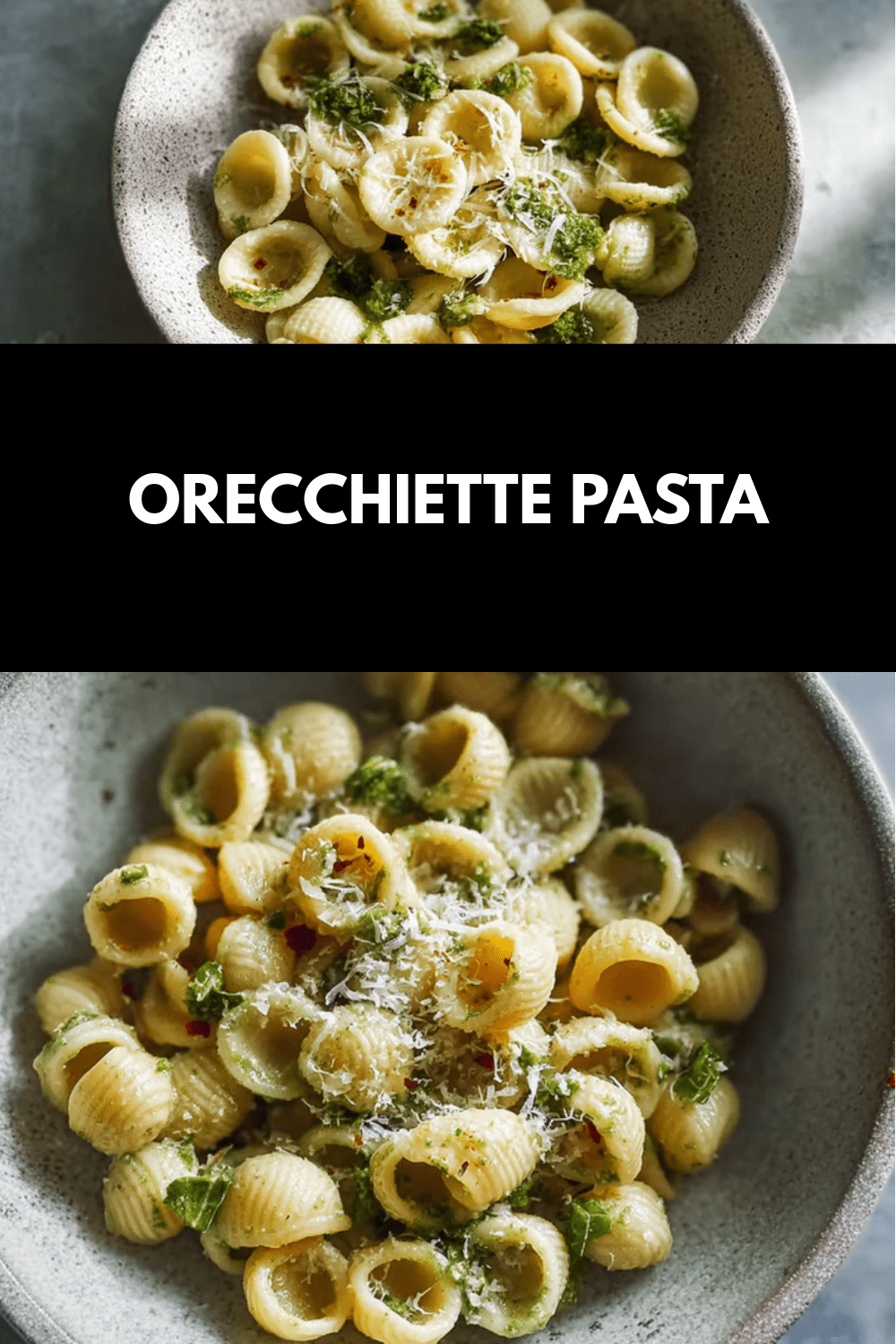
Plate orecchiette in shallow bowls to highlight how the concave shapes hold sauce and toppings. Spoon larger vegetable or protein pieces on top for visual contrast, and finish with a lightening of olive oil, a sprinkle of toasted nuts (pine nuts or walnuts), and finely grated cheese or nutritional yeast. Use microgreens or finely chopped parsley for a fresh green garnish and a pop of color.
Make-Ahead Options
Cook pasta and sauce separately and refrigerate up to 3 days; reheat gently in a skillet with a splash of water or stock, toss with reserved pasta water to restore silkiness, and finish with fresh herbs. For freezer-friendly meals, prepare the sauce (without dairy) and freeze in portions; cook fresh orecchiette when ready and combine. To speed weeknight cooking, roast a tray of mixed vegetables ahead and store in the fridge to quickly fold into warm orecchiette. Quick orecchiette weeknight recipes like this save time. These tips turn orecchiette pasta into a versatile staple.
How to Store Orecchiette Pasta: Best Practices
Refrigeration
Short-term storage is best in an airtight container in the refrigerator for up to 3 to 4 days. Cool the orecchiette pasta quickly: spread it on a shallow tray to release heat, then transfer to a container once room temperature. If the dish contains dairy or seafood, consume within 2 days.
Freezing
For long-term storage, freeze sauce and components rather than fully dressed pasta for best texture. Place cooled sauces or sautéed vegetables in freezer-safe containers or heavy-duty bags for up to 2 to 3 months. For cooked orecchiette, flash-freeze spread on a tray for 1 to 2 hours, then transfer to a sealed bag to avoid clumping; note texture may soften on thawing but works well in casseroles or soups.
Reheating
Reheat refrigerated orecchiette on the stovetop over medium-low heat with a splash of water, stock, or reserved pasta water to revive sauce and prevent drying. For oven-based reheating, cover with foil and bake at 350°F (175°C) for 10 to 15 minutes until warmed through; uncover and broil briefly to refresh any topping. Avoid high heat that overcooks pasta and makes it mushy.
Meal Prep Considerations
For batch cooking, store components separately, pasta, sauce, and proteins, then combine when reheating for the freshest texture. Label containers with date and contents. For travel or packed lunches, keep dressings or acidic elements (lemon juice, vinaigrette) separate to prevent sogginess, and add just before serving. Proper storage preserves quality so your orecchiette recipe remains flavorful and safe across meals. Traditional Puglian orecchiette recipe shines here.
FAQs: Frequently Asked Questions About Orecchiette Pasta
What flour should I use to make orecchiette pasta at home?
Use durum wheat semolina flour (often labeled semolina or semola rimacinata) for traditional orecchiette. Semolina has a higher protein content (around 11–13%) and coarse texture that helps the dough hold shape and gives a slightly firm bite. For a softer, more tender result, mix 50–70% semolina with 30–50% all-purpose flour. Combine flour with room-temperature water gradually until the dough is firm but pliable, then knead and rest before shaping.
How do I shape orecchiette step by step without it sticking?
Roll the rested dough into a long “snake” about 1 cm thick, dusting the board lightly with fine semolina to prevent sticking. Cut into 1–1.2 cm pieces. Press the tip of a butter knife or the back of your thumb into each piece, then drag it toward you while turning the piece over to create the concave “ear.” Keep a small bowl of semolina nearby to dust fingers, the knife, or the board as needed. Work in batches so pieces don’t crowd and dry too much.
Should I add salt to orecchiette dough or only to the cooking water?
Most traditional recipes add salt to the boiling water, not the dough. For cooking water, use about 1–1.5 tablespoons (15–20 g) of coarse salt per 4–5 liters (1 gallon) of water so the pasta seasons evenly. You can add a small pinch of salt to the dough if preferred, but it’s unnecessary for flavoring and can slightly change dough hydration. Always taste and adjust seasoning when tossing cooked orecchiette with sauce.
How long do fresh orecchiette take to cook and how do I test doneness?
Fresh orecchiette typically cook in 8–14 minutes depending on thickness; very thick pieces may take up to 18–20 minutes. Start tasting at 8–10 minutes for al dente texture. Cook until the interior is tender but still slightly firm to the bite. Reserve a cup of starchy pasta water before draining to adjust sauce consistency and help it cling to the pasta when finishing in the pan.
What sauces go best with orecchiette and how should I finish the dish?
Orecchiette works well with chunkier sauces that collect in its cup: sautéed broccoli rabe with sausage, cherry tomato and basil, fresh pesto, or ricotta and lemon. To finish: toss cooked orecchiette in a sauté pan with your sauce over low heat, add ¼–½ cup reserved pasta water as needed, and toss until the sauce coats the pasta. Finish with grated Pecorino or Parmigiano and a drizzle of extra-virgin olive oil. (See our fresh pesto and sausage-broccoli rabe recipes for step-by-step pairings.)

Orecchiette Pasta
🍝 Master the art of homemade Italian pasta with these authentic orecchiette that capture sauce perfectly in their unique ear-shaped cups
👨🍳 Experience the satisfaction of creating fresh pasta from scratch with just two simple ingredients for superior texture and flavor
- Total Time: 65 minutes
- Yield: 4 servings 1x
Ingredients
12 oz (340 g) orecchiette pasta for ear-shaped base that holds sauce
3 tbsp extra-virgin olive oil for sautéing aromatics and adding heart-healthy fat
3 cloves garlic, minced for savory depth and aroma
1 medium onion (about 1 cup), finely chopped for sweetness, body, and complexity
4 cups packed broccoli rabe or kale, chopped for bitterness, fiber, and vitamins
1/2 tsp red pepper flakes (optional) for gentle heat and balance
1 cup cherry tomatoes, halved for bright acidity and juiciness
6 oz (170 g) Italian sausage or 1 cup cooked chickpeas for protein
1/2 cup grated Parmesan (or vegan alternative) for umami and creaminess
Salt and freshly ground black pepper to taste for seasoning
1 lemon, zested and juiced for bright finishing flavor
500 g semolina flour (about 17.6 oz)
300 ml warm water (about 1.25 cups)
Instructions
1- Mound the semolina on a work surface and make a well in the center.
2- Gradually pour the warm water into the well, mixing by pinching flour into the liquid until a paste-like dough forms.
3- Knead thoroughly by pressing with the palm, folding and repeating until smooth and elastic; adjust with a little extra water if too dry or more semolina if too sticky.
4- Let the dough rest 10 to 15 minutes.
5- Roll a piece of dough into a thin snake (cord), then cut into small pillow-sized pieces.
6- Using the blade of a butter knife (or your thumb), press through the center of each piece and roll it forward to form the concave ear shape. Alternatively, press and roll along the cord to form shapes without cutting each piece first.
7- Use fresh immediately or dry on a rack for up to 72 hours before storing. Dust board and dough lightly with fine semolina to prevent sticking. Use good-quality semolina for better texture and bite. Add water gradually to control dough consistency. Knead well to develop gluten so the shapes hold up when cooked.
8-First Step: Mise en Place and Boiling Water Bring a large pot of well-salted water to a rolling boil (about 4 to 6 quarts or 4 to 6 L of water for 12 oz pasta). While the water heats, prepare ingredients: trim and chop 4 cups of broccoli rabe or greens, halve 1 cup cherry tomatoes, mince 3 cloves garlic, and zest one lemon. If using sausage, remove casings and crumble; if using chickpeas, drain and rinse. Having everything ready lets you time the sauce to finish as the orecchiette reaches al dente.
9-Second Step: Cook the Orecchiette Add the orecchiette to boiling water and stir gently to prevent sticking. Cook 8 to 12 minutes for traditional semolina orecchiette. Note timing on the package for gluten-free or legume-based varieties (they may cook faster or require more gentle handling). For fresh orecchiette, cook 12 to 20 minutes depending on thickness; begin checking doneness around 12 minutes. Add salt to boiling water. Test for al dente by tasting at the lower end of the range; reserve 1 cup pasta water just before draining. For low-calorie or vegetable-forward versions, reduce pasta quantity and extend cooking time of extra veggies in the sauce. See our fresh pesto pasta recipe for another quick pasta idea.
10-Third Step: Sauté Aromatics and Protein While the pasta cooks, heat 3 tbsp extra-virgin olive oil in a large skillet over medium heat. Add crumbled sausage (or mushrooms or tempeh for vegan) and cook until browned (about 5 to 7 minutes). Remove and set aside. In the same skillet, add a touch more oil if needed, then add chopped onion and sauté 4 to 5 minutes until translucent; add minced garlic and red pepper flakes and cook 30 to 60 seconds until fragrant. For gluten-free and vegan adaptations, ensure oil and ingredients are certified or plant-based.
11-Fourth Step: Cook the Greens and Tomatoes Add the chopped broccoli rabe or kale to the skillet with a splash of pasta water (2 to 4 tbsp) to help wilt them; cook 3 to 5 minutes until tender but still bright. Stir in cherry tomatoes and cook another 2 minutes until they blister and begin releasing juices. For a low-calorie variant, increase greens and reduce oil; for extra creaminess, add a little reserved pasta water to create an emulsion.
12-Fifth Step: Recombine Pasta, Protein, and Sauce Add the drained orecchiette and reserved protein back to the skillet over medium heat. Toss vigorously with 1/2 cup grated Parmesan (or vegan alternative), lemon zest, and 2 to 4 tbsp reserved pasta water to create a cohesive sauce that clings to the ear-shaped pasta. Adjust seasoning with salt and freshly ground black pepper. For a lighter finish, use less cheese and more lemon juice.
13-Sixth Step: Finish and Taste Taste and adjust acidity, salt, and heat. Finish with a drizzle of extra-virgin olive oil or a few drops of good-quality lemon juice to brighten flavors. If making a vegan version, finish with nutritional yeast and a sprinkle of toasted pine nuts for richness.
14-Final Step: Serve and Garnish Plate the orecchiette while hot. Garnish with additional grated cheese or vegan alternative, chopped fresh parsley, a pinch of red pepper flakes, and a drizzle of olive oil. Serve immediately; leftover orecchiette can be cooled quickly and refrigerated for meals later. Note timings: overall active time 20 to 30 minutes, total time 30 to 40 minutes depending on protein and prep. For oven-finished variations, transfer to a 375°F (190°C) oven-safe dish, top with cheese, and bake 8 to 12 minutes to brown. Each step is adaptable: swap proteins, lower oil, or change greens to suit dietary needs while keeping the core technique the same. This is your go-to orecchiette pasta sauce pairings base.
Last Step:
Please leave a rating and comment letting us know how you liked this recipe! This helps our business to thrive and continue providing free, high-quality recipes for you.Notes
🌾 Use good-quality semolina for better texture and bite – the flour quality makes a significant difference in the final pasta
💧 Add water gradually to control dough consistency – too much water will make the dough sticky and difficult to shape
🤚 Knead well to develop gluten so the shapes hold up when cooked – this prevents the pasta from falling apart during boiling
- Prep Time: 30 minutes
- Dough Rest Time: 15 minutes
- Cook Time: 20 minutes
- Category: Main Course
- Method: Handmade
- Cuisine: Italian
- Diet: Vegan
Nutrition
- Serving Size: 1 serving
- Calories: 350
- Sugar: 2 g
- Sodium: 10 mg
- Fat: 1.5 g
- Saturated Fat: 0.3 g
- Unsaturated Fat: 0.8 g
- Trans Fat: 0 g
- Carbohydrates: 72 g
- Fiber: 3 g
- Protein: 12 g
- Cholesterol: 0 mg


