Why You’ll Love This Nigerian Beef Stew
Nigerian Beef Stew is a flavorful dish that’s easy to prepare and perfect for anyone looking to dive into Nigerian cuisine. This hearty recipe combines tender beef with a rich blend of tomatoes, peppers, and spices, making it a staple for busy home cooks. Whether you’re a student, parent, or food enthusiast, its simplicity and versatility mean you can whip it up on any night and enjoy it with your family.
One of the best parts about this Nigerian Beef Stew is how it delivers on ease of preparation. With just a few steps, like boiling the beef and simmering the sauce, the whole dish comes together in under an hour. That makes it ideal for busy weeknights when you need something quick yet satisfying, without much fuss. The forgiving nature of the recipe means even if you’re new to cooking, you’ll end up with great results every time.
Beyond its simplicity, Nigerian Beef Stew offers impressive health benefits. It’s packed with protein from the beef and vitamins from ingredients like tomatoes and red bell peppers, which boost your immune system and provide antioxidants. For those watching their diet, you can tweak it by using lean cuts or adding more veggies to keep it nutritious and balanced. This makes it a smart choice for diet-conscious individuals who want a meal that’s both tasty and good for them.
The versatility of Nigerian Beef Stew is another reason it’ll become a favorite. You can serve it over rice, with yams, or even bread, and adjust the spice level to suit everyone at the table. It’s easy to make it gluten-free or lower in calories by swapping ingredients, which helps it fit into various lifestyles. Plus, its adaptable nature lets you try different proteins, keeping meals exciting for travelers or newlyweds exploring new flavors.
What really sets Nigerian Beef Stew apart is its distinctive flavor profile. The mix of roasted peppers, tomatoes, and spices creates a smoky, sweet, and spicy balance that’s hard to resist. Adding a touch of stock or toasting spices can deepen that umami, turning a simple stew into something memorable. For more ideas on beef dishes that complement this, check out our beef bourguignon recipe for another hearty option.
Jump To
- 1. Why You’ll Love This Nigerian Beef Stew
- 2. Essential Ingredients for Nigerian Beef Stew
- 3. How to Prepare the Perfect Nigerian Beef Stew: Step-by-Step Guide
- 4. Protein and Main Component Alternatives
- 5. Vegetable, Sauce, and Seasoning Modifications
- 6. Mastering Nigerian Beef Stew: Advanced Tips and Variations
- 7. How to Store Nigerian Beef Stew: Best Practices
- 8. FAQs: Frequently Asked Questions About Nigerian Beef Stew
- 9. Nigerian Beef Stew
Essential Ingredients for Nigerian Beef Stew
Gathering the right ingredients is key to making an authentic Nigerian Beef Stew. This section focuses on the essentials from the recipe, ensuring you have everything needed for a delicious outcome. Below is a comprehensive list based on the detailed recipe provided, with precise measurements for easy preparation.
- 3 red bell peppers
- 400 grams canned chopped tomatoes
- 1 medium onion
- 3 scotch bonnet peppers
- 3 teaspoons chicken bouillon powder (adjust to taste)
- 1 teaspoon salt
- 1 teaspoon oregano (optional)
- 1 kilogram beef
- 1 cup vegetable oil
- ½ teaspoon curry powder (optional)
- ½ teaspoon thyme (optional)
These ingredients form the base of the stew, providing the rich flavors that define Nigerian Beef Stew. Remember, you can adjust seasonings based on your preferences, but sticking to these measurements helps achieve the best results.
How to Prepare the Perfect Nigerian Beef Stew: Step-by-Step Guide
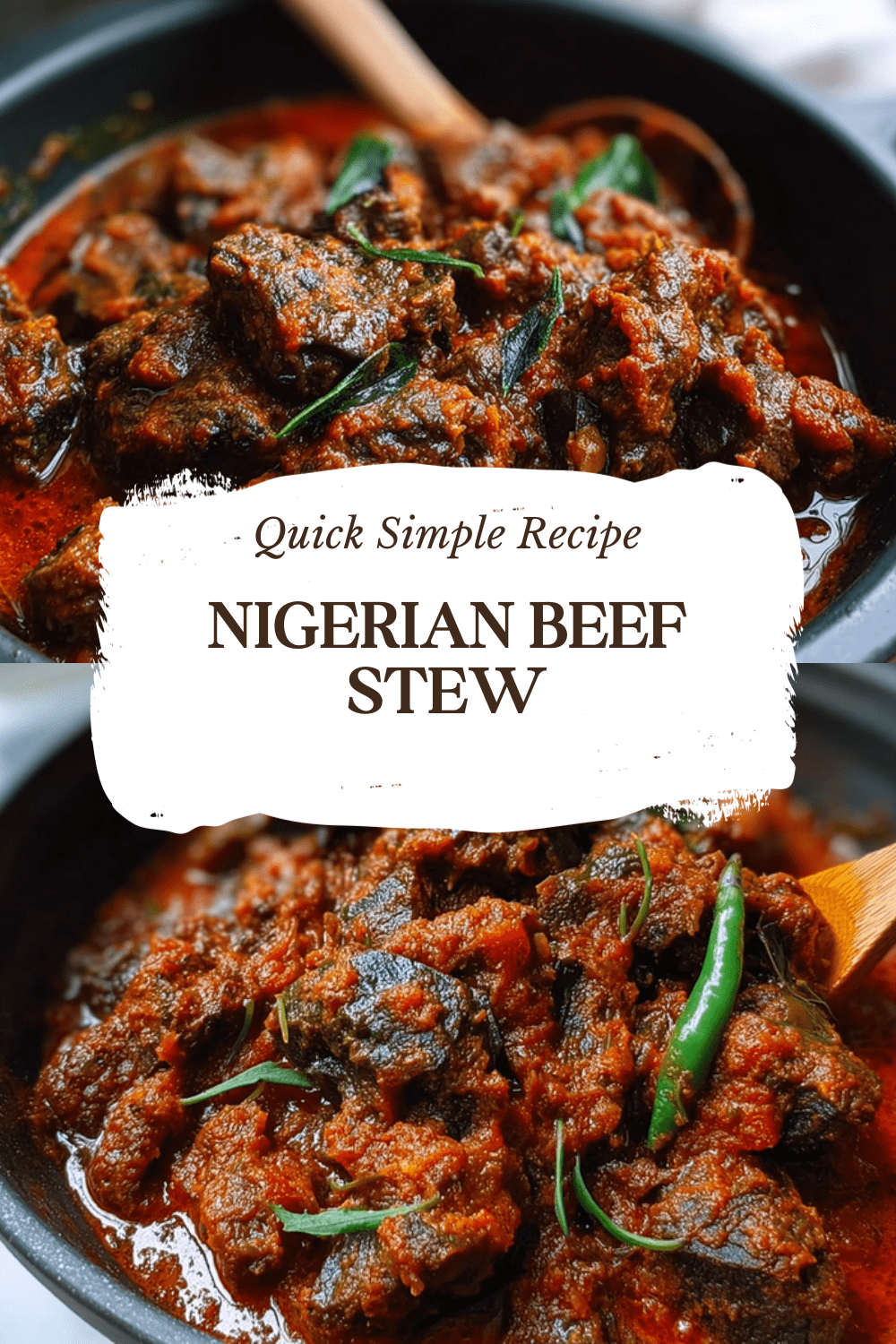
Follow this simple guide to create a mouthwatering Nigerian Beef Stew that’s full of rich African flavors. Start by rinsing the beef and boiling it with chopped onions, bouillon powder, salt, oregano, curry powder, and thyme until it’s tender, which takes about 20 minutes or more depending on the cut. This step ensures the beef is flavorful and ready for the next stage.
Once the beef is done, remove it from the stock, strain the stock to clear out any impurities, and set it aside for later. Next, heat the vegetable oil in a saucepan over medium heat and fry the boiled beef until it’s golden brown; for a healthier twist, you can grill it instead. Let the beef rest on a kitchen towel to soak up any excess oil.
Now, blend the red bell peppers, scotch bonnet peppers, canned chopped tomatoes, and the medium onion into a smooth pepper mix. Add this mixture to the hot oil in the saucepan and cook it covered for about 10 minutes, stirring occasionally. If the mix gets too thick, add a bit of the reserved beef stock or water to keep it just right.
Season the stew with curry powder, thyme, salt, and more bouillon powder if needed, remembering that the beef and stock already have some seasoning. Return the fried beef to the pot and let everything simmer on low heat until the oil rises to the surface, about 10 to 15 minutes. Finally, serve it warm with sides like rice, yams, bread, or ewedu for a complete meal.
This preparation takes about 40 minutes for prep and 25 minutes for cooking, totaling around 65 minutes. The nutritional info shows it’s a protein-rich dish with vitamins from the veggies, plus fats from the oil that make it energizing.
Pro Tips for the Best Results
Boiling the beef first helps tenderize it, making the stew more enjoyable. If you want a different flavor, swap vegetable oil for palm oil. To cut down on oiliness, drain excess oil after cooking, and consider adding tomato paste for a deeper tomato taste.
Protein and Main Component Alternatives
Nigerian Beef Stew is versatile, allowing you to swap the main protein to fit your needs. For instance, replace beef with 1.5 pounds of boneless chicken thighs for a leaner option; brown and simmer for 25-30 minutes. If you’re going plant-based, use an equal weight of tempeh, firm tofu, jackfruit, or mushrooms, searing them first to enhance texture and flavor.
Other options include firm fish like tilapia, added in the last 6-8 minutes to avoid overcooking, or ground beef/turkey, which you brown fully and simmer for 20-25 minutes. Each substitution maintains the stew’s essence while adapting to dietary preferences. For more inspiration on protein swaps, try our red beans and rice recipe for a similar adaptable dish.
| Protein Option | Preparation Time | Key Benefits |
|---|---|---|
| Chicken Thighs | 25-30 minutes | Leaner and quicker cooking |
| Tempeh | 10-15 minutes | Plant-based and hearty |
| Firm Fish | 6-8 minutes | Light and fresh alternative |
Vegetable, Sauce, and Seasoning Modifications
Make Nigerian Beef Stew your own by tweaking the vegetables, sauce, and seasonings. For vegetables, swap potatoes or yams with sweet potatoes, carrots, or butternut squash for variety, and add leafy greens like spinach in the last 5 minutes. This keeps the stew nutritious and adds extra texture without extra fat.
When it comes to the sauce, stick with the roasted pepper-tomato base but experiment with roasted garlic or onions for more depth. For seasonings, try milder chiles instead of scotch bonnets or add smoked paprika for extra flavor. These changes help accommodate dietary needs, like low-sodium versions by using less bouillon.
Mastering Nigerian Beef Stew: Advanced Tips and Variations
Taking your Nigerian Beef Stew to the next level involves some pro techniques. Brown the beef at high heat and deglaze with stock to capture all the flavors, then roast the peppers and tomatoes for that smoky touch. Use a heavy pot for even cooking and simmer low and slow for tender results. This stew isn’t just food; it’s a way to bring West African vibes to your table, much like how external sources share traditional Nigerian recipes.
For flavor twists, add peanut butter for richness or lime for a bright kick. Presentation matters too serve it over rice with fresh garnishes for a wow factor. Plus, it’s great for make-ahead meals; the flavors deepen overnight.
How to Store Nigerian Beef Stew: Best Practices
Proper storage keeps your Nigerian Beef Stew fresh and tasty. Cool it to room temperature within two hours, then refrigerate in airtight containers for 3-4 days. For longer storage, freeze portions for up to 3 months and thaw overnight before reheating.
When reheating, use low heat on the stove or microwave in short bursts to reach 165°F. This method preserves the stew’s texture and safety, making meal prep a breeze.
FAQs: Frequently Asked Questions About Nigerian Beef Stew
Can I use palm oil instead of vegetable oil when making Nigerian beef stew?
Yes, palm oil is traditionally used in Nigerian beef stew and gives the dish a distinct flavor and rich color. If you prefer, you can substitute vegetable oil, but note that the taste and appearance will be different. Palm oil adds a slightly smoky, earthy flavor that many consider essential to the authentic stew experience.
What is the best way to boil beef for Nigerian beef stew?
To boil beef properly, rinse the meat and place it in a pot with chopped onions, a bouillon cube, salt, and optional herbs like thyme or curry powder. Add just enough water to cover the beef, then simmer on medium heat until the meat becomes tender. This usually takes about 20–30 minutes depending on the cut, but tougher cuts may need longer.
How do I cook chicken for Nigerian beef stew if I want to substitute it?
When using chicken instead of beef, boil the chicken for about 5 minutes first to keep it firm and prevent it from falling apart during frying. After parboiling, fry the chicken pieces until golden, then add them back into the stew earlier than you would beef so the flavors meld and the chicken cooks thoroughly without becoming dry.
How long should beef be boiled to get a tender texture for the stew?
The boiling time depends on the type of beef cut. Tender cuts can take about 20 minutes, while tougher cuts like shank or brisket may need 45 minutes to an hour. Boil the beef with seasoning and onions on low to medium heat, checking periodically for tenderness by piercing the meat with a fork.
Can I add vegetables to Nigerian beef stew, and if so, which ones work best?
Yes, vegetables such as bell peppers, carrots, and green beans can be added towards the end of cooking to add color and nutrition. Adding vegetables gives the stew extra texture and flavor, but avoid overcooking them to maintain some crunch and freshness. This also provides a healthy balance if you’re serving the stew with rice or yam.
Nigerian Beef Stew
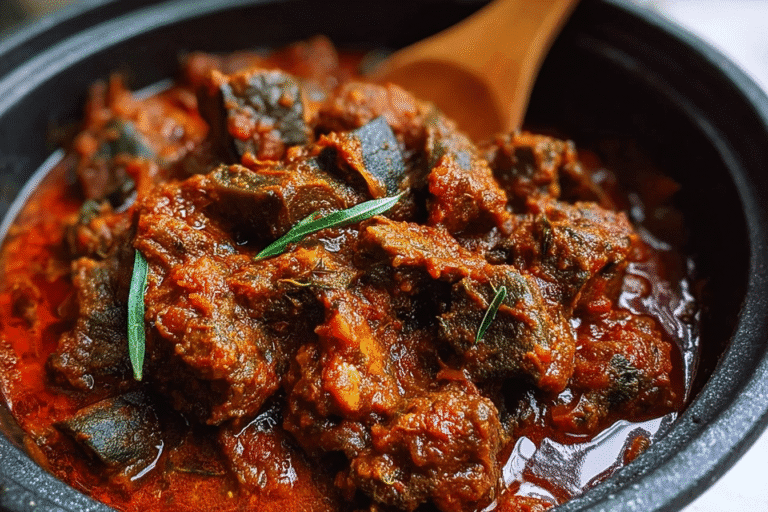
🍲 Nigerian Beef Stew offers rich African flavors with tender beef and a vibrant tomato and pepper base.
🌶️ This versatile stew is packed with protein and antioxidants, perfect for a hearty and satisfying meal.
- Total Time: 65 minutes
- Yield: 6-8 servings
Ingredients
– 3 red bell peppers
– 400 grams canned chopped tomatoes
– 1 medium onion
– 3 scotch bonnet peppers
– 3 teaspoons chicken bouillon powder (adjust to taste)
– 1 teaspoon salt
– 1 teaspoon oregano (optional)
– 1 kilogram beef
– 1 cup vegetable oil
– ½ teaspoon curry powder (optional)
– ½ teaspoon thyme (optional)
Instructions
1-Follow this simple guide to create a mouthwatering Nigerian Beef Stew that’s full of rich African flavors. Start by rinsing the beef and boiling it with chopped onions, bouillon powder, salt, oregano, curry powder, and thyme until it’s tender, which takes about 20 minutes or more depending on the cut. This step ensures the beef is flavorful and ready for the next stage.
2-Once the beef is done, remove it from the stock, strain the stock to clear out any impurities, and set it aside for later. Next, heat the vegetable oil in a saucepan over medium heat and fry the boiled beef until it’s golden brown; for a healthier twist, you can grill it instead. Let the beef rest on a kitchen towel to soak up any excess oil.
3-Now, blend the red bell peppers, scotch bonnet peppers, canned chopped tomatoes, and the medium onion into a smooth pepper mix. Add this mixture to the hot oil in the saucepan and cook it covered for about 10 minutes, stirring occasionally. If the mix gets too thick, add a bit of the reserved beef stock or water to keep it just right.
4-Season the stew with curry powder, thyme, salt, and more bouillon powder if needed, remembering that the beef and stock already have some seasoning. Return the fried beef to the pot and let everything simmer on low heat until the oil rises to the surface, about 10 to 15 minutes. Finally, serve it warm with sides like rice, yams, bread, or ewedu for a complete meal.
Last Step:
Please leave a rating and comment letting us know how you liked this recipe! This helps our business to thrive and continue providing free, high-quality recipes for you.Notes
🥘 Boiling the beef before frying helps tenderize the meat.
🌴 Vegetable oil is common, but palm oil can be used for distinct flavor.
🛢️ Drain excess oil after cooking to reduce oiliness.
- Prep Time: 40 minutes
- Cook time: 25 minutes
- Cook Time: 25 minutes
- Category: Main Dish
- Method: Simmering and frying
- Cuisine: Nigerian
Nutrition
- Serving Size: 1 serving