Why You’ll Love This Mashed Potatoes
There’s something special about a bowl of homemade mashed potatoes that brings comfort to any meal. This recipe has become a family favorite because it delivers restaurant-quality results with minimal effort. Here’s why this creamy side dish should be a staple in your kitchen:
Ease of preparation
Making the best creamy mashed potatoes recipe doesn’t require special skills or fancy equipment. With just 15 minutes of prep time and 20 minutes of cooking, you’ll have fluffy, buttery potatoes ready to serve. The straightforward steps make this recipe accessible to beginners and experienced cooks alike, perfect for busy weeknights or holiday gatherings.
Health benefits
Despite their reputation as comfort food, mashed potatoes offer surprising nutritional value. Each half-cup serving provides 798mg of potassium more than a banana along with 2g of fiber and 11mg of Vitamin C. When prepared with moderate amounts of butter and milk, they provide a satisfying balance of carbohydrates, protein, and fat that keeps you full longer.
Versatility
This recipe adapts beautifully to various dietary preferences and flavor profiles. Whether you’re cooking for vegans, those avoiding gluten, or simply looking for lighter options, simple substitutions make this dish work for everyone. The basic recipe serves as a canvas for creative additions like roasted garlic, herbs, or cheeses.
Distinctive flavor
What sets this mashed potato recipe apart is the thoughtful combination of ingredients and technique. The optional garlic adds subtle depth without overpowering, while the ratio of butter to milk creates an irresistibly creamy texture. Boiling the garlic with the potatoes infuses flavor throughout, resulting in a harmonious blend that tastes better than anything from a box.
Jump To
- 1. Why You’ll Love This Mashed Potatoes
- 2. Essential Ingredients for Mashed Potatoes
- 3. How to Prepare the Perfect Mashed Potatoes: Step-by-Step Guide
- 4. Dietary Substitutions to Customize Your Mashed Potatoes
- 5. Mastering Mashed Potatoes: Advanced Tips and Variations
- 6. How to Store Mashed Potatoes: Best Practices
- 7. FAQs: Frequently Asked Questions About Mashed Potatoes
- 8. Mashed Potatoes
Essential Ingredients for Mashed Potatoes
Creating the perfect batch of mashed potatoes starts with quality ingredients. Here’s everything you’ll need for this classic recipe, along with explanations of how each component contributes to the final result:
Main Ingredients:
- 4 pounds potatoes (russet or Yukon gold) – Choose high-starch varieties for fluffy texture and better absorption of liquids
- 3 cloves garlic (optional) – Adds mild aromatic flavor when boiled with potatoes
- ⅓ cup melted salted butter – Provides richness and creaminess; salted butter eliminates the need for extra salt seasoning
- 1 cup milk or cream – Creates smooth consistency and adds creaminess (cream makes it richer)
- Salt to taste – Essential seasoning that brings out natural potato flavors
- Black pepper to taste – Adds subtle heat and complements the creaminess
Special Dietary Options:
| Dietary Need | Substitution |
|---|---|
| Vegan | Use plant-based butter and unsweetened almond or soy milk instead of dairy products |
| Gluten-free | This recipe is naturally gluten-free; just ensure all packaged ingredients are certified GF |
| Low-calorie | Replace half the butter with Greek yogurt and use low-fat milk or chicken broth |
How to Prepare the Perfect Mashed Potatoes: Step-by-Step Guide
Follow these detailed instructions to create the creamiest mashed potatoes recipe that will impress family and friends. The key is attention to detail at each step, from proper cutting to careful mashing.
First Step: Preparation
Begin by peeling your 4 pounds of russet or Yukon gold potatoes, removing any eyes or blemishes. Cut the potatoes into quarters, keeping pieces relatively uniform in size for even cooking. Place the quartered potatoes in a large pot and add enough cold water to cover them completely. Generously salt the water this is your opportunity to season the potatoes from the inside out as they cook. If you’re using the optional garlic for extra flavor, add the 3 peeled cloves directly to the pot. This simple technique infuses the potatoes with subtle garlic essence without the sharpness of raw garlic.
Second Step: Cooking
Place the pot over high heat and bring the water to a boil. Once boiling, reduce heat slightly to maintain a steady boil and cook the potatoes uncovered for approximately 15 minutes. Test for doneness by inserting a fork into a potato piece it should slide in easily with no resistance. Avoid overcooking, as waterlogged potatoes become gummy when mashed. While the potatoes cook, prepare your other ingredients: melt ⅓ cup of salted butter and warm 1 cup of milk or cream in a small saucepan or microwave. Warm dairy absorbs more readily into the potatoes, creating smoother creamy mashed potatoes.
Third Step: Draining
Once the potatoes reach fork-tender perfection, carefully pour them into a colander to drain all cooking water. Return the drained potatoes to the warm pot or spread them on a baking sheet for a minute or two. This crucial step allows excess moisture to evaporate, which prevents watery mashed potatoes. The residual heat will help steam off remaining water without cooking the potatoes further. For the fluffiest results, ensure the potatoes are as dry as possible before mashing.
Fourth Step: Mashing
Add the melted butter directly to the warm, drained potatoes. Using a potato masher or ricer, begin breaking down the potatoes while gradually incorporating the butter. This allows the fat to coat the starch granules before adding liquid, which prevents a gluey texture. Slowly pour in the warmed milk or cream as you continue mashing, stopping periodically to check consistency. Continue until you reach your desired texture some prefer a few lumps for character, while others like them completely smooth. Remember that over-mashing can release too much starch, making the potatoes gummy, so stop once they reach your preferred consistency.
Final Step: Seasoning and Serving
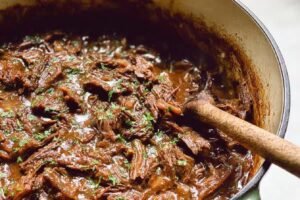
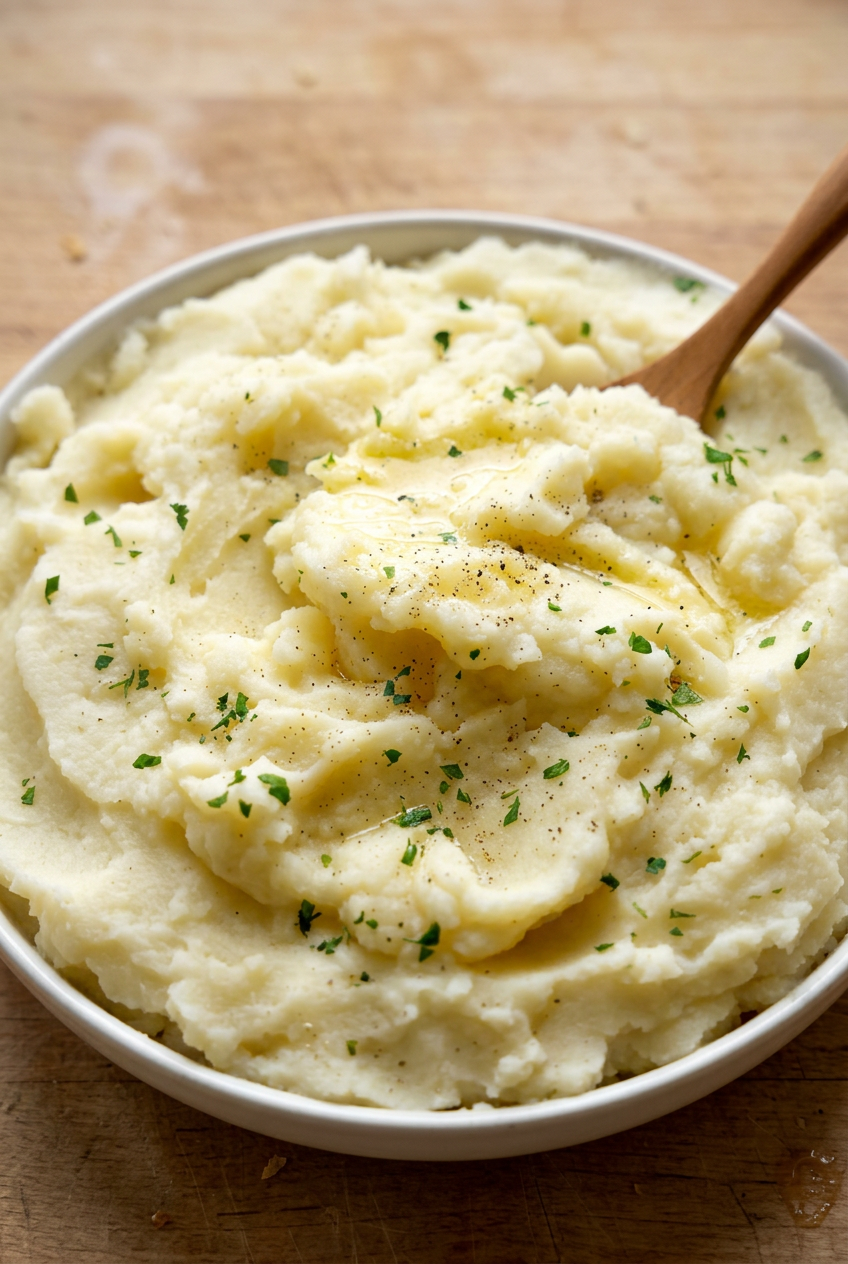
Once the potatoes reach the perfect consistency, season generously with salt and black pepper to taste. Since you salted the cooking water and used salted butter, taste before adding additional salt. Transfer the mashed potatoes to a serving bowl and make a small well in the center. Add an extra pat of butter to the well it will melt beautifully and create an inviting presentation. Serve immediately while hot for the best flavor and texture. These potatoes pair perfectly with classic beef bourguignon or other hearty main courses.
Dietary Substitutions to Customize Your Mashed Potatoes
One of the best things about learning how to make creamy mashed potatoes is their adaptability. With simple substitutions, you can tailor this recipe to meet various dietary needs or personal preferences while maintaining delicious results.
Protein and Main Component Alternatives
While russet and Yukon gold potatoes are traditional choices, you can experiment with other varieties for different nutritional profiles and textures. Red potatoes offer a waxy texture that holds its shape better, resulting in chunkier mashed potatoes with more bite. For a lower-carb version, try substituting half the potatoes with cauliflower florets boiled alongside them the result is surprisingly similar but with significantly fewer carbohydrates. Sweet potatoes can replace regular potatoes entirely for a colorful variation packed with beta-carotene, though you may want to reduce the butter and adjust sweetener to taste. For those avoiding nightshades, turnips or parsnips make excellent alternatives with a slightly sharper flavor profile.
Vegetable, Sauce, and Seasoning Modifications
Elevate your mashed potatoes with creative additions that complement your main dish or suit your taste preferences. Consider incorporating roasted garlic by first roasting whole heads at 400°F for 40 minutes, then squeezing the softened cloves into the potatoes for deeper, sweeter flavor. Fresh herbs like chives, parsley, or thyme add brightness and color fold them in just before serving to preserve their delicate flavor. For a tangy twist, substitute some of the milk with sour cream or Greek yogurt, which also adds protein. Cheese lovers can stir in grated cheddar, Parmesan, or blue cheese during the mashing process. If you prefer a Mediterranean flair, add sun-dried tomatoes and basil, or create a loaded version by topping with crispy bacon and green onions. The possibilities are endless once you master the basic technique.
Mastering Mashed Potatoes: Advanced Tips and Variations
With these professional tips and creative variations, you can transform a simple side dish into something extraordinary. These techniques will help you achieve consistent results and expand your mashed potato repertoire.
Pro cooking techniques
For the lightest, fluffiest texture, consider baking your potatoes at 400°F for one hour before mashing instead of boiling. This method concentrates the potato flavor and reduces water content, resulting in superior texture. When mashing, use a ricer for the smoothest consistency without any lumps the device forces the potato through small holes, creating perfectly uniform strands. Another professional tip is to heat your milk or cream in a separate pan before adding it to the potatoes, as cold dairy can cool down the mixture and make it harder to incorporate. For exceptionally creamy results, pass boiled potatoes through a food mill or ricer twice before adding liquids. Finally, never use electric mixers or food processors, as they overwork the starches and create an unpleasantly gummy texture.
Flavor variations
Once you’ve mastered the basic recipe, experiment with these delicious variations to keep things interesting. For truffle mashed potatoes, drizzle truffle oil over the finished dish or stir in truffle butter. Create roasted garlic mashed potatoes by adding roasted garlic cloves during the mashing process. Herb mashed potatoes benefit from a mixture of fresh chives, parsley, and thyme added just before serving. Horseradish mashed potatoes provide a nice kick when prepared with prepared horseradish folded into the mixture. For a richer version, try using cream cheese instead of milk or cream. These variations work wonderfully with dishes like candied yams for a complete comfort food experience.
Presentation tips
Transform simple mashed potatoes into an elegant dish with thoughtful presentation. Use a piping bag fitted with a large star tip to create swirls on individual plates for a restaurant-style appearance. Create a well in the center of the mashed potatoes and fill it with gravy, melted butter, or caramelized onions. For garnish, sprinkle with fresh herbs, crispy fried shallots, or bacon bits just before serving. Consider serving individual portions in ramekins for a formal presentation. A light dusting of paprika or cracked black pepper on top adds visual interest and flavor without overwhelming the dish.
Make-ahead options
Planning ahead can significantly reduce stress when preparing large meals. This mashed potato recipe can be prepared up to two days in advance simply cook, mash, and cool completely before storing in an airtight container in the refrigerator. When ready to serve, transfer to a greased casserole dish, dot with additional butter, cover with foil, and reheat at 325°F for 35-40 minutes. Uncover during the last 10 minutes to lightly brown the top. For extended storage, portion leftovers into freezer bags, flatten for quick thawing, and freeze for up to two months. Reheating from frozen may require additional milk to restore creaminess.
How to Store Mashed Potatoes: Best Practices
Proper storage ensures your mashed potatoes remain safe to eat and retain their delicious quality. Follow these guidelines for short-term and long-term storage, along with reheating instructions.
Refrigeration
For short-term storage, allow mashed potatoes to cool completely at room temperature, but don’t leave them out longer than two hours. Transfer to an airtight container and refrigerate for up to 4 days. To prevent a skin from forming, press plastic wrap directly against the surface before sealing with the lid. When refrigerating, place the container on a shelf rather than in the door, where temperature fluctuates more. For best quality, consume within 2-3 days, though they remain safe to eat for up to 4 days when properly stored.
Freezing
Mashed potatoes freeze surprisingly well when prepared correctly. Spread the cooled potatoes in a single layer in freezer bags, pressing out excess air before sealing. Flatten the bags for quick thawing and efficient storage. Label with the date and freeze for up to 2 months. For portion control, consider freezing in individual servings. Avoid freezing mashed potatoes that contain additional mix-ins like cheese or herbs, as these ingredients may not thaw well. When ready to use, thaw overnight in the refrigerator or under cold running water for faster results.
Reheating
Proper reheating restores the creamy texture and prevents drying. For refrigerated potatoes, add 1-2 tablespoons of warm milk per cup of potatoes and stir gently before reheating. The oven method provides the best results spread in a baking dish, cover with foil, and heat at 350°F for 20-25 minutes or until hot throughout. For microwave reheating, place in a microwave-safe dish, cover, and heat in 1-2 minute intervals, stirring between each session. Frozen potatoes should be thawed first, then reheated using the same methods as refrigerated ones. Avoid boiling or reheating on the stovetop, as this can cause the potatoes to break down and become watery.
Meal prep considerations
Mashed potatoes work wonderfully for meal prep when properly portioned. Divide cooled potatoes into individual servings in airtight containers for easy weekday meals. Prepare a larger batch on Sunday and portion for the week ahead. Consider adding a small amount of extra liquid to each container before refrigerating, as this helps maintain moisture during storage. When reheating pre-portioned meals, you may need to adjust cooking time based on portion size. For best texture, avoid reheating mashed potatoes more than once.
FAQs: Frequently Asked Questions About Mashed Potatoes
What are the best potatoes for mashed potatoes?
Russet or Idaho potatoes are top choices for mashed potatoes due to their high starch content, which creates a light, fluffy texture when cooked and mashed. They absorb butter and milk well for creaminess. Yukon Gold potatoes offer a buttery flavor and golden color with slightly less starch, making them great for a smoother result. Avoid waxy varieties like red potatoes, as they hold their shape and result in a gluey mash. For 4 servings, use 2-3 pounds peeled and cut into even 2-inch chunks. Boil in salted water until fork-tender, about 15-20 minutes. This selection prevents a dense or watery mash, ensuring restaurant-quality results every time. (92 words)
Should you leave the skin on potatoes for mashed potatoes?
It depends on the potato type. For Yukon Gold potatoes, leave the thin skin on for added texture and nutrition, like fiber and vitamins—it blends in smoothly. Russet or Idaho skins are thick and tough, so peel them first to avoid a gritty feel. Always scrub potatoes clean under running water before peeling or boiling. If skins are left on thin-skinned varieties, cut potatoes into smaller pieces for even cooking. Test doneness by piercing with a fork; overcooking leads to mushiness regardless of skin. Peeling ensures the smoothest, creamiest mash for most recipes. (98 words)
What’s the best way to mash potatoes without them turning gummy?
Use a hand-held potato masher or ricer for the best fluffy texture—avoid electric mixers, blenders, or food processors, as they overwork the starches and create gumminess. After boiling until just fork-tender (15-20 minutes), drain well and let steam escape for 1 minute to dry them out. Mash while hot, adding warm butter, milk, or cream gradually. Start with 1/2 cup dairy per 2 pounds of potatoes, adjusting for creaminess. Season with salt and pepper to taste. Rice through a ricer for ultra-smooth results without glue. This method keeps mash light and airy. (102 words)
Can you make mashed potatoes ahead of time and reheat them?
Yes, prepare mashed potatoes up to 2 days ahead: cook, mash, cool completely, then store in an airtight container in the fridge. For reheating, spread evenly in a greased baking dish, dot with 2-4 tablespoons butter, cover with foil, and bake at 325°F for 35-40 minutes until hot (internal temp 165°F). Uncover the last 10 minutes for a browned top. Stir in 1-2 tablespoons warm milk if needed to restore creaminess. Microwave works for small batches: cover and heat in 1-minute intervals, stirring. This saves time for holidays without sacrificing quality. (104 words)
Can you freeze mashed potatoes, and how do you thaw them?
Mashed potatoes freeze well for up to 2 months. Portion into freezer bags, flatten for quick thawing, and squeeze out air. Label with date. Thaw overnight in the fridge or under cold water. Reheat by adding 1 tablespoon milk per cup of potatoes for moisture—spread in a dish, cover, and bake at 350°F for 20-25 minutes, stirring halfway. Microwave option: heat covered in 2-minute bursts, stirring until steaming. Avoid refreezing thawed mash. Freezing preserves flavor if done right, perfect for leftovers or meal prep. Test texture post-thaw and adjust dairy as needed. (101 words)
Mashed Potatoes
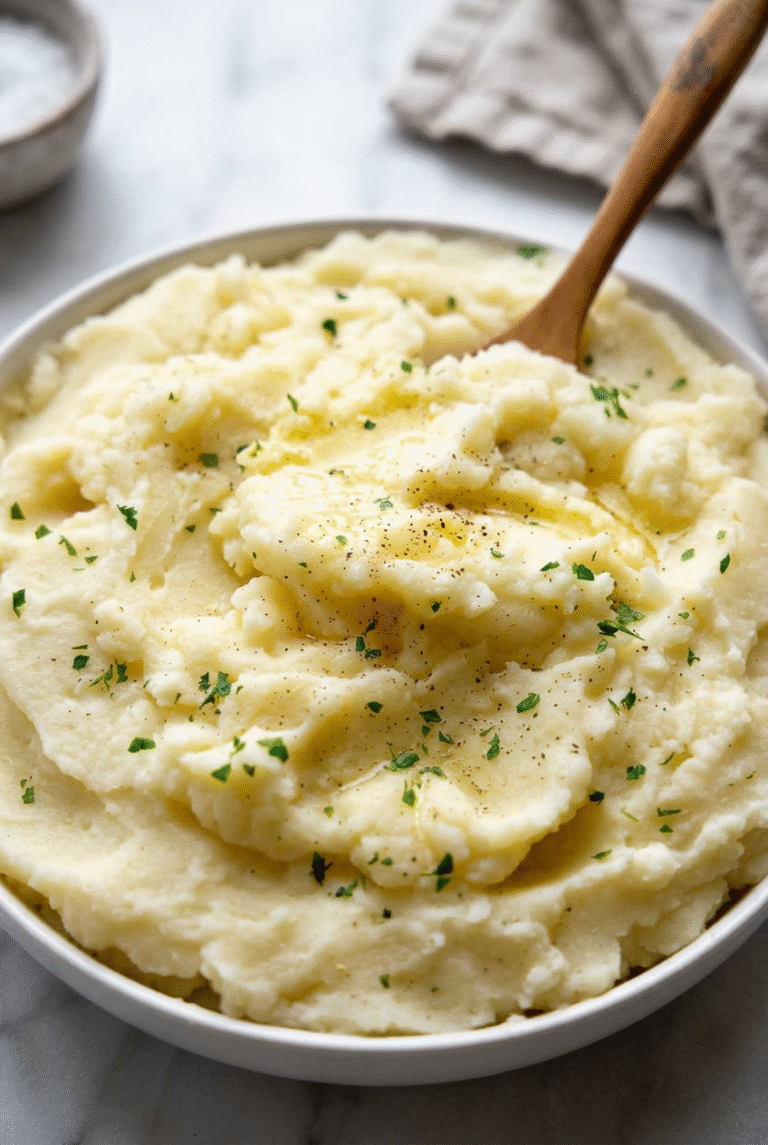
🥔 Revel in the best creamy mashed potatoes: ultra-fluffy, buttery rich, and irresistibly smooth for the perfect comforting side that elevates any dinner.
🥔 Master this foolproof recipe with minimal effort – warm dairy and proper mashing ensure lump-free perfection every time for family favorites.
- Total Time: 35 minutes
- Yield: 8 servings
Ingredients
– 4 pounds potatoes (russet or Yukon gold) for fluffy texture and better absorption of liquids
– 3 cloves garlic (optional) for mild aromatic flavor when boiled with potatoes
– ⅓ cup melted salted butter for richness and creaminess; salted butter eliminates the need for extra salt seasoning
– 1 cup milk or cream for smooth consistency and adds creaminess (cream makes it richer)
– Salt to taste for essential seasoning that brings out natural potato flavors
– Black pepper to taste for subtle heat and complements the creaminess
Instructions
1-First Step: Preparation Begin by peeling your 4 pounds of russet or Yukon gold potatoes, removing any eyes or blemishes. Cut the potatoes into quarters, keeping pieces relatively uniform in size for even cooking. Place the quartered potatoes in a large pot and add enough cold water to cover them completely. Generously salt the water this is your opportunity to season the potatoes from the inside out as they cook. If you’re using the optional garlic for extra flavor, add the 3 peeled cloves directly to the pot. This simple technique infuses the potatoes with subtle garlic essence without the sharpness of raw garlic.
2-Second Step: Cooking Place the pot over high heat and bring the water to a boil. Once boiling, reduce heat slightly to maintain a steady boil and cook the potatoes uncovered for approximately 15 minutes. Test for doneness by inserting a fork into a potato piece it should slide in easily with no resistance. Avoid overcooking, as waterlogged potatoes become gummy when mashed. While the potatoes cook, prepare your other ingredients: melt ⅓ cup of salted butter and warm 1 cup of milk or cream in a small saucepan or microwave. Warm dairy absorbs more readily into the potatoes, creating smoother creamy mashed potatoes.
3-Third Step: Draining Once the potatoes reach fork-tender perfection, carefully pour them into a colander to drain all cooking water. Return the drained potatoes to the warm pot or spread them on a baking sheet for a minute or two. This crucial step allows excess moisture to evaporate, which prevents watery mashed potatoes. The residual heat will help steam off remaining water without cooking the potatoes further. For the fluffiest results, ensure the potatoes are as dry as possible before mashing.
4-Fourth Step: Mashing Add the melted butter directly to the warm, drained potatoes. Using a potato masher or ricer, begin breaking down the potatoes while gradually incorporating the butter. This allows the fat to coat the starch granules before adding liquid, which prevents a gluey texture. Slowly pour in the warmed milk or cream as you continue mashing, stopping periodically to check consistency. Continue until you reach your desired texture some prefer a few lumps for character, while others like them completely smooth. Remember that over-mashing can release too much starch, making the potatoes gummy, so stop once they reach your preferred consistency.
5-Final Step: Seasoning and Serving Once the potatoes reach the perfect consistency, season generously with salt and black pepper to taste. Since you salted the cooking water and used salted butter, taste before adding additional salt. Transfer the mashed potatoes to a serving bowl and make a small well in the center. Add an extra pat of butter to the well it will melt beautifully and create an inviting presentation. Serve immediately while hot for the best flavor and texture. These potatoes pair perfectly with classic beef bourguignon or other hearty main courses.
Last Step:
Please leave a rating and comment letting us know how you liked this recipe! This helps our business to thrive and continue providing free, high-quality recipes for you.Notes
💧 Drain potatoes well and steam dry in the pot to prevent watery texture.
👐 Use a hand masher only – avoid mixers to keep it creamy, not gummy.
🥛 Warm milk or cream first for better absorption and hotter potatoes.
- Prep Time: 15 minutes
- Cook Time: 20 minutes
- Category: Side Dish
- Method: Boiling
- Cuisine: American
- Diet: Vegetarian, Gluten-Free
Nutrition
- Serving Size: 0.5 cup
- Calories: 209 kcal
- Sugar: 2g
- Sodium: 74mg
- Fat: 7g
- Saturated Fat: 4g
- Unsaturated Fat: 3g
- Trans Fat: 1g
- Carbohydrates: 34g
- Fiber: 2g
- Protein: 5g
- Cholesterol: 17mg