Why You’ll Love This Italian Spaghetti Sauce
- Ease of preparation: You can start with a simple sauté, then let a slow simmer do most of the work for about 3 hours. It is a great “set it, stir sometimes, and relax” sauce.
- Health-friendly feel: This recipe leans on tomato products, olive oil, garlic, and herbs, which gives you a flavorful sauce without needing lots of heavy add-ins. (Nutritional details are not specified, but it yields about 12 to 14 servings.)
- Versatility: It works for different preferences, including meat-based variations, herb-forward vegan adaptations, and easy scaling for meal prep.
- Distinctive old-world flavor: Tomato paste plus tomato puree and crushed tomatoes create depth, while red wine and Italian seasoning give it that classic Italian spaghetti sauce vibe.
Tip from experience: the sauce gets noticeably better after resting, so day-two spaghetti can taste richer and thicker.
If you love cooking sauces at home, you may also enjoy our pesto pasta recipe for a faster, herbier alternative on busy weeknights.
Jump To
- 1. Why You’ll Love This Italian Spaghetti Sauce
- 2. Essential Ingredients for Italian Spaghetti Sauce
- 3. How to Prepare the Perfect Italian Spaghetti Sauce: Step-by-Step Guide
- 4. Old World Italian Spaghetti Sauce Recipe Serving Guide
- 5. Protein and Main Component Alternatives
- 6. Vegetable, Sauce, and Seasoning Modifications
- 7. Mastering Italian Spaghetti Sauce: Advanced Tips and Variations
- 8. How to Store Italian Spaghetti Sauce: Best Practices
- 9. FAQs: Frequently Asked Questions About Italian Spaghetti Sauce
- 10. Italian Spaghetti Sauce
Essential Ingredients for Italian Spaghetti Sauce
This ingredient list is built for a batch that yields about 12 to 14 servings. Below you will find everything you need with precise measurements, including optional notes where relevant.
Main Ingredients
- 2 x 6-ounce cans of tomato paste
- 1 x 28-ounce can of tomato puree
- 2 x 28-ounce cans of crushed tomatoes
- 4 cloves of crushed garlic
- 1/2 cup of chopped onions
- 3 1/2 tablespoons of olive oil
- 2 1/2 tablespoons of Italian seasoning
- 1 teaspoon of salt
- 1 teaspoon of black pepper
- 1 tablespoon of sugar
- 1 teaspoon of red pepper flakes
- 1/2 teaspoon of dried basil
- 1/2 teaspoon of oregano
- 1/4 cup of grated Parmesan cheese
- 1/2 cup of red wine
- 2 1/2 cups of water
Special Dietary Options
- Vegan: Swap Parmesan for a vegan Parmesan alternative or omit cheese and add an extra pinch of Italian seasoning for balance. Keep the rest the same for a tomato-herb base.
- Gluten-free: This sauce is naturally gluten-free as written. Just make sure your pasta is certified gluten-free.
- Low-calorie: Reduce olive oil slightly (by about 1 tablespoon) and use a lighter pasta portion. If you prefer less sugar, you can reduce it, but taste after simmering.
Why sugar? A tablespoon helps balance tomato acidity and makes the final sauce taste smoother.
How to Prepare the Perfect Italian Spaghetti Sauce: Step-by-Step Guide
This is an old-world style Italian spaghetti sauce that starts on the stove and finishes with a long, gentle simmer. Total cooking time is about 3 hours and 25 minutes including simmering and resting phases.
For best results, use a large stockpot so the sauce can simmer without thickening too quickly at the edges.
First Step: Start the aromatics
In a large stockpot on low to medium heat, heat the olive oil. Add the chopped onions and sauté for about 4 minutes, until they turn soft and fragrant.
This is where the flavor starts building, so don’t rush it.
Second Step: Add garlic and bloom it
Add the crushed garlic and cook for an additional 2 minutes. Stir constantly or close to it so the garlic doesn’t scorch.
When garlic smells sweet and toasty, you are ready for the tomatoes.
Third Step: Combine water and tomato products
Pour in the water and all tomato products: the tomato paste, tomato puree, and crushed tomatoes. Mix thoroughly until the tomato paste is fully blended.
At this stage, the sauce may look thin, and that is normal.
Fourth Step: Season and add Parmesan
Add the Italian seasoning, salt, black pepper, sugar, red pepper flakes, dried basil, and oregano. Stir well, then add the grated Parmesan cheese and mix until it melts in.
Fifth Step: Cover and simmer
Cover and cook for 2 1/2 hours. Stir occasionally to keep everything moving, especially as it thickens.
Remember, if you are adding meat like Italian sausage or meatballs, the sauce consistency can change. You will also need to stir more often during cooking.
Final Step: Stir in red wine and finish
Lastly, stir in the red wine and cook for an additional 30 minutes. Taste and adjust if needed, then serve.
One more note that matters: the sauce will be thin on the first day and thickens on the second day. Resting helps the flavors settle and the texture improve.
Old World Italian Spaghetti Sauce Recipe Serving Guide
Old-world sauces are meant to cling to pasta, so the best serving approach is to match the sauce texture to your noodles.
| Pasta Type | Best Pairing | Why It Works |
|---|---|---|
| Spaghetti | Classic ladle-and-toss | Long noodles catch sauce as you twirl |
| Angel hair | Use day-two sauce | Thicker sauce sticks better to delicate strands |
| Rigatoni | Stir in after draining pasta | Ridged tubes hold sauce and flavor |
Protein and Main Component Alternatives
If you want to turn this Italian spaghetti sauce into a heartier meal, you can add a protein. The base recipe already includes Parmesan for richness, but meat changes texture and thickness.
Italian sausage or meatballs
- Italian sausage: Brown in the pot first (or in a separate pan), remove briefly, then sauté onions and garlic. Stir the sausage back in before simmering.
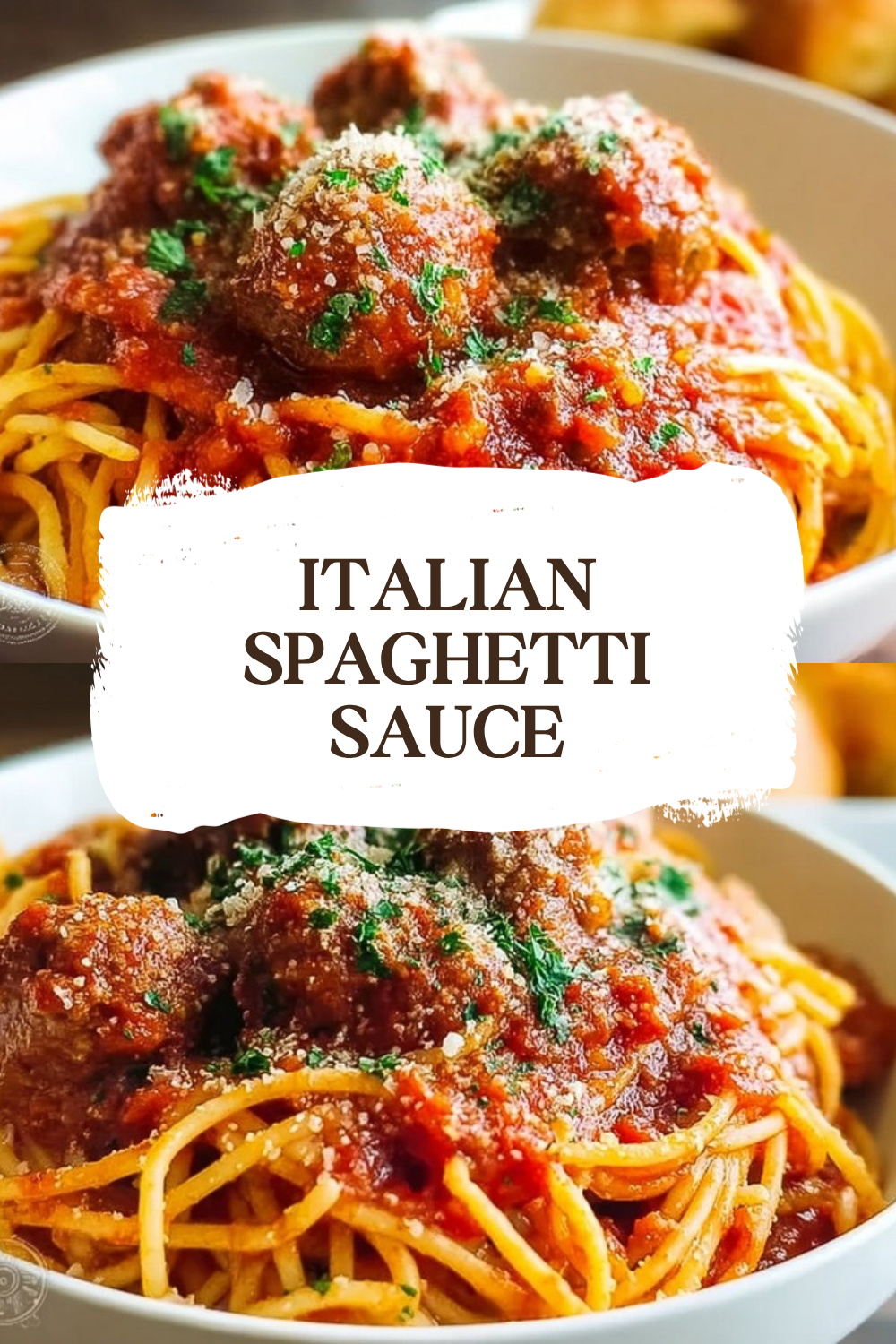
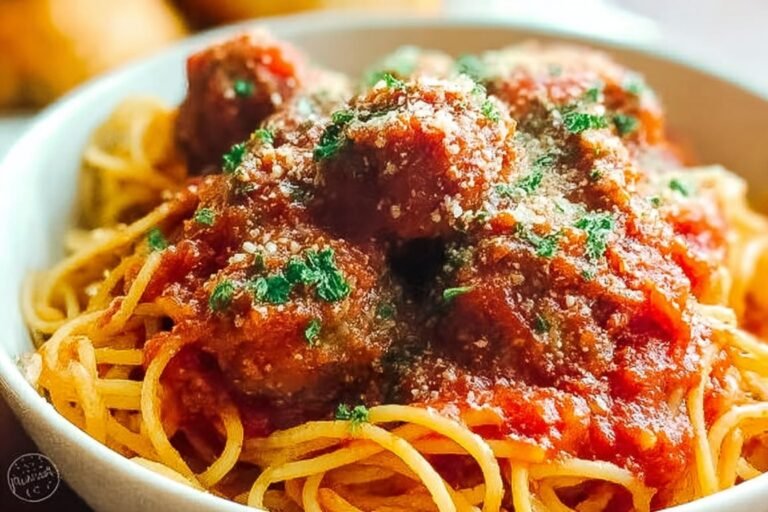
- Meatballs: Brown meatballs lightly for color, then add during the simmer so they soak up sauce.
Other options if you want a different vibe
- Ground turkey or chicken: Follow the same method as sausage, but simmer a little longer if the meatballs are larger.
- Lentils (vegetarian): Cook lentils until tender, then stir into the sauce for a hearty, meat-free bite.
- Mushrooms: Sauté mushrooms until browned and add near the end for a deeper umami feel.
If you want a tangy twist with meatballs, you might also like our BBQ meatballs as a fun alternative for weeknight entertaining.
Quick note about sauce thickness
When you add meat, users often notice a different consistency. Because of that, stir more frequently during cooking so nothing sticks and the sauce stays smooth.
Vegetable, Sauce, and Seasoning Modifications
Sometimes you want to adapt a classic recipe to what you have in the pantry or what is in season. This sauce is flexible while still staying true to its Italian spaghetti sauce style.
Vegetable swaps and add-ins
- Extra onions: Add more chopped onions if you like sweeter, rounded flavor.
- Green peppers: A small amount adds mild sweetness and color.
- Extra garlic: Use it if you love bold aroma, but cook gently so it stays flavorful, not bitter.
- Bay leaves: Add 1 to 2 bay leaves during simmering, then remove before serving.
Seasoning adjustments
- Make it mild: Reduce red pepper flakes if you’re serving kids or prefer less heat.
- Make it herb-forward: Increase dried basil and oregano slightly, especially if your tomatoes taste less vibrant.
- Keep it classic: Stick with Italian seasoning for the signature blend.
Water guidance (important)
Some users prefer to skip water unless needed. Water can thin the sauce unnecessarily. If your sauce is thick enough early on, you can hold off and only add a small amount if the tomato paste struggles to blend.
Best practice: if the sauce looks good after mixing tomato paste and tomatoes, you can skip water and let the simmer do the rest.
Mastering Italian Spaghetti Sauce: Advanced Tips and Variations
Once you’ve made this sauce one time, the second batch is even better because you’ll learn your preferred thickness and flavor balance.
Pro cooking techniques
- Bloom the aromatics: Sauté onions until soft and let garlic cook just long enough to become fragrant.
- Blend tomato paste fully: Mix thoroughly so there are no lumps, then cover and simmer low to medium.
- Simmer longer for depth: Two and a half hours is ideal for a rich old-world taste.
- Finish with wine: Stir in red wine during the last 30 minutes so it reduces and deepens.
Flavor variations you can try
- Richer sauce: Let it rest overnight and serve day two when it thickens.
- Customized sweetness: Some cooks substitute or omit the sugar based on preference.
- Herb upgrades: Using quality tomatoes and fresh herbs can significantly change the taste.
Presentation tips
- Spoon sauce over pasta, then toss briefly so every noodle gets coated.
- Top with a little extra grated Parmesan right before serving.
- If your sauce is thick, add a small splash of pasta water to loosen it.
Make-ahead options for busy schedules
This recipe is perfect for meal prep because it thickens after resting. Consider cooking it once and portioning it for multiple dinners.
- Cook: Make the full batch as directed.
- Rest: Refrigerate overnight for best texture.
- Portion: Freeze in smaller containers so you can thaw quickly.
For more guidance on classic sauce techniques, you can also reference homemade spaghetti sauce tips from Taste Better From Scratch (external).
How to Store Italian Spaghetti Sauce: Best Practices
Storing this sauce is easy, and it is one of the reasons it works well for busy parents and working professionals. Proper storage also helps preserve flavor after the day-two thickening.
Refrigeration
- Let the sauce cool before covering.
- Store in an airtight container.
- Keep in the fridge for about 4 to 5 days.
- Reheat gently on the stovetop with a splash of water if needed.
Freezing
- Freeze for up to 3 months in freezer bags.
- Portion into 2-cup servings for easy thawing.
- Label with the date so you can track freshness.
- Try to avoid repeated freeze-thaw cycles to protect flavor.
Reheating
- Thaw overnight in the fridge if possible.
- Reheat on low heat and stir often.
- Add a splash of water if it thickened too much in storage.
Meal prep note: Since the sauce thickens after resting, you may only need a tiny splash to reach the ideal pasta-coating texture.
If you like pairing your meals with more tomato-based flavors, check out tiktok spaghetti for inspiration on how different sauces can fit different schedules.
For food safety background on sauce storage and handling, see this resource from the National Institutes of Health: NIH article on food safety and refrigeration (external).
FAQs: Frequently Asked Questions About Italian Spaghetti Sauce
What red wine works best in an Italian spaghetti sauce recipe?
For Italian spaghetti sauce, choose a dry red wine like Chianti, Sangiovese, or Cabernet Sauvignon. These add depth and acidity without overpowering the tomatoes and herbs. Avoid sweet wines, as they can make the sauce taste off. Use about 1 cup per batch serving 12-14 people. If cooking for kids or non-drinkers, the alcohol cooks off in 30-60 minutes of simmering. Pour it in after browning the meat and onions, then let it reduce. This step tenderizes meat and builds flavor layers. Taste before adding; a splash extra brightens if needed. Stock up on affordable bottles under $15—perfect for cooking, not sipping. (78 words)
What’s a good substitute for red wine in spaghetti sauce?
Skip red wine? Use beef or vegetable broth, unsweetened grape juice mixed with a splash of vinegar, or pomegranate juice for similar tartness. For every 1 cup of wine, try ¾ cup broth plus ¼ cup water and 1 tsp balsamic vinegar. These mimic the acidity and umami without alcohol. Prosecco won’t work—it’s sparkling white and too sweet. Add the substitute after sautéing aromatics, simmer 5 minutes to blend. Test a small batch first. This keeps the sauce rich for 12-14 servings. Non-alcoholic options maintain authentic taste; many Italian home cooks adapt this way. (92 words)
Can I halve or quarter a big batch spaghetti sauce recipe?
Yes, a recipe yielding 12-14 servings scales easily. Halve by cutting meat, tomatoes, and veggies in half (e.g., 2 lbs beef to 1 lb, 2 cans tomatoes to 1). Quarter for 3-4 servings: use ½ lb meat, 1 can tomatoes. Keep ratios intact for flavor—don’t skimp on garlic or herbs. Simmer time stays 2-3 hours; smaller batches may thicken faster, so stir often and add broth if needed. Freeze extras in portions. This saves time for family dinners. Pro tip: Measure by weight for precision. Perfect for meal prep. (89 words)
Do I need to add water when making Italian spaghetti sauce?
Water is optional in many recipes—it helps mix thick ingredients like tomato paste early on, preventing lumps. Add ½-1 cup only if the sauce seems too dense after initial simmer. Skip it for thicker results; natural juices from meat and tomatoes provide moisture. For 12-14 servings, monitor after 1 hour—stir and adjust with broth instead. Thicker sauce clings better to pasta. Italian grandmas often omit it for ragu-style meatiness. If using canned tomatoes, drain excess liquid first. Taste and tweak for your texture preference. (85 words)
How long does homemade Italian spaghetti sauce last in the fridge or freezer?
Fridge storage: 4-5 days in an airtight container. Reheat gently on stovetop with a splash of water. Freezer: up to 3 months in freezer bags—portion into 2-cup servings for easy thawing. Label with dates. Avoid repeated freeze-thaw cycles to preserve flavor. Big batches like 12-14 servings shine here; vacuum-seal for longer life. Signs it’s bad: off smell, mold, or sliminess. Stats show homemade lasts twice as long as jarred due to fresh ingredients. Link to our pasta pairing guide for serving ideas. (82 words)
Italian Spaghetti Sauce
🍝🇮🇹 Transport to Italy with this rich, slow-simmered spaghetti sauce bursting with fresh garlic, herbs, and tomatoes for authentic pasta perfection!
🛡️ Foolproof and make-ahead, it thickens beautifully overnight, yielding family-sized batches ideal for weeknight dinners or meal prep.
- Total Time: 3 hours 15 minutes
- Yield: 12-14 servings
Ingredients
– 2 x 6-ounce cans tomato paste
– 1 x 28-ounce can tomato puree
– 2 x 28-ounce cans crushed tomatoes
– 4 cloves crushed garlic
– 1/2 cup chopped onions
– 3 1/2 tablespoons olive oil
– 2 1/2 tablespoons Italian seasoning
– 1 teaspoon salt
– 1 teaspoon black pepper
– 1 tablespoon sugar
– 1 teaspoon red pepper flakes
– 1/2 teaspoon dried basil
– 1/2 teaspoon oregano
– 1/4 cup grated Parmesan cheese
– 1/2 cup red wine
– 2 1/2 cups water
Instructions
1-First Step: Start the aromatics In a large stockpot on low to medium heat, heat the olive oil. Add the chopped onions and sauté for about 4 minutes, until they turn soft and fragrant.
2-Second Step: Add garlic and bloom it Add the crushed garlic and cook for an additional 2 minutes. Stir constantly or close to it so the garlic doesn’t scorch.
3-Third Step: Combine water and tomato products Pour in the water and all tomato products: the tomato paste, tomato puree, and crushed tomatoes. Mix thoroughly until the tomato paste is fully blended.
4-Fourth Step: Season and add Parmesan Add the Italian seasoning, salt, black pepper, sugar, red pepper flakes, dried basil, and oregano. Stir well, then add the grated Parmesan cheese and mix until it melts in.
5-Fifth Step: Cover and simmer Cover and cook for 2 1/2 hours. Stir occasionally to keep everything moving, especially as it thickens.
6-Final Step: Stir in red wine and finish Lastly, stir in the red wine and cook for an additional 30 minutes. Taste and adjust if needed, then serve.
Last Step:
Please leave a rating and comment letting us know how you liked this recipe! This helps our business to thrive and continue providing free, high-quality recipes for you.Notes
🍅 Use high-quality canned tomatoes for the deepest, most authentic flavor.
🍷 Add red wine at the end to preserve its brightness and aroma.
♻️ Sauce thickens overnight; refrigerate and reheat for even better taste tomorrow.
- Prep Time: 15 minutes
- Cook Time: 3 hours
- Category: Sauce
- Method: Stovetop
- Cuisine: Italian
- Diet: Vegetarian
Nutrition
- Serving Size: 1 cup
- Calories: 120
- Sugar: 8g
- Sodium: 450mg
- Fat: 5g
- Saturated Fat: 1g
- Unsaturated Fat: 4g
- Trans Fat: 0g
- Carbohydrates: 18g
- Fiber: 4g
- Protein: 3g
- Cholesterol: 2mg