Why You’ll Love This Gingerbread Cookies
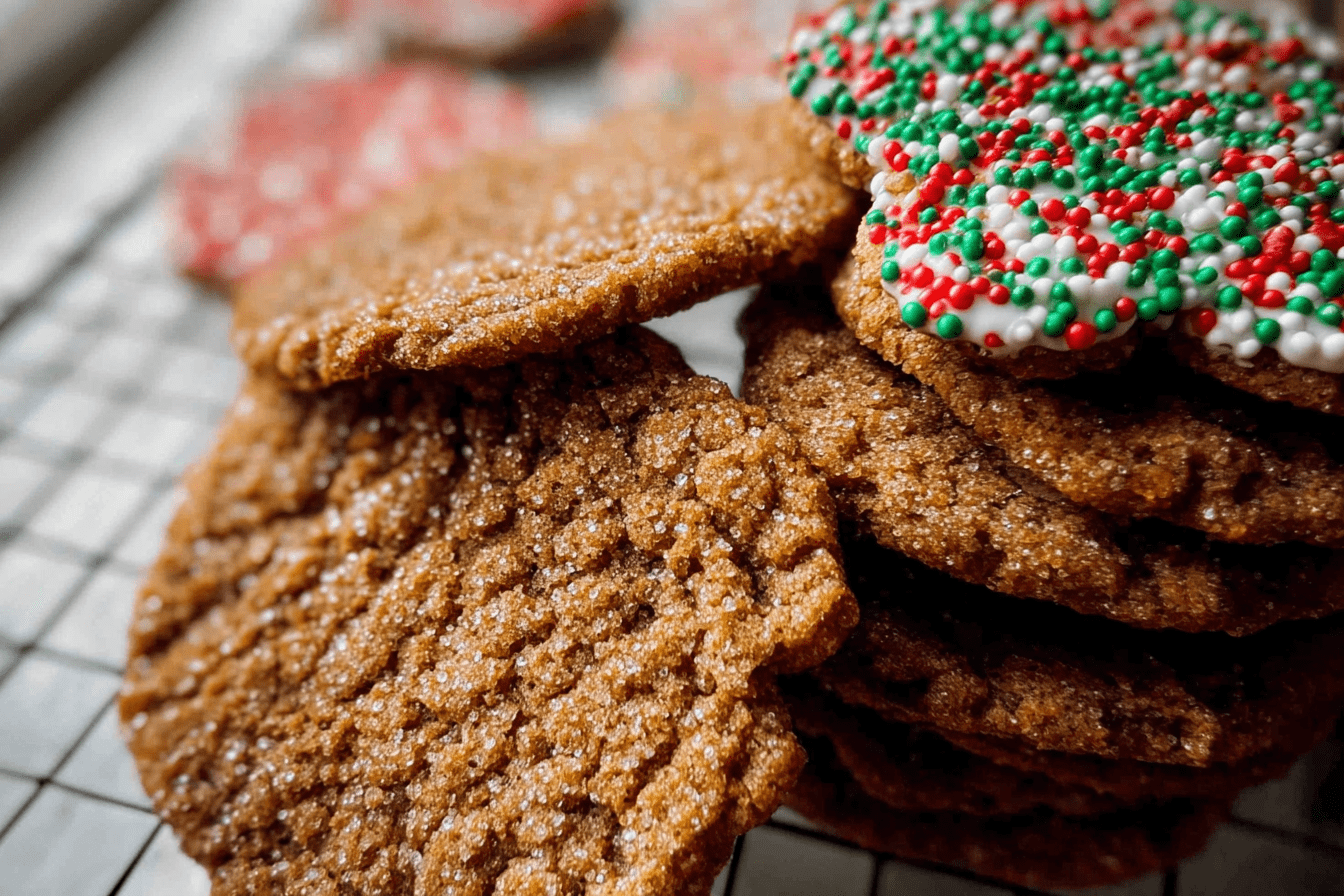
There is nothing quite like the aroma of warm spices filling the kitchen during the holiday season. This gingerbread cookies recipe brings that magic to your home with a simple, accessible approach that anyone can master. Whether you are an experienced baker or just trying your hand at holiday baking for the first time, these chewy gingerbread treats are sure to impress.
Ease of preparation
One of the best things about this holiday gingerbread recipe is how straightforward it is. You do not need fancy equipment or hard-to-find techniques. The dough comes together quickly with standard mixing tools, and the chilling step ensures the cookies hold their shape beautifully without being sticky or difficult to handle. This makes it an ideal project for busy parents who want to create memorable moments with their children without the stress of complex recipes. The active time is minimal, allowing you to focus on the fun part of cutting out festive shapes.
Health benefits
While cookies are certainly a treat, the spices used in this gingerbread recipe offer more than just flavor. Ginger, the star ingredient, has been used for centuries to aid digestion and reduce inflammation. Including ginger health benefits in your diet can be a tasty way to support wellness, especially during the colder months when cozy, warming foods are most comforting. Additionally, using molasses provides a source of minerals like iron and calcium, making these a slightly more nutritious option compared to cookies made solely with refined sugar.
Versatility
This easy gingerbread cookies recipe is incredibly adaptable. If you have dietary restrictions or simply prefer certain ingredients, you can easily swap components to suit your needs. From gluten-free flour blends to vegan butter substitutes, the base dough is forgiving and accepting of changes. You can also adjust the thickness of the dough to suit your preference for a softer bite or a crisper snap. This flexibility makes it a reliable go-to recipe for any occasion, from school parties to elegant holiday gatherings.
Distinctive flavor
The flavor profile of these gingerbread men is deep, rich, and perfectly spiced. Unlike some recipes that lean too heavily on molasses bitterness, this version strikes a harmonious balance between the deep sweetness of molasses and the warm kick of ginger, cinnamon, and nutmeg. The result is a soft chewy gingerbread cookie that tastes complex and indulgent without being overpowering. It is the kind of flavor that lingers, reminding you of cozy winter nights and festive celebrations.
Jump To
- 1. Why You’ll Love This Gingerbread Cookies
- 2. Essential Ingredients for Gingerbread Cookies
- 3. How to Prepare the Perfect Gingerbread Cookies: Step-by-Step Guide
- 4. Dietary Substitutions to Customize Your Gingerbread Cookies
- 5. Mastering Gingerbread Cookies: Advanced Tips and Variations
- 6. How to Store Gingerbread Cookies: Best Practices
- 7. FAQs: Frequently Asked Questions About Gingerbread Cookies
- 8. Gingerbread Cookies
Essential Ingredients for Gingerbread Cookies
To achieve the perfect texture and taste, gathering the right components is crucial. Below is a structured list of the precise measurements and explanations for the items needed to create these soft chewy gingerbread cookies.
Main Ingredients:
- 2½ cups flour – Provides the structure for the cookies; all-purpose flour works best for a chewy texture.
- ½ cup softened butter – Adds richness and tenderness; ensure it is softened to room temperature for easy creaming.
- ½ cup sugar – Sweetens the dough and helps create a crisp edge while keeping the center soft.
- ½ cup molasses – The key ingredient for that deep color, moisture, and classic gingerbread flavor.
- 1 egg – Acts as a binder, holding the dough together and adding structure.
- 1 tsp baking soda – Leavening agent that helps the cookies rise slightly and become tender.
- 1½ tsp ginger – Provides the primary spicy kick and warming flavor.
- 1 tsp cinnamon – Adds warmth and sweetness that complements the ginger.
- ½ tsp nutmeg – Offers a subtle, nutty spice layer that deepens the overall flavor profile.
- pinch salt – Balances the sweetness and highlights the spices.
Special Dietary Options:
- Vegan: Use a flax egg (1 tbsp ground flaxseed mixed with 3 tbsp water) or a commercial egg replacer. Swap the butter for a high-quality vegan butter stick or coconut oil.
- Gluten-free: Substitute the all-purpose flour with a 1-to-1 gluten-free baking blend that contains xanthan gum to ensure the cookies hold together.
- Low-calorie: Replace the butter with applesauce or a low-calorie baking spread, though this may slightly alter the texture. Use a sugar substitute like erythritol, keeping in mind that molasses is needed for flavor, so reducing it significantly will change the taste.
How to Prepare the Perfect Gingerbread Cookies: Step-by-Step Guide
Follow these detailed instructions to create the best holiday gingerbread cookies. This process ensures the dough is easy to work with and bakes into perfectly chewy treats every time.
First Step: Preparation and Mise en Place
Before you begin mixing, clear your workspace and gather all your tools. You will need a large mixing bowl, a handheld mixer or stand mixer, a whisk, rolling pin, and cookie cutters. Line a few baking sheets with parchment paper or silicone baking mats. This prevents sticking and makes cleanup effortless. Measure out all your ingredients beforehand. Having the butter softened and the egg at room temperature is vital for proper emulsification. If you forgot to take the butter out, cut it into small cubes and let it sit for about 15 minutes.
Second Step: Creaming the Butter and Sugar
In your large mixing bowl, combine the softened butter and the sugar. Using your mixer on medium speed, beat them together until the mixture is pale and fluffy. This process usually takes about 2 to 3 minutes. Creaming incorporates air into the dough, which helps with the texture. Once creamed, add the molasses and the egg. Mix again until the mixture is smooth and well combined. Scrape down the sides of the bowl with a spatula to make sure everything is evenly incorporated. At this stage, the batter will look wet and glossy.
Third Step: Combining Dry Ingredients
In a separate medium bowl, whisk together the flour, baking soda, ginger, cinnamon, nutmeg, and salt. Whisking these dry ingredients first ensures that the baking soda and spices are evenly distributed throughout the flour. This prevents you from biting into a pocket of pure ginger or baking soda later. Once whisked, gradually add the dry mixture to the wet mixture. Turn your mixer on low speed to blend them. As soon as the flour streaks disappear, stop mixing. Overmixing at this stage can lead to tough cookies. The dough will be soft and slightly sticky.
Fourth Step: Chilling the Dough
This is a critical step for simple chewy gingerbread recipes. Because the dough contains molasses and butter, it needs to be chilled to firm up. Wrap the dough ball in plastic wrap and place it in the refrigerator for at least one hour, though two hours is ideal. Chilling makes the dough much easier to roll out without sticking to your rolling pin or counter. It also helps the cookies hold their shape better during baking, preventing them from spreading too much and losing their definition. If you are in a rush, you can freeze the dough for 20 to 30 minutes.
Fifth Step: Rolling and Cutting
Preheat your oven to 375°F (190°C). Remove the chilled dough from the refrigerator. Lightly flour your work surface and your rolling pin. Take a portion of the dough and roll it out to a thickness of about ¼ inch. This thickness ensures a soft center with slightly crisp edges. Use your favorite cookie cutters to cut out shapes. Dip the cutters in flour between cuts to prevent sticking. Gather the scraps, re-roll them, and cut more shapes until all the dough is used. Place the cut cookies onto your prepared baking sheets, leaving about an inch of space between them.
Final Step: Baking and Cooling
Bake the cookies in the preheated oven for 7 to 9 minutes. You want the edges to be set but the centers to still look slightly soft. They will firm up as they cool. Keep a close eye on them during the last minute to avoid over-baking, which will result in hard gingerbread cookies rather than chewy ones. Once done, remove the pan from the oven and let the cookies sit on the baking sheet for 2 minutes. This allows them to set slightly before moving. Transfer them to a wire rack to cool completely. Once cool, you can decorate them with royal icing or enjoy them plain. These pair wonderfully with a glass of milk or a cup of hot tea. For a delightful dessert pairing, consider serving them alongside a warm cherry crisp for a variety of textures and flavors.
Dietary Substitutions to Customize Your Gingerbread Cookies
Adapting recipes to fit dietary needs or personal preferences is simple with this versatile dough. Here are several ways to modify the ingredients while keeping the delicious flavor intact.
Protein and Main Component Alternatives
If you wish to increase the protein content of these treats, consider adding a tablespoon of chia seeds or flax seeds to the dry mix. This not only boosts nutrition but also adds a pleasant nuttiness. For those who cannot consume eggs, as mentioned in the ingredients section, a flax egg is the best substitute to maintain the structure. If you are looking for a different fat source, coconut oil works beautifully. It adds a very subtle coconut flavor that pairs surprisingly well with the spices. Just make sure the coconut oil is in a semi-solid state, similar to butter, to achieve the right creaming consistency.
Vegetable, Sauce, and Seasoning Modifications
While gingerbread is traditionally defined by its specific spice blend, you can tweak the seasonings to suit your palate. If you find ginger too overpowering, reduce the amount to 1 teaspoon and increase the cinnamon. For a more robust flavor, add a pinch of allspice or cardamom to the dry ingredients. Some bakers like to add a drop of vanilla extract or almond extract to the wet mixture for a different aromatic profile. Although not a vegetable, you can incorporate orange zest into the dough. The citrus oils brighten the heavy molasses flavor and add a festive twist. If you are decorating, use melted white chocolate or a simple lemon glaze instead of traditional royal icing for a change of pace.
Mastering Gingerbread Cookies: Advanced Tips and Variations
Once you have mastered the basic recipe, you can elevate your baking game with these expert tips and creative variations. These suggestions will help you achieve professional results in your own home kitchen.
Pro cooking techniques
For the smoothest edges on your cookies, use a sharp cutter and dip it in flour frequently. Avoid twisting the cutter when pressing down; simply press straight down and lift up. Twisting seals the edges and prevents the cookie from rising evenly. Another professional tip is to rotate your baking sheets halfway through the baking time. This ensures even heat distribution, preventing one side from burning or browning faster than the other. If your dough becomes too warm while rolling, pop it back in the fridge for 10 minutes. Cold dough is much easier to handle and produces cleaner cuts.
Flavor variations
Experiment with different types of molasses to alter the flavor profile. Light molasses will result in a milder, sweeter cookie, while dark or blackstrap molasses will yield a more intense, bitter-sweet flavor. You can also add crystallized ginger pieces to the dough for bursts of spicy heat. For a chocolate twist, substitute ¼ cup of the flour with cocoa powder to make chocolate gingerbread cookies. This creates a rich, decadent dessert that is perfect for chocolate lovers.
Presentation tips
When decorating, use a piping bag with a small round tip for the most control. Consistency is key for royal icing; it should be thick enough to hold its shape but thin enough to flow smoothly. Create two batches: one thicker for outlining and one thinner for flooding the center. This technique gives your cookies a smooth, professional finish. You can also use edible glitter or sanding sugar to add sparkle and texture. For a rustic look, simply drizzle melted white chocolate over the cooled cookies in a zigzag pattern.
Make-ahead options
Gingerbread dough is an excellent candidate for freezing. You can make the dough weeks in advance, wrap it tightly in plastic wrap and foil, and freeze it. When you are ready to bake, thaw it in the refrigerator overnight, then proceed with rolling and cutting. You can also freeze the baked cookies. Place them in an airtight container with layers of parchment paper between them. They will last for up to three months in the freezer. This allows you to spread out the holiday baking workload so you are not overwhelmed in December. If you love making other cookies, check out this cream cheese cookies recipe which also freezes exceptionally well.
How to Store Gingerbread Cookies: Best Practices
Proper storage ensures your cookies stay fresh and delicious for as long as possible. Whether you are saving them for a later date or trying to keep them fresh after baking, these guidelines will help.
Refrigeration
While gingerbread cookies can be stored at room temperature, refrigerating them can extend their shelf life significantly. Place the cooled cookies in an airtight container. If you live in a humid climate, the refrigerator is actually a better option than the counter to prevent the cookies from becoming soggy. However, be aware that refrigeration can sometimes cause cookies to dry out slightly. To combat this, place a slice of white bread in the container with the cookies. The bread releases moisture that keeps the cookies soft.
Freezing
For long-term storage, freezing is the best method. First, flash freeze the cookies by placing them on a baking sheet in the freezer for about an hour. Once they are firm, transfer them to a freezer-safe bag or container. Label the container with the date. Frozen gingerbread cookies can last for up to three months without losing quality. When you are ready to eat them, simply remove the desired amount and let them thaw at room temperature for about 30 minutes. They will taste almost as good as the day they were baked.
Reheating
If your cookies have become a little stale or you prefer them warm, reheating is easy. Preheat your oven to 300°F (150°C). Place the cookies on a baking sheet and warm them for 3 to 5 minutes. This revives the spices and softens the texture. Be careful not to overheat them, or they will become hard. You can also use a microwave for a quick fix, though the oven method provides a better texture. Microwaving for 10 to 15 seconds is usually sufficient for a single cookie.
Meal prep considerations
If you are baking for a large event or as gifts, you can break the process into stages over a few days. Make and chill the dough on day one. Roll, cut, and bake the cookies on day two. Decorate the cookies on day three. This staggered approach prevents fatigue and ensures each step is done with care. Store the baked cookies undecorated if you are freezing them, as icing can become sticky or discolored in the freezer. Decorate them after they have thawed for the best appearance.

FAQs: Frequently Asked Questions About Gingerbread Cookies
How do you make gingerbread cookies from scratch?
To make gingerbread cookies from scratch, start with 3 cups flour, ¾ cup butter, 1 cup brown sugar, ¾ cup molasses, 1 egg, 2 tsp ginger, 1 tsp cinnamon, ½ tsp cloves, ½ tsp baking soda, and ¼ tsp salt. Cream butter and sugar, mix in molasses and egg. Combine dry ingredients and blend into wet until dough forms. Chill 2 hours. Roll to ¼-inch thick, cut shapes, bake at 350°F for 8-10 minutes. Cool before decorating. This yields about 36 cookies. For crispier texture, bake longer; softer by baking shorter. Store in airtight container up to 2 weeks. Perfect for holiday shapes like gingerbread men.
What’s the best recipe for soft gingerbread cookies?
For soft gingerbread cookies, use 2½ cups flour, ½ cup softened butter, ½ cup sugar, ½ cup molasses, 1 egg, 1 tsp baking soda, 1½ tsp ginger, 1 tsp cinnamon, ½ tsp nutmeg, and pinch salt. Beat butter and sugar, add molasses and egg. Mix dry ingredients, stir in. Refrigerate 1 hour. Roll ¼-inch thick, cut, bake at 375°F for 7-9 minutes until edges set but centers soft. Cool on rack. Yields 24 cookies. Add 1 tbsp milk for extra tenderness. These stay soft 1 week in sealed tin. Ideal for kids—no hard bite.
Can you make gingerbread cookies without molasses?
Yes, substitute molasses with ¾ cup honey or dark corn syrup plus 2 tbsp brown sugar for similar chew and flavor. Basic recipe: 3 cups flour, ¾ cup butter, 1 cup sugar, substitute liquid, 1 egg, 2 tsp ginger, 1 tsp cinnamon, ½ tsp baking soda, salt. Cream butter and sugar, add substitute and egg. Mix dry, form dough, chill 1-2 hours. Roll, cut, bake 350°F 8-10 minutes. Honey version is lighter, less intense; corn syrup mimics color best. Test small batch first. Stores 10 days airtight. Great for dietary tweaks.
How long do homemade gingerbread cookies last?
Homemade gingerbread cookies last 1-2 weeks at room temperature in an airtight container, up to 3 weeks if layered with parchment to prevent sticking. Refrigerate for 1 month or freeze up to 3 months—thaw at room temp. Signs of spoilage: dryness, off smell, mold. Spiced flavors peak days 2-4 as they mellow. For longer life, add extra flour during rolling to reduce moisture. Avoid humid storage. Decorated ones with royal icing last 5-7 days. Pro tip: Revive stale ones by warming in 300°F oven 3 minutes.
How do you decorate gingerbread cookies?
Decorate gingerbread cookies with royal icing (2 egg whites, 4 cups powdered sugar, 2 tsp lemon juice—beat stiff), candies, sprinkles. Outline shapes first with #2 tip, flood centers with #3. Dry 1-2 hours between layers. Use chocolate melts for faces, raisins for buttons. For edible paint, mix icing with gel colors. Pipe details when firm, 24 hours post-bake. Avoid soft icing to prevent bleeding. Store decorated flat, uncovered first day to set. Lasts 5-7 days. Kids love it—simple faces take 5 minutes per cookie. Check related royal icing recipe for full guide.
Gingerbread Cookies
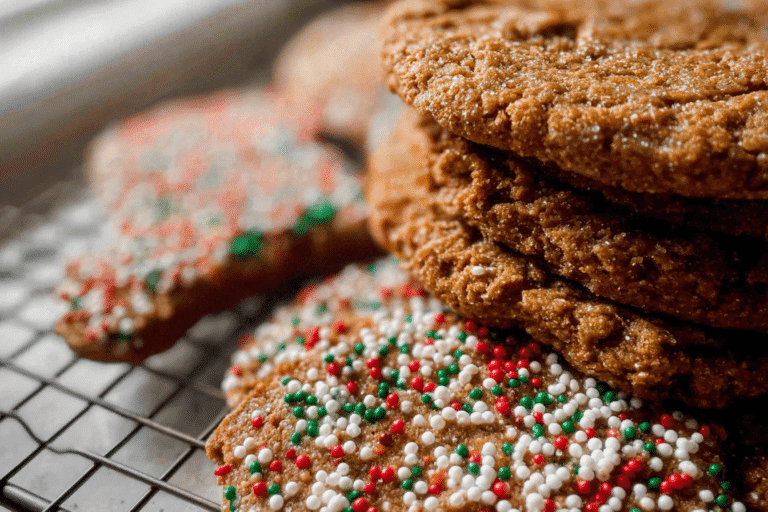
🍪 Revel in soft, chewy gingerbread cookies bursting with molasses and spice, holding their shape for decorating while staying tender for days.
🎄 Simple holiday staple that’s quick to mix and bake, bringing festive joy to cookie swaps, tree trimming, or cozy snacking.
- Total Time: 1 hour 30 minutes
- Yield: 36 cookies
Ingredients
– 2½ cups all-purpose flour for structure
– ½ cup softened butter for richness and tenderness
– ½ cup sugar for sweetening
– ½ cup molasses for deep color, moisture, and gingerbread flavor
– 1 egg for binding
– 1 tsp baking soda for leavening
– 1½ tsp ginger for spicy kick
– 1 tsp cinnamon for warmth
– ½ tsp nutmeg for nutty spice
– pinch salt for balancing sweetness
Instructions
1-First Step: Preparation and Mise en Place Before you begin mixing, clear your workspace and gather all your tools. You will need a large mixing bowl, a handheld mixer or stand mixer, a whisk, rolling pin, and cookie cutters. Line a few baking sheets with parchment paper or silicone baking mats. This prevents sticking and makes cleanup effortless. Measure out all your ingredients beforehand. Having the butter softened and the egg at room temperature is vital for proper emulsification. If you forgot to take the butter out, cut it into small cubes and let it sit for about 15 minutes.
2-Second Step: Creaming the Butter and Sugar In your large mixing bowl, combine the softened butter and the sugar. Using your mixer on medium speed, beat them together until the mixture is pale and fluffy. This process usually takes about 2 to 3 minutes. Creaming incorporates air into the dough, which helps with the texture. Once creamed, add the molasses and the egg. Mix again until the mixture is smooth and well combined. Scrape down the sides of the bowl with a spatula to make sure everything is evenly incorporated. At this stage, the batter will look wet and glossy.
3-Third Step: Combining Dry Ingredients In a separate medium bowl, whisk together the flour, baking soda, ginger, cinnamon, nutmeg, and salt. Whisking these dry ingredients first ensures that the baking soda and spices are evenly distributed throughout the flour. This prevents you from biting into a pocket of pure ginger or baking soda later. Once whisked, gradually add the dry mixture to the wet mixture. Turn your mixer on low speed to blend them. As soon as the flour streaks disappear, stop mixing. Overmixing at this stage can lead to tough cookies. The dough will be soft and slightly sticky.
4-Fourth Step: Chilling the Dough This is a critical step for simple chewy gingerbread recipes. Because the dough contains molasses and butter, it needs to be chilled to firm up. Wrap the dough ball in plastic wrap and place it in the refrigerator for at least one hour, though two hours is ideal. Chilling makes the dough much easier to roll out without sticking to your rolling pin or counter. It also helps the cookies hold their shape better during baking, preventing them from spreading too much and losing their definition. If you are in a rush, you can freeze the dough for 20 to 30 minutes.
5-Fifth Step: Rolling and Cutting Preheat your oven to 375°F (190°C). Remove the chilled dough from the refrigerator. Lightly flour your work surface and your rolling pin. Take a portion of the dough and roll it out to a thickness of about ¼ inch. This thickness ensures a soft center with slightly crisp edges. Use your favorite cookie cutters to cut out shapes. Dip the cutters in flour between cuts to prevent sticking. Gather the scraps, re-roll them, and cut more shapes until all the dough is used. Place the cut cookies onto your prepared baking sheets, leaving about an inch of space between them.
6-Final Step: Baking and Cooling Bake the cookies in the preheated oven for 7 to 9 minutes. You want the edges to be set but the centers to still look slightly soft. They will firm up as they cool. Keep a close eye on them during the last minute to avoid over-baking, which will result in hard gingerbread cookies rather than chewy ones. Once done, remove the pan from the oven and let the cookies sit on the baking sheet for 2 minutes. This allows them to set slightly before moving. Transfer them to a wire rack to cool completely. Once cool, you can decorate them with royal icing or enjoy them plain. These pair wonderfully with a glass of milk or a cup of hot tea. For a delightful dessert pairing, consider serving them alongside a warm cherry crisp for a variety of textures and flavors.
Last Step:
Please leave a rating and comment letting us know how you liked this recipe! This helps our business to thrive and continue providing free, high-quality recipes for you.Notes
❄️ Chill dough longer (up to overnight) for easier rolling and sharper cutouts.
🍯 Measure molasses in a greased cup for smooth pouring without sticking.
🎨 For chewiness, bake just until edges set—overbaking makes them crisp.
- Prep Time: 20 minutes
- Chill Time: 1 hour
- Cook Time: 10 minutes
- Category: Desserts
- Method: Baking
- Cuisine: American
- Diet: Vegetarian
Nutrition
- Serving Size: 1 cookie
- Calories: 110 kcal
- Sugar: 10g
- Sodium: 85mg
- Fat: 3g
- Saturated Fat: 2g
- Unsaturated Fat: 1g
- Trans Fat: 0g
- Carbohydrates: 19g
- Fiber: 0.5g
- Protein: 1g
- Cholesterol: 12mg