Why You’ll Love This Folded Kimbap
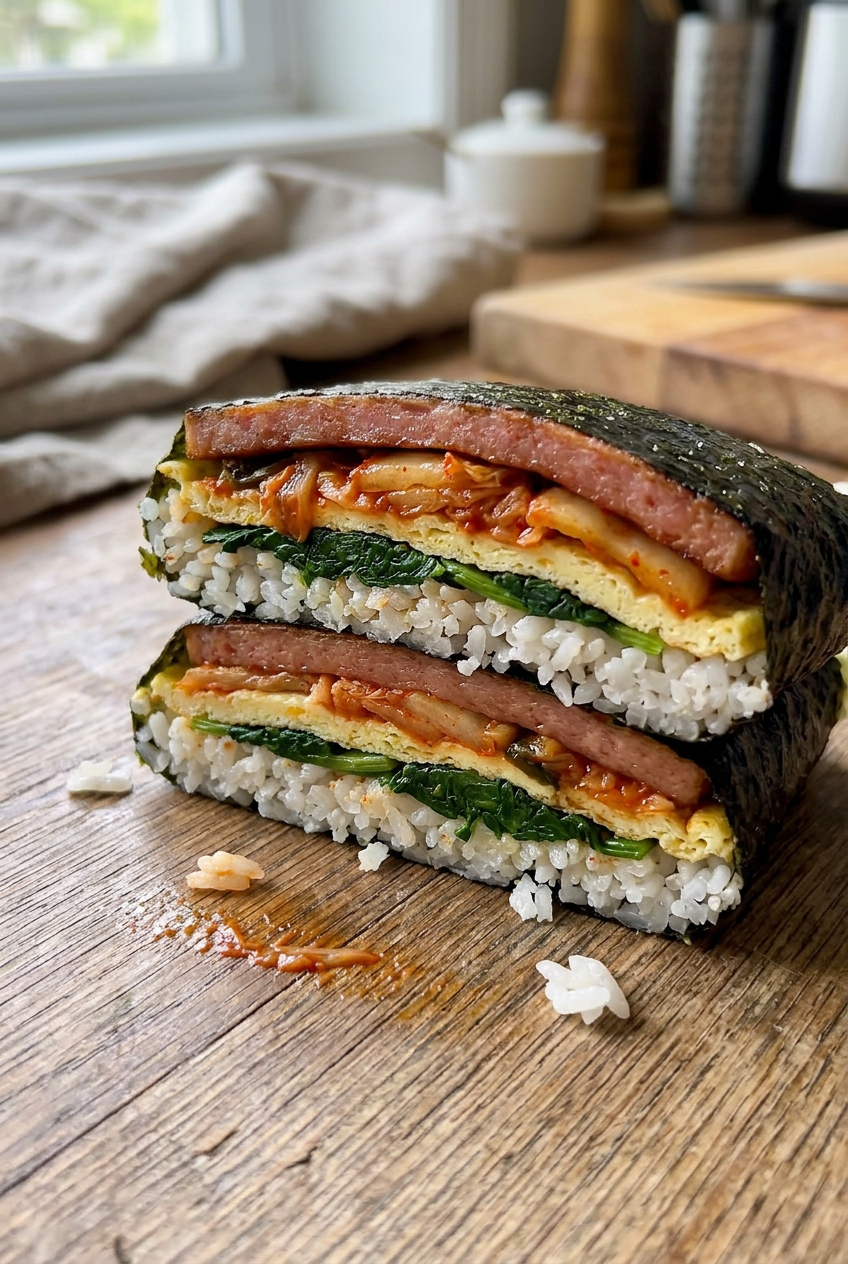
Folded Kimbap is a popular Korean dish that is easy, quick, versatile, and delicious. It involves folding a seaweed sheet with rice and fillings instead of rolling it, which makes it a fantastic option for anyone looking for a quick gimbap twist on a classic favorite. Whether you are a busy parent, a student, or just someone who loves good food without the fuss, this easy folded kimbap is about to become your go-to meal.
This recipe stands out because it transforms the traditional labor-intensive rolling process into a simple folding technique that anyone can master. You get all the savory flavors and satisfying textures of a standard kimbap recipe but in a fraction of the time. It is perfect for using up leftovers, meaning you can reduce food waste while enjoying a tasty folded kimbap meal. Plus, the portability makes it an excellent choice for picnics, lunchboxes, or a quick snack on the go.
- Ease of preparation: You can have this meal ready in about 15 minutes. The prep time is approximately 10 minutes, and the cook time is around 5 minutes. It serves one person perfectly, but you can easily multiply the ingredients to feed a family.
- Health benefits: This dish offers a balanced mix of carbohydrates, proteins, and vegetables. By using fresh ingredients like perilla leaves and cucumber, you pack in vitamins and fiber. You can also explore the health benefits of seaweed, which is a staple in Korean cuisine known for its rich mineral content.
- Versatility: The beauty of this easy kimbap lies in its adaptability. You can swap proteins for tofu to make it vegan, use gluten-free soy sauce, or load it with your favorite seasonal veggies. It caters to almost any dietary preference without compromising on taste.
- Distinctive flavor: The combination of sesame oil, seasoned rice, and savory sauces like gochujang creates a unique flavor profile that is both comforting and exciting. The contrasting textures of the crunchy vegetables, soft rice, and savory protein make every bite interesting.
Jump To
- 1. Why You’ll Love This Folded Kimbap
- 2. Essential Ingredients for Folded Kimbap
- 3. How to Prepare the Perfect Folded Kimbap: Step-by-Step Guide
- 4. Dietary Substitutions to Customize Your Folded Kimbap
- 5. Mastering Folded Kimbap: Advanced Tips and Variations
- 6. How to Store Folded Kimbap: Best Practices
- 7. FAQs: Frequently Asked Questions About Folded Kimbap
- 8. Folded Kimbap
Essential Ingredients for Folded Kimbap
Creating the perfect folded kimbap recipe starts with gathering the right components. This dish is convenient as a quick lunch or snack, using easily found ingredients including any leftover meats or vegetables. It offers lots of flexibility with fillings and sauces making it suitable for various tastes, including vegan options. Below is a structured list of everything you need to make one delicious roll.
- 1/4 cup cooked rice
- 1/4 teaspoon sesame oil
- Salt to taste
- 1/4 teaspoon sesame seeds (optional)
- 1 seaweed sheet (gim or nori)
- 2 thin slices of canned luncheon meat, 2 tablespoons canned tuna (liquid pressed out), or any cooked/processed meat
- 1 fried egg (no runny yolk) or alternatively cheese, fish cake, fried tofu
- 1 lettuce leaf or 2 perilla leaves
- 1/2 small cucumber or carrot, thinly sliced or julienned, or other vegetables
- Options include gochujang, ssamjang, sriracha, ketchup, mayonnaise, or other favorite sauces
Special Dietary Options
One of the best things about a gimbap recipe is how easily it adapts to specific dietary needs. You do not need to miss out on this delicious Korean dish just because you have dietary restrictions.
| Dietary Need | Substitutions |
|---|---|
| Vegan | Swap the luncheon meat or egg for marinated tofu, mushrooms, or additional avocado. Use a vegan mayo or a simple soy-maple syrup glaze instead of fish-based sauces. |
| Gluten-Free | Ensure your soy sauce, gochujang, and other condiments are certified gluten-free. Most seaweed sheets and fresh vegetables are naturally gluten-free. |
| Low-Calorie | Focus on loading up with vegetables like cucumber, spinach, and carrots. Use lean proteins like canned tuna or boiled egg whites, and go easy on high-calorie sauces like mayonnaise. |
How to Prepare the Perfect Folded Kimbap: Step-by-Step Guide
Making folded kimbap meals is a fun and straightforward process. Unlike traditional rolls that require a bamboo mat and a steady hand, this method relies on simple folding. Follow these detailed steps to create a neat and tasty square pocket of flavor.
Preparation Phase
First Step: Prepare your rice base. Take 1/4 cup of warm cooked rice and mix it thoroughly with 1/4 teaspoon of sesame oil and salt to taste. If you like a bit of crunch, add 1/4 teaspoon of sesame seeds. If you are using leftover rice, soften it in the microwave with a splash of water. If you are cooking fresh rice, make it slightly drier by using less water to prevent the seaweed from becoming soggy.
Second Step: Cook or warm up your proteins. If you are using canned luncheon meat, pan fry thin slices for 1 to 2 minutes on each side until they are golden and crispy. If you prefer canned tuna, press out all the liquid to keep the final dish dry. For other cooked or processed meats, simply warm them up. If you are making an egg, fry it until the yolk is fully set, as a runny yolk can make the seaweed wet.
Third Step: Get your vegetables ready. Clean and dry your lettuce or perilla leaves with a paper towel. Slice, shave, or julienne your cucumber or carrot. It is crucial to squeeze out liquid from any wet ingredients to prevent sogginess and pat dry vegetables before using. If you want more salad ideas to accompany your kimbap, try our cucumber pepper salad for a refreshing side.
Assembly and Folding
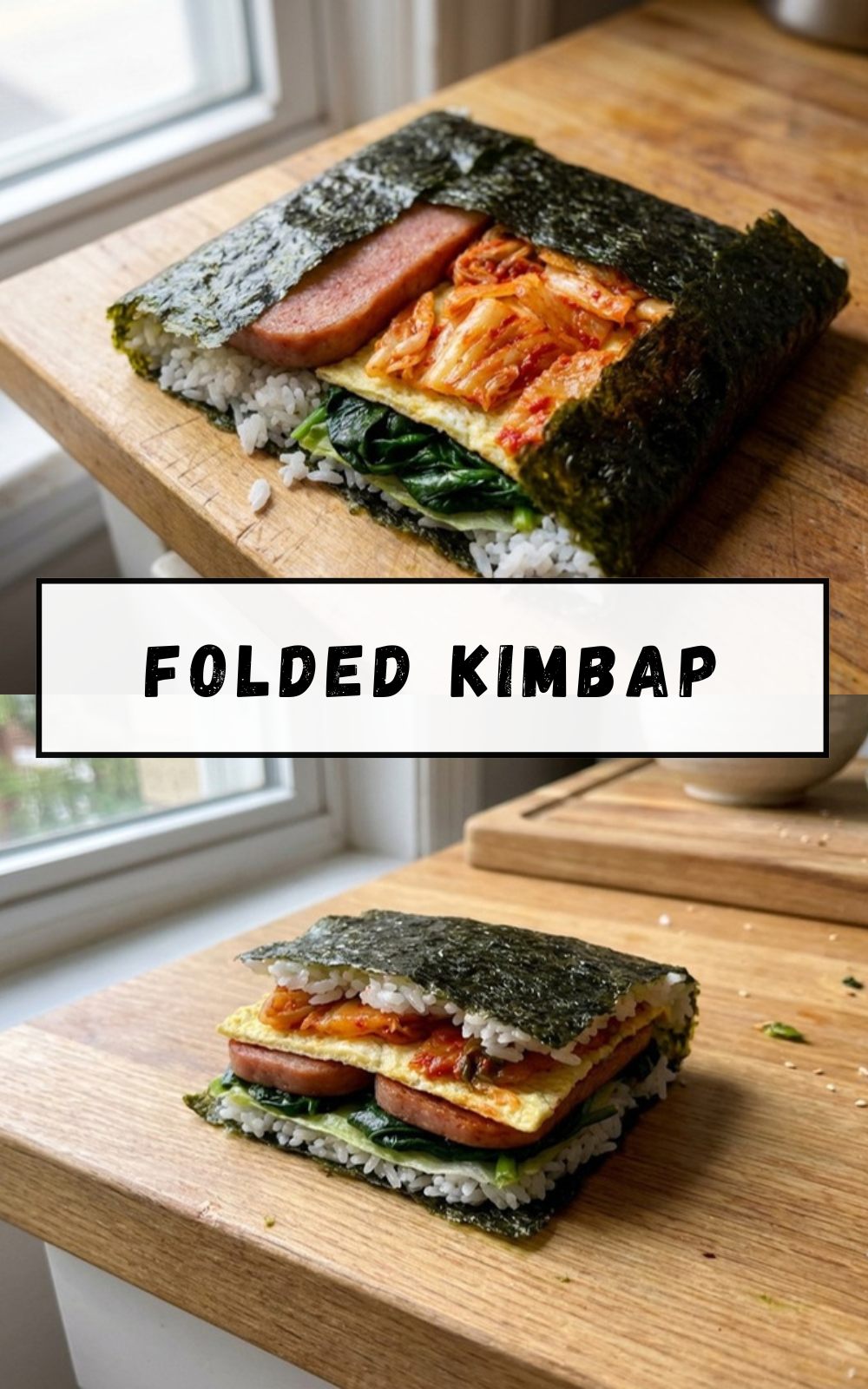
Fourth Step: Set up your station. Place 1 seaweed sheet (gim or nori) shiny side down on a clean cutting board. Using scissors or a knife, cut a slit halfway through the sheet from the short side towards the center. This divides the sheet visually into four quarters.
Fifth Step: Start filling. Spread your seasoned rice evenly over the bottom left quarter of the sheet. Leave a small border around the edges to help the seal hold. This rice quadrant acts as the anchor for your fold.
Sixth Step: Arrange the fillings. Place your proteins, vegetables, and sauces on the remaining quarters. You can be creative here. Put the meat on the top left, veggies on the top right, and a drizzle of sauce on the bottom right. Remember to avoid overloading fillings to make folding and eating easier. You can double up ingredients on each quarter if they are not bulky.
Final Step: Fold it up. Start by folding the bottom left quarter (the one with rice) onto the top left quarter. Press lightly. Then, fold that combined section over to the top right. Finally, fold the entire stack down onto the bottom right quarter. Press lightly and tuck in fillings after each fold. The result should be a neat, compact square. You can eat folded kimbap like a sandwich, so there is no need to cut it.
Dietary Substitutions to Customize Your Folded Kimbap
Customizing your folded kimbap recipe is where the real fun begins. Because the structure is so forgiving, you can experiment with a wide variety of ingredients to suit your palate or use what you have in the fridge.
Protein and Main Component Alternatives
While the recipe suggests luncheon meat or tuna, the options are endless. If you want a healthier take, try using grilled chicken breast or thin slices of beef bulgogi. For a vegetarian option, pan-fried tofu slices or tempeh work wonderfully because they hold their shape well. If you enjoy seafood, imitation crab meat or cooked shrimp make for a delightful filling. You can even check out our tuna salad sandwich recipe for inspiration on how to flavor your tuna before adding it to the seaweed.
Vegetable, Sauce, and Seasoning Modifications
Vegetables add color and crunch. Instead of just cucumber, try using julienned red bell peppers, blananced spinach, or pickled daikon radish for a tangy kick. Avocado slices add creaminess that pairs perfectly with spicy sauces. Speaking of sauces, gochujang is a classic choice, but do not be afraid to mix things up. A drizzle of spicy mayo or a dollop of ssamjang adds depth. If you prefer something milder, a simple mix of soy sauce and a touch of wasabi works great too. To learn more about the nutritional value of ingredients you can add, keep exploring healthy options.
Mastering Folded Kimbap: Advanced Tips and Variations
Once you have made the basic recipe, you can try these pro tips to take your easy kimbap to the next level. These tricks will help you achieve the best texture and flavor every time.
Place small or loose ingredients next to the rice so the sticky rice helps hold them in place. This prevents corn, sesame seeds, or small chopped veggies from falling out when you take a bite.
Pro Cooking Techniques
Always pat dry vegetables before using to ensure the seaweed stays crisp. If your seaweed sheets seem a bit soft, you can lightly toast them over an open flame on your gas stove for a second on each side before using them. This brings out a roasted aroma and improves the texture. Also, make sure your rice is warm when you season it; this helps the sesame oil and salt absorb better.
Flavor Variations
For a spicy kick, mix some chopped kimchi into your rice or use it as a filling. If you like cheese, place a small slice of mozzarella or cheddar on top of the hot protein right before folding to let it melt slightly. You can also make a “breakfast” version by using sausage patties and scrambled eggs instead of the traditional Korean proteins.
Presentation Tips
Serve your folded kimbap immediately while the seaweed is still crispy. If you are packing it for lunch, wrap it tightly in plastic wrap or foil to keep it from drying out or getting squished. You can also cut the large square in half diagonally to show off the beautiful layers of fillings inside, making it look like a fancy savory pastry.
Make-Ahead Options
You can prep all your fillings the night before to save time in the morning. Store the cooked rice, sliced vegetables, and proteins in separate airtight containers in the refrigerator. When you are ready to eat, just assemble and fold. This makes folded kimbap meals an excellent choice for meal prep.
How to Store Folded Kimbap: Best Practices
While folded kimbap is best enjoyed fresh, knowing how to store it properly can help you save leftovers or prepare meals in advance. Because seaweed can absorb moisture and become chewy, proper storage is key to maintaining quality.
Refrigeration: If you must store assembled kimbap, wrap each piece individually in plastic wrap to minimize air exposure. Place them in an airtight container and refrigerate. They are best eaten within 24 hours. The rice will harden slightly in the fridge, so let it come to room temperature before eating.
Freezing: Freezing assembled kimbap is not recommended because the texture of the vegetables and seaweed will degrade significantly. However, you can freeze the seasoned rice and cooked proteins separately for up to a month. Thaw them in the refrigerator overnight before assembling.
Reheating: To refresh refrigerated kimbap, you can microwave it for 10 to 15 seconds. This warms the rice and slightly crisps the seaweed. Be careful not to overheat, or the fillings might become too hot or the seaweed tough.
Meal Prep Considerations: For the best results, prepare the components but assemble the kimbap right before eating. Keep the seaweed sheets in a sealed bag with a desiccant packet to ensure they stay perfectly dry and crisp until you are ready to use them.
FAQs: Frequently Asked Questions About Folded Kimbap
What is folded kimbap?
Folded kimbap is a popular Korean snack that’s a quicker, mess-free version of traditional kimbap rolls. Start with a sheet of roasted seaweed (nori), make a single straight cut from the center to one edge, then add rice and fillings to each of the four quadrants. Fold the first quarter over the second, then that over the third, and finally over the fourth, creating a compact square that’s easy to eat by hand—no knife needed. It’s customizable with leftovers, takes about 10 minutes per roll, and is perfect for bentos or parties. Unlike regular kimbap, which requires rolling and slicing, this method uses simple folds for beginners. Try it with seasoned rice, veggies, and protein for a balanced bite-sized meal. (92 words)
What rice is best for folded kimbap?
Short-grain sushi rice works best for folded kimbap because it sticks well to hold everything together. Season it traditionally with a pinch of salt and a drizzle of sesame oil for authentic flavor—about 1 tsp salt and 1 tbsp oil per 2 cups cooked rice. Use room-temperature or leftover rice; microwave cold leftovers for 30 seconds with a splash of water to soften without drying. Jasmine or medium-grain rice can substitute if sticky, but avoid long-grain like basmati as it crumbles. Prep tip: Spread rice thinly in each quadrant (about 2-3 tbsp per section) to prevent bulkiness during folding. This keeps the texture chewy and prevents sogginess. (104 words)
What are the best fillings for folded kimbap?
Great fillings for folded kimbap include proteins like grilled beef bulgogi, spam, ham, canned tuna, fried egg, or tofu; veggies such as spinach, cucumber slices, carrot matchsticks, avocado, kimchi, or perilla leaves; and sauces like gochujang, ssamjang, mayo, or sriracha. Aim for 1-2 tbsp per quadrant to avoid overflow. Place juicy items like kimchi in the center next to rice for better adhesion, and pat everything dry first. For variety, try vegan with tofu and pickled radish, or cheesy with mozzarella. Common combos: tuna-mayo-cucumber or spam-egg-cheese. These make 200-300 calorie rolls packed with protein and crunch—adjust for dietary needs. (112 words)
How do you fold kimbap without it falling apart?
To fold kimbap neatly, cut a 3-inch slit from the center of one nori edge toward the middle. Divide into four quadrants and add fillings: rice base first, then veggies/proteins in the middle. Fold quadrant 1 over 2, press gently to seal; fold that over 3, tucking edges; finally fold over 4. Use sticky rice to bind loose bits—if it shifts, add a rice “glue” dab. Prevent mess by squeezing liquids from kimchi/cucumber, not overfilling (max 1 tbsp extras per section), and folding on a bamboo mat or parchment for grip. Press the top lightly after folding. Practice once, and it takes under 2 minutes. Store upright to maintain shape. (118 words)
Where to buy seaweed sheets for folded kimbap and how to store them?
Look for “gim” or “yakinori” seaweed sheets at Korean markets, Asian grocery stores, or online via Amazon—thicker, lightly toasted ones (like Hmart or CJ brands) hold fillings best, about $5 for 50 sheets. Avoid thin snack nori. At home, store unopened packs in a cool, dry pantry; opened sheets in an airtight container or zip bag with a paper towel to absorb moisture, lasting 6-12 months. For folded kimbap, use fresh sheets at room temp. Pro tip: Toast lightly over a gas flame if soggy for crispness. Leftover rolls refrigerate up to 2 days in airtight containers, or freeze individually for 1 month—thaw and eat cold or microwave 20 seconds. (114 words)
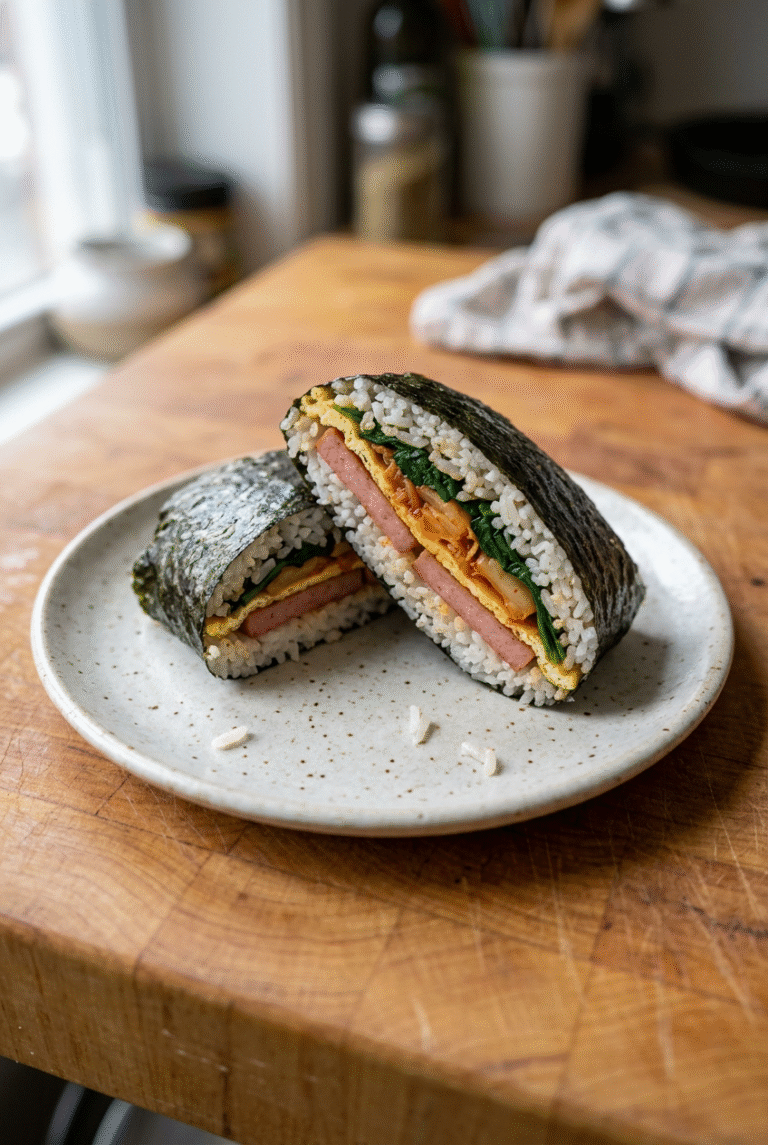
Folded Kimbap
🥢 Skip the rolling hassle with this clever folded kimbap twist—quick assembly for busy days, delivering classic Korean flavors in minutes.
🍱 Endless customization with proteins, veggies, and sauces makes it ideal for leftovers, versatile meals, or fun snacks everyone loves.
- Total Time: 15 minutes
- Yield: 1 serving
Ingredients
– 1/4 cup cooked rice
– 1/4 teaspoon sesame oil
– Salt to taste
– 1/4 teaspoon sesame seeds (optional)
– 1 seaweed sheet (gim or nori)
– 2 thin slices of canned luncheon meat
– 2 tablespoons canned tuna (liquid pressed out)
– 1 fried egg (no runny yolk)
– cheese
– fish cake
– fried tofu
– 1 lettuce leaf
– 2 perilla leaves
– 1/2 small cucumber, thinly sliced or julienned
– 1/2 small carrot, thinly sliced or julienned
– gochujang
– ssamjang
– sriracha
– ketchup
– mayonnaise
Instructions
1-First Step: Prepare your rice base. Take 1/4 cup of warm cooked rice and mix it thoroughly with 1/4 teaspoon of sesame oil and salt to taste. If you like a bit of crunch, add 1/4 teaspoon of sesame seeds. If you are using leftover rice, soften it in the microwave with a splash of water. If you are cooking fresh rice, make it slightly drier by using less water to prevent the seaweed from becoming soggy.
2-Second Step: Cook or warm up your proteins. If you are using canned luncheon meat, pan fry thin slices for 1 to 2 minutes on each side until they are golden and crispy. If you prefer canned tuna, press out all the liquid to keep the final dish dry. For other cooked or processed meats, simply warm them up. If you are making an egg, fry it until the yolk is fully set, as a runny yolk can make the seaweed wet.
3-Third Step: Get your vegetables ready. Clean and dry your lettuce or perilla leaves with a paper towel. Slice, shave, or julienne your cucumber or carrot. It is crucial to squeeze out liquid from any wet ingredients to prevent sogginess and pat dry vegetables before using. If you want more salad ideas to accompany your kimbap, try our cucumber pepper salad for a refreshing side.
4-Fourth Step: Set up your station. Place 1 seaweed sheet (gim or nori) shiny side down on a clean cutting board. Using scissors or a knife, cut a slit halfway through the sheet from the short side towards the center. This divides the sheet visually into four quarters.
5-Fifth Step: Start filling. Spread your seasoned rice evenly over the bottom left quarter of the sheet. Leave a small border around the edges to help the seal hold. This rice quadrant acts as the anchor for your fold.
6-Sixth Step: Arrange the fillings. Place your proteins, vegetables, and sauces on the remaining quarters. You can be creative here. Put the meat on the top left, veggies on the top right, and a drizzle of sauce on the bottom right. Remember to avoid overloading fillings to make folding and eating easier. You can double up ingredients on each quarter if they are not bulky.
7-Final Step: Fold it up. Start by folding the bottom left quarter (the one with rice) onto the top left quarter. Press lightly. Then, fold that combined section over to the top right. Finally, fold the entire stack down onto the bottom right quarter. Press lightly and tuck in fillings after each fold. The result should be a neat, compact square. You can eat folded kimbap like a sandwich, so there is no need to cut it.
Last Step:
Please leave a rating and comment letting us know how you liked this recipe! This helps our business to thrive and continue providing free, high-quality recipes for you.Notes
💧 Always squeeze out liquid from canned tuna or wet ingredients to prevent soggy seaweed.
🧹 Pat all vegetables dry and slice thinly for smooth folding and crisp texture.
⚖️ Avoid overloading quarters—balance fillings so they stay tucked during folds.
- Prep Time: 10 minutes
- Cook Time: 5 minutes
- Category: Snack
- Method: Folding
- Cuisine: Korean
- Diet: Customizable
Nutrition
- Serving Size: 1 folded kimbap
- Calories: 350 kcal
- Sugar: 1g
- Sodium: 700mg
- Fat: 18g
- Saturated Fat: 5g
- Unsaturated Fat: 10g
- Trans Fat: 0g
- Carbohydrates: 35g
- Fiber: 2g
- Protein: 15g
- Cholesterol: 200mg