Why You’ll Love This Creamy Hummus Recipe
If you are looking for a dip that brings people together, this creamy hummus recipe is exactly what you need. Perfect for gatherings, quick snacks, or meal prep, this recipe offers a delightful combination of simplicity, nutrition, and incredible flavor that will impress your family and friends.Key Benefits
Ease of Preparation
Making hummus at home is surprisingly simple and requires minimal effort. With just a few ingredients and a food processor, you can create restaurant-quality hummus in less than 15 minutes. No cooking skills are required, making it accessible to everyone from beginners to experienced home cooks. The process is so straightforward that you will wonder why you ever bought store-bought versions.The secret to restaurant-quality hummus lies in the technique, not just the ingredients. Processing the tahini and lemon juice first creates an emulsion that results in an exceptionally smooth texture.
Health Benefits
This homemade hummus recipe is packed with nutritional goodness. Chickpeas are an excellent source of plant-based protein, fiber, and essential minerals. The addition of tahini provides healthy fats and additional protein, while olive oil contributes heart-healthy monounsaturated fats. Together, these ingredients create a satisfying dip that supports balanced nutrition and sustained energy. According to studies, regular consumption of chickpeas may support digestive health, help maintain stable blood sugar levels, and contribute to heart health.Versatility
One of the greatest strengths of this creamy hummus recipe is its incredible versatility. It serves as a perfect dip for vegetables, pita bread, and crackers, but it can also elevate sandwiches, wraps, and even salad dressings. The recipe is naturally vegan, gluten-free, and can be easily adapted to suit various dietary preferences without compromising on taste or texture. You can serve it as part of a Mediterranean spread, use it as a base for a falafel pita sandwich, or pair it with fresh veggies for a nutritious snack.Distinctive Flavor
What sets this hummus apart is its exceptionally smooth texture and perfectly balanced flavors. The combination of fresh lemon juice, aromatic garlic, nutty tahini, and earthy cumin creates a complex yet harmonious taste profile that surpasses most commercial versions. The secret technique of using ice water and proper blending ensures a silkiness that will make this your go-to hummus recipe. Unlike many store-bought varieties that contain preservatives and excessive sodium, this homemade version allows you to control the ingredients and adjust flavors to your preference.| Nutrient | Amount | % Daily Value* |
|---|---|---|
| Calories | 50 | – |
| Total Fat | 3g | 5% |
| Saturated Fat | 0.5g | 2% |
| Cholesterol | 0mg | 0% |
| Sodium | 110mg | 5% |
| Total Carbohydrate | 4g | 1% |
| Dietary Fiber | 1g | 4% |
| Protein | 2g | – |
*Percent Daily Values are based on a 2,000 calorie diet.
Jump To
- 1. Why You’ll Love This Creamy Hummus Recipe
- 2. Essential Ingredients for Creamy Hummus Recipe
- 3. How to Prepare the Perfect Creamy Hummus Recipe: Step-by-Step Guide
- 4. Dietary Substitutions to Customize Your Creamy Hummus Recipe
- 5. Mastering Creamy Hummus Recipe: Advanced Tips and Variations
- 6. How to Store Creamy Hummus Recipe: Best Practices
- 7. FAQs: Frequently Asked Questions About Creamy Hummus Recipe
- 8. Creamy Hummus Recipe
Essential Ingredients for Creamy Hummus Recipe
Creating the perfect homemade hummus starts with selecting the right ingredients. Each component plays a crucial role in achieving that signature smooth texture and delicious taste. Here is everything you will need:Main Ingredients
- 1 can (15 oz) chickpeas, drained and rinsed
- ¼ cup tahini (smooth variety recommended)
- Juice of 1 large lemon (approximately 3 tablespoons)
- 1-2 garlic cloves, peeled
- 2-3 tablespoons aquafaba (liquid from canned chickpeas)
- 2 tablespoons extra-virgin olive oil
- ½ teaspoon ground cumin
- ½ teaspoon salt
- 1-2 tablespoons ice water (for extra creaminess)
- Optional garnish: Paprika and additional olive oil
Special Dietary Options
Vegan
This recipe is naturally vegan as written. Ensure your tahini does not contain any honey or dairy-based additives. For those following a strict plant-based diet, this creamy hummus recipe provides an excellent source of protein without any animal products.Gluten-Free
All ingredients in this recipe are naturally gluten-free. When serving, choose gluten-free crackers or vegetables instead of wheat-based pita bread to accommodate those with gluten sensitivities or celiac disease.Low-Calorie
To reduce calories, decrease the olive oil to 1 tablespoon and rely more on aquafaba for creaminess. You can also increase the lemon juice for flavor without adding significant calories. This modification makes the hummus suitable for weight management while still maintaining its delicious taste.How to Prepare the Perfect Creamy Hummus Recipe: Step-by-Step Guide
First Step: Prepare Your Chickpeas
Begin by draining the chickpeas from the can and rinsing them thoroughly under cold water to remove any canning liquids. For the smoothest possible texture, you have two options: either peel the skins off the chickpeas by gently pinching them between your fingers, or boil the drained chickpeas in water for about 10 minutes until very soft. The peeling method takes more time but yields the silkiest results. If you are short on time, the boiling method helps soften the skins enough that they will blend seamlessly into your hummus. Once prepared, set the chickpeas aside while you prepare the other ingredients. This preparation step, while seemingly tedious, makes a significant difference in the final texture of your homemade hummus.Second Step: Prepare the Flavor Base
In your food processor, combine the tahini and lemon juice. Process this mixture for about 1 minute until it becomes thick and creamy. This step is crucial because it breaks down the tahini’s structure, which will help create a smoother final texture. Scrape down the sides of the bowl, then add the garlic, salt, and cumin. Process again for another 30 seconds until the garlic is well incorporated and the mixture appears pale and whipped. The garlic should be completely minced and distributed throughout the tahini mixture at this point. If you prefer a milder garlic flavor, you can roast the garlic cloves before adding them, which will impart a sweeter, less pungent taste to your hummus.Third Step: Incorporate Liquids
With the food processor running, slowly drizzle in the olive oil. Continue processing until the oil is fully emulsified into the mixture. Then, add 2 tablespoons of aquafaba (the liquid from the chickpea can) and process for another minute. The mixture should become very smooth and slightly fluffy. At this point, you can add 1-2 tablespoons of ice water to help create an even creamier texture. The ice-cold temperature helps prevent the tahini from seizing and contributes to a lighter, airier consistency. This combination of aquafaba and ice water is the secret to achieving that velvety smooth texture found in restaurant-quality hummus. The aquafaba acts similarly to egg whites in baking, adding structure and fluffiness without altering the flavor.Fourth Step: Add the Chickpeas
Now it is time to add the star ingredient. With the food processor running, add the prepared chickpeas gradually, about one-third at a time. This gradual addition helps ensure even processing and prevents the motor from working too hard. Process for 3-5 minutes, stopping occasionally to scrape down the sides of the bowl. You will notice the mixture becoming smoother and creamier with each passing minute. Do not rush this step the longer you process, the smoother your hummus will become. The goal is to break down the chickpeas completely until no texture remains, creating a perfectly uniform dip.Patience during the blending process is the key difference between homemade hummus and the commercial versions. The extra minutes of processing transform the texture from grainy to silky smooth.
Final Step: Adjust Seasoning and Serve
Taste your hummus and adjust the seasoning as needed. You might want to add more salt for depth, extra lemon juice for brightness, or another pinch of cumin for warmth. If the texture is too thick, add a little more ice water or aquafaba, one tablespoon at a time, until you reach your desired consistency. Transfer the hummus to a serving bowl and create a small well in the center. Drizzle generously with olive oil and sprinkle with paprika for a classic presentation. Serve immediately with fresh vegetables, warm pita bread, or crackers. This creamy hummus also makes an excellent spread for sandwiches, particularly in a chicken shawarma wrap, where it adds moisture and flavor that complements the seasoned meat perfectly.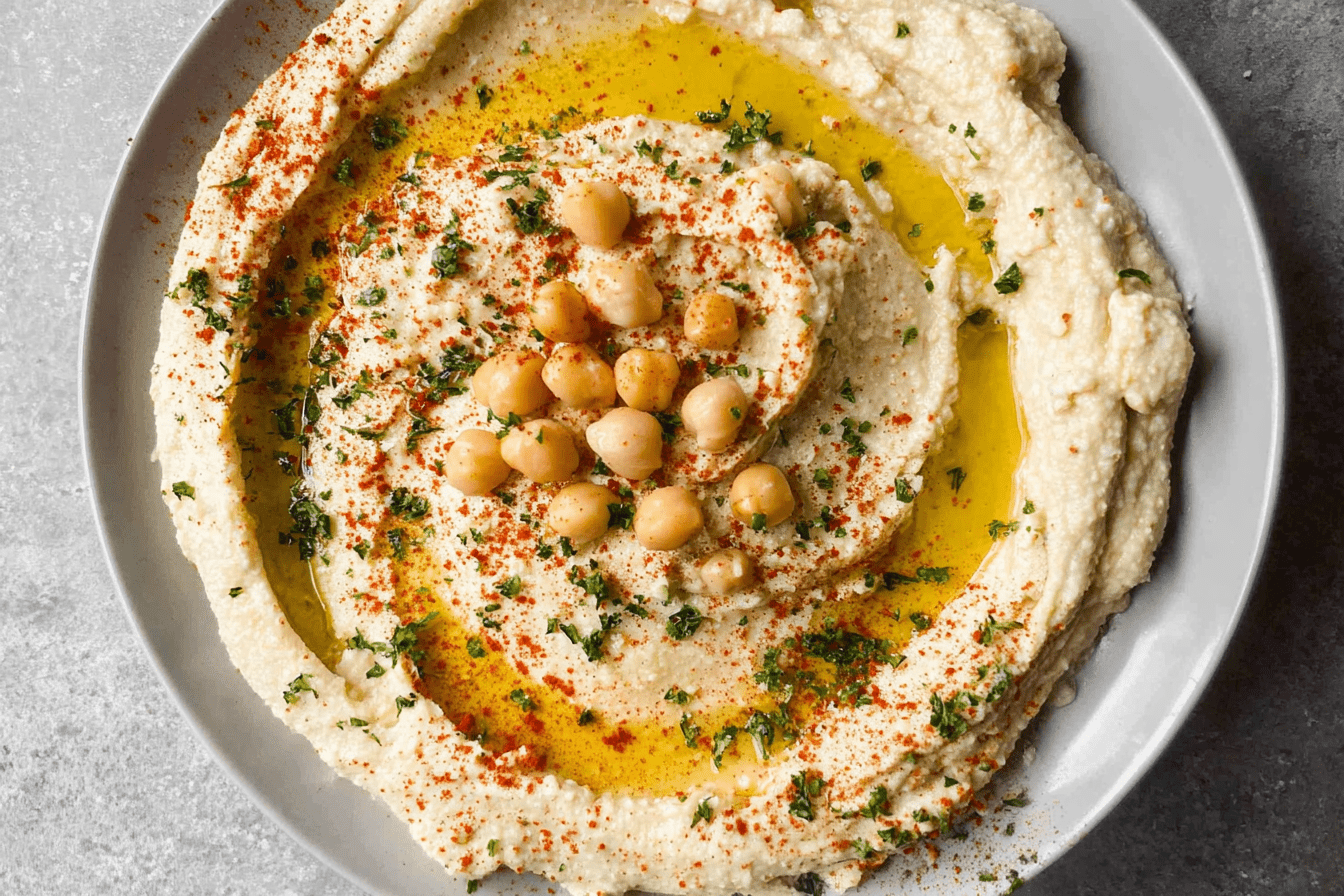
Dietary Substitutions to Customize Your Creamy Hummus Recipe
Protein and Main Component Alternatives
While chickpeas are the traditional base for hummus, you can experiment with other legumes for different nutritional profiles and flavors. White beans, such as cannellini or great northern beans, make for an exceptionally smooth, mild alternative to chickpeas. They require slightly less processing time as they have naturally softer skins. For a higher protein option, you can blend in silken tofu, which adds creaminess without altering the flavor significantly. Edamame (soybeans) creates a vibrant green hummus with a nuttier flavor profile and increased protein content. If you are following a specific dietary protocol, black beans work well for a southwestern twist, while green peas offer a spring variation with natural sweetness. These substitutions not only provide variety but also allow you to customize the nutritional content based on your specific health goals or dietary restrictions.Vegetable, Sauce, and Seasoning Modifications
The beauty of hummus lies in its adaptability to various flavor profiles. Roasted red peppers add sweetness and a beautiful orange hue, while roasted garlic mellows the sharpness of fresh garlic for a deeper, savory flavor. Sun-dried tomatoes contribute an intense umami taste, perfect for Mediterranean-inspired dishes. For a spicy kick, incorporate harissa paste or Sriracha, varying the amount based on your heat tolerance. Fresh herbs like basil, cilantro, or dill can transform the dish entirely. Basil makes for a refreshing pesto-like version, while cilantro adds brightness that pairs exceptionally well with lime juice instead of lemon. Spice enthusiasts might enjoy adding smoked paprika for depth, za’atar for a Middle Eastern flair, or curry powder for an Indian-inspired variation. These modifications allow you to create signature hummus varieties that reflect your personal taste preferences or complement specific meals and occasions.Mastering Creamy Hummus Recipe: Advanced Tips and Variations
Pro Cooking Techniques
For the smoothest possible hummus, temperature control is essential. Start with cold ingredients, particularly chilled chickpeas and ice water, which helps prevent the mixture from separating or becoming gummy. When processing, allow your food processor to run for several minutes longer than you might think necessary. Most home cooks stop too early, but the extended blending time is what breaks down the chickpeas completely for that luxurious texture. Another professional technique is to use a high-speed blender rather than a food processor for the final minute. The blade design of blenders can achieve an even finer consistency than most processors. Additionally, consider reserving some of the chickpeas to use as a garnish simply toss them with olive oil and spices, then roast until crispy for a delightful texture contrast atop your smooth hummus.Flavor Variations
Once you have mastered the classic recipe, try these creative variations. Lemony herbed hummus incorporates additional lemon zest and fresh herbs like parsley or chives for a bright, spring-like flavor. Mediterranean olive hummus features kalamata olives and oregano for a briny, savory profile. Sweet and spicy hummus balances the heat of cayenne pepper with a touch of maple syrup or pomegranate molasses. For an earthy version, try adding roasted beetroot, which also creates a stunning magenta color. Nut-free alternatives use sunflower seed butter instead of tahini for those with allergies while maintaining a similar texture and nutritional profile. Each variation starts with the same base technique, allowing you to explore different flavor combinations while maintaining that signature smooth texture.Presentation Tips
The way you serve your hummus can transform it from a simple dip to an impressive appetizer. After transferring to a serving bowl, use the back of a spoon to create swirls in the surface, then fill those grooves with olive oil. This creates an attractive pattern while allowing the olive oil to flavor every bite. Garnish thoughtfully with ingredients that hint at the flavors within pine nuts and fresh herbs for traditional versions, crumbled feta and olives for Mediterranean variations, or toasted sesame seeds and sumac for Middle Eastern-inspired presentations. Serve in a shallow bowl rather than a deep one to make garnishing easier and provide more surface area for drizzling. For entertaining, consider creating a hummus board with multiple flavor variations, each beautifully garnished and surrounded by an assortment of dippers such as warm pita triangles, colorful vegetable crudités, and olives.Make-Ahead Options
Hummus actually benefits from resting, as the flavors have time to meld and develop. You can prepare this recipe up to three days in advance, storing it in an airtight container in the refrigerator. For best results, bring the hummus to room temperature before serving, which softens the texture and releases the aromatic flavors of garlic and spices. If you are meal prepping, consider making a double batch and portioning into smaller containers for easy grab-and-go snacks throughout the week. For longer storage, hummus freezes exceptionally well for up to three months. Portion into freezer-safe bags with all air removed, then thaw overnight in the refrigerator before use. This make-ahead capability makes hummus an ideal choice for busy individuals who want to maintain healthy eating habits without daily cooking.How to Store Creamy Hummus Recipe: Best Practices
Refrigeration
Store your homemade hummus in an airtight container in the refrigerator for optimal freshness. It will typically last 4-5 days when properly stored. To prevent the surface from drying out or oxidizing, smooth the top and add a thin layer of olive oil before covering. This creates a seal that preserves freshness and color. When ready to serve, you may notice some separation, which is natural. Simply stir the hummus to reincorporate any liquids that have separated. For the best flavor and texture, allow refrigerated hummus to sit at room temperature for 15-20 minutes before serving. This resting period allows the olive oil to soften and the flavors to become more pronounced, enhancing the overall eating experience.Freezing
For long-term storage, freezing is an excellent option. Portion the hummus into freezer-safe bags or containers, leaving some space at the top as it will expand slightly when frozen. Remove as much air as possible from bags to prevent freezer burn. Label containers with the date so you can track freshness. Frozen hummus will maintain optimal quality for up to three months. When you are ready to use it, transfer the container to the refrigerator and let it thaw overnight. Once thawed, give it a good stir as some separation may occur. If the texture seems slightly grainy after thawing, give it a quick pulse in the food processor to restore creaminess. This freezing method ensures you always have homemade hummus on hand, ready to serve with minimal preparation.Reheating
While hummus is typically served cold or at room temperature, you might enjoy it warm for a comforting variation. To gently warm, transfer to a microwave-safe bowl and heat in 15-second intervals, stirring between each, until just warmed through. Alternatively, warm it in a small saucepan over low heat, stirring constantly to prevent sticking. Be careful not to overheat, as this can cause the texture to become oily or separated. Warm hummus is particularly delicious when served with freshly baked pita bread or as a sauce over roasted vegetables. The warmth enhances the nutty flavor of the tahini and creates a cozy, satisfying dish perfect for cooler weather.Meal Prep Considerations
Incorporating this creamy hummus into your meal prep routine can simplify your weekly planning. Prepare a batch on Sunday to use throughout the week for snacks, lunchbox additions, or easy dinner components. Pair it with pre-cut vegetables for grab-and-go snacks, or use it as a spread in wraps and sandwiches. Consider making different flavor variations to keep things interesting throughout the week. Store each variation in a separate, clearly labeled container. Hummus is an excellent protein source that can help make lighter meals feel more substantial, making it a valuable addition to your healthy eating plan. Planning ahead with hummus preparation saves time and ensures you always have a nutritious option available when hunger strikes.
FAQs: Frequently Asked Questions About Creamy Hummus Recipe
How do I make creamy hummus at home?
To make creamy hummus, start with 1 can (15 oz) of chickpeas, drained and rinsed. For extra smoothness, peel the chickpeas by gently pinching off the skins or boil them for 10 minutes first. In a food processor, blend ¼ cup tahini, juice of 1 lemon, 1-2 garlic cloves, 2-3 tbsp aquafaba (chickpea liquid), 2 tbsp olive oil, ½ tsp cumin, and salt to taste. Add chickpeas gradually and process until ultra-smooth, scraping sides as needed—about 3-5 minutes. If too thick, add 1-2 tbsp ice water or more aquafaba. Taste and adjust seasoning. Transfer to a bowl, drizzle with olive oil, and sprinkle paprika. This yields 2 cups and takes 15 minutes. Store in fridge up to 5 days. Serve with pita, veggies, or as a sandwich spread for a restaurant-quality dip. (98 words)
What ingredients do I need for a basic creamy hummus recipe?
A simple creamy hummus requires: 1 (15 oz) can chickpeas (rinsed, skins optional for silkiness), ¼ cup tahini (smooth, not chunky), juice of 1 large lemon (about 3 tbsp), 1-2 garlic cloves (minced), 2 tbsp extra-virgin olive oil, ½ tsp ground cumin, ½ tsp salt, and 2-4 tbsp aquafaba or cold water for blending. Optional: 1 tbsp ice cubes for even creamier texture. These pantry staples create 2 cups of dip. Use high-quality tahini like Joyva or Soom for best flavor. No cooking needed beyond optional chickpea boiling. Blend in a food processor until velvety—key to creaminess. Customize with roasted garlic or smoked paprika post-blending. Perfect for beginners yielding pro results. (112 words)
How can I make hummus extra creamy?
For ultra-creamy hummus, peel chickpeas after rinsing—roll them in a towel to remove skins easily, or simmer 20 minutes and slip off. Use aquafaba from the can instead of water; it whips air in like meringue. Blend with ice-cold water or cubes to prevent warming and seizing. High-power blending (food processor or Vitamix) for 4-5 minutes straight, scraping often, breaks down fibers. Start with tahini and liquids, then add chickpeas last. Ratio tip: 1 part tahini to 2 parts chickpeas. Rest blended hummus 30 minutes in fridge for flavors to meld and texture to firm yet stay smooth. Avoid over-seasoning initially—taste after chilling. This method rivals store-bought like Sabra. (104 words)
Can I make creamy hummus without tahini?
Yes, tahini-free creamy hummus works using Greek yogurt or white beans as substitutes. Blend 1 can chickpeas (peeled for smoothness), ¼ cup plain Greek yogurt (full-fat for richness), juice of 1 lemon, 2 garlic cloves, 2 tbsp olive oil, ½ tsp cumin, salt, and 2-3 tbsp aquafaba. Process 4 minutes until silky. For nut-free vegan option, use 2 tbsp cashew butter or soaked cashews, blended smooth first. Add 1 tbsp neutral oil like avocado for sheen. Greek yogurt version mimics traditional creaminess with tang; test small batch. Yields 2 cups, lasts 4 days refrigerated. Great for allergies—serve with crudités or falafel. Texture holds without separation if blended cold. (108 words)
How long does homemade creamy hummus last in the fridge?
Homemade creamy hummus stays fresh 4-5 days in an airtight container in the fridge. Drizzle top with olive oil to seal and prevent drying or oxidation—colors stay vibrant. Freezes well up to 3 months in portions; thaw overnight in fridge and stir well, as separation may occur (re-blend if needed). Signs it’s bad: sour smell, mold, or watery texture. For longer life, use fresh lemon juice and garlic. Pro tip: portion into small freezer bags flat for quick thawing. Safety first—discard if in doubt. Enjoy daily with veggies, crackers, or in wraps. One batch (2 cups) covers snacks all week safely. (96 words)
Creamy Hummus Recipe
🥙🥬 Ultra-creamy best hummus blends chickpeas, tahini, garlic, and lemon for silky smooth dip rivaling restaurants!
🌿 Quick 5-minute vegan protein powerhouse perfect for veggies, crackers, wraps, or mezze platters anytime.
- Total Time: 10 minutes
- Yield: 6 servings
Ingredients
– 1 can (15 oz) chickpeas, drained and rinsed
– ¼ cup tahini (smooth variety recommended)
– Juice of 1 large lemon (approximately 3 tablespoons)
– 1-2 garlic cloves, peeled
– 2-3 tablespoons aquafaba (liquid from canned chickpeas)
– 2 tablespoons extra-virgin olive oil
– ½ teaspoon ground cumin
– ½ teaspoon salt
– 1-2 tablespoons ice water (for extra creaminess)
– Paprika (optional garnish)
– additional olive oil (optional garnish)
Instructions
1-First Step: Prepare Your Chickpeas Begin by draining the chickpeas from the can and rinsing them thoroughly under cold water to remove any canning liquids. For the smoothest possible texture, you have two options: either peel the skins off the chickpeas by gently pinching them between your fingers, or boil the drained chickpeas in water for about 10 minutes until very soft. The peeling method takes more time but yields the silkiest results. If you are short on time, the boiling method helps soften the skins enough that they will blend seamlessly into your hummus. Once prepared, set the chickpeas aside while you prepare the other ingredients. This preparation step, while seemingly tedious, makes a significant difference in the final texture of your homemade hummus.
2-Second Step: Prepare the Flavor Base In your food processor, combine the tahini and lemon juice. Process this mixture for about 1 minute until it becomes thick and creamy. This step is crucial because it breaks down the tahini’s structure, which will help create a smoother final texture. Scrape down the sides of the bowl, then add the garlic, salt, and cumin. Process again for another 30 seconds until the garlic is well incorporated and the mixture appears pale and whipped. The garlic should be completely minced and distributed throughout the tahini mixture at this point. If you prefer a milder garlic flavor, you can roast the garlic cloves before adding them, which will impart a sweeter, less pungent taste to your hummus.
3-Third Step: Incorporate Liquids With the food processor running, slowly drizzle in the olive oil. Continue processing until the oil is fully emulsified into the mixture. Then, add 2 tablespoons of aquafaba (the liquid from the chickpea can) and process for another minute. The mixture should become very smooth and slightly fluffy. At this point, you can add 1-2 tablespoons of ice water to help create an even creamier texture. The ice-cold temperature helps prevent the tahini from seizing and contributes to a lighter, airier consistency. This combination of aquafaba and ice water is the secret to achieving that velvety smooth texture found in restaurant-quality hummus. The aquafaba acts similarly to egg whites in baking, adding structure and fluffiness without altering the flavor.
4-Fourth Step: Add the Chickpeas Now it is time to add the star ingredient. With the food processor running, add the prepared chickpeas gradually, about one-third at a time. This gradual addition helps ensure even processing and prevents the motor from working too hard. Process for 3-5 minutes, stopping occasionally to scrape down the sides of the bowl. You will notice the mixture becoming smoother and creamier with each passing minute. Do not rush this step the longer you process, the smoother your hummus will become. The goal is to break down the chickpeas completely until no texture remains, creating a perfectly uniform dip. Patience during the blending process is the key difference between homemade hummus and the commercial versions. The extra minutes of processing transform the texture from grainy to silky smooth.
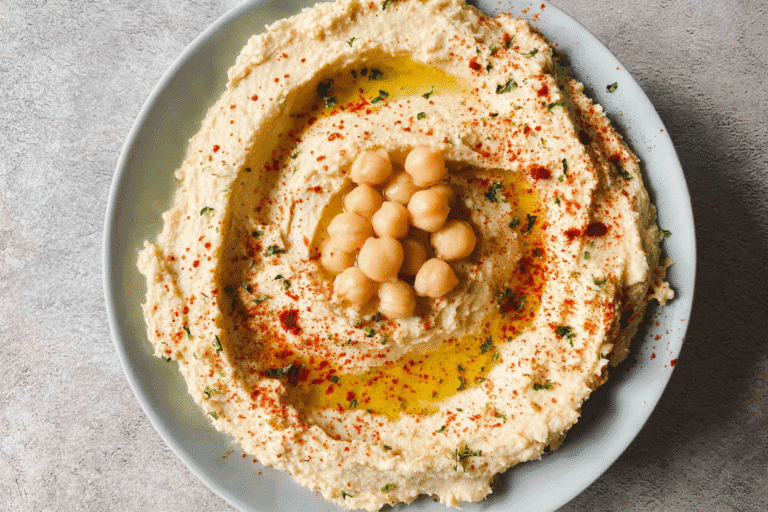
5-Final Step: Adjust Seasoning and Serve Taste your hummus and adjust the seasoning as needed. You might want to add more salt for depth, extra lemon juice for brightness, or another pinch of cumin for warmth. If the texture is too thick, add a little more ice water or aquafaba, one tablespoon at a time, until you reach your desired consistency. Transfer the hummus to a serving bowl and create a small well in the center. Drizzle generously with olive oil and sprinkle with paprika for a classic presentation. Serve immediately with fresh vegetables, warm pita bread, or crackers. This creamy hummus also makes an excellent spread for sandwiches, particularly in a chicken shawarma wrap, where it adds moisture and flavor that complements the seasoned meat perfectly.
Last Step:
Please leave a rating and comment letting us know how you liked this recipe! This helps our business to thrive and continue providing free, high-quality recipes for you.Notes
🫘 Peel chickpeas (pop skins off) for smoothest texture.
🧄 Start with 1 garlic clove; add more to taste as raw garlic mellows when blended.
❄️ Aquafaba (chickpea liquid) makes fluffier hummus than plain water.
- Prep Time: 10 minutes
- Category: Appetizer
- Method: No Cook
- Cuisine: Middle Eastern
- Diet: Vegan, Vegetarian, Gluten Free
Nutrition
- Serving Size: ¼ cup
- Calories: 150 kcal
- Sugar: 1g
- Sodium: 200mg
- Fat: 12g
- Saturated Fat: 2g
- Unsaturated Fat: 9g
- Trans Fat: 0g
- Carbohydrates: 9g
- Fiber: 2g
- Protein: 4g
- Cholesterol: 0mg