Biko Recipe (Easy Filipino Sticky Rice Cake)
If you have ever walked into a Filipino party and spotted a round bamboo tray lined with banana leaves, you already know what is waiting inside. Biko is that sweet, chewy rice cake, and it is usually the first thing to vanish from the table.
I still remember the first time I tried it. A family friend named Tita Rosa brought one to a summer cookout, cut it into fat diamonds, and set it down next to the grilled meat. Everyone ignored the grill.

The rice was sticky and rich, deeply coconutty, and the top had a thin caramelized glaze that cracked just a little when I bit in. I went home with the recipe scribbled on the back of an envelope.
This easy biko recipe gives you that same result without any fuss. You cook glutinous rice in coconut milk and dark brown sugar, spread it into a baking dish, pour a caramel topping over the top, and bake it until the surface turns golden and slightly crispy.

Prep takes about 20 minutes, the oven does the rest in about an hour, and the rice soaks overnight before that. One 9×13 inch pan gives you about 20 squares.
Fair warning. Make extra. I have never once seen biko leftovers make it to the next morning.
Jump To
What Is Biko?
Biko, pronounced BEE koh, is a Filipino rice cake and one of the best loved types of kakanin. Kakanin is the broad family of traditional Filipino sweets and snacks built mainly from glutinous rice and coconut milk, and biko sits right at the center of it.
You will find it at birthdays, fiestas, holidays, and family gatherings. It is not a dainty dessert. It is a shared one, made in a big pan and cut into pieces so a crowd can dig in at once.
The name is said to come from a Hokkien Chinese term for sweetened, cake shaped glutinous rice, which makes sense once you remember how much Chinese cooking history runs through Filipino food.
Traditionally, biko is served on a bilao, a round shallow bamboo tray lined with banana leaves. The leaves do more than look pretty. They add a soft floral aroma that sneaks into the warm rice, and serving it that way makes the whole table smell like a celebration.
That is the part I love most about it. Biko is never a solo dessert. It shows up when people gather, and it disappears in the middle of the conversation.
Ingredients You’ll Need
Full measurements live in the recipe card, but here is what each ingredient is doing for you and where you can afford to be flexible.
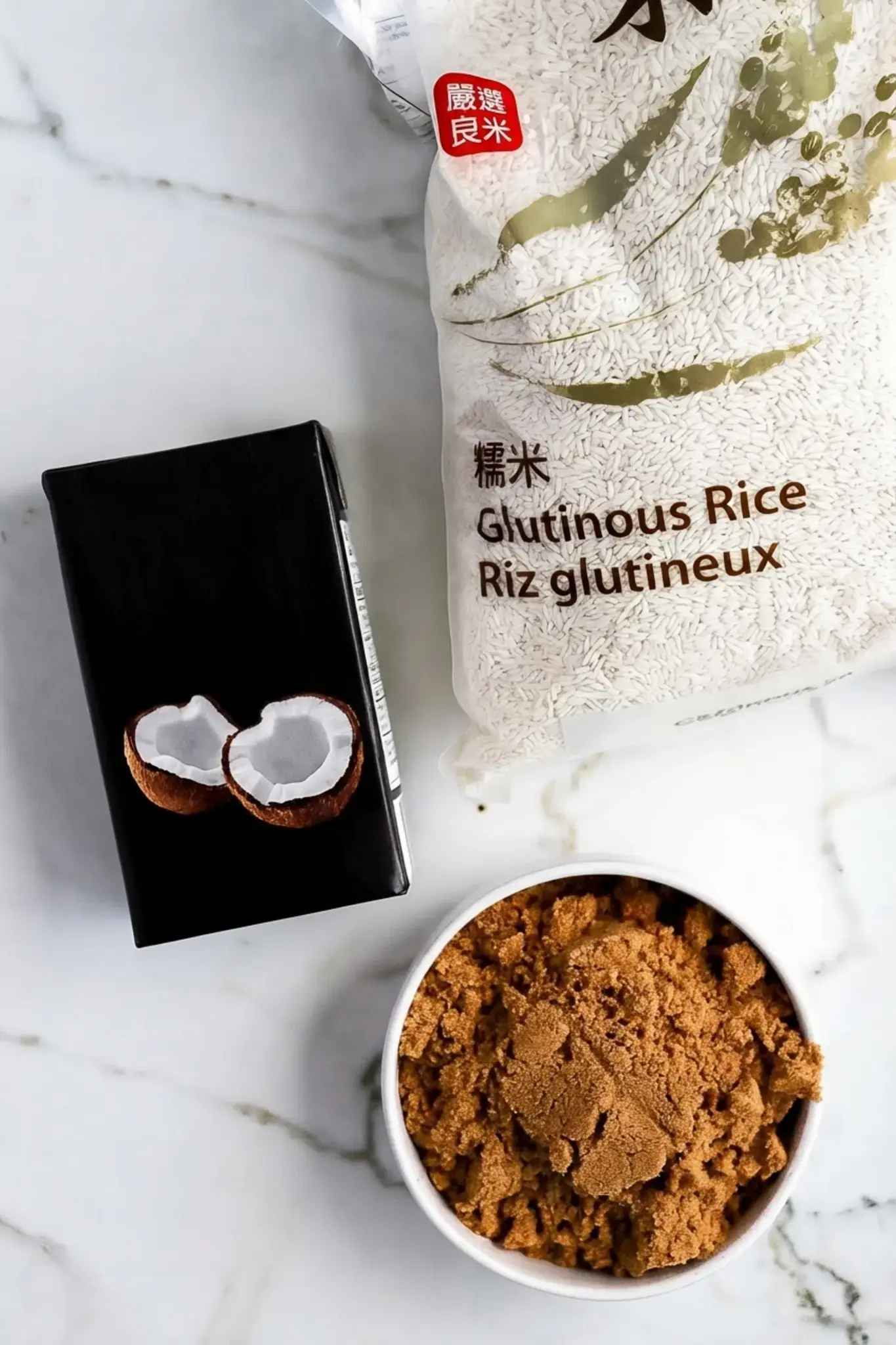
- Glutinous rice, 4 cups. Also sold as malagkit, sticky rice, or sweet rice. This one is not negotiable. Jasmine, long grain, or regular rice will not give you the chewy, sticky texture biko needs, because the starch behaves completely differently. Look for it at Asian grocery stores, and soak it in water overnight for the best texture.
- Full fat coconut milk, 5 cups, divided. Use the canned kind, not the carton version meant for cereal. Shake the can well before opening so the cream and the liquid come back together. Some traditional cooks reach for coconut cream instead for a richer result, and either one works here.
- Water, 1 1/2 cups. This thins the coconut milk just enough so the rice cooks evenly without turning heavy.
- Dark brown sugar, 2 1/2 cups, divided. This is where the deep caramel color and flavor come from. Its molasses content is the whole point. Light brown sugar works if that is what you have, but the result will be paler and less rich. Please skip white sugar. You lose the flavor profile that makes biko taste like biko.
- Salt, 1/2 tsp. A small amount, but essential. It balances the sweetness and makes every other flavor pop.
That is the entire list. No gelatin, no specialty equipment, just a large pot, a small sauce pot, and a 9×13 inch baking dish.
How to Make Biko
Here is the full method, start to finish.
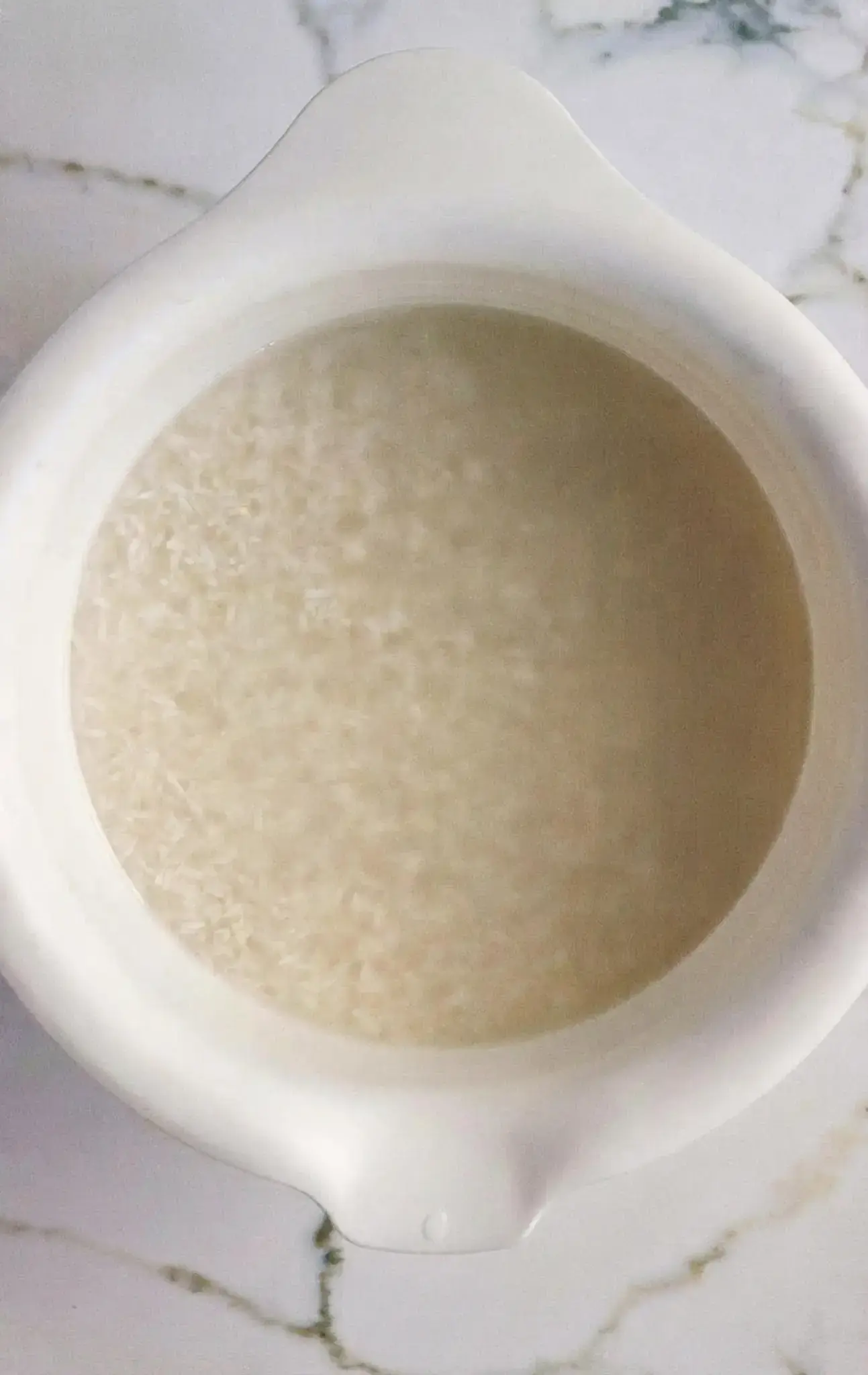
- Soak the rice. Start by soaking the glutinous rice in water overnight. This is what gives you that perfectly sticky texture. After the rice has finished soaking, drain and rinse it well.
- Cook the rice in coconut milk. Set aside 3/4 cup of the coconut milk for later. Add the remaining coconut milk and the water to a large pot. Bring the liquid to a gentle boil, then add the soaked rice. Reduce to medium heat and let it simmer until the rice is cooked and has absorbed most of the liquid, about 6 to 8 minutes.
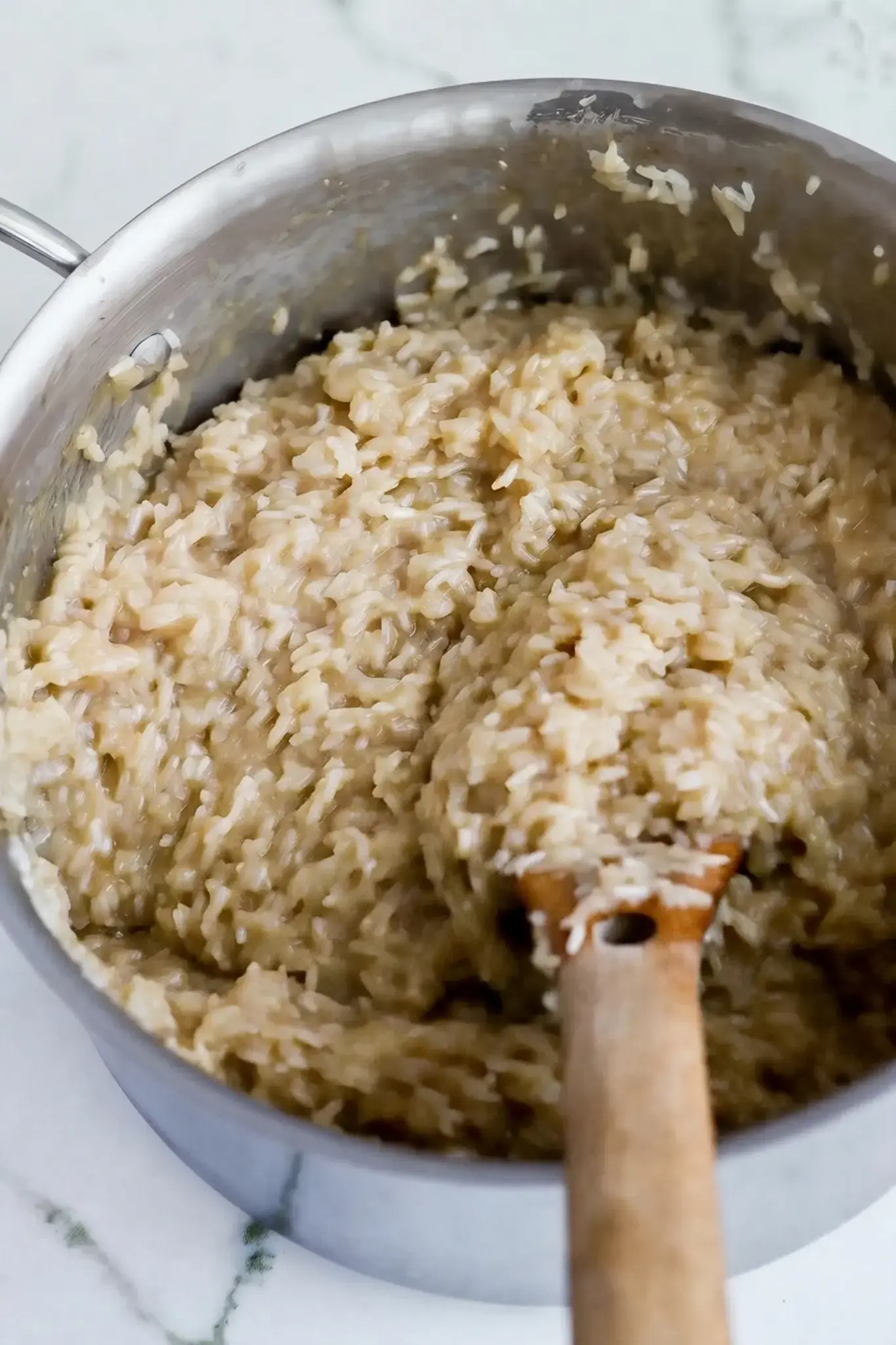
- Add the sweetness. Once the rice is cooked, reduce the heat to medium low. Stir in 1 1/2 cups of the brown sugar and all of the salt until fully dissolved. Cook for another 4 to 7 minutes, stirring constantly, until the mixture is very thick and sticky. Taste a little to make sure the rice is cooked through.
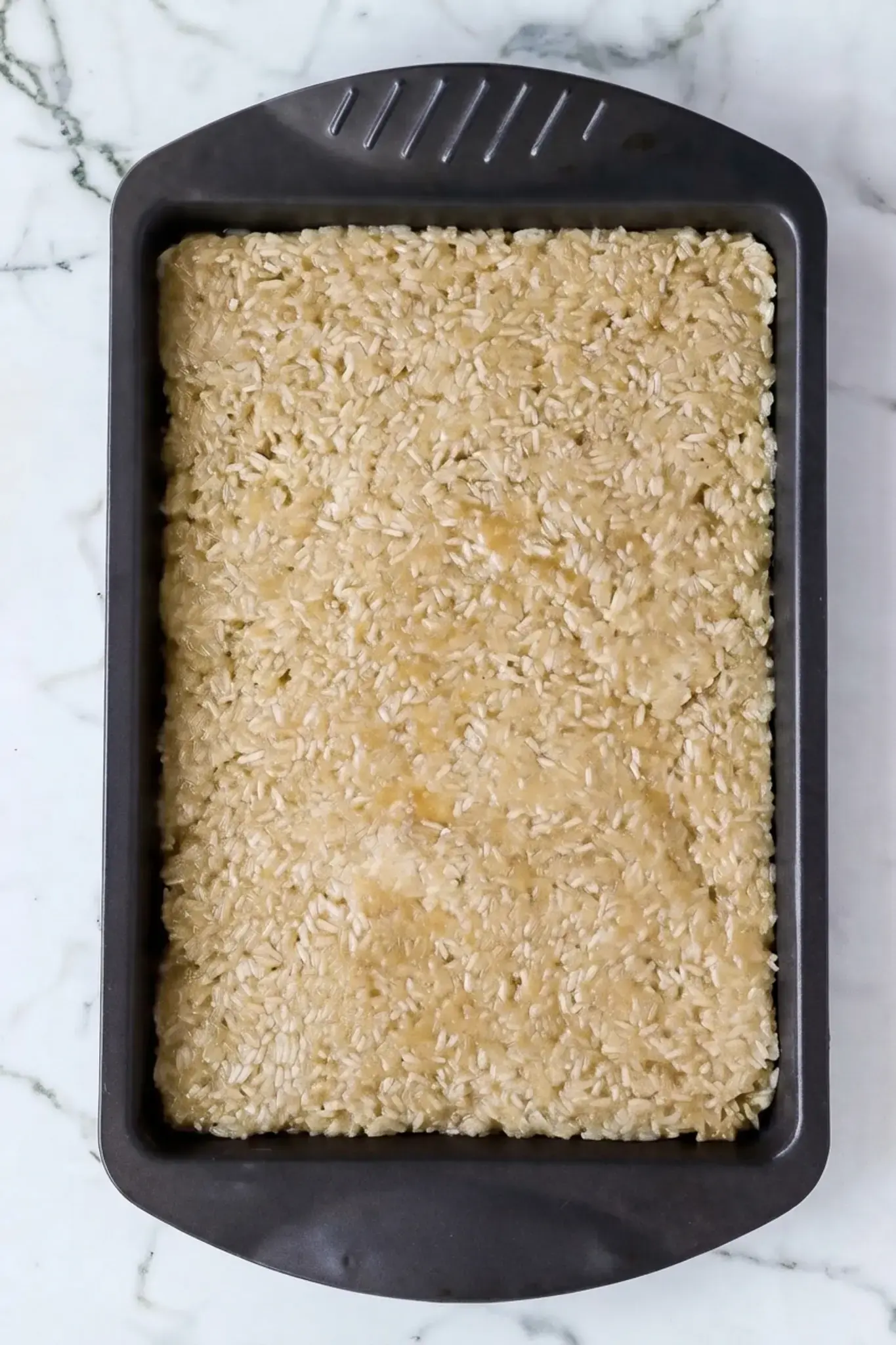
- Get it into the pan. Preheat the oven to 350 degrees F. Transfer the sweetened rice mixture to a greased 9×13 inch baking dish and spread it out evenly.
- Make the caramel topping and bake. In a small sauce pot, combine the reserved 3/4 cup coconut milk with the remaining 1 cup brown sugar. Bring it to a boil until the mixture thickens slightly and the sugar is fully dissolved. Remove from heat and let it cool for 5 minutes, then pour it over the rice. Bake until the top is golden brown and slightly crispy, about 60 to 65 minutes.
- Cool and cut. Once cooled, cut the biko into squares or diamonds and serve.
A quick note on that topping. It is a simple caramel of coconut milk and brown sugar, and it is the part that turns glossy and crisp in the oven. Do not rush the 5 minute cool down before pouring it over the rice.
For a quick look at what you are working with, here is the source nutrition per serving.
| Nutrient | Per serving |
|---|---|
| Calories | 232 kcal |
| Carbohydrates | 31 g |
| Protein | 2 g |
| Fat | 12 g |
| Saturated fat | 11 g |
| Sugar | 22 g |
| Sodium | 74 mg |
Tips and Tricks For Best Results
A few small habits separate good biko from great biko.
- Do not walk away once the sugar goes in. During step 3, the mixture can burn fast. Stay at the pot and keep a wooden spoon or a heat proof spatula moving the whole time.
- Fold, do not stir hard. When you combine the latik topping with the rice, use a gentle lifting and folding motion. Aggressive stirring breaks the grains and turns your biko into paste instead of chewy whole grains.
- Know when the rice is done. In step 2, the rice is ready when it looks translucent, most of the liquid is absorbed, and a grain pressed between your fingers is soft on the outside with a tiny firm center. If it is fully soft all the way through, it will go mushy in the oven.
- Grease the dish well. A properly greased pan means clean edges and easy squares when it is time to cut. Trust me, you will appreciate it later.
The single biggest biko mistake is rushing the rice. Give it the overnight soak and the full simmer, and the texture takes care of itself.
Variations
Once you have the base down, biko is easy to play with.
- Ube biko. Add ube extract or mashed purple yam during step 4. You get a violet color and an earthy, vanilla like flavor that people go wild for.
- Pandan biko. Add 2 to 3 pandan leaves to the coconut milk while the rice cooks, then remove them before combining. The aroma is sweet and grassy, and it pairs beautifully with the caramel top.
- Jackfruit biko. Fold 1/2 cup of sweet jackfruit, also called langka, into the mixture during step 4 for a tropical sweetness that cuts through the sugar.
- Crispy latik topping. Simmer coconut cream over medium heat until the liquid evaporates and golden brown curds form. Strain them and sprinkle over cooled biko for crunch and a toasted coconut flavor.
Storage. Keep cooled biko in an airtight container in the refrigerator for up to 4 days. It firms up noticeably when cold, which is completely normal.
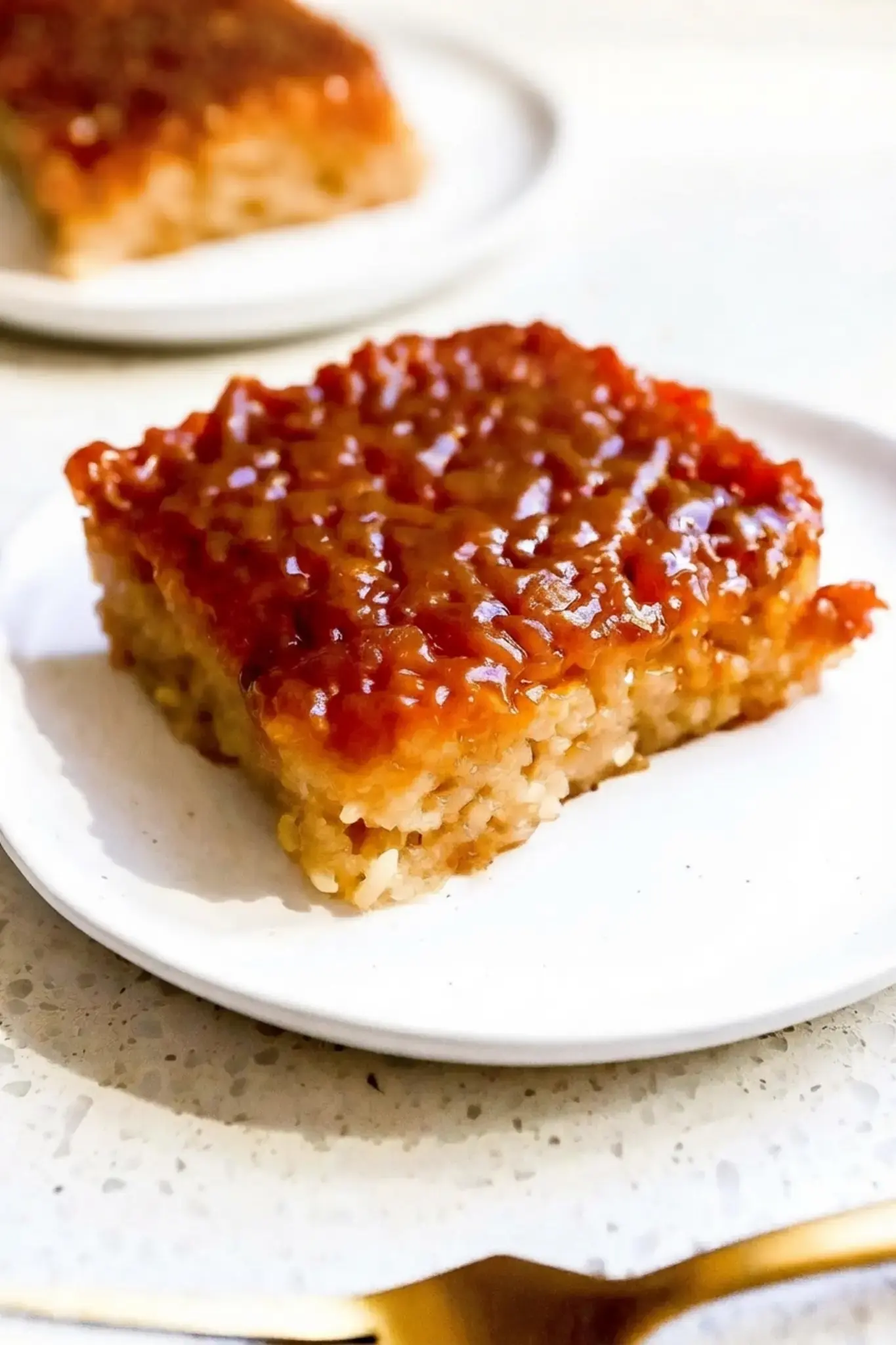
To bring back that chewy texture, warm individual pieces in the microwave for 20 to 30 seconds or steam them briefly. Biko also freezes well for up to 1 month. Thaw at room temperature and microwave gently before serving.
Other Delicious Dessert Recipes You May Like To Try!
If sweet, comforting treats are your thing, there are plenty of other desserts worth your weekend. Think chocolate sea salt protein balls, a healthy no bake peanut butter oatmeal bar, gluten free pumpkin oatmeal bars, and easy oatmeal protein cookies. Each one is simple enough for a busy afternoon.
About Bailey
This biko recipe comes from Bailey Campbell, who writes at Basics With Bails. She shares that she loves to bake, cook, exercise, and document all of it. Her view of nutrition is refreshing too.
She says it is not low fat, not low calorie, and not about feeling deprived or hungry all the time. For her, nutrition means nourishing your body with real, whole foods so you stay satisfied and energized.
FAQs
What is biko made of?
Biko is made from glutinous rice, full-fat coconut milk, water, dark brown sugar, and salt. The glutinous rice, also called malagkit or sweet rice, is essential and cannot be substituted with regular rice. These five ingredients create a rich, sticky rice cake with a caramel-like flavor.
How to make biko at home?
Soak 4 cups of glutinous rice overnight, then drain and rinse. Cook the rice in coconut milk and water for 6 to 8 minutes, then stir in 1.5 cups of dark brown sugar and salt. Transfer to a greased 9×13 baking dish, pour a coconut milk and brown sugar topping on top, and bake at 350°F for 60 to 65 minutes until golden brown.
How long to soak glutinous rice for biko?
Soak the glutinous rice in water overnight, for about 8 hours. This step is crucial because it hydrates the grains so they cook evenly and develop the proper sticky, chewy texture. Do not skip or shorten the soaking time, or the rice may turn out hard or undercooked.
How to store leftover biko?
Store leftover biko in an airtight container in the refrigerator for up to 4 days. The texture will firm up when cold, so reheat individual pieces in the microwave for 20 to 30 seconds or steam them briefly to restore the chewy consistency. Biko can also be frozen for up to 1 month.

Easy Biko Recipe (Filipino Sticky Rice Cake Dessert)
Biko Recipe (Easy Filipino Sticky Rice Cake) If you have ever walked into a Filipino party and spotted a round bamboo tray lined with banana leaves, you already know what is waiting inside. Biko is that sweet, chewy rice cake, and it is usually the first thing to vanish from the table.
- Total Time: 560 min
- Yield: 20 squares 1x
Ingredients
4 cups glutinous rice
5 cups full-fat coconut milk, divided
1 ½ cups water
2 ½ cups dark brown sugar, divided
½ tsp salt
Instructions
1-Start by soaking the glutinous rice in: Start by soaking the glutinous rice in water overnight. This ensures a perfectly sticky texture for your Biko. After your rice has finished soaking, drain and rinse.
2-Set aside 3/4 cup of the coconut: Set aside 3/4 cup of the coconut milk. Add the remaining coconut milk and water to a large pot. Bring the liquid to a gentle boil, then add soaked rice. Reduce to medium heat, and let it simmer until the rice is cooked and has absorbed most of the liquid. This should take 6-8 minutes.
3-Once the rice is cooked, it’s time: Once the rice is cooked, it’s time to add the sweetness! Reduce heat to medium-low, then stir in 1 1/2 cups of your brown sugar and salt until fully dissolved, infusing the rice with that irresistible caramel flavor. Cook for another 4-7 minutes, stirring constantly. Taste test to ensure the rice is cooked through. The rice mixture will be very thick and sticky.
4-Preheat oven to 350 degrees F and: Preheat oven to 350 degrees F and transfer the sweetened cooked rice mixture to a greased 9×13″ baking dish or pan, spreading it out evenly.
5-To a small sauce pot, combine the: To a small sauce pot, combine the 3/4 cup coconut milk that was set aside with the remaining 1 cup brown sugar. Bring to a boil until mixture thickens slightly and sugar is fully dissolved. Remove from heat and allow to cool for 5 minutes. Pour over the rice mixture, then pop it in the oven and let it bake until the top is golden brown and slightly crispy. This will take about 60-65 minutes.
6-Once cooled, cut your Biko into squares: Once cooled, cut your Biko into squares or diamonds and serve it up to eager family and friends. Trust me, they won’t be able to resist!
Last Step:
Please leave a rating and comment letting us know how you liked this recipe! This helps our business to thrive and continue providing free, high-quality recipes for you.- Prep Time: 20 min
- Cook Time: 65 min
- Method: bake
Nutrition
- Calories: 232kcal
- Sugar: 22g
- Sodium: 74mg
- Fat: 12g
- Saturated Fat: 11g
- Carbohydrates: 31g
- Protein: 2g