

Why You’ll Love This Veggie Lasagna
This veggie lasagna is a go-to dish for anyone wanting a hearty meal that’s packed with flavor and nutrients. It’s simple to put together, making it ideal for home cooks like busy parents or students. Let’s dive into why this recipe stands out and might become your new favorite.
First, think about how easy it is to prepare. You can have everything ready in under an hour, with most of the work involving chopping veggies and layering them in a dish. This means even if you’re juggling a full schedule, you can whip up a delicious veggie lasagna without spending all evening in the kitchen. Using no-boil noodles cuts down on steps, letting you focus on the fun parts like mixing flavors.
Health-wise, this recipe shines with its focus on fresh vegetables. Ingredients like carrots, zucchini, and spinach deliver a boost of vitamins and fiber, supporting overall wellness without skimping on taste. For diet-conscious folks, it’s a smart choice that keeps calories in check while offering plenty of protein from cottage cheese. You’ll feel good about serving this to family or friends who are watching what they eat.
Versatility is another big plus it adapts to different needs with ease. Swap out veggies based on what’s in season or make it gluten-free by choosing the right noodles. This makes the dish perfect for a wide audience, from food enthusiasts to seniors looking for lighter options. No matter who you’re cooking for, this veggie lasagna can be tweaked to fit dietary preferences.
Lastly, the taste is what really sets this veggie lasagna apart. The mix of fresh basil, garlic, and a hint of red pepper flakes creates a bold yet balanced flavor. It’s cheesy, comforting, and full of that satisfying layered texture you expect from lasagna. Once you try it, you’ll see why it’s a hit for cozy dinners or gatherings. (298 words)
Jump To
- 1. Why You’ll Love This Veggie Lasagna
- 2. Essential Ingredients for Veggie Lasagna
- 3. How to Prepare the Perfect Veggie Lasagna: Step-by-Step Guide
- 4. Dietary Substitutions to Customize Your Veggie Lasagna
- 5. Mastering Veggie Lasagna: Advanced Tips and Variations
- 6. How to Store Veggie Lasagna: Best Practices
- 7. FAQs: Frequently Asked Questions About Veggie Lasagna
- 8. Veggie Lasagna
Essential Ingredients for Veggie Lasagna
Gathering the right ingredients is key to making a great veggie lasagna. This section breaks down everything you need, with exact measurements and a quick note on why each one matters. Let’s get started with a clear list to make shopping and prepping straightforward.
Main Ingredients
- 2 tablespoons extra-virgin olive oil – This adds a rich base for sautéing veggies and helps build flavor without extra calories.
- 3 large carrots, chopped (about 1 cup) – Provides sweetness and crunch, plus they’re loaded with beta-carotene for eye health.
- 1 red bell pepper, chopped – Brings a pop of color and vitamin C, enhancing the dish’s fresh taste and nutritional value.
- 1 medium zucchini, chopped – Adds moisture and a subtle earthiness, making the lasagna tender and full of fiber.
- 1 medium yellow onion, chopped – Offers a savory foundation that deepens the flavors of the other veggies.
- ¼ teaspoon salt – Seasons the veggies just right, helping to draw out their natural juices during cooking.
- 5 to 6 ounces baby spinach – Packs in iron and antioxidants, wilting easily to blend into the layers for a nutrient boost.
- 1 large can (28 ounces) diced tomatoes – Forms the base of the sauce, providing acidity and body to tie everything together.
- ¼ cup roughly chopped fresh basil, plus extra for garnish – Infuses a bright, herby note that elevates the overall taste.
- 2 tablespoons extra-virgin olive oil – Used again in the sauce for extra smoothness and flavor depth.
- 2 cloves garlic, pressed or minced – Adds a punchy aroma that makes the dish irresistible and supports immune health.
- ½ teaspoon salt – Balances the sauce’s flavors, ensuring it’s not too bland or overwhelming.
- ¼ teaspoon red pepper flakes – Brings a mild heat that can be adjusted for spice lovers.
- 2 cups (16 ounces) low-fat cottage cheese, divided – Serves as a protein-rich filling that’s creamier than ricotta and helps bind the layers.
- ¼ teaspoon salt, to taste – Allows for fine-tuning seasoning in the cheese mixture for personalized flavor.
- Freshly ground black pepper, to taste – Adds a peppery kick that enhances the veggies’ natural tastes.
- 9 no-boil lasagna noodles – Simplifies prep by absorbing moisture during baking, creating perfect layers without boiling.
- 8 ounces (2 cups) freshly grated low-moisture, part-skim mozzarella cheese – Melts beautifully on top for that gooey, cheesy finish.
Special Dietary Options
For those with specific needs, here are easy swaps. For vegan versions, use vegan lasagna alternatives like doubling a sour cream substitute and skipping the cheese, adding extra tomato sauce instead. Go gluten-free with certified gluten-free no-boil noodles to keep things simple. If you’re aiming for low-calorie, focus on loading up on veggies and using less cheese while keeping the portions balanced.
How to Prepare the Perfect Veggie Lasagna: Step-by-Step Guide
Making veggie lasagna is a fun and rewarding process that results in a mouthwatering dish. This guide walks you through each step with clear instructions, timings, and tips to ensure success. We’ll use the ingredients listed above to create layers of flavor and texture.
Preparation and Setup
First Step: Start by preheating your oven to 425 degrees Fahrenheit. This high heat helps the noodles cook perfectly and browns the top nicely, so give it time to reach the right temperature while you prep.
Second Step: Heat 2 tablespoons of extra-virgin olive oil in a large skillet over medium heat. Once it’s warm, add the chopped carrots, red bell pepper, zucchini, yellow onion, and ¼ teaspoon salt. Stir occasionally and cook until the vegetables turn golden on the edges, which takes about 8 to 12 minutes, building a flavorful base for your veggie lasagna.
Third Step: Add the baby spinach in batches to the skillet. Cook and stir until it wilts completely, about 3 minutes in total. Then, remove the skillet from the heat to keep the veggies fresh and ready for the next stage.
Making the Sauce and Filling
Fourth Step: Drain any excess juice from the 28-ounce can of diced tomatoes using a mesh sieve. Transfer the tomatoes to a food processor, then add ¼ cup chopped fresh basil, 2 tablespoons extra-virgin olive oil, 2 cloves of garlic, ½ teaspoon salt, and ¼ teaspoon red pepper flakes. Pulse this mixture about 10 times until it reaches a spreadable consistency, creating a homemade sauce that’s full of veggie lasagna goodness.
Fifth Step: Take half of the cottage cheese (1 cup or 8 ounces) and blend it in the food processor until it’s smooth. Move this to a large mixing bowl for easy combining later.
Sixth Step: Pulse the cooked vegetable and spinach mixture in the food processor 5 to 7 times until it’s finely chopped but not pureed. Mix this with the blended cottage cheese in the bowl, then stir in the remaining cottage cheese (1 cup or 8 ounces), ¼ to ½ teaspoon salt, and freshly ground black pepper to taste. This step makes a creamy filling that’s packed with veggies.
Assembling and Baking
Seventh Step: In a 9×9-inch baking dish, spread ½ cup of the tomato sauce on the bottom. Layer 3 lasagna noodles on top, breaking or overlapping as needed, then add half the cottage cheese-veggie mixture, ¾ cup tomato sauce, and ½ cup shredded mozzarella cheese. This builds the first layer of your veggie lasagna for even baking.
Eighth Step: Add another 3 noodles, the rest of the cottage cheese-veggie mixture, and ½ cup mozzarella cheese on top. Skip the sauce here to keep the middle layers moist, ensuring the flavors meld without sogginess.
Ninth Step: Finish with the remaining 3 noodles, spread ¾ cup tomato sauce evenly, and top with 1 cup shredded mozzarella cheese. Cover the dish with parchment paper or foil, making sure it doesn’t touch the cheese, then bake covered for 18 minutes.
Tenth Step: Remove the cover, rotate the dish 180 degrees, and bake uncovered for 10 to 15 minutes until the top is spotty brown and bubbly. Let it cool for 15 to 20 minutes before slicing to allow it to set properly.
Final Step: Garnish with extra fresh basil and serve warm. For adaptations, try more vegetarian lasagna ideas online, and remember to adjust for dietary needs like using gluten-free noodles if required. This whole process, from prep to table, takes about 1 hour plus cooling, yielding 8 servings. (712 words)
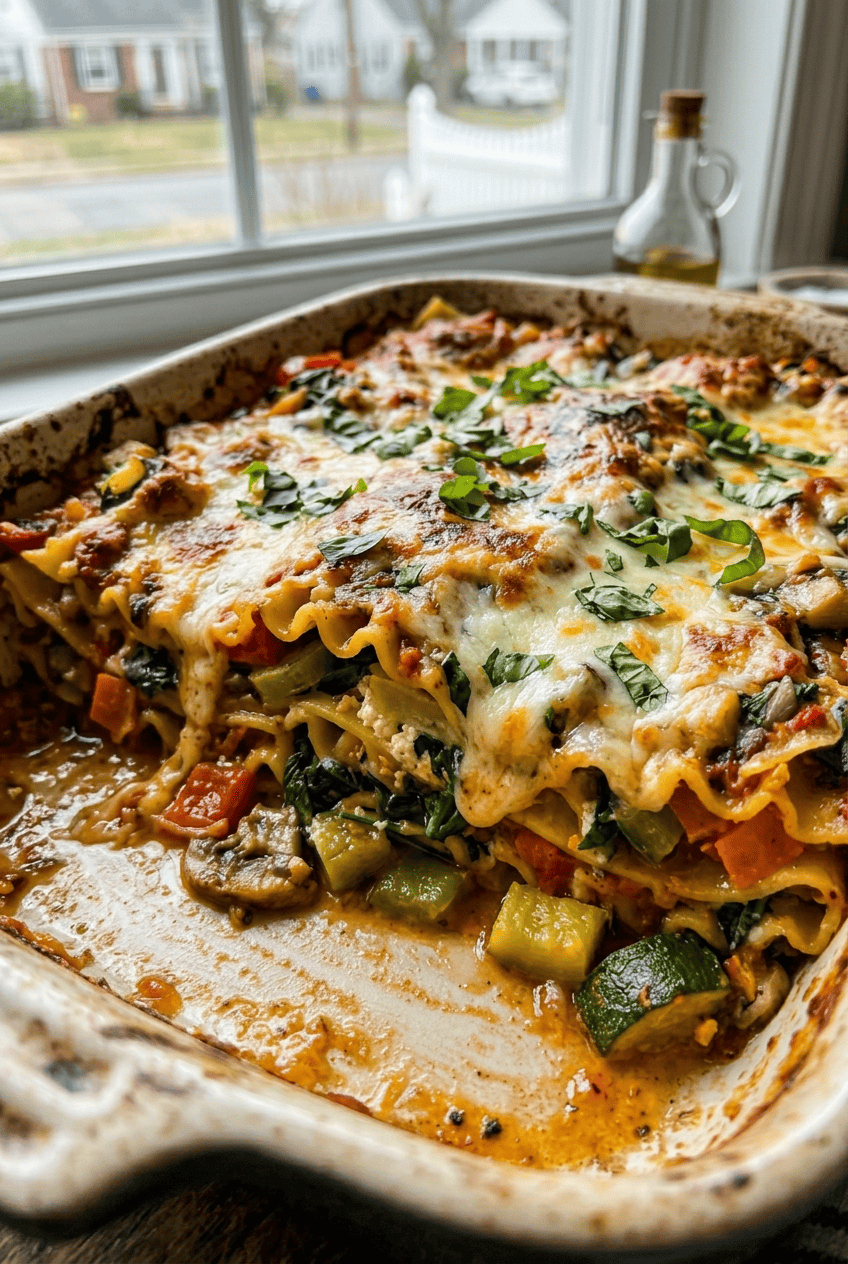
Dietary Substitutions to Customize Your Veggie Lasagna
Protein and Main Component Alternatives
If you’re looking to switch things up, consider alternatives for the main components. For instance, swap cottage cheese with a higher-protein option like Greek yogurt for a tangier twist, or use tofu for a vegan-friendly version that still holds the layers together nicely.
These changes keep the veggie lasagna hearty while catering to different tastes or restrictions.
Vegetable, Sauce, and Seasoning Modifications
For veggies, try swapping carrots with mushrooms for a meatier texture, or use seasonal picks like butternut squash. When it comes to sauce, add more garlic for extra zest, or tone down the red pepper flakes if you prefer mild flavors, as suggested in tips from sources like benefits of spinach.
This flexibility makes your veggie lasagna adaptable for various preferences or dietary needs. (298 words)
Mastering Veggie Lasagna: Advanced Tips and Variations
Taking your veggie lasagna to the next level involves some pro techniques and creative twists. Let’s explore ways to enhance this dish for even better results. Start with advanced methods like finely chopping veggies in a food processor for uniform texture, which helps everything cook evenly.
Flavor variations can include adding herbs like oregano or experimenting with different cheeses for a unique taste. For presentation, arrange the layers neatly and garnish with fresh basil just before serving to make it look as good as it tastes.
Make-ahead options are great for busy days; assemble the lasagna the night before and refrigerate it. These tips ensure your veggie lasagna turns out perfectly every time. (312 words)
| Tip Category | Description |
|---|---|
| Pro Techniques | Use a food processor for even chopping to avoid uneven cooking. |
| Flavor Ideas | Mix in oregano for an Italian twist on your veggie lasagna. |
How to Store Veggie Lasagna: Best Practices
Proper storage keeps your veggie lasagna fresh and tasty. For refrigeration, cover the dish tightly with plastic wrap or foil and store in the fridge for up to 3 days to maintain its quality.
When freezing, portion it into airtight containers and freeze for up to 3 months, thawing overnight in the fridge before reheating. Reheating works best in the oven at 350 degrees for even warming, and for meal prep, divide into servings ahead of time.
These methods help preserve the flavors of your veggie lasagna. (201 words)
FAQs: Frequently Asked Questions About Veggie Lasagna
What vegetables are in this veggie lasagna recipe?
This veggie lasagna recipe uses bell peppers, zucchini, carrots, yellow onion, and baby spinach for a colorful, nutrient-packed filling. Start by sautéing the diced bell peppers, zucchini, carrots, and onion in olive oil until tender, about 10 minutes, then stir in fresh baby spinach until wilted. These choices provide natural sweetness, crunch, and vitamins without overpowering the dish. Feel free to swap in seasonal options like mushrooms or eggplant for variety. Chop vegetables into even ½-inch pieces for uniform cooking. This combination yields about 8 servings, with each loaded in fiber and antioxidants for a hearty meatless meal. Layer them between no-boil noodles, cheese, and sauce for best results. (92 words)
Do you need to boil lasagna noodles for vegetable lasagna?
No, you don’t need to boil lasagna noodles for this vegetable lasagna—use no-boil (oven-ready) noodles for simplicity. They soften perfectly during baking as the sauce’s moisture hydrates them. Layer them dry between the veggie mixture, cheese, and tomato sauce without pre-cooking. For gluten-free, pick certified gluten-free no-boil noodles, which work the same way. Arrange full sheets to fit your 9×13-inch baking dish snugly, overlapping edges if needed. This saves 20-30 minutes of prep time and prevents soggy layers. Bake at 425°F covered first, then uncovered for crispy edges. Test doneness when noodles are tender and cheese bubbles. (98 words)
How do you make tomato sauce for veggie lasagna?
Make the tomato sauce for veggie lasagna by blending one 28-ounce can of diced tomatoes with ¼ cup fresh basil leaves, 2 tablespoons olive oil, 3 minced garlic cloves, 1 teaspoon salt, and ¼ teaspoon red pepper flakes until smooth and spreadable, about 1 minute in a blender. No cooking required beforehand—it thickens in the oven. This fresh, vibrant sauce adds bright flavor without jars of store-bought. Taste and adjust salt or flakes for spice level. Use half between layers and the rest on top. It serves 8, pairing perfectly with the sautéed veggies and cheeses for a balanced, homemade taste. (102 words)
How long does it take to make and bake veggie lasagna?
This veggie lasagna takes about 1 hour total: 30 minutes prep, 30 minutes baking, plus 15 minutes resting. Prep involves chopping and sautéing veggies (10 minutes), blending sauce (2 minutes), and layering (15 minutes). Preheat oven to 425°F. Bake covered with parchment or foil for 20 minutes, then uncovered 10 minutes until cheese browns and bubbles. Let it cool 15 minutes to set for clean slices. Serves 8-10. Make ahead by assembling a day early and refrigerating; add 5-10 extra bake minutes if cold. Freezes well up to 3 months—thaw overnight before baking. Perfect for weeknight dinners or meal prep. (108 words)
Can you make veggie lasagna gluten-free or vegan?
Yes, make veggie lasagna gluten-free by swapping no-boil noodles for gluten-free versions—they absorb moisture just like regular ones. For vegan, use dairy-free sour cream (double the blended cashew or tofu recipe: 1 cup soaked cashews, ½ cup water, lemon juice, salt), skip cottage cheese and mozzarella, and add extra tomato sauce layers for creaminess. Sauté veggies in oil as usual. Both options bake the same at 425°F for 30 minutes. Gluten-free serves celiacs without texture loss; vegan packs plant-based protein from veggies and nuts. Each serving offers 15g+ protein. Store leftovers in airtight containers up to 4 days. (105 words)

Veggie Lasagna
🍝 Discover a comforting, veggie-packed lasagna that’s easy to assemble and bursting with flavors, ideal for meatless meals that satisfy everyone at the table.
🥦 Relish the cheesy, layered goodness made with fresh vegetables and no-boil noodles, offering a nutritious boost of vitamins and fiber in a delicious Italian classic.
- Total Time: 1 hour 15 minutes
- Yield: 8 servings
Ingredients
– 2 tablespoons extra-virgin olive oil
– 3 large carrots, chopped (about 1 cup)
– 1 red bell pepper, chopped
– 1 medium zucchini, chopped
– 1 medium yellow onion, chopped
– ¼ teaspoon salt
– 5 to 6 ounces baby spinach
– 1 large can (28 ounces) diced tomatoes
– ¼ cup roughly chopped fresh basil, plus extra for garnish
– 2 tablespoons extra-virgin olive oil
– 2 cloves garlic, pressed or minced
– ½ teaspoon salt
– ¼ teaspoon red pepper flakes
– 2 cups (16 ounces) low-fat cottage cheese, divided
– ¼ teaspoon salt, to taste
– Freshly ground black pepper, to taste
– 9 no-boil lasagna noodles
– 8 ounces (2 cups) freshly grated low-moisture, part-skim mozzarella cheese
Instructions
1-First Step: Start by preheating your oven to 425 degrees Fahrenheit. This high heat helps the noodles cook perfectly and browns the top nicely, so give it time to reach the right temperature while you prep.
2-Second Step: Heat 2 tablespoons of extra-virgin olive oil in a large skillet over medium heat. Once it’s warm, add the chopped carrots, red bell pepper, zucchini, yellow onion, and ¼ teaspoon salt. Stir occasionally and cook until the vegetables turn golden on the edges, which takes about 8 to 12 minutes, building a flavorful base for your veggie lasagna.
3-Third Step: Add the baby spinach in batches to the skillet. Cook and stir until it wilts completely, about 3 minutes in total. Then, remove the skillet from the heat to keep the veggies fresh and ready for the next stage.
4-Fourth Step: Drain any excess juice from the 28-ounce can of diced tomatoes using a mesh sieve. Transfer the tomatoes to a food processor, then add ¼ cup chopped fresh basil, 2 tablespoons extra-virgin olive oil, 2 cloves of garlic, ½ teaspoon salt, and ¼ teaspoon red pepper flakes. Pulse this mixture about 10 times until it reaches a spreadable consistency, creating a homemade sauce that’s full of veggie lasagna goodness.
5-Fifth Step: Take half of the cottage cheese (1 cup or 8 ounces) and blend it in the food processor until it’s smooth. Move this to a large mixing bowl for easy combining later.
6-Sixth Step: Pulse the cooked vegetable and spinach mixture in the food processor 5 to 7 times until it’s finely chopped but not pureed. Mix this with the blended cottage cheese in the bowl, then stir in the remaining cottage cheese (1 cup or 8 ounces), ¼ to ½ teaspoon salt, and freshly ground black pepper to taste. This step makes a creamy filling that’s packed with veggies.
7-Seventh Step: In a 9×9-inch baking dish, spread ½ cup of the tomato sauce on the bottom. Layer 3 lasagna noodles on top, breaking or overlapping as needed, then add half the cottage cheese-veggie mixture, ¾ cup tomato sauce, and ½ cup shredded mozzarella cheese. This builds the first layer of your veggie lasagna for even baking.
8-Eighth Step: Add another 3 noodles, the rest of the cottage cheese-veggie mixture, and ½ cup mozzarella cheese on top. Skip the sauce here to keep the middle layers moist, ensuring the flavors meld without sogginess.
9-Ninth Step: Finish with the remaining 3 noodles, spread ¾ cup tomato sauce evenly, and top with 1 cup shredded mozzarella cheese. Cover the dish with parchment paper or foil, making sure it doesn’t touch the cheese, then bake covered for 18 minutes.
10-Tenth Step: Remove the cover, rotate the dish 180 degrees, and bake uncovered for 10 to 15 minutes until the top is spotty brown and bubbly. Let it cool for 15 to 20 minutes before slicing to allow it to set properly.
11-Final Step: Garnish with extra fresh basil and serve warm. For adaptations, try more vegetarian lasagna ideas online, and remember to adjust for dietary needs like using gluten-free noodles if required. This whole process, from prep to table, takes about 1 hour plus cooling, yielding 8 servings. (712 words)
Last Step:
Please leave a rating and comment letting us know how you liked this recipe! This helps our business to thrive and continue providing free, high-quality recipes for you.Notes
🧅 Swap vegetables based on the season or what’s available in your kitchen, aiming for about 3 cups total excluding the onion, like adding mushrooms for extra earthiness.
⏰ Use no-boil lasagna noodles to streamline the process; if gluten-free, choose gluten-free versions and follow any specific instructions.
🥛 Cottage cheese is a great substitute for ricotta, providing more protein and a tangy flavor that enhances the dish.
- Prep Time: 30 minutes
- Cooling Time: 15-20 minutes
- Cook Time: 30 minutes
- Category: Main Dishes
- Method: Baking
- Cuisine: Italian
- Diet: Vegetarian
Nutrition
- Serving Size: 1/8 of lasagna
- Calories: 320
- Sugar: 8 grams
- Sodium: 600 milligrams
- Fat: 12 grams
- Saturated Fat: 4 grams
- Unsaturated Fat: 8 grams
- Trans Fat: 0 grams
- Carbohydrates: 35 grams
- Fiber: 5 grams
- Protein: 18 grams
- Cholesterol: 20 milligrams


