Why You’ll Love This Vegetable Lasagna White Sauce
This vegetable lasagna with creamy white sauce is a go-to recipe for anyone wanting a comforting meal that’s both simple and nutritious. It features fresh veggie layers that make it a lighter alternative to traditional versions, packed with flavors that appeal to home cooks and busy families alike. Let’s dive into what makes this dish so special for everyday meals and special occasions.
One of the best parts is its ease of preparation, as this recipe uses straightforward steps and common ingredients to get dinner on the table quickly. You’ll enjoy the health benefits from a mix of veggies like broccoli and spinach, which add vitamins and fiber without overwhelming the taste. Plus, it’s versatile enough to fit various diets, making it ideal for everyone from students to seniors looking for a satisfying bite.
The creamy white sauce brings a distinctive flavor that’s rich yet light, setting it apart from heavier tomato-based options. Imagine layers of tender vegetables mingled with beans for extra protein, all baked to perfection. Whether you’re a food enthusiast or a working professional, this vegetable lasagna with white sauce offers a balance of taste and nutrition that keeps you coming back for more. For more ideas on hearty meals, check out our vegan lasagna recipe for a plant-based twist.
Jump To
- 1. Why You’ll Love This Vegetable Lasagna White Sauce
- 2. Essential Ingredients for Vegetable Lasagna White Sauce
- 3. How to Prepare the Perfect Vegetable Lasagna White Sauce: Step-by-Step Guide
- 4. Dietary Substitutions to Customize Your Vegetable Lasagna White Sauce
- 5. Mastering Vegetable Lasagna White Sauce: Advanced Tips and Variations
- 6. How to Store Vegetable Lasagna White Sauce: Best Practices
- 7. FAQs: Frequently Asked Questions About Vegetable Lasagna White Sauce
- 8. Vegetable Lasagna White Sauce
Essential Ingredients for Vegetable Lasagna White Sauce
Gathering the right ingredients is key to making a delicious vegetable lasagna with creamy white sauce. This section lists everything you need, based on the detailed recipe summary provided. To keep it simple and organized, I’ve formatted the ingredients as a structured list with precise measurements where available.
For the Vegetable Filling
- Olive oil (quantity not specified)
- Diced yellow onion (quantity not specified)
- Minced garlic (quantity not specified)
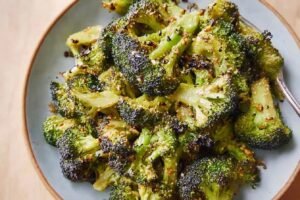
- Broccoli florets chopped into small pieces (quantity not specified)
- Cremini mushrooms chopped into small pieces (quantity not specified)
- Chopped zucchini (quantity not specified)
- Loosely packed chopped baby spinach (quantity not specified)
- Salt (quantity not specified)
- Black pepper (quantity not specified)
- Red pepper flakes (quantity not specified)
- 15-ounce can of navy beans, drained and rinsed
For the White Sauce
- Butter (quantity not specified)
- All-purpose flour (quantity not specified)
- Whole milk (quantity not specified)
- Garlic powder (quantity not specified)
- Onion powder (quantity not specified)
- Dried parsley (quantity not specified)
- Dried basil (quantity not specified)
- Dried oregano (quantity not specified)
- Salt (quantity not specified)
- Black pepper (quantity not specified)
- Grated parmesan cheese (quantity not specified)
Other Ingredients
- Fresh or dried lasagna noodles (9 to 12)
- Whole milk ricotta cheese (quantity not specified)
- Shredded mozzarella cheese (quantity not specified)
- Additional grated parmesan cheese for topping (quantity not specified)
Remember, for variations like vegan options, you can swap in plant-based milk or cheese. This list covers all the essentials to create your vegetable lasagna with fresh veggie layers, ensuring you have everything on hand for a smooth cooking experience. To learn more about vegetable-based sauces, try our zucchini corn chowder, which pairs well with similar ingredients.
How to Prepare the Perfect Vegetable Lasagna White Sauce: Step-by-Step Guide
Creating a creamy vegetable lasagna white sauce starts with simple steps that anyone can follow, even if you’re new to cooking. Begin by preheating your oven to 375 degrees F and preparing your vegetables for the filling. This guide combines the detailed directions from the recipe summary to help you build layers of flavor effortlessly.
First, in a large skillet, warm olive oil over medium heat and cook the diced yellow onion for a few minutes. Add the minced garlic and broccoli florets, stirring until the broccoli brightens in color. Next, incorporate the cremini mushrooms and chopped zucchini, cooking until they become tender and any excess moisture reduces.
Season the mixture with salt, black pepper, and red pepper flakes for a bit of heat. Stir in the loosely packed chopped baby spinach and the drained navy beans from the 15-ounce can, letting it cook until the spinach wilts. While that’s happening, boil the 9 to 12 lasagna noodles in salted water as per the package instructions until they’re al dente, then drain and rinse them.
For the white sauce, melt butter in a pan and whisk in all-purpose flour to form a base. Slowly add whole milk while whisking to avoid lumps, then mix in garlic powder, onion powder, dried parsley, dried basil, dried oregano, salt, and black pepper. Cook until the sauce thickens and becomes creamy, then remove from heat and stir in grated parmesan cheese.
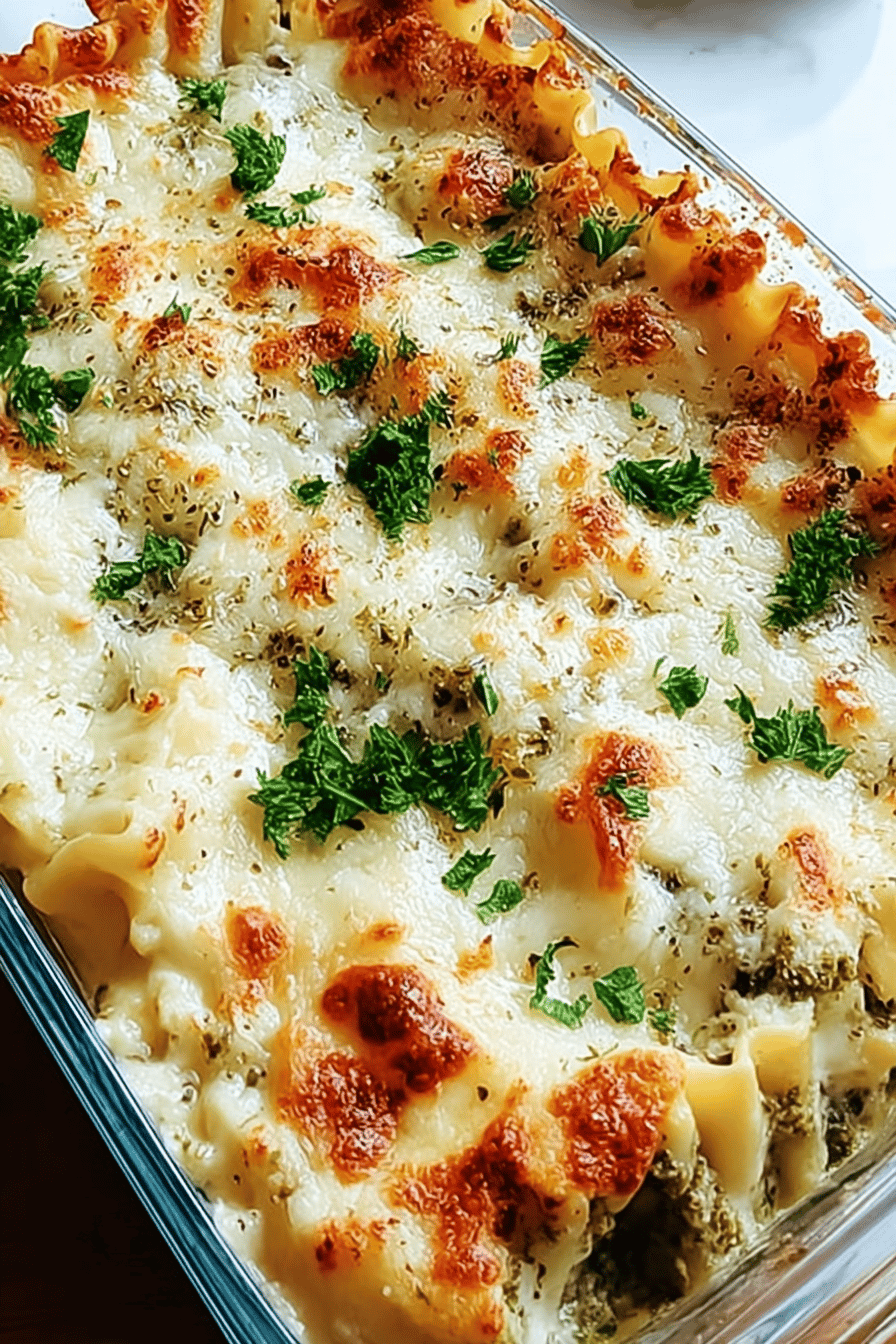
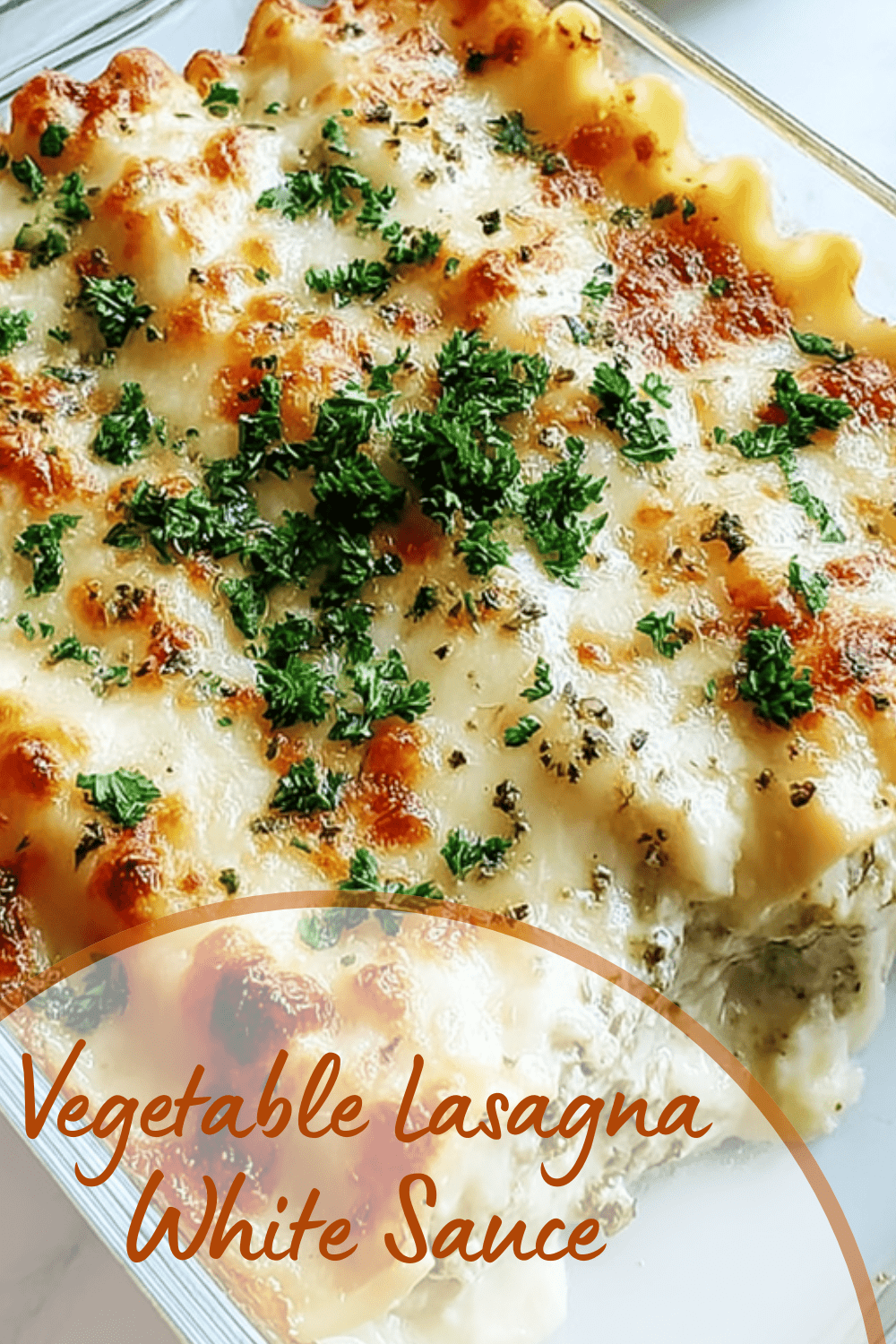
To assemble, spread some white sauce on the bottom of a baking dish. Add a layer of lasagna noodles, followed by whole milk ricotta cheese, half of the vegetable-bean filling, shredded mozzarella cheese, and more white sauce. Repeat the layers, ending with shredded mozzarella and additional parmesan on top. Bake for 30 to 35 minutes until the cheese bubbles and browns, and let it rest for 10 to 20 minutes before serving. Learn about broccoli’s benefits to appreciate the nutrition in this dish.
Dietary Substitutions to Customize Your Vegetable Lasagna White Sauce
Making vegetable lasagna with white sauce adaptable to different needs is easy with a few smart swaps. This section builds on the recipe’s core while offering ways to tweak it for various preferences, drawing from the provided dietary options. Whether you’re aiming for vegan or gluten-free, these changes keep the creamy texture intact.
For protein and main component alternatives, consider replacing traditional ricotta with tofu or cashew cream to boost plant-based protein. You could also use lentils or cooked chickpeas for added texture and nutrition. Sautéed mushrooms or tempeh work great for an umami flavor that enhances the vegetable layers.
When it comes to vegetable, sauce, and seasoning modifications, swap zucchini with eggplant or bell peppers based on what’s in season. Adding spinach or kale brings in more greens and nutrients without altering the overall taste much. For seasonings, replace nutmeg with ground sage or thyme to shift the flavor profile slightly, and adjust garlic and onion quantities to suit your liking. These tweaks ensure your vegetable lasagna white sauce remains a hit for all dietary needs, from low-calorie to vegan options.
Mastering Vegetable Lasagna White Sauce: Advanced Tips and Variations
Taking your vegetable lasagna with creamy white sauce to the next level involves some pro techniques and fun variations. Start by whisking continuously when adding liquids to the sauce for the silkiest results, and always cook on medium-low heat to prevent any issues. Using freshly ground nutmeg adds a warm aroma that elevates the whole dish.
Experiment with flavors by including sun-dried tomatoes or roasted red peppers in the sauce for a twist. Fresh basil can brighten up the vegetable layers, making your lasagna even more vibrant. For presentation, garnish with chopped herbs like parsley and a drizzle of olive oil to make it look as good as it tastes.
Make-ahead options are a game-changer for busy days; prepare the white sauce up to two days in advance and store it in the fridge. Reheat it gently before layering your vegetable lasagna. These tips not only deepen the flavor but also make the recipe more versatile for food enthusiasts and families.
How to Store Vegetable Lasagna White Sauce: Best Practices
Proper storage keeps your vegetable lasagna white sauce fresh and ready for later, extending its shelf life without losing quality. Store the sauce in an airtight container in the refrigerator for up to 3 days, making sure it’s cooled first. For longer-term options, freeze it in a freezer-safe container for up to 2 months and thaw overnight in the fridge.
When reheating, warm the sauce on the stovetop over low heat, stirring often to keep it smooth. For meal prep, portion it out before freezing to make future cooking easier and reduce waste. These steps ensure your vegetable lasagna with fresh veggies stays delicious even after storage.
Building on the full recipe, remember that the entire lasagna can be stored in an airtight container in the fridge for up to 5 days. It freezes well too, whether cooked or uncooked, for up to 3 months when wrapped tightly thaw overnight or bake from frozen with extra time for best results.
FAQs: Frequently Asked Questions About Vegetable Lasagna White Sauce
Do I need to boil lasagna noodles before making vegetable lasagna with white sauce?
If your lasagna noodles are labeled “no-boil” or “oven-ready,” you can use them directly without boiling. Otherwise, boil regular lasagna noodles according to the package instructions until they are al dente. This prevents the noodles from becoming too soft or mushy after baking. Properly boiled noodles help your vegetable lasagna hold its shape and provide the right texture.
How can I stop my vegetable lasagna with white sauce from becoming watery?
To avoid watery lasagna, cook your vegetables thoroughly to release excess moisture, then drain or blot them with paper towels before layering. Use a thickened, creamy white sauce rather than a thin one. Make sure to simmer the béchamel sauce until it coats the back of a spoon. Also, avoid over-saucing each layer, as too much liquid can cause sogginess during baking.
What’s the best way to make vegetable lasagna hold together without eggs in the recipe?
Without eggs, the key to firm lasagna slices is to let the dish rest for at least 10 to 15 minutes after baking. This waiting time allows the layers to set. Optionally, you can mix an egg into the ricotta or white sauce before layering to add binding power. Using thickened white sauce and properly drained vegetables also helps the lasagna maintain structure when serving.
Can I freeze vegetable lasagna with white sauce before baking?
Yes, you can freeze uncooked vegetable lasagna. Assemble it in a freezer-safe pan, tightly wrap it with plastic wrap and foil, and label it. Freeze for up to three months. When ready to cook, thaw it overnight in the refrigerator, remove the wraps, then bake according to your recipe. If baking from frozen, add 20–30 minutes to the baking time for thorough cooking.
How should I reheat leftover vegetable lasagna with white sauce to keep it creamy?
To keep your lasagna creamy when reheating, cover it with foil to prevent drying out or over-browning. Reheat in an oven preheated to 350°F (175°C) for about 20–30 minutes if thawed. For frozen portions, you can reheat without thawing but increase the time to 30–40 minutes. Adding a splash of milk or extra white sauce before reheating can help restore creaminess.
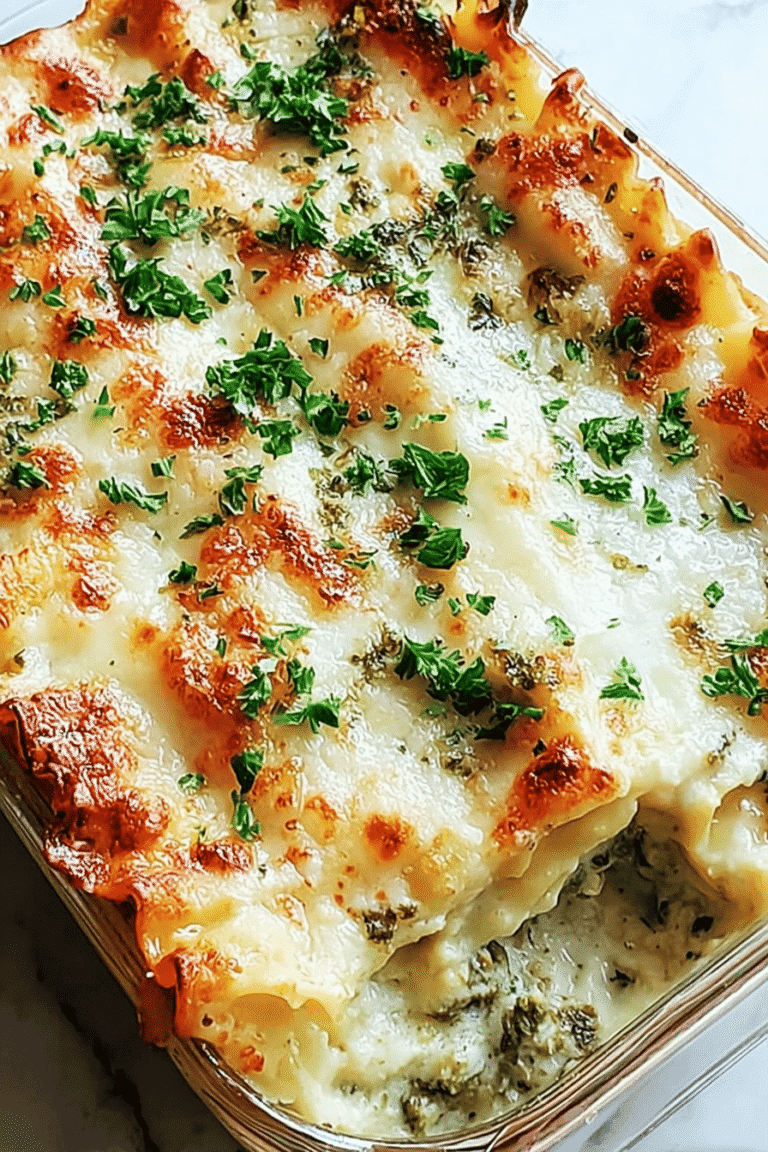
Vegetable Lasagna White Sauce
🍅 This Vegetable Lasagna combines creamy white sauce with fresh veggie layers for a wholesome and satisfying meal.
🧀 Packed with colorful vegetables and rich cheeses, it’s perfect for family dinners or special occasions.
- Total Time: 1 hour 40 minutes
- Yield: 8 servings
Ingredients
– Olive oil
– Diced yellow onion
– Minced garlic
– Broccoli florets chopped into small pieces
– Cremini mushrooms chopped into small pieces
– Chopped zucchini
– Loosely packed chopped baby spinach
– Salt
– Black pepper
– Red pepper flakes
– 15-ounce can of navy beans drained and rinsed
– Butter
– All-purpose flour
– Whole milk
– Garlic powder
– Onion powder
– Dried parsley
– Dried basil
– Dried oregano
– Salt
– Black pepper
– Grated parmesan cheese
– Fresh or dried lasagna noodles (9 to 12)
– Whole milk ricotta cheese
– Shredded mozzarella cheese
– Additional grated parmesan cheese for topping
Instructions
1-Preheat oven and prepare vegetables: Begin by preheating your oven to 375 degrees F and preparing your vegetables for the filling.
2-Cook vegetables: First, in a large skillet, warm olive oil over medium heat and cook the diced yellow onion for a few minutes. Add the minced garlic and broccoli florets, stirring until the broccoli brightens in color. Next, incorporate the cremini mushrooms and chopped zucchini, cooking until they become tender and any excess moisture reduces.
3-Season and add greens and beans: Season the mixture with salt, black pepper, and red pepper flakes for a bit of heat. Stir in the loosely packed chopped baby spinach and the drained navy beans from the 15-ounce can, letting it cook until the spinach wilts. While that’s happening, boil the 9 to 12 lasagna noodles in salted water as per the package instructions until they’re al dente, then drain and rinse them.
4-Make the white sauce: For the white sauce, melt butter in a pan and whisk in all-purpose flour to form a base. Slowly add whole milk while whisking to avoid lumps, then mix in garlic powder, onion powder, dried parsley, dried basil, dried oregano, salt, and black pepper. Cook until the sauce thickens and becomes creamy, then remove from heat and stir in grated parmesan cheese.
5-Assemble and bake the lasagna: To assemble, spread some white sauce on the bottom of a baking dish. Add a layer of lasagna noodles, followed by whole milk ricotta cheese, half of the vegetable-bean filling, shredded mozzarella cheese, and more white sauce. Repeat the layers, ending with shredded mozzarella and additional parmesan on top. Bake for 30 to 35 minutes until the cheese bubbles and browns, and let it rest for 10 to 20 minutes before serving.
Last Step:
Please leave a rating and comment letting us know how you liked this recipe! This helps our business to thrive and continue providing free, high-quality recipes for you.Notes
🛠️ Prep all ingredients ahead to streamline cooking.
💧 Remove excess moisture from vegetables to avoid watery lasagna.
⏳ Let lasagna rest after baking for firmer slices; add egg to ricotta for extra firmness.
- Prep Time: 45 minutes
- Resting time: 15 minutes
- Cook Time: 40 minutes
- Category: Main Dish
- Method: Baking
- Cuisine: Italian
- Diet: Vegetarian
Nutrition
- Serving Size: 1 slice
- Calories: 619
- Sugar: 9g
- Sodium: 747mg
- Fat: 30g
- Saturated Fat: 16g
- Unsaturated Fat: 11g
- Trans Fat: 0g
- Carbohydrates: 58g
- Fiber: 8g
- Protein: 31g
- Cholesterol: 87mg