

Why You’ll Love This Sweet And Sour Pork
Home cooks will fall in love with this sweet and sour pork recipe for many reasons, but here are the top benefits that make it stand out:
- Ease of preparation: This sweet and sour pork recipe comes together with simple steps that even beginners can master. The straightforward technique means you can prepare restaurant-quality results in your home kitchen without any fancy equipment or years of culinary training. With just 20 minutes of prep time and 30 minutes of cooking, you can have a delicious dinner on the table faster than you could order takeout. The marinating time is flexible, allowing you to prep ahead or use tender cuts for a shorter marinating period.
- Health benefits: By making sweet and sour pork at home, you control the ingredients and cooking methods. Double frying minimizes oil absorption compared to single deep frying, and using lean cuts of pork like scotch roast or shoulder reduces overall fat content. Fresh vegetables like capsicums, onions, and pineapple add essential vitamins and fiber to your meal. Plus, avoiding the excessive sugar and preservatives often found in takeout versions makes this a healthier option your whole family will enjoy. Check out the health benefits of pork to learn more about why it’s a nutritious choice when prepared correctly.
- Versatility: This authentic sweet and sour pork adapts easily to different dietary preferences and ingredient availability. You can substitute the protein, adjust the vegetables based on what’s in season, or modify the sauce to suit your taste preferences. Whether you need to make it gluten-free, want to add more vegetables, or prefer a spicier version, this recipe serves as an excellent base that welcomes customization without compromising on flavor. Like our BBQ meatballs recipe, this dish offers endless opportunities for customization to suit your family’s tastes.
- Distinctive flavor: The combination of tangy vinegar, sweet sugar and ketchup, savory soy and oyster sauce, and fruity pineapple creates a perfectly balanced sauce that coats crispy, tender pork. The double frying technique results in a texture that’s impossible to achieve with a single fry method. Unlike takeout versions that often taste one-dimensional, this recipe offers layers of flavor that develop as each ingredient plays its part, resulting in a complex taste that keeps everyone coming back for more.
Jump To
- 1. Why You’ll Love This Sweet And Sour Pork
- 2. Essential Ingredients for Sweet And Sour Pork
- 3. How to Prepare the Perfect Sweet And Sour Pork: Step-by-Step Guide
- 4. Dietary Substitutions to Customize Your Sweet And Sour Pork
- 5. Mastering Sweet And Sour Pork: Advanced Tips and Variations
- 6. How to Store Sweet And Sour Pork: Best Practices
- 7. FAQs: Frequently Asked Questions About Sweet And Sour Pork
- 8. Sweet And Sour Pork
Essential Ingredients for Sweet And Sour Pork
For this delicious sweet and sour pork recipe, you’ll need the following ingredients. Each component plays a specific role in creating the perfect balance of flavors and textures:
Tenderised Marinated Pork
- 400g pork scotch roast (pork neck, collar butt) or pork shoulder/butt, cut into 2cm cubes – Provides the main protein, with just the right amount of fat to keep it juicy
- 1/2 onion, finely grated – Adds natural sweetness and helps tenderize the meat
- 1 tsp garlic, finely grated – Provides aromatic flavor that complements the pork
- 1 tsp ginger, finely grated – Adds a slight warmth and depth to the flavor profile
- 3/8 tsp baking soda (bi-carb) – Essential for the velveting technique that tenderizes the meat
- 2 tsp cornflour/cornstarch – Helps the marinade adhere to the pork and starts the crisping process
- 2 tbsp light soy sauce – Adds savory umami flavor and saltiness to the pork
For Frying
- 5 tbsp cornflour/cornstarch for mixing in – First coating that seals in the pork’s juices
- 1/2 cup cornflour/cornstarch for coating – Outer coating that creates the crispy texture
- 2 to 3 cups vegetable or canola oil – Neutral oil with a high smoke point for deep frying
Sweet and Sour Sauce
- 1/3 cup white sugar – Provides the sweetness that balances the acidic elements
- 1/3 cup apple cider vinegar (or 1/4 cup white vinegar) – Adds the characteristic tanginess
- 3 tbsp pineapple juice (from canned pineapple pieces) – Contributes fruity sweetness and acidity
- 3 tbsp ketchup (or tomato sauce) – Adds body, color, and a hint of sweetness
- 1/2 tsp Worcestershire sauce – Adds depth and complexity to the sauce
- 1 tbsp light soy sauce – Provides savory notes to balance the sweet and sour elements
- 1 tsp oyster sauce – Adds richness and umami flavor
- 4 tsp cornflour/cornstarch – Thickens the sauce to coat the pork perfectly
- 1/2 cup water – Adjusts the sauce consistency
Stir Frying Ingredients
- 1 tbsp oil – For stir-frying the vegetables
- 1 garlic clove, finely chopped – Adds aromatic flavor to the vegetable mixture
- 2 tsp ginger, finely chopped – Provides a fresh ginger kick to the stir-fry
- 1 medium onion, cut into 2.5cm cubes – Adds sweetness and texture to the dish
- 1/2 large red capsicum/bell pepper, cut into 2.5cm cubes – Adds color, crunch, and sweetness
- 1/2 large green capsicum/bell pepper, cut into 2.5cm cubes – Provides contrasting color and fresh flavor
- 1 cup pineapple pieces (from the can used for juice in sauce) – Adds fruitiness and sweetness to balance the tang
Special Dietary Options
- Vegan: Substitute the pork with firm tofu or seitan cubes, and use tamari instead of soy sauce. Omit the oyster sauce or use a mushroom-based vegetarian alternative.
- Gluten-free: Use tamari or coconut aminos instead of soy sauce, and ensure all other ingredients are certified gluten-free. Cornflour is naturally gluten-free, but check that it hasn’t been processed with wheat products.
- Low-calorie: Reduce the amount of oil used for frying, or use an air fryer to achieve crispiness with less fat. You can also reduce the sugar in the sauce or use a natural sweetener like stevia.
How to Prepare the Perfect Sweet And Sour Pork: Step-by-Step Guide
Now that we have our ingredients ready, let’s walk through the process of creating authentic sweet and sour pork that’s crispy on the outside and tender on the inside. Follow these steps carefully for the best results.
Step 1: Marinate the Pork
Start by combining your 400g pork cubes with the grated onion, garlic, ginger, baking soda, cornflour, and soy sauce in a bowl. Mix thoroughly to ensure every piece of pork is coated evenly with this marinade. This step is crucial as it begins the tenderizing process that will result in restaurant-quality meat. The baking soda works to break down muscle fibers, while the grated aromatics infuse flavor deep into the pork.
For best results, cover and refrigerate the pork for 18-24 hours. If you’re using particularly tender cuts of meat, you can reduce this time, but for tougher cuts like pork shoulder, the longer marinating period will transform the texture completely. Plan ahead and marinate overnight if possible. This prep time is what separates good sweet and sour pork from great sweet and sour pork.
Step 2: Prepare Your Cooking Station
Before you start cooking, preheat your oven to 80°C (175°F). Place a wire rack on a baking sheet and set it aside. This setup will keep your fried pork warm and crispy while you finish the rest of the dish. Nothing ruins good sweet and sour pork faster than letting the crispy coating get soggy while you make the sauce.
Next, prepare your sweet and sour sauce by combining all the sauce ingredients except water in a bowl or measuring cup. Once mixed, stir in the water until everything is well incorporated. The cornflour might clump slightly, but it will smooth out when heated. Having the sauce ready before you start frying ensures you can work quickly when it’s time to combine everything.
Step 3: Double Dredge the Pork
This technique is the secret to getting that perfectly crispy exterior. First, mix 5 tablespoons of cornflour directly into your marinated pork. Let this mixture sit for about 5 minutes until it becomes sticky and slightly gooey. This first layer of cornflour will seal in the juices during the first fry.
After the pork has become sticky, coat each piece in the remaining ½ cup of cornflour. Shake off any excess flour to prevent clumping during frying. This two-step coating process creates multiple layers that result in a superior crunch. Don’t skip this step or try to take shortcuts the double dredging is what makes the texture so exceptional.
Step 4: First Fry
Heat your vegetable or canola oil to 180°C (350°F) in a deep pan or wok. The oil should be deep enough to completely submerge the pork pieces. Working in batches to avoid overcrowding (which would lower the oil temperature), carefully add the pork pieces to the hot oil.
Fry each batch for about 3 minutes, or until the pork is golden and cooked through. The internal temperature should reach 145°F for safety. Once cooked, use a slotted spoon to remove the pork and place it on the wire rack in your preheated oven. This first fry cooks the meat all the way through while creating a foundation for the crispy exterior. Similar to our fried chicken recipe, proper oil temperature management is crucial for achieving the perfect texture.
Step 5: Second Fry for Crispiness
Increase the oil temperature to 200°C (390°F). This higher temperature is crucial for the second fry, which creates the final crispy coating. Return the pork to the hot oil in batches and fry for about 1.5 minutes, or until the pieces are deep golden and very crispy.
The high heat quickly crisps up the exterior without overcooking the meat inside. This double frying technique is what professional Chinese restaurants use to achieve that perfect crunch that stays crispy even after coating with sauce. Drain the pork on the wire rack again and keep it warm in the oven while you prepare the vegetables and sauce.
Step 6: Stir-Fry the Vegetables
Heat 1 tablespoon of oil in a large skillet or wok over high heat. When the oil is smoking hot, add the chopped garlic and ginger. Stir for about 30 seconds until fragrant, being careful not to burn them.
Add the cubed onion and stir-fry for about 1.5 minutes. Then add the red and green capsicum pieces and continue stir-frying for another 2 minutes. The vegetables should still be slightly crisp, not soft, as they will cook a bit more when combined with the sauce. This quick cooking method preserves their vibrant colors and fresh crunch.
Step 7: Make the Sauce and Combine
Add the sweet and sour sauce mixture to the skillet with the vegetables. Pour in the pineapple pieces as well. Bring the sauce to a rapid simmer and cook for about 2 minutes, or until it thickens and becomes glossy. The cornflour in the sauce will activate with the heat, creating the perfect consistency to coat the pork.
Now, carefully add the crispy pork to the skillet. Gently toss everything together for just 10 seconds no longer! The goal is to lightly coat the pork with sauce while preserving its crispiness. If you toss for too long, the sauce will penetrate the coating and make it soggy. This timing is crucial for that restaurant-quality texture.
Step 8: Serve and Enjoy
Transfer your sweet and sour pork to a serving platter immediately. The contrast between the hot, crispy pork and the tangy, glossy sauce is at its peak right now. Serve over steamed rice or with noodles for a complete meal. Garnish with sesame seeds or sliced green onions if desired.
For the best experience, eat immediately while the pork maintains its crunch. The texture will gradually soften as it sits, but it should remain pleasantly crispy for about 5 minutes after saucing. This timing is why restaurants often serve sweet and sour dishes immediately after the final toss in the wok.
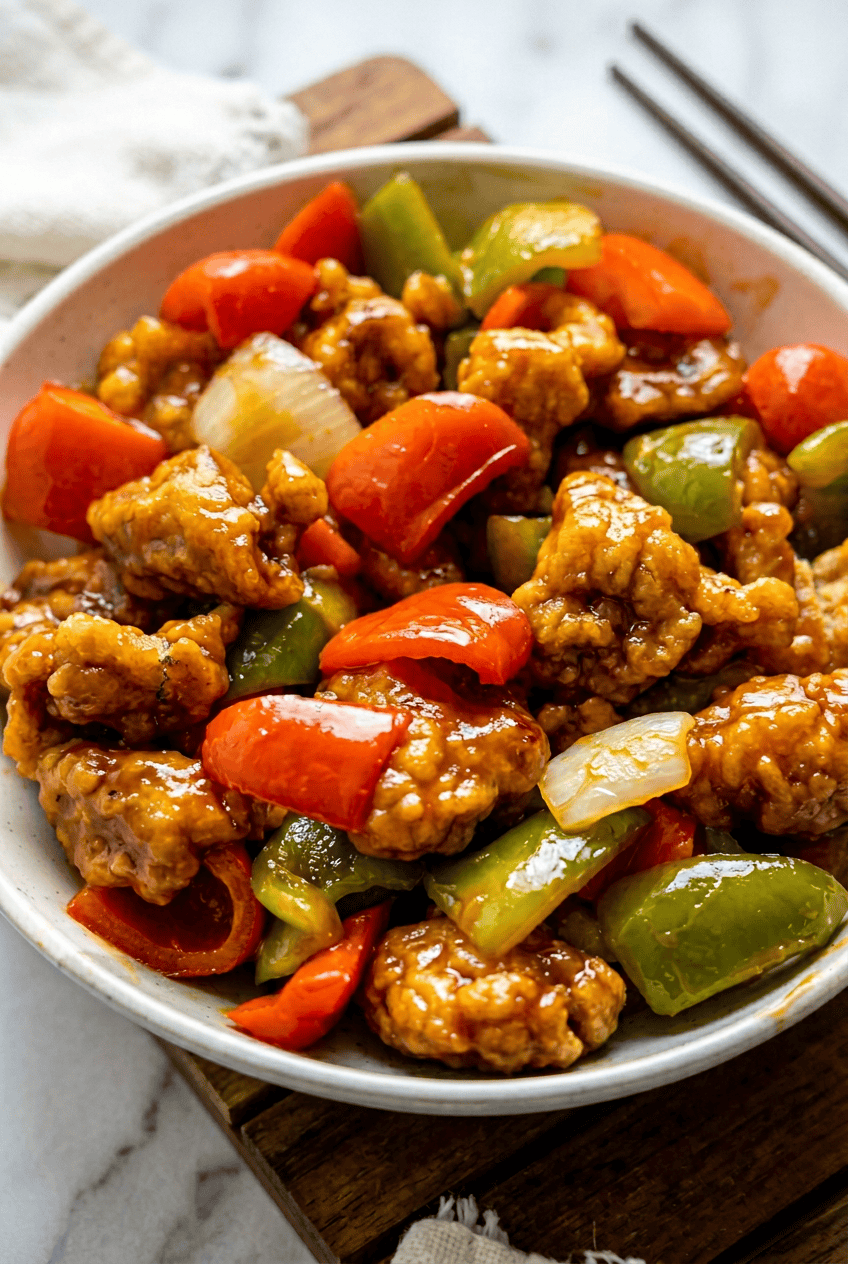
Dietary Substitutions to Customize Your Sweet And Sour Pork
One of the great things about this sweet and sour pork recipe is how adaptable it is to different dietary needs and preferences. Here are some substitutions you can make to customize this dish while still maintaining its delicious character.
Protein and Main Component Alternatives
If you prefer not to use pork, there are several excellent alternatives that work well with the sweet and sour preparation. Chicken thighs or breast cut into similar-sized chunks make a fantastic substitute. They have a similar texture to pork and absorb the marinade beautifully. For a healthier option, try using firm tofu pressed to remove excess water, then cubed and marinated the same way as the pork.
For those who don’t eat meat at all, seitan or tempeh can be marinated and prepared using the same technique. These plant-based proteins absorb flavors well and develop a satisfying texture when fried. Seafood lovers might enjoy using shrimp or white fish cubes, though you’ll need to reduce the cooking time significantly to prevent the seafood from becoming tough.
If you’re watching your fat intake, consider using leaner cuts of pork like tenderloin, though you’ll need to reduce the marinating time as these cuts are naturally more tender. The baking soda tenderizing technique works well with various proteins, so don’t be afraid to experiment with different options based on your dietary preferences or what’s available in your area. Much like our easy BBQ ribs, this recipe can be adapted to use different cuts of meat based on your preferences.
Vegetable, Sauce, and Seasoning Modifications
The vegetable component of sweet and sour pork is highly customizable based on seasonality and personal preference. While the traditional combination of capsicum and onion works perfectly, you can add other vegetables like snow peas, carrots, bamboo shoots, or water chestnuts for additional texture and nutrition. For a lower-carbohydrate version, increase the proportion of vegetables and reduce the amount of pineapple.
If you prefer a spicier kick to your sweet and sour pork, add sliced chilies or a teaspoon of chili flakes during the vegetable stir-fry. For a deeper umami flavor, you can add a splash of mushroom soy sauce or a small amount of fermented black bean paste. Those watching their sodium intake should opt for low-sodium soy sauce or adjust the quantity to taste.
For a thicker sauce, increase the cornflour slightly. If you prefer a thinner consistency, simply add a bit more water or pineapple juice. The balance of sweet and sour can be adjusted to your liking by varying the amounts of sugar and vinegar. Some people prefer a more acidic sauce with less sugar, while others like it sweeter. The beauty of making sweet and sour pork at home is that you can customize these elements to create your perfect version.
Mastering Sweet And Sour Pork: Advanced Tips and Variations
Once you’ve mastered the basic sweet and sour pork recipe, there are several advanced techniques and variations you can try to elevate this dish even further. These tips will help you achieve restaurant-quality results in your home kitchen.
Pro Cooking Techniques
The double-frying technique used in this recipe is the key to achieving the perfect texture. For even better results, try letting the pork rest for 10-15 minutes between the first and second fry. This resting period allows the coating to set properly, resulting in an even crispier exterior after the second fry.
Another professional technique is to strain your oil between batches to remove any loose bits of batter that might burn and affect the flavor. You can reuse the strained oil up to twice for frying, which improves the flavor each time. After each use, let the oil cool completely, strain it through a fine-mesh sieve or cheesecloth, and store it in a clean container for future use.
For those who want to reduce the oil content without sacrificing texture, try the oven alternative mentioned in the tips. Pan-sear the dredged pork pieces for 2 minutes to seal in the juices, then finish them in a 220°C (430°F) oven for 13-15 minutes. While not as crispy as deep-fried pork, this method still yields excellent results with significantly less fat.
Pro Tip: When frying, always keep your oil temperature consistent. Use a thermometer to monitor the heat, and don’t overcrowd the pan, which causes the temperature to drop and results in soggy, greasy pork.
Flavor Variations
While the traditional sweet and sour flavor is beloved for good reason, there are several delicious variations you can try. For a more complex flavor profile, add a splash of rice wine or dry sherry to the sauce. A small amount of five-spice powder mixed with the cornflour coating adds another dimension of flavor that pairs beautifully with pork.
For a tropical twist, replace some of the pineapple juice with mango or passionfruit juice. You can also add fresh tropical fruits like mango or papaya chunks in addition to or instead of the pineapple. This variation creates a refreshing summer version of the classic dish.
Those who enjoy a bit of heat might try adding a teaspoon of sambal oelek or Sriracha to the sauce. This adds complexity without overpowering the delicate balance of sweet and sour. For a smoky element, a small amount of smoked paprika in the coating creates an interesting depth of flavor.
Presentation Tips
Presentation can transform a good dish into a great one. For sweet and sour pork, consider serving it in a hollowed-out pineapple half for a dramatic presentation. Simply cut a fresh pineapple in half lengthwise, scoop out most of the flesh (which you can use in the dish), and fill with the sweet and sour pork.
Garnishing also makes a big difference. A sprinkle of toasted sesame seeds adds both visual appeal and a nutty flavor that complements the dish. Thinly sliced green onions or fresh cilantro add a pop of color and freshness. For a more elegant presentation, arrange the pork and vegetables separately on the plate with the sauce drizzled over, allowing diners to combine them as they prefer.
Make-Ahead Options
Sweet and sour pork is excellent for meal prep. The marinated pork can be kept in the refrigerator for up to 24 hours before cooking. If you want to get ahead, you can chop all the vegetables and prepare the sauce the day before, storing them separately in airtight containers in the refrigerator.
While the pork is best enjoyed freshly fried, you can fry it ahead and reheat it in a 180°C oven for 5-10 minutes to restore some crispiness. The sauce can be made ahead and gently reheated when needed, though you may need to add a splash of water to adjust the consistency.
For freezing, it’s best to freeze the components separately. Freeze the fried pork on a baking sheet first, then transfer to a freezer bag once frozen. This prevents the pieces from sticking together. Freeze the sauce and vegetables separately as well. When ready to eat, thaw everything in the refrigerator overnight, then recombine according to the recipe, adding an extra 10 seconds to the final tossing time.
How to Store Sweet And Sour Pork: Best Practices
Proper storage is essential to maintain the quality of your sweet and sour pork. Here’s how to store leftovers for later enjoyment while preserving as much of the texture and flavor as possible.
Refrigeration
If you have leftovers, store them in an airtight container in the refrigerator. The pork will stay fresh for 3-4 days when properly refrigerated. It’s important to let the dish cool completely before storing to prevent condensation, which can make the coating soggy. However, don’t leave it at room temperature for more than 2 hours before refrigerating to ensure food safety.
For best results, store the pork and vegetables separately from the sauce if possible. This preserves the crispiness of the pork better than storing everything mixed together. When reheating, you can then combine them, following the instructions below to restore some of the original texture.
Freezing
Sweet and sour pork freezes reasonably well for up to 2-3 months. To freeze, first arrange the cooked pork pieces on a baking sheet in a single layer and place them in the freezer until firm. This prevents them from sticking together. Once frozen, transfer the pork pieces to a freezer bag or airtight container.
Freeze the sauce and vegetables separately in clearly labeled containers. When freezing, leave some space at the top of the container as liquids expand when frozen. Label everything with the date so you can keep track of how long it’s been stored.
To thaw, transfer the containers to the refrigerator and let them thaw overnight. For quicker thawing, you can place the sealed containers in a bowl of cold water, changing the water every 30 minutes until thawed.
Reheating
Reheating sweet and sour pork requires some care to preserve as much crispiness as possible. The best method is to reheat in an oven preheated to 180°C (350°F) for about 5-10 minutes, or until heated through. This helps restore some of the crispiness to the coating.
If you’re short on time, you can also reheat in a skillet over medium-high heat with a small amount of oil. Stir-fry for 2-3 minutes until heated through. This method won’t restore quite as much crispiness as the oven method but is faster and still yields good results.
Avoid microwaving if possible, as this tends to make the pork soggy and unevenly heated. If you must use a microwave, heat on medium power for shorter intervals, checking and stirring between each to ensure even heating without overcooking.
Meal Prep Considerations
For meal prep, consider preparing the components separately and storing them individually. Marinate and cut the pork, chop the vegetables, and prepare the sauce, but store each element separately. This allows you to fry the pork fresh when ready to eat, ensuring the best possible texture.
You can even do a partial fry on the pork, refrigerating it after the first fry, then completing the second fry just before serving. While not quite as good as freshly made sweet and sour pork, this approach still yields better results than fully cooking, storing, and reheating the entire dish.
If you’re meal-prepping for the week, consider making extra sauce as it freezes exceptionally well and can be used for other stir-fry dishes. The vegetable prep also works well for multiple meals just chop everything at once and store in separate containers to use throughout the week.
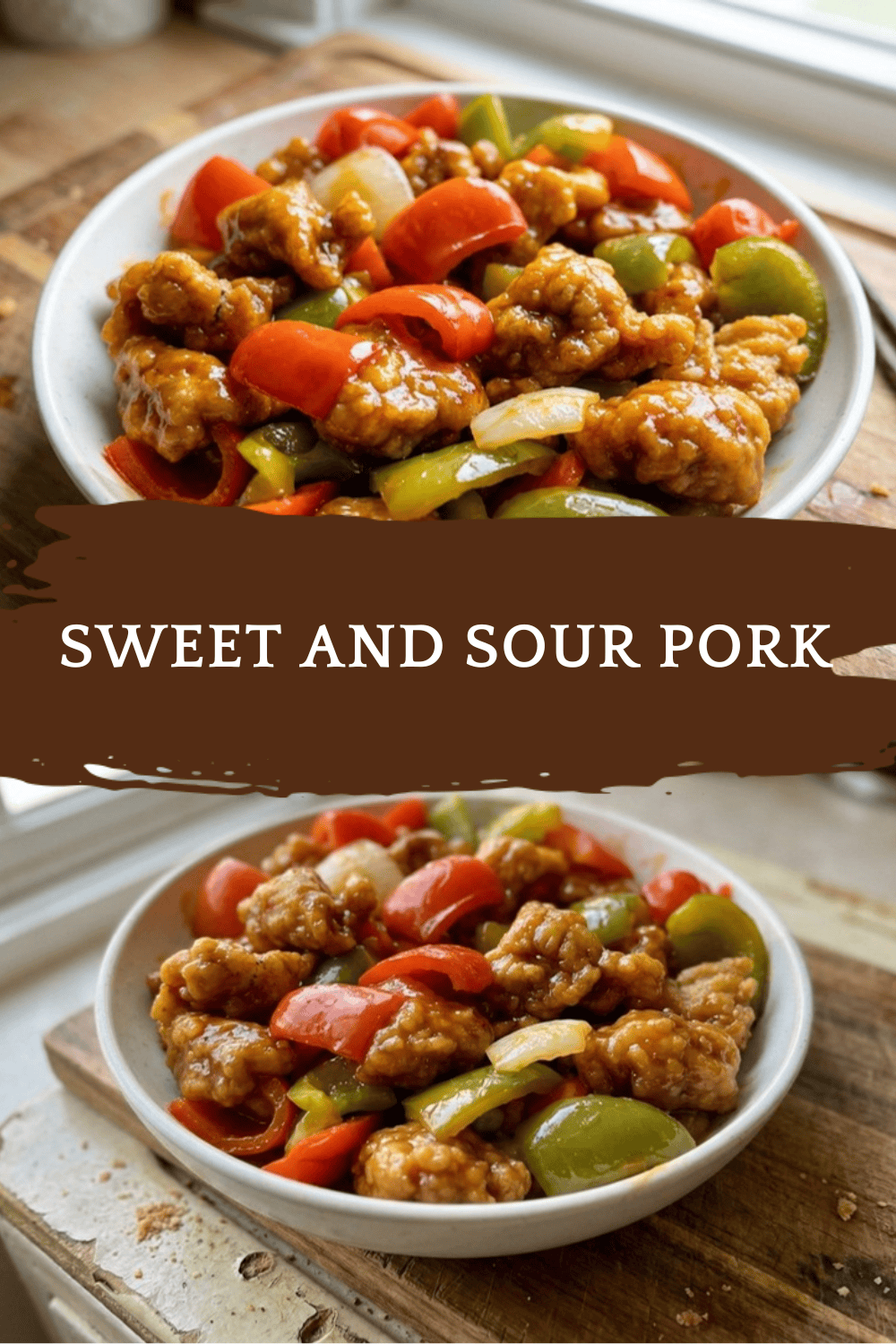
FAQs: Frequently Asked Questions About Sweet And Sour Pork
What cut of pork is best for sweet and sour pork?
Pork scotch roast (also called pork neck or collar) and pork shoulder work best for sweet and sour pork because they stay juicy and flavorful after tenderizing. Cut into 3-4 cm chunks for even cooking. Pork leg or tenderloin can substitute but needs less marinating time and may dry out faster. Avoid pork belly, spare ribs, or pickled pork as they become greasy or tough. Tenderize with 1 tsp baking soda and 2 tbsp cornflour per 500g pork, plus grated onion, garlic, ginger, and soy sauce. Marinate 18-24 hours for tougher cuts or 3 hours overnight for tender ones. This velveting method breaks down proteins for restaurant-quality tenderness. Yields crispy exterior and moist interior after double-frying. (92 words)
How does baking soda tenderize pork for sweet and sour pork?
Baking soda tenderizes pork through velveting, breaking down proteins for a tender, juicy texture like expensive cuts. Use 1 tsp per 500g pork chunks—mix with 2 tbsp cornflour, grated onion, garlic, ginger, and 1 tbsp light soy sauce. Coat pork evenly, then marinate 18-24 hours in the fridge without rinsing. The small amount works gradually without altering taste. After marinating, rinse lightly if needed, pat dry, and double-dredge in cornflour before frying. This keeps economical cuts moist inside and crispy outside. Test tenderness by pressing—it should feel soft. Common in Chinese cooking for dishes like this. (98 words)
How do you make crispy pork for sweet and sour pork?
For the crispiest pork, double-dredge 500g marinated pork chunks in cornflour: first coat seals juices, second adds crunch. Double-fry at high heat (180°C first fry 3-4 mins to cook through, then 200°C second fry 1-2 mins to crisp). Drain on paper towels. Cornflour beats flour for lighter, longer-lasting crispiness. Marinate first with baking soda for tenderness. Fry in neutral oil like vegetable or canola, 3-4 cm deep. Result: stays crispy 5+ minutes even after saucing. Pro tip: fry in batches to maintain oil temp. Serve immediately for best texture. (94 words)
What ingredients are in sweet and sour pork sauce?
This sauce balances sweet, tangy, and savory notes: ½ cup ketchup (sweet base and thickener), ⅓ cup apple cider vinegar (sharp tang), ½ cup sugar, 2 tbsp Worcestershire sauce (umami depth), 2 tbsp oyster sauce, 1 tbsp soy sauce, ½ cup pineapple juice (fruitiness), and 1 tbsp cornflour slurry to thicken. Simmer 2-3 mins until glossy. Tastes richer than basic ketchup-vinegar mixes. Adjust sugar/vinegar to taste. Prep veggies like bell peppers, onion, and pineapple chunks separately—stir-fry briefly before adding sauce. Toss hot fried pork in for 10 seconds only to coat without sogginess. Makes enough for 4 servings. (102 words)
How do you keep sweet and sour pork crispy when serving?
Pork stays crispy about 5 minutes after saucing—restaurant-style limit without special batters. Fry pork second time, drain well, then toss quickly (10 seconds) with hot sauce in wok over high heat. Serve immediately on rice or noodles. To extend crispiness, sauce veggies separately and serve sauce on side for drizzling. For healthier option, oven-bake dredged pork at 200°C for 20-25 mins after 2-min pan-fry seal; not as crisp but good. Reuse fry oil 2 more times (strain, cool, store). Leftovers soften—reheat in 180°C oven 5 mins, not microwave. Common issue: over-tossing softens coating. (96 words)

Sweet And Sour Pork
🐷 Crispy golden pork bites with vibrant sweet-tangy sauce and fresh veggies – authentic Chinese flavors minus the grease!
🍍 Tenderized meat stays juicy inside, perfect quick dinner that beats takeout every time!
- Total Time: 24 hours 50 minutes
- Yield: 4 servings
Ingredients
– 400g pork scotch roast (pork neck, collar butt) or pork shoulder/butt, cut into 2cm cubes for main protein
– 1/2 onion, finely grated for tenderizing
– 1 tsp garlic, finely grated for aromatic flavor
– 1 tsp ginger, finely grated for flavor depth
– 3/8 tsp baking soda (bi-carb) for velveting
– 2 tsp cornflour/cornstarch for marinade adherence
– 2 tbsp light soy sauce for umami
– 5 tbsp cornflour/cornstarch for mixing in first coating
– 1/2 cup cornflour/cornstarch for coating crispy texture
– 2 to 3 cups vegetable or canola oil for deep frying
– 1/3 cup white sugar for sweetness
– 1/3 cup apple cider vinegar (or 1/4 cup white vinegar) for tanginess
– 3 tbsp pineapple juice (from canned pineapple pieces) for fruity sweetness
– 3 tbsp ketchup (or tomato sauce) for body and color
– 1/2 tsp Worcestershire sauce for depth
– 1 tbsp light soy sauce for savory notes
– 1 tsp oyster sauce for richness and umami
– 4 tsp cornflour/cornstarch for thickening sauce
– 1/2 cup water for sauce consistency
– 1 tbsp oil for stir-frying vegetables
– 1 garlic clove, finely chopped for aromatic flavor
– 2 tsp ginger, finely chopped for fresh kick
– 1 medium onion, cut into 2.5cm cubes for sweetness and texture
– 1/2 large red capsicum/bell pepper, cut into 2.5cm cubes for color and crunch
– 1/2 large green capsicum/bell pepper, cut into 2.5cm cubes for color and flavor
– 1 cup pineapple pieces (from the can used for juice in sauce) for fruitiness and sweetness
Instructions
1-Step 1: Marinate the Pork Start by combining your 400g pork cubes with the grated onion, garlic, ginger, baking soda, cornflour, and soy sauce in a bowl. Mix thoroughly to ensure every piece of pork is coated evenly with this marinade. This step is crucial as it begins the tenderizing process that will result in restaurant-quality meat. The baking soda works to break down muscle fibers, while the grated aromatics infuse flavor deep into the pork. For best results, cover and refrigerate the pork for 18-24 hours. If you’re using particularly tender cuts of meat, you can reduce this time, but for tougher cuts like pork shoulder, the longer marinating period will transform the texture completely. Plan ahead and marinate overnight if possible. This prep time is what separates good sweet and sour pork from great sweet and sour pork.
2-Step 2: Prepare Your Cooking Station Before you start cooking, preheat your oven to 80°C (175°F). Place a wire rack on a baking sheet and set it aside. This setup will keep your fried pork warm and crispy while you finish the rest of the dish. Nothing ruins good sweet and sour pork faster than letting the crispy coating get soggy while you make the sauce. Next, prepare your sweet and sour sauce by combining all the sauce ingredients except water in a bowl or measuring cup. Once mixed, stir in the water until everything is well incorporated. The cornflour might clump slightly, but it will smooth out when heated. Having the sauce ready before you start frying ensures you can work quickly when it’s time to combine everything.
3-Step 3: Double Dredge the Pork This technique is the secret to getting that perfectly crispy exterior. First, mix 5 tablespoons of cornflour directly into your marinated pork. Let this mixture sit for about 5 minutes until it becomes sticky and slightly gooey. This first layer of cornflour will seal in the juices during the first fry. After the pork has become sticky, coat each piece in the remaining ½ cup of cornflour. Shake off any excess flour to prevent clumping during frying. This two-step coating process creates multiple layers that result in a superior crunch. Don’t skip this step or try to take shortcuts the double dredging is what makes the texture so exceptional.
4-Step 4: First Fry Heat your vegetable or canola oil to 180°C (350°F) in a deep pan or wok. The oil should be deep enough to completely submerge the pork pieces. Working in batches to avoid overcrowding (which would lower the oil temperature), carefully add the pork pieces to the hot oil. Fry each batch for about 3 minutes, or until the pork is golden and cooked through. The internal temperature should reach 145°F for safety. Once cooked, use a slotted spoon to remove the pork and place it on the wire rack in your preheated oven. This first fry cooks the meat all the way through while creating a foundation for the crispy exterior. Similar to our fried chicken recipe, proper oil temperature management is crucial for achieving the perfect texture.
5-Step 5: Second Fry for Crispiness Increase the oil temperature to 200°C (390°F). This higher temperature is crucial for the second fry, which creates the final crispy coating. Return the pork to the hot oil in batches and fry for about 1.5 minutes, or until the pieces are deep golden and very crispy. The high heat quickly crisps up the exterior without overcooking the meat inside. This double frying technique is what professional Chinese restaurants use to achieve that perfect crunch that stays crispy even after coating with sauce. Drain the pork on the wire rack again and keep it warm in the oven while you prepare the vegetables and sauce.
6-Step 6: Stir-Fry the Vegetables Heat 1 tablespoon of oil in a large skillet or wok over high heat. When the oil is smoking hot, add the chopped garlic and ginger. Stir for about 30 seconds until fragrant, being careful not to burn them. Add the cubed onion and stir-fry for about 1.5 minutes. Then add the red and green capsicum pieces and continue stir-frying for another 2 minutes. The vegetables should still be slightly crisp, not soft, as they will cook a bit more when combined with the sauce. This quick cooking method preserves their vibrant colors and fresh crunch.
7-Step 7: Make the Sauce and Combine Add the sweet and sour sauce mixture to the skillet with the vegetables. Pour in the pineapple pieces as well. Bring the sauce to a rapid simmer and cook for about 2 minutes, or until it thickens and becomes glossy. The cornflour in the sauce will activate with the heat, creating the perfect consistency to coat the pork. Now, carefully add the crispy pork to the skillet. Gently toss everything together for just 10 seconds no longer! The goal is to lightly coat the pork with sauce while preserving its crispiness. If you toss for too long, the sauce will penetrate the coating and make it soggy. This timing is crucial for that restaurant-quality texture.
8-Step 8: Serve and Enjoy Transfer your sweet and sour pork to a serving platter immediately. The contrast between the hot, crispy pork and the tangy, glossy sauce is at its peak right now. Serve over steamed rice or with noodles for a complete meal. Garnish with sesame seeds or sliced green onions if desired. For the best experience, eat immediately while the pork maintains its crunch. The texture will gradually soften as it sits, but it should remain pleasantly crispy for about 5 minutes after saucing. This timing is why restaurants often serve sweet and sour dishes immediately after the final toss in the wok.
Last Step:
Please leave a rating and comment letting us know how you liked this recipe! This helps our business to thrive and continue providing free, high-quality recipes for you.Notes
🔥 Double-fry the pork for extra crispiness that holds up even after saucing.
🥄 Baking soda in marinade tenderizes pork for melt-in-mouth texture.
⏱️ Toss pork in sauce at the very end to preserve crunch for up to 5 minutes.
- Prep Time: 20 minutes
- Marinating Time: 24 hours
- Cook Time: 30 minutes
- Category: Main Dishes
- Method: Deep Fry
- Cuisine: Chinese
Nutrition
- Serving Size: 1 serving
- Calories: 550 kcal
- Sugar: 25g
- Sodium: 700mg
- Fat: 25g
- Saturated Fat: 6g
- Unsaturated Fat: 18g
- Trans Fat: 0g
- Carbohydrates: 45g
- Fiber: 2g
- Protein: 25g
- Cholesterol: 70mg


