Why You’ll Love This Sushi Rice
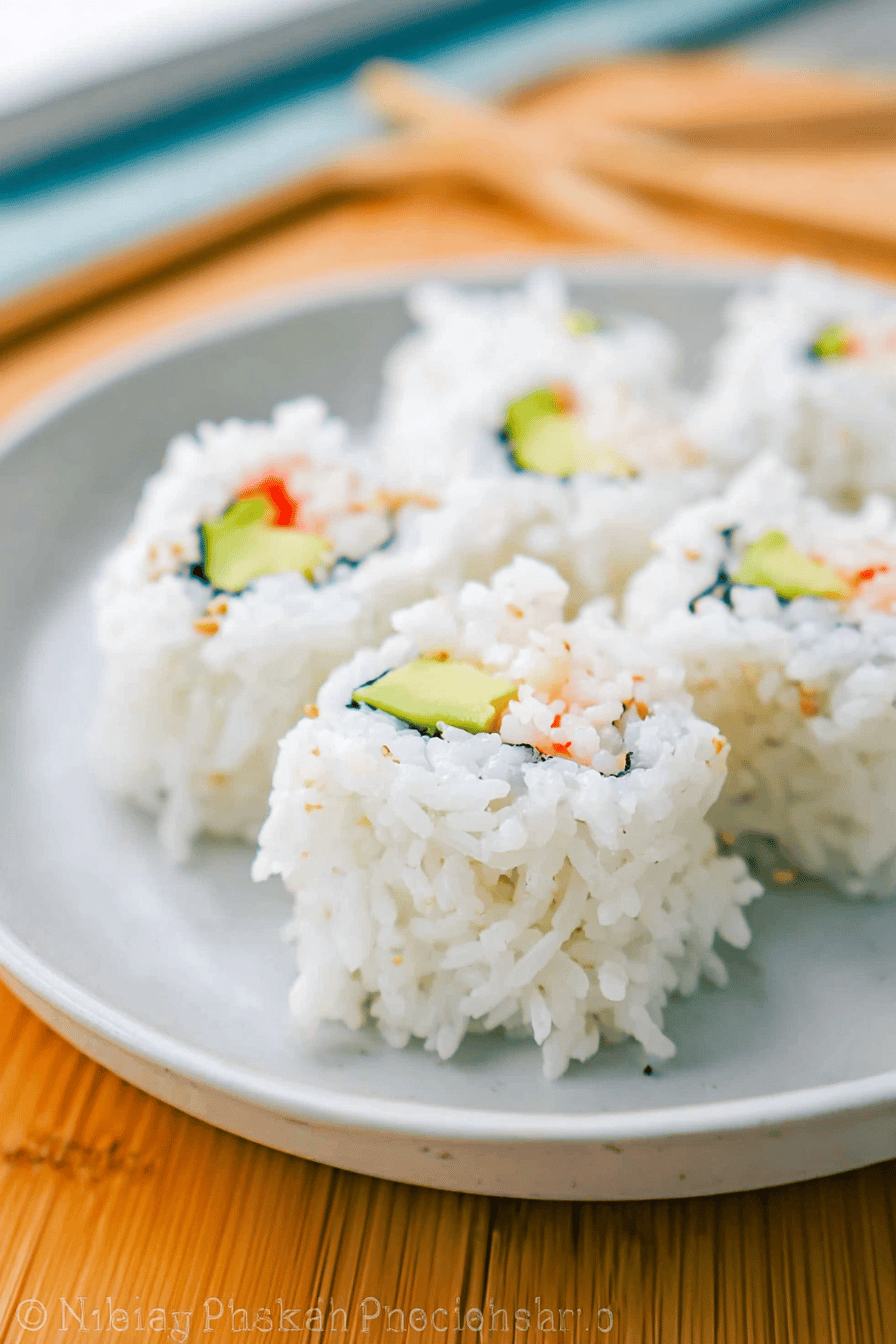
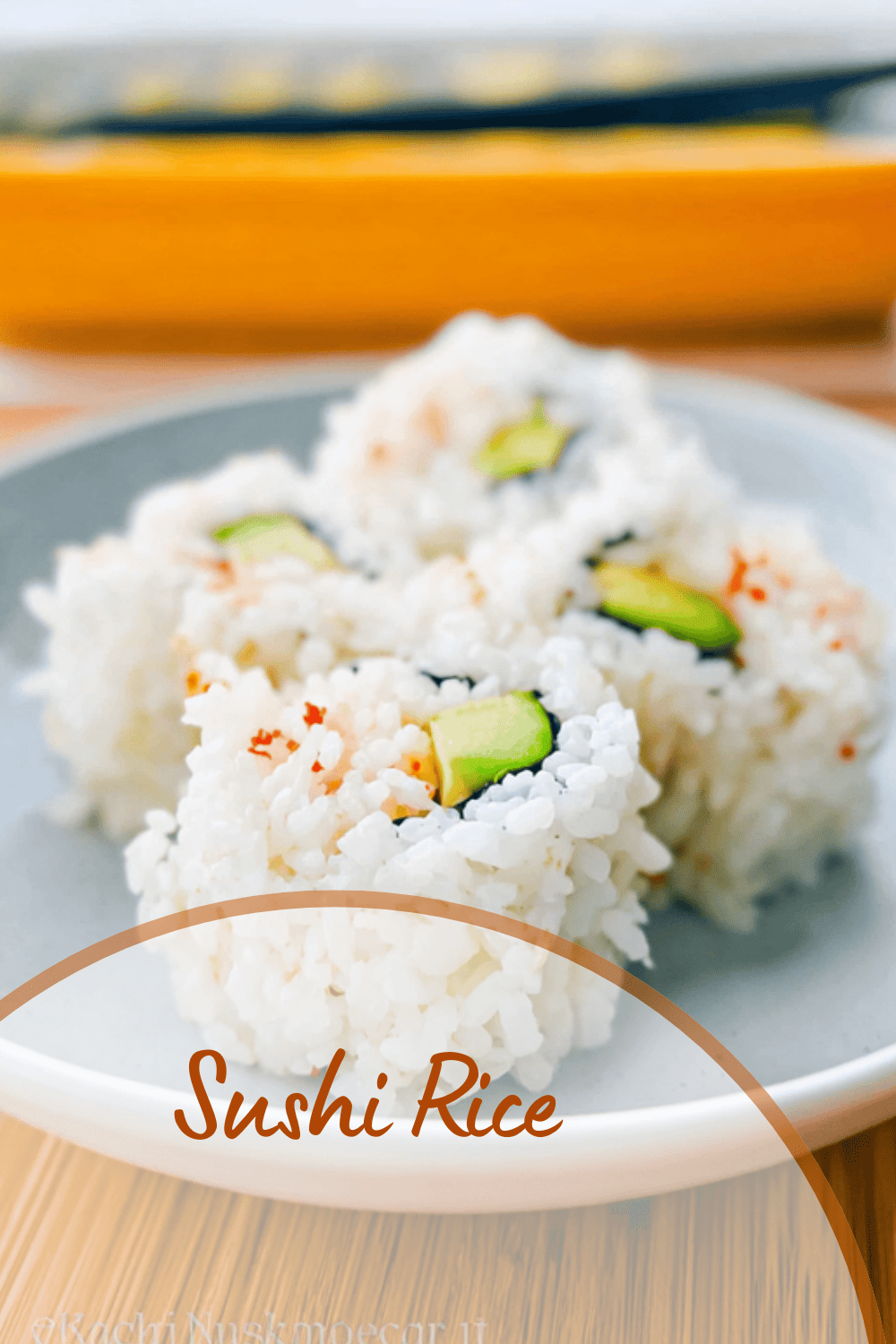
If you’re new to making sushi at home, you’ll find this sushi rice recipe so easy and rewarding that it quickly becomes a staple in your kitchen. It offers a simple way to get that perfect, sticky texture without needing fancy tools, making it ideal for busy parents or students looking for quick meals. Not only does it taste great with its subtle tang and shine, but it also fits into many lifestyles, from healthy eating to fun family dinners.
This sushi rice stands out because it’s a base for endless creativity, whether you’re rolling veggie wraps or adding proteins. Folks like food enthusiasts and diet-conscious individuals appreciate how it delivers steady energy through carbs while keeping things light and fresh. With just a short prep time and straightforward steps, it’s perfect for anyone wanting flavorful results without the hassle. Get your favorite ingredients ready, and you’ll see why this sushi rice becomes your go-to for tasty meals every time.
Beyond its ease, this sushi rice brings health perks like complex carbs for lasting energy and fiber from the grains, supporting digestion for travelers and working professionals. Its adaptability means you can tweak it for vegan or gluten-free needs, pairing well with various fillings to keep things exciting for newlyweds and seniors. Plus, the seasoned flavor adds a fun twist that makes every bite memorable, inspiring you to cook with joy and share meals around the table.
Key Benefits of Sushi Rice
- Quick to prepare, taking only about 35 minutes total.
- Friendly for health-focused eaters with low fat and good carbs.
- Works for many diets, including vegan and gluten-free options.
- Delivers a balanced taste that enhances any sushi creation.
Jump To
- 1. Why You’ll Love This Sushi Rice
- 2. Essential Ingredients for Sushi Rice
- 3. How to Prepare the Perfect Sushi Rice: Step-by-Step Guide
- 4. Dietary Substitutions to Customize Your Sushi Rice
- 5. Mastering Sushi Rice: Advanced Tips and Variations
- 6. How to Store Sushi Rice: Best Practices
- 7. FAQs: Frequently Asked Questions About Sushi Rice
- 8. Sushi Rice
Essential Ingredients for Sushi Rice
Gathering the right ingredients is the first step to making great sushi rice, and this list covers everything you need for a perfect batch. Start with high-quality short-grain rice for that sticky feel, and don’t skip the rinsing to get the best results. I’ll walk you through each item so you can follow along easily, even if you’re just starting out.
Remember, using fresh ingredients makes a big difference, so check your pantry and pick up what you need. This setup works for home cooks of all levels, helping you create that authentic sushi vibe without stress.
Main Ingredients List
- 2 cups sushi rice – This short-grain variety gives the sticky texture essential for sushi.
- 2 cups water – Used for cooking the rice to achieve even consistency.
- 4-inch square of kombu (optional) – Adds a subtle umami flavor when included during cooking.
- 1/4 cup rice vinegar – Provides the tangy taste that defines seasoned sushi rice.
- 4 teaspoons sugar or honey – Balances the acidity with a touch of sweetness.
- 1 teaspoon fine sea salt – Enhances the overall flavor and helps season the rice.
For special dietary tweaks, this recipe is naturally vegan and gluten-free if you use certified gluten-free vinegar. If you’re watching calories, swap sugar with honey or cut back a bit to keep things light.
How to Prepare the Perfect Sushi Rice: Step-by-Step Guide
Making sushi rice might seem tricky at first, but these steps break it down so anyone can nail it on the first try. Start by rinsing your rice to remove extra starch, which helps get that ideal sticky yet firm texture. Whether you’re using a rice cooker or a pot on the stove, follow along for smooth results.
After cooking, adding the vinegar mix is key for that signature flavor, so take your time with it. This guide suits busy parents or students who want a reliable method for weekday meals.
Step-by-Step Instructions
- First, rinse the 2 cups of sushi rice thoroughly under cold water until the water runs clear, then drain it well to remove excess starch.
- Next, combine the rinsed rice with 2 cups of water and the optional 4-inch square of kombu in a rice cooker, pressure cooker, or pot on the stovetop.
- Cook the rice as per your method: for a rice cooker, use the standard setting; for a pressure cooker, follow the rice function; or on the stovetop, bring to a boil, then reduce heat, cover, and simmer for about 15-20 minutes.
- While the rice cooks, heat the 1/4 cup rice vinegar, 4 teaspoons sugar or honey, and 1 teaspoon fine sea salt in a small pan over low heat until the sugar dissolves, stirring gently.
- Once the rice is done, transfer it to a large bowl, remove the kombu if used, and drizzle the warm vinegar mixture over the rice.
- Gently fold the rice using a slicing and lifting motion with a wooden spoon to mix evenly without mashing the grains, helping keep them separate and shiny.
- Cover the bowl with a damp towel and let the rice cool to room temperature before using it, which takes about 10-15 minutes.
This process takes roughly 5 minutes to prep and 30 minutes to cook, for a total of around 35 minutes. For sushi rice preparation like this, check out our guide on red beans and rice basics for more rice cooking tips that pair well with this recipe.
Dietary Substitutions to Customize Your Sushi Rice
If you’re adjusting this sushi rice for your needs, remember that small changes can make a big difference, like swapping ingredients to fit a vegan diet or reducing sugar for a lighter option.
Everyone has different tastes and needs, so tweaking this sushi rice recipe keeps it fun and accessible. For instance, if you’re a diet-conscious individual, you can easily make swaps to lower calories or avoid allergens. This helps busy parents and seniors create meals that everyone enjoys.
Protein and Main Component Alternatives
- Substitute proteins like tofu or tempeh instead of fish to keep it vegetarian or vegan.
- Try cooked shrimp or crab for a seafood twist that adds variety.
- Use grilled mushrooms or eggplant for a plant-based option that boosts flavor.
Vegetable, Sauce, and Seasoning Modifications
- Swap cucumber with avocado or bell peppers for a fresh seasonal touch.
- Opt for tamari or coconut aminos as gluten-free swaps for soy sauce.
- Add herbs like shiso or cilantro to bring in new aromas and tastes.
- Adjust wasabi or pickled ginger amounts to match your spice level or dietary preferences.
Mastering Sushi Rice: Advanced Tips and Variations
Once you get the basics down, exploring advanced tips for sushi rice can take your cooking to the next level, especially if you’re a food enthusiast. Things like using a wooden bowl for mixing help achieve that perfect glossy finish, and adding flavors like sesame seeds keeps it exciting. Here’s how to refine your skills for better results every time.
Rinsing the rice multiple times removes starch for the ideal texture, and tools like a hangiri make seasoning easier. For flavor variations, try infusing the rice with yuzu juice or sesame seeds to create unique twists that impress at dinner parties.
Pro Techniques and Ideas
| Technique | Benefit |
|---|---|
| Rinse rice thoroughly | Ensures perfect, non-sticky grains |
| Use a wooden bowl for mixing | Allows even seasoning and cooling |
| Add toasted sesame seeds | Brings extra crunch and flavor |
For more creative meal ideas, explore grilled shrimp tacos that could pair nicely with your sushi rice. Presentation tips include using molds for shapes and garnishes like nori for appeal.
How to Store Sushi Rice: Best Practices
Proper storage keeps your sushi rice fresh and tasty, so let’s cover the essentials to avoid any mishaps. After preparing, cool the rice fully before storing to maintain its texture. This is key for working professionals or baking enthusiasts who like to plan ahead.
Store leftovers in an airtight container to keep them good for up to 24 hours, and remember not to refrigerate if you can help it. If you need to freeze plain rice, thaw and reheat gently to preserve quality.
Storage Options
- Refrigerate in an airtight container and use within 24 hours.
- Freeze plain cooked rice, then thaw in the fridge before reheating.
- Reheat with a bit of water in the microwave or by steaming to keep it moist.
- For meal prep, cook fresh batches daily to hold onto the best flavor.
FAQs: Frequently Asked Questions About Sushi Rice
What type of rice is best for making sushi rice?
The best rice for sushi is short-grain Japanese rice because of its higher starch content which gives sushi rice its characteristic sticky texture. Avoid long-grain or medium-grain rice as they don’t clump together well. Look for labels like “sushi rice” or “calrose” for suitable options. Rinsing the rice several times before cooking helps remove excess starch, preventing it from becoming too gummy.
How do I prepare the vinegar mixture for sushi rice?
The traditional sushi vinegar mixture consists of rice vinegar, sugar, and salt. A common ratio is ¼ cup rice vinegar, 2 tablespoons sugar, and 1 teaspoon salt for every 2 cups of uncooked rice. Gently heat the ingredients together until sugar and salt dissolve, then let it cool before mixing into the cooked rice. This blend adds the signature sweet and tangy flavor to sushi rice.
Can I prepare sushi rice in advance and store it?
Yes, you can prepare sushi rice a few hours before serving, but it’s best consumed the same day for optimal texture and flavor. After mixing in the vinegar, cover the rice with a damp cloth and keep it at room temperature. Refrigeration is not recommended as it hardens the rice and alters its texture. If storing overnight, reheat gently with a sprinkle of water and cover to restore softness.
How should I properly mix the vinegar into sushi rice?
After cooking and while the rice is still hot, transfer it to a large wooden or non-metallic bowl. Pour the vinegar mixture evenly over the rice and use a wooden spatula to gently cut and fold the rice, avoiding mashing the grains. Fan the rice while mixing to cool it quickly and give it a shiny texture. Proper mixing ensures even seasoning and prevents sogginess.
What common mistakes should I avoid when making sushi rice?
Avoid using the wrong type of rice or skipping the rinsing step, as this affects texture. Don’t add vinegar while the rice is hot without mixing carefully, or you risk uneven seasoning. Overcooking or undercooking rice can result in either mushy or hard grains. Also, storing sushi rice in the fridge can dry it out. Following precise measurements and handling techniques yields the best results.
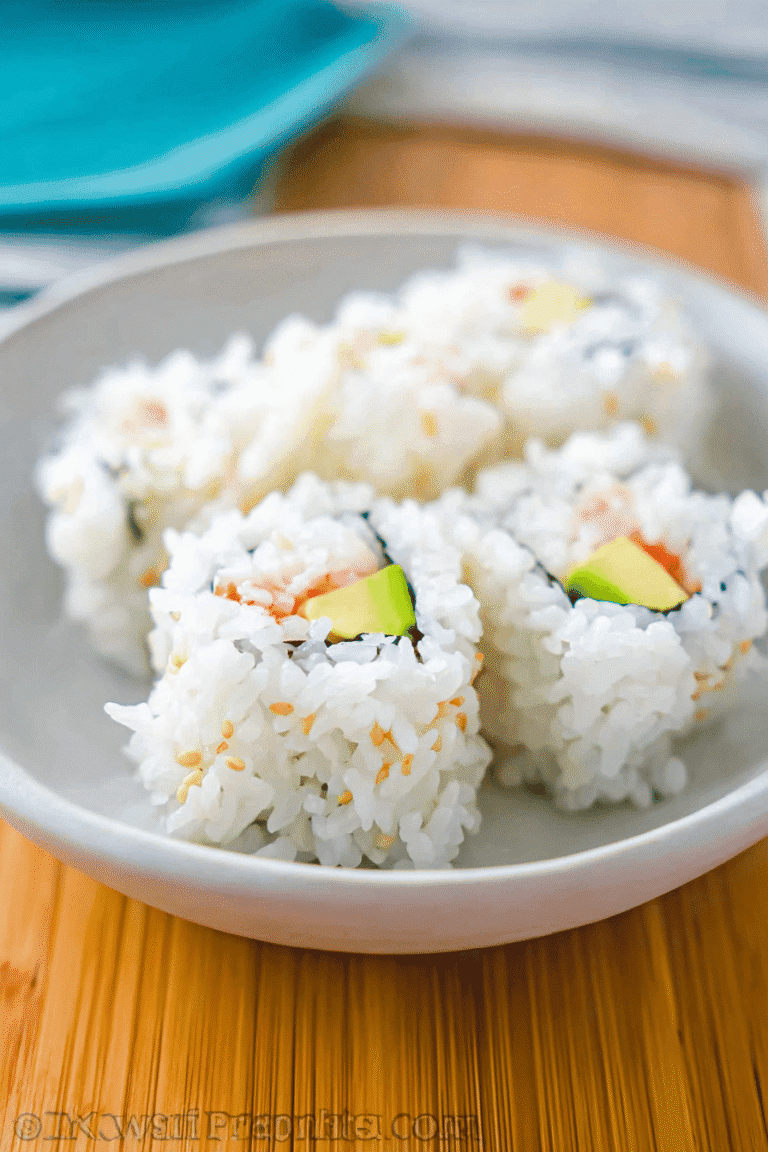
Sushi Rice
🍚 Master the art of making perfect sushi rice with this comprehensive guide, ensuring fluffy and flavorful results every time.
🍣 Essential for sushi lovers, this method highlights traditional techniques for cooking and seasoning rice to achieve authentic taste and texture.
- Total Time: 35 minutes
- Yield: Approximately 4 cups cooked sushi rice
Ingredients
– 2 cups sushi rice
– 2 cups water
– 4-inch square of kombu (optional) adds a subtle umami flavor when included during cooking
– 1/4 cup rice vinegar provides the tangy taste that defines seasoned sushi rice
– 4 teaspoons sugar or honey balances the acidity with a touch of sweetness
– 1 teaspoon fine sea salt enhances the overall flavor and helps season the rice
Instructions
1-First, rinse the 2 cups of sushi rice thoroughly under cold water until the water runs clear, then drain it well to remove excess starch.
2-Next, combine the rinsed rice with 2 cups of water and the optional 4-inch square of kombu in a rice cooker, pressure cooker, or pot on the stovetop.
3-Cook the rice as per your method: for a rice cooker, use the standard setting; for a pressure cooker, follow the rice function; or on the stovetop, bring to a boil, then reduce heat, cover, and simmer for about 15-20 minutes.
4-While the rice cooks, heat the 1/4 cup rice vinegar, 4 teaspoons sugar or honey, and 1 teaspoon fine sea salt in a small pan over low heat until the sugar dissolves, stirring gently.
5-Once the rice is done, transfer it to a large bowl, remove the kombu if used, and drizzle the warm vinegar mixture over the rice.
6-Gently fold the rice using a slicing and lifting motion with a wooden spoon to mix evenly without mashing the grains, helping keep them separate and shiny.
7-Cover the bowl with a damp towel and let the rice cool to room temperature before using it, which takes about 10-15 minutes.
Last Step:
Please leave a rating and comment letting us know how you liked this recipe! This helps our business to thrive and continue providing free, high-quality recipes for you.Notes
🍚 Use short-grain sushi rice sourced from Japan or California for the best texture.
💧 Rinse the rice thoroughly to remove excess starch for fluffy, separated grains.
🍳 Employ a rice cooker or pressure cooker for consistent results; if using stovetop, monitor closely to prevent overcooking.
- Prep Time: 5 minutes
- Cook Time: 30 minutes
- Category: Side Dish
- Method: Boiling, Seasoning
- Cuisine: Japanese
- Diet: Gluten-Free, Vegetarian, Vegan
Nutrition
- Serving Size: 1/2 cup cooked rice
- Calories: 216
- Sugar: 4 teaspoons (approximate from vinegar mixture)
- Sodium: Approximately 400 mg
- Fat: 0.5 grams
- Saturated Fat: 0 grams
- Unsaturated Fat: 0.5 grams
- Trans Fat: 0 grams
- Carbohydrates: 45 grams
- Fiber: 1 gram
- Protein: 4 grams
- Cholesterol: 0 milligrams