Why You’ll Love This Strawberry Jam
This strawberry jam recipe stands out for its straightforward steps and fresh taste that captures the essence of summer in every spoonful. It uses simple ingredients like ripe strawberries to create a spread that enhances your morning toast or afternoon snacks. Whether you’re new to homemade preserves or a seasoned cook, this easy method makes it fun and rewarding to make your own.
The jam focuses on the natural sweetness of strawberries, making it a healthier alternative to store-bought options full of extras. Its vibrant flavor adds a burst of fruitiness to pancakes, yogurt, or even cheese boards for gatherings. This recipe appeals to home cooks and busy parents alike, as it fits into tight schedules without sacrificing quality.
Beyond taste, making strawberry jam at home lets you control the ingredients, ensuring it’s free from artificial additives. This means you get all the goodness of fresh fruit in one jar, perfect for food enthusiasts exploring new flavors. With just a few basic items, you can whip up a batch that brings joy to your table every time.
Key Benefits and Uses
This jam supports a balanced diet by offering vitamins and antioxidants from strawberries, which can boost your daily wellness. It’s versatile for different meals, from spreading on bread for busy mornings to topping desserts for family events. Students and working professionals will appreciate how quickly it comes together, often in under two hours.
For those watching their diet, the recipe adapts easily to vegan or gluten-free needs. Imagine pairing it with fresh bread or using it in recipes like fruit parfaits. Overall, this strawberry jam becomes a staple that simplifies cooking while adding a touch of homemade charm to everyday life.
Jump To
- 1. Why You’ll Love This Strawberry Jam
- 2. Essential Ingredients for Strawberry Jam
- 3. How to Prepare the Perfect Strawberry Jam: Step-by-Step Guide
- 4. Dietary Substitutions to Customize Your Strawberry Jam
- 5. Mastering Strawberry Jam: Advanced Tips and Variations
- 6. How to Store Strawberry Jam: Best Practices
- 7. FAQs: Frequently Asked Questions About Strawberry Jam
- 8. Strawberry Jam
Essential Ingredients for Strawberry Jam
Gathering the right ingredients is the first step to making delicious strawberry jam at home. Focus on fresh, high-quality items to ensure the best flavor and texture. This recipe uses precise measurements for consistent results every time.
- 2 pounds fresh strawberries, washed, hulled, and roughly chopped
- 1¼ cups granulated sugar
- 2 tablespoons fresh lemon juice
These ingredients form the base of your jam, providing natural sweetness and a perfect balance of acidity. Use ripe strawberries for the richest taste, as they contribute to the jam’s vibrant color and aroma.
Special Considerations for Dietary Needs
For those with specific dietary preferences, this recipe is flexible. It’s naturally vegan and gluten-free, relying on plant-based elements. If you’re aiming for a low-calorie version, consider swapping granulated sugar with natural alternatives like stevia, though this might change the texture slightly. Always test small batches to get it just right for your needs.
How to Prepare the Perfect Strawberry Jam: Step-by-Step Guide
Start by preparing your strawberries to set the foundation for great jam. Wash and hull 2 pounds of fresh strawberries, then roughly chop them to release their juices. This initial step takes about 10 minutes and ensures even cooking later.
Next, combine the chopped strawberries, 1¼ cups of granulated sugar, and 2 tablespoons of fresh lemon juice in a large pot. Stir the mixture well to mix everything evenly, which helps the flavors blend as it cooks.
Place the pot over medium-high heat and stir frequently until the mixture reaches a full rolling boil. This step is crucial to activate the natural pectin and prevent sticking, so keep an eye on it. Once boiling, reduce the heat to medium-low and maintain a steady simmer for about 45 minutes.
Continuing the Process
Stir often during simmering to avoid burning, and check the temperature with a candy thermometer until it hits 220°F. To test if the jam is ready, spoon a small amount onto a frozen plate; it should thicken and hold its shape when cooled.
Once thickened, remove from heat and pour the hot jam into sterilized mason jars. Seal the jars tightly, let them cool to room temperature, then refrigerate. This method makes about 4-5 jars, depending on size, and takes roughly 2 hours total including prep and cooling.
For adaptations like vegan or low-calorie options, use plant-based sugar substitutes and adjust cooking times if needed. Remember to stir with a long-handled non-metal spoon and mash the fruit for your desired texture, enhancing the overall experience.
Fresh Cherry Jam Recipe offers a similar approach if you want to try another fruit variation.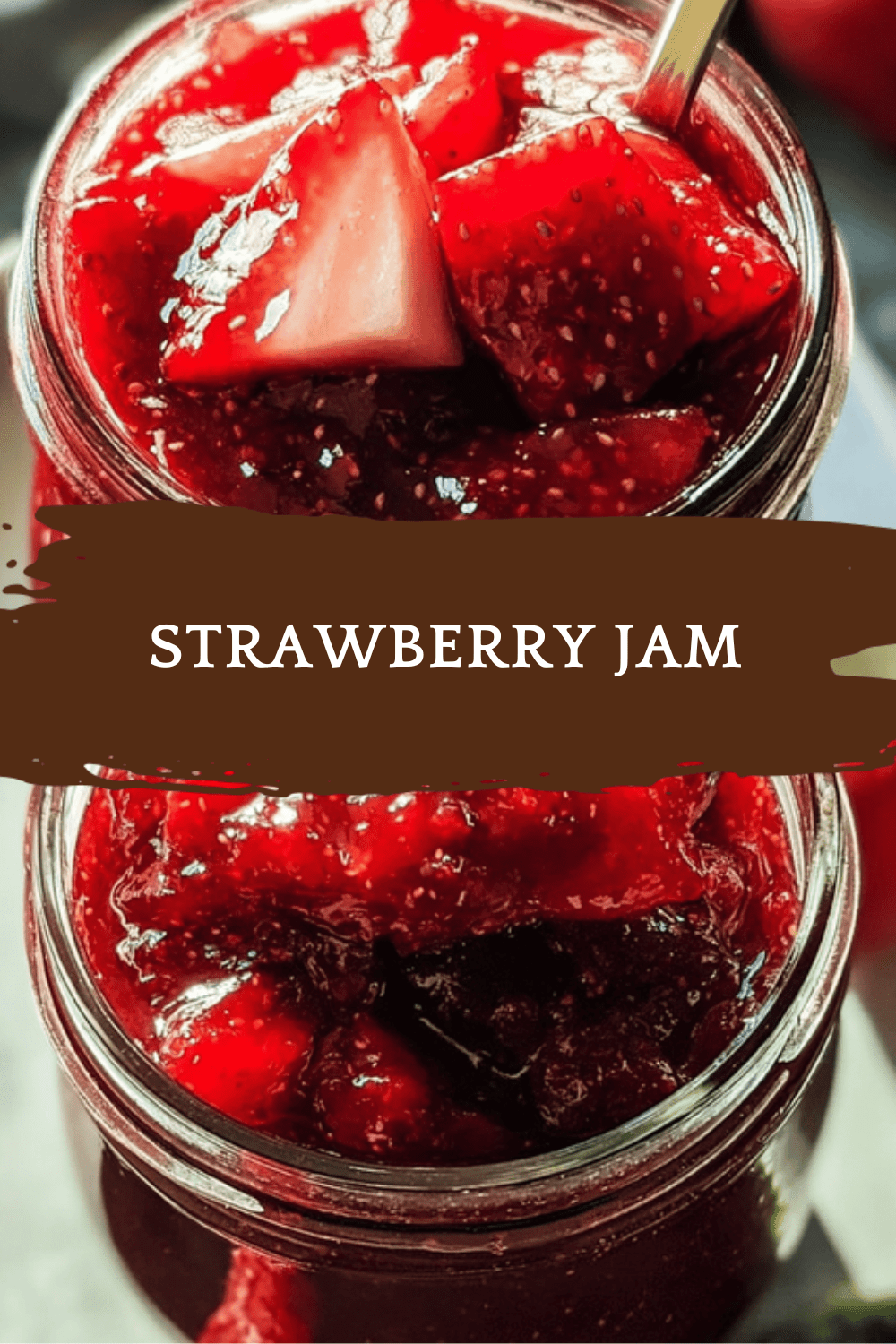
Dietary Substitutions to Customize Your Strawberry Jam
Customizing strawberry jam lets you tailor it to your preferences or restrictions. For instance, if you’re looking to vary the fruit base, try adding flavors like vanilla or cinnamon to complement the strawberries. These changes keep the recipe simple while boosting taste for different palates.
Natural sweeteners can replace granulated sugar to reduce calories, such as using stevia or erythritol in place of 1¼ cups. Lemon juice can be swapped with lime juice for a fresh twist, which adds a different citrus note without altering the core process much.
Herbs like mint or basil can enhance the jam’s flavor profile, making it versatile for various uses. This flexibility helps dietary-conscious individuals, including seniors and newlyweds, enjoy homemade spreads that fit their lifestyles.
Mastering Strawberry Jam: Advanced Tips and Variations
To take your strawberry jam to the next level, use a candy thermometer to monitor cooking temperatures accurately, ensuring a perfect set every time. Incorporating additions like lemon zest or fresh herbs such as basil and mint can add layers of flavor that make your jam unique.
For texture variations, mash the strawberries with a potato masher or pulse them in a food processor before cooking. Presentation matters too, so consider serving the jam in decorative jars with a fresh strawberry on top for a visually appealing touch.
Make-ahead options include preparing large batches and freezing them in freezer-safe jars with 1-inch headspace, which keeps the jam fresh for up to a year. These techniques are great for baking enthusiasts who love experimenting with spreads in recipes. Rhubarb Jam is another variation you might enjoy for a tangy twist.
How to Store Strawberry Jam: Best Practices
Proper storage keeps your strawberry jam fresh and safe to eat. For refrigeration, place opened jars in airtight containers and use within two weeks to maintain quality and prevent spoilage. This method works well for small batches and everyday use.
If you want longer shelf life, freeze the jam in freezer-safe jars, leaving 1-inch headspace for expansion, and it can last up to one year. Thaw slowly in the fridge before using to preserve the texture. For meal prep, portion the jam into smaller containers to make it easy to grab for quick breakfasts or snacks.
Gently reheating the jam in a saucepan can restore its spreadability if it thickens over time. These practices ensure your homemade jam stays delicious, benefiting busy parents and working professionals alike. For more on canning, check out general information on canning jams.

FAQs: Frequently Asked Questions About Strawberry Jam
Can I use frozen strawberries to make strawberry jam?
Yes, frozen strawberries can be used to make strawberry jam. Thaw the berries completely and keep all the liquid released during thawing, as it adds flavor and helps with consistency. Use the thawed fruit and liquid just like fresh strawberries in your recipe. This method works well if fresh strawberries are out of season or unavailable.
How long does homemade strawberry jam last in the refrigerator?
Homemade strawberry jam typically stays fresh in the refrigerator for up to 2 weeks when stored in a clean, airtight container. Always use a sterilized jar and a clean spoon to prevent contamination. If you want to keep your jam longer, consider freezing it or properly canning the jars for shelf stability.
Do I need to use the canning process to store strawberry jam?
The canning process is not necessary if you plan to consume your strawberry jam within a couple of weeks and store it in the refrigerator. Canning is essential if you want to store jam for several months at room temperature. When canning, sterilize your jars, fill them with hot jam, and process them in a boiling water bath for at least 15 minutes to seal and preserve the jam safely.
What is the best way to sweeten strawberry jam?
Common sweeteners for strawberry jam include granulated sugar, honey, or natural fruit pectin with sugar. Granulated sugar helps preserve the jam and balance the tartness of strawberries. Honey adds a distinct flavor but may alter the texture. Some jam recipes use less sugar combined with natural pectin to achieve the desired consistency and sweetness without making the jam overly sweet.
Can I make strawberry jam without added pectin?
Yes, strawberry jam can be made without added pectin, though it may require longer cooking to thicken. Strawberries have natural pectin, but to get a firmer set, cook the jam slowly until it reaches the right thickness, often tested by the “wrinkle test” on a cold plate. Using a bit of lemon juice can also help the jam set because the acidity aids pectin’s gelling properties.

Strawberry Jam
🍓 Enjoy fresh, homemade strawberry jam bursting with natural fruit flavor and sweetness.
🍯 Perfect for spreading on toast or gifting, this easy recipe uses simple ingredients for delicious results.
- Total Time: 2 hours 10 minutes
- Yield: About 4 cups
Ingredients
– 2 pounds fresh strawberries, washed, hulled, and roughly chopped
– 1¼ cups granulated sugar
– 2 tablespoons fresh lemon juice
Instructions
1-Start by preparing your strawberries to set the foundation for great jam. Wash and hull 2 pounds of fresh strawberries, then roughly chop them to release their juices. This initial step takes about 10 minutes and ensures even cooking later.
2-Next, combine the chopped strawberries, 1¼ cups of granulated sugar, and 2 tablespoons of fresh lemon juice in a large pot. Stir the mixture well to mix everything evenly, which helps the flavors blend as it cooks.
3-Place the pot over medium-high heat and stir frequently until the mixture reaches a full rolling boil. This step is crucial to activate the natural pectin and prevent sticking, so keep an eye on it. Once boiling, reduce the heat to medium-low and maintain a steady simmer for about 45 minutes.
4-Continuing the Process: Stir often during simmering to avoid burning, and check the temperature with a candy thermometer until it hits 220°F. To test if the jam is ready, spoon a small amount onto a frozen plate; it should thicken and hold its shape when cooled.
5-Once thickened, remove from heat and pour the hot jam into sterilized mason jars. Seal the jars tightly, let them cool to room temperature, then refrigerate. This method makes about 4-5 jars, depending on size, and takes roughly 2 hours total including prep and cooling.
6-For adaptations like vegan or low-calorie options, use plant-based sugar substitutes and adjust cooking times if needed. Remember to stir with a long-handled non-metal spoon and mash the fruit for your desired texture, enhancing the overall experience.
Last Step:
Please leave a rating and comment letting us know how you liked this recipe! This helps our business to thrive and continue providing free, high-quality recipes for you.Notes
🍓 Use richly colored, fragrant, ripe strawberries and avoid any moldy fruit.
🍋 Enhance the flavor by adding lemon zest or fresh herbs like basil, mint, thyme, or lavender.
🥄 Stir frequently with a long-handled non-metal spoon to prevent the jam from sticking and burning.
- Prep Time: 10 minutes
- Cook time: 2 hours
- Cook Time: 2 hours
- Category: Condiment
- Method: Boiling and simmering
- Cuisine: American
Nutrition
- Serving Size: 1 tablespoon
- Calories: 37
- Sugar: 9.3g
- Sodium: 0mg
- Fat: 0g
- Saturated Fat: 0g
- Unsaturated Fat: 0g
- Trans Fat: 0g
- Carbohydrates: 9.5g
- Fiber: 0.2g
- Protein: 0g
- Cholesterol: 0mg