Why You’ll Love This Stir Fry Sauce Recipe
You know those nights when you’re craving something tasty but don’t have much time? This stir fry sauce recipe is your new best friend! It’s super easy to whip up in just minutes, making it perfect for busy parents, students, or anyone hustling through the day. You’ll love how it turns simple veggies and proteins into a flavorful meal that feels special without all the effort.
Health-wise, it’s packed with goodies like fresh garlic and ginger, which add a nutritious punch. For instance, garlic brings antioxidants that support your immune system, while ginger can help with digestion isn’t that awesome? Plus, using low-sodium soy sauce keeps things lighter, so you get all the taste without overloading on calories or fats.
This recipe is incredibly versatile, letting you tweak it for different dietary needs, like going vegan or gluten-free. Whether you’re a food enthusiast experimenting in the kitchen or a working professional needing quick dinners, this sauce adapts easily and always delivers that perfect balance of savory, sweet, and tangy flavors. Imagine drizzling it over your favorite stir fry and watching everyone at the table light up!
Jump To
- 1. Why You’ll Love This Stir Fry Sauce Recipe
- 2. Essential Ingredients for Stir Fry Sauce Recipe
- 3. How to Prepare the Perfect Stir Fry Sauce Recipe: Step-by-Step Guide
- 4. Dietary Substitutions to Customize Your Stir Fry Sauce Recipe
- 5. Mastering Stir Fry Sauce Recipe: Advanced Tips and Variations
- 6. How to Store Stir Fry Sauce Recipe: Best Practices
- 7. FAQs: Frequently Asked Questions About Stir Fry Sauce Recipe
- 8. Stir Fry Sauce Recipe
Essential Ingredients for Stir Fry Sauce Recipe
Let’s talk about what makes this stir fry sauce so magical the ingredients! I’ve pulled together a simple list based on what’s needed to create about 1 1/4 cups of this delicious sauce. Each one plays a key role, and I’ll lay them out clearly so you can grab everything without any guesswork.
Main Ingredients
- 1/2 cup (120 ml) low-sodium soy sauce
- 1/2 cup (120 ml) vegetable stock or water
- 1 tsp (5 ml) sesame oil
- 1/2 Tbsp (7.5 ml) rice vinegar
- 2 cloves garlic, minced
- 1-2 tsp (5-10 g) fresh ginger, grated
- 1 Tbsp (15 ml) sugar or honey (adjust for sweetness)
- 1 Tbsp (8 g) cornstarch
- Pinch of red-pepper flakes (optional, for heat)
This list covers everything you need, right down to the exact measurements. Don’t skip the garlic or ginger they bring that fresh, zingy vibe that ties it all together. If you’re watching your sodium, go for low-sodium soy sauce as listed here!
How to Prepare the Perfect Stir Fry Sauce Recipe: Step-by-Step Guide
Ready to make this stir fry sauce in a flash? It’s as simple as gathering your ingredients and following a few easy steps. You’ll be amazed at how quickly it comes together just 5 minutes of prep, and you’re set for tasty meals all week!
First, grab all your ingredients and measure them out. That means getting your 1/2 cup of low-sodium soy sauce, 1/2 cup of vegetable stock or water, and the rest ready to go. This step helps everything mix smoothly, especially if you’re making swaps for dietary reasons.
Next, toss all the ingredients into a bowl or a jar with a lid. That includes the 1 tsp of sesame oil, 1/2 Tbsp of rice vinegar, minced garlic, grated ginger, sugar or honey, cornstarch, and that optional pinch of red-pepper flakes if you want some heat.
Now, whisk or shake it vigorously until the cornstarch dissolves completely and the mixture looks uniform. You can’t beat how easy this is no fancy tools needed!
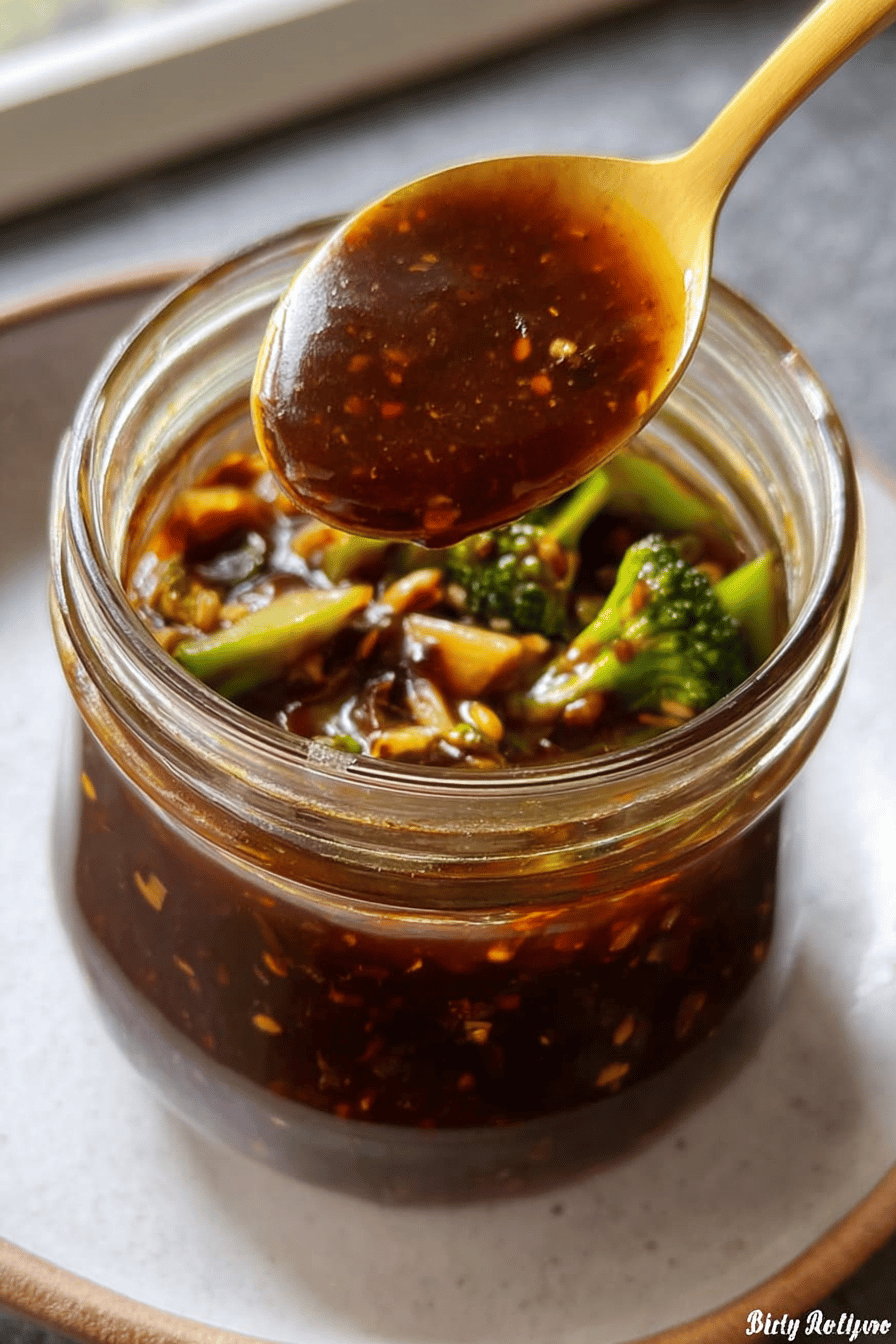
Once it’s mixed, add it straight to your hot stir-fry and let it simmer for a few minutes to thicken up. If you’re not using it right away, pop it into an airtight container and chill in the fridge for up to a week, or freeze it for up to 3 months. Thaw it in the fridge when you’re ready, and boom instant flavor boost!
Dietary Substitutions to Customize Your Stir Fry Sauce Recipe
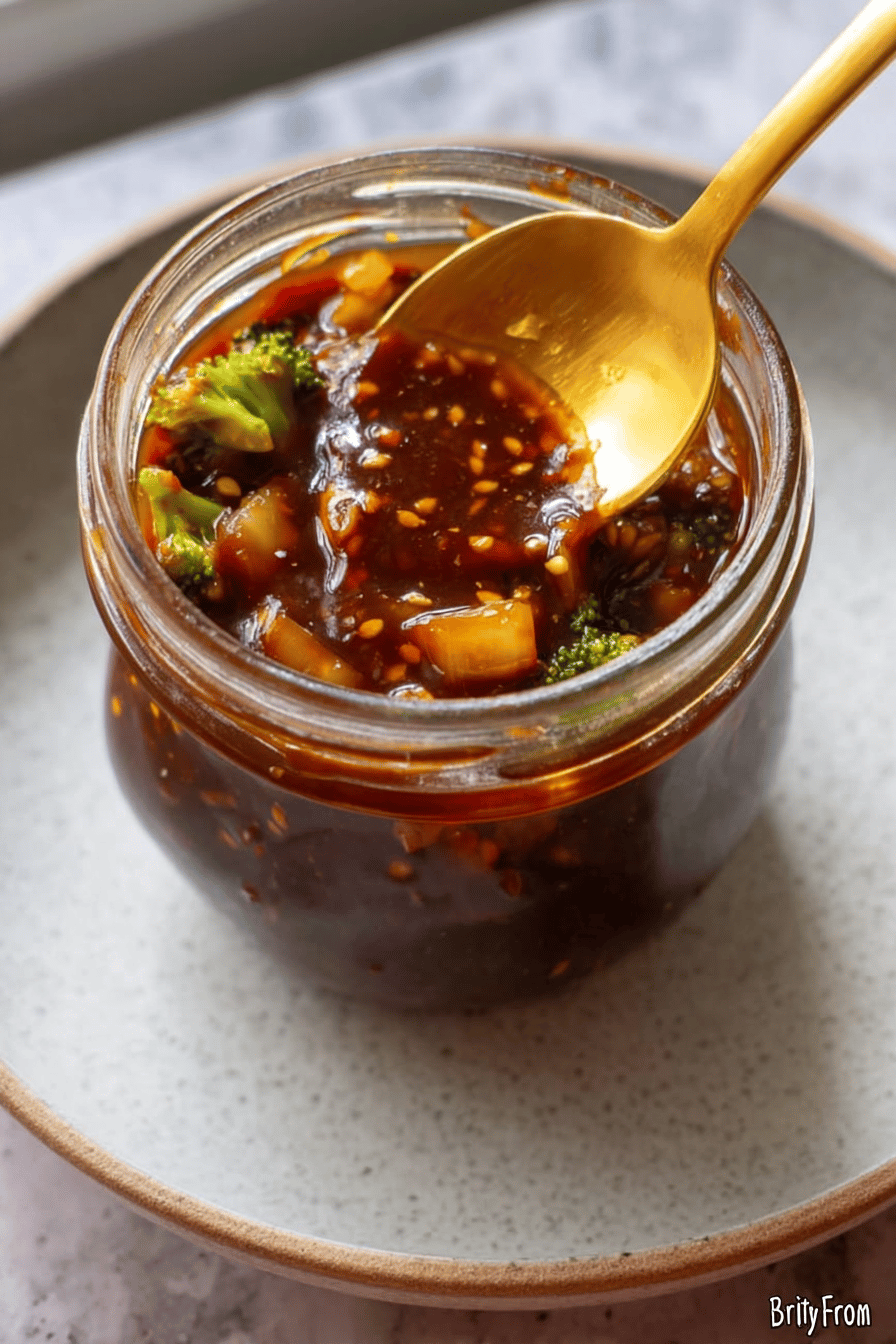
One of the best things about this stir fry sauce recipe is how flexible it is! You can tweak it to fit your lifestyle, whether you’re avoiding gluten, going vegan, or cutting back on sodium. Let’s break it down so you can make it your own without losing that yummy taste.
For protein swaps in your stir fry, try replacing meat with tofu or tempeh for a vegan option it’s hearty and takes on flavors beautifully. If seafood’s your thing, swap in shrimp or fish for a fresh twist. And for a high-protein vegan choice, seitan works great if gluten isn’t an issue for you.
When it comes to veggies or seasonings, mix things up by using zucchini or snow peas instead of the usual ones. To keep it gluten-free, swap soy sauce with tamari or coconut aminos that’s a game-changer! Add chili flakes for extra spice or fresh herbs like cilantro to brighten it up, just like the tips we have for adjusting sweetness or thickness.
Mastering Stir Fry Sauce Recipe: Advanced Tips and Variations
Once you’ve nailed the basics of this stir fry sauce recipe, let’s level up your skills! These pro tips will help you create even more amazing flavors and make your meals stand out. You’ll feel like a kitchen rockstar in no time.
Pro Cooking Techniques
For deeper flavors, try toasting sesame seeds before stirring them in it adds a nutty crunch you won’t forget. Also, let your sauce simmer on low heat to really concentrate those tastes; it’s a simple trick that makes a big difference.
Flavor Variations
Want to experiment? Add citrus zest for a zesty kick, or mix in chili paste or peanut butter for unique twists. If you’re aiming for more sweetness, toss in extra sugar, honey, or even brown sugar as suggested. For thickening, stir in up to an additional 1 Tbsp of cornstarch to get that perfect glaze.
Presentation and Make-Ahead Ideas
- Garnish with chopped green onions or fresh herbs for a pop of color.
- Prepare in bulk and store in the fridge or freezer for quick meals.
- Remember those dietary swaps, like using tamari for gluten-free or coconut aminos for soy-free options.
This way, you can whip up a vegan-friendly dish or something like grilled shrimp tacos effortlessly. Isn’t it fun to customize?
How to Store Stir Fry Sauce Recipe: Best Practices
Don’t let your homemade stir fry sauce go to waste storing it right keeps it fresh and ready for your next meal! With just a little care, you can enjoy this recipe for days or even months ahead. Let’s cover the basics so you can plan like a pro.
First off, pop your sauce into an airtight container and stash it in the fridge; it’ll stay good for up to one week. For longer storage, freeze it in small portions think freezer-safe bags or containers so you can thaw just what you need. When it’s time to use it, warm it gently on the stove or in the microwave, stirring as you go to keep that smooth texture.
Batching this sauce is a smart move for meal prep. Label your containers with dates and what’s inside to avoid any mix-ups, and only defrost what you’ll use to cut down on waste. Plus, with its low fat and nutrient profile like just 1 g of fat and 497 mg of sodium per serving it’s a healthy choice you can feel good about stocking up on.
Nutritional Quick Look
| Nutrient | Amount |
|---|---|
| Fat | 1 g (0.3 g saturated, 0.3 g polyunsaturated, 0.3 g monounsaturated) |
| Sodium | 497 mg |
| Potassium | 22 mg |
| Vitamin A | 18 IU |
| Vitamin C | 1 mg |
| Calcium | 3 mg |
| Iron | 1 mg |
This table gives you a snapshot of why it’s such a balanced option for diet-conscious folks!
FAQs: Frequently Asked Questions About Stir Fry Sauce Recipe
How can I make a low-sodium stir-fry sauce at home?
To reduce sodium in your stir-fry sauce, substitute regular soy sauce with low-sodium soy sauce or tamari. Use vegetable stock instead of broth, or opt for water to keep salt content minimal. Avoid adding extra salt and taste as you cook, adjusting flavors with garlic, ginger, or a splash of vinegar to maintain depth without extra sodium.
Is it possible to prepare a gluten-free stir-fry sauce?
Yes, you can make a gluten-free stir-fry sauce by choosing a gluten-free soy sauce alternative like tamari or coconut aminos. Check all other ingredients such as vinegar, broth, or sugar for gluten content by reading their labels carefully. This adjustment keeps the sauce safe for those with gluten intolerance or celiac disease.
What can I use if I want a stir-fry sauce without soy?
Coconut aminos is a great soy-free alternative that mimics the savory flavor of soy sauce. It’s naturally gluten-free and lower in sodium. You can replace soy sauce with an equal amount of coconut aminos in your recipe to make a soy-free stir-fry sauce that still tastes rich and flavorful.
How do I thicken my stir-fry sauce if it’s too runny?
To thicken a runny stir-fry sauce, mix ½ to 1 tablespoon of cornstarch with cold water or broth to create a slurry. Slowly whisk this mixture into your simmering sauce, stirring constantly until it thickens. Adding the slurry gradually helps prevent lumps and creates a smooth, glossy finish.
Can I make a vegan stir-fry sauce without honey?
Yes, to keep your stir-fry sauce vegan, replace honey with natural sweeteners like maple syrup, agave nectar, or brown sugar. These options provide a similar sweetness and balance the salty and tangy flavors, making your sauce fully plant-based without sacrificing taste.
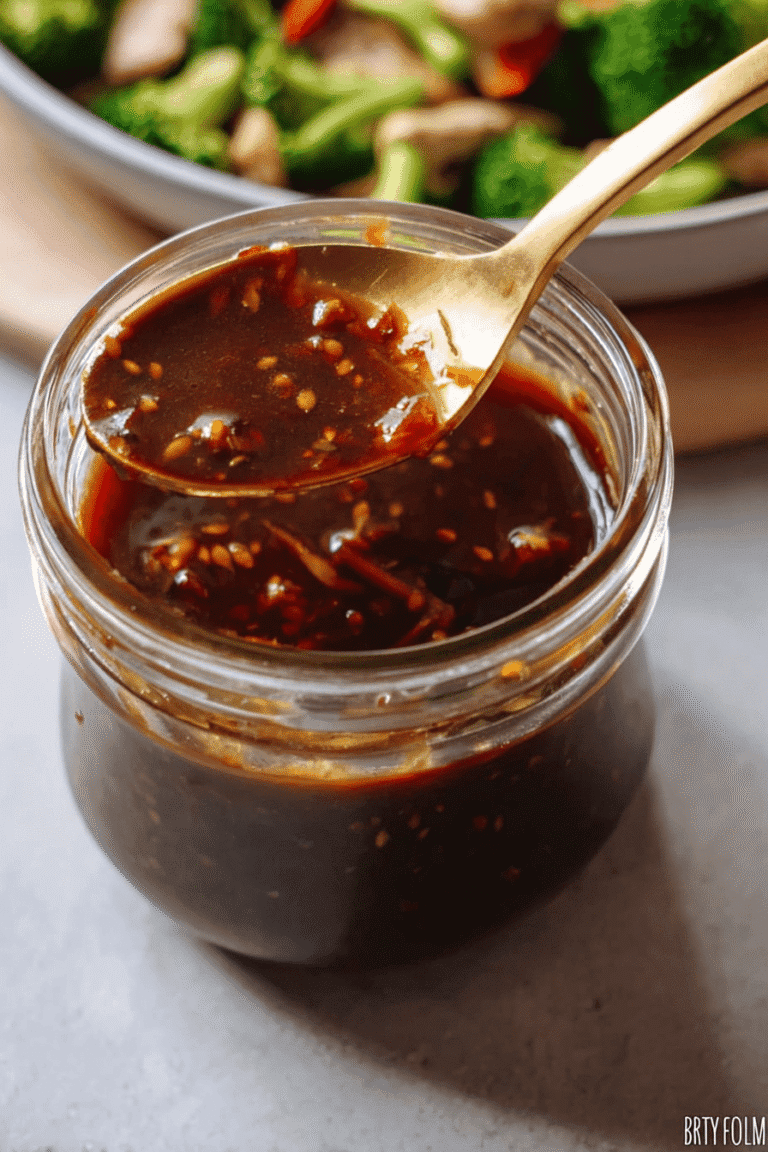
Stir Fry Sauce Recipe
🍜 This speedy stir‑fry sauce adds bold Asian flavor to any quick weeknight meal.
🥢 Ready in just five minutes, it lets you transform simple ingredients into a tasty dinner in a flash.
- Total Time: 5 minutes
- Yield: ≈ 1¼ cups (enough for 4‑6 stir‑fry servings)
Ingredients
– 1/2 cup (120 ml) low-sodium soy sauce
– 1/2 cup (120 ml) vegetable stock or water
– 1 tsp (5 ml 1 Tbsp (15 ml) sugar or honey (adjust for sweetness)
– 1 Tbsp (8 g) cornstarch
– Pinch of red-pepper flakes (optional, for heat)
Instructions
1-First, grab all your ingredients and measure them out. That means getting your 1/2 cup of low-sodium soy sauce, 1/2 cup of vegetable stock or water, and the rest ready to go. This step helps everything mix smoothly, especially if you’re making swaps for dietary reasons.
2-Next, toss all the ingredients into a bowl or a jar with a lid. That includes the 1 tsp of sesame oil, 1/2 Tbsp of rice vinegar, minced garlic, grated ginger, sugar or honey, cornstarch, and that optional pinch of red-pepper flakes if you want some heat.
3-Now, whisk or shake it vigorously until the cornstarch dissolves completely and the mixture looks uniform. You can’t beat how easy this is no fancy tools needed!
4-Once it’s mixed, add it straight to your hot stir-fry and let it simmer for a few minutes to thicken up. If you’re not using it right away, pop it into an airtight container and chill in the fridge for up to a week, or freeze it for up to 3 months. Thaw it in the fridge when you’re ready, and boom instant flavor boost!
Last Step:
Please leave a rating and comment letting us know how you liked this recipe! This helps our business to thrive and continue providing free, high-quality recipes for you.Notes
🔥 Adjust the heat level by adding more or fewer red‑pepper flakes.
🍯 For a vegan version, substitute honey with extra sugar or maple syrup.
🧂 For a gluten‑free sauce, replace soy sauce with tamari or coconut aminos.
- Prep Time: 5 minutes
- Category: Sauce
- Method: No‑Cook
- Cuisine: Asian
- Diet: Vegan-friendly
Nutrition
- Serving Size: 2 tbsp per stir‑fry
- Calories: 70 kcal
- Sugar: 1 tbsp (≈ 12 g)
- Sodium: 497 mg
- Fat: 1 g
- Saturated Fat: 0.3 g
- Unsaturated Fat: 0.6 g
- Trans Fat: 0 g
- Carbohydrates: 12 g
- Fiber: 0 g
- Protein: 2 g
- Cholesterol: 0 mg