

Why You’ll Love This Soft Pretzels
- Ease of preparation: This easy pretzel recipe uses simple pantry staples and a straightforward method. You’ll mix, knead, rest, shape, dip, and bake without complicated steps.
- Health-minded choices: While soft pretzels are a treat, you can keep portions controlled and pair them with better-for-you dips like mustard, yogurt-based sauce, or hummus. For busy weeks, that means satisfying food without relying on takeout.
- Versatility: Want an easy homemade soft pretzels recipe that works for different preferences? You can add salt, swap seasonings, or turn them into a fun snack base for toppings.
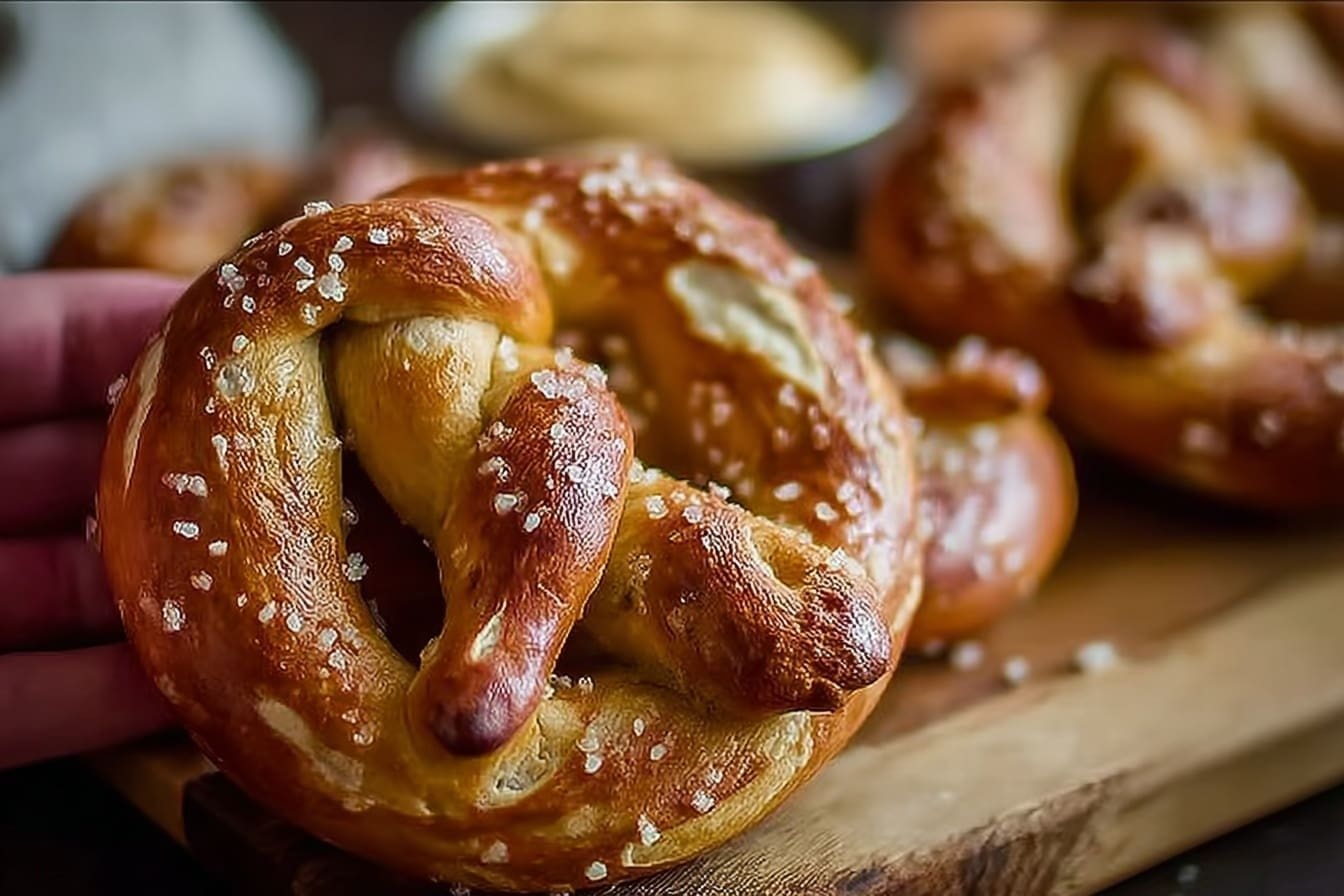
- Distinctive flavor and texture: The baking soda bath gives soft pretzels their classic tangy taste, shiny look, and that chewy mall-style bite. It is the step that turns homemade pretzels into the real deal.
If you want chewy Soft Pretzels with a golden crust, the baking soda bath is the key step you should not skip.
For another crowd-pleasing snack idea, you might also enjoy these savory pea biscuits alongside your pretzel night.
For further background on pretzel nutrition, you can also check are pretzels healthy.
Jump To
- 1. Why You’ll Love This Soft Pretzels
- 2. Essential Ingredients for Soft Pretzels
- 3. How to Prepare the Perfect Soft Pretzels: Step-by-Step Guide
- 4. Dietary Substitutions to Customize Your Soft Pretzels
- 5. Mastering Soft Pretzels: Advanced Tips and Variations
- 6. How to Store Soft Pretzels: Best Practices
- 7. FAQs: Frequently Asked Questions About Soft Pretzels
- 8. Soft Pretzels
Essential Ingredients for Soft Pretzels
Below are the ingredients you need to make homemade pretzels with that chewy, soft center. Use a kitchen scale if you have one, especially for flour, since too much flour can make the dough feel stiff.
Ingredients for Soft Pretzels (Regular Batch, About 12)
- 2 and 1/4 teaspoons (7g) instant or active dry yeast (1 standard packet)
- 1 tablespoon brown sugar or granulated sugar
- 1 and 1/2 cups (360ml) warm water (around 100°F/38°C)
- 1 tablespoon (14g) unsalted butter, melted and slightly cooled
- 1 teaspoon salt
- 3 and 3/4 4 cups (469 500g) all-purpose flour, plus more as needed
- Coarse salt for topping
Baking Soda Bath
- 1/2 cup (120g) baking soda
- 9 cups (2.13L) water
What About an Egg Wash?
You can brush baked pretzels with egg wash for extra shine if you want, but this recipe focuses on the classic dough and baking soda bath for reliable results. If you add egg wash later, do it right before baking.
How to Prepare the Perfect Soft Pretzels: Step-by-Step Guide
This section walks you through the full process for an easy soft pretzel recipe, from mixing yeast to shaping and baking. If you’ve never worked with yeast before, you are in good hands. Just follow the steps, use warm (not hot) water, and aim for a dough that feels smooth and slightly tacky but not sticky.
Equipment and Prep (Do This First)
Before you start, gather your baking sheets, parchment paper, a large pot for the baking soda bath, and a wire rack for cooling. Line two baking sheets with parchment so you can move quickly once your pretzels are shaped.
Also, preheat your oven to 400°F. Waiting to preheat can slow you down, especially if you are boiling pretzels in batches. Keeping things warm and timed helps you get consistent texture on every batch.
First Step: Mix and Activate the Yeast
In a large mixing bowl, combine 1 and 1/2 cups warm water (around 100°F/38°C) and 1 tablespoon sugar. Sprinkle in 2 and 1/4 teaspoons yeast. Let it sit for a few minutes until it looks slightly foamy.
This is how you confirm the yeast is active. If you see no foam, double-check your water temperature. Yeast struggles in water that is too hot or too cold, and your dough may not rise.
Second Step: Build the Dough
Stir in 1 tablespoon melted unsalted butter and 1 teaspoon salt. Add flour gradually, starting with about 3 and 1/2 cups. Mix until a dough forms, then continue adding flour until the dough is smooth.
For homemade pretzels, flour amounts can vary by brand and humidity. The dough should feel soft and elastic. If it is very sticky, add flour a tablespoon at a time. If it feels dry and tough, add a small splash of warm water.
Third Step: Knead Until Smooth
Knead the dough on a lightly floured surface for about 6 to 8 minutes. You can knead by hand or use a stand mixer on medium speed if that is easier.
You are looking for a dough that is smooth and stretchy. This kneading step helps the gluten develop, which is part of why Soft Pretzels end up chewy instead of bread-like.
Fourth Step: Rest the Dough
Place dough back into the bowl, cover, and rest for 10 to 30 minutes in a warm spot. Even if it does not double in size, a rest helps relax the gluten so shaping becomes easier.
Quick tip: if the dough springs back when you try to roll it, it needs a little more rest. After resting, divide it into pieces for shaping.
Shaping: Roll, Twist, and Form the Pretzel
Divide the dough into about 12 pieces. Roll each piece into a rope, roughly 20 to 24 inches. Twist the rope into a pretzel shape by forming a U, crossing the ends, and pressing them down onto the base.
This is where patience pays off. If a rope keeps shrinking, just let it rest for a few minutes and try again. Shaping should be firm but gentle so your dough holds its form.
Final Step: Baking Soda Bath and Baking
Bring the baking soda bath to a boil: combine 9 cups water and 1/2 cup baking soda. Boil each pretzel for about 20 to 30 seconds per side, then remove with tongs and let excess water drip off briefly.
Then place pretzels on the parchment-lined sheet. Sprinkle coarse salt while they are still slightly wet so it sticks.
Bake at 400°F for 12 to 15 minutes until dark golden brown and firm to the touch. Cool on a wire rack for about 5 minutes so the crust sets.
Timing matters: overboiling can cause a soapy taste. Keep it close to 1 minute total per pretzel.
Quick Texture Troubleshooting
| What You Notice | Most Likely Cause | Fix for Next Batch |
|---|---|---|
| Pretzels look pale | Baking soda bath skipped or too short | Boil 20 to 30 seconds per side and bake until deep golden |
| Texture feels too bready | Too much flour or under-kneading | Use the lower flour range, knead 6 to 8 minutes |
| Dough is hard to shape | Not enough rest | Rest 10 to 30 minutes, then shape again |
If you want a second reference while you learn, you can also review easy homemade soft pretzels for visuals and extra tips.
Dietary Substitutions to Customize Your Soft Pretzels
Soft pretzels are flexible as a snack, but ingredient swaps vary depending on your dietary goal. Below are practical options you can try while keeping the structure and flavor close to the original.
Protein and Main Component Alternatives
Because this dough relies on wheat gluten for stretch, gluten-free baking is the hardest change. For gluten-free, use a gluten-free 1-to-1 baking flour blend designed for yeast breads. You may need a slightly wetter dough and shorter kneading, since gluten-free dough does not develop the same way.
For vegan preferences, the butter can be replaced with a plant-based alternative. Choose a neutral plant butter or refined coconut oil, then melt and cool it before mixing.
Vegetable, Sauce, and Seasoning Modifications
Soft pretzels shine with different toppings and dips. For a classic option, stick to coarse salt. For something fun, try a mix of coarse salt and garlic powder, or add a sprinkle of shredded parmesan right after baking.
If you are serving them as a snack plate for kids or a party, consider pairing with a quick dip like cheese dip, mustard, or a yogurt-based sauce. For a tangy, fresh side, you can even add a salad from your recipe rotation, like fresh cherry salad for a colorful contrast on the table.
Mastering Soft Pretzels: Advanced Tips and Variations
Once you nail the basic technique, you can make your homemade pretzels feel bakery-level. These tips help you get consistent chewy centers, deeper browning, and fun variation ideas for different moods and seasons.
Pro Cooking Techniques
- Measure flour accurately: If your dough is too dry, the pretzels can turn tough. Use the 3 and 3/4 cups range first, then adjust.
- Keep water warm for dough: Yeast performance depends on temperature. Around 100°F/38°C is ideal.
- Dip and drip: After boiling, let pretzels drip for a few seconds. That prevents pooling and uneven browning.
- Bake on parchment: Parchment helps avoid sticking and supports even heat circulation.
Flavor Variations to Try
- Everything pretzels: Mix coarse salt with sesame seeds, poppy seeds, dried minced garlic, and dried onion.
- Garlic butter pretzels: Brush with melted butter after baking and sprinkle extra salt.
- Cinnamon sugar pretzels: For a dessert twist, skip coarse salt and roll baked pretzels in cinnamon sugar.
Presentation Tips
Serve Soft Pretzels warm on a basket or platter lined with a paper towel. Add small bowls of dips so everyone can grab a pretzel without waiting. If you are hosting, bake one extra tray and keep them covered with a clean kitchen towel while the second batch finishes.
Make-Ahead Options
If you want an easy homemade soft pretzels recipe for a busy day, you have two good options. You can refrigerate the shaped pretzels briefly before boiling if needed. Or you can freeze baked pretzels and reheat them so they taste freshly made.
How to Store Soft Pretzels: Best Practices
Soft pretzels are best the same day, but you can still enjoy leftovers. The main goal is to keep them from drying out or going soft in a way that ruins the crust.
Refrigeration
For short-term storage, keep baked pretzels in an airtight container. Refrigeration can make them less pleasant in texture, so try to limit fridge time if you can.
Freezing
To store longer, freeze fully baked pretzels once they cool. Place them in a freezer-safe bag and remove as much air as possible.
Reheating for Best Quality
For the most authentic texture, reheat in the oven rather than the microwave. Brush lightly with water, add a pinch of coarse salt, and bake until warm and crisp again.
Meal Prep Tips
If you are planning snack prep for the week, consider freezing portion-ready pretzels. This makes weeknight heating faster while keeping your Soft Pretzels tasting close to fresh.

FAQs: Frequently Asked Questions About Soft Pretzels
What ingredients do I need to make soft pretzels at home?
For homemade soft pretzels, gather these basics: 1 packet (2 1/4 teaspoons) instant or active dry yeast, 1 tablespoon brown or granulated sugar, 1 cup warm water (110°F), 3 tablespoons unsalted butter (melted and cooled), 2 teaspoons salt, 3 cups all-purpose flour (plus extra for dusting), and coarse sea salt for topping. You’ll also need 1/2 cup baking soda and 9 cups water for the bath, plus 1 egg for wash if desired. This makes 12 pretzels. Measure accurately for best texture—too much flour makes them tough. Mix yeast with warm water and sugar first to activate it, then add butter, salt, and flour gradually. Knead until smooth. These simple pantry staples deliver that authentic mall-style chew. (92 words)
How long does soft pretzel dough need to rest before shaping?
Let soft pretzel dough rest for 10 to 30 minutes after kneading, covered in a warm spot. This relaxes the gluten, making it easier to roll into ropes without springing back. Shorter rests (10 minutes) work for quick batches; longer (up to 30) improves elasticity for even shapes. After resting, divide into 12 pieces, roll each into a 20-24 inch rope, twist into pretzel shape, and dip in baking soda bath. Test readiness by gently stretching—if it holds without tearing, it’s ready. Skipping rest leads to uneven baking. Proof further if making ahead by refrigerating up to 24 hours. (98 words)
Is a baking soda bath necessary for soft pretzels?
Yes, the baking soda bath is key for authentic soft pretzels—it creates the signature chewy crust, tangy flavor, deep golden color, and soft interior without a lye dip. Boil each pretzel 20-30 seconds per side in 9 cups boiling water mixed with 1/2 cup baking soda. Use tongs to avoid burns; longer boils risk a soapy taste. Pat dry, add salt or egg wash, then bake. Without it, pretzels bake up pale and bread-like. For safety, add soda gradually to water to prevent overflow. This 1-minute step transforms basic dough into pro results. (102 words)
How do you store and freeze homemade soft pretzels?
Store baked soft pretzels (without salt topping) in an airtight container at room temperature for up to 2 days. Reheat at 350°F for 5 minutes after brushing with water and adding salt. For longer storage, freeze fully baked, cooled pretzels (unsalted) in freezer bags up to 3 months. Thaw, brush with water, salt, and bake at 400°F for 5-7 minutes. Freeze shaped, unbaked pretzels on a tray, then bag for up to 1 month—boil and bake straight from frozen, adding 1-2 extra minutes. Avoid refrigerating dough long-term to prevent off flavors. Always crisp in oven, not microwave. (108 words)
What is the oven temperature and baking time for soft pretzels?
Preheat your oven to 400°F and bake soft pretzels on parchment-lined sheets for 12-15 minutes until dark golden brown and firm. Position racks in upper and lower thirds for even heat; rotate halfway if needed. After boiling and drying, egg wash for shine, sprinkle coarse salt immediately. Watch closely—overbaking dries them out. Cool on a wire rack 5 minutes before serving with mustard or cheese dip. This high heat mimics commercial ovens for that crisp exterior. Yields 12 pretzels; double batches may need staggered baking to maintain oven temp. Test doneness by tapping for hollow sound. (96 words)

Soft Pretzels
🥨🍞 Crave that chewy, golden mall pretzel? Bake these easy homemade soft pretzels with a simple baking soda bath for authentic flavor and texture at home!
🧀 Perfect snack for parties, game day, or dipping fun, they’re pillowy soft inside, crispy outside, and ready in under 2 hours.
- Total Time: 1 hour 45 minutes
- Yield: 12 pretzels
Ingredients
– 2 and 1/4 teaspoons (7g) instant or active dry yeast (1 standard packet)
– 1 tablespoon brown sugar or granulated sugar
– 1 and 1/2 cups (360ml) warm water (around 100°F/38°C)
– 1 tablespoon (14g) unsalted butter, melted and slightly cooled
– 1 teaspoon salt
– 3 and 3/4 4 cups (469 500g) all-purpose flour, plus more as needed
– Coarse salt for topping
– 1/2 cup (120g) baking soda
– 9 cups (2.13L) water
Instructions
1-Equipment and Prep (Do This First): Before you start, gather your baking sheets, parchment paper, a large pot for the baking soda bath, and a wire rack for cooling. Line two baking sheets with parchment so you can move quickly once your pretzels are shaped. Also, preheat your oven to 400°F. Waiting to preheat can slow you down, especially if you are boiling pretzels in batches. Keeping things warm and timed helps you get consistent texture on every batch.
2-First Step: Mix and Activate the Yeast In a large mixing bowl, combine 1 and 1/2 cups warm water (around 100°F/38°C) and 1 tablespoon sugar. Sprinkle in 2 and 1/4 teaspoons yeast. Let it sit for a few minutes until it looks slightly foamy. This is how you confirm the yeast is active. If you see no foam, double-check your water temperature. Yeast struggles in water that is too hot or too cold, and your dough may not rise.
3-Second Step: Build the Dough Stir in 1 tablespoon melted unsalted butter and 1 teaspoon salt. Add flour gradually, starting with about 3 and 1/2 cups. Mix until a dough forms, then continue adding flour until the dough is smooth. For homemade pretzels, flour amounts can vary by brand and humidity. The dough should feel soft and elastic. If it is very sticky, add flour a tablespoon at a time. If it feels dry and tough, add a small splash of warm water.
4-Third Step: Knead Until Smooth Knead the dough on a lightly floured surface for about 6 to 8 minutes. You can knead by hand or use a stand mixer on medium speed if that is easier. You are looking for a dough that is smooth and stretchy. This kneading step helps the gluten develop, which is part of why Soft Pretzels end up chewy instead of bread-like.
5-Fourth Step: Rest the Dough Place dough back into the bowl, cover, and rest for 10 to 30 minutes in a warm spot. Even if it does not double in size, a rest helps relax the gluten so shaping becomes easier. Quick tip: if the dough springs back when you try to roll it, it needs a little more rest. After resting, divide it into pieces for shaping.
6-Shaping: Roll, Twist, and Form the Pretzel Divide the dough into about 12 pieces. Roll each piece into a rope, roughly 20 to 24 inches. Twist the rope into a pretzel shape by forming a U, crossing the ends, and pressing them down onto the base. This is where patience pays off. If a rope keeps shrinking, just let it rest for a few minutes and try again. Shaping should be firm but gentle so your dough holds its form.
7-Final Step: Baking Soda Bath and Baking Bring the baking soda bath to a boil: combine 9 cups water and 1/2 cup baking soda. Boil each pretzel for about 20 to 30 seconds per side, then remove with tongs and let excess water drip off briefly. Then place pretzels on the parchment-lined sheet. Sprinkle coarse salt while they are still slightly wet so it sticks. Bake at 400°F for 12 to 15 minutes until dark golden brown and firm to the touch. Cool on a wire rack for about 5 minutes so the crust sets. Timing matters: overboiling can cause a soapy taste. Keep it close to 1 minute total per pretzel.
Last Step:
Please leave a rating and comment letting us know how you liked this recipe! This helps our business to thrive and continue providing free, high-quality recipes for you.Notes
🌡️ Use water at exactly 100°F for perfect yeast activation without killing it.
🛁 Boiling in baking soda bath gives the signature shiny, chewy pretzel crust.
❄️ Shape and freeze unbaked pretzels up to 1 month; bake from frozen, adding 2-3 minutes.
- Prep Time: 20 minutes
- Rise Time: 1 hour
- Cook Time: 15 minutes
- Category: Snack
- Method: Baking
- Cuisine: American
- Diet: Vegetarian
Nutrition
- Serving Size: 1 pretzel
- Calories: 130
- Sugar: 1g
- Sodium: 500mg
- Fat: 1g
- Saturated Fat: 0.5g
- Unsaturated Fat: 0.5g
- Trans Fat: 0g
- Carbohydrates: 28g
- Fiber: 1g
- Protein: 4g
- Cholesterol: 2mg


