Why You’ll Love This Soft Fluffy French Bread
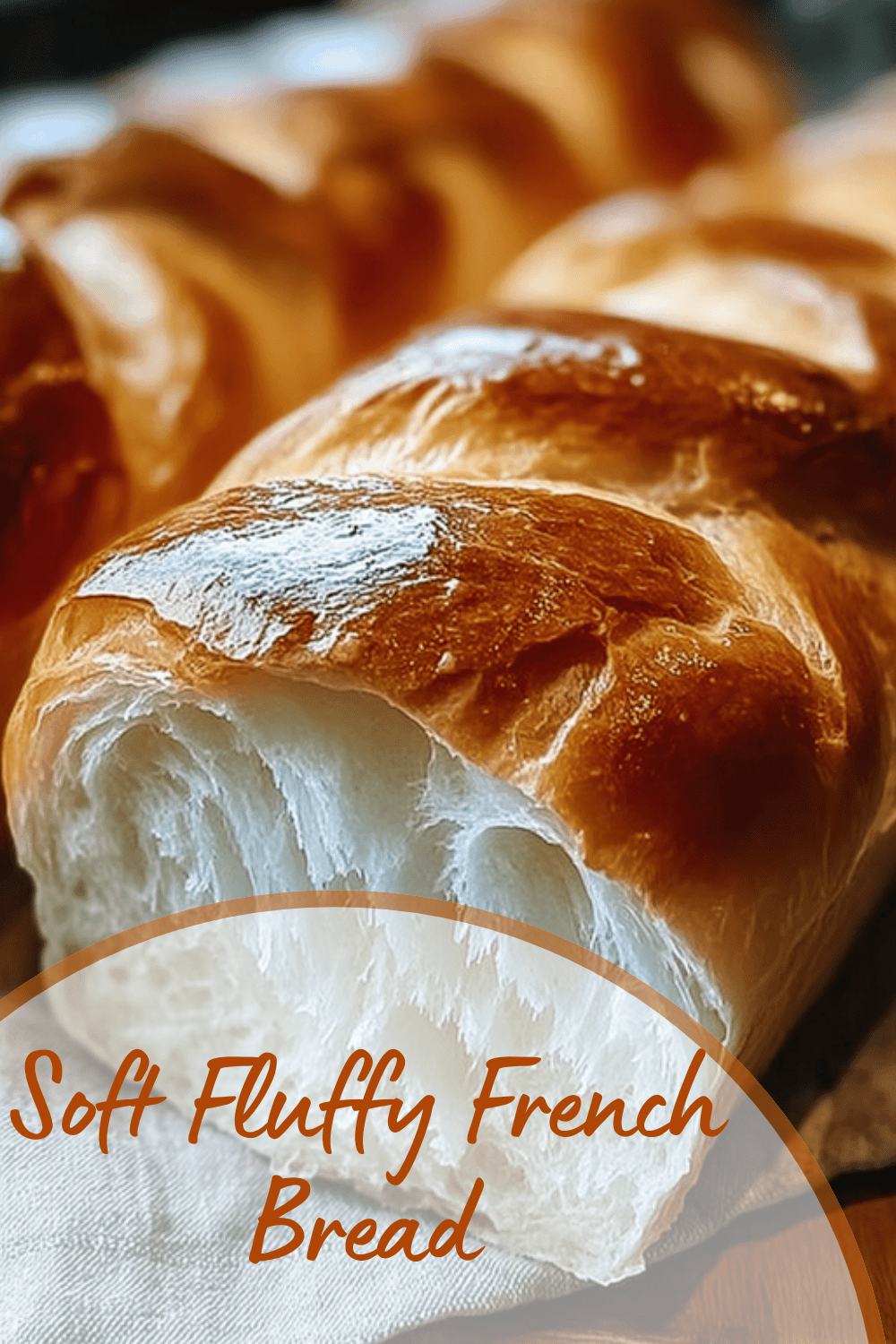
Imagine pulling a warm, tender loaf of soft fluffy French bread straight from your oven, with its light, airy texture that makes every bite feel like a delight. This recipe is ideal for home bakers who want something simple yet satisfying to pair with meals or enjoy on its own. You’ll find it easy to whip up, even on busy days, and the results are always worth the effort.
This bread shines because of its straightforward steps and common ingredients, making it accessible for bakers of all skill levels. It’s packed with health perks, like essential vitamins and minerals from wholesome components, while keeping things light and airy for a feel-good choice. Plus, you can tweak it to fit various needs, so everyone at the table can savor that perfect, fluffy goodness.
What sets this soft fluffy French bread apart is its amazing taste and versatility in the kitchen. Whether you’re making sandwiches or dipping into soups, it adapts beautifully. Let’s dive into why this recipe has become a favorite for so many home cooks like you.
Key Benefits and Adaptations
Beyond the basics, this bread offers ease of preparation that fits into tight schedules, with minimal ingredients that don’t require a trip to specialty stores. The health benefits come from its simple makeup, supporting a balanced diet without heavy additives. For dietary tweaks, it’s simple to make changes for different preferences, keeping the fluffy texture intact.
You might also appreciate how it enhances everyday meals, adding a touch of joy to your table. For instance, it’s great for creative breakfast ideas like French toast variations that bring extra excitement to your morning routine.
Jump To
- 1. Why You’ll Love This Soft Fluffy French Bread
- 2. Essential Ingredients for Soft Fluffy French Bread
- 3. How to Prepare the Perfect Soft Fluffy French Bread: Step-by-Step Guide
- 4. Dietary Substitutions to Customize Your Soft Fluffy French Bread
- 5. Mastering Soft Fluffy French Bread: Advanced Tips and Variations
- 6. How to Store Soft Fluffy French Bread: Best Practices
- 7. FAQs: Frequently Asked Questions About Soft Fluffy French Bread
- 8. Soft Fluffy French Bread
Essential Ingredients for Soft Fluffy French Bread
Gathering the right ingredients is the first step to creating that perfect soft fluffy French bread everyone will love. This recipe uses basic items you likely have on hand, but measuring them accurately makes all the difference for the best results. Let’s break down what you’ll need to get started.
- 1 cup warm water (approximately 90-110 degrees F)
- 2 teaspoons active dry yeast
- 1 tablespoon white granulated sugar or honey
- 1 teaspoon salt
- 1 tablespoon oil
- 2½ to 3 cups all-purpose flour
- 1 egg, beaten (for brushing on top)
These ingredients work together to create a dough that’s easy to handle and rises beautifully. The warm water activates the yeast, while the sugar or honey feeds it for that essential lift. Don’t forget the egg for a shiny finish it’s what gives the crust that appealing golden touch.
Special Dietary Options
If you’re adjusting for dietary needs, this recipe is flexible. For a vegan version, swap the egg with a plant-based alternative like aquafaba. Those seeking gluten-free options can use a gluten-free flour blend, ensuring the bread stays soft and fluffy with a bit of xanthan gum for structure.
How to Prepare the Perfect Soft Fluffy French Bread: Step-by-Step Guide
Ready to bake some soft fluffy French bread that turns out light and tender every time? This guide walks you through the process with clear steps, so even if you’re new to baking, you’ll feel confident. Start by gathering your ingredients and tools for a smooth experience.
First, mix the warm water, yeast, and sugar in a bowl or stand mixer, and let it sit for 5-7 minutes until it gets foamy that’s your sign the yeast is alive and ready. Next, add the salt, oil, and 2 cups of flour, mixing on low until combined, then gradually stir in more flour until the dough is slightly sticky and pulls away from the sides. Knead it for 3-5 minutes in a mixer or 5-7 minutes by hand until it’s smooth and elastic.
Once kneaded, place the dough in a greased bowl, cover it with a towel, and let it rise for 45 minutes or until it doubles in size. This first rise is key for that fluffy texture you’re after. Then, roll the dough into a 9×13 inch rectangle and roll it tightly lengthwise to form a loaf that’s about 2-3 inches high and 13 inches long.
Final Steps and Baking Tips
Preheat your oven to 375 degrees F and line a baking sheet with parchment paper or a silicone mat. Place the loaf on the sheet, make 5-7 shallow slices on top about ¼ inch deep and spaced 2-3 inches apart, then let it rise again for 45-60 minutes until nearly doubled. Bake for 20-25 minutes until it’s golden and sounds hollow when tapped, then brush on the beaten egg and bake for another 2-3 minutes for a crispy crust.
The total preparation time is about 2 hours, including 45 minutes for the first rise, 45-60 minutes for the second, and 20-25 minutes of baking plus a couple more with the egg wash. Mixing and kneading takes 10-15 minutes, so it’s quicker than you might think! For more baking inspiration, check out delicious pancake recipes that pair perfectly with this bread.

Dietary Substitutions to Customize Your Soft Fluffy French Bread
One of the best things about soft fluffy French bread is how easy it is to make it your own, especially with dietary swaps. Whether you’re watching what you eat or cooking for friends with preferences, these changes keep the bread light and tasty. Let’s explore some simple adjustments.
For protein and main components, try swapping oil with avocado or coconut oil for a fresh twist and added healthy fats. If gluten is a concern, use a mix of rice flour and potato starch with xanthan gum to hold everything together. Vegan adaptations keep it straightforward by sticking to plant-based oils and skipping any animal products.
When it comes to veggies, sauces, and seasonings, adding herbs like rosemary or thyme can boost the flavor without piling on calories. For a spicy kick, mix in garlic powder or smoked paprika, and use nutritional yeast for a cheesy vibe in vegan versions. Incorporating grated zucchini or carrots adds moisture and nutrition, making your bread even more versatile for everyday meals.
Mastering Soft Fluffy French Bread: Advanced Tips and Variations
Once you’re comfortable with the basics, take your soft fluffy French bread to the next level with these pro tips and fun twists. Using a stand mixer with a dough hook makes kneading consistent and less of a workout, while adding steam in the oven by placing a pan of water inside helps create a crisp crust with a super soft inside. These techniques ensure your loaf comes out picture-perfect every time.
Experiment with flavors by mixing in herbs, garlic, or even sun-dried tomatoes for a unique taste. Try swapping flours like spelt or whole wheat to change the texture and add a nutty note. For presentation, slice the bread diagonally and top with fresh herbs for that rustic look that’ll impress at any gathering.
Make-Ahead Ideas
Prepare the dough ahead and let it chill in the fridge overnight for deeper flavor through slow fermentation. This is ideal for busy days when you want fresh bread without the full wait. Remember to ensure two rises for maximum fluffiness, and for smaller loaves, divide the dough and cut baking time accordingly just like the key tips suggest for keeping things simple and effective.
How to Store Soft Fluffy French Bread: Best Practices
Keeping your soft fluffy French bread fresh means knowing the right storage tricks, so it stays tender and delicious for as long as possible. Store it in a bread box or airtight container at room temperature for up to 3 days to hold onto that softness. Freezing is a great option too wrap it tightly in plastic wrap and foil, then keep it for up to 3 months.
When you’re ready to enjoy it again, thaw at room temperature and reheat in a 350°F oven for 5-10 minutes to bring back that warm, crispy exterior. For meal prep, slice the bread before freezing so you can grab portions easily, and make batches in advance to always have homemade bread on hand. Follow these steps, and your bread will taste just-baked every time.
FAQs: Frequently Asked Questions About Soft Fluffy French Bread
How do I make soft and fluffy French bread at home?
To make soft and fluffy French bread, start with bread flour for higher gluten content, which adds chewiness. Use warm water (around 110°F) to activate yeast, and include a bit of sugar to feed it, which helps the bread rise and stay tender. Knead the dough thoroughly for about 10 minutes until smooth and elastic. Allow the dough to rise in a warm place until doubled in size, usually about 1 to 2 hours. After shaping the loaf, let it proof again before baking at 375°F (190°C) for 20-25 minutes. Using steam during the first few minutes of baking helps develop a soft crust.
What ingredients keep French bread soft for longer?
Adding ingredients like milk, butter, or oil helps keep French bread soft and fresh longer by locking in moisture. Milk powder or whole milk in the dough nourishes the yeast and tenderizes the crumb. Butter or oil coats flour proteins, reducing gluten toughness and maintaining softness. Also, including sugar or honey prolongs freshness by retaining moisture. After baking, store the bread in a paper bag at room temperature to maintain crust texture while preventing it from drying out.
Can I use regular all-purpose flour to make soft French bread?
Yes, you can use all-purpose flour to make soft French bread, but the texture will be slightly different. Bread flour has higher protein content which creates more gluten, resulting in a chewier, loftier bread. All-purpose flour has less protein, so the bread may be softer but less airy. To improve results when using all-purpose flour, knead the dough thoroughly to develop gluten and allow for proper rising. Adding vital wheat gluten (about 1 teaspoon per cup of flour) can also boost elasticity and structure.
How do I store soft French bread so it doesn’t get stale fast?
To keep soft French bread fresh, store it at room temperature in a paper bag or wrapped loosely in a clean kitchen towel. Avoid plastic bags as they trap moisture and make the crust soggy, leading to quicker mold growth. For longer storage, slice the bread and freeze it in an airtight bag. When ready to eat, thaw slices at room temperature or toast them directly. Avoid refrigerating bread, as cold temperatures speed up staling.
What’s the difference between French bread and baguette in terms of softness?
Traditional French bread and baguettes differ mainly in shape and crust texture. Baguettes are longer and thinner, with a crispier crust and airier interior. French bread loaves tend to be shorter, sometimes wider, and often have a softer crust with a tender crumb throughout. The softer crust on French bread comes from slightly different dough hydration, proofing times, and baking methods, such as baking with steam to retain moisture. If you prefer soft bread, opt for French bread style rather than a classic baguette.
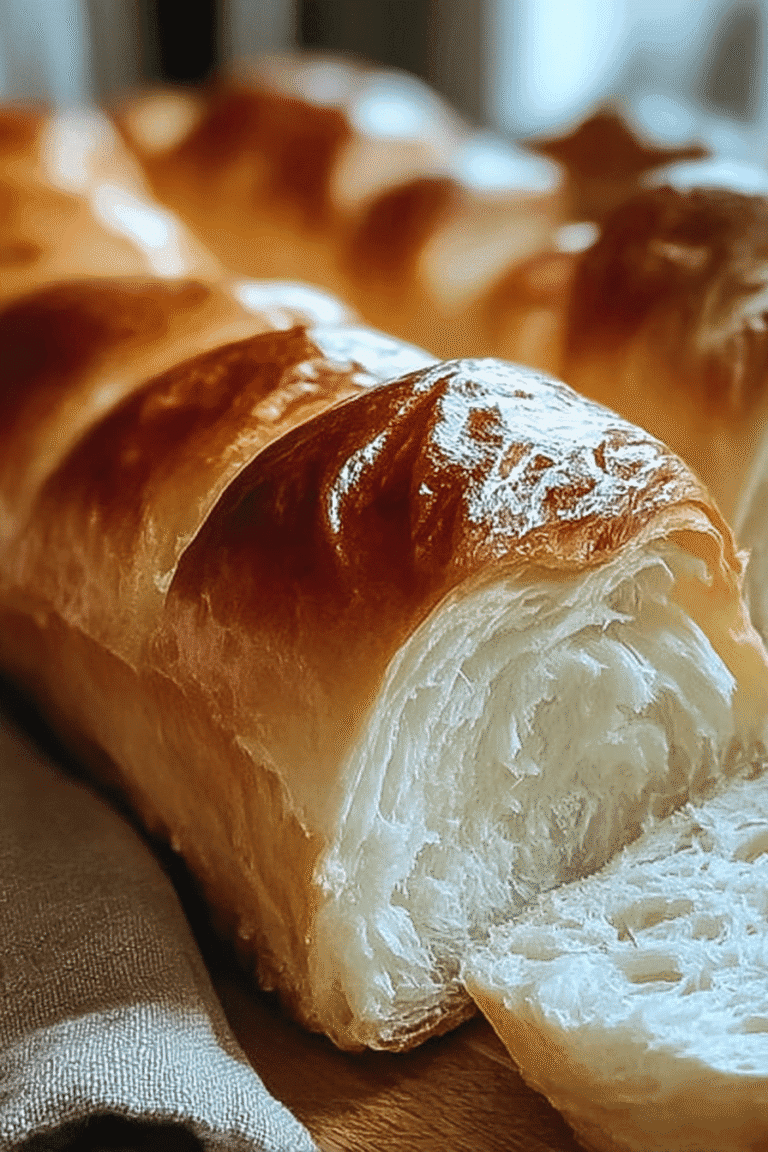
Soft Fluffy French Bread
🥖 Experience soft, fluffy French bread that’s light and tender with every bite.
🍞 Perfect for sandwiches or serving alongside your favorite meals, this recipe is easy to follow and yields delicious results.
- Total Time: 2 hours 25 minutes
- Yield: 1 loaf (8-10 slices)
Ingredients
– 1 cup warm water (approximately 90-110 degrees F)
– 2 teaspoons active dry yeast
– 1 tablespoon white granulated sugar or honey
– 1 teaspoon salt
– 1 tablespoon oil
– 2½ to 3 cups all-purpose flour
– 1 egg, beaten for brushing on top
Instructions
1-First, mix the warm water, yeast, and sugar in a bowl or stand mixer, and let it sit for 5-7 minutes until it gets foamy that’s your sign the yeast is alive and ready.
2-Next, add the salt, oil, and 2 cups of flour, mixing on low until combined, then gradually stir in more flour until the dough is slightly sticky and pulls away from the sides.
3-Knead it for 3-5 minutes in a mixer or 5-7 minutes by hand until it’s smooth and elastic.
4-Once kneaded, place the dough in a greased bowl, cover it with a towel, and let it rise for 45 minutes or until it doubles in size. This first rise is key for that fluffy texture you’re after.
5-Then, roll the dough into a 9×13 inch rectangle and roll it tightly lengthwise to form a loaf that’s about 2-3 inches high and 13 inches long.
6-Preheat your oven to 375 degrees F and line a baking sheet with parchment paper or a silicone mat.
7-Place the loaf on the sheet, make 5-7 shallow slices on top about ¼ inch deep and spaced 2-3 inches apart, then let it rise again for 45-60 minutes until nearly doubled.
8-Bake for 20-25 minutes until it’s golden and sounds hollow when tapped, then brush on the beaten egg and bake for another 2-3 minutes for a crispy crust.
Last Step:
Please leave a rating and comment letting us know how you liked this recipe! This helps our business to thrive and continue providing free, high-quality recipes for you.Notes
🥖 Ensure two rises until dough doubles in size for a soft, fluffy texture.
🍞 Use the “sleeping bag” roll method for a tight loaf shape that prevents spreading.
🥚 Brush with beaten egg at the end of baking for a beautiful golden crust.
- Prep Time: 15 minutes
- Rising time: 1 hour 45 minutes
- Cook Time: 25 minutes
- Category: Bread
- Method: Baking
- Cuisine: French
- Diet: Vegetarian
Nutrition
- Serving Size: 1 slice
- Calories: 88
- Sugar: 1g
- Sodium: 224mg
- Fat: 3g
- Saturated Fat: 1g
- Unsaturated Fat: 1g
- Trans Fat: 1g
- Carbohydrates: 10g
- Fiber: 1g
- Protein: 4g
- Cholesterol: 75mg