
Why You’ll Love This Shoyu Tamago
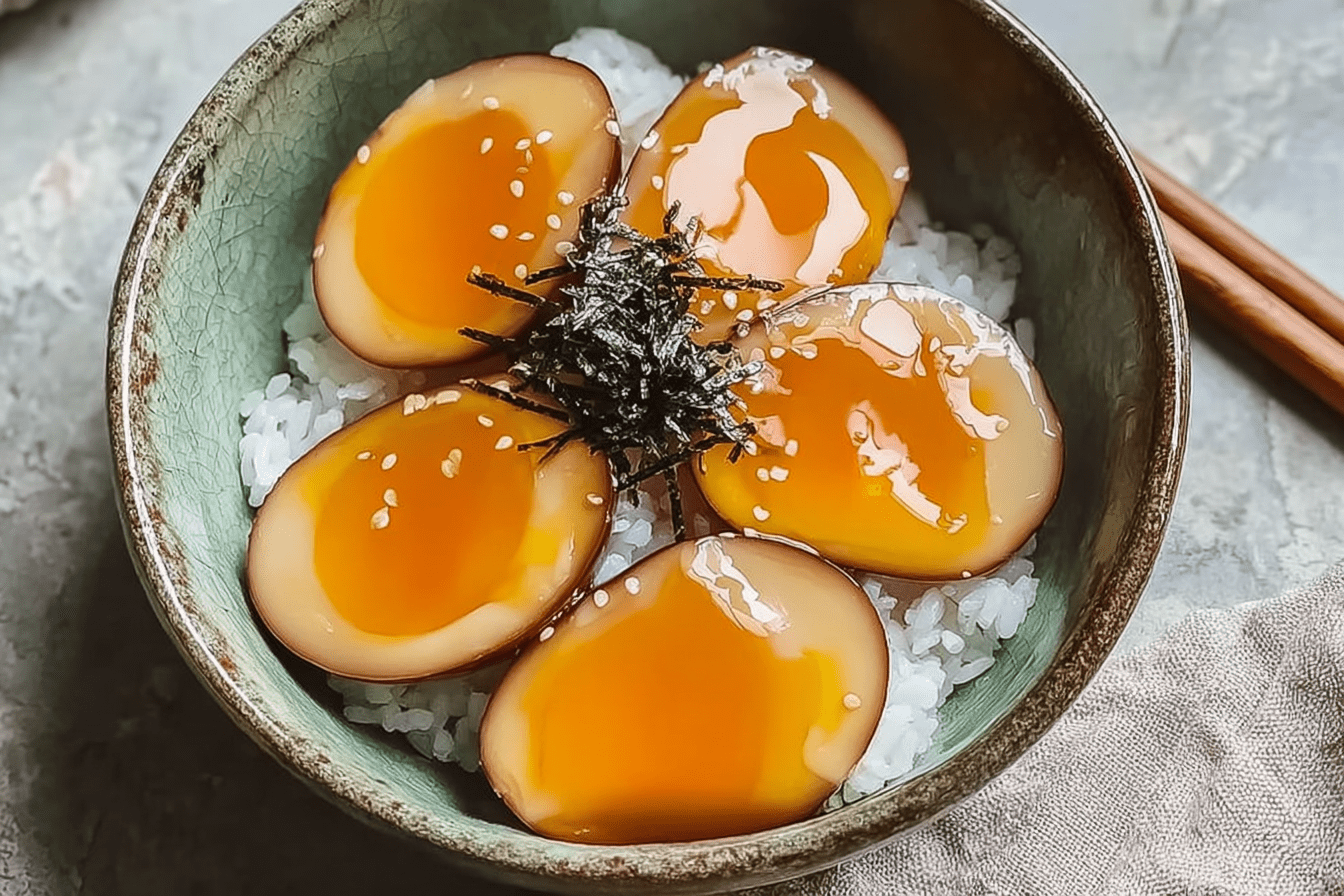
Hey there, fellow home cooks! If you are looking for a game-changer in your meal prep routine, this shoyu tamago recipe is it. Shoyu tamago, also known as ramen eggs, soy sauce eggs, or ajitsuke tamago, are soft-boiled eggs with that dreamy jammy yolk marinated overnight in a savory soy-based mixture. They burst with rich umami flavor and pair perfectly with sticky rice, thinly sliced seaweed, ramen, or noodles. Best part? This version is vegetarian and dairy-free, and you can make it gluten-free by swapping in tamari for soy sauce.
One big reason to try this soy sauce marinated egg recipe is the ease of preparation. It takes just about 10 minutes of active time: boil for 7 minutes, chill, peel, and marinate. No fancy equipment needed, making shoyu eggs perfect for busy parents, students, or working professionals who want quick wins in the kitchen. I remember my first batch; I whipped them up on a hectic Tuesday, and they topped my instant ramen like a pro chef’s touch.
This marinated egg recipe fits busy weeknights with minimal effort and maximum flavor payoff.
Health perks make shoyu tamago a smart pick too. Each egg packs 7 grams of high-quality protein, plus B vitamins and electrolytes. With low-sodium soy sauce, you keep sodium in check at 657 mg per egg. Check out these egg health benefits for more on why eggs rock your diet. Nutrition per egg includes 86 calories, 1.1g carbs, 6.1g fat (1.7g saturated), 186mg cholesterol, and 1.1g sugar. A nutritious boost for diet-conscious folks!
Versatility shines here. Toss shoyu tamago for ramen into rice bowls, salads, or even grain bowls. Shorten the overnight shoyu tamago marinade time for lighter flavor, or go full 8 hours for deep color. For vegans, mimic with tofu. Love fusion? Top your healthy overnight oats with sliced shoyu tamago for a savory breakfast twist.
The standout flavor comes from that umami-packed marinade seeping into the egg white, balancing sweet mirin, salty soy, nutty sesame oil, and garlic. It turns simple soft-boiled shoyu tamago into a crave-worthy topping that jazzes up any dish. Trust me, once you nail how to make shoyu tamago, you will want them daily.
Jump To
- 1. Why You’ll Love This Shoyu Tamago
- 2. Essential Ingredients for Shoyu Tamago
- 3. How to Prepare the Perfect Shoyu Tamago: Step-by-Step Guide
- 4. Dietary Substitutions to Customize Your Shoyu Tamago
- 5. Mastering Shoyu Tamago: Advanced Tips and Variations
- 6. How to Store Shoyu Tamago: Best Practices
- 7. FAQs: Frequently Asked Questions About Shoyu Tamago
- 8. Shoyu Tamago
Essential Ingredients for Shoyu Tamago
Grab these pantry staples for your shoyu tamago recipe. This list keeps it simple and authentic for the perfect soy sauce egg.
- 6 large eggs (preferably 4 to 5 days old)
- 3/4 cup low-sodium soy sauce
- 3 tablespoons mirin or rice vinegar
- 1/2 tablespoon sesame oil
- 2 medium garlic cloves, thinly sliced
- For serving (optional): sticky rice and thinly sliced seaweed
These ingredients create a balanced marinade that infuses the eggs without overpowering the jammy yolk. Use eggs 4 to 5 days old for easier peeling, a tip that saves frustration every time. For gluten-free shoyu tamago, tamari works seamlessly. See the full egg health and nutrition details to appreciate the base.
Nutrition Breakdown
| Nutrient | Per Egg |
|---|---|
| Calories | 86 |
| Carbohydrates | 1.1 g |
| Protein | 7 g |
| Fat | 6.1 g |
| Saturated Fat | 1.7 g |
| Cholesterol | 186 mg |
| Sodium | 657 mg |
| Sugar | 1.1 g |
This table shows why shoyu tamago fits busy lifestyles and health goals perfectly.
How to Prepare the Perfect Shoyu Tamago: Step-by-Step Guide
Ready for how to make shoyu tamago? Follow these steps for ramen eggs that wow. Total timing: Prep 5 minutes, Cook 7 minutes, Marinate 8 hours or overnight, Total about 8 hours 12 minutes.
Step 1: Boil the Eggs
Bring a large pot of water to a rapid boil. Gently lower the 6 large eggs into the boiling water and start a 7-minute timer right away. Keep the heat high for a steady boil. This gives that perfect soft-boiled shoyu tamago with jammy yolk. If you prefer firmer, add a minute.
Step 2: Ice Bath Shock
Prep an ice bath: large bowl with cold water and plenty of ice. With 15 seconds left on the timer, transfer eggs to the ice bath. Cool for 5 minutes. This stops cooking and makes peeling a breeze.
Step 3: Peel Under Water
While still in the ice bath, gently crack and peel the eggs. The cold water helps shells slip off easily. Pat dry if needed. Pro tip: 4 to 5 days old eggs peel best.
Step 4: Whip Up the Marinade
At room temperature, whisk 3/4 cup low-sodium soy sauce, 3 tablespoons mirin or rice vinegar, 1/2 tablespoon sesame oil, and 2 thinly sliced garlic cloves. Simple and savory!
Step 5: Marinate Overnight
Place peeled eggs in the marinade, cover, and refrigerate 8 hours or overnight. Turn once halfway if not fully submerged for even flavor. This is key for shoyu tamago for ramen.
Step 6: Serve Sliced
Slice eggs in halves or quarters. Serve over sticky rice with seaweed, or add to ramen or noodles. Eat cold or let sit 20 minutes at room temp for less chill.
If you are new to soft-boiled eggs, do not worry, just grab a timer and follow along. You will impress everyone with these. For vegan, try firm tofu in the same mix.
Dietary Substitutions to Customize Your Shoyu Tamago
Make shoyu tamago your own! Start with eggs, but swap for firm tofu (14 oz block, pressed and simmered 1-2 minutes) for vegan soy sauce marinated egg recipe. Tamari keeps it gluten-free.
- Low-sodium: Stick with low-sodium soy or dilute.
- Sweeter: Extra mirin.
- Spicy: Add chili slices.
- Garnish: Scallions, sesame seeds.
Use leftover marinade boiled for dressings. Adjust how long to marinate shoyu tamago based on taste, 2-12 hours.
Shorten overnight shoyu tamago marinade time for milder flavor, perfect for kids.
Pair with quick-pickled cukes or bok choy for more variety.
Mastering Shoyu Tamago: Advanced Tips and Variations
Level up your ajitsuke tamago recipe. Use a timer for exact 7 minutes boil. Steam for even yolks. Bruise garlic for more punch.
Variations: Add ginger for brightness, chili for heat. Smoky? Toast sesame. Serve on avocado tomato toast for brunch fusion.
Presentation Ideas
Slice clean, yolk up, drizzle reduced marinade. Nestle on rice bowls or salads.
Meal Prep Hack
Marinate ahead, store 2 days. Reuse marinade weekly refrigerated.
Common fix: Rubbery whites? Shorter boil, instant ice bath.
How to Store Shoyu Tamago: Best Practices
Marinated eggs keep best eaten first day, up to 2 days refrigerated. Store in airtight with some marinade. Do not freeze eggs, texture suffers. Boil leftover marinade for reuse within one week.
- Fridge: Airtight, 1-2 days.
- Serve: Room temp 20 min optional.
- Safety: Boil reuse marinade.
For batches, label dates. Tofu versions store similarly, pat dry first.

FAQs: Frequently Asked Questions About Shoyu Tamago
What is shoyu tamago (soy sauce egg)?
Shoyu tamago, also called soy sauce eggs or ramen eggs, are soft‑boiled eggs with a jammy yolk that have been peeled and marinated in a seasoned soy sauce mixture. The eggs absorb the marinade and take on a brown exterior and savory, umami-forward flavor. Common marinade ingredients include soy sauce (or tamari), mirin, water or dashi, and optional aromatics like garlic, ginger, or scallions. They’re served cold or slightly warm with ramen, rice bowls, salads, or as a snack.
How do I make shoyu tamago with a perfect jammy yolk?
For large eggs: gently simmer for 6–7 minutes for a custardy, slightly runny yolk. Immediately transfer to an ice bath for 5–10 minutes, then peel. For the marinade, combine about 1/2 cup soy sauce (or tamari), 1/2 cup mirin, and 1/2 cup water or dashi; add 1 tbsp sugar and optional ginger, garlic, or scallion. Submerge peeled eggs and marinate 4–12 hours in the fridge, turning once. Slice and serve cold or warmed briefly in soup.
Are shoyu tamago gluten-free?
Traditional soy sauce contains wheat, so typical shoyu tamago are not gluten‑free. To make them gluten‑free, swap soy sauce for tamari labeled gluten‑free or use a certified gluten‑free soy sauce. Also check mirin and any added seasonings—some brands use additives that can contain gluten. When serving for someone with celiac disease or severe sensitivity, use separate utensils and a fresh marinade to avoid cross‑contact.
How long do shoyu tamago last in the fridge and can I reuse the marinade?
Peeled shoyu tamago stored in their marinade should be eaten within 3 days in the refrigerator; the USDA advises using cooked eggs within 3–4 days. You can reuse marinade if you bring it to a rolling boil for at least 1–2 minutes to kill bacteria, cool it, then refrigerate and use within one week. If the marinade smells off, looks cloudy, or was in contact with raw eggs and not boiled, discard it to avoid food‑safety risk.
What’s the easiest way to peel soft‑boiled eggs for shoyu tamago?
Use eggs that are 5–10 days old (they peel more cleanly than very fresh eggs). After boiling, plunge eggs into an ice bath for 5–10 minutes to stop cooking and shrink the membrane slightly. Gently crack the shell all over, then peel under running water or in a bowl of water to help slip the shell away. Start at the wider end where there’s an air pocket, or use a spoon to ease the shell off without tearing the white.
Shoyu Tamago
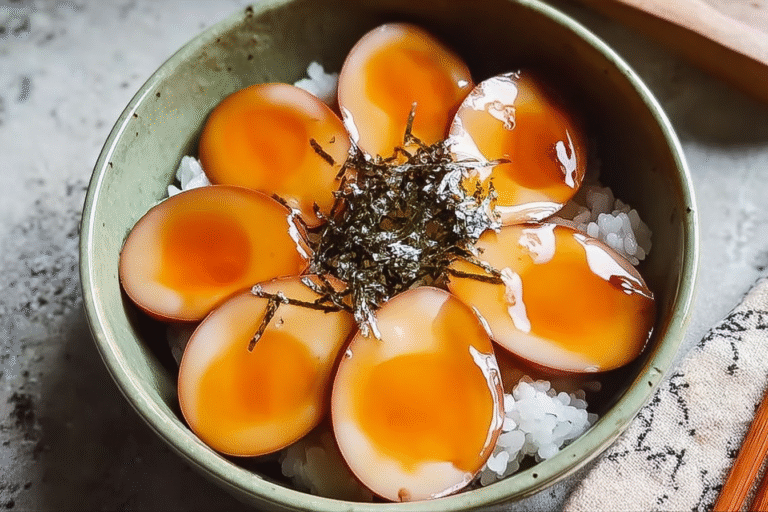
🥚 These soft-boiled eggs with jammy yolks deliver rich umami flavor that elevates any ramen or rice dish
🍜 Perfect for meal prep, these versatile marinated eggs add protein and authentic Japanese flavor to your favorite dishes
- Total Time: 8 hours 12 minutes
- Yield: 6 eggs 1x
Ingredients
6 large eggs (preferably 4 to 5 days old)
3/4 cup low-sodium soy sauce
3 tablespoons mirin or rice vinegar
1/2 tablespoon sesame oil
2 medium garlic cloves, thinly sliced
sticky rice for serving
thinly sliced seaweed for serving
Instructions
1-Step 1: Boil the Eggs Bring a large pot of water to a rapid boil. Gently lower the 6 large eggs into the boiling water and start a 7-minute timer right away. Keep the heat high for a steady boil. This gives that perfect soft-boiled shoyu tamago with jammy yolk. If you prefer firmer, add a minute.
2-Step 2: Ice Bath Shock Prep an ice bath: large bowl with cold water and plenty of ice. With 15 seconds left on the timer, transfer eggs to the ice bath. Cool for 5 minutes. This stops cooking and makes peeling a breeze.
3-Step 3: Peel Under Water While still in the ice bath, gently crack and peel the eggs. The cold water helps shells slip off easily. Pat dry if needed. Pro tip: 4 to 5 days old eggs peel best.
4-Step 4: Whip Up the Marinade At room temperature, whisk 3/4 cup low-sodium soy sauce, 3 tablespoons mirin or rice vinegar, 1/2 tablespoon sesame oil, and 2 thinly sliced garlic cloves. Simple and savory!
5-Step 5: Marinate Overnight Place peeled eggs in the marinade, cover, and refrigerate 8 hours or overnight. Turn once halfway if not fully submerged for even flavor. This is key for shoyu tamago for ramen.
6-Step 6: Serve Sliced Slice eggs in halves or quarters. Serve over sticky rice with seaweed, or add to ramen or noodles. Eat cold or let sit 20 minutes at room temp for less chill.
Last Step:
Please leave a rating and comment letting us know how you liked this recipe! This helps our business to thrive and continue providing free, high-quality recipes for you.Notes
🥚 Use eggs purchased 4–5 days prior for easier peeling – fresher eggs are much harder to peel
🧊 Peel eggs while submerged in the ice bath for the best results and to prevent overcooking
⏰ Marinated eggs keep best if eaten within the first day; they can be stored up to 2 days in the refrigerator
- Prep Time: 5 minutes
- Marinating Time: 8 hours
- Cook Time: 7 minutes
- Category: Appetizer
- Method: Marinating
- Cuisine: Japanese
- Diet: Vegetarian
Nutrition
- Serving Size: 1 egg
- Calories: 86
- Sugar: 1.1 g
- Sodium: 657 mg
- Fat: 6.1 g
- Saturated Fat: 1.7 g
- Unsaturated Fat: 3.5 g
- Trans Fat: 0 g
- Carbohydrates: 1.1 g
- Fiber: 0 g
- Protein: 7 g
- Cholesterol: 186 mg