Mastering seafood pasta
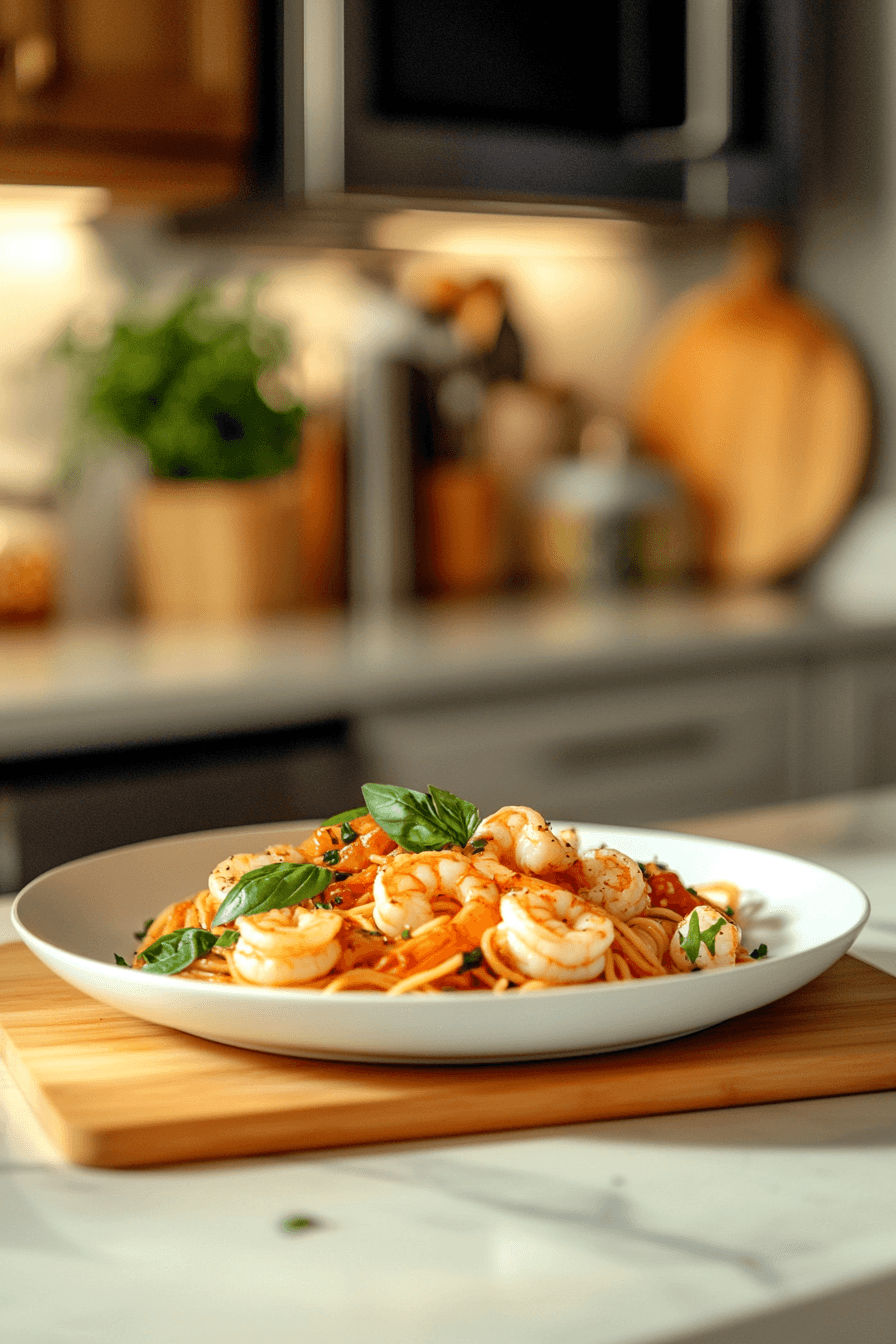
Seafood pasta is a dish that combines the fresh flavors of the ocean with the comforting texture of perfectly cooked pasta. Mastering seafood pasta, especially with premium ingredients like shrimp and scallops, means balancing delicate seafood with rich, complementary sauces. Whether you choose a classic red tomato-based sauce or a white garlic and olive oil clam sauce, the technique involves precise timing to prevent overcooking seafood while allowing the pasta to absorb the essence of the sauce.
This recipe is ideal for home cooks who appreciate simple, fresh ingredients that produce flavorful, elegant meals without overwhelming complexity. It fits well within healthy eating patterns, providing lean protein from seafood alongside the wholesome satisfaction of pasta. Cooking seafood pasta also lends itself to quick weeknight dinners or special gatherings that impress guests with authentic Sicilian-style flavors inspired by a renowned Boston restaurant known for fresh New England seafood.
Using fresh seafood and homemade sauces with well-timed cooking transforms seafood pasta into a dish that feels both luxurious and approachable.
Jump To
- 1. Mastering seafood pasta
- 2. Benefits and Advantages of seafood pasta
- 3. Essential Ingredients for seafood pasta
- 4. Dietary Substitutions to Customize Your seafood pasta
- 5. How to Prepare the Perfect seafood pasta: Step-by-Step Guide
- 6. Mastering seafood pasta: Advanced Tips and Variations
- 7. How to Store seafood pasta: Best Practices
- 8. Nutritional Value of seafood pasta
- 9. FAQs: Frequently Asked Questions About seafood pasta
- 10. Succulent Seafood Pasta with Shrimp and Scallops: A Delicious Recipe to Savor
Benefits and Advantages of seafood pasta
Fresh, Nutritious Ingredients
A key advantage of the seafood pasta recipe is the reliance on fresh, high-quality seafood such as shrimp and scallops. These ingredients provide a rich source of lean protein, omega-3 fatty acids, and essential nutrients while remaining low in fat. Seafood pasta supports a balanced diet that is both satisfying and nourishing.
Simple and Quick Preparation
Despite its gourmet appeal, seafood pasta is surprisingly easy to prepare. The process requires minimal ingredients and emphasizes clean flavors, allowing home cooks to quickly create impressive dishes without complicated techniques. Cooking the seafood just until tender and combining it with pasta cooked al dente ensures an enjoyable texture and taste every time.
Versatility of Sauces and Seafood
This dish can adapt to many preferences: diners can choose from tomato-based sauces infused with herbs and spices or lighter, oil-based sauces with garlic and shellfish broth. Shrimp and scallops can be substituted or combined with other fresh seafood like mussels, clams, or calamari, providing endless variation and customization based on availability and personal taste.
Cultural and Culinary Experience
Seafood pasta echoes the longtime tradition of Sicilian-style cooking, mixing simple family-inspired recipes with fresh local seafood. This blend of tradition and fresh produce offers a rich culinary experience that connects diners to a coastal heritage, all within an accessible home-cooking format.
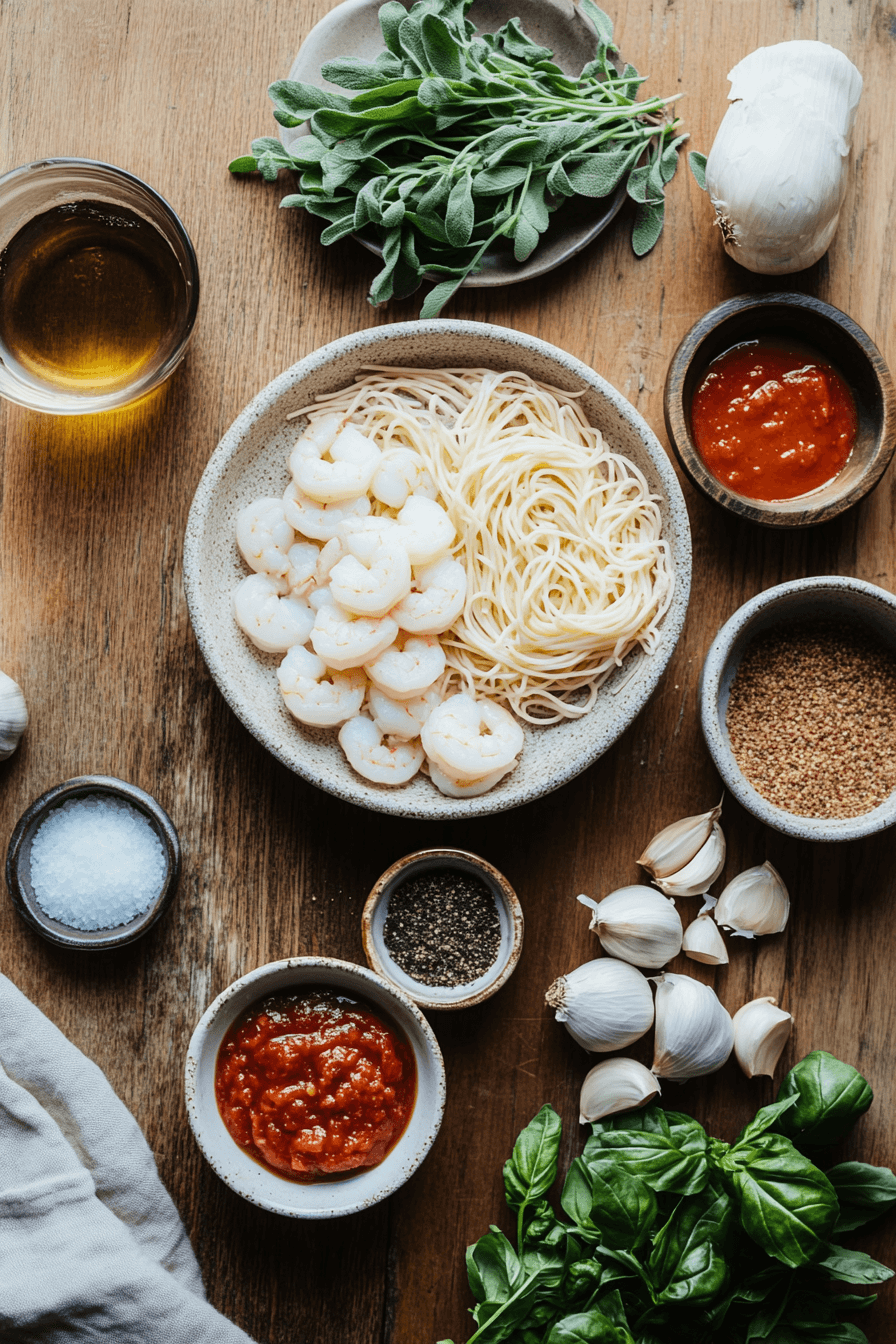
Essential Ingredients for seafood pasta
- 8 oz linguine or preferred pasta (spaghetti, fettuccine, or black squid ink pasta)
- 12 oz fresh shrimp, peeled and deveined
- 8 oz fresh scallops
- 2 tablespoons olive oil
- 3 cloves garlic, minced
- 1 shallot, finely chopped
- 1 cup white wine (optional, for sauce depth)
- 1 can whole peeled tomatoes or 1 ½ cups fresh tomato sauce (for red sauce)
- ½ cup clam juice or seafood broth (for white sauce)
- 1 teaspoon fennel seeds
- Fresh thyme sprigs
- Crushed red pepper or Calabrian chili paste (optional for spice)
- Fresh parsley or basil for garnish
- Grated romano cheese (optional, for finishing)
- Salt and freshly ground black pepper to taste
Each ingredient plays a critical role, from pasta providing a chewy base, to seafood offering delicate sweetness and texture. Aromatics like garlic and shallot form the flavor foundation, while wine and herbs add complexity. For gluten-free diets, use gluten-free pasta varieties; for low-calorie options, choose lean seafood and limit oil.
Dietary Substitutions to Customize Your seafood pasta
Seafood Alternatives
- Replace shrimp or scallops with calamari, mussels, clams, or lobster, adjusting cooking times accordingly.
- For a plant-based variation, use king oyster mushrooms or hearts of palm to mimic seafood texture.
Pasta Options
- Use gluten-free pasta made from rice, corn, or legumes for gluten-intolerant diners.
- Spiralized zucchini or other vegetables offer a low-carb, grain-free pasta alternative.
Sauce Modifications
- For a lighter sauce, omit cream or butter and rely on olive oil, garlic, and fresh herbs.
- Replace wine with seafood broth or vegetable broth if avoiding alcohol.
- Use fresh tomato sauces for lower sodium or make homemade sauces tailored to dietary restrictions.
Flavor and Spice Adjustments
- For milder heat, reduce or omit crushed pepper or chili paste.
- Incorporate fresh lemon juice or zest for brightness without added calories.
These substitutions offer flexibility without sacrificing the core flavor profile of the seafood pasta recipe, making it accessible to various dietary needs and taste preferences.
Discover more pasta dishes with rich flavors, like our fettuccine alfredo recipe, for inspiration on pairing sauces and pasta types.
For additional health insight, learn about the Health Benefits of Seafood.
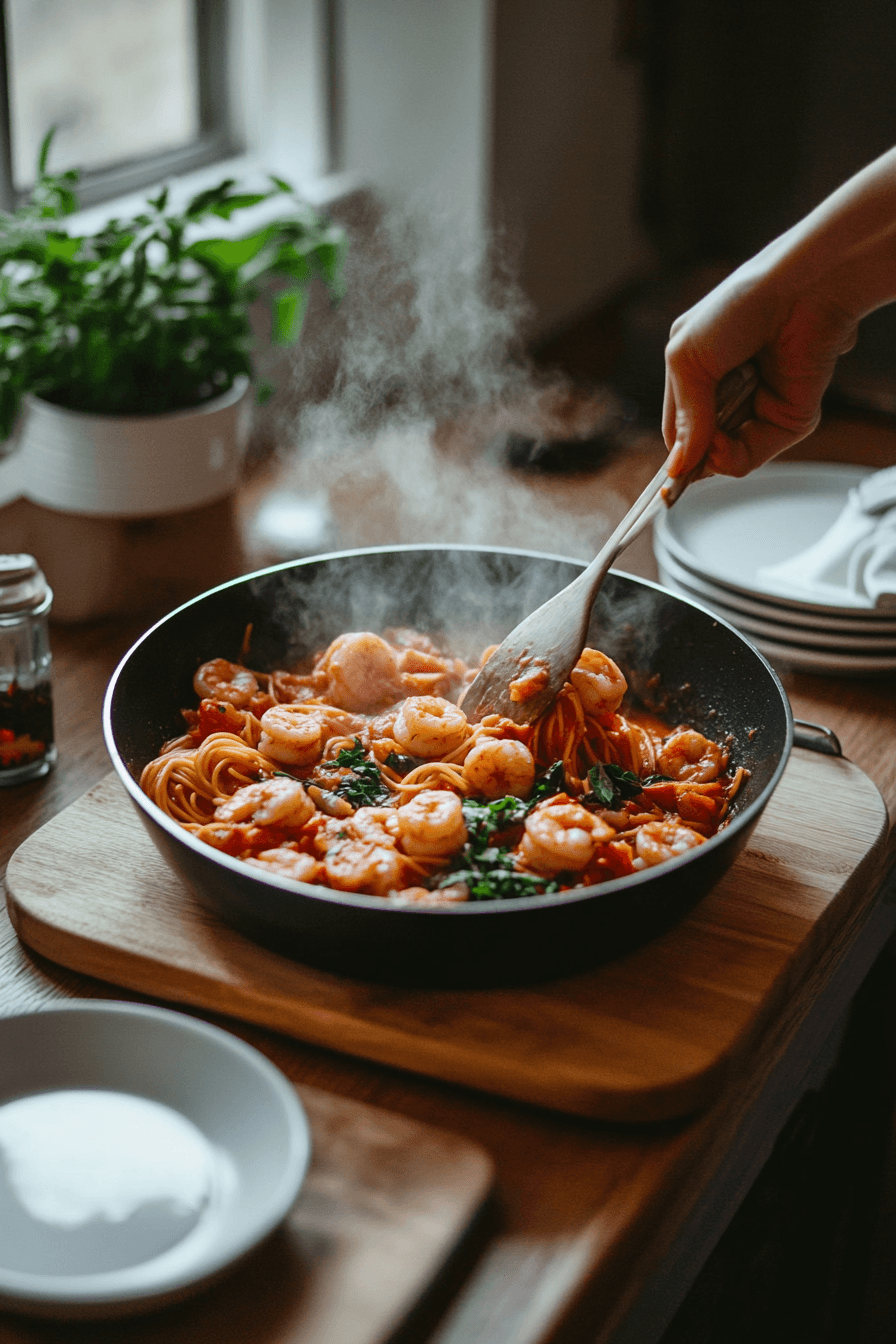
How to Prepare the Perfect seafood pasta: Step-by-Step Guide
- Prepare the Seafood: Begin by cleaning and preparing your seafood selection. For shrimp and scallops, rinse thoroughly and pat dry. For shellfish like clams and mussels, soak in salted water for 20-30 minutes to expel sand, then scrub shells clean.
- Cook the Pasta: Bring a large pot of salted water to a boil. Cook your preferred pasta, such as linguine or spaghetti, according to package instructions until al dente. Reserve a cup of pasta water before draining.
- Sauté Aromatics: Heat olive oil in a large skillet over medium heat. Add finely chopped garlic, shallots, and herbs like thyme or fennel. Sauté until fragrant and translucent.
- Cook Seafood: Add shrimp and scallops to the skillet, cooking on both sides until opaque and just set (about 2-3 minutes per side). For clams and mussels, add them with a splash of white wine or water, cover, and cook until they open.
- Create the Sauce: Choose either a red seafood tomato sauce made with fresh tomatoes, garlic, and chili flakes, or a white sauce of olive oil, garlic, and clam juice. Simmer your sauce until flavors meld.
- Combine and Finish: Return cooked pasta to the skillet with the sauce and seafood. Toss gently to combine, adding reserved pasta water to loosen the sauce if needed. Sprinkle freshly grated Romano cheese over the top.
- Serve Immediately: Serve pasta hot directly from the pan, garnished with fresh herbs and a drizzle of olive oil for an authentic Sicilian touch.
For perfectly cooked pasta, you can review this detailed guide on How to Cook Pasta Al Dente.
Mastering seafood pasta: Advanced Tips and Variations
Achieving the perfect seafood pasta requires balancing cook times, ingredient quality, and flavor layering. Using fresh New England seafood or quality local alternatives ensures sweet, tender results.
- Timing is Key: Cook delicate seafood like shrimp and scallops last to avoid overcooking, which can cause rubbery texture.
- Seafood Variety: Experiment with calamari, clams, mussels, and lobster for diverse tastes and textures. Combining shellfish with firm fish pieces can add contrast.
- Sauces with Depth: Incorporate white wine or a splash of lemon juice to brighten sauces and marry flavors. Use Calabrian chili paste for authentic Sicilian heat.
- Pasta Choice: Linguine and black squid ink pasta hold sauces well and accent seafood flavor elegantly.
- Serving Style: Serve pasta immediately while warm in the pan for that fresh-from-the-kitchen feel and to lock in moistness.
Mixing fresh herbs, simple sauces, and perfectly timed seafood cooking elevates seafood pasta from good to unforgettable.
For more inspiration on seafood flavor combinations, check Guide to Sicilian Cuisine.
How to Store seafood pasta: Best Practices
To preserve the quality of your seafood pasta, proper storage is essential.
Refrigeration
- Transfer seafood pasta to an airtight container soon after serving.
- Store in the refrigerator and consume within 2 days to maintain freshness and minimize food safety risks.
Freezing
- Freezing seafood pasta is generally not recommended due to potential texture changes in seafood and pasta softness.
- If needed, freeze pasta and seafood separately, wrapped tightly to minimize freezer burn.
Reheating
- Reheat gently over low heat in a skillet, adding a splash of water or broth to maintain sauce consistency and prevent drying.
- Avoid microwave reheating if possible, as it can make seafood tough and unevenly warmed.
Proper storage and reheating preserve both flavor and safety, making leftovers enjoyable without texture compromise.
Nutritional Value of seafood pasta
Seafood pasta is a nutrient-rich dish that offers a balance of lean protein, healthy fats, and carbohydrates. Featuring fresh shrimp, scallops, and shellfish, it provides essential Omega-3 fatty acids, vitamins, and minerals.
| Nutrient | Amount per Serving |
|---|---|
| Calories | 450-550 kcal |
| Protein | 30-35 g |
| Total Fat | 12-15 g |
| Saturated Fat | 2-3 g |
| Carbohydrates | 50-55 g |
| Fiber | 3-5 g |
| Sodium | 600-700 mg |
Due to its lean seafood protein and healthy olive oil fats, seafood pasta is a wholesome meal when prepared with fresh ingredients. For additional benefits on seafood nutrition, see this Health Benefits of Seafood.
FAQs: Frequently Asked Questions About seafood pasta
How do I make seafood pasta from scratch?
Start with preparing a tomato-based or garlic-infused sauce. Cook fresh seafood like shrimp and scallops separately to control doneness. Cook pasta until al dente, then combine all components gently, seasoning and finishing with fresh herbs and cheese.
What’s the best seafood to use in seafood pasta?
Popular choices include shrimp and scallops for their quick cook times, as well as clams, mussels, calamari, and lobster. Use a combination or pick favorites based on availability and texture preferences.
How do you prepare and clean seafood like mussels and clams for pasta?
Tap shellfish to ensure they’re alive; discard any that don’t close. Soak in salted water to remove sand, scrub shells, and rinse well before cooking.
How long should I cook different types of seafood for pasta?
Shrimp and scallops usually cook in 2-3 minutes per side until opaque. Mussels and clams take about 5-7 minutes to open. Calamari cooks swiftly—about 1-2 minutes to remain tender. Timing while cooking each element prevents overcooking and preserves tenderness.
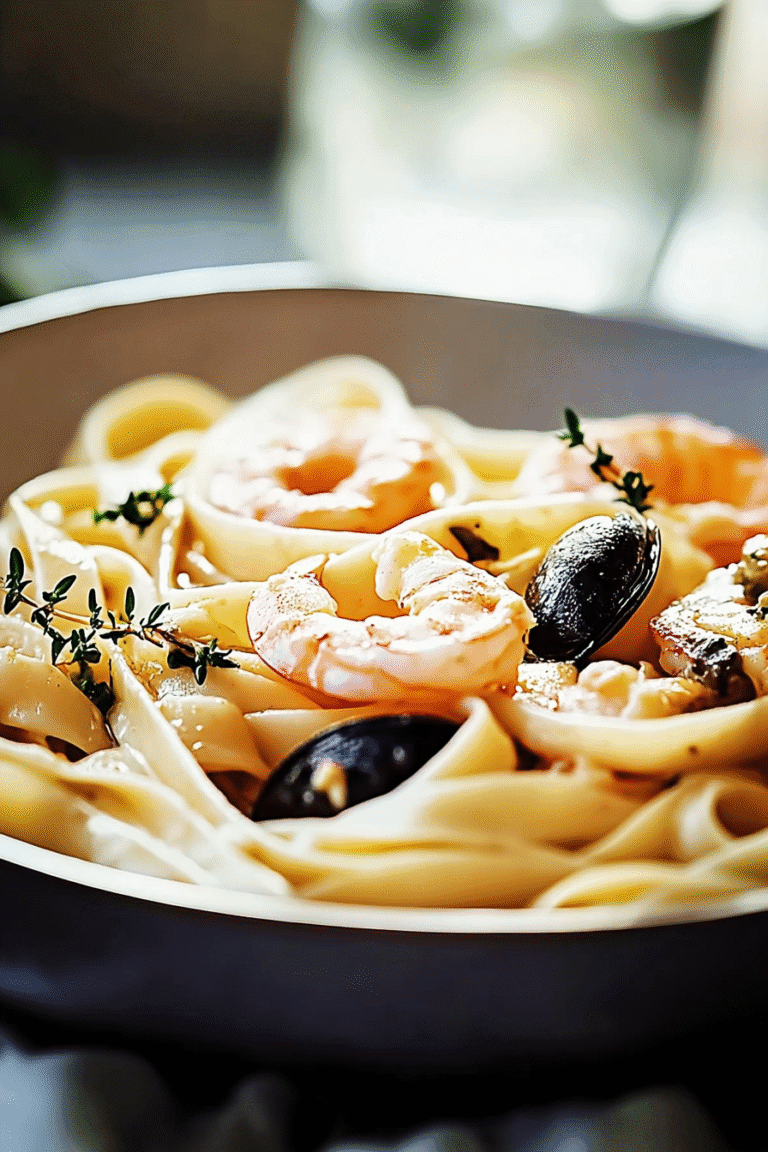
Succulent Seafood Pasta with Shrimp and Scallops: A Delicious Recipe to Savor
🍝 Enjoy a taste of Sicily with this luxurious seafood pasta that combines fresh shrimp and scallops in an exquisite sauce.
🦐 For seafood lovers, this dish offers a perfect balance of rich flavors and fresh ingredients, reminiscent of coastal dining.
- Total Time: 35 minutes
- Yield: 4 servings 1x
Ingredients
8 oz linguine or black squid ink pasta
2 tablespoons olive oil
2 cloves garlic, minced
1 shallot, finely chopped
1/2 teaspoon fennel seeds
1/2 teaspoon dried thyme
1/3 cup white wine
1/2 cup seafood or chicken broth
8 large shrimp, peeled and deveined
8 sea scallops, cleaned
2 tablespoons chopped fresh parsley
1/4 cup grated Romano cheese
Salt and pepper to taste
Optional: 1 teaspoon Calabrian chili paste
Lemon wedges for serving
Instructions
1. Cook pasta in salted boiling water until al dente. Drain, reserving 1/2 cup of pasta water.
2. In a large skillet, heat olive oil over medium heat. Add garlic and shallot, sauté until softened.
3. Stir in fennel seeds and thyme, cooking until fragrant.
4. Pour in white wine, scraping any bits from the bottom of the skillet.
5. Add seafood broth, bringing to a simmer. Cook for 2-3 minutes.
6. Gently add shrimp and scallops to the skillet. Cook until shrimp are pink and scallops are opaque.
7. Stir in the cooked pasta and reserved pasta water, tossing to coat in the sauce.
8. Sprinkle with parsley and Romano cheese, season with salt and pepper.
9. Serve hot, with lemon wedges and Calabrian chili paste if desired.
Last Step:
Please leave a rating and comment letting us know how you liked this recipe! This helps our business to thrive and continue providing free, high-quality recipes for you.Notes
🧄 Keep an eye on the seafood while cooking to avoid overcooking the shrimp and scallops.
🍋 Adding a splash of lemon juice just before serving brightens the flavors of the dish.
🌿 Garnish with extra parsley for a fresh, vibrant finish to your presentation.
- Prep Time: 15 minutes
- Cook Time: 20 minutes
- Category: Main Course
- Method: Sautéing
- Cuisine: Sicilian
- Diet: Pescatarian
Nutrition
- Serving Size: 1 bowl
- Calories: 450 kcal
- Sugar: 2 g
- Sodium: 780 mg
- Fat: 16 g
- Saturated Fat: 4 g
- Unsaturated Fat: 10 g
- Trans Fat: 0 g
- Carbohydrates: 44 g
- Fiber: 2 g
- Protein: 32 g
- Cholesterol: 120 mg