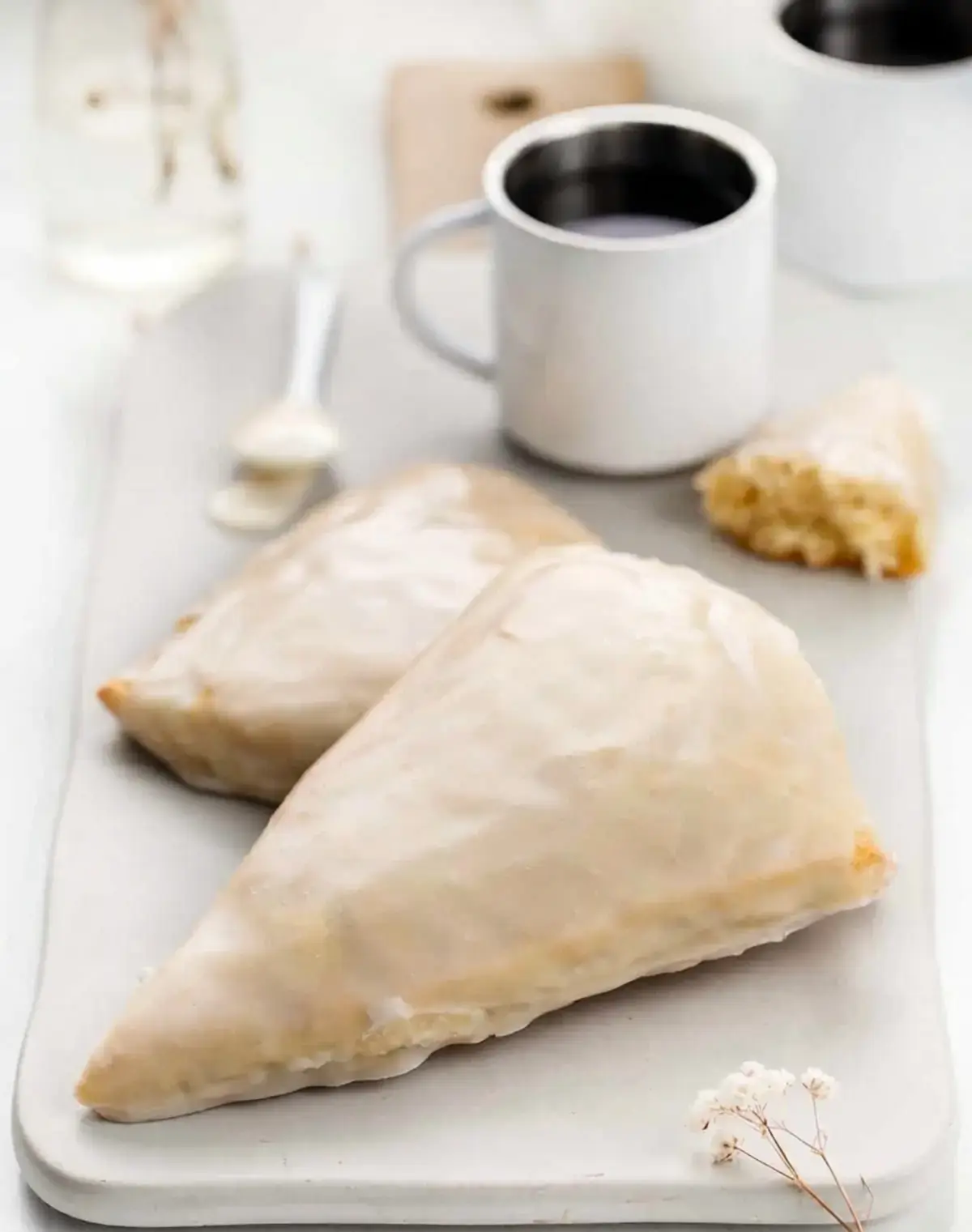
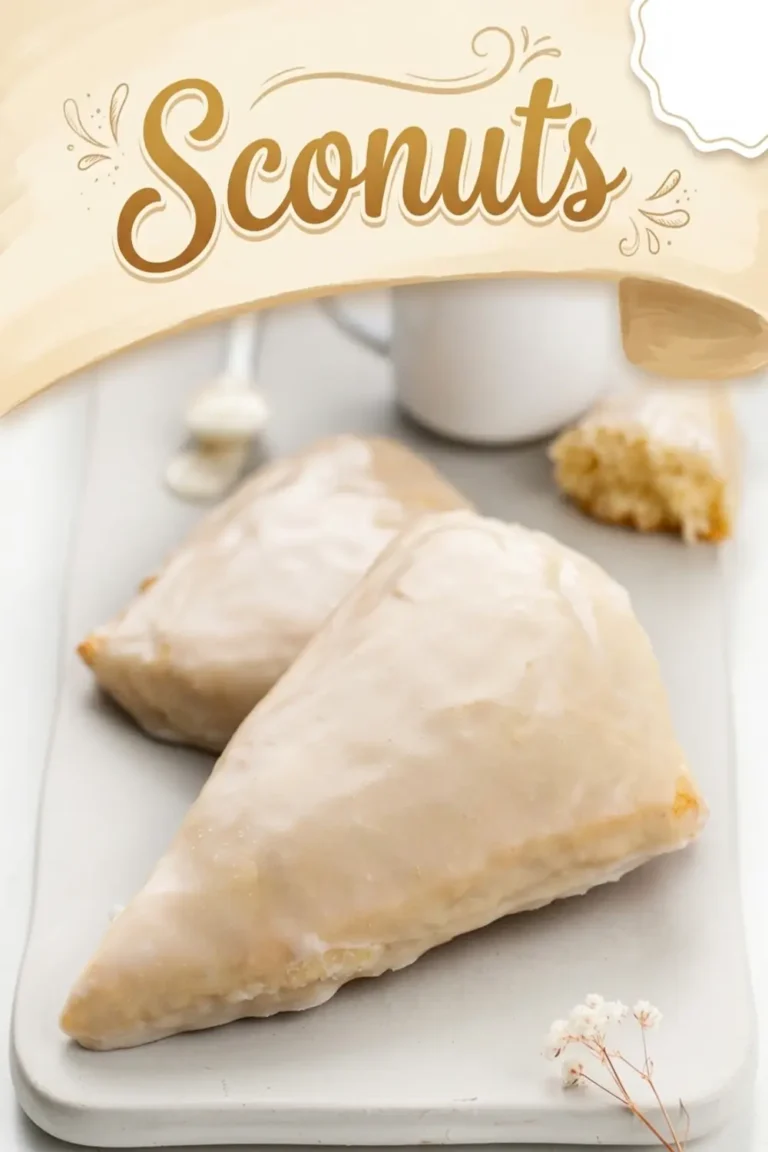
Sconuts bring two favorite breakfast treats together in one bite. The name says it all. These baked goods have the tender, slightly crumbly texture of a scone with the sweet vanilla and nutmeg flavor you expect from a doughnut.
They are baked in the oven instead of fried, which the original recipe presents as a lighter option than a traditional doughnut, and they still taste every bit as indulgent.
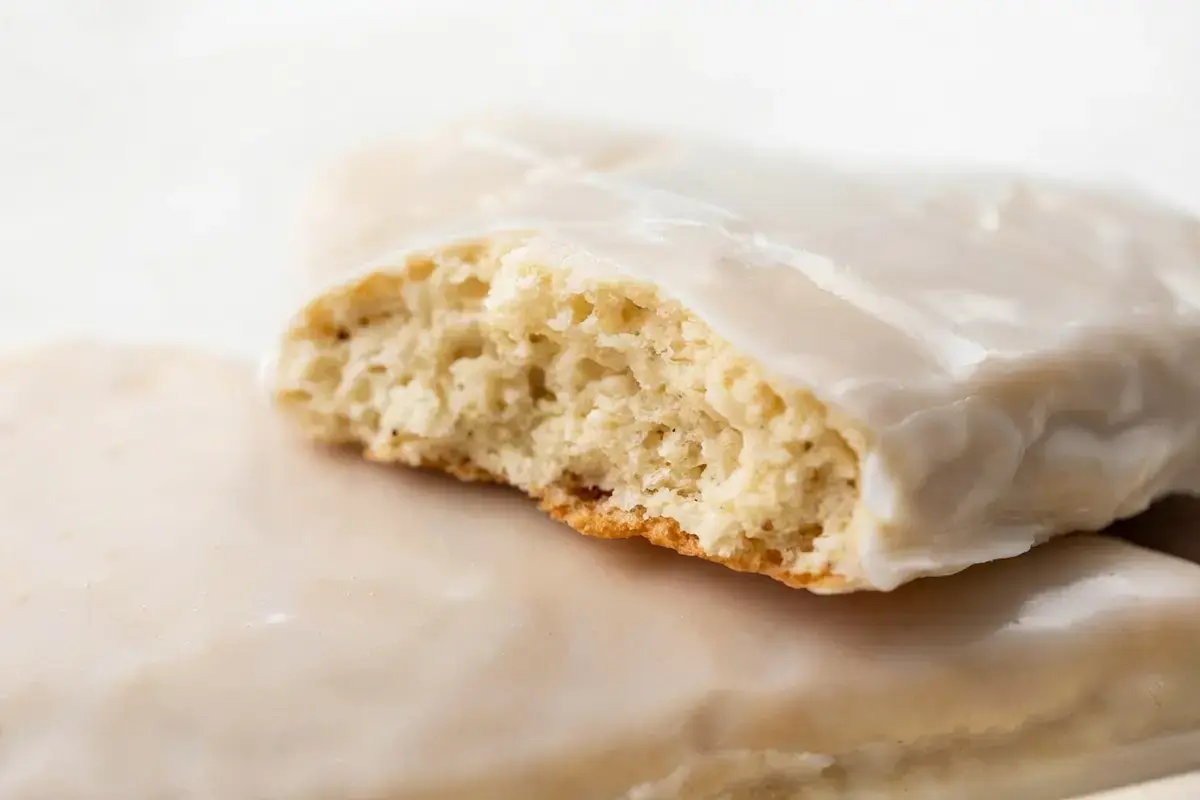
Texture is what makes this hybrid work so well. A classic scone is sturdy, while a doughnut is soft and sweet. Sconuts land somewhere in the middle, which is why a simple glaze and a hot drink suit them perfectly.
This recipe comes from Amanda Rettke and was published on I Am Baker. One batch makes 8 large sconuts, and each one gets a generous pour of sweet glaze while it is still slightly warm.
If you love scones, doughnuts, or simply a homemade treat next to your morning coffee, this is a recipe worth trying. Keep reading for the full ingredient list, the step by step instructions, and practical tips for shaping, storing, and serving them.
Before you start, it helps to know why this recipe uses the ingredients it does. The details below come from the original recipe, and they explain the texture you are aiming for.
Cake flour. Cake flour is made from soft wheat, is finely milled, and has a lower protein content than all purpose flour. That lower protein is exactly what gives baked goods like these a delicate, tender crumb. The recipe calls for 3 cups (300 g) of cake flour.
Bleached or unbleached. Bleached cake flour is recommended for the best results, while unbleached cake flour is a more natural option if you prefer it.
Room temperature butter and milk. Let your unsalted butter and whole milk sit out before mixing. Room temperature ingredients blend more evenly into the dough, which helps the sconuts bake up light instead of heavy.
Nutmeg and vanilla. These two flavorings are what push the sconuts toward doughnut territory. Nutmeg goes into the dough, and vanilla appears in both the dough and the glaze.
The glaze. The sweet glaze does more than add flavor. It also helps preserve moisture in the sconuts, so they stay soft a little longer.
A quick note on the milk. The dough uses 3/4 cup (184 g) of whole milk plus 1 teaspoon, and the glaze uses 1/2 cup (122.5 g) of whole milk. Having both amounts measured and ready keeps the process smooth.
What about substitutions? The recipe is built around cake flour, so that is the flour to reach for first. If you use another type of flour, expect a slightly different texture, because the lower protein content of cake flour is doing a lot of the work here.
When it comes to the butter and the milk, room temperature is the one step worth doing every single time.
Room temperature ingredients are the quiet secret behind a light, tender sconut.
Sconuts Recipe: The Baked Hybrid Of Scone And Doughnut 16
Creating Smaller Sconuts
A standard batch of this homemade sconuts recipe yields 8 large pieces. That is a good size for a weekend breakfast, but sometimes you want something a little daintier for a brunch table or a tray of treats.
To make smaller sconuts, shape the dough into two circles instead of one. Roll each circle out the same way, then cut each one into 8 sections. That method gives you 16 sconuts total from the same batch of dough.
Keep the wedges about 1 to 2 inches apart on the lined baking sheets so they have room to brown evenly, and try to cut them into similar sizes so they finish baking at the same time. Smaller pieces also cool faster, which means you can glaze and serve them sooner when you are feeding a crowd.
Sconuts Recipe: The Baked Hybrid Of Scone And Doughnut 17
Can I Make Sconuts Ahead of Time?
Yes, and this is one of the most useful things about the recipe. You can prepare the dough in advance and store it in the refrigerator for up to 24 hours before you cut and bake it.
That makes the recipe friendly to busy mornings. Mix the dough the night before, tuck it in the refrigerator, and the next day all you have to do is roll, cut, bake, and glaze.
Just plan for the final steps when you are ready to serve, because the dough still needs to be cut into wedges and baked fresh. The oven does its part in 10 to 12 minutes, and the glaze takes only a couple of minutes to whisk together.
If you are short on time in the morning, this overnight rest is the easiest way to still have fresh baked sconuts on the table.
Sconuts Recipe: The Baked Hybrid Of Scone And Doughnut 18
How to Store Sconuts
Sconuts are at their best the day they are made, but leftovers keep nicely if you store them well.
Keep them in an airtight container at room temperature for optimal freshness.
They can also be stored in the refrigerator if you enjoy a chilled treat.
For the best flavor and texture, enjoy them within 2 to 3 days of baking.
Because the glaze helps preserve moisture, a glazed batch holds up well over the next couple of days. That is one more reason to glaze every sconut rather than leaving some plain.
If you do store them in the refrigerator, let them sit at room temperature for a few minutes before serving so the glaze softens again.
Airtight at room temperature, eaten within 2 to 3 days, and chilled only if you like them cold.
Ingredients
This recipe makes 8 sconuts and is divided into two parts: the sconut dough and the glaze. Measure everything before you begin so the mixing goes quickly.
Sconuts
3 cups (300 g) cake flour
2/3 cup (133 g) granulated sugar
2 tablespoons baking powder
1/2 teaspoon kosher salt
1/2 teaspoon nutmeg
1/4 cup (1/2 stick or 57 g) unsalted butter, room temperature
3/4 cup (184 g) whole milk plus 1 teaspoon, room temperature
1 large egg, room temperature
1 teaspoon vanilla extract
Glaze
4 cups (500 g) confectioners’ sugar
2 teaspoons corn syrup
1/2 teaspoon vanilla extract
1/4 teaspoon kosher salt
1/2 cup (122.5 g) whole milk, room temperature
One shopping note before you bake. Cake flour is the star of this recipe, so pick up a box if you do not keep it on hand. Its lower protein content is what gives the sconuts their tender bite, and it is worth seeking out.
Everything else is a pantry staple for most home bakers, including granulated sugar, baking powder, kosher salt, nutmeg, confectioners’ sugar, and corn syrup. Take the butter and milk out of the refrigerator ahead of mixing so both are at room temperature when you need them.
Instructions
These steps follow the original recipe. The dough comes together quickly in a stand mixer, and the glaze is a simple whisk and pour.
For the sconuts
Preheat the oven to 400 degrees Fahrenheit. Line 2 large baking sheets with parchment paper.
In the bowl of a stand mixer fitted with the paddle attachment, combine the flour, sugar, baking powder, salt, and nutmeg. Add the room temperature butter and mix until the mixture reaches a consistency like sand.
In a separate bowl, combine the milk, egg, and vanilla.
Slowly add the wet mixture to the flour mixture, mixing on low until a soft dough forms.
Turn the dough out onto a lightly floured surface and sprinkle a little flour on top.
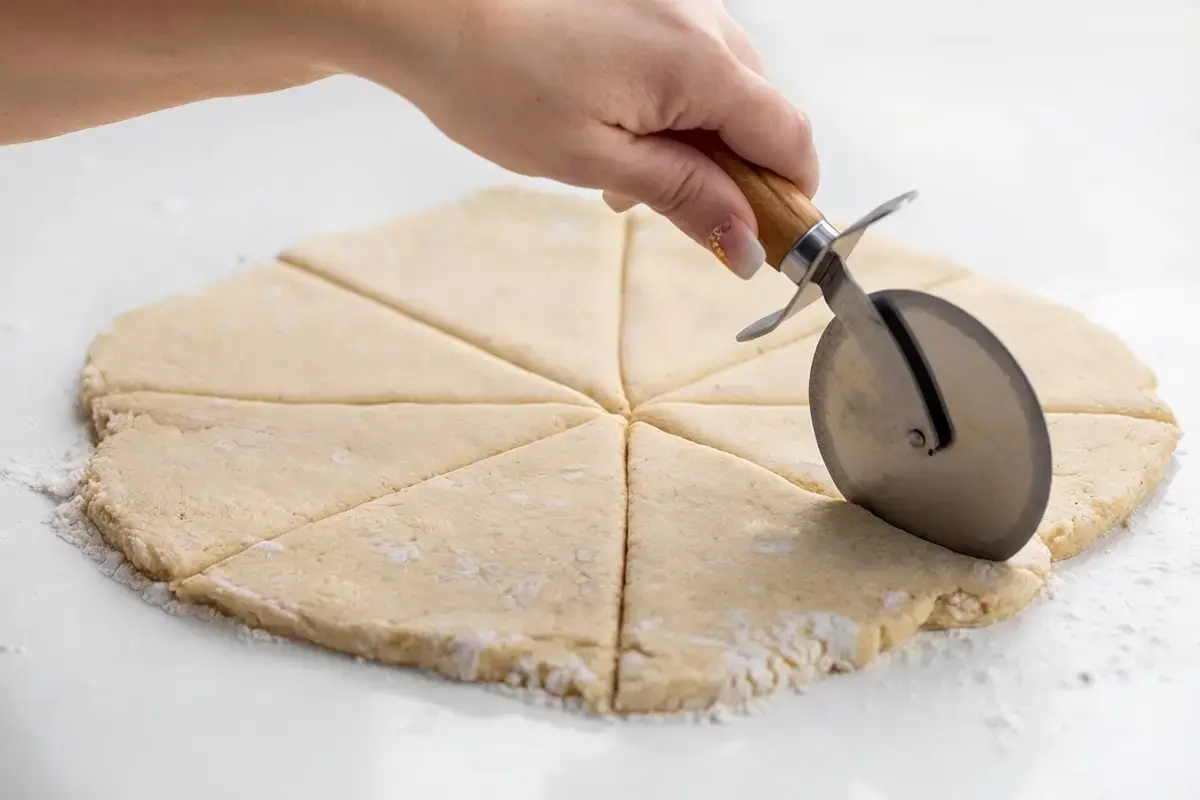
Shape the dough into a circle and roll it out to about 1/3 inch thick. Cut the dough into wedges with a pizza cutter or a sharp knife, sprinkling more flour as needed if the dough is too sticky.
Place the wedges on the lined baking sheets, leaving 1 to 2 inches between each piece.
Bake for 10 to 12 minutes, rotating the pans halfway through the baking time, until the sconuts are golden brown.
For the glaze
In a medium bowl, combine the confectioners’ sugar, corn syrup, vanilla extract, salt, and milk. Whisk until smooth, adding more milk if needed to reach your desired consistency.
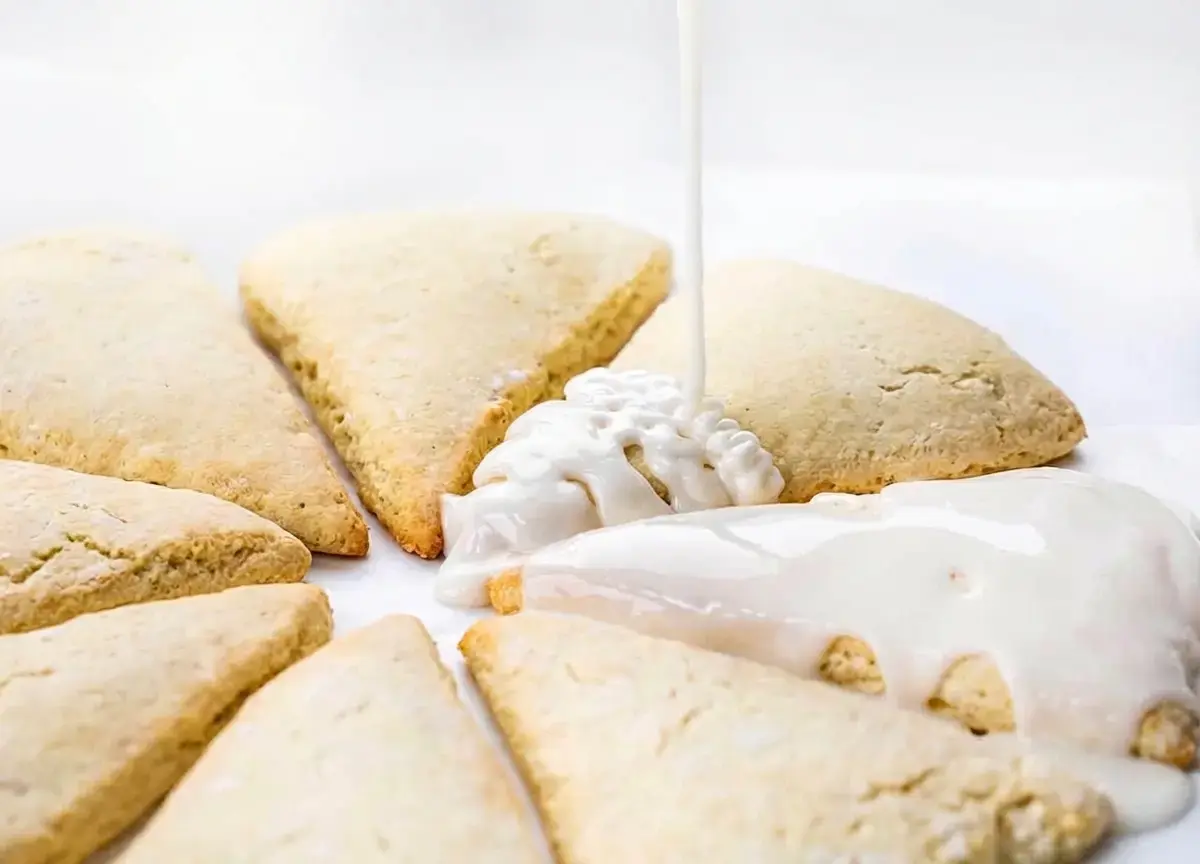
After the sconuts have cooled slightly, pour the glaze over them until they are completely covered. Serve immediately.
Two small things make the biggest difference here. First, that sandy consistency in step two tells you the butter is evenly worked into the dry ingredients, which is what keeps the dough tender. Second, rotating the pans halfway through baking helps the sconuts brown evenly on both sheets.
The sconuts are ready when they are golden brown, so trust your eyes along with the timer.
Recipe details
Here is a quick overview so you can plan your baking session.
Detail
Information
Prep time
15 minutes
Cook time
12 minutes
Total time
27 minutes
Servings
8 sconuts
Method
Baked in the oven at 400 degrees Fahrenheit
Calories
581 per serving, as provided by the source
Those numbers make this a very manageable project. Most of the time goes into mixing, rolling, and cutting, and the oven does the rest in about 12 minutes.
If you want another easy breakfast bake in your rotation, these Puff Pastry Breakfast Cups are a good place to start. And if you would like to see the original version of this recipe, it lives on I Am Baker, where Amanda Rettke first published it.
Serve the sconuts warm from the oven or glazed and cooled, with coffee, tea, or a glass of cold milk. They are a fun way to get scone texture and doughnut flavor in one homemade treat, and they are easy enough to make on a weekend morning or a slow Sunday afternoon.
FAQs
What are sconuts?
Sconuts are a baked hybrid that combines the tender, crumbly texture of a scone with the sweet, glazed finish of a traditional doughnut. Unlike doughnuts, they are baked in the oven rather than deep-fried, making them a lighter alternative. They are typically made with cake flour and flavored with nutmeg, then topped with a vanilla glaze.
How do you make sconuts from scratch?
To make sconuts, preheat your oven to 400°F. Combine 3 cups cake flour, ⅔ cup sugar, 2 tablespoons baking powder, ½ teaspoon salt, and ½ teaspoon nutmeg. Cut in ¼ cup room-temperature butter until sandy. Mix in ¾ cup whole milk, 1 egg, and 1 teaspoon vanilla. Shape the dough into a ⅓-inch thick circle, cut into 8 wedges, and bake for 10 to 12 minutes. Top with a glaze made from 4 cups confectioners' sugar, 2 teaspoons corn syrup, ½ teaspoon vanilla, ¼ teaspoon salt, and ½ cup milk.
Are sconuts baked or fried?
Sconuts are always baked in the oven, not fried. The standard recipe calls for baking them at 400°F for 10 to 12 minutes on parchment-lined sheets. This baking method gives them a tender, scone-like interior while avoiding the grease associated with traditional fried doughnuts.
Can you use all-purpose flour instead of cake flour for sconuts?
Yes, you can substitute all-purpose flour for cake flour in a sconut recipe. For each cup of all-purpose flour, remove 2 tablespoons and replace them with 2 tablespoons of cornstarch, then sift the mixture well. Cake flour is preferred because its lower protein content creates a more delicate, tender crumb, but this substitution will yield acceptable results.
Sconuts Sconuts bring two favorite breakfast treats together in one bite. The name says it all.
Total Time:27 min
Yield:81x
Ingredients
Scale
Sconuts 3 cups cake flour ⅔ cup granulated sugar 2 tablespoons baking powder ½ teaspoon kosher salt ½ teaspoon nutmeg ¼ cup unsalted butter, room temperature ¾ cup whole milk, room temperature 1 large egg, room temperature 1 teaspoon vanilla extract
Glaze 4 cups confectioners’ sugar 2 teaspoons corn syrup ½ teaspoon vanilla extract ¼ teaspoon kosher salt ½ cup whole milk, room temperature
Instructions
Sconuts 1-Preheat the oven to 400°F: Preheat the oven to 400°F. Line 2 large baking sheets with parchment paper. 2-In the bowl of a stand mixer: In the bowl of a stand mixer with the paddle attachment, combine flour, sugar, baking powder, salt, and nutmeg. Add butter and mix until it becomes a sand-like consistency. 3-In a separate bowl, combine milk, egg,: In a separate bowl, combine milk, egg, and vanilla. 4-Slowly add the wet mixture to the: Slowly add the wet mixture to the flour mixture, mixing on low until a soft dough forms. 5-Fold the dough out onto a lightly: Fold the dough out onto a lightly floured surface, sprinkling flour on top of the dough. 6-Shape the dough into a circle, rolling: Shape the dough into a circle, rolling it out to about ⅓-inch thick. Using a pizza cutter or a sharp knife, cut the dough into wedges, sprinkling more flour as needed (if the dough is too sticky). 7-Carefully place the wedges onto the lined: Carefully place the wedges onto the lined baking sheets, leaving 1-2 inches between each wedge. 8-Bake 10-12 minutes, rotating the pans halfway: Bake 10-12 minutes, rotating the pans halfway through baking time, until golden brown.
Glaze 9-In a medium bowl, combine sugar, syrup,: In a medium bowl, combine sugar, syrup, vanilla, salt, and milk. Whisk together until smooth, adding more milk (if necessary) to reach your desired consistency. 10-After the sconuts have cooled slightly, pour: After the sconuts have cooled slightly, pour the glaze over them until completely covered. Serve immediately.
Last Step:
Please leave a rating and comment letting us know how you liked this recipe! This helps our business to thrive and continue providing free, high-quality recipes for you.