Why You’ll Love This Salmon Balls
If you’re looking for a simple yet delicious way to enjoy salmon balls, this recipe stands out for its straightforward appeal. Not only does it use everyday ingredients to create something special, but it also fits seamlessly into busy lifestyles. Let’s dive into what makes these salmon balls a go-to choice for home cooks and food lovers alike.
- Ease of Preparation: One of the best things about these salmon balls is how quickly they come together, making them ideal for beginners or anyone short on time. With just a few steps and minimal tools needed, you can have a tasty dish ready in about 30 minutes, including prep and baking. This simplicity means even busy parents or working professionals can whip up a meal without stress, turning everyday ingredients like canned salmon into something delightful.
- Health Benefits: Salmon balls offer a nutritious boost with their high levels of omega-3 fatty acids and protein, which support heart health and overall wellness. This recipe serves 4 to 6 people and uses ingredients that provide essential vitamins, helping you feel good about what you’re eating. For those focused on a balanced diet, it’s a smart choice that promotes easy meal options rich in nutrients from fresh or canned salmon.
- Versatility: These salmon balls adapt easily to various meals, whether as a quick appetizer or a satisfying main dish. You can serve them with tartar sauce for parties or pair them with sides for a full meal, making them perfect for students, travelers, or seniors who need flexible recipes. Their adaptability extends to dietary preferences, allowing tweaks without losing the core appeal of salmon balls.
- Distinctive Flavor: What really sets these salmon balls apart is their fresh, zesty taste from ingredients like dill weed and green onions, creating a balance that’s both savory and light. This combination has been enjoyed for over 25 years, praised for its tasty flavor that makes every bite memorable. It’s a versatile option that brings a unique twist to your table, encouraging food enthusiasts to experiment with seasonings.
By incorporating salmon balls into your routine, you’re not just making a meal you’re adding a flavorful, health-conscious choice that fits modern lifestyles. This recipe’s charm lies in its ability to deliver on taste and ease, which is why it remains a favorite among home cooks.
Jump To
- 1. Why You’ll Love This Salmon Balls
- 2. Essential Ingredients for Salmon Balls
- 3. How to Prepare the Perfect Salmon Balls: Step-by-Step Guide
- 4. Dietary Substitutions to Customize Your Salmon Balls
- 5. Mastering Salmon Balls: Advanced Tips and Variations
- 6. How to Store Salmon Balls: Best Practices
- 7. FAQs: Frequently Asked Questions About Salmon Balls
- 8. Salmon Balls
Essential Ingredients for Salmon Balls
To make these salmon balls, you’ll need a handful of straightforward ingredients that come together to create a delicious result. Each one plays a key role in texture, flavor, and nutrition, ensuring the final dish is both tasty and wholesome. Below is a detailed list of the essentials, complete with precise measurements and why they matter.
Main Ingredients
- One 15 1/2 ounce can of salmon – This provides the main protein base, offering omega-3 fatty acids and a convenient way to add nutrition without much prep.
- 1/4 cup breadcrumbs – These help bind the mixture and add a subtle crunch, making the balls hold their shape during baking.
- 1/4 cup diced green onions – They bring a fresh, mild onion flavor that brightens the overall taste and adds a bit of color.
- 1 tablespoon dill weed – This herb infuses a distinctive, aromatic note that complements the salmon and enhances the dish’s freshness.
- 1 tablespoon butter – It adds richness and moisture, helping to keep the balls tender and flavorful.
- 1/2 teaspoon salt – Essential for seasoning, it balances the flavors and brings out the natural taste of the salmon.
- 1/4 teaspoon pepper – This adds a gentle spice that rounds out the seasoning, preventing the dish from being bland.
Special Dietary Options
For those with specific needs, here are some easy swaps to customize your salmon balls while keeping them delicious.
- Vegan: Use plant-based alternatives like 15 1/2 ounces of firm tofu or jackfruit in place of the canned salmon for a meat-free version, and substitute butter with a vegan margarine to maintain texture and binding.
- Gluten-Free: Swap breadcrumbs with almond meal or gluten-free crumbs to avoid gluten, ensuring the mixture still holds together well. Add a tablespoon of flaxseed meal mixed with water as an extra binder if needed.
- Low-Calorie: Opt for reduced-fat butter and increase the amount of diced green onions to bulk up volume without extra calories, helping to keep the dish light while preserving flavor.
By using these ingredients thoughtfully, you can adapt salmon balls to suit various tastes and health goals. Remember to check for synonyms like fish patties when exploring similar recipes for inspiration. Try our BBQ meatballs recipe for another fun appetizer idea that pairs well with these variations.
How to Prepare the Perfect Salmon Balls: Step-by-Step Guide
Creating salmon balls is a fun and simple process that yields great results every time. This guide walks you through each step based on a tried-and-true method that’s been popular for over 25 years. With a total prep and bake time of about 30 minutes, it’s perfect for busy evenings or quick gatherings.
First Step: Gather and Prepare Ingredients
Start by draining the one 15 1/2 ounce can of salmon to remove excess liquid, which helps prevent the mixture from becoming too wet. In a large bowl, combine the drained salmon with 1/4 cup breadcrumbs, 1/4 cup diced green onions, 1 tablespoon dill weed, 1 tablespoon butter, 1/2 teaspoon salt, and 1/4 teaspoon pepper. For dietary tweaks, if you’re going gluten-free, use almond meal instead of breadcrumbs to keep things adaptable.
Second Step: Mix the Ingredients
Using a spoon or your hands, mix all the ingredients thoroughly until they form a cohesive mixture. This step is crucial for salmon balls to hold their shape, so take your time to ensure everything is evenly distributed. If the mixture feels too sticky, add a bit more breadcrumbs, or if it’s dry, a touch of water can help always adjust for preferences like low-calorie options by using less butter.
Third Step: Form the Salmon Balls
Once mixed, shape the salmon into about 25 small balls, roughly the size of a golf ball, using your hands for easy portioning. Place them on a greased cookie sheet to avoid sticking, and be gentle with the delicate texture to prevent cracking. This is where versatility shines, as you can make them smaller for appetizers or larger for a main dish serving 4 to 6 people.
Fourth Step: Preheat and Bake
Preheat your oven to 350 degrees Fahrenheit for even cooking. Arrange the salmon balls on the cookie sheet and bake them for 20 minutes, or until they’re golden and firm. Watch the time closely to avoid overcooking, and remember that baking keeps things healthier compared to frying, especially for diet-conscious folks.
Fifth Step: Cool and Serve
After baking, let the salmon balls cool on the sheet for a few minutes to set. Serve them warm as an appetizer with tartar sauce or as an entrée alongside veggies. For added flavor, consider a dip like chili lime mayo, and if you’re exploring more ideas, check out our grilled shrimp tacos for a complementary seafood dish. This final touch makes salmon balls a hit for various occasions, enhancing their role as a quick, tasty option.
This method ensures your salmon balls turn out perfectly every time, with tips for adjustments based on what you have on hand. From mixing to serving, it’s all about keeping things simple and enjoyable for home cooks.
Dietary Substitutions to Customize Your Salmon Balls
Protein and Main Component Alternatives
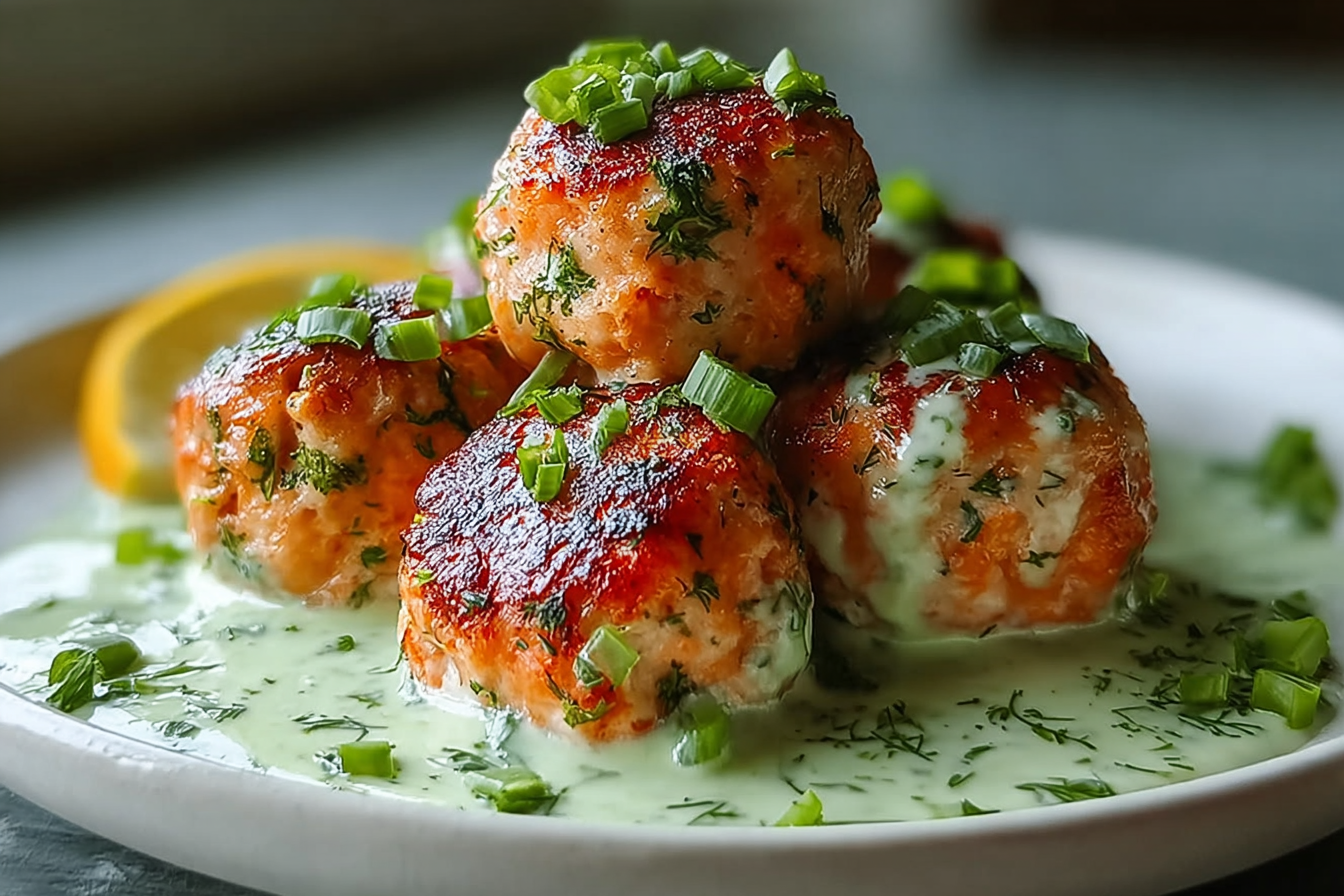
When it comes to swapping the main protein in salmon balls, options abound for different tastes and needs. For instance, try canned tuna or cooked crab for a seafood twist, adjusting binding with extra breadcrumbs to maintain texture. Plant-based choices like firm tofu or chickpea mash work well for vegans, while tempeh or white fish can offer a lighter alternative, ensuring the mixture binds properly without falling apart.
Vegetable, Sauce, and Seasoning Modifications
Vegetables like bell peppers or zucchini can replace diced green onions for added crunch and nutrition, just use the same 1/4 cup measure to keep proportions balanced. For sauces, opt for low-sodium tamari instead of salt or coconut aminos for a gluten-free option, and swap seasonings with gluten-free breadcrumbs or almond meal to avoid issues. These changes might slightly alter cooking time or flavor, so taste as you go to perfect the blend, making salmon balls even more adaptable for everyone.
Mastering Salmon Balls: Advanced Tips and Variations
Pro Cooking Techniques
To elevate your salmon balls, try chilling the mixture for 15 minutes before shaping to improve binding and texture. Use a binder ratio guide, like increasing breadcrumbs if needed, and experiment with methods such as pan-searing then roasting for a crispier exterior. For moisture control, drain the salmon well to prevent sogginess, and consider low-fat cooking by baking instead of frying for diet-conscious variations.
Flavor Variations
Spice things up with Asian-inspired flavors using ginger and sesame, or go Mediterranean with lemon and feta for a fresh twist on traditional salmon balls. Add herbs like additional dill weed or curry blends for depth, ensuring each variation keeps the core ingredients intact for that signature taste.
Presentation Tips
For eye-catching plating, garnish salmon balls with fresh herbs and pair them with dips like tahini or a simple yogurt sauce. Serve in smaller portions as appetizers, and include sides for a full meal, making them versatile for any occasion.
Make-Ahead Options
Prep ahead by forming and freezing uncooked salmon balls for busy days, then bake from frozen with extra time. Store cooked ones in the fridge for quick meals, always adjusting for gluten-free or vegan swaps as needed.
How to Store Salmon Balls: Best Practices
Proper storage keeps your salmon balls fresh and tasty for longer. For short-term needs, refrigerate them in an airtight container and use within 2-3 days to maintain quality. Always cool them quickly before storing to avoid bacterial growth.
For longer storage, freeze the balls by first arranging them on a tray until solid, then transfer to freezer bags; they last up to 3 months. Thaw safely in the fridge overnight for the best results.
When reheating, use the oven at 350 degrees Fahrenheit until they reach an internal temperature of 165 degrees Fahrenheit, or pan-sear gently to keep them moist. For meal prep, portion into single servings and store sauces separately to preserve flavor and texture.
For optimal results, always label your stored salmon balls with dates to track freshness, as shared in various salmon-related resources.
FAQs: Frequently Asked Questions About Salmon Balls
What ingredients do I need to make traditional salmon balls?
Traditional salmon balls typically include fresh or canned salmon, breadcrumbs or crushed crackers, an egg to bind, finely chopped onions, and seasonings like salt, pepper, and dill. Some recipes add lemon juice for brightness or mayonnaise for moisture. These ingredients are mixed, shaped into small balls, and then fried or baked until golden brown. Using fresh salmon results in a more delicate flavor, while canned salmon offers convenience.
How can I cook salmon balls so they don’t fall apart?
To prevent salmon balls from falling apart, ensure the mixture is not too wet by squeezing excess liquid from the salmon or draining canned salmon well. Add enough binder like an egg and breadcrumbs to hold the mixture together without making it dry. Chill the mixture in the refrigerator for at least 30 minutes before shaping to firm it up. When cooking, use a non-stick pan with moderate heat and avoid overcrowding to ensure even cooking and easier flipping.
Can I freeze salmon balls for later use?
Yes, salmon balls freeze well and can be stored for up to 3 months. To freeze, arrange uncooked salmon balls on a baking sheet lined with parchment paper and freeze until solid. Then transfer them to a freezer-safe container or bag. When ready to cook, thaw in the refrigerator overnight for best texture or bake/fry directly from frozen, adding a few extra minutes to cooking time.
Are salmon balls healthy and what nutritional benefits do they offer?
Salmon balls can be a healthy option, especially when made with fresh salmon. They are rich in omega-3 fatty acids, high-quality protein, and essential vitamins like B12 and D. Using whole food ingredients and baking instead of frying reduces fat content. For a lighter version, try baking or air frying salmon balls to cut down on oil while still enjoying a nutritious, protein-packed snack or meal.
What are some popular dipping sauces to serve with salmon balls?
Common dipping sauces that complement the flavor of salmon balls include tartar sauce, dill sauce, garlic aioli, soy sauce-based dips, and sweet chili sauce. A simple lemon-yogurt sauce made with Greek yogurt, lemon juice, garlic, and herbs is also popular. These sauces balance the savory taste of the salmon and add a refreshing contrast, making the dish more flavorful and enjoyable.
Salmon Balls
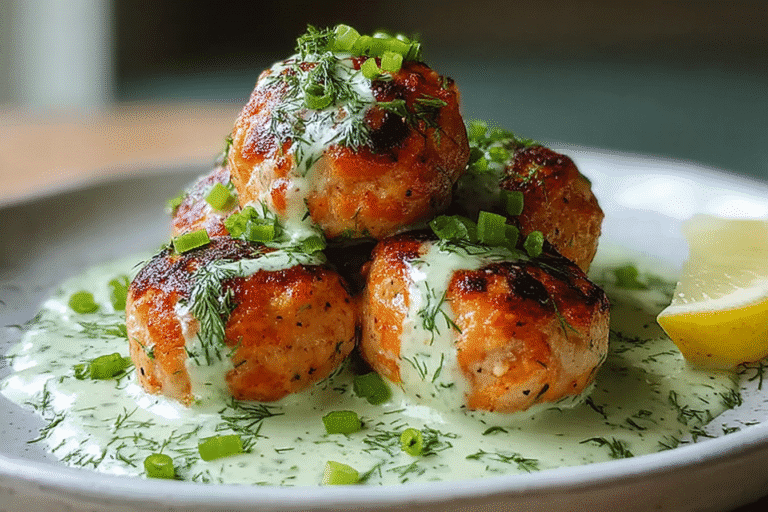
🐟 Baked Salmon Balls are a delicious and healthy option using simple ingredients for quick preparation.
⏱️ Perfect for busy days, this recipe offers a flavorful appetizer or entrée that’s easy to make and serve.
- Total Time: 30 minutes
- Yield: 25 salmon balls 1x
Ingredients
One 15 1/2 ounce can of salmon – This provides the main protein base, offering omega-3 fatty acids and a convenient way to add nutrition without much prep.
1/4 cup breadcrumbs – These help bind the mixture and add a subtle crunch, making the balls hold their shape during baking.
1/4 cup diced green onions – They bring a fresh, mild onion flavor that brightens the overall taste and adds a bit of color.
1 tablespoon dill weed – This herb infuses a distinctive, aromatic note that complements the salmon and enhances the dish’s freshness.
1 tablespoon butter – It adds richness and moisture, helping to keep the balls tender and flavorful.
1/2 teaspoon salt – Essential for seasoning, it balances the flavors and brings out the natural taste of the salmon.
1/4 teaspoon pepper – This adds a gentle spice that rounds out the seasoning, preventing the dish from being bland.
Instructions
First Step: Gather and Prepare Ingredients Start by draining the one 15 1/2 ounce can of salmon to remove excess liquid, which helps prevent the mixture from becoming too wet. In a large bowl, combine the drained salmon with 1/4 cup breadcrumbs, 1/4 cup diced green onions, 1 tablespoon dill weed, 1 tablespoon butter, 1/2 teaspoon salt, and 1/4 teaspoon pepper. For dietary tweaks, if you’re going gluten-free, use almond meal instead of breadcrumbs to keep things adaptable.
Second Step: Mix the Ingredients Using a spoon or your hands, mix all the ingredients thoroughly until they form a cohesive mixture. This step is crucial for salmon balls to hold their shape, so take your time to ensure everything is evenly distributed. If the mixture feels too sticky, add a bit more breadcrumbs, or if it’s dry, a touch of water can help always adjust for preferences like low-calorie options by using less butter.
Third Step: Form the Salmon Balls Once mixed, shape the salmon into about 25 small balls, roughly the size of a golf ball, using your hands for easy portioning. Place them on a greased cookie sheet to avoid sticking, and be gentle with the delicate texture to prevent cracking. This is where versatility shines, as you can make them smaller for appetizers or larger for a main dish serving 4 to 6 people.
Fourth Step: Preheat and Bake Preheat your oven to 350 degrees Fahrenheit for even cooking. Arrange the salmon balls on the cookie sheet and bake them for 20 minutes, or until they’re golden and firm. Watch the time closely to avoid overcooking, and remember that baking keeps things healthier compared to frying, especially for diet-conscious folks.
Fifth Step: Cool and Serve After baking, let the salmon balls cool on the sheet for a few minutes to set. Serve them warm as an appetizer with tartar sauce or as an entrée alongside veggies. For added flavor, consider a dip like chili lime mayo, and if you’re exploring more ideas, check out our grilled shrimp tacos for a complementary seafood dish. This final touch makes salmon balls a hit for various occasions, enhancing their role as a quick, tasty option.
Last Step:
Please leave a rating and comment letting us know how you liked this recipe! This helps our business to thrive and continue providing free, high-quality recipes for you.Notes
🧂 Use pouched salmon as a convenient alternative to canned salmon.
🌿 Substitute herb-seasoned stuffing mix for breadcrumbs to add extra flavor.
🍋 Try chili lime mayo dip mixed with hot sauce for a tasty accompaniment.
- Prep Time: 10 minutes
- Bake time: 20 minutes
- Cook Time: 20 minutes
- Category: Appetizer
- Method: Baking
- Cuisine: American
- Diet: Pescatarian
Nutrition
- Serving Size: 5-6 salmon balls