

Why You’ll Love This Salmon
Salmon is a widely enjoyed fish recognized for its distinctive orange to red flesh, which stems from carotenoid pigments like astaxanthin absorbed through a diet of krill and small crustaceans. This fish provides high-quality protein and omega-3 fatty acids, making it an excellent choice for health-conscious individuals such as busy parents or working professionals seeking quick, nutrient-rich meals. Salmon’s versatility allows it to fit into various diets, including those for diet-conscious individuals, and its preparation is straightforward, appealing to home cooks and beginners alike.
Ease of preparation stands out as a key benefit, with recipes requiring minimal ingredients and short cooking times, ideal for busy lifestyles. Health benefits include support for heart health and brain function due to its rich omega-3 fatty acids EPA and DHA, vitamins like D and B vitamins, and essential minerals, while remaining low in saturated fat. The distinctive flavor, enhanced by fresh herbs and citrus, makes salmon adaptable to meals such as salads or grain bowls, offering both satisfaction and nutritional value for food enthusiasts and travelers.
Both wild and farmed salmon are commonly consumed, with farmed salmon comprising nearly 99% of market availability, providing consistent access for everyday cooking. Its natural richness supports dietary needs like keto or paleo, and modifications with different seasonings ensure it meets preferences for seniors or newlyweds. Overall, salmon’s combination of simplicity, nutrition, and taste makes it a staple for creating memorable meals.
Benefits for Specific Audiences
- For busy parents and students, salmon recipes offer quick prep times of 10 to 20 minutes, allowing for healthy dinners without extensive effort.
- Diet-conscious individuals appreciate its low saturated fat and antioxidants from carotenoids, which help in overall wellness.
- Food enthusiasts and baking enthusiasts can experiment with variations, integrating it into pastas or as a main dish for versatile culinary exploration.
Preparation times vary by method: pan-searing takes 10 to 15 minutes, while baking requires 15 to 20 minutes, enhancing its appeal for working professionals. Internal link: For complementary side ideas, check out our grilled shrimp tacos recipe to pair with salmon for a complete meal.
Jump To
- 1. Why You’ll Love This Salmon
- 2. Essential Ingredients for Salmon
- 3. How to Prepare the Perfect Salmon: Step-by-Step Guide
- 4. Dietary Substitutions to Customize Your Salmon
- 5. Mastering Salmon: Advanced Tips and Variations
- 6. How to Store Salmon: Best Practices
- 7. FAQs: Frequently Asked Questions About Salmon
- 8. Salmon
Essential Ingredients for Salmon
Typical salmon recipes use the salmon fillet or steak as the main ingredient, complemented by fresh items that enhance its natural flavors. These ingredients are chosen for their ability to boost the fish’s omega-3 content and overall nutritional profile. Below is a structured list of all ingredients needed, based on the recipe details provided, ensuring precise measurements for easy preparation.
Main Ingredients List
- 4 salmon fillets (6 oz each) – Serves as the primary source of omega-3 rich protein.
- 2 tbsp olive oil – Adds healthy fats and aids in crisping the skin.
- 1 lemon (juiced) – Provides fresh acidity to enhance flavor.
- 2 cloves garlic (minced) – Contributes depth and aroma to the dish.
- 1 tsp sea salt – Balances and enhances all flavors.
- 1/2 tsp black pepper – Adds mild heat and complexity.
Special Dietary Options and Additional Complements
- 1 to 2 tablespoons of fresh herbs like dill or parsley – For added freshness and taste.
- 2 to 3 cloves of garlic (minced) – Already listed, but essential for repeated use in variations.
- 150 grams of asparagus – Often served as a side vegetable for nutrient variety.
- 200 grams of potatoes – A common side to provide balance in the meal.
- 150 grams of cooked rice – Serves as a base for the dish.
- 1 to 2 tablespoons of soy sauce or honey – Used for marinades to add depth.
- For vegan options: Marinated tofu or tempeh as a plant-based substitute.
- For gluten-free: All listed ingredients are naturally gluten-free; avoid cross-contamination.
- For low-calorie: Use cooking spray instead of olive oil and reduce salt as needed.
This comprehensive list ensures every item is accounted for, making it simple for readers to gather exact quantities. Salmon’s vibrant coloration, from astaxanthin, is preserved when using these ingredients in moderation.
How to Prepare the Perfect Salmon: Step-by-Step Guide
Salmon can be cooked through various methods including baking, grilling, pan-searing, smoking, or curing, with general preparation involving seasoning and optional marinating for at least 30 minutes. Cooking at medium heat for 10 to 20 minutes ensures the flesh flakes easily, and for baking, a temperature of 180°C (350°F) works well. Always remove pin bones before cooking and target an internal temperature of 52°C to 63°C (125°F to 145°F) to maintain moisture and vivid color.
First step: Preheat your oven to 400°F (200°C) and prepare the salmon by patting it dry, then seasoning with salt, pepper, and minced garlic. This initial step removes excess moisture, allowing for better searing. Second step: Heat olive oil in an oven-safe skillet over medium-high heat and place salmon fillets skin-side down, searing for 3-4 minutes until the skin crisps.
Third step: Flip the fillets carefully and drizzle lemon juice over the top, which enhances flavor and moisture retention. Fourth step: Transfer the skillet to the preheated oven and bake for 8-10 minutes until the salmon is cooked through but still moist, checking for flakiness with a fork. Final step: Remove from the oven, garnish with fresh herbs if desired, and serve immediately with preferred sides.
Each step adapts to different cooking methods; for instance, grilling requires 10 to 15 minutes, while smoking can take hours. Marinating with items like citrus zest or soy sauce boosts taste and helps preserve the fish’s antioxidants. For raw preparations like sashimi, freeze salmon first to eliminate parasites safely.
Additional Cooking Tips
| Cooking Method | Time Required | Tips for Success |
|---|---|---|
| Baking | 15-20 minutes | Avoid overcooking to retain vivid color; use 180°C (350°F). |
| Grilling | 10-15 minutes | Marinate for flavor; check internal temperature for moistness. |
| Pan-searing | 10 minutes | Oil the pan well; add herbs for enhanced taste. |
Salmon’s versatility fits into healthy meals like pastas or salads, and farmed salmon, despite potential contaminants like PCBs, offers more benefits when eaten moderately.
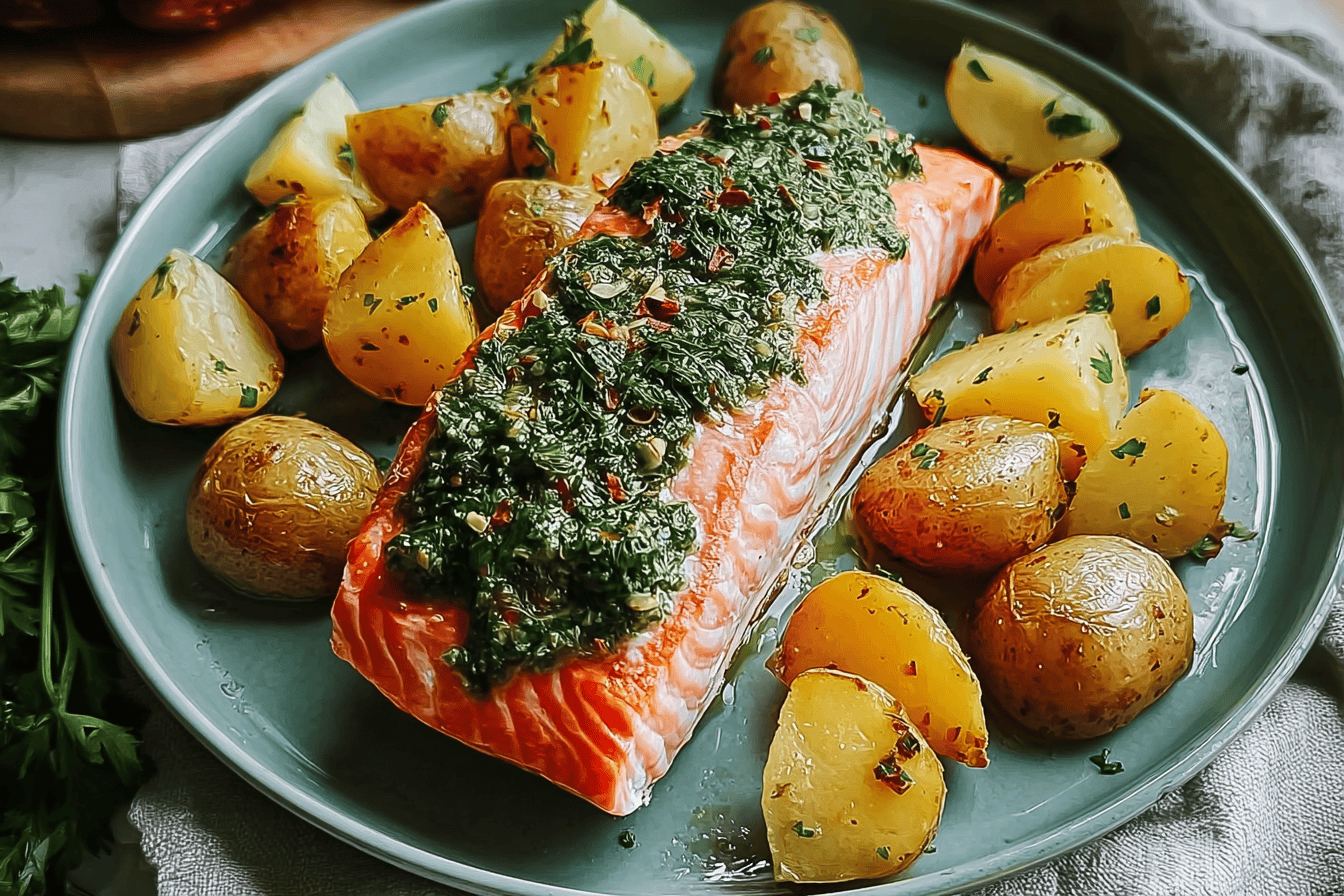
Dietary Substitutions to Customize Your Salmon
Nutritionally, salmon provides omega-3 fatty acids and vitamins, making it adaptable for various diets, but substitutions can address preferences or allergies. Typical recipes include complementary ingredients like lemon and herbs, which can be swapped to maintain balance. These changes ensure the dish remains rich in essential nutrients while fitting into gluten-free or vegan lifestyles.
- Protein alternatives: Swap salmon with rainbow trout or arctic char for similar texture and omega-3 benefits.
- Plant-based options: Use marinated tofu or tempeh to replace salmon, preserving high-quality protein.
- Vegetable modifications: Substitute asparagus with green beans for varied nutrient intake.
- Seasoning changes: Use soy sauce or tamari as gluten-free alternatives, or add fresh dill for flavor nuance.
These adjustments help sustain the dish’s health benefits, such as antioxidants from carotenoids, and are ideal for diet-conscious individuals. For more ideas on flavorful pairings, explore our garlic butter grilled mushrooms recipe.
Mastering Salmon: Advanced Tips and Variations
Cooking tips include marinating to enhance flavor and using glazes like olive oil or mustard to boost taste, while preserving salmon’s vivid color by avoiding excessive heat. The fish’s life cycle involves hatching in freshwater and migrating to the ocean, where it consumes krill for its carotenoids, making it rich in EPA and DHA. Advanced techniques like sous-vide ensure precise temperature control, resulting in perfectly cooked salmon every time.
Pro techniques: Experiment with cold-smoking or curing, which involve salting and drying over hours. Flavor variations: Try ginger or miso marinades to create unique profiles, incorporating the fish’s natural richness. Presentation tips: Arrange on a vegetable medley and add lemon zest for elegance. Make-ahead options: Marinate in advance for quick meals, aligning with salmon’s role in healthy, versatile dishes.
Salmon are anadromous fish that hatch in freshwater streams before migrating to the ocean, where adaptations enable survival in varying salinities.
Farmed salmon maintains color through feed supplements, and external link: For more on salmon benefits, see Salmon Benefits.
How to Store Salmon: Best Practices
Proper storage preserves salmon’s nutritional value, including its omega-3s and vitamins, preventing loss of flavor and texture. Fresh salmon should be stored in the coldest part of the refrigerator on ice or in airtight containers, consumed within 1-2 days. Freezing involves wrapping tightly in plastic and foil for up to 3 months, maintaining quality for later use.
- Refrigeration: Keep in airtight containers to retain freshness.
- Freezing: Use for long-term storage, ensuring no exposure to air.
- Reheating: Gently warm in a low oven to avoid drying.
- Meal prep: Portion and store sides separately for convenience.
This approach supports salmon’s integration into daily meals, such as grain bowls, without compromising its essential minerals.
FAQs: Frequently Asked Questions About Salmon
What types of fish are classified as salmon?
Salmon are fish belonging to the Salmonidae family, mainly from the genera Salmo and Oncorhynchus. The most well-known species include Atlantic salmon (Salmo salar) and six Pacific species such as Chinook, Coho, Sockeye, Pink, Chum, and Masu salmon. These species are native to the Atlantic and Pacific Oceans and their connected freshwater habitats. It’s important to note that some other fish, like the Danube salmon, are sometimes called salmon but are not true salmon species.
How do salmon reproduce and where do they lay their eggs?
Salmon reproduce by spawning in freshwater streams, often in cold, well-oxygenated rivers and creeks typically located in higher latitudes. Female salmon dig gravel nests called redds, where they lay their eggs. After fertilization by males, the eggs develop and hatch into alevin or sac fry. These young salmon go through several stages—parr and smolt—before migrating to the ocean to grow into adults.
What is the life cycle of a salmon from birth to adulthood?
Salmon begin life in freshwater streams as eggs that hatch into alevin. They then grow into parr, characterized by distinctive vertical stripes, and later transform into smolts, adapting for life in saltwater. Smolts migrate to the ocean where they spend 1 to 5 years maturing. Adult salmon then return to their natal freshwater streams to spawn. Pacific salmon species typically die after spawning, while some Atlantic salmon can survive to spawn multiple times.
What do salmon eat throughout their different life stages?
Juvenile salmon feed mainly on zooplankton, aquatic insects, and small crustaceans in freshwater environments. Once in the ocean, adult salmon consume a diet rich in smaller fish, squid, shrimp, and krill. Their diet supports rapid growth and provides the omega-3 fatty acids that are beneficial to human health when consumed.
Why are wild salmon populations declining and how does fishing affect them?
Wild salmon populations have declined due to several human-related factors, including overfishing, habitat destruction from dam construction, pollution, and climate change. Overfishing reduces breeding adults, while habitat loss affects spawning grounds. Efforts like habitat restoration, sustainable fishing practices, and dam removal are important to help recover these populations and maintain ecological balance.

Salmon
🐟 Discover how to achieve perfectly cooked salmon with rich flavor and tender texture every time.
🍋 Learn essential tips and versatile recipes that bring out the best in this nutrient-packed fish, enhancing any meal.
- Total Time: 55 minutes
- Yield: 4 servings 1x
Ingredients
4 (6 oz each) salmon fillets [Serves as the primary source of omega-3 rich protein]
2 tbsp olive oil [Adds healthy fats and aids in crisping the skin]
1 (juiced) lemon [Provides fresh acidity to enhance flavor]
2 cloves (minced) garlic [Contributes depth and aroma to the dish]
1 tsp sea salt [Balances and enhances all flavors]
1/2 tsp black pepper [Adds mild heat and complexity]
1 to 2 tablespoons fresh herbs like dill or parsley [For added freshness and taste]
150 grams asparagus [Often served as a side vegetable for nutrient variety]
200 grams potatoes [A common side to provide balance in the meal]
150 grams cooked rice [Serves as a base for the dish]
1 to 2 tablespoons soy sauce or honey [Used for marinades to add depth]
Marinated tofu or tempeh [as a plant-based substitute]
Instructions
1-First step: Preheat your oven to 400°F (200°C) and prepare the salmon by patting it dry, then seasoning with salt, pepper, and minced garlic. This initial step removes excess moisture, allowing for better searing.
2-Second step: Heat olive oil in an oven-safe skillet over medium-high heat and place salmon fillets skin-side down, searing for 3-4 minutes until the skin crisps.
3-Third step: Flip the fillets carefully and drizzle lemon juice over the top, which enhances flavor and moisture retention.
4-Fourth step: Transfer the skillet to the preheated oven and bake for 8-10 minutes until the salmon is cooked through but still moist, checking for flakiness with a fork.
5-Final step: Remove from the oven, garnish with fresh herbs if desired, and serve immediately with preferred sides.
Last Step:
Please leave a rating and comment letting us know how you liked this recipe! This helps our business to thrive and continue providing free, high-quality recipes for you.Notes
🔪 Remove pin bones before cooking for a better eating experience.
🔥 Avoid overcooking by monitoring internal temperature to maintain moisture.
🍋 Marinate salmon to enhance flavor and preserve tenderness.
- Prep Time: 10 minutes
- Marinating time: 30 minutes
- Cook Time: 15 minutes
- Category: Main Dish
- Method: Baking, Grilling, Pan-searing, Smoking, Curing, Raw preparation
- Cuisine: Various
- Diet: Pescatarian
Nutrition
- Serving Size: 1 serving


