Why You’ll Love This Salmon
Salmon stands out as a versatile fish choice for home cooks, busy parents, and health-minded individuals due to its straightforward preparation and array of benefits. A basic salmon recipe involves simple seasoning followed by a quick pan-sear or oven-roast, typically taking 10 to 12 minutes at 425°F (220°C), which fits seamlessly into hectic schedules. This method requires minimal cleanup, allowing even beginners to create a flavorful, restaurant-like fillet without much effort.
Beyond ease, salmon delivers significant health advantages through its omega-3 fatty acids, lean protein, vitamin D, and B vitamins, all of which support heart health, brain function, and reduce inflammation. A standard 3-ounce serving boasts about 175 calories, 10 grams of healthy fats, 20-23 grams of protein, and essential minerals like selenium and potassium, making it a nutritious option for balanced diets. Opting for wild-caught or sustainably farmed varieties enhances its nutrient profile and promotes environmental responsibility, aligning with the preferences of diet-conscious readers.
The adaptability of salmon makes it suitable for various meals and dietary needs, as it can be grilled, baked, or poached with simple modifications to herbs, spices, or marinades. It pairs excellently with salads, grains, or vegetables, supporting plans like paleo, keto, or low-carb lifestyles. Ultimately, the natural buttery texture and nutty flavor of salmon shine through in each preparation, offering a luxurious taste that reheats well for meal prep and provides memorable dining experiences.
Jump To
- 1. Why You’ll Love This Salmon
- 2. Essential Ingredients for Salmon
- 3. How to Prepare the Perfect Salmon: Step-by-Step Guide
- 4. Dietary Substitutions to Customize Your Salmon
- 5. Mastering Salmon: Advanced Tips and Variations
- 6. How to Store Salmon: Best Practices
- 7. FAQs: Frequently Asked Questions About Salmon
- 8. Salmon
Essential Ingredients for Salmon
Gathering the right ingredients is key to preparing salmon that highlights its natural qualities. Below is a comprehensive list of all ingredients extracted from the provided details, formatted for clarity with precise measurements to ensure accurate replication.
- 1 lb (450 g) salmon fillet, skin on or off the primary protein that brings rich flavor and essential nutrients.
- 2 tbsp extra-virgin olive oil promotes even searing and adds healthy fats to the dish.
- 1 tsp kosher salt enhances the natural salmon flavor without overwhelming it.
- 1/2 tsp freshly ground black pepper balances the taste and adds a subtle kick.
- 1 lemon (zest + juice) brightens the dish and helps cut through the richness of the salmon.
- 2 garlic cloves, minced provides aromatic depth, though it can be omitted for garlic-free preferences.
- 2 tbsp fresh herbs (dill, parsley, or cilantro), chopped lifts the aroma and serves as a fresh garnish.
- 1 tbsp soy sauce or tamari delivers an umami boost; opt for tamari for a gluten-free alternative.
- 1 tsp honey or maple syrup optional for creating caramelization and a touch of sweetness in glazes.
For special dietary options, consider these adjustments to make the recipe inclusive.
- Vegan: 1 lb (450 g) firm tofu or carrot “fish” slices as a plant-based substitute; apply the same marinades and adjust cooking time to 3 4 minutes per side when pan-searing tofu.
- Gluten-free: Swap soy sauce for tamari or coconut aminos; verify that all condiments are labeled gluten-free to maintain the recipe’s integrity.
- Low-calorie: Replace olive oil with a light spray of cooking oil or reduce to 1 tbsp olive oil; omit honey and rely on lemon, herbs, and spices for flavor enhancement.
How to Prepare the Perfect Salmon: Step-by-Step Guide
Initial Preparation
Before cooking, bring the salmon to room temperature and pat it dry to promote even heating and a crisp exterior. Remove the fillet from the refrigerator 15 20 minutes in advance, then use paper towels to remove moisture, which helps achieve a better sear. If using a skin-on fillet, lightly score the skin to prevent it from curling during cooking, drawing on tips that emphasize moisture retention for optimal results.
Preheating and Seasoning
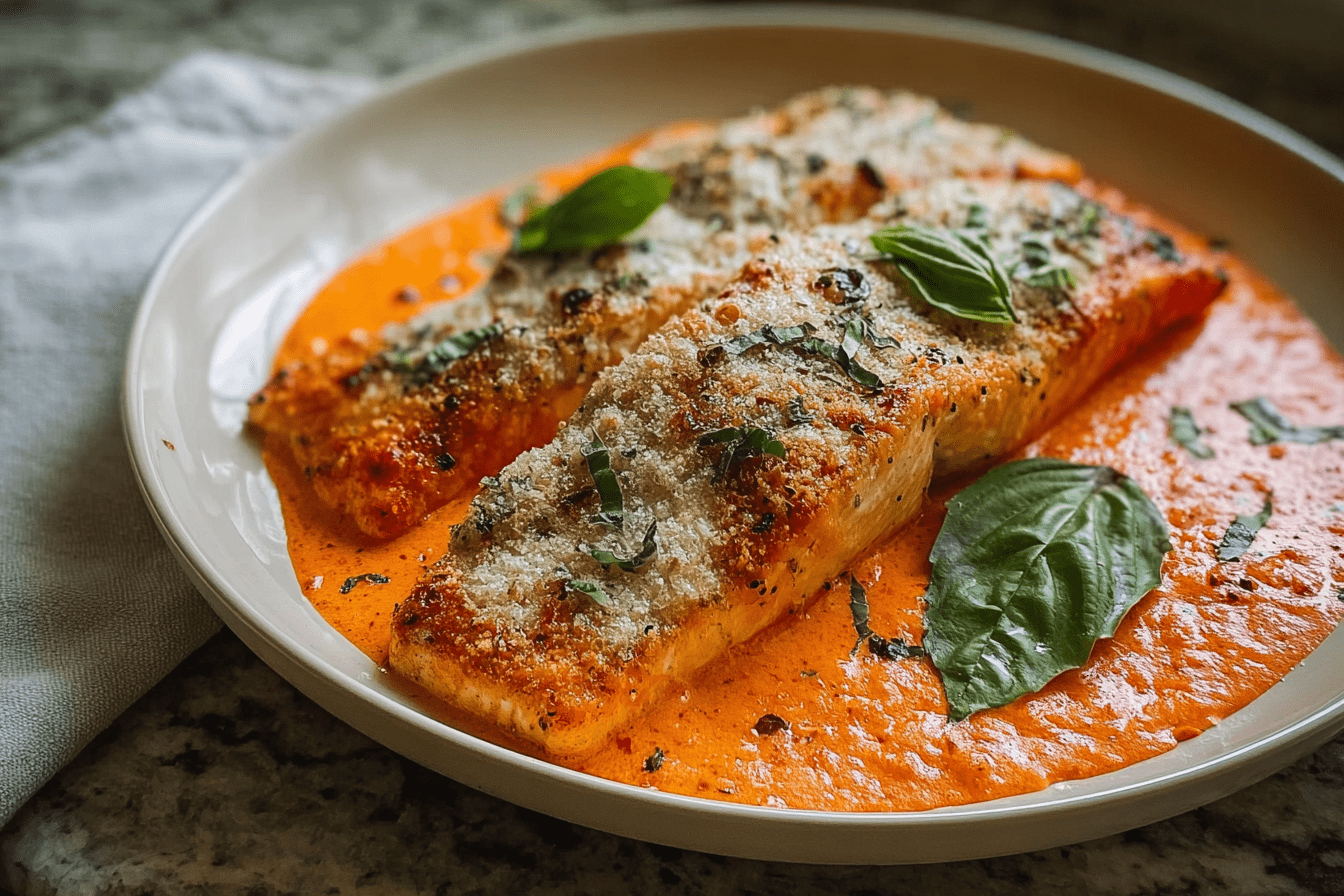
Preheat your cooking equipment to ensure consistent results, whether oven roasting at 425°F (220°C), heating a skillet over medium-high, or preparing a grill. Once ready, season the salmon by lightly applying about 1 tsp oil per fillet, followed by kosher salt, freshly ground pepper, lemon zest, minced garlic, and herbs for added depth. For enhanced flavor, prepare a quick glaze with 1 tbsp soy sauce or tamari mixed with 1 tsp honey or maple syrup, brushing it on toward the end of cooking for dietary adaptations.
Cooking Methods and Monitoring
Cook the salmon using the chosen method, such as oven roasting on a parchment-lined baking sheet for 10 12 minutes per inch of thickness until it reaches 125 130°F (52 54°C) for medium doneness. Alternatively, pan-sear by adding 1 tbsp oil to a hot skillet, placing the fillet skin-side down for 3 5 minutes, then flipping for 2 4 more minutes. Grilling involves oiling the fish and cooking skin-side down for 4 6 minutes before flipping and finishing for another 2 4 minutes, adjusting times based on fillet thickness as per general directions for grilling or baking at moderate heat.
During cooking, use a thermometer and visual checks to ensure the salmon flakes easily but retains slight translucency for tenderness, typically flaking at 125 130°F (52 54°C). After cooking, rest the fillet for 3 5 minutes to allow juices to redistribute, adding finishing touches like lemon juice or fresh herbs. This step aligns with advice to avoid overcooking and preserve the fish’s natural moisture.
Finishing and Serving
Enhance the dish with quick sauces, such as deglazing the pan with lemon juice and whisking in butter, then pair with sides like steamed greens or grains. Serve by slicing the salmon across the grain and arranging it on a plate with complementary elements, incorporating ideas for low-calorie options or plant-based boosts. For storage, cool leftovers to room temperature within two hours and refrigerate for up to 3 days, ensuring they remain fresh for future meals.
As noted in the summary, preparation time is about 5 to 10 minutes for prep and 10 to 20 minutes for cooking, totaling 20 to 30 minutes, which underscores salmon’s efficiency as a quick meal option. For instance, grilled shrimp tacos could complement this dish for a seafood variety, linking to related recipes on the site.
Dietary Substitutions to Customize Your Salmon
Salmon recipes can be tailored to various dietary needs by swapping ingredients while preserving nutritional benefits. For protein alternatives, consider options like 1 lb (450 g) Arctic char or trout, which offer similar oil content and require comparable cook times. Leaner choices such as cod or halibut at 1 lb (450 g) may need additional fat and shorter oven times of 8 10 minutes at 425°F (220°C) to prevent drying.
Other substitutes include tuna steaks of 6 8 oz (170 225 g) for quick searing, or plant-based options like 1 lb (450 g) firm tofu that can be pressed, marinated, and baked for 20 25 minutes at 400°F (200°C). For vegetable and seasoning modifications, seasonal sides like roasted Brussels sprouts or asparagus work well, while sauces can be adjusted with tamari for gluten-free needs or herb-yogurt for different profiles. Heat elements like honey can be replaced with maple syrup for vegan diets, and sodium can be minimized using citrus and herbs to maintain bold flavors.
| Substitution Type | Option | Preparation Notes |
|---|---|---|
| Protein | 1 lb (450 g) firm tofu | Press and marinate, then pan-sear for 3 4 minutes per side. |
| Sauce | Tamari instead of soy sauce | Use 1 tbsp for umami in gluten-free recipes. |
| Herbs | Fresh dill or cilantro | Add 2 tbsp chopped for aroma enhancement. |
Mastering Salmon: Advanced Tips and Variations
Advanced techniques refine salmon preparation, such as using a two-stage method with a high-heat sear followed by oven finishing at 375 400°F (190 200°C) to enhance flavor through Maillard reactions. Sous-vide at 110 125°F (43 52°C) offers precise control before a quick sear, while reverse searing suits thicker fillets. Resting under foil with flavored oil integrates tastes, building on tips that stress room temperature handling and moisture retention for wild-caught salmon.
Flavor variations draw from global influences, like a miso-maple glaze with sesame for umami or a lemon-caper sauce for French flair, always enhancing the fish’s natural oils. Presentation involves serving on warm plates with contrasting textures, such as crunchy vegetables, and garnishes like microgreens. For fried chicken enthusiasts, similar attention to detail can elevate seafood dishes, showing cross-recipe techniques.
Make-ahead strategies include marinating for up to 24 hours or poaching for salads, with freezing options for up to 2 months. Troubleshooting focuses on avoiding overcooking by monitoring temperature, ensuring the salmon remains tender and flavorful as per established cooking guidelines.
How to Store Salmon: Best Practices
Proper storage maintains salmon’s quality and safety, starting with refrigeration for short-term needs. Cool cooked salmon to room temperature within two hours and store in an airtight container for up to 3 days, while raw salmon should be kept covered and used within 1 2 days. Freezing extends shelf life, with raw portions wrapped tightly and stored at 0°F (-18°C) for up to 3 months, and cooked for 2 months, aligning with general advice on preserving nutrients like omega-3s.
Reheating requires gentle methods, such as a low oven at 250 275°F (120 135°C) for 10 15 minutes, to retain moisture and texture. For meal prep, portion into containers with separate sections for sides, adding dressings just before serving to avoid sogginess, incorporating tips for handling delicate fillets effectively.
As highlighted in external resources, the health benefits of salmon, including its omega-3 content, make it a staple for heart and brain health, emphasizing why proper storage is crucial.
FAQs: Frequently Asked Questions About Salmon
What are the main differences between Atlantic and Pacific salmon?
Atlantic salmon (Salmo salar) are native to rivers along the North Atlantic Ocean and can spawn multiple times. Pacific salmon belong to the genus Oncorhynchus and include species like Chinook and Sockeye; they typically die soon after spawning. Atlantic salmon populations are mostly farmed, while Pacific salmon are primarily wild-caught. Physically, Pacific salmon species vary more in size and coloration, and their life cycles can differ in duration.
How does the salmon life cycle progress from freshwater to the ocean and back?
Salmon begin as eggs in freshwater streams. After hatching into alevin, they develop into parr that live in freshwater for months to years. Next, they undergo smoltification, adapting to saltwater before migrating to the ocean as smolts. They spend one to five years feeding and growing in the ocean before returning to their natal freshwater streams to spawn. Most Pacific salmon die after spawning, while some Atlantic salmon survive to spawn again.
What role do salmon migrations play in supporting forest and river ecosystems?
Salmon migrations bring nutrients from the ocean to freshwater and terrestrial ecosystems. When salmon return to spawn and die, their decomposing bodies release marine-derived nutrients into rivers and surrounding forests. Predators like bears also distribute these nutrients by carrying salmon carcasses inland, which benefits plant growth, soil fertility, and overall ecosystem health.
What are common parasites or diseases that affect wild and farmed salmon?
Sea lice are common ectoparasites that affect both farmed and wild salmon, often causing high juvenile mortality. Another parasite, Henneguya salminicola, is found in salmon flesh but does not cause harm. In farming environments, diseases can spread quickly and threaten wild populations. Management includes monitoring parasite levels and developing treatments to reduce outbreaks.
Why is salmon considered a healthy food choice?
Salmon is rich in high-quality protein, omega-3 fatty acids (EPA and DHA), and vitamin D, all essential for heart, brain, and bone health. Wild salmon get their pinkish color from natural carotenoids in their diet, while farmed salmon are supplemented with pigments like astaxanthin. Including salmon regularly in your diet supports overall nutrition and offers anti-inflammatory benefits.
Salmon
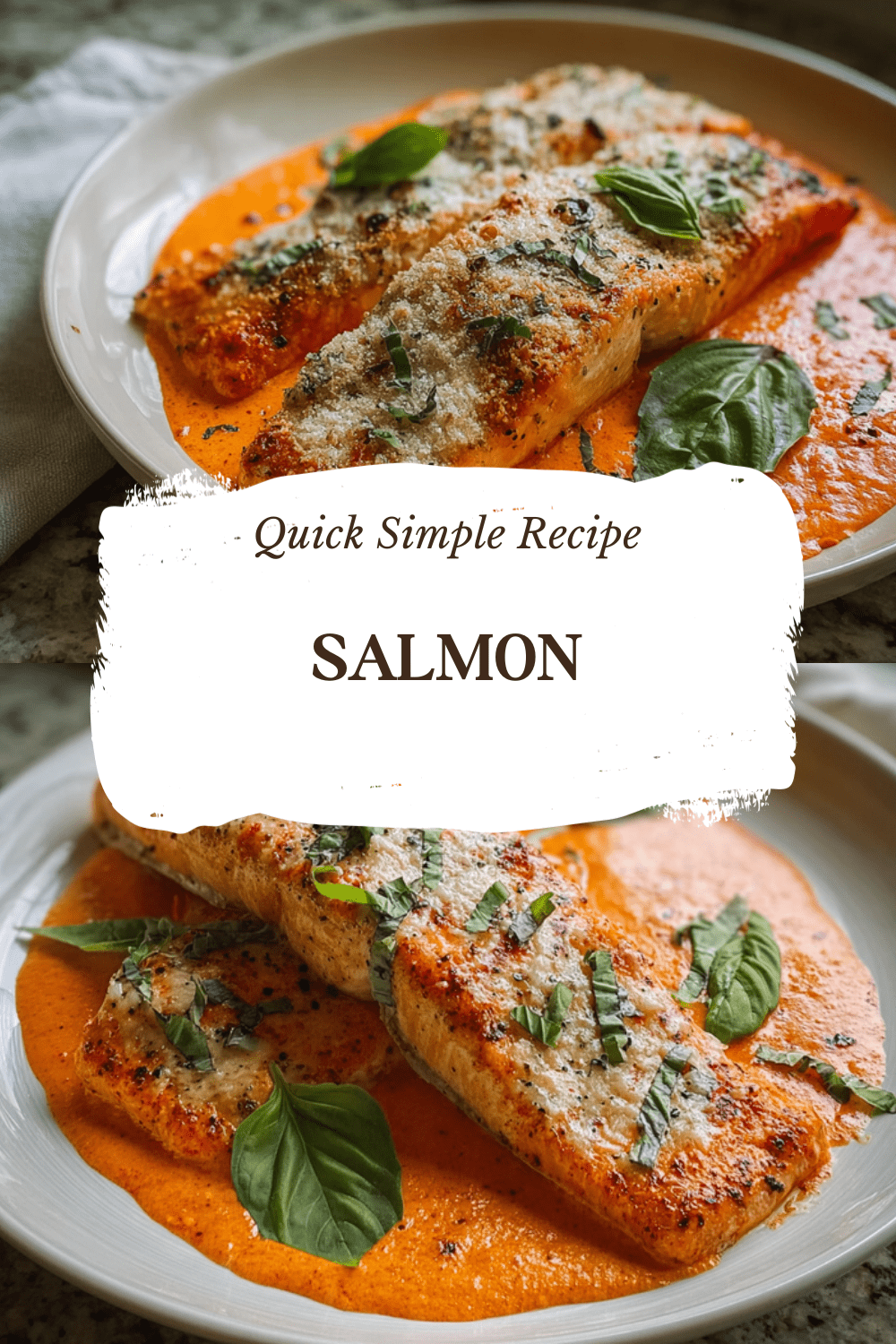
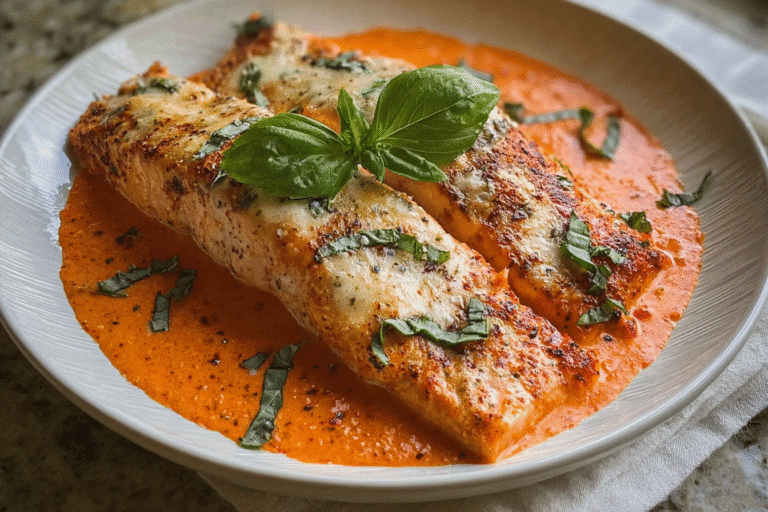
🐟 Salmon Recipes And Cooking Tips highlight the rich flavor and nutritional benefits of fresh salmon.
🍋 These tips make it easy to prepare moist, flavorful salmon dishes suitable for any meal occasion.
- Total Time: 20 to 30 minutes
- Yield: Varies based on portions
Ingredients
1 lb (450 g) salmon fillet skin on or off the primary protein that brings rich flavor and essential nutrients
2 tbsp extra-virgin olive oil promotes even searing and adds healthy fats to the dish
1 tsp kosher salt enhances the natural salmon flavor without overwhelming it
1/2 tsp freshly ground black pepper balances the taste and adds a subtle kick
1 lemon (zest + juice) brightens the dish and helps cut through the richness of the salmon
2 garlic cloves minced provides aromatic depth, though it can be omitted for garlic-free preferences
2 tbsp fresh herbs (dill, parsley, or cilantro) chopped lifts the aroma and serves as a fresh garnish
1 tbsp soy sauce or tamari delivers an umami boost; opt for tamari for a gluten-free alternative
1 tsp honey or maple syrup optional for creating caramelization and a touch of sweetness in glazes
Instructions
1-Initial Preparation: Before cooking, bring the salmon to room temperature and pat it dry to promote even heating and a crisp exterior. Remove the fillet from the refrigerator 15 20 minutes in advance, then use paper towels to remove moisture, which helps achieve a better sear. If using a skin-on fillet, lightly score the skin to prevent it from curling during cooking, drawing on tips that emphasize moisture retention for optimal results.
2-Preheating and Seasoning: Preheat your cooking equipment to ensure consistent results, whether oven roasting at 425°F (220°C), heating a skillet over medium-high, or preparing a grill. Once ready, season the salmon by lightly applying about 1 tsp oil per fillet, followed by kosher salt, freshly ground pepper, lemon zest, minced garlic, and herbs for added depth. For enhanced flavor, prepare a quick glaze with 1 tbsp soy sauce or tamari mixed with 1 tsp honey or maple syrup, brushing it on toward the end of cooking for dietary adaptations.
3-Cooking Methods and Monitoring: Cook the salmon using the chosen method, such as oven roasting on a parchment-lined baking sheet for 10 12 minutes per inch of thickness until it reaches 125 130°F (52 54°C) for medium doneness. Alternatively, pan-sear by adding 1 tbsp oil to a hot skillet, placing the fillet skin-side down for 3 5 minutes, then flipping for 2 4 more minutes. Grilling involves oiling the fish and cooking skin-side down for 4 6 minutes before flipping and finishing for another 2 4 minutes, adjusting times based on fillet thickness as per general directions for grilling or baking at moderate heat.
During cooking, use a thermometer and visual checks to ensure the salmon flakes easily but retains slight translucency for tenderness, typically flaking at 125 130°F (52 54°C). After cooking, rest the fillet for 3 5 minutes to allow juices to redistribute, adding finishing touches like lemon juice or fresh herbs. This step aligns with advice to avoid overcooking and preserve the fish’s natural moisture.
4-Finishing and Serving: Enhance the dish with quick sauces, such as deglazing the pan with lemon juice and whisking in butter, then pair with sides like steamed greens or grains. Serve by slicing the salmon across the grain and arranging it on a plate with complementary elements, incorporating ideas for low-calorie options or plant-based boosts. For storage, cool leftovers to room temperature within two hours and refrigerate for up to 3 days, ensuring they remain fresh for future meals.
Last Step:
Please leave a rating and comment letting us know how you liked this recipe! This helps our business to thrive and continue providing free, high-quality recipes for you.Notes
🍽️ Letting salmon reach room temperature before cooking helps ensure even cooking.
🔥 Avoid overcooking to preserve moistness and tenderness.
🌿 Marinating or basting adds extra depth of flavor to the fish.
- Prep Time: 5 to 10 minutes
- Cook time: 10 to 20 minutes
- Cook Time: 10 to 20 minutes
- Category: Main Dish
- Method: Grilling, baking, broiling, poaching, or pan-searing
- Cuisine: Various
- Diet: Pescatarian, Gluten-Free (depending on ingredients)
Nutrition
- Serving Size: 3-ounce cooked fillet
- Calories: 175
- Fat: 10 grams
- Unsaturated Fat: Predominantly healthy unsaturated fats
- Carbohydrates: 0 grams
- Protein: 20-23 grams
- Cholesterol: Present (varies)