Why You’ll Love This Salad Recipes
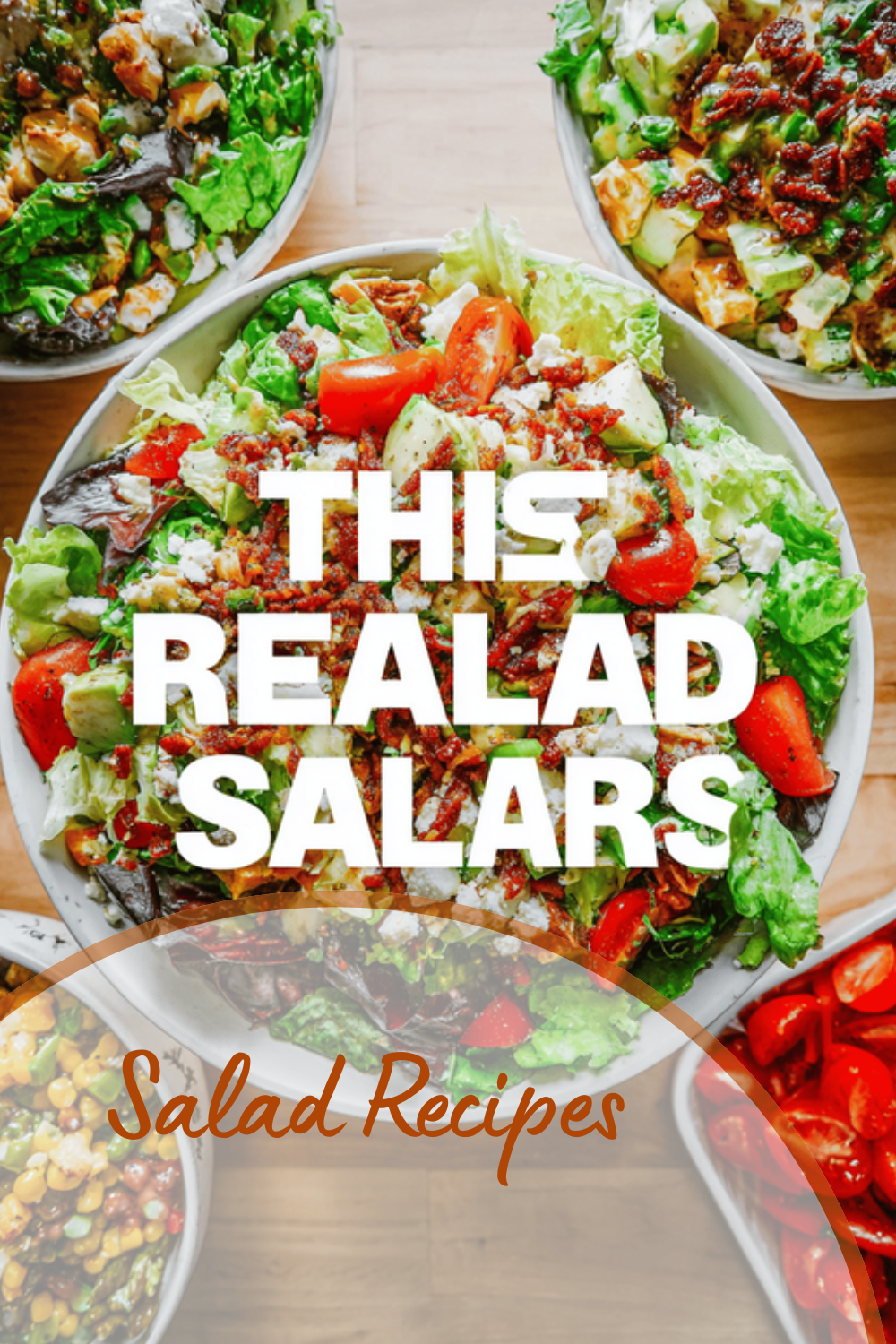
Delight in the world of salad recipes that celebrate fresh, seasonal produce with a diverse collection of 51 options. From green salads and pasta salads to slaws, tomato salads, corn salads, potato salads, fruity salads, grain salads, bean and lentil salads, and other vegetable-centered dishes, these recipes shine as flexible choices for main meals or side dishes. They adapt easily to various occasions and seasons, making them a go-to for anyone looking to enjoy wholesome, vibrant meals.
This salad recipes are wonderfully simple and quick to make, requiring minimal ingredients and just a few minutes to prepare, perfect for busy days or last-minute meals. They’re packed with fresh vegetables and nutrient-rich ingredients, supporting wellness by providing vitamins, minerals, antioxidants, and fiber that promote digestion and overall health. Plus, the recipes adapt easily to various dietary needs, allowing for substitutions like vegan proteins or gluten-free dressings, so everyone can enjoy a customized, delicious dish. The combination of fresh, crisp ingredients and a unique blend of herbs and dressings creates a lively, refreshing taste that keeps you coming back for more, adding a fun twist to your everyday eating.
To make these salad recipes even more appealing, they incorporate everyday items you likely have on hand, reducing the need for a special shopping trip. Imagine starting your day with a light green salad or ending a summer barbecue with a fruity option that’s both satisfying and light. This versatility means you can mix and match based on what’s in season, turning simple ingredients into memorable dishes that bring joy to the table.
Key Benefits of Trying Different Salad Recipes
- Quick prep time saves you effort while delivering big on flavor.
- Nutrient-dense options help maintain energy levels throughout the day.
- Endless variations keep meals exciting and tailored to your preferences.
For instance, if you’re a busy parent or working professional, these salad recipes offer a hassle-free way to get nutritious food on the plate. Now, let’s dive into what makes up a great salad by exploring the essential ingredients.
Jump To
- 1. Why You’ll Love This Salad Recipes
- 2. Essential Ingredients for Salad Recipes
- 3. How to Prepare the Perfect Salad Recipes: Step-by-Step Guide
- 4. Dietary Substitutions to Customize Your Salad Recipes
- 5. Mastering Salad Recipes: Advanced Tips and Variations
- 6. How to Store Salad Recipes: Best Practices
- 7. FAQs: Frequently Asked Questions About Salad Recipes
- 8. Salad Recipes
Essential Ingredients for Salad Recipes
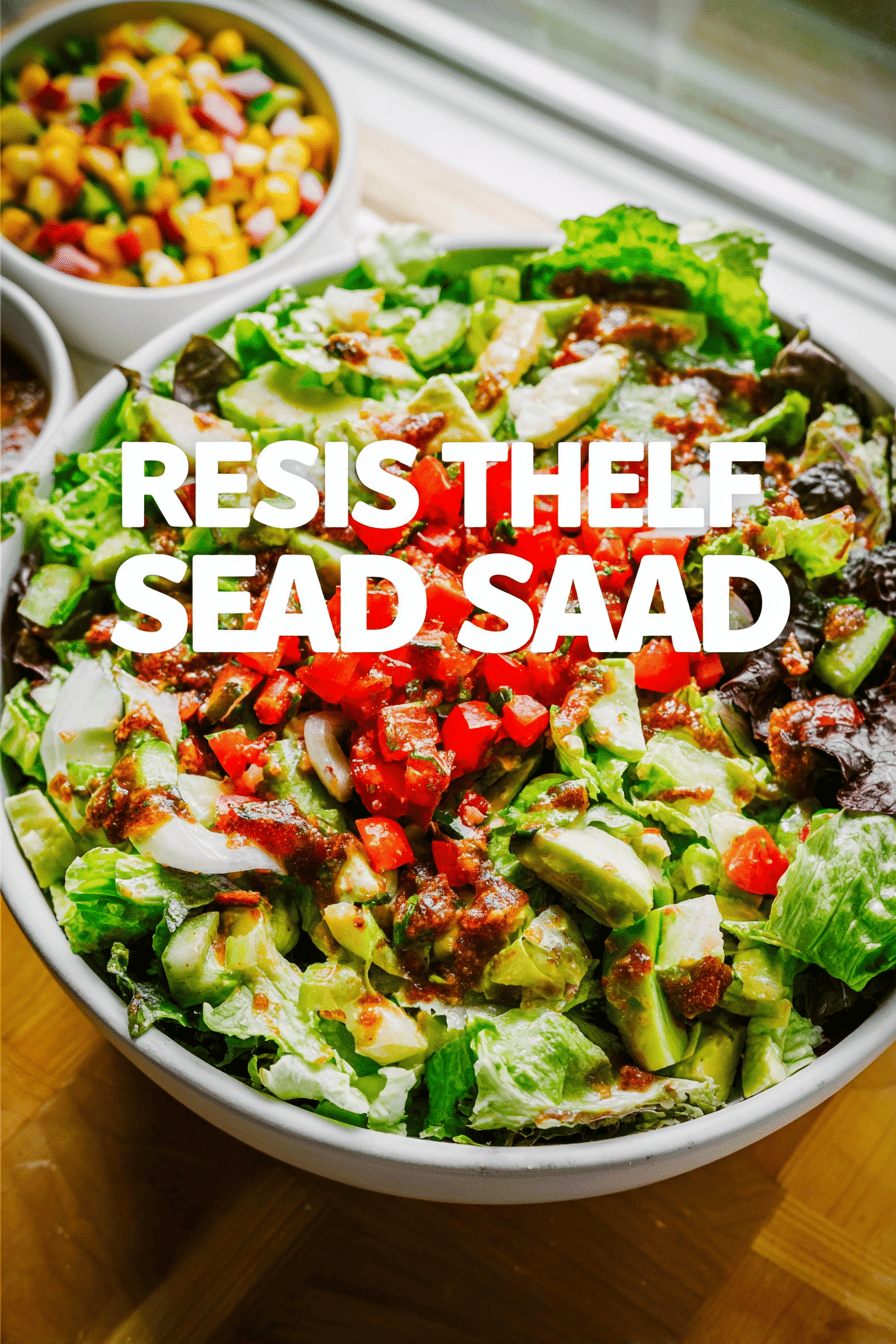
Building the perfect salad starts with selecting high-quality, fresh ingredients that form a solid base for your dish. In salad recipes, fresh produce plays a starring role, ensuring every bite is packed with flavor and nutrition. Below, you’ll find a structured list of all the ingredients needed, based on the details provided. Each one is listed with its precise measurement to make preparation straightforward and accurate.
Main Ingredients
- 4 cups mixed greens – Adds freshness and a variety of textures for a nutritious base.
- 1 cup cherry tomatoes – Provide sweetness and vibrant color.
- 1 medium cucumber, sliced – Adds crunch and hydration.
- ½ medium red onion, thinly sliced – Offers a mild spicy note and sharpness.
- ½ cup feta cheese, crumbled – Introduces creaminess and tang.
- 3 tbsp olive oil – Serves as a healthy fat and emulsifies the dressing.
- 2 tbsp lemon juice – Adds brightness and acidity.
- To taste salt and pepper – Enhances overall flavor.
Special Dietary Options
- For vegan options: Substitute feta cheese with plant-based cheese or omit entirely.
- For gluten-free: All ingredients are naturally gluten-free; ensure dressing ingredients comply.
- For low-calorie: Use less olive oil or opt for a light vinaigrette to reduce calories.
This structured list covers every ingredient mentioned, making it easy to gather what you need for your salad recipes. To learn more about similar fresh ideas, check out this cherry salad variation on our site for a sweet twist.
How to Prepare the Perfect Salad Recipes: Step-by-Step Guide
Creating delicious salad recipes is all about following a simple, straightforward process that anyone can master. Start by gathering your ingredients, as outlined in the previous section, to ensure everything is fresh and ready to go. This method not only makes the process enjoyable but also highlights the ease of turning basic items into a tasty meal.
First, gather all ingredients and wash the mixed greens, cherry tomatoes, cucumber, and red onion thoroughly to ensure freshness and cleanliness. Second, slice the cucumber and red onion thinly to add the perfect crunch and subtle spice to your salad recipe. Third, in a large bowl, combine the mixed greens, cherry tomatoes, cucumber, and red onion, tossing gently to mix evenly.
Fourth, prepare the dressing by whisking together olive oil, lemon juice, salt, and pepper in a small bowl until emulsified. Fifth, pour the dressing over the salad and toss well to coat all ingredients, enhancing their flavors. Sixth, sprinkle crumbled feta cheese on top, or use a plant-based alternative to accommodate vegan preferences. Seventh, for added protein, incorporate grilled chicken, tofu, or chickpeas, depending on dietary requirements.
Final step: Serve the salad immediately to enjoy the crisp textures and fresh flavors or chill briefly for a refreshing experience. Adapt seasoning and ingredient amounts to taste and dietary needs for the best results. For more inspiration on combining fresh elements, explore this peach salad recipe that adds a fruity element to your repertoire. Remember, practicing these steps can turn salad recipes into your everyday favorite.
Dietary Substitutions to Customize Your Salad Recipes
One of the best parts of salad recipes is how easy it is to tweak them for different tastes and needs. Whether you’re aiming for a vegan version or something lighter, these adjustments keep the dish delicious and inclusive. Let’s break down some practical changes you can make to suit your lifestyle.
Protein and Main Component Alternatives
- Replace feta cheese with vegan cheese or avocado for a creamy texture without dairy.
- Substitute grilled chicken with baked tofu or roasted chickpeas for plant-based protein options.
- Use quinoa or cooked lentils as hearty, gluten-free protein additions.
Vegetable, Sauce, and Seasoning Modifications
- Swap cucumber for zucchini ribbons in summer for a refreshing twist.
- Use tahini or avocado-based dressings for creamy, dairy-free alternatives.
- Incorporate fresh herbs like basil or cilantro to vary flavor profiles.
- Adjust seasoning with smoked paprika or cumin to add warmth and depth.
These substitutions ensure salad recipes remain flexible and suitable for various dietary preferences and seasonal ingredient availability. For example, if you’re a student or newlywed experimenting in the kitchen, these tips can make mealtime more adventurous.
Mastering Salad Recipes: Advanced Tips and Variations
Taking your salad recipes to the next level involves some clever techniques and creative ideas that enhance both taste and presentation. Use a salad spinner to thoroughly dry greens, preventing sogginess and enhancing crispness while adding depth through roasting vegetables like bell peppers or beets. Experiment with different vinaigrettes such as balsamic, honey mustard, or citrus-based dressings to keep things exciting.
| Technique | Benefit |
|---|---|
| Dry greens with a spinner | Maintains crispness and prevents sogginess |
| Roast vegetables | Adds depth and caramelized flavors |
| Use flavored dressings | Enhances taste variety and nutrition |
Flavor variations include adding nuts or seeds like toasted almonds or pumpkin seeds for crunch and nutrition. Presentation tips involve layering ingredients by color and texture for an attractive visual appeal, and garnishing with fresh herbs or edible flowers. Make-ahead options mean preparing components like dressings, chopped vegetables, or cooked proteins in advance and assembling just before serving, ideal for busy schedules. These expert suggestions enrich the salad recipe experience with creativity and convenience, making it a hit for food enthusiasts and seniors alike.
How to Store Salad Recipes: Best Practices
Keeping your salad recipes fresh and tasty after preparation is key to enjoying them throughout the week. Store salad components separately in airtight containers to maintain freshness up to 3 days, which helps preserve the crispness of the greens. For instance, keep dressing in a small jar and add it just before serving to avoid wilting.
- Refrigerate components separately to keep them fresh.
- Avoid freezing fresh salads to prevent texture issues.
- Reheat any cooked elements gently before mixing.
- Prepare in advance for easy meal prep during the week.
Meal prep considerations involve batch cooking ingredients and assembling daily, ensuring the recipe stays enjoyable. This approach works well for busy parents or working professionals who need quick, healthy options on hand.
FAQs: Frequently Asked Questions About Salad Recipes
What are some easy salad recipes for beginners?
Simple salad recipes for beginners include a classic garden salad with mixed greens, cherry tomatoes, cucumber, and a basic vinaigrette made from olive oil, lemon juice, salt, and pepper. Another easy option is a Caesar salad using romaine lettuce, croutons, grated Parmesan, and a store-bought or homemade Caesar dressing. Starting with fresh, crisp vegetables and light dressings helps create tasty, approachable salads. You can gradually experiment by adding proteins like grilled chicken or beans to make the salad more filling.
How can I make a salad more nutritious without adding too many calories?
To boost nutrition without excess calories, add a variety of colorful vegetables, such as bell peppers, carrots, and spinach, which provide vitamins and fiber. Include lean proteins like grilled chicken, tofu, or chickpeas for satiety. Use healthy fats moderately, such as a sprinkle of nuts or a small amount of avocado, for essential fatty acids. Choose dressings with olive oil or yogurt bases instead of cream-based options to keep calories in check while maintaining flavor.
What are the best dressings to pair with different types of salad greens?
Mild greens like butter lettuce and baby spinach pair well with light dressings such as lemon vinaigrette or balsamic glaze, which won’t overpower their delicate flavor. Robust greens like kale or arugula can stand up to stronger dressings like creamy Caesar, tahini, or honey mustard. For mixed greens, a classic Italian dressing or a simple olive oil and vinegar combination works well to balance flavors and enhance freshness.
How can I prepare a salad in advance without it getting soggy?
To keep salads fresh when preparing ahead, store ingredients separately. Keep leafy greens dry and refrigerated in a sealed container lined with paper towels to absorb moisture. Add chopped vegetables and toppings like nuts or cheese in separate containers. Pack dressings separately and only mix with the salad just before serving. This method preserves texture and flavor and prevents wilting or sogginess.
What are some creative salad recipes that include fruits?
Creative fruit salads include combinations like spinach with strawberries, walnuts, and feta cheese tossed in a light poppy seed dressing. Another popular option is a mixed greens salad with mango, avocado, red onion, and a lime-cilantro dressing for a tropical twist. Adding fruits like apples, grapes, or pomegranate seeds offers natural sweetness and texture contrast while increasing the salad’s vitamin content and making it more visually appealing.
Salad Recipes
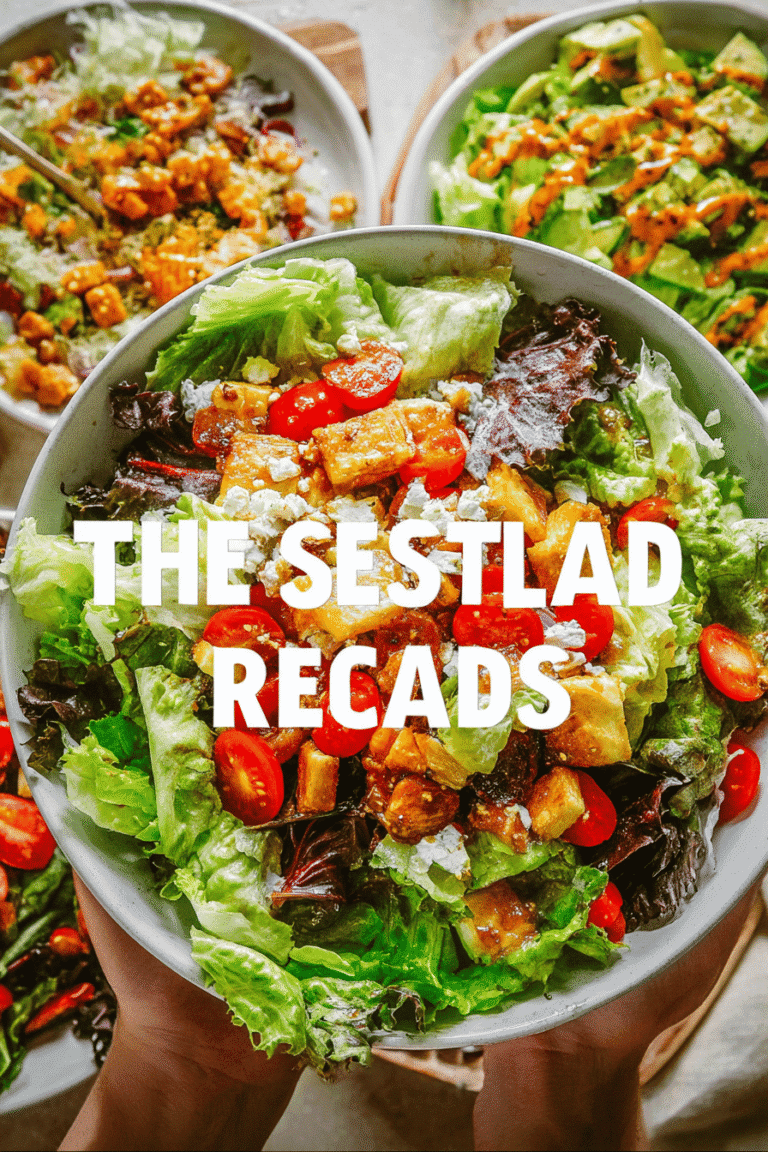
🥗 Enjoy refreshing and vibrant salads packed with fresh, seasonal produce, perfect as a light meal or a flavorful side dish.
🌿 These easy Greek salad ideas offer classic Mediterranean flavors with simple ingredients, making healthy eating both delicious and effortless.
- Total Time: 10 minutes
- Yield: 4 servings
Ingredients
– 4 cups mixed greens Adds freshness and a variety of textures for a nutritious base
– 1 cup cherry tomatoes Provide sweetness and vibrant color
– 1 medium cucumber, sliced Adds crunch and hydration
– ½ medium red onion, thinly sliced Offers a mild spicy note and sharpness
– ½ cup feta cheese, crumbled Introduces creaminess and tang
– 3 tbsp olive oil Serves as a healthy fat and emulsifies the dressing
– 2 tbsp lemon juice Adds brightness and acidity
– To taste salt and pepper Enhances overall flavor
Instructions
1-First: gather all ingredients and wash the mixed greens, cherry tomatoes, cucumber, and red onion thoroughly to ensure freshness and cleanliness.
2-Second: slice the cucumber and red onion thinly to add the perfect crunch and subtle spice to your salad recipe.
3-Third: in a large bowl, combine the mixed greens, cherry tomatoes, cucumber, and red onion, tossing gently to mix evenly.
4-Fourth: prepare the dressing by whisking together olive oil, lemon juice, salt, and pepper in a small bowl until emulsified.
5-Fifth: pour the dressing over the salad and toss well to coat all ingredients, enhancing their flavors.
6-Sixth: sprinkle crumbled feta cheese on top, or use a plant-based alternative to accommodate vegan preferences.
7-Seventh: for added protein, incorporate grilled chicken, tofu, or chickpeas, depending on dietary requirements.
8-Final step: Serve the salad immediately to enjoy the crisp textures and fresh flavors or chill briefly for a refreshing experience. Adapt seasoning and ingredient amounts to taste and dietary needs for the best results. For more inspiration on combining fresh elements, explore this peach salad recipe that adds a fruity element to your repertoire. Remember, practicing these steps can turn salad recipes into your everyday favorite.
Last Step:
Please leave a rating and comment letting us know how you liked this recipe! This helps our business to thrive and continue providing free, high-quality recipes for you.Notes
🧂 Use fresh oregano if available for a more aromatic taste.
🥒 Let the salad rest for 10 minutes before serving to blend the flavors.
🧀 Add more or less feta cheese to suit your preference.
- Prep Time: 10 minutes
- Category: Salad
- Method: Mixing
- Cuisine: Greek, Mediterranean
- Diet: Vegetarian, Gluten-Free
Nutrition
- Serving Size: 1 serving
- Calories: 150
- Sugar: 5 grams
- Sodium: 400 milligrams
- Fat: 12 grams
- Saturated Fat: 4 grams
- Unsaturated Fat: 7 grams
- Trans Fat: 0 grams
- Carbohydrates: 8 grams
- Fiber: 2 grams
- Protein: 4 grams
- Cholesterol: 15 milligrams