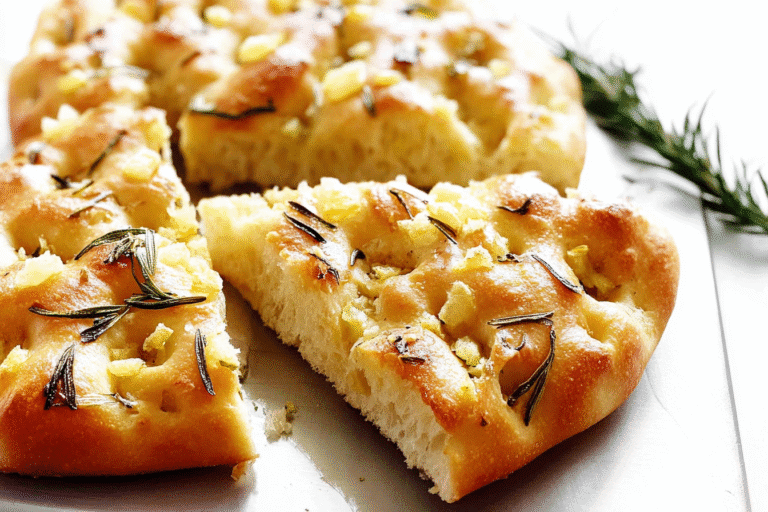
Why You’ll Love This Rosemary Focaccia Bread
If you’re a fan of rosemary focaccia bread, you’ll find this recipe both simple and satisfying, perfect for any home cook looking to make something special. This bread combines the fresh taste of rosemary with a crispy crust that’s enjoyable every time you bite into it. With its easy steps and great flavors, it’s a go-to choice for busy days when you want something homemade without much fuss.
One key benefit is how straightforward it is to prepare. Rosemary focaccia bread comes together quickly with basic ingredients you likely have on hand, taking only about 95 minutes from start to finish, including rising time. This means even if you’re new to baking, you can whip up a batch without stress, making it ideal for busy parents or students who need a fast meal option.
- Ease of preparation: This rosemary focaccia bread recipe keeps things simple with just a few steps, so it’s perfect for beginners. You mix, knead, and bake with everyday tools, cutting down on prep time to around 75 minutes before it hits the oven for 20 minutes. This makes it a top pick for anyone seeking focaccia bread that’s quick and hassle-free.
- Health benefits: Rosemary focaccia bread offers a lighter option compared to other breads, using olive oil and fresh herbs that add healthy fats and antioxidants. It’s a great choice for those watching their diet, as it can fit into various eating plans while providing a satisfying taste without extra calories. Plus, the herbs like rosemary bring natural flavors that support wellness in a tasty way.
- Versatility: You can adjust rosemary focaccia bread to suit different needs, like making it vegan or gluten-free with simple swaps. This flexibility lets it work for family dinners, snacks, or even as a side for meals, appealing to food enthusiasts and baking lovers alike. Whether you’re serving it plain or with toppings, it adapts easily to what you have in the kitchen.
- Distinctive flavor: The star of rosemary focaccia bread is its aromatic herbs and crispy crust, which give a unique taste that sets it apart. Fresh rosemary adds a bright, earthy note that pairs well with the soft inside and crunchy outside, making every slice memorable. It’s that special touch that turns a basic bread into something everyone wants to try again.
Overall, this rosemary bread recipe stands out for its balance of ease and taste, drawing in home cooks of all levels. By focusing on fresh ingredients and straightforward methods, it delivers focaccia bread that’s both fun to make and delicious to eat. You’ll love how it brings people together around the table for simple, joyful moments.
Jump To
- 1. Why You’ll Love This Rosemary Focaccia Bread
- 2. Essential Ingredients for Rosemary Focaccia Bread
- 3. How to Prepare the Perfect Rosemary Focaccia Bread: Step-by-Step Guide
- 4. Dietary Substitutions to Customize Your Rosemary Focaccia Bread – Protein and Main Component Alternatives
- 5. Dietary Substitutions to Customize Your Rosemary Focaccia Bread – Vegetable, Sauce, and Seasoning Modifications
- 6. Mastering Rosemary Focaccia Bread: Advanced Tips and Variations
- 7. How to Store Rosemary Focaccia Bread: Best Practices
- 8. FAQs: Frequently Asked Questions About Rosemary Focaccia Bread
- 9. Rosemary Focaccia Bread
Essential Ingredients for Rosemary Focaccia Bread
Gathering the right ingredients is key to making great rosemary focaccia bread. This section covers everything you need, with exact amounts and why each one matters. We’ll list them out clearly so you can follow along without any confusion.
Main Ingredients
- 1 1/3 cup warm water (about 110°F) – This helps activate the yeast and creates the perfect base for the dough, ensuring it rises well for a light texture.
- 2 teaspoons sugar or honey – Added to feed the yeast, it helps the dough rise faster and brings a subtle sweetness that balances the savory flavors in the focaccia bread.
- 1 (0.25 ounce) package active dry yeast (equivalent to 2.25 teaspoons) – This is the rising agent that makes the rosemary focaccia bread fluffy; it needs warm water to work its magic.
- 3 1/2 cups all-purpose flour – Forms the structure of the focaccia bread, providing the right amount of gluten for a chewy yet soft result.
- 1/4 cup extra virgin olive oil, plus more for drizzling – Adds richness and moisture to the dough, while extra for topping creates that signature crispy crust on your rosemary bread.
- 2 teaspoons flaky sea salt, plus extra for sprinkling (reduce by half if using fine sea salt) – Enhances the flavor of the focaccia bread and provides a nice crunch; adjust if needed to avoid too much saltiness.
- 2 sprigs fresh rosemary – Infuses the bread with aromatic herbs, giving your rosemary focaccia bread its standout taste and fresh appeal.
Special Dietary Options
For those with specific needs, here are some easy changes to make this rosemary focaccia bread work for you:
- Vegan: This recipe is already vegan-friendly since it uses no animal products, but double-check that your yeast is plant-based if needed.
- Gluten-free: Swap the all-purpose flour with a gluten-free blend in the same amount to keep the focaccia bread structure intact, though you might need to add a bit more water for the right consistency.
- Low-calorie: Use less olive oil or opt for a light version by reducing the amount slightly, which helps cut calories while still enjoying the flavors of rosemary bread.
These options help make rosemary focaccia bread adaptable to various diets, ensuring everyone can enjoy its crispy crust and aromatic herbs.
How to Prepare the Perfect Rosemary Focaccia Bread: Step-by-Step Guide
Making rosemary focaccia bread at home is a fun and rewarding process that anyone can master. We’ll break it down into clear steps, so you can follow along easily and end up with a delicious loaf every time. Remember to use fresh ingredients for the best results, and don’t forget to check the temperature when needed.
First Step: Proof the Yeast
Start by combining 1 1/3 cup warm water (about 110°F) with 2 teaspoons sugar or honey in a bowl. For the best rosemary focaccia bread, sprinkle 1 (0.25 ounce) package active dry yeast on top and let it sit for 5-10 minutes until it turns foamy. This step ensures the yeast is active and ready, which helps the dough rise properly for that light texture.
Second Step: Knead the Dough
Once the yeast is foamy, add 3 1/2 cups all-purpose flour, 1/4 cup extra virgin olive oil, and 2 teaspoons flaky sea salt to the mixture. If you have a stand mixer, knead for about 5 minutes until the dough is smooth; if not, knead by hand on a floured surface. For dietary tweaks, this is a good spot to add gluten-free flour if needed, and it takes just a few minutes to get the dough ready for rising in your rosemary focaccia bread.
Third Step: First Rise
Shape the dough into a ball and place it in a greased bowl, then cover it with a damp towel. Let it rise in a warm spot for 45-60 minutes until it’s nearly doubled in size. This first rise is crucial for the focaccia bread’s airy feel, and you can adapt it for different preferences by choosing a warmer or cooler spot based on your kitchen.
Fourth Step: Second Rise
After the first rise, roll the dough into a 1/2-inch thick circle or rectangle on a floured surface. Cover it again and let it rise for another 20 minutes, which helps build more flavor in your rosemary bread. For an even airier texture, proof it directly in the baking pan at this stage to avoid any deflation.
Fifth Step: Prepare and Bake the Dough
Preheat your oven to 400°F and transfer the dough to a parchment-lined baking sheet or pan. Use your fingers to poke deep holes all over the dough, then drizzle with extra virgin olive oil and sprinkle with fresh rosemary from 2 sprigs and additional flaky sea salt. Bake for 20 minutes or until it’s golden and cooked through, making sure to check for that crispy crust on your rosemary focaccia bread. If you’re adapting for low-calorie needs, use less oil here to keep things light.
Final Step: Serve and Enjoy
Once baked, take the rosemary focaccia bread out of the oven and let it cool slightly. Serve it warm, drizzled with a bit more extra virgin olive oil for extra flavor. This focaccia bread pairs well with meals, and you can store leftovers for later as needed. For variations, consider adding minced garlic into the dough before baking to enhance the taste while still keeping the recipe straightforward.
The total time for this rosemary focaccia bread is about 95 minutes, with 75 minutes for prep that includes rising and 20 minutes to cook. It yields 8-12 servings, perfect for sharing. Throughout these steps, we’ve included tips to make it easy, like using a thermometer for the water to get the yeast just right.
Dietary Substitutions to Customize Your Rosemary Focaccia Bread – Protein and Main Component Alternatives
Protein and Main Component Alternatives
If you want to tweak rosemary focaccia bread for different diets, start with the main ingredients. For plant-based options, swap out any animal products, though this recipe is mostly plant-based already. You can use a high-protein flour like almond flour in place of all-purpose flour to boost nutrients, but remember it might make the dough drier, so add more water as needed.
For gluten-free versions, replace the all-purpose flour with a gluten-free mix, which keeps the focaccia bread structure without changing the flavor much. If you’re aiming for more protein, add protein powder to the dough, adjusting the mixing time to ensure it blends well. These changes help make rosemary bread work for everyone while keeping that crispy crust intact.
Dietary Substitutions to Customize Your Rosemary Focaccia Bread – Vegetable, Sauce, and Seasoning Modifications
Vegetable, Sauce, and Seasoning Modifications
Adding vegetables can bring new flavors to your rosemary focaccia bread, like including caramelized onions or roasted veggies for extra taste. For sauces, try brushing on a flavored oil instead of plain olive oil to mix things up, which might add moisture and change the baking time slightly. Seasonings are easy to adjust, such as using different herbs like tarragon or sage in place of rosemary for a fresh twist.
If you have dietary limits, opt for salt alternatives or herb blends that fit your needs, which could affect the bread’s moisture and overall texture. For example, adding citrus zests might make the focaccia bread zestier, but watch the baking time to prevent burning. These tweaks let you enjoy versatile focaccia bread with personalized flavors and serving ideas.
Mastering Rosemary Focaccia Bread: Advanced Tips and Variations
To take your rosemary focaccia bread to the next level, try some pro techniques that make a big difference. For better results, always use a thermometer to check the water temperature at about 110°F, which helps the yeast work its best and gives you that perfect rise. Another tip is to knead the dough just until it’s smooth; if it sticks, add flour slowly to keep the bread soft and tasty. For more bread-making ideas, check out our hot water cornbread recipe, which shares similar techniques for easy baking.
When it comes to flavor variations, mix in minced garlic or sprinkle Parmesan on top for a new taste, or swap herbs like sage for rosemary to change things up. Presentation is key too arrange the herbs neatly before baking to make your focaccia bread look as good as it tastes. For busy days, prepare the dough ahead and store it in the fridge, then bake fresh when you’re ready.
Other variations include rolling the dough thinner for a crispier version or adding dried herbs directly into the mix to avoid burning. These ideas make rosemary bread fun to experiment with, and they help adapt it to your preferences. Don’t forget external resources like this rosemary focaccia recipe for more inspiration on getting it right.
How to Store Rosemary Focaccia Bread: Best Practices
Keeping your rosemary focaccia bread fresh is simple with the right methods. For short-term needs, wrap it tightly in plastic or place it in an airtight bag to lock in moisture. This way, your focaccia bread stays soft for a couple of days. Always store it at room temperature away from direct heat to maintain that crispy crust.
| Storage Method | Duration | Tips |
|---|---|---|
| Refrigeration | 3-5 days | Store in a sealed container to keep it from drying out; reheat before eating. |
| Freezing | Up to 3 months | Wrap slices individually for easy use; thaw overnight in the fridge. |
| Reheating | N/A | Use an oven at 350°F for a few minutes to restore crispiness without sogginess. |
For meal prep, make a big batch of rosemary bread and freeze portions for quick meals later. These practices help ensure your focaccia stays enjoyable even after storage. Also, consider linking to our vegan lasagna recipe for more storage tips on baked goods.

FAQs: Frequently Asked Questions About Rosemary Focaccia Bread
What temperature should the water be when activating yeast for rosemary focaccia?
The water should be warm, ideally around 105°F to 110°F, to activate the yeast effectively. Water that is too hot can kill the yeast, while water that is too cold will slow the activation process. Use a kitchen thermometer to check the temperature or test by hand—it should feel comfortably warm, not hot.
Can I knead rosemary focaccia dough by hand instead of using a mixer?
Yes, kneading by hand works well for rosemary focaccia dough. After mixing, turn the dough onto a floured surface and knead for about 5 to 7 minutes until the dough is smooth and elastic. If the dough sticks, sprinkle a little more flour, but avoid adding too much to keep the bread soft.
Is flaky sea salt better than fine salt for rosemary focaccia topping?
Flaky sea salt is preferred for topping rosemary focaccia because it adds texture and bursts of salty flavor without overpowering the bread. If using fine salt instead, use about half the usual amount to prevent the bread from becoming overly salty.
Can I use dried rosemary in focaccia bread, and how should I add it?
Dried rosemary can be used but it’s best mixed into the dough rather than sprinkled on top to avoid burning during baking. Fresh rosemary is preferred for the topping as it provides a more vibrant aroma and flavor.
How long and at what temperature should I bake rosemary focaccia bread?
Bake rosemary focaccia at 400°F (200°C) for 18 to 22 minutes. The bread should turn golden brown on top and feel springy when pressed lightly. Baking times can vary slightly depending on oven type, so start checking at 18 minutes.
Rosemary Focaccia Bread
🌿 This Rosemary Focaccia Bread recipe boasts a fragrant aroma and a perfectly crispy crust that enhances any meal.
🍞 Easy to prepare with simple ingredients, it’s a delicious homemade bread ideal for sharing with family and friends.
- Total Time: 95 minutes
- Yield: 8 to 12 servings 1x
Ingredients
1 1/3 cup warm water (about 110°F) for activating the yeast and creating the dough base
2 teaspoons sugar or honey to feed the yeast and balance flavors
1 (0.25 ounce) package active dry yeast (equivalent to 2.25 teaspoons) as the rising agent
3 1/2 cups all-purpose flour for dough structure
1/4 cup extra virgin olive oil, plus more for drizzling for richness, moisture, and crispy crust
2 teaspoons flaky sea salt, plus extra for sprinkling to enhance flavor and provide crunch
2 sprigs fresh rosemary for aromatic herbs and flavor
Instructions
1-First Step: Proof the Yeast Start by combining 1 1/3 cup warm water (about 110°F) with 2 teaspoons sugar or honey in a bowl. For the best rosemary focaccia bread, sprinkle 1 (0.25 ounce) package active dry yeast on top and let it sit for 5-10 minutes until it turns foamy. This step ensures the yeast is active and ready, which helps the dough rise properly for that light texture.
2-Second Step: Knead the Dough Once the yeast is foamy, add 3 1/2 cups all-purpose flour, 1/4 cup extra virgin olive oil, and 2 teaspoons flaky sea salt to the mixture. If you have a stand mixer, knead for about 5 minutes until the dough is smooth; if not, knead by hand on a floured surface. For dietary tweaks, this is a good spot to add gluten-free flour if needed, and it takes just a few minutes to get the dough ready for rising in your rosemary focaccia bread.
3-Third Step: First Rise Shape the dough into a ball and place it in a greased bowl, then cover it with a damp towel. Let it rise in a warm spot for 45-60 minutes until it’s nearly doubled in size. This first rise is crucial for the focaccia bread’s airy feel, and you can adapt it for different preferences by choosing a warmer or cooler spot based on your kitchen.
4-Fourth Step: Second Rise After the first rise, roll the dough into a 1/2-inch thick circle or rectangle on a floured surface. Cover it again and let it rise for another 20 minutes, which helps build more flavor in your rosemary bread. For an even airier texture, proof it directly in the baking pan at this stage to avoid any deflation.
5-Fifth Step: Prepare and Bake the Dough Preheat your oven to 400°F and transfer the dough to a parchment-lined baking sheet or pan. Use your fingers to poke deep holes all over the dough, then drizzle with extra virgin olive oil and sprinkle with fresh rosemary from 2 sprigs and additional flaky sea salt. Bake for 20 minutes or until it’s golden and cooked through, making sure to check for that crispy crust on your rosemary focaccia bread. If you’re adapting for low-calorie needs, use less oil here to keep things light.
6-Final Step: Serve and Enjoy Once baked, take the rosemary focaccia bread out of the oven and let it cool slightly. Serve it warm, drizzled with a bit more extra virgin olive oil for extra flavor. This focaccia bread pairs well with meals, and you can store leftovers for later as needed. For variations, consider adding minced garlic into the dough before baking to enhance the taste while still keeping the recipe straightforward.
Last Step:
Please leave a rating and comment letting us know how you liked this recipe! This helps our business to thrive and continue providing free, high-quality recipes for you.Notes
🌡️ Use a cooking thermometer to ensure water temperature is about 110°F for best yeast activation.
🌾 Add extra flour gradually if the dough is too sticky during kneading.
🍃 Proof the dough in the baking pan during the second rise to prevent deflation and promote an airy texture.
- Prep Time: 75 minutes
- Cook Time: 20 minutes
- Category: Bread
- Method: Kneading and Baking
- Cuisine: Italian
Nutrition
- Serving Size: 1 serving