
Why You’ll Love This Ricotta Pasta
Talking about Ricotta Pasta always brings a smile because it’s one of those dishes that feels like a warm hug on a busy day. Picture this: a creamy, comforting meal that comes together in no time, making it ideal for anyone from busy parents to students or even food enthusiasts looking for something light yet satisfying. Let’s dive into what makes this recipe a standout choice for your kitchen adventures.
First off, the ease of preparation is unbeatable. This ricotta pasta recipe is wonderfully simple and quick to make, perfect for busy weeknights or last-minute meals. The creamy ricotta blends seamlessly with pasta, requiring minimal ingredients and little cooking time, making it highly approachable for cooks of all skill levels.
It’s also packed with health benefits. Rich in protein and calcium, ricotta cheese provides significant nutritional advantages. This dish offers a wholesome balance of macronutrients while being lighter than cream-based alternatives, supporting wellness without sacrificing taste.
Plus, its versatility is a game-changer. Adaptable to various dietary preferences, ricotta pasta can easily be made vegan by substituting with plant-based ricotta, gluten-free with appropriate pasta, or low-calorie by using lighter ingredients. This flexibility makes it suitable for diverse dietary needs like those of diet-conscious individuals or seniors.
Finally, the distinctive flavor is what really wins hearts. The mild, creamy ricotta combined with fresh seasonings creates a uniquely rich yet delicate flavor profile. This dish stands out from typical pasta recipes due to its smooth texture and nuanced taste, delivering a memorable eating experience that home cooks and baking enthusiasts will adore.
Jump To
- 1. Why You’ll Love This Ricotta Pasta
- 2. Essential Ingredients for Ricotta Pasta
- 3. How to Prepare the Perfect Ricotta Pasta: Step-by-Step Guide
- 4. Dietary Substitutions to Customize Your Ricotta Pasta
- 5. Mastering Ricotta Pasta: Advanced Tips and Variations
- 6. How to Store Ricotta Pasta: Best Practices
- 7. FAQs: Frequently Asked Questions About Ricotta Pasta
- 8. Ricotta Pasta
Essential Ingredients for Ricotta Pasta
When it comes to making Ricotta Pasta, choosing the right ingredients sets the stage for success. This section breaks down everything you need, focusing on a simple yet effective recipe that highlights key items. I’ll walk you through the essentials, ensuring it’s easy to follow for anyone, from newlyweds starting out to working professionals short on time.
For this recipe, here’s a structured list of the exact ingredients required. Each one plays a vital role in creating that creamy delight, and I’ve listed them with precise measurements to make shopping and cooking straightforward.
- 100 grams of rigatoni pasta
- 1 tablespoon of extra virgin olive oil
- 1 garlic clove
- ¾ cups of ricotta cheese
- 2 tablespoons of grated Parmigiano Reggiano
- Salt to taste
Beyond these basics, you can explore special dietary options to customize your meal. For instance, if you’re going vegan, use plant-based ricotta substitutes made from tofu or almonds for a dairy-free alternative. For gluten-free needs, replace regular pasta with gluten-free varieties, and for a low-calorie version, opt for whole wheat pasta along with low-fat ricotta to keep things light.
How to Prepare the Perfect Ricotta Pasta: Step-by-Step Guide
Getting ricotta pasta just right is all about following simple steps that lead to a creamy masterpiece. This guide makes it fun and straightforward, perfect for travelers trying new recipes or busy parents needing a quick fix. The whole process takes about 20 minutes, so let’s get started and turn basic ingredients into something special.
First, bring a pot of salted water to a boil and cook the 100 grams of rigatoni pasta until al dente, reserving some pasta water for later. This step ensures your pasta has the ideal texture to soak up the creamy sauce.
While the pasta cooks, heat the 1 tablespoon of extra virgin olive oil over medium heat in a pan. Add the 1 garlic clove to infuse the oil, then remove it once it begins to sizzle for a subtle flavor.
Next, add the ¾ cups of ricotta cheese to the pan and gently heat it until it melts and becomes creamy, about 2 to 3 minutes. If the pasta isn’t ready, reduce the heat to keep everything smooth and prevent curdling.
Once the pasta is done, mix it into the ricotta in the pan, adding reserved pasta water as needed to emulsify and create that perfect creamy sauce.
Stir in the 2 tablespoons of grated Parmigiano Reggiano, adding more pasta water if necessary to reach your desired consistency. Serve immediately for the best taste and texture.
For variations, other pasta shapes like penne or spaghetti can be used, garlic can be minced and left in for a stronger flavor, and ricotta should be drained if it contains excess liquid. Remember, for related ideas, check out our zesty orzo salad recipe for more pasta inspiration.
Dietary Substitutions to Customize Your Ricotta Pasta
Making ricotta pasta your own is easy with a few tweaks, especially for food enthusiasts or those with specific needs like diet-conscious individuals. These substitutions keep things tasty while fitting into various lifestyles, from vegan options to low-calorie twists.
Let’s break it down into categories for clarity. First, for protein and main component alternatives, substitute ricotta cheese with silken tofu or cashew-based ricotta for vegan diets. You can also use grilled chicken, shrimp, or tempeh to add protein variety.
Then, for vegetable, sauce, and seasoning modifications, add seasonal vegetables like spinach, zucchini, or roasted bell peppers for freshness and nutrition. Replace garlic with shallots or omit it for sensitive stomachs, and experiment with different herbs such as thyme, oregano, or rosemary to vary flavors.
This flexibility means seniors or working professionals can enjoy a meal that suits their day without much hassle.
Mastering Ricotta Pasta: Advanced Tips and Variations
Pro Cooking Techniques
Taking your ricotta pasta to the next level involves some smart techniques that enhance the dish. For instance, use freshly grated cheeses to boost flavor depth and gently warm ricotta off the heat to keep it creamy.
These methods work wonders for baking enthusiasts who love experimenting in the kitchen.
Flavor Variations
Spice things up with fun additions like incorporating sun-dried tomatoes, lemon zest, or chili flakes for vibrant twists. You could also mix in pesto or a splash of white wine for more complexity, making it exciting for home cooks.
Presentation Tips
Serve your pasta in shallow bowls with a dusting of extra Parmigiano Reggiano and a drizzle of high-quality olive oil. Add garnishes like fresh basil leaves for an elegant touch that impresses food lovers.
Make-Ahead Options
Prepare the ricotta sauce ahead and store it refrigerated for busy days. Reheat it gently with reserved pasta water before combining with freshly cooked pasta, perfect for students or working professionals.
To give you more ideas, here’s a quick table of variation options:
| Variation Type | Ingredient Swap | Benefit |
|---|---|---|
| Pasta Shape | Penne or spaghetti | Changes texture for fun |
| Garlic Prep | Minced and kept in | Boosts flavor intensity |
| Ricotta Prep | Drain if watery | Ensures creaminess |
How to Store Ricotta Pasta: Best Practices
Keeping your ricotta pasta fresh is key to enjoying leftovers, especially for newlyweds or travelers who might cook in batches. Proper storage helps maintain that creamy goodness without much effort.
For refrigeration, store ricotta pasta in an airtight container in the fridge for up to 3 days to keep it fresh. If you want to freeze it, do so in freezer-safe containers for up to 1 month, though it might change the texture a bit.
When reheating, do it gently in a pan over low heat, adding a splash of water or broth to restore creaminess. For meal prep, cook the pasta and sauce separately to preserve texture, then combine just before serving this is great for busy parents.
FAQs: Frequently Asked Questions About Ricotta Pasta
What is the best type of pasta to use with ricotta cheese?
The best pasta types for ricotta cheese are those that can hold or complement the creamy texture, such as rigatoni, penne, or farfalle. These shapes have ridges or hollows that help trap the ricotta, enhancing each bite. Fresh pasta like pappardelle or fettuccine also works well with ricotta-based sauces, providing a delicate balance between creaminess and texture.
How can I make a simple ricotta pasta sauce at home?
To make a simple ricotta pasta sauce, combine whole milk ricotta cheese with olive oil, minced garlic, lemon zest, salt, and black pepper. Toss the sauce with freshly cooked pasta and add a splash of pasta water to loosen it as needed. Garnish with fresh herbs like basil or parsley and a sprinkle of Parmesan for extra flavor.
Can ricotta pasta be made ahead and reheated without losing texture?
Yes, ricotta pasta can be made ahead, but it’s best to undercook the pasta slightly before mixing it with the ricotta sauce. When reheating, add a little milk or pasta water and warm gently over low heat to restore creaminess without curdling. This prevents the ricotta from drying out or becoming grainy.
Is ricotta pasta suitable for a vegetarian diet?
Yes, ricotta pasta is suitable for most vegetarian diets as ricotta is made from milk without animal rennet. Just confirm the ricotta brand is labeled vegetarian if strict standards apply. The dish contains no meat, and you can add vegetables or herbs to increase nutritional value while keeping it meat-free.
What are some healthy variations of ricotta pasta for weight-conscious eaters?
For a lighter version of ricotta pasta, choose part-skim ricotta or blend full-fat ricotta with low-fat cottage cheese. Incorporate plenty of vegetables such as spinach, cherry tomatoes, or zucchini to add fiber and nutrients. Use whole grain or legume-based pasta to boost protein and fiber content while reducing refined carbs.
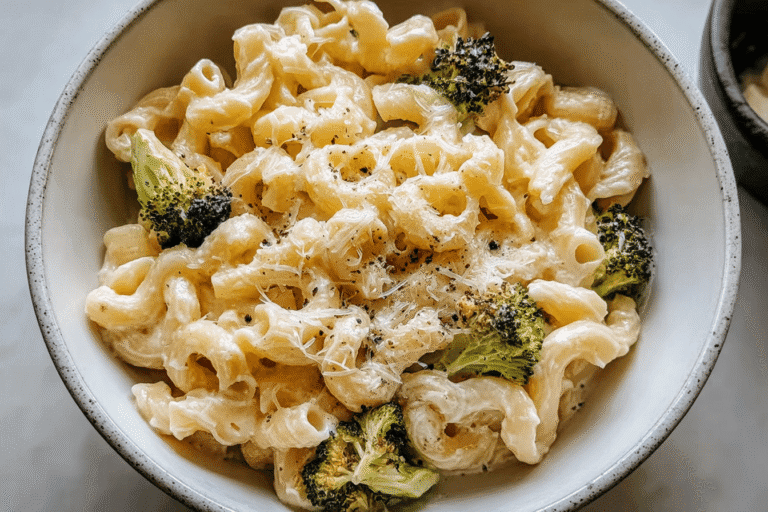
Ricotta Pasta
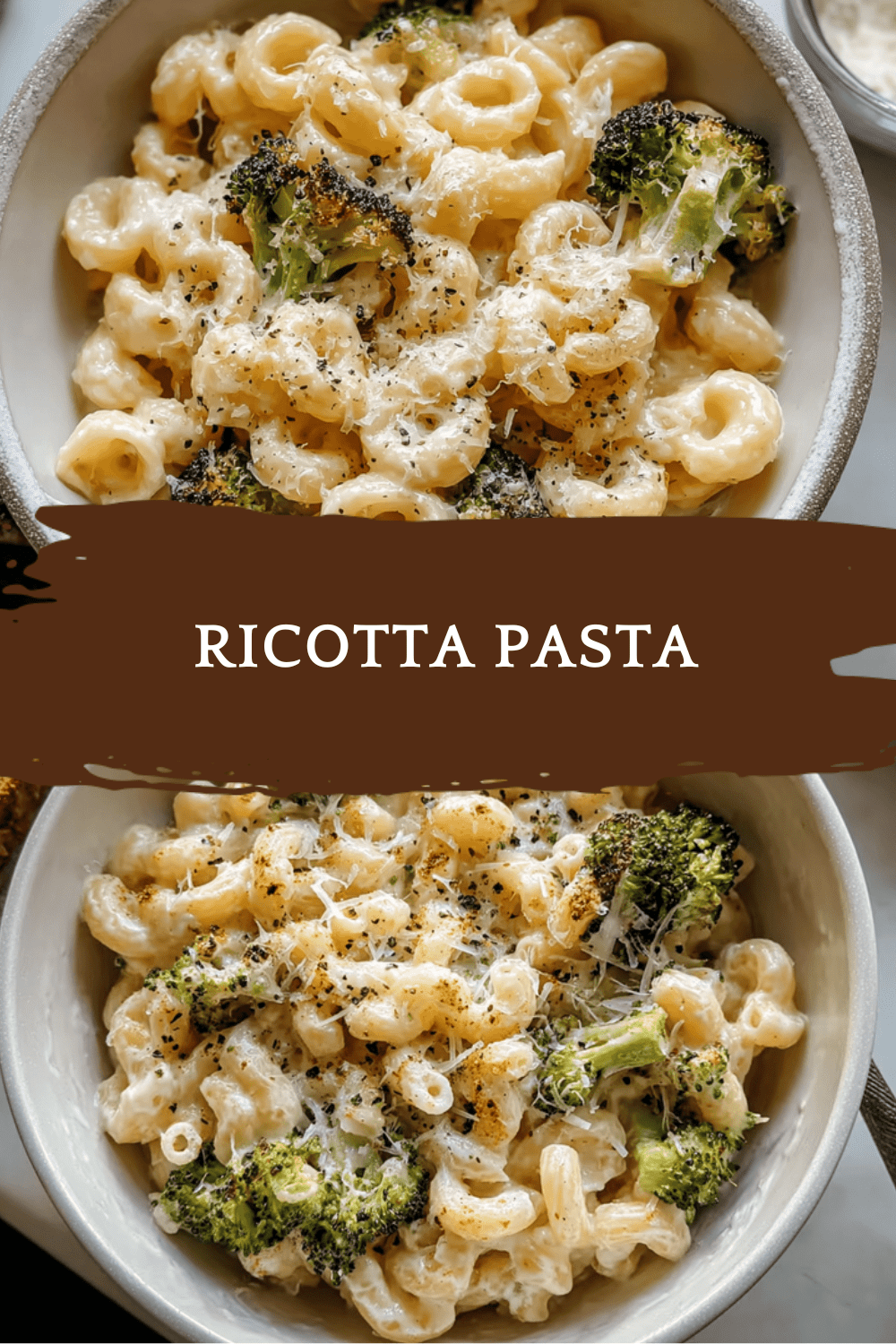
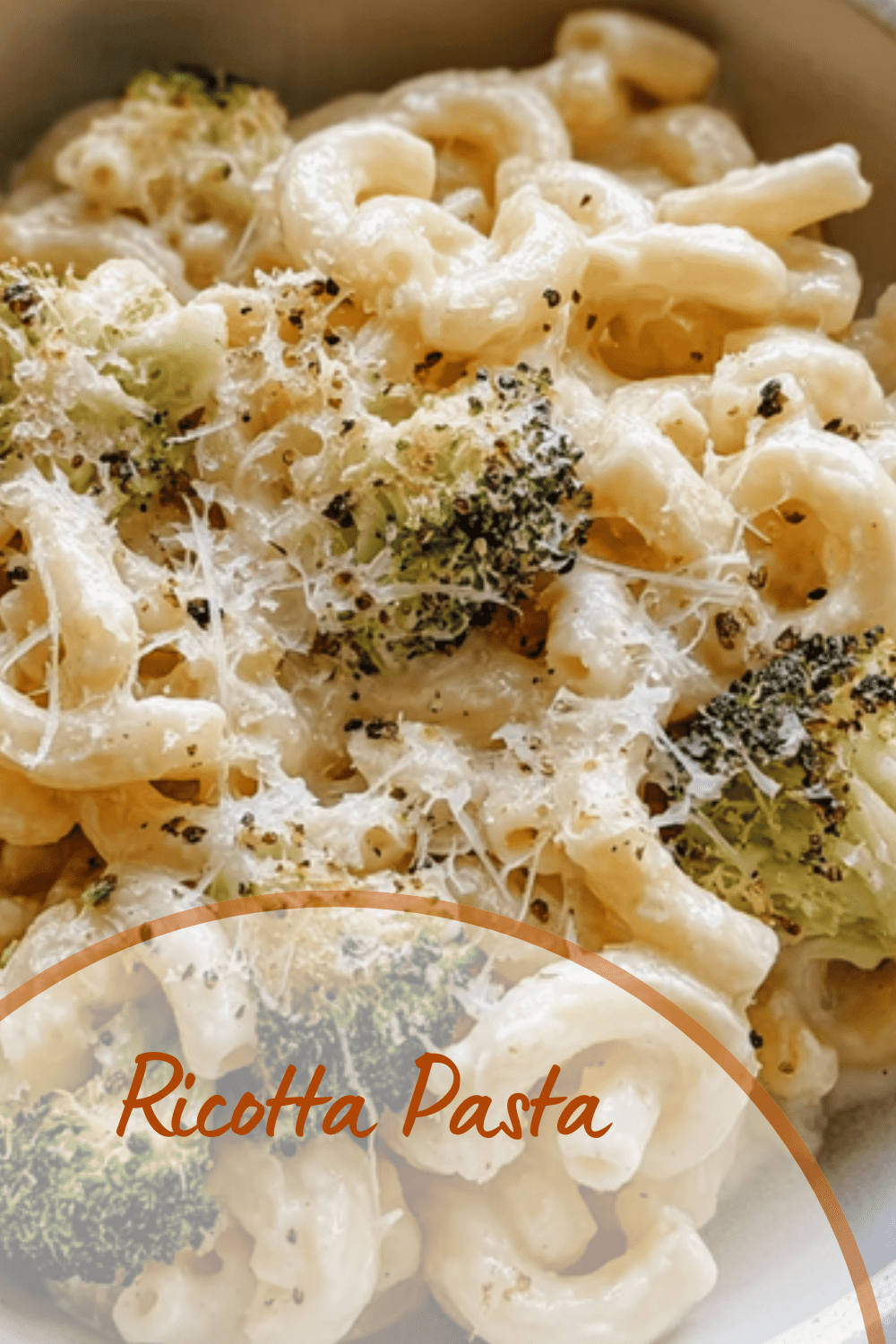
🍝 Experience a quick and comforting meal with this Creamy Ricotta Pasta, made from simple ingredients you likely have on hand.
🧄 The gentle garlic-infused oil and smooth ricotta create a luscious sauce that pairs perfectly with rigatoni or your favorite pasta shape.
- Total Time: 20 minutes
- Yield: 2 servings 1x
Ingredients
100 grams rigatoni pasta
1 tablespoon extra virgin olive oil
1 garlic clove
¾ cups ricotta cheese
2 tablespoons grated Parmigiano Reggiano
Salt to taste
Instructions
1-First, bring a pot of salted water to a boil and cook the 100 grams of rigatoni pasta until al dente, reserving some pasta water for later. This step ensures your pasta has the ideal texture to soak up the creamy sauce.
2-While the pasta cooks, heat the 1 tablespoon of extra virgin olive oil over medium heat in a pan. Add the 1 garlic clove to infuse the oil, then remove it once it begins to sizzle for a subtle flavor.
3-Next, add the ¾ cups of ricotta cheese to the pan and gently heat it until it melts and becomes creamy, about 2 to 3 minutes. If the pasta isn’t ready, reduce the heat to keep everything smooth and prevent curdling.
4-Once the pasta is done, mix it into the ricotta in the pan, adding reserved pasta water as needed to emulsify and create that perfect creamy sauce.
5-Stir in the 2 tablespoons of grated Parmigiano Reggiano, adding more pasta water if necessary to reach your desired consistency. Serve immediately for the best taste and texture.
Last Step:
Please leave a rating and comment letting us know how you liked this recipe! This helps our business to thrive and continue providing free, high-quality recipes for you.Notes
🧄 Mince garlic and leave it in the sauce for a stronger garlic flavor.
🍝 Try different pasta shapes like penne or spaghetti for variation.
🧀 Drain ricotta if it contains excess liquid to prevent watery sauce.
- Prep Time: 5 minutes
- Cook Time: 15 minutes
- Category: Main Course, Pasta
- Method: Boiling, Sautéing
- Cuisine: Italian
- Diet: Vegetarian
Nutrition
- Serving Size: 1 serving
- Calories: 400 kcal
- Sugar: 3 g
- Sodium: 300 mg
- Fat: 18 g
- Saturated Fat: 10 g
- Unsaturated Fat: 6 g
- Trans Fat: 0 g
- Carbohydrates: 40 g
- Fiber: 2 g
- Protein: 15 g
- Cholesterol: 35 mg