

Why You’ll Love This Pork Belly
Imagine sinking your teeth into pork belly that’s juicy on the inside with a crackle that’s pure magic that’s exactly what this slow-roasted recipe brings to your table. It’s a hit for busy parents juggling work and dinner, or food enthusiasts wanting to impress without complicated steps. Plus, it’s adaptable for diet-conscious folks, making it a favorite for everyone from students to seniors looking for satisfying meals that don’t take all day.
This pork belly recipe stands out for its ease of preparation; it’s straightforward and uses simple ingredients you likely have on hand. The method ensures a tender result with minimal effort, perfect for weeknight dinners or casual get-togethers. And the health benefits are a bonus pork belly offers protein and essential vitamins, supporting your wellness when enjoyed in balanced portions.
It’s versatile too, fitting into diets like paleo or keto with easy tweaks to sauces and sides. The rich, savory flavor from slow roasting makes every bite memorable, turning a basic meal into something special that adds joy to your cooking routine.
Health and Flavor Perks
One of the best parts about this pork belly is how it balances indulgence with nutrition; it’s packed with protein for muscle repair and healthy fats that keep you full. You might find yourself experimenting with additions like fennel for a subtle twist that elevates the taste without overwhelming it. Whether you’re a working professional or a baking enthusiast, this dish is forgiving and fun to make.
Company coming over? This recipe is a go-to for creating those memorable moments around the table that the blog’s author, Brandi Oshea, loves. It’s all about exploring new flavors with joy, and this pork belly delivers on that promise every time.
Jump To
- 1. Why You’ll Love This Pork Belly
- 2. Essential Ingredients for Pork Belly
- 3. How to Prepare the Perfect Pork Belly: Step-by-Step Guide
- 4. Dietary Substitutions to Customize Your Pork Belly
- 5. Mastering Pork Belly: Advanced Tips and Variations
- 6. How to Store Pork Belly: Best Practices
- 7. FAQs: Frequently Asked Questions About Pork Belly
- 8. Pork Belly
Essential Ingredients for Pork Belly
Gathering the right ingredients is the first step to nailing this pork belly recipe, and I’ve got everything lined up for you here. Start with quality pork for the best results, and don’t skip the seasonings that make the flavors pop. This list pulls from the classic recipe to ensure your dish turns out tender and crispy.
Main Ingredients
- 1 kg pork belly with skin on, preferably 3 to 3.5 cm thick, even thickness, flat and unwrinkled skin (ideally not vacuum packed)
- 1 1/2 teaspoons olive oil, divided
- 1/2 teaspoon fennel powder or ground fennel seeds (optional)
- 1 teaspoon salt (cooking/kosher salt or 7/8 teaspoon table salt), divided
- 1/4 teaspoon black pepper
These ingredients keep things simple yet effective, focusing on what makes pork belly shine. For instance, the olive oil helps crisp up that skin, while the fennel adds a hint of aniseed flavor if you’re feeling adventurous.
Special Dietary Options
If you’re adapting for different needs, consider swaps like using tofu for a vegan twist or tamari for gluten-free versions. This way, home cooks of all types can enjoy pork belly’s health benefits or their alternatives without missing a beat.
As a quick tip, the optional fennel can be learned more about here, adding that classic pork flavor boost. Remember, precise measurements are key, so stick to the list above for the crispiest results.
How to Prepare the Perfect Pork Belly: Step-by-Step Guide
Ready to whip up pork belly that’s tender inside and crispy outside? Let’s dive into the steps that make this recipe a breeze, perfect for busy parents or food enthusiasts. Start by prepping your ingredients, and you’ll be serving up a masterpiece in no time.
- Dry the pork belly skin uncovered in the refrigerator overnight to dry it out. If short on time, pat the skin very dry with paper towels.
- Preheat the oven to 140°C (285°F) or 120°C fan.
- Drizzle 1 teaspoon olive oil on the flesh side of the pork belly. Season with 1/2 teaspoon salt, black pepper, and fennel powder (if using). Rub well including sides and crevices.
- Wrap the pork belly flesh side with foil, forming a snug, open box with the skin exposed. Place on a tray.
- Pat the skin dry again, rub with 1/2 teaspoon olive oil, then evenly sprinkle the remaining 1/2 teaspoon salt over the skin from edge to edge.
- Slow roast in the oven for a total of 2 1/2 hours at 140°C. After 1 1/2 hours, remove and tighten the foil wrapping to keep it snug, then continue cooking for another hour.
- Remove the pork from foil and place it on a rack set over a tray (rack optional but recommended).
- Level the pork skin by propping it with balls of foil so the skin surface is as horizontal as possible for even crackling.
- Increase oven temperature to 240°C (465°F) and return pork to the oven for 30 minutes at high heat, rotating halfway. Monitor carefully and protect any faster-browning parts with foil as needed.
- Rest the pork belly for 10 minutes before slicing.
- Slice into approximately 2 cm thick slices and serve with sauces or sides as desired.
This method keeps the meat juicy while making that crackling irresistible it’s like a hug for your taste buds! If you’re looking for more meaty inspiration, check out our easy BBQ ribs recipe for another crowd-pleaser.
Tips for Success
Don’t rush the drying step; it’s what makes the skin extra crispy. Slow roasting at low heat is key for rendering fat and getting that tender texture, plus wrapping in foil keeps everything moist.
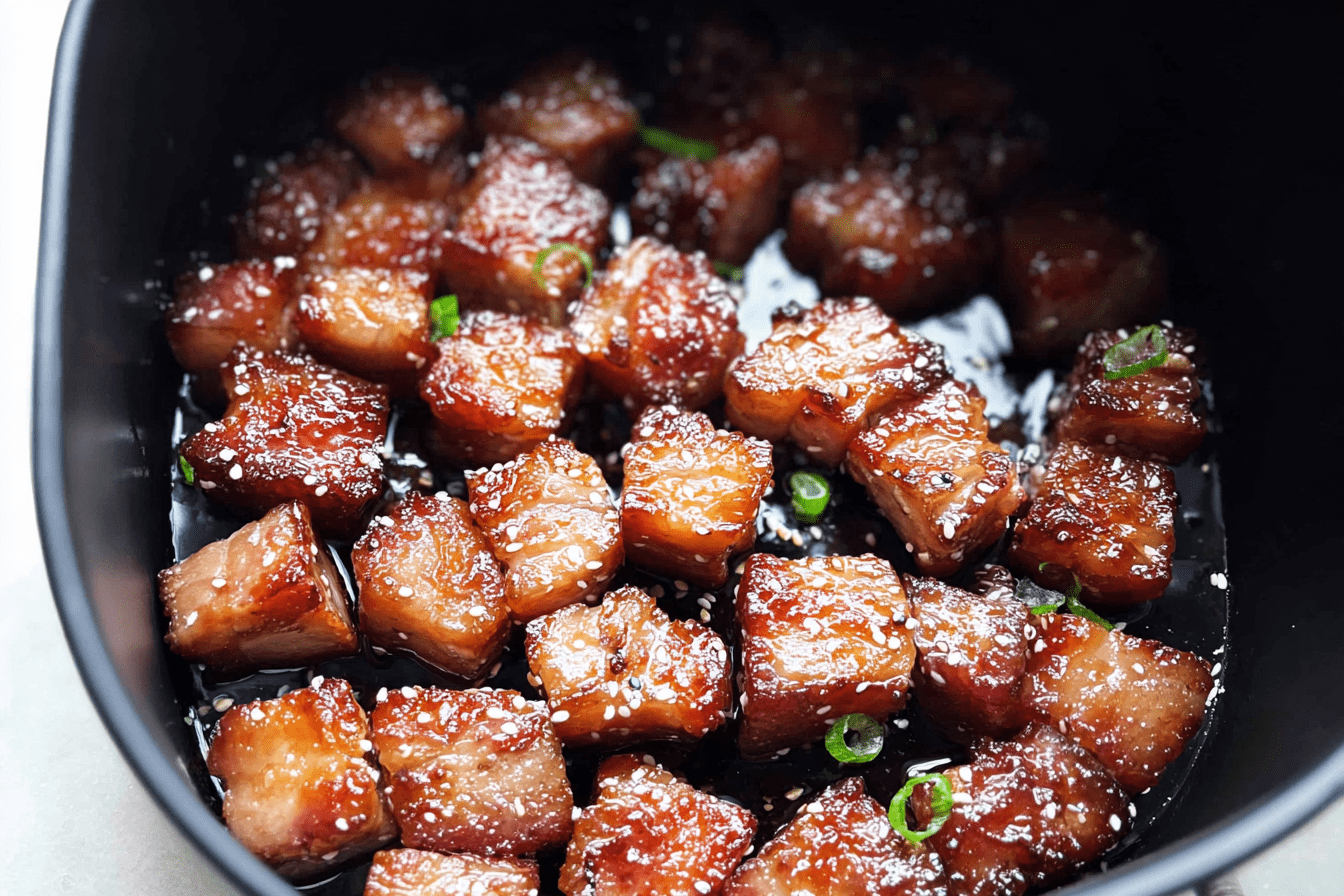
Dietary Substitutions to Customize Your Pork Belly
Making this pork belly work for your needs is simple, whether you’re vegan or watching calories. Let’s look at how to tweak things for the best results tailored to home cooks and diet-conscious eaters.
Protein and Main Component Alternatives
For those skipping pork, swap in chicken thighs or turkey for a similar feel, or go plant-based with seitan. These changes keep the dish hearty and fun, perfect for families with mixed preferences.
Vegetable, Sauce, and Seasoning Modifications
Swap in veggies like roasted Brussels sprouts for a healthier side, and use tamari instead of soy sauce for gluten-free options. Adjust spices to cut down on salt if you’re being mindful, making it easy for busy professionals to adapt on the fly.
These tweaks ensure everyone from newlyweds to seniors can enjoy the meal without hassle one small change can make a big difference in flavor and health.
Mastering Pork Belly: Advanced Tips and Variations
Once you’re comfortable with the basics, level up your pork belly game with these pro tips that add flair for food enthusiasts. Slow roasting isn’t the only trick; try sous vide for even more control over that perfect texture.
Flavor and Technique Boosts
Experiment with additions like star anise or smoked paprika to mix up the taste, turning your pork belly into a signature dish. For presentation, slice neatly and add fresh herbs it’s all about making it look as good as it tastes. Want more ideas? Our grilled shrimp tacos offer fun ways to pair proteins.
Make-ahead options let you prep days in advance, ideal for travelers or working pros. Remember, proper resting is key to juicy results, and these variations keep things exciting every time.
How to Store Pork Belly: Best Practices
| Method | Details |
|---|---|
| Refrigeration | Store in an airtight container and eat within 3-4 days to keep it fresh; cover with some fat to maintain moisture. |
| Freezing | Wrap tightly and freeze for up to 2 months without losing quality great for meal prep. |
| Reheating | Gently warm in an oven to keep it crispy; separate the crackling for the best texture. |
These steps help leftovers stay tasty, perfect for students or busy parents. Storing right ensures you can enjoy that crispy skin later without any fuss.
Pro tip: Reheating in a hot oven keeps the crackling crisp, just like the first time!

FAQs: Frequently Asked Questions About Pork Belly
Do I need to score the pork belly skin to get crispy crackling?
No, scoring the skin is not necessary and can actually cause uneven cooking. Small cuts allow meat juices to seep onto the skin, leading to soggy or rubbery patches instead of crunchy crackling. It’s best to leave the skin intact and focus on drying and seasoning it properly for the crispiest result.
How should I prepare pork belly skin before roasting for the best crackling?
Dry the pork belly skin uncovered in the refrigerator overnight to remove moisture, which helps it crisp up during cooking. If you’re short on time, pat the skin thoroughly with paper towels to remove excess water. Applying salt evenly across the dry skin draws out moisture and contributes to a bubbly, crunchy texture.
What is the ideal roasting temperature and time for tender pork belly and crispy crackling?
Roast the pork belly gently at 140°C (285°F) for about 2.5 hours to make the meat tender. Then, increase the oven temperature to 240°C (465°F) for 30 minutes to crisp up the skin evenly. Using a foil support to keep the pork belly level during the high-temperature phase also helps prevent burnt or uncooked spots on the crackling.
Can I use vacuum-packed pork belly and still get good crackling?
Yes, you can use vacuum-packed pork belly, but the skin is often damp and wrinkled, which makes crisping more challenging. To improve this, dry the skin uncovered in the fridge overnight before roasting. This extra drying step is essential to achieve crackling with vacuum-packed pork belly.
How do I store and reheat leftover pork belly without losing the crackling’s texture?
Separate the crackling from the meat before storing. Keep the pork belly meat wrapped with some of its rendered fat to maintain moisture. Reheat the meat gently in an oven or microwave, and crisp the crackling separately in a hot oven for a few minutes to bring back its crunch without drying it out.

Pork Belly
🍖 Slow-Roasted Pork Belly offers tender, juicy meat with irresistibly crispy skin for a perfect balance of textures.
🔥 This recipe uses a low-and-slow roasting method to render fat beautifully and achieve the best crackling, making it a standout dish for any occasion.
- Total Time: 3 hours 10 minutes
- Yield: 4-6 servings
Ingredients
– 1 kg pork belly with skin on
– 1 1/2 teaspoons olive oil
– 1/2 teaspoon fennel powder or ground fennel seeds
– 1 teaspoon salt
– 1/4 teaspoon black pepper
Instructions
1-Dry the pork belly skin uncovered in the refrigerator overnight to dry it out. If short on time, pat the skin very dry with paper towels.
2-Preheat the oven to 140°C (285°F) or 120°C fan.
3-Drizzle 1 teaspoon olive oil on the flesh side of the pork belly. Season with 1/2 teaspoon salt, black pepper, and fennel powder (if using). Rub well including sides and crevices.
4-Wrap the pork belly flesh side with foil, forming a snug, open box with the skin exposed. Place on a tray.
5-Pat the skin dry again, rub with 1/2 teaspoon olive oil, then evenly sprinkle the remaining 1/2 teaspoon salt over the skin from edge to edge.
6-Slow roast in the oven for a total of 2 1/2 hours at 140°C. After 1 1/2 hours, remove and tighten the foil wrapping to keep it snug, then continue cooking for another hour.
7-Remove the pork from foil and place it on a rack set over a tray (rack optional but recommended).
8-Level the pork skin by propping it with balls of foil so the skin surface is as horizontal as possible for even crackling.
9-Increase oven temperature to 240°C (465°F) and return pork to the oven for 30 minutes at high heat, rotating halfway. Monitor carefully and protect any faster-browning parts with foil as needed.
10-Rest the pork belly for 10 minutes before slicing.
11-Slice into approximately 2 cm thick slices and serve with sauces or sides as desired.
Last Step:
Please leave a rating and comment letting us know how you liked this recipe! This helps our business to thrive and continue providing free, high-quality recipes for you.Notes
🔥 Do not score the pork belly skin to avoid rubbery crackling patches.
🌬️ Drying the skin overnight is essential for achieving crispy crackling.
⏳ Slow roasting at low heat allows the fat to render properly and produces tender, juicy meat.
- Prep Time: 10 minutes
- Slow Roasting Time: 2 hours 30 minutes
- Cook Time: 30 minutes
- Category: Main Course
- Method: Slow Roasting and High-Heat Roasting
- Cuisine: Western
Nutrition
- Serving Size: 1 slice (approx. 2 cm thick)
- Calories: 1313 kcal
- Sugar: 1 g
- Sodium: 661 mg
- Fat: 135 g
- Saturated Fat: 49 g
- Carbohydrates: 1 g
- Fiber: 1 g
- Protein: 23 g
- Cholesterol: 180 mg


