Mastering pickled beets recipe
Pickled beets are a simple and flavorful way to enjoy this nutrient-packed root vegetable year-round. This quick pickled beets recipe is designed to be accessible for home cooks of all levels, requiring minimal preparation time and common pantry ingredients. By combining thinly sliced raw beets with a tangy, sweet brine made from seasoned rice wine vinegar, sherry vinegar, sugar, salt, and aromatic caraway seeds, you create a vibrant and versatile condiment or side dish.
The pickling process requires no cooking of the beets beforehand, helping to preserve their natural texture and flavor, while the 2-day refrigeration allows the flavors to meld beautifully. Whether served as a colorful addition to salads, paired with meats, or enjoyed on its own, this recipe stands out for its bright taste and nutrient retention. Using glass jars to store the pickles ensures safe acid-based preservation and keeps the beets visually appealing.
This recipe is vegan, gluten-free, and low in fat, making it a healthy option suitable for a wide variety of dietary preferences. The combination of vinegar and sugar balances tartness and sweetness, creating a delicate harmony that highlights the earthiness of the beets and the subtle warmth of caraway seeds.

Jump To
- 1. Mastering pickled beets recipe
- 2. Benefits and Advantages of pickled beets recipe
- 3. Essential Ingredients for pickled beets recipe
- 4. Dietary Substitutions to Customize Your pickled beets recipe
- 5. How to Prepare the Perfect pickled beets recipe: Step-by-Step Guide
- 6. Mastering pickled beets recipe: Advanced Tips and Variations
- 7. How to Store pickled beets recipe: Best Practices
- 8. Nutritional Value of pickled beets recipe
- 9. FAQs: Frequently Asked Questions About pickled beets recipe
- 10. Quick and Simple Homemade Pickled Beets Recipe
Benefits and Advantages of pickled beets recipe
Healthful Nutrients and Antioxidants
Beets are rich in vitamins and antioxidants such as folate, vitamin C, and betalains, which are known for their anti-inflammatory and detoxifying properties. Pickling preserves much of these nutrients while adding digestive benefits from the vinegar in the brine.
Long Shelf Life and Convenience
This pickled beets recipe offers a convenient and shelf-stable solution to enjoy beets without the need for frequent cooking or preparation. When stored properly in the refrigerator, pickled beets can last up to two weeks, offering an easy side or snack option to add nutrition and color to any meal.
Versatility in Serving
Pickled beets are extremely versatile—enjoy them chilled alone, toss them in salads, use as a topping for grain bowls or sandwiches, or add them as a flavorful side to grilled or roasted dishes. Their vibrant color and balanced sweet-tart profile make them a crowd-pleaser at any table. Additionally, adding caraway seeds infuses a subtle aromatic note that enhances their appeal.
Easy Preparation
The recipe’s straightforward process requires only 10 minutes of active preparation followed by refrigeration. There is no need to cook the beets beforehand, which simplifies the process and maintains their crisp texture. This makes it an ideal pickled vegetable recipe for those new to pickling or looking for a quick homemade option.
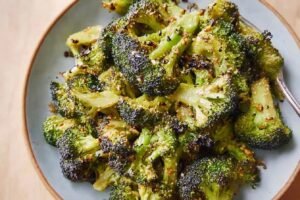
For inspiration on pairing dishes, consider pairing pickled beets with vibrant sides such as garlic butter broccoli to complement their flavors.

Essential Ingredients for pickled beets recipe
The foundation of any excellent pickled beets recipe lies in fresh, simple, and balanced ingredients. Here’s everything you need:
- 2 cups thinly sliced beets, cut in half-moons if desired – the main ingredient, providing vibrant color and natural earthiness.
- 2 teaspoons caraway seeds – add a warm, slightly nutty flavor that complements the beets.
- ½ cup seasoned rice wine vinegar – brings acidity and sharpness to the brine for pickling.
- 1 tablespoon sherry vinegar – deepens the vinegar complexity with subtle sweetness and richness.
- ¼ cup sugar – balances the tartness of the vinegar and highlights beet sweetness.
- 1 cup water – dilutes the vinegar to the right concentration for a pleasant pickling environment.
- 2¼ teaspoons kosher salt – essential for flavor enhancement and proper brining.
These ingredients create a balanced pickling brine that enhances the beets’ natural flavors while imparting a lightly tangy and sweet character. The recipe is naturally vegan and gluten-free, suitable for diverse dietary needs.
Using quality vinegar contributes to the overall flavor. For tips on vinegar selection and pickling techniques, visit Tips for Using Vinegar in Pickling.
Dietary Substitutions to Customize Your pickled beets recipe
Customizing your pickled beets recipe to suit dietary preferences or ingredient availability is simple and rewarding. Here are several substitution ideas to accommodate different dietary needs and taste preferences:
Vinegar Alternatives
If you do not have seasoned rice wine vinegar or sherry vinegar, other vinegars such as apple cider vinegar, white wine vinegar, or even white distilled vinegar can be used. These will slightly alter the flavor profile but maintain the acidic balance essential for pickling. Keep in mind that stronger vinegars may require adjusting the sugar content to keep the flavor balanced.
Sweetener Options
The recipe calls for ¼ cup of sugar, but you can adjust this depending on your sweetness preference or dietary restrictions. Natural sweeteners like honey or maple syrup can replace sugar for those avoiding refined sugars, although they may impart additional flavors. For a low-calorie approach, natural sugar substitutes such as monk fruit or stevia blends can be experimented with carefully, keeping in mind these may slightly change texture and fermentation.
Salt Variants
Kosher salt is preferred for its purity and lack of additives, but sea salt or pickling salt can be substituted. Avoid iodized table salt as it can cloud the brine and affect flavor. When substituting, consider the grain size differences and adjust quantities accordingly—usually slightly less of finer salts is needed.
Spice and Aromatic Adjustments
Caraway seeds bring a mild anise flavor, but you can substitute or complement them with mustard seeds, coriander seeds, or whole allspice for varied aroma. These spices enhance complexity without overpowering the beets.
Beet Preparation Variations
This recipe uses raw sliced beets; however, roasting or boiling the beets beforehand can mellow their flavor and create a softer texture. Roasting with garlic and olive oil adds depth, while boiling shortens pickling time. Both methods retain nutritional value but change texture nuances.
These substitutions provide flexibility, allowing you to adapt the pickled beets recipe while maintaining its essential characteristics. For further insights on vinegar use in pickling, see Tips for Using Vinegar in Pickling.

How to Prepare the Perfect pickled beets recipe: Step-by-Step Guide
First Step: Prepare Beets and Spices
Start with 2 cups of thinly sliced beets, cut into half-moons if preferred. Place the sliced beets into a clean glass jar or bowl. Add 2 teaspoons of caraway seeds evenly distributed over the beets.
Second Step: Make the Brine
Combine ½ cup seasoned rice wine vinegar, 1 tablespoon sherry vinegar, and ¼ cup sugar in a large mixing bowl. Bring 1 cup of water to a boil, then pour it carefully into the vinegar mixture. Stir until the sugar fully dissolves.
Third Step: Add Salt and Mix
Add 2¼ teaspoons of kosher salt to the brine and stir well to blend all ingredients uniformly.
Fourth Step: Pour Brine Over Beets
Pour the prepared brine over the sliced beets and caraway seeds, ensuring all beets are fully submerged. Seal the container and refrigerate.
Fifth Step: Wait for Flavor Development
Allow the beets to pickle in the refrigerator for at least 2 days, shaking the jar occasionally to redistribute flavors. Use a clean saucer or similar object to keep beets submerged if necessary.
Sixth Step: Serve
Use a slotted spoon to remove pickled beets from the brine and serve. The beets will be ready to enjoy after 2 days and can be stored refrigerated for up to 2 weeks.
| Step | Action | Tip |
|---|---|---|
| 1 | Slice beets and add caraway seeds | Use a mandoline for consistent thickness |
| 2 | Prepare vinegar, sugar, and water brine | Boil water for better dissolving |
| 3 | Add kosher salt and stir | Mix thoroughly for even seasoning |
| 4 | Pour brine over beets ensuring coverage | Use a glass jar to prevent acidity reaction |
| 5 | Refrigerate for 2 days minimum | Shake jar occasionally |
| 6 | Remove and serve with a slotted spoon | Enjoy with meals or salads |
Mastering pickled beets recipe: Advanced Tips and Variations
Enhancing Flavor with Cooking Techniques
For richer flavor, roast the beets with olive oil, garlic, kosher salt, and black pepper at 425°F until tender before slicing and pickling. Roasting caramelizes natural sugars and adds depth. Alternatively, a quick simmer of sliced beets and brine mellows sharp vinegar notes.
Adjusting Sweetness and Tang
You can modify the sugar amount to personal preference. Less sugar produces a tarter pickle, while more balances acidity for sweetness. For a more complex profile, try adding a cinnamon stick or cloves to the brine for aromatic warmth.
Adding Unique Ingredients
- Incorporate hardboiled eggs into the jar for a fun and colorful twist.
- Experiment with different seeds or fresh herbs such as dill, thyme, or bay leaves for varied aromas.
- Use a combination of vinegars, like apple cider or malt vinegar, to create signature flavors.
Pickling Duration Variations
While 2 days is minimum, allowing the beets to pickle for up to 1 week develops deeper flavor. Just ensure they remain submerged and refrigerated for food safety.
By experimenting with these variations, you can create personalized pickled beets that match your flavor preferences and occasion requirements.
How to Store pickled beets recipe: Best Practices
Proper storage is key for taste and safety:
- Refrigeration: Store pickled beets in a sealed glass jar or airtight container in the refrigerator. They remain fresh and flavorful for up to two weeks.
- Freezing: Freezing is not recommended as it alters the texture and firmness of pickled beets.
- Handling: Always use a clean utensil to remove beets from the brine to prevent contamination.
- Brine Storage: The brine can be reused once if boiled to ensure safety, but fresh brine is best for pickling.
These simple storage practices preserve the vibrant color and crunchiness of your pickled beets while maintaining safety.
Nutritional Value of pickled beets recipe
| Nutrient | Amount per Serving (approximate) |
|---|---|
| Calories | 176 |
| Total Fat | 1 gram |
| Carbohydrates | 39 grams |
| Dietary Fiber | 5 grams |
| Sugars | 34 grams |
| Protein | 3 grams |
| Sodium | 821 milligrams |
Pickled beets provide a low-fat source of dietary fiber and natural sugars, contributing to energy and digestive health. However, the sodium content is relatively high due to the brining process, so consumption should be moderate for those monitoring salt intake. For additional nutritional insights, visit the Health Benefits of Beets.

FAQs: Frequently Asked Questions About pickled beets recipe
What is the best way to slice beets for pickling?
Slicing beets very thin, about 1/8-inch thick, using a mandoline, Japanese slicer, or sharp knife is ideal. Uniform slices ensure even absorption of the pickling brine.
How long do pickled beets need to refrigerate before they are ready to eat?
Pickled beets should refrigerate for at least 2 days to develop full flavor. They taste best when allowed to continue pickling up to 2 weeks, with flavor deepening over time.
Should beets be raw or cooked for pickling?
This recipe uses raw beets sliced thin for a firmer texture. However, cooking beets by roasting or boiling before pickling is an excellent alternative that softens texture and can enhance sweetness.
Can I reduce the sugar in the pickled beets recipe?
Yes, you can reduce sugar to suit taste, but be mindful that sugar balances the vinegar’s acidity and assists in flavor development. Reducing sugar too much might result in a tangier pickle.

Quick and Simple Homemade Pickled Beets Recipe
🥗 Vibrant and tangy, these pickled beets make a delightful addition to any meal.
🩷 Easy to prepare, they offer a healthy, colorful twist to your usual side dishes.
- Total Time: 2 days 10 minutes
- Yield: 2 servings 1x
Ingredients
2 cups thinly sliced beets, cut in half-moons if desired
2 teaspoons caraway seeds
½ cup seasoned rice wine vinegar
1 tablespoon sherry vinegar
¼ cup sugar
1 cup water
2¼ teaspoons kosher salt
Instructions
1. Place the sliced beets and caraway seeds into a clean bowl or jar.
2. In a large bowl, combine the rice wine vinegar, sherry vinegar, and sugar. Boil the cup of water and then add it to the vinegar mixture, stirring until the sugar fully dissolves.
3. Add the kosher salt to the vinegar mixture and stir well to integrate.
4. Pour the prepared brine over the beets and caraway seeds, ensuring the beets are completely submerged.
5. Cover the jar and refrigerate the beets for at least 2 days to develop flavor, giving the jar a gentle shake occasionally to keep the beets submerged and well-mixed.
6. Serve the pickled beets using a slotted spoon to drain the excess brine before plating.
Last Step:
Please leave a rating and comment letting us know how you liked this recipe! This helps our business to thrive and continue providing free, high-quality recipes for you.Notes
🔪 Slice beets thinly, about ⅛ inch thick, using a mandoline or sharp knife for even pickling.
🥒 For enhanced flavor, let beets pickle longer; sealed pickled beets last up to two weeks in the fridge.
🍳 Consider adding hardboiled eggs to the jar for a colorful, protein-rich twist.
- Prep Time: 10 minutes
- Refrigeration Time: 2 days
- Cook Time: 0 minutes
- Category: Side Dish
- Method: Pickling
- Cuisine: American
- Diet: Vegan
Nutrition
- Serving Size: 1 cup
- Calories: 176
- Sugar: 34g
- Sodium: 821mg
- Fat: 1g
- Saturated Fat: 0g
- Unsaturated Fat: 0g
- Trans Fat: 0g
- Carbohydrates: 39g
- Fiber: 5g
- Protein: 3g
- Cholesterol: 0mg