Why You’ll Love This Peanut Butter Cookies
There is nothing quite like the aroma of fresh baking filling the kitchen, especially when it involves the rich, nutty scent of peanuts. This classic peanut butter cookies recipe is a staple for any home baker because it strikes the perfect balance between simplicity and delicious flavor. Whether you are packing a lunch for school, preparing a quick snack for a busy afternoon, or just craving something sweet, these cookies are the answer.
- Ease of preparation: One of the best things about this recipe is how incredibly fast it comes together. With a total time of about 15 minutes, you can go from mixing bowl to oven in no time. The simple instructions mean even beginner bakers can achieve bakery-quality results without any specialized equipment or hard-to-find ingredients.
- Health benefits: While cookies are certainly a treat, these offer a bit more nutritional value than your average sugar-filled sweet. Peanut butter is a good source of protein and healthy fats, which can help keep you feeling satisfied. Using natural ingredients and controlling the sugar allows you to enjoy a dessert that fits better into a balanced lifestyle.
- Versatility: This recipe is a fantastic base for your culinary creativity. You can easily adapt it to suit various dietary needs or simply to switch up the flavor profile. It serves as a sturdy foundation for mix-ins like chocolate chips or dried fruit, making it a versatile choice for any palate.
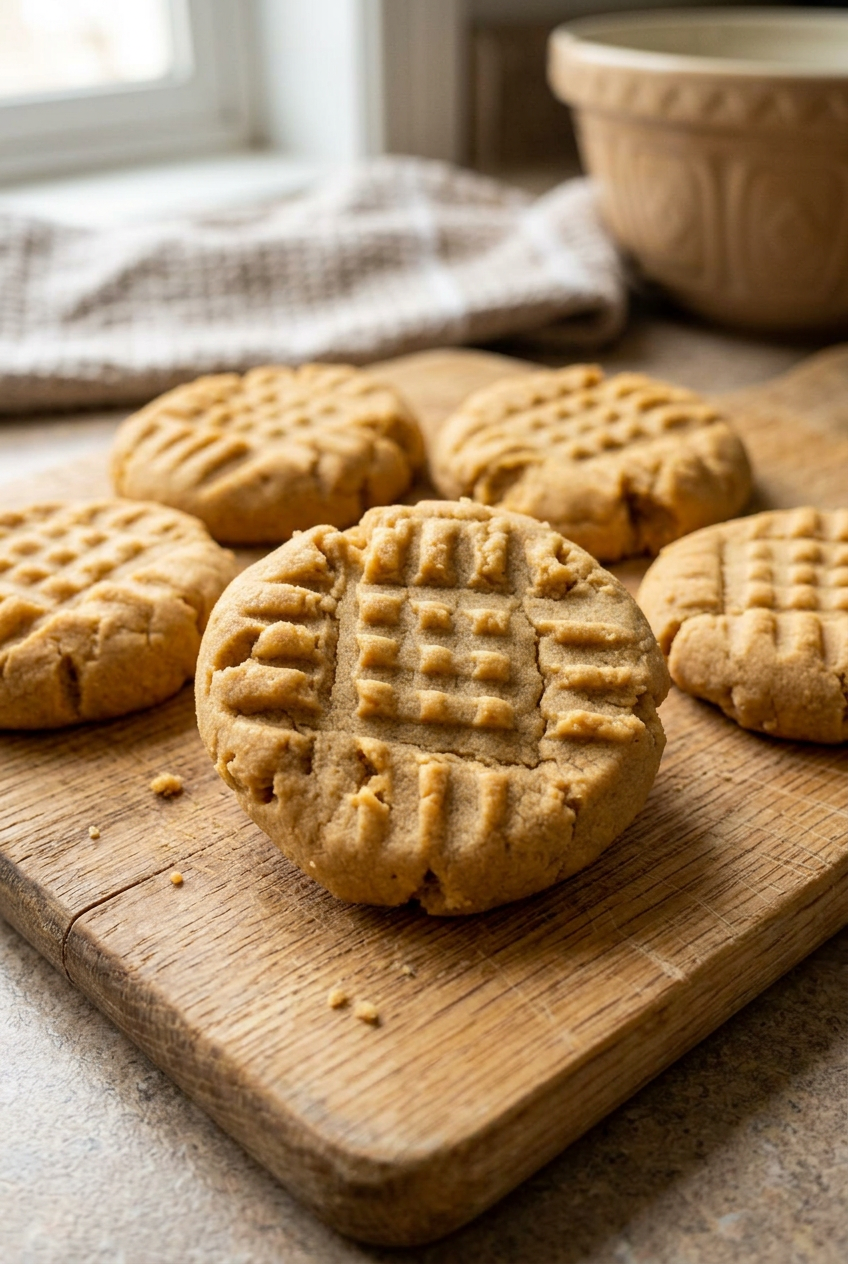
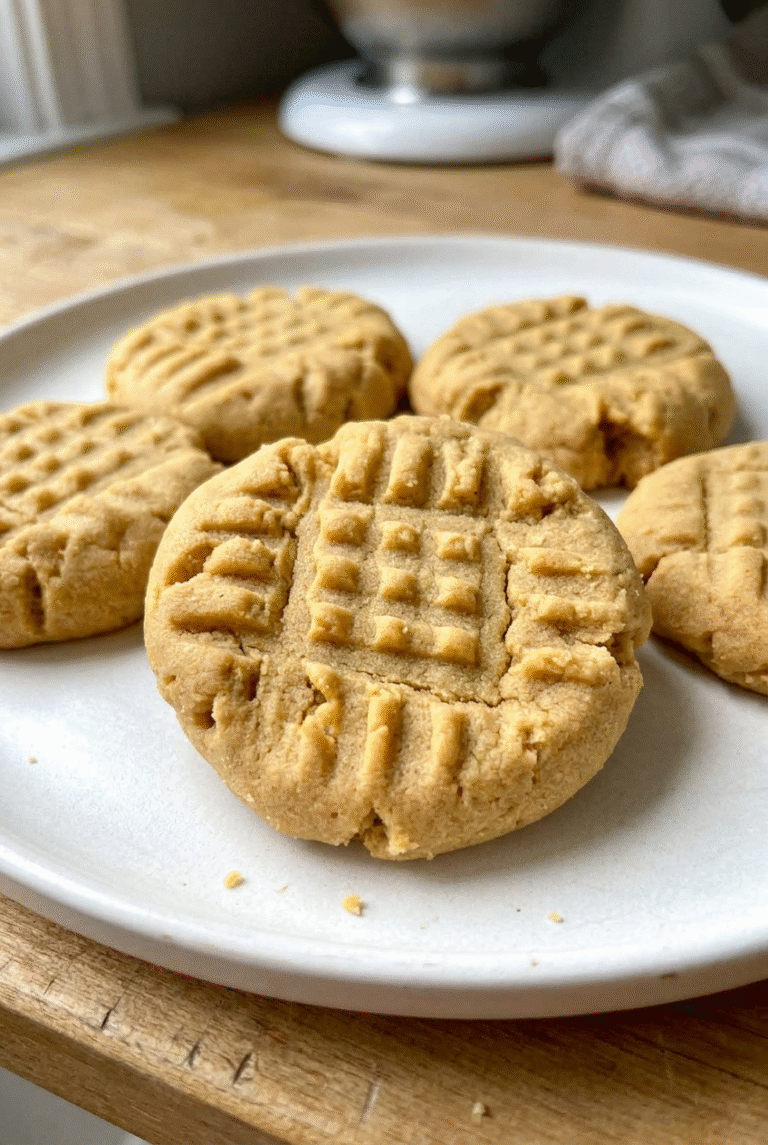
- Distinctive flavor: The combination of creamy peanut butter and the slight chewiness of the cookie creates a texture and taste that stands out. The signature crisscross pattern not only looks classic but ensures that every bite is perfectly cooked with a slightly crisp edge and a soft, tender center.
Jump To
- 1. Why You’ll Love This Peanut Butter Cookies
- 2. Essential Ingredients for Peanut Butter Cookies
- 3. How to Prepare the Perfect Peanut Butter Cookies: Step-by-Step Guide
- 4. Dietary Substitutions to Customize Your Peanut Butter Cookies
- 5. Mastering Peanut Butter Cookies: Advanced Tips and Variations
- 6. How to Store Peanut Butter Cookies: Best Practices
- 7. FAQs: Frequently Asked Questions About Peanut Butter Cookies
- 8. Peanut Butter Cookies
Essential Ingredients for Peanut Butter Cookies
Creating the perfect batch of cookies starts with gathering the right components. Each ingredient plays a vital role in the texture and taste of the final product. Below is the structured list of everything you will need to make this recipe a success.
1 1/2 cups all-purpose flour (180g) 1/2 cup unsalted butter, room temperature (113g) 1 cup peanut butter (250g) 1/2 cup brown sugar, lightly packed (100g) 1/2 cup granulated sugar (100g) 1 teaspoon vanilla extract (5mL) 1 large egg, room temperature 3/4 teaspoon baking powder (3g) Optional: 1/4 to 1/2 teaspoon sea salt if peanut butter is not salty enough
Main Ingredients
- 1 1/2 cups all-purpose flour (180g): This provides the structure for your cookies. It creates the gluten network that holds the dough together, giving the cookies their shape and bite.
- 1/2 cup unsalted butter, room temperature (113g): Butter adds richness and tenderness. Using room temperature butter is crucial because it allows air to be incorporated during the creaming process, leading to a lighter texture.
- 1 cup peanut butter (250g): The star of the show. It provides the distinct nutty flavor and creamy texture. Smooth, commercial peanut butter usually yields the best results for consistent dough.
- 1/2 cup brown sugar, lightly packed (100g): Brown sugar contains molasses, which adds moisture and a subtle depth of flavor. It contributes to the chewiness of the cookie.
- 1/2 cup granulated sugar (100g): This sweetens the dough and helps the cookies crisp up slightly on the edges. It also aids in spreading during baking.
- 1 large egg, room temperature: The egg acts as a binder, holding the ingredients together. It also adds richness and helps the cookies puff up slightly in the oven.
- 1 teaspoon vanilla extract (5mL): Vanilla enhances the sweetness and rounds out the peanut flavor, making it taste more complex and homemade.
- 3/4 teaspoon baking powder (3g): This is the leavening agent that helps the cookies rise and become light rather than flat and hard.
Special Dietary Options
Vegan
To make these plant-based, substitute the large egg with a flax egg (1 tablespoon ground flaxseed meal mixed with 3 tablespoons warm water) and use a vegan butter stick instead of dairy butter.
Gluten-free
Replace the all-purpose flour with a high-quality 1-to-1 gluten-free baking blend. Ensure your baking powder is certified gluten-free as well.
Low-calorie
You can reduce the calorie count by using a powdered peanut butter alternative or swapping half of the sugar with a zero-calorie sweetener like erythritol or stevia.
How to Prepare the Perfect Peanut Butter Cookies: Step-by-Step Guide
Follow these detailed instructions to bake a batch of cookies that are sure to impress. The process is straightforward, but paying attention to the small details will make a big difference in the outcome.
First Step: Preparation and Heating
Start by preheating your oven to 350°F. Getting the oven hot before you put the cookies in is essential for even baking. While the oven heats up, line a baking sheet with parchment paper. This prevents the cookies from sticking and makes cleanup much easier. It also helps them bake more evenly by insulating the bottom slightly.
Second Step: Dry Ingredients Mixing
Third Step: Creaming Butter and Sugars
In a large mixing bowl, combine the 1/2 cup of unsalted butter, 1/2 cup of brown sugar, and 1/2 cup of granulated sugar. Using an electric mixer or a sturdy wooden spoon, beat these ingredients together until the mixture is light and fluffy. This usually takes about 2 to 3 minutes with a mixer. The process creates air pockets in the butter, which helps the cookies rise properly. Make sure to scrape down the sides of the bowl to incorporate everything evenly.
Fourth Step: Incorporating Peanut Butter and Wet Ingredients
Add the 1 cup of peanut butter to the creamed butter mixture. Mix on medium speed until the peanut butter is fully incorporated and the mixture is smooth and uniform. Next, beat in the 1 large egg and the 1 teaspoon of vanilla extract. Mix until the egg is completely blended in. The dough might look a bit soft or sticky at this point, which is normal.
Fifth Step: Combining Wet and Dry Mixtures
Turn your mixer speed down to low. Gradually add the flour mixture to the wet ingredients. It is important not to overmix at this stage. Beat the dough just until you no longer see streaks of white flour. Overmixing can develop too much gluten, resulting in tough cookies. The dough should be thick and moldable.
Sixth Step: Shaping the Cookies
Scoop out portions of dough and roll them into one-inch balls using your hands. Try to make them as uniform as possible so they bake at the same rate. Place these balls onto your prepared baking sheet, leaving about two inches of space between each one to allow for spreading.
Seventh Step: The Crisscross Pattern
Take a fork and dip the tines into a little bit of granulated sugar to prevent sticking. Press the fork down onto the top of a dough ball to flatten it slightly, creating ridges. Repeat this in a perpendicular direction to create the classic crisscross or crosshatch pattern. This step is not just for looks; it helps the cookies bake evenly by pressing down the dense dough.
Eighth Step: Baking to Golden Perfection
Place the baking sheet in the preheated oven. Bake for about 8 to 10 minutes. You want to remove them from the oven when the edges just start to change color but the centers still look slightly soft and underbaked. They will continue to cook on the hot baking sheet after you take them out.
Final Step: Cooling and Serving
Allow the cookies to cool completely on the baking sheet. This is a critical step because peanut butter cookies are fragile when hot. Letting them set on the pan ensures they firm up and hold their shape. Once they are completely cool, you can transfer them to a wire rack or store them in a container. Enjoy them with a glass of milk or no-churn vanilla ice cream for a delicious dessert.
Dietary Substitutions to Customize Your Peanut Butter Cookies
Baking is all about making a recipe work for you and your specific needs. Whether you have allergies or just want to experiment, there are several ways to modify this classic dough.
Protein and Main Component Alternatives
If you wish to change the nut profile or have allergies, almond butter is a fantastic swap. It creates a slightly lighter, more delicate cookie. For a protein boost, you can try powdered peanut butter mixed with a little water, though the texture may be denser. If you are allergic to nuts, sunflower seed butter acts as an excellent substitute, mimicking the creamy texture and fat content remarkably well. Just be aware that sunflower seeds can sometimes turn green when baked with baking soda, though using baking powder minimizes this risk.
Vegetable, Sauce, and Seasoning Modifications
While this is a straightforward cookie recipe, you can introduce mix-ins to change the flavor profile. For a chocolatey twist, fold in dark chocolate chips or chunks before baking. If you prefer a fruity contrast, add a dollop of fruit jam or jelly in the center of the dough ball before flattening it, creating a thumbprint style cookie. For those who enjoy a spicy kick, a pinch of cayenne pepper or cinnamon mixed into the dry ingredients can add warmth and depth that pairs surprisingly well with the nutty flavor.
Mastering Peanut Butter Cookies: Advanced Tips and Variations
Once you have mastered the basic recipe, you can use these pro tips to take your baking skills to the next level. Small adjustments in technique and ingredients can yield dramatically different results.
Pro cooking techniques
For the most consistent results, weigh your ingredients using a kitchen scale rather than measuring with cups. Flour can compact easily, leading to dry cookies if you use too much. If you do not have a scale, fluff the flour with a spoon, sprinkle it into your measuring cup, and level it off with a knife. Another key technique is to rotate the baking sheet halfway through the baking time. This ensures that all cookies bake evenly, even if your oven has hot spots.
Flavor variations
Experiment with different types of sugar to change the texture. Using all brown sugar will result in a very soft, chewy cookie, while using all white sugar makes them crispier. You can also add extracts like almond or maple to change the flavor profile. For a savory-sweet combo, try adding finely chopped bacon and a drizzle of maple syrup after baking.
Presentation tips
For a beautiful finish, roll the dough balls in coarse sugar or sparkling sugar before making the fork marks. This gives the cookies a professional, sparkly look and adds a satisfying crunch to the edges. You can also press a chocolate kiss into the center of each cookie immediately after taking them out of the oven for a variation on the classic blossom cookie.
Make-ahead options
You can prepare the dough ahead of time and freeze it. Scoop the dough balls onto a baking sheet and freeze them until solid. Then, transfer them to a freezer bag. When you are ready to bake, you can put them directly in the oven from the freezer, just add a minute or two to the baking time. This is perfect for having fresh cookies on demand without the mess every time.
How to Store Peanut Butter Cookies: Best Practices
To keep your cookies tasting fresh and delicious, proper storage is key. Peanut butter cookies have a high fat content, which affects how they should be kept compared to other baked goods.
| Storage Method | Duration | Instructions |
|---|---|---|
| Room Temperature | Up to 5 days | Store in an airtight container to maintain softness. |
| Freezer (Dough) | Up to 3 months | Freeze balls on a tray, then transfer to a bag. Bake from frozen. |
| Freezer (Baked) | Up to 3 months | Wrap tightly in plastic wrap and foil. Thaw at room temperature. |
Refrigeration and Meal Prep
While you can refrigerate the dough, it is generally not necessary for this recipe unless your kitchen is very warm. If you do refrigerate, let the dough sit at room temperature for 10 to 15 minutes before rolling, as cold dough can be hard to shape. For meal prep, baking a large batch on the weekend and storing them in an airtight container is a great way to have snacks ready for the week ahead.
Reheating
If your cookies have lost a bit of their freshness, you can revive them by warming them in the microwave for about 5 to 10 seconds. This softens them up and makes them taste freshly baked again. Avoid over microwaving, or they will become tough.

FAQs: Frequently Asked Questions About Peanut Butter Cookies
Why do peanut butter cookies have fork marks or crisscross patterns?
Peanut butter cookies are denser than most due to the high fat content from peanut butter, which causes them to spread less during baking. Without fork marks, they can bake up too thick in the center and unevenly. Pressing a fork into the dough before baking flattens the tops, helps them spread slightly, and ensures even cooking. This classic technique, dating back to the 1930s when peanut butter became popular in recipes, also adds texture and a signature look. To do it right, chill the dough ball briefly if needed, then press gently with a fork dipped in sugar to prevent sticking. This simple step prevents puffing and delivers chewy, golden cookies every time. (92 words)
How do you get perfect crisscross fork marks on peanut butter cookies?
For clean, defined crisscross patterns, start with room-temperature dough balls about 1.5 inches wide. Dip a fork with long, thin tines in granulated sugar to avoid sticking, then press straight down firmly but not too hard—aim for 1/4-inch deep marks. Make one horizontal press, then rotate the fork 90 degrees for the vertical crisscross. Pull the fork away at an angle instead of lifting straight up to prevent tearing. For even better results, use two wooden skewers crossed over each other and twist slightly as you press. Avoid overworking the dough to keep edges crisp. This method works on classic 3-ingredient recipes and prevents domed, unattractive cookies. Practice on a test cookie first. (118 words)
What type of peanut butter is best for making cookies?
Use smooth, creamy peanut butter with salt and stabilizers, like Jif or Skippy, for the best texture and flavor in cookies—they hold shape well and provide consistent spread. Sweetened varieties work too, but cut back sugar by 1-2 tablespoons to balance sweetness. Natural peanut butter (just peanuts and salt) can make dough oily and runny since it separates; stir it thoroughly or refrigerate before mixing, and add 1 extra tablespoon of flour if needed. Avoid chunky unless you want texture. Test your favorite plain-eating brand first—any will do if it has about 16g fat per 2 tbsp serving. This ensures chewy cookies without cracking or falling apart. (112 words)
Should you chill peanut butter cookie dough before baking?
Chilling isn’t required for peanut butter cookies because the peanut butter’s fat content keeps them stable without much spreading. Bake straight from room temperature for quick prep and soft centers. However, if making dough ahead, chill it up to 24 hours wrapped in plastic—it intensifies flavor as sugars meld and makes cleaner fork marks. For longer storage, freeze scooped dough balls up to 3 months; bake from frozen adding 1-2 minutes. Skip chilling if dough seems oily from natural PB to avoid hardness. Pro tip: Let dough sit 10 minutes after mixing for even mixing. Most classic recipes, like the 1950s “peanut butter kiss” version, skip chilling successfully. (108 words)
How do you store peanut butter cookies to keep them fresh?
Store cooled peanut butter cookies in an airtight container at room temperature for up to 5 days—they stay soft thanks to peanut butter’s natural oils. Layer with parchment paper to prevent sticking from fork marks. For longer freshness, add a slice of bread or apple to the container; it donates moisture without sogginess. Freeze in a single layer first, then transfer to freezer bags for up to 3 months; thaw at room temp for 30 minutes. Avoid plastic bags alone as they trap humidity leading to chewiness loss. If they crisp up, microwave 5-10 seconds. Proper storage maintains that craveable nutty crunch—perfect for lunchboxes or gifting. (104 words)
Peanut Butter Cookies
🍪🥜 Whip up soft, chewy classic peanut butter cookies bursting with nutty flavor using simple pantry staples – perfect for instant satisfaction.
🥜🍪 Baked in just 10 minutes, these easy treats stay fresh for days and delight everyone from kids to adults!
- Total Time: 20 minutes
- Yield: 24 cookies
Ingredients
– 1 1/2 cups all-purpose flour (180g)
– 1/2 cup unsalted butter, room temperature (113g)
– 1 cup peanut butter (250g)
– 1/2 cup brown sugar, lightly packed (100g)
– 1/2 cup granulated sugar (100g)
– 1 teaspoon vanilla extract (5mL)
– 1 large egg, room temperature
– 3/4 teaspoon baking powder (3g)
– 1/4 to 1/2 teaspoon sea salt (optional, if peanut butter is not salty enough)
Instructions
1-First Step: Preparation and Heating Start by preheating your oven to 350°F. Getting the oven hot before you put the cookies in is essential for even baking. While the oven heats up, line a baking sheet with parchment paper. This prevents the cookies from sticking and makes cleanup much easier. It also helps them bake more evenly by insulating the bottom slightly.
2-Second Step: Dry Ingredients Mixing In a medium-sized bowl, sift together the 1 1/2 cups of all-purpose flour and the 3/4 teaspoon of baking powder. Sifting breaks up any clumps in the flour and aerates it, which leads to a lighter cookie. After sifting, whisk the two together gently to make sure they are evenly distributed. Set this bowl aside for later.
3-Third Step: Creaming Butter and Sugars In a large mixing bowl, combine the 1/2 cup of unsalted butter, 1/2 cup of brown sugar, and 1/2 cup of granulated sugar. Using an electric mixer or a sturdy wooden spoon, beat these ingredients together until the mixture is light and fluffy. This usually takes about 2 to 3 minutes with a mixer. The process creates air pockets in the butter, which helps the cookies rise properly. Make sure to scrape down the sides of the bowl to incorporate everything evenly.
4-Fourth Step: Incorporating Peanut Butter and Wet Ingredients Add the 1 cup of peanut butter to the creamed butter mixture. Mix on medium speed until the peanut butter is fully incorporated and the mixture is smooth and uniform. Next, beat in the 1 large egg and the 1 teaspoon of vanilla extract. Mix until the egg is completely blended in. The dough might look a bit soft or sticky at this point, which is normal.
5-Fifth Step: Combining Wet and Dry Mixtures Turn your mixer speed down to low. Gradually add the flour mixture to the wet ingredients. It is important not to overmix at this stage. Beat the dough just until you no longer see streaks of white flour. Overmixing can develop too much gluten, resulting in tough cookies. The dough should be thick and moldable.
6-Sixth Step: Shaping the Cookies Scoop out portions of dough and roll them into one-inch balls using your hands. Try to make them as uniform as possible so they bake at the same rate. Place these balls onto your prepared baking sheet, leaving about two inches of space between each one to allow for spreading.
7-Seventh Step: The Crisscross Pattern Take a fork and dip the tines into a little bit of granulated sugar to prevent sticking. Press the fork down onto the top of a dough ball to flatten it slightly, creating ridges. Repeat this in a perpendicular direction to create the classic crisscross or crosshatch pattern. This step is not just for looks; it helps the cookies bake evenly by pressing down the dense dough.
8-Eighth Step: Baking to Golden Perfection Place the baking sheet in the preheated oven. Bake for about 8 to 10 minutes. You want to remove them from the oven when the edges just start to change color but the centers still look slightly soft and underbaked. They will continue to cook on the hot baking sheet after you take them out.
9-Final Step: Cooling and Serving Allow the cookies to cool completely on the baking sheet. This is a critical step because peanut butter cookies are fragile when hot. Letting them set on the pan ensures they firm up and hold their shape. Once they are completely cool, you can transfer them to a wire rack or store them in a container. Enjoy them with a glass of milk or no-churn vanilla ice cream for a delicious dessert.
Last Step:
Please leave a rating and comment letting us know how you liked this recipe! This helps our business to thrive and continue providing free, high-quality recipes for you.Notes
⚖️ Measure flour accurately by spooning and leveling or using a scale to avoid dense cookies.
🌡️ Bake until edges barely color – cookies firm as they cool for the perfect soft center.
🥄 Use smooth, salted peanut butter for best flavor; stir natural PB well before using.
- Prep Time: 10 minutes
- Storage: Up to 1 week in airtight container
- Cook Time: 10 minutes
- Category: Dessert
- Method: Baking
- Cuisine: American
- Diet: Vegetarian
Nutrition
- Serving Size: 1 cookie
- Calories: 193 kcal
- Sugar: 7g
- Sodium: 115mg
- Fat: 13g
- Saturated Fat: 5g
- Unsaturated Fat: 7g
- Trans Fat: 0g
- Carbohydrates: 16g
- Fiber: 1g
- Protein: 5g
- Cholesterol: 23mg