Why You’ll Love This Pad Thai
Picture this: you’re craving that perfect mix of sweet, savory, and tangy flavors after a long day, and you don’t want to wait for takeout. This Pad Thai recipe brings all that excitement right to your kitchen, and it’s as fun to make as it is to eat. With its simple steps and fresh ingredients, you’ll feel like a pro chef whipping up a dish that’s packed with authentic Thai vibes.
One of the best things about this Pad Thai is how easy it is to prepare. You can have a delicious meal on the table in just 30 minutes, making it ideal for busy parents or working professionals who need something quick yet satisfying. Imagine tossing in fresh veggies and proteins while your family gathers around it’s not just dinner, it’s a moment to connect.
Health-wise, this dish is a winner too, loaded with nutritious elements like bean sprouts and lean chicken that keep you energized without the guilt. It’s adaptable for diet-conscious folks, offering a balance of proteins, fibers, and vitamins that make it a go-to for anyone watching their intake. Plus, the distinctive flavors from tamarind and lime will have you coming back for more, turning even picky eaters into fans.
Beyond that, Pad Thai’s versatility shines through with options for everyone. Whether you’re a student experimenting in a small dorm kitchen or a senior looking for light meals, you can tweak it to fit your needs. From vegan swaps to gluten-free twists, this recipe proves that good food doesn’t have to be complicated it’s all about making it your own while enjoying every bite.
Jump To
- 1. Why You’ll Love This Pad Thai
- 2. Essential Ingredients for Pad Thai
- 3. How to Prepare the Perfect Pad Thai: Step-by-Step Guide
- 4. Dietary Substitutions to Customize Your Pad Thai
- 5. Mastering Pad Thai: Advanced Tips and Variations
- 6. How to Store Pad Thai: Best Practices
- 7. FAQs: Frequently Asked Questions About Pad Thai
- 8. Pad Thai
Essential Ingredients for Pad Thai
Gathering the right ingredients is the key to nailing that authentic Pad Thai taste, and I’ve got a list that’ll make your shopping trip a breeze. Let’s break it down so you can see exactly what you need to create this flavorful stir-fry at home.
- 125 grams (4 ounces) dried rice sticks (2-3 mm thick)
- 1 1/2 tablespoons tamarind puree (not concentrate)
- 3 tablespoons packed brown sugar
- 2 tablespoons fish sauce (can substitute with light soy sauce, but flavor may vary)
- 1 1/2 tablespoons oyster sauce (not in authentic versions but essential for this recipe)
- 2 to 3 tablespoons vegetable or canola oil
- 1/2 brown or yellow onion, sliced
- 2 garlic cloves, finely chopped
- 150 grams (5 ounces) chicken breast or thigh, thinly sliced
- 2 eggs, lightly whisked
- 1 1/2 cups bean sprouts
- 1/2 cup firm tofu, cut into 3 cm batons (use the firmest plain tofu available, avoid soft tofu)
- 1/4 cup garlic chives, cut into 3 cm pieces (substitute with extra garlic and green onions if unavailable)
- 1/4 cup finely chopped peanuts
- For serving: lime wedges (essential), ground chili or cayenne pepper (optional), extra bean sprouts
This structured list ensures you have every item with precise measurements, making it simple to follow along. For special dietary needs, you can swap fish sauce with soy sauce for a vegan twist, or choose gluten-free options to keep things inclusive.
How to Prepare the Perfect Pad Thai: Step-by-Step Guide
Alright, let’s dive into the fun part actually making this Pad Thai! I’ll walk you through it step by step, just like I do in my own kitchen on busy nights. Start by soaking those noodles and getting everything ready; it’s all about that quick stir-fry magic.
First, soak 125 grams of dried rice sticks in plenty of boiling water for 5 minutes, then drain and quickly rinse under cold water. Don’t let them sit longer than 5-10 minutes to keep them from getting too soft trust me, nobody wants mushy noodles!
Next, mix 1 1/2 tablespoons tamarind puree, 3 tablespoons packed brown sugar, 2 tablespoons fish sauce, and 1 1/2 tablespoons oyster sauce in a small bowl to whip up your sauce. This blend is what gives Pad Thai its signature kick, so take a moment to stir it well.
Heat 2 tablespoons oil in a large non-stick pan or well-seasoned skillet over high heat. Add 2 finely chopped garlic cloves and 1/2 sliced brown or yellow onion, cooking for about 30 seconds until they’re fragrant and sizzling.
Then, toss in 150 grams of thinly sliced chicken breast or thigh and cook for 1 1/2 minutes until it’s mostly done. Push the chicken aside, pour in the 2 lightly whisked eggs on the other side, scramble them, and mix everything together for that perfect combo.
Now, add 1 1/2 cups bean sprouts, 1/2 cup firm tofu cut into 3 cm batons, and the soaked rice noodles, then pour over your sauce. Gently toss for about 1 1/2 minutes until the noodles soak it all up here’s where the flavors really come alive!
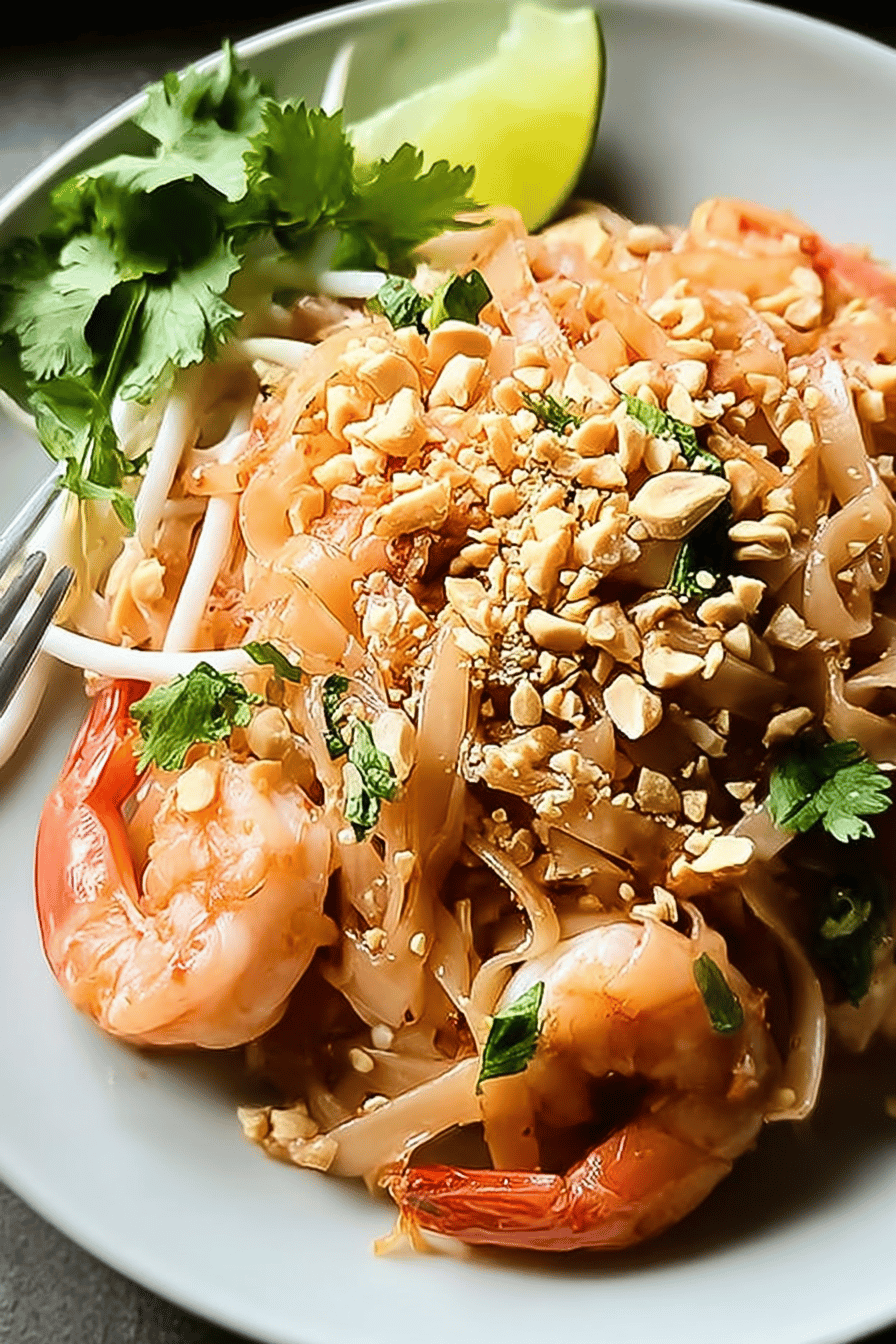
Finally, stir in 1/4 cup garlic chives cut into 3 cm pieces and half of the 1/4 cup finely chopped peanuts, give it a quick toss, and take it off the heat. Serve right away with the rest of the peanuts, lime wedges, and optional ground chili. For a fun twist, check out our vegan lasagna recipe if you’re thinking of more plant-based ideas.
Dietary Substitutions to Customize Your Pad Thai
One of the coolest things about Pad Thai is how you can tweak it to fit your lifestyle and I’ve got plenty of tips from my own experiments. Whether you’re going vegan or cutting calories, these swaps keep the dish tasting amazing.
For protein options, swap the chicken with firm tofu or tempeh to make it plant-based, which is great for diet-conscious individuals. If you’re aiming for more veggies, throw in mushrooms or zucchini to bulk it up without adding extra calories it’s like a secret weapon for busy parents packing lunches.
When it comes to sauces, use tamari instead of fish sauce for gluten-free versions, or try coconut aminos for a milder taste. For anyone watching sugar, swap brown sugar with a natural alternative like stevia, and remember that substituting tamarind can be done with a quick mix of ketchup and vinegar if needed.
| Original Ingredient | Substitution Option | Why It Works |
|---|---|---|
| Fish sauce | Tamari or soy sauce | Keeps the umami flavor while making it vegan-friendly |
| Chicken | Firm tofu | Maintains texture and adds protein for vegetarians |
| Brown sugar | Maple syrup | Provides sweetness with a healthier twist |
This table helps visualize changes, and for more inspiration, try our grilled shrimp tacos recipe for seafood ideas.
Mastering Pad Thai: Advanced Tips and Variations
Once you’ve nailed the basics, let’s amp up your Pad Thai game with some pro tricks I’ve picked up over time. It’s all about that extra flair to make your dish stand out, whether you’re hosting a dinner or just treating yourself.
For that smoky edge, use a well-seasoned wok over high heat it’s like capturing a bit of street food magic in your home. Preheat everything thoroughly and have all ingredients prepped; stir-frying moves fast, so you’ll avoid any kitchen mishaps and keep things fun.
Experiment with flavors by adding pineapple for sweetness or fresh chili for spice it’s a great way to personalize based on your mood. If peanuts aren’t your thing, cashews make a nice swap, and for a less oily version, cut back on the oil like I do when I’m watching my intake.
To make it visually appealing, serve on a bright plate with lime wedges and herbs it’s not just food, it’s a feast for the eyes! And for meal prep, mix the sauce ahead and store veggies separately to keep everything fresh. Remember, tamarind puree is key for authenticity, but if you’re in our best Pad Thai recipe territory, you’ll see why it’s a staple.
Quick Variations
- Add pineapple chunks for a sweet twist
- Use cashews instead of peanuts for crunch
- Incorporate fresh herbs for extra zest
How to Store Pad Thai: Best Practices
Leftovers are a win, but storing Pad Thai the right way keeps it tasty for later. From my experience, a little care goes a long way in preserving those flavors.
Stick it in the fridge in an airtight container for up to 3 days let it cool first to maintain that perfect texture. Freezing works too, but the noodles might soften a bit, so aim for no more than a month in freezer-safe bags.
When reheating, use a skillet with a splash of water to keep things from drying out; skip the microwave to hold onto that stir-fry goodness. For meal prepping, keep proteins and noodles separate so you can mix fresh when you’re ready it’s a game-changer for working pros on the go.
FAQs: Frequently Asked Questions About Pad Thai
What ingredients do I need to make traditional Pad Thai at home?
Traditional Pad Thai is made with flat rice noodles, firm tofu, bean sprouts, garlic chives, eggs, crushed peanuts, and a protein like chicken or shrimp. The sauce combines fish sauce, oyster sauce, tamarind paste, and brown sugar, which create its unique sweet, sour, and savory flavor. Fresh lime wedges are served on the side to add acidity before eating.
How do I prepare rice noodles properly for Pad Thai?
Soak flat rice noodles in hot (not boiling) water for about five minutes until they soften but are still slightly firm. Drain and rinse them quickly under cold water to prevent overcooking. Avoid soaking for too long, as the noodles can become mushy and break during stir-frying.
Can I make Pad Thai without tamarind paste, and what can I use instead?
If tamarind paste is unavailable, you can substitute it with a mix of ketchup, vinegar, brown sugar, and fish sauce in small amounts to replicate its sweet and tangy taste. While this won’t be an exact match, it helps balance flavors when tamarind is not accessible.
What are some tips for making vegetarian Pad Thai that still tastes flavorful?
To make vegetarian Pad Thai, replace fish sauce with soy sauce or tamari and use extra firm tofu or vegetables instead of meat or seafood. Add more garlic, lime juice, and crushed peanuts to boost flavor and texture. Be sure to check that all sauces used are free of animal products.
What kitchen tools are best for cooking Pad Thai at home?
A wok is ideal for cooking Pad Thai because its shape allows quick, even cooking over high heat. However, a large well-seasoned skillet or nonstick frying pan can also work. Use wooden or heat-resistant silicone spatulas for tossing the noodles without breaking them.
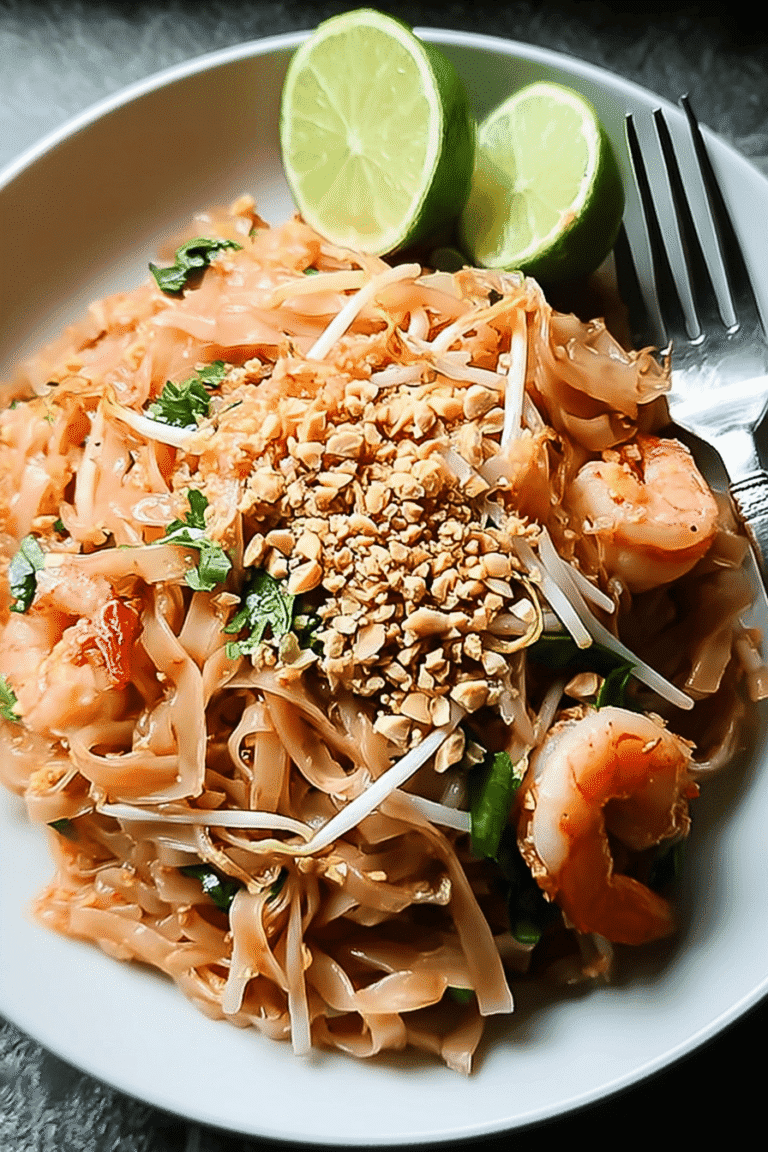
Pad Thai
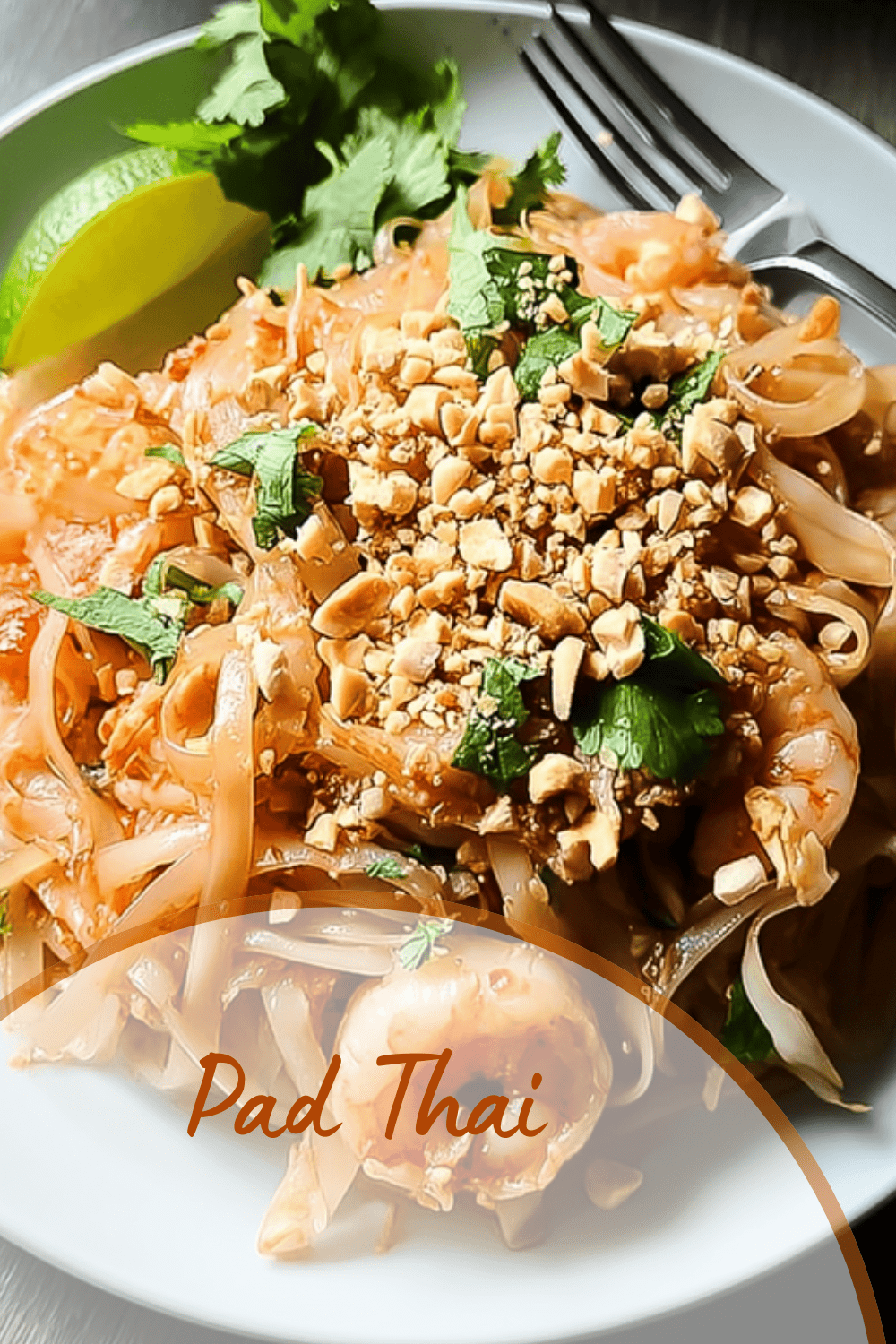
🍜 This Pad Thai recipe brings authentic Thai flavors with a perfect balance of sweet, savory, and sour notes for an irresistible meal.
🥢 Easy to prepare in just 30 minutes, it combines tender chicken, firm tofu, and fresh vegetables with flavorful sauce for a satisfying dish.
- Total Time: 30 minutes
- Yield: 2 servings
Ingredients
– 125 grams (4 ounces) dried rice sticks (2-3 mm thick)
– 1 1/2 tablespoons tamarind puree (not concentrate)
– 3 tablespoons packed brown sugar
– 2 tablespoons fish sauce (can substitute with light soy sauce, but flavor may vary)
– 1 1/2 tablespoons oyster sauce (not in authentic versions but essential for this recipe)
– 2 to 3 tablespoons vegetable or canola oil
– 1/2 brown or yellow onion, sliced
– 2 garlic cloves, finely chopped
– 150 grams (5 ounces) chicken breast or thigh, thinly sliced
– 2 eggs, lightly whisked
– 1 1/2 cups bean sprouts
– 1/2 cup firm tofu, cut into 3 cm batons (use the firmest plain tofu available, avoid soft tofu)
– 1/4 cup garlic chives, cut into 3 cm pieces (substitute with extra garlic and green onions if unavailable)
– 1/4 cup finely chopped peanuts
– lime wedges for serving
– ground chili or cayenne pepper for serving (optional)
– extra bean sprouts for serving
Instructions
1-First: soak 125 grams of dried rice sticks in plenty of boiling water for 5 minutes, then drain and quickly rinse under cold water. Don’t let them sit longer than 5-10 minutes to keep them from getting too soft trust me, nobody wants mushy noodles!
2-Next: mix 1 1/2 tablespoons tamarind puree, 3 tablespoons packed brown sugar, 2 tablespoons fish sauce, and 1 1/2 tablespoons oyster sauce in a small bowl to whip up your sauce. This blend is what gives Pad Thai its signature kick, so take a moment to stir it well.
3-Heat 2 tablespoons oil in a large non-stick pan or well-seasoned skillet over high heat. Add 2 finely chopped garlic cloves and 1/2 sliced brown or yellow onion, cooking for about 30 seconds until they’re fragrant and sizzling.
4-Then, toss in 150 grams of thinly sliced chicken breast or thigh and cook for 1 1/2 minutes until it’s mostly done. Push the chicken aside, pour in the 2 lightly whisked eggs on the other side, scramble them, and mix everything together for that perfect combo.
5-Now, add 1 1/2 cups bean sprouts, 1/2 cup firm tofu cut into 3 cm batons, and the soaked rice noodles, then pour over your sauce. Gently toss for about 1 1/2 minutes until the noodles soak it all up here’s where the flavors really come alive!
6-Finally, stir in 1/4 cup garlic chives cut into 3 cm pieces and half of the 1/4 cup finely chopped peanuts, give it a quick toss, and take it off the heat. Serve right away with the rest of the peanuts, lime wedges, and optional ground chili. For a fun twist, check out our vegan lasagna recipe if you’re thinking of more plant-based ideas.
Last Step:
Please leave a rating and comment letting us know how you liked this recipe! This helps our business to thrive and continue providing free, high-quality recipes for you.Notes
🎯 Use rice noodles that soak quickly and hold texture.
🍋 Tamarind puree is essential for authentic Pad Thai flavor.
🥢 Prepare all ingredients ahead to keep up with fast cooking during stir-fry.
- Prep Time: 20 minutes
- Cook Time: 10 minutes
- Category: Main Dish
- Method: Stir-frying
- Cuisine: Thai
- Diet: Contains Seafood (fish sauce), can be modified
Nutrition
- Serving Size: 1 serving (approx. 350 grams)
- Calories: 650