Why You’ll Love This No Knead Artisan Bread Recipe
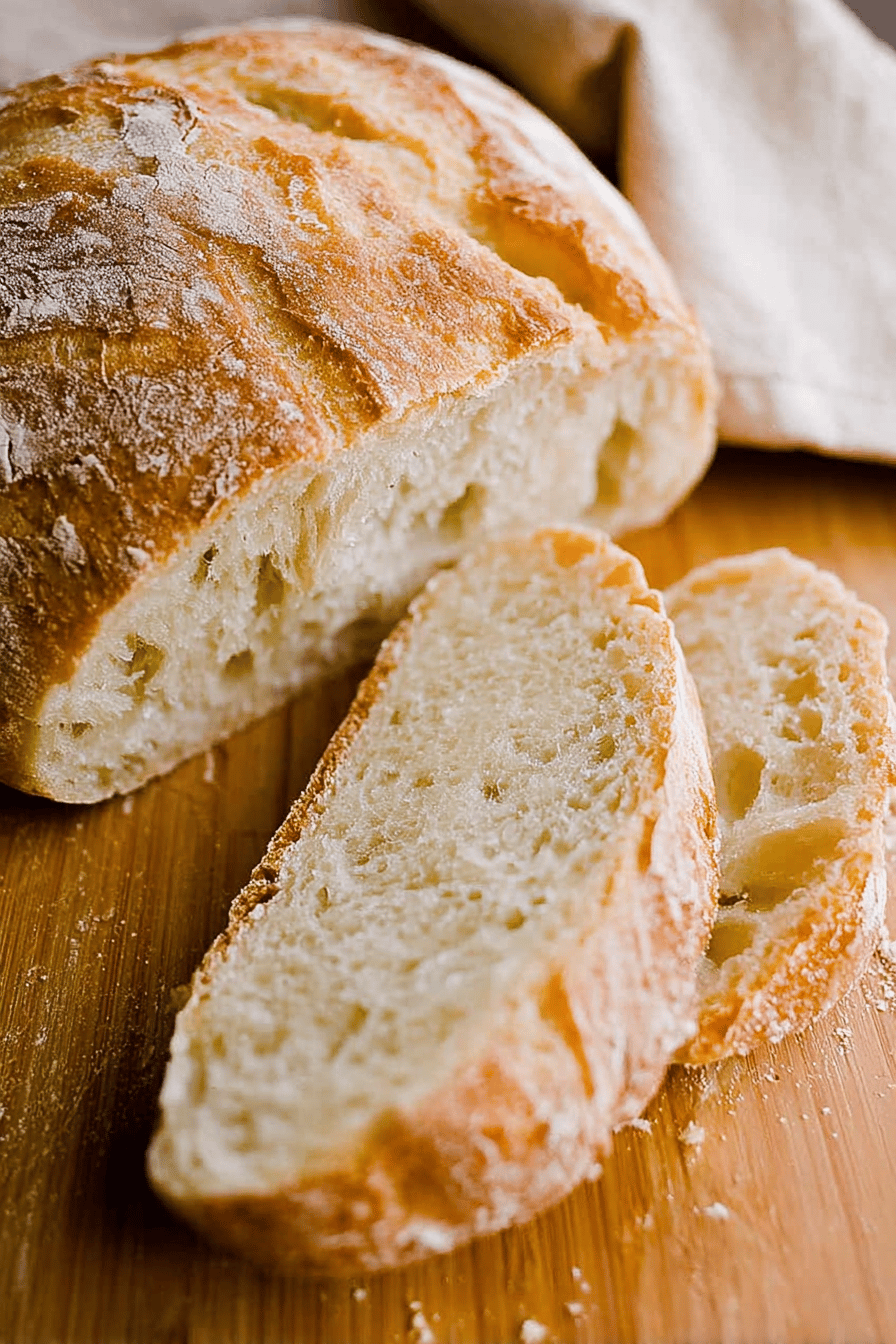
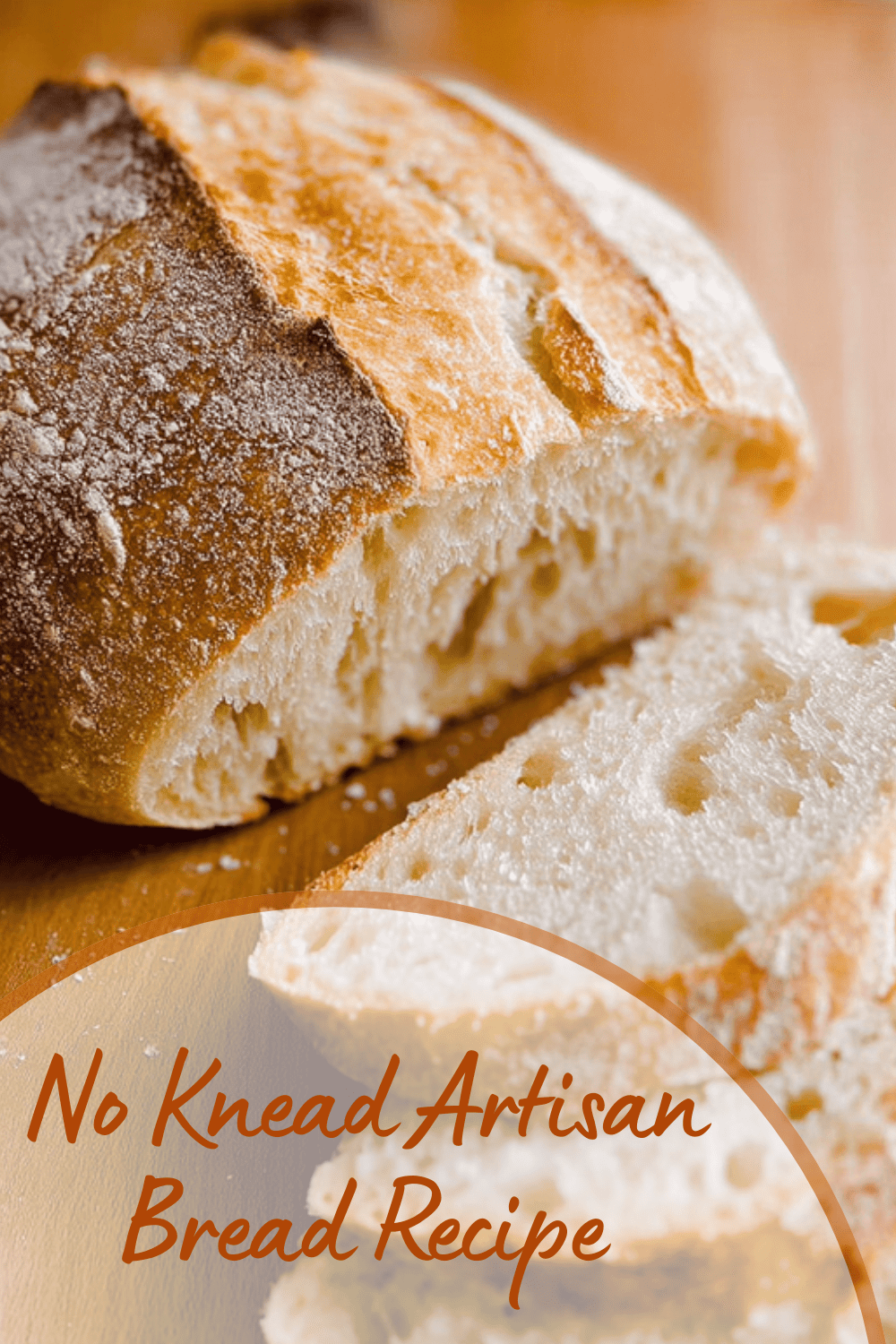
This no knead artisan bread recipe is a game-changer for anyone who wants fresh, homemade bread without the hassle. Imagine mixing a few simple ingredients and letting time do the work, resulting in a loaf with a crispy crust and airy inside that rivals professional bakeries. Whether you’re a busy parent juggling schedules or a baking enthusiast exploring new flavors, this bread fits right into your routine with its effortless preparation.
One of the biggest perks is how it promotes health through natural ingredients and a slow fermentation process. You get the benefits of better digestibility and nutrient absorption from the dough’s rise, all while avoiding artificial additives. Plus, it’s incredibly versatile, letting you tweak it for dietary needs, which makes it perfect for home cooks of all kinds.
This recipe delivers a distinctive flavor that sets it apart, thanks to the high hydration and fermentation that create a moist, flavorful crumb. It’s not just bread; it’s a fun, rewarding project that brings people together around the table. You’ll love how it pairs with everyday meals or special occasions, making it a staple in your kitchen.
Benefits for Different Lifestyles
For busy parents and working professionals, the minimal hands-on time means you can prepare the dough in advance and bake it later. Students and seniors will appreciate the simple steps that don’t require fancy tools. Food enthusiasts and travelers can experiment with flavors to suit their adventures, while baking lovers enjoy the satisfaction of a homemade loaf.
Expanding on its ease, this recipe only takes about 3 to 5 minutes of active time, with the rest handled by natural rising. That efficiency saves effort, allowing you to focus on what matters most. If you’re diet-conscious, the basic ingredients like flour, water, salt, and yeast keep it clean and adaptable.
Jump To
- 1. Why You’ll Love This No Knead Artisan Bread Recipe
- 2. Essential Ingredients for No Knead Artisan Bread Recipe
- 3. How to Prepare the Perfect No Knead Artisan Bread Recipe: Step-by-Step Guide
- 4. Dietary Substitutions to Customize Your No Knead Artisan Bread Recipe
- 5. Mastering No Knead Artisan Bread Recipe: Advanced Tips and Variations
- 6. How to Store No Knead Artisan Bread Recipe: Best Practices
- 7. FAQs: Frequently Asked Questions About No Knead Artisan Bread Recipe
- 8. No Knead Artisan Bread Recipe
Essential Ingredients for No Knead Artisan Bread Recipe
To make this no knead artisan bread, you’ll need high-quality ingredients that come together effortlessly. Each one plays a key role in creating that perfect texture and taste. Below is a structured list of all the ingredients, including precise measurements, to ensure your baking goes smoothly.
- 3 cups (450g) flour (bread or plain/all-purpose)
- 2 teaspoons instant or rapid-rise yeast (for active dry yeast, dissolve in water first)
- 2 teaspoons cooking or kosher salt (reduce to 1 ¼ teaspoons if using table salt)
- 1 ½ cups (375 ml) very warm tap water (up to 55°C/130°F)
- 1 ½ tablespoons flour for dusting
This list covers everything required, so you won’t miss a beat. For special dietary options, the standard recipe is naturally vegan, making substitutions easy. If you’re going gluten-free, swap the flour with a gluten-free blend and add xanthan gum for structure. For a low-calorie version, try whole wheat flour to boost fiber and lower the glycemic index, adjusting water as needed for the right consistency.
Why These Ingredients Work
Each ingredient contributes to the bread’s success: flour builds the base, yeast helps it rise, salt enhances flavor, and water activates everything. Using bread flour can give you a chewier texture with larger air pockets, while plain flour keeps it simple and accessible.
How to Prepare the Perfect No Knead Artisan Bread Recipe: Step-by-Step Guide
Getting started with this no knead artisan bread is as easy as mixing a few items in a bowl. Begin by combining 3 cups (450g) flour, 2 teaspoons instant or rapid-rise yeast, and 2 teaspoons cooking or kosher salt in a large bowl. Add 1 ½ cups (375 ml) of very warm tap water and stir with a wooden spoon until everything is fully mixed the dough will be wet and sloppy, which is exactly how it should be.
Once mixed, cover the bowl with cling wrap or a plate and let it rise in a warm spot, around 25-30°C (77-86°F), for about 2 hours or until it doubles in size and looks bubbly on top with a wobbly texture. If you want to boost the flavor, refrigerate the dough for 8 hours up to 3 days it’s optional but worth it. Before baking, if it’s been chilled, let it sit at room temperature for 45-60 minutes.
- Preheat your oven to 230°C/450°F and place a Dutch oven inside to heat for at least 30 minutes.
- Sprinkle your work surface with 1 ½ tablespoons flour, then scrape the dough onto it and lightly flour the top.
- Gently fold the sides inward about six times to shape it into a round, being careful not to deflate large bubbles.
- Flip the dough seam side down onto parchment paper, reshape slightly, and let it rest while the oven heats.
- Carefully transfer the dough with the parchment into the hot Dutch oven, cover, and bake for 30 minutes.
- Remove the lid and bake for another 12 minutes until it’s deep golden and crispy. Cool on a rack for 10 minutes before slicing.
This process takes about 42 minutes of baking time, with a total preparation including rising at around 2 hours minimum. If you’re adapting for gluten-free flour, you might need to tweak the water or baking time slightly. Remember, the dough’s wet nature is key to those big, airy holes, so avoid over-handling it.
For more ideas on complementary recipes, check out our bread casserole recipe that pairs perfectly with this bread.
Dietary Substitutions to Customize Your No Knead Artisan Bread Recipe
Making this bread your own is simple with a few tweaks. For protein and main component alternatives, use gluten-free flour blends with xanthan gum instead of traditional flour to handle gluten intolerance, and add seeds like chia or flax for a plant-based protein boost.
Protein and Main Component Alternatives
Consider using gluten-free flour blends substituted with xanthan gum to replace traditional wheat flour for gluten intolerance. For added protein, incorporate seeds such as chia or flax which are plant-based and vegan-friendly.
Vegetable, Sauce, and Seasoning Modifications
Enhance flavor by adding herbs like rosemary or thyme, which work for vegan and gluten-free versions. Swap salt with low-sodium blends for those watching their intake, or mix in roasted garlic and olives for a seasonal twist that keeps things exciting and adaptable.
Mastering No Knead Artisan Bread Recipe: Advanced Tips and Variations
Once you’re comfortable with the basics, take your no knead artisan bread to the next level with pro techniques. Using a preheated cast-iron Dutch oven is key for that perfect crispy crust, but if you don’t have one, try baking on a tray with a pan of boiling water to mimic the steam. Experiment with fun variations like adding sun-dried tomatoes, caramelized onions, or mixed herbs directly into the dough for unique flavors that surprise your taste buds.
Presentation is easy yet impressive: slice the bread diagonally and serve with spreads or oils for an artisanal feel. For busy days, prepare the dough ahead and refrigerate it to develop deeper flavors aim for 8 to 72 hours for the best results. The dough should stay wet and sticky, not runny, so adjust water or flour as needed to keep those large holes intact.
Other tips include using fresh yeast for reliable rising and embracing rustic shapes for extra crunch. If your dough rises too fast, pop it in the fridge; if it’s slow, find a warmer spot. This bread stays fresh for up to 2 days or freezes for 3 months, making it ideal for meal prep. For a great addition to your baking routine, try our cream French toast recipe to use this bread in creative ways.
| Tips Category | Details |
|---|---|
| Rising Time | Varies by temperature; refrigerate if too quick |
| Flavor Boost | Add herbs or refrigerate dough |
| Storage | Freeze for up to 3 months |
How to Store No Knead Artisan Bread Recipe: Best Practices
Keeping your freshly baked bread tasty is straightforward with the right methods. Store it in a paper bag or bread box at room temperature for up to 2 days to preserve that crispy crust. For longer storage, wrap the loaf tightly in plastic wrap and aluminum foil, then freeze for up to 3 months slice it first for easy portions.
To reheat, pop it in a 350°F (175°C) oven for 10-15 minutes wrapped in foil to bring back that fresh-baked feel. Meal prep wisely by making multiple loaves and freezing them separately, so you always have homemade bread on hand without the rush.
This simple storage hack keeps your bread as delicious as the day you made it, ensuring every slice is enjoyable.
FAQs: Frequently Asked Questions About No Knead Artisan Bread Recipe
What type of yeast works best for no-knead artisan bread?
This recipe works well with Instant Yeast (Rapid Rise) or Active Dry Yeast. Instant Yeast can be mixed directly with the flour, while Active Dry Yeast should be dissolved in warm water (around 100°F/38°C) before mixing. Both types produce similar results, but Instant Yeast is more convenient since it skips the proofing step. Avoid using fresh yeast unless you adjust quantities accordingly.
Can I bake no-knead artisan bread without a Dutch oven?
Yes, you can bake it without a Dutch oven. Use a heavy baking sheet and create steam in the oven by placing a shallow pan with hot water on the bottom rack during baking. This moisture helps develop a crispy crust similar to the effect of a Dutch oven.
How long should I refrigerate no-knead bread dough for better taste?
Refrigerate the dough for at least 8 hours and up to 72 hours. Longer refrigeration slows fermentation, allowing natural enzymes to break down starches into sugars, which deepens the flavor and improves the crumb texture.
How do I know when no-knead bread dough is ready to bake?
The dough should double in size, with a surface covered in bubbles and a jelly-like, wobbly texture. If it has visibly risen and feels aerated, it’s ready to shape and bake.
What flour should I use to get the best crumb and crust in no-knead artisan bread?
Bread flour is ideal because its higher protein content gives the bread a chewy texture and open crumb with large holes. All-purpose flour can be used but may result in a denser texture and less pronounced crust. Mixing some whole wheat flour can add flavor but may affect rise and texture.
No Knead Artisan Bread Recipe
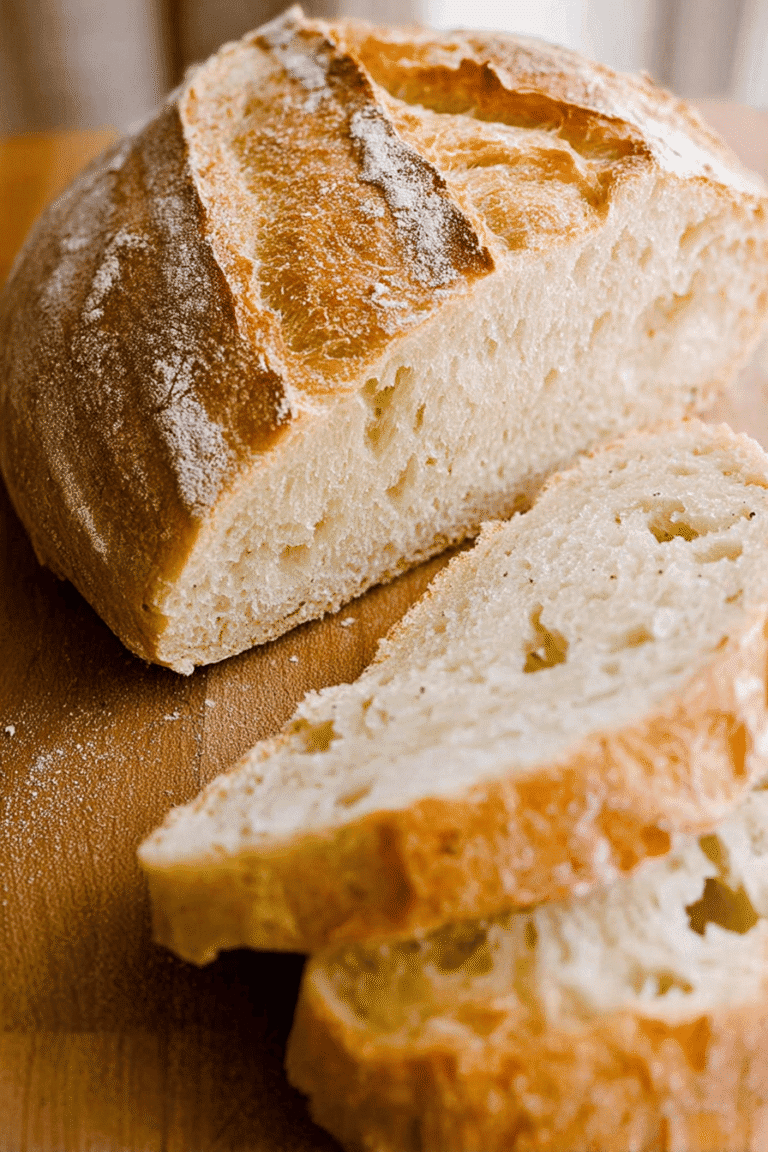
🍞 This no-knead artisan bread recipe makes homemade bread simple, delivering a delightfully crusty exterior and soft, chewy interior.
🔥 Perfect for baking enthusiasts seeking an easy method to achieve bakery-quality bread with minimal effort.
- Total Time: 2 hours 47 minutes (including cool down)
- Yield: 1 loaf (8 slices) 1x
Ingredients
3 cups (450g) flour (bread or plain/all-purpose)
2 teaspoons instant or rapid-rise yeast (for active dry yeast, dissolve in water first)
2 teaspoons cooking or kosher salt (reduce to 1 ¼ teaspoons if using table salt)
1 ½ cups (375 ml) very warm tap water (up to 55°C/130°F)
1 ½ tablespoons flour for dusting
Instructions
1-Preheat your oven to 230°C/450°F and place a Dutch oven inside to heat for at least 30 minutes.
2-Sprinkle your work surface with 1 ½ tablespoons flour, then scrape the dough onto it and lightly flour the top.
3-Gently fold the sides inward about six times to shape it into a round, being careful not to deflate large bubbles.
4-Flip the dough seam side down onto parchment paper, reshape slightly, and let it rest while the oven heats.
5-Carefully transfer the dough with the parchment into the hot Dutch oven, cover, and bake for 30 minutes.
6-Remove the lid and bake for another 12 minutes until it’s deep golden and crispy. Cool on a rack for 10 minutes before slicing.
Last Step:
Please leave a rating and comment letting us know how you liked this recipe! This helps our business to thrive and continue providing free, high-quality recipes for you.Notes
🌡️ Keep dough wet and sticky but not runny; adjust water or flour as necessary.
⏳ Use instant or rapid-rise yeast for best results; active dry yeast requires dissolving first.
🔥 Preheat Dutch oven thoroughly to create steam for a perfect crust. If unavailable, use a pan of boiling water in the oven to simulate steam.
- Prep Time: 5 minutes
- Rising time: 2 hours (up to 3 days refrigerated)
- Cook Time: 42 minutes
- Category: Bread, Artisan
- Method: No-knead, Baking
- Cuisine: American, Artisan
- Diet: Vegetarian
Nutrition
- Serving Size: 1 slice
- Calories: 155 kcal
- Sugar: 1 g
- Sodium: 469 mg
- Fat: 1 g
- Saturated Fat: 1 g
- Unsaturated Fat: Not specified
- Trans Fat: 0 g
- Carbohydrates: 32 g
- Fiber: 2 g
- Protein: 5 g
- Cholesterol: 0 mg