

Why You’ll Love This Mochi Waffles
If you have ever wondered what happens when a traditional new year’s cake meets a modern waffle iron, you are in for a treat. These Mochi Waffles offer a unique twist on the classic Nian Gao, delivering a texture that is simply impossible to achieve with standard all-purpose flour. When I first tried making this dish, I was surprised at how easy it was to get that perfect crispy edge while keeping the center chewy, just like the treat I grew up with. Whether you are a busy parent looking for a quick weekend breakfast or a food enthusiast eager to try something new, this recipe fits the bill perfectly.
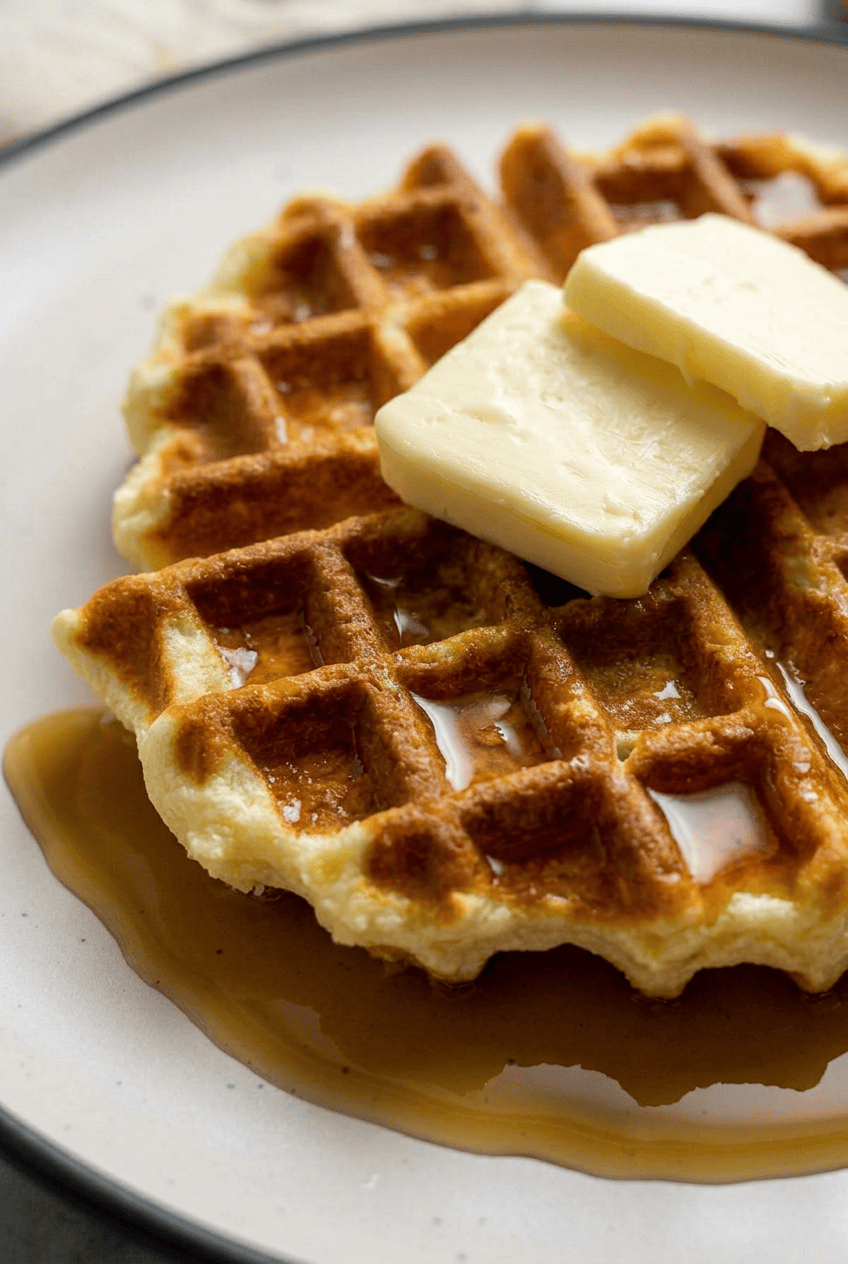
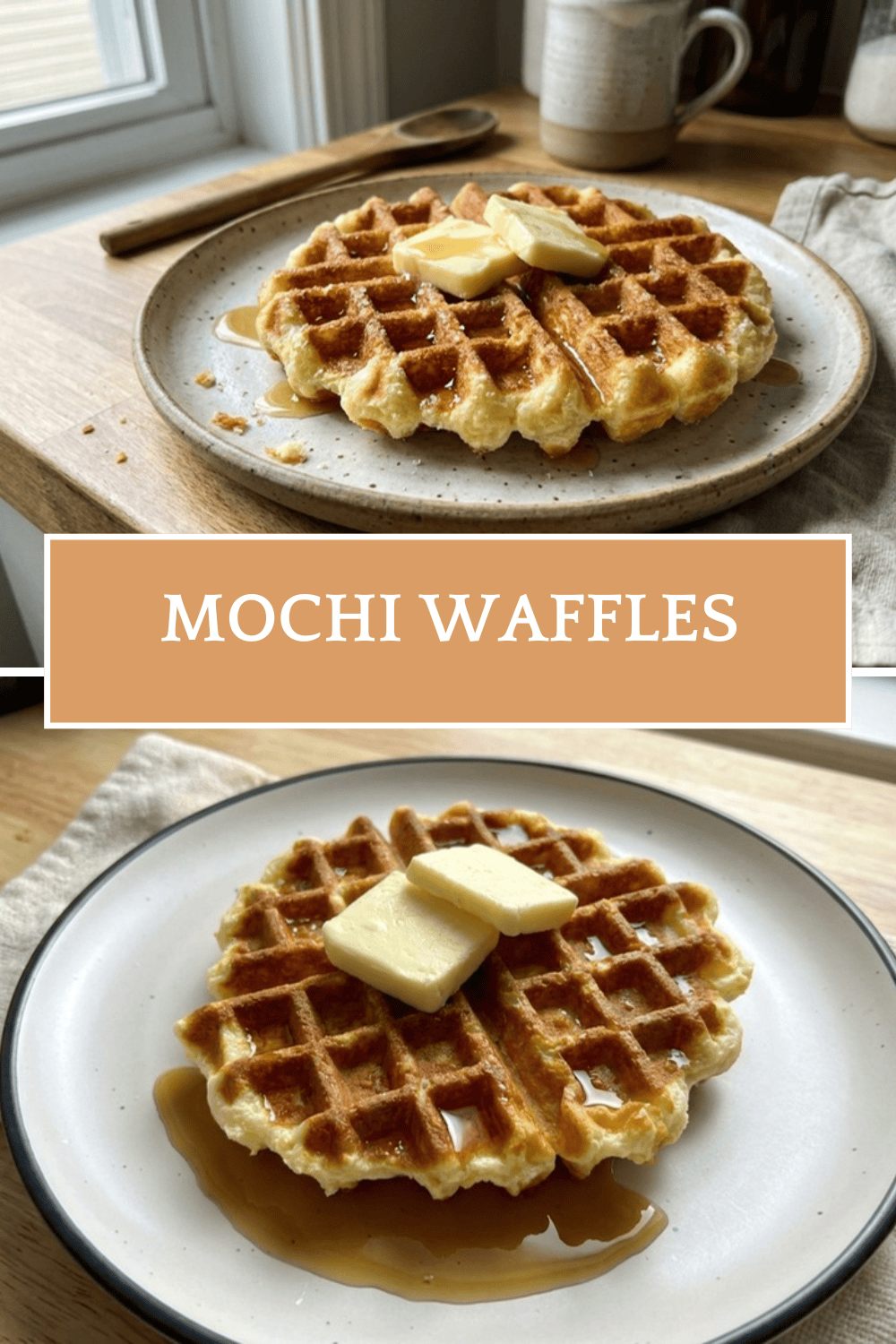
There is something incredibly satisfying about the contrast between the golden, crunchy exterior and the soft, sticky interior. It is a sensory experience that brings joy to the breakfast table. Plus, the aroma of ginger and coconut milk filling the kitchen while they cook is absolutely divine. If you enjoy exploring different breakfast textures as much as I do, you might also love our fluffy peach pancakes for a lighter, fruitier option.
- Ease of preparation: You do not need to be a professional baker to master this recipe. With a prep time of just 10 minutes and simple ingredients you likely have in your pantry, you can whip up a batch effortlessly. The process involves mixing, microwaving, and waffling, making it straightforward even for beginners.
- Health benefits: These waffles are naturally gluten-free, as they rely on glutinous rice flour rather than wheat. While they are an indulgent treat, using coconut milk adds a touch of healthy fats, and the recipe can be easily adapted to be vegan or dairy-free to suit various dietary preferences without sacrificing flavor.
- Versatility: This recipe is a fantastic canvas for your culinary creativity. It adapts well to different dietary needs, allowing for swaps like plant-based milk or egg substitutes. Furthermore, the flavor profile works beautifully with both sweet and savory toppings, making it suitable for any time of day.
- Distinctive flavor: The combination of dark brown sugar and ground ginger provides a warm, caramel-like depth that sets these waffles apart from the standard vanilla or buttermilk varieties. The chewy texture mimics authentic mochi, offering a delightful mouthfeel that keeps you coming back for another bite.
Jump To
- 1. Why You’ll Love This Mochi Waffles
- 2. Essential Ingredients for Mochi Waffles
- 3. How to Prepare the Perfect Mochi Waffles: Step-by-Step Guide
- 4. Dietary Substitutions to Customize Your Mochi Waffles
- 5. Mastering Mochi Waffles: Advanced Tips and Variations
- 6. How to Store Mochi Waffles: Best Practices
- 7. FAQs: Frequently Asked Questions About Mochi Waffles
- 8. Mochi Waffles
Essential Ingredients for Mochi Waffles
Creating the perfect texture requires specific ingredients that work together to create that signature chew. The star of the show is undoubtedly the glutinous rice flour, which is responsible for the stretchy, mochi-like consistency. It is important to note that despite the name, this flour is actually gluten-free, which is great news for those with sensitivities. I love using glutinous rice flour because it opens up a world of sweet glutinous rice flour recipes that you can explore in your kitchen.
Beyond the flour, the liquid ingredients play a crucial role. Full-fat canned coconut milk adds richness and helps create a tender crumb, while water balances the consistency. The melted butter contributes to the crispiness of the edges, and the egg helps bind the dough together. If you are looking for more breakfast inspiration, our cream french toast uses similar rich ingredients for a comforting meal.
Here is the structured list of ingredients you will need to gather before starting:
- 2 cups plus 2 tablespoons (227g) glutinous rice flour (not regular rice flour)
- 2 1/2 teaspoons (6g) ground ginger
- 1 teaspoon (4g) baking powder
- 1/2 teaspoon (2g) kosher salt or 1/4 teaspoon sea salt
- 3/4 cup plus 2 tablespoons (180g) packed dark brown sugar
- 3/4 cup plus 2 tablespoons (200ml) full-fat canned coconut milk
- 3/4 cup (177ml) water
- 4 tablespoons (56g) unsalted butter, melted
- 1 large egg
- Butter, oil, or cooking spray for greasing the waffle iron
Nutritional Information
It is always good to know what you are eating. Here is the breakdown for one waffle, so you can plan your meal accordingly:
| Nutrient | Amount per Waffle |
|---|---|
| Calories | 265 kcal |
| Carbohydrates | 41.7g |
| Protein | 2.7g |
| Fat | 10.5g |
| Saturated Fat | 7.5g |
| Cholesterol | 34mg |
| Sodium | 82mg |
| Fiber | 0.7g |
| Sugar | 20g |
Special Dietary Options
One of the best things about this recipe is how adaptable it is. Here are a few easy swaps to fit your lifestyle:
- Vegan: Swap the large egg for applesauce and use plant-based butter or coconut oil instead of unsalted butter.
- Gluten-free: Ensure your glutinous rice flour is certified gluten-free to avoid cross-contamination.
- Low-calorie: While the texture relies on sugar and fat, you can try reducing the sugar slightly or using a low-calorie sweetener, though this may alter the browning and texture slightly.
How to Prepare the Perfect Mochi Waffles: Step-by-Step Guide
Making these waffles involves a unique technique called par-cooking. Do not worry, it sounds more complicated than it is. This step is essential for transforming the batter into a dough that holds its shape in the waffle iron, ensuring you get those thick, satisfying waffles rather than a flat, crispy mess. The total time commitment is manageable, requiring just 10 minutes of prep, 50 minutes of cook time, and a 15-minute rest.
First Step: Mixing the Batter
Start by finding a large microwave-safe bowl. You want plenty of room because the batter will expand slightly as it cooks. Combine the glutinous rice flour, ground ginger, baking powder, salt, and packed dark brown sugar in the bowl. Whisk these dry ingredients together until they are well incorporated.
Next, pour in the wet ingredients: the full-fat canned coconut milk, water, melted unsalted butter, and the large egg. Stir everything together until the mixture is mostly smooth. It is perfectly okay, and actually expected, to have some tiny lumps remaining. Do not overwork it trying to get it perfectly smooth like a conventional batter. The lumps will dissolve during the cooking process.
Second Step: The First Microwave Interval
Place the bowl in the microwave and cook on high for 1 minute and 30 seconds. Once the timer goes off, open the microwave and give the batter a good stir. You will notice it starting to thicken already. This is the beginning of the transformation from a liquid batter to a mochi-like dough. Make sure to scrape down the sides and bottom of the bowl to incorporate any cooked edges into the center.
Third Step: The Second Microwave Interval
Return the bowl to the microwave and cook for another 1 minute and 30 seconds on high. Remove it and stir again vigorously. At this point, the texture will be significantly thicker and more elastic. You might see some parts that look solid and others that are still runny. This is normal. The goal is to distribute the heat evenly so the dough cooks uniformly.
Fourth Step: Final Cooking and Cooling
Microwave the mixture for a final interval of 1 minute and 30 seconds. By the end of this time, about 3/4 of the batter should have solidified. Stir the dough one last time to incorporate any runny portions into the cohesive dough. If it still looks too runny to scoop, heat it for an additional 30 seconds and stir again.
Once you have a thick, sticky dough, set it aside to cool. Let it rest uncovered for 10 to 15 minutes. This cooling period is crucial because it makes the dough easier to handle and portion. If you try to scoop it while it is piping hot, it will be too sticky and might tear.
Fifth Step: Heating the Waffle Iron
While the dough is cooling, get your waffle iron ready. Preheat it to medium heat. Because these waffles are high in sugar and starch, they can brown quickly, so medium heat is safer than high heat to prevent burning before the inside is cooked through. Grease the waffle iron plates thoroughly with butter, oil, or cooking spray. This is a sticky dough, so good greasing is essential to prevent it from sticking to the iron.
Sixth Step: Cooking the Waffles
Once the dough has cooled and the iron is hot, it is time to cook. Portion the dough using a scoop, about 1/3 to 1/2 cup per waffle. A #16 scoop works perfectly for this. Place the dough in the center of the iron and close the lid. Cook for at least 4 minutes. You want them to be a deep golden brown color. Cooking times vary based on your specific waffle iron, so keep an eye on the first batch.
Final Step: Serving and Storing
When the waffles are golden brown and crispy, carefully remove them from the iron. Transfer them immediately to a cooling rack. This step is important because placing them on a flat plate can trap steam and make them soggy. The cooling rack helps them stay crisp. Repeat the cooking process with the remaining dough. Store any leftovers in an airtight container to keep them fresh.
Dietary Substitutions to Customize Your Mochi Waffles
Cooking should be flexible and fun, accommodating what you have on hand and what your body needs. This recipe is quite forgiving and allows for several modifications without ruining the final product.
Protein and Main Component Alternatives
The primary structure of the waffle comes from the glutinous rice flour, so changing this flour is not recommended if you want the authentic mochi texture. However, you can modify the binding agents. If you do not eat eggs, you can swap the large egg for applesauce or a commercial egg replacer. For a vegan version, applesauce works wonderfully to keep the dough moist and bind the ingredients together. If you have leftover cooked Nian Gao from a previous celebration, you can actually slice that and press it into the waffle iron for a similar, albeit denser, result.
Vegetable, Sauce, and Seasoning Modifications
While the recipe calls for full-fat canned coconut milk, you can easily swap this for whole milk if you prefer a dairy-based option or do not have coconut milk on hand. The coconut milk adds a subtle sweetness and richness, but whole milk will still produce a delicious waffle. For the fat content, instead of unsalted butter, you can use a neutral oil like canola or vegetable oil, or even melted coconut oil to enhance the tropical flavor profile. If you want to get adventurous, you can even look at savory cheese mochi waffles for inspiration on how to turn this sweet treat into a savory meal by adjusting the seasonings.
Mastering Mochi Waffles: Advanced Tips and Variations
Once you have made the recipe a few times, you might want to experiment with different techniques or flavors to make it your own. Here are some expert tips to help you get the most out of your waffle maker.
Pro cooking techniques
The most critical technique for this recipe is the par-cooking method. Microwaving the batter thickens it into a mochi-like dough, which is the secret to the optimal waffle texture. If you skip this, the batter will just run out of the waffle iron. Remember that cooking times vary by microwave wattage and container, so rely on visual cues like the batter solidification rather than just the timer. If you do not have a microwave, you can steam the batter for 15 to 20 minutes as an effective alternative.
Flavor variations
While the ginger and brown sugar combination is classic, you can play around with add-ins. Consider folding in some chocolate chips or shredded coconut into the dough after it has cooled slightly. You can also serve the waffles with different toppings, like fresh berries, maple syrup, or even a scoop of ice cream. For a savory twist, try reducing the sugar in the batter and adding green onions and cheese, similar to the savory variations mentioned earlier.
Presentation tips
Serving these waffles looks beautiful when you stack them high. Dust them with a little powdered sugar or serve them with a side of fresh fruit to cut through the richness. Because they are so chewy and substantial, they can stand up to hearty toppings like stewed fruits or warm compotes.
Make-ahead options
For busy schedules, you can prepare the dough ahead of time. The par-cooked dough can be refrigerated overnight. Just give it a good stir before using it, as it may stiffen up in the fridge. If you want to halve the recipe for a smaller batch, use 1 full egg and proportionally adjust the sugar and ginger. Reduce the par-cooking time slightly since there is less volume to cook.
How to Store Mochi Waffles: Best Practices
One of the great things about Mochi Waffles is that they actually stay crisp for hours after cooking, unlike traditional flour waffles that can get limp. However, proper storage ensures they remain delicious for as long as possible.
Refrigeration
If you plan to eat the leftovers within a couple of days, store them in an airtight container or a zip-top bag at room temperature. They do well on the counter for about 2 days. If you need to keep them longer than that, or if your kitchen is very warm, place the container in the refrigerator.
Freezing
For long-term storage, freezing is the best option. Stack the cooked and cooled waffles with a sheet of parchment paper between each one to prevent them from sticking together. Place the stack in a freezer-safe bag. They can be frozen for up to 1 month. This makes them an excellent make-ahead breakfast option. Just pop a frozen waffle into the toaster when you are ready to eat.
Reheating
When it comes to reheating, the toaster is your best friend. Using a toaster reheats the waffle and crisps up the exterior again, preserving that delightful texture better than an oven, which can sometimes dry them out or make them tough. Avoid microwaving leftover waffles unless you want them to become soft and chewy again, losing their crisp edge.
Meal prep considerations
You can certainly batch cook these on a Sunday and have breakfast ready for the week. Because the dough is stable after par-cooking, you could even portion it out into scoops and freeze the raw dough balls, though cooking them fresh from the slightly refrigerated state usually yields the best texture.
FAQs: Frequently Asked Questions About Mochi Waffles
What are mochi waffles?
Mochi waffles are chewy, gluten-free waffles made with glutinous rice flour (like mochiko from short-grain sweet rice), giving them a sticky, stretchy texture similar to Japanese mochi. Unlike regular waffles, they have crispy edges and a soft, bouncy interior. Key ingredients include glutinous rice flour, sugar, eggs, milk, and butter. The batter is often par-cooked briefly in the microwave or steamed to thicken it, allowing for thicker waffles that hold their shape. They’re naturally gluten-free, making them popular for those avoiding wheat. Serve with butter, fresh fruit, whipped cream, or matcha ice cream. A standard recipe yields 4-6 waffles and takes about 30 minutes total. Store leftovers in an airtight container at room temperature for up to 2 days.
What’s the difference between mochi waffles and nian gao waffles?
Mochi waffles and nian gao waffles share a similar chewy texture but differ in the rice flour used. Mochi waffles typically use mochiko, a sweet rice flour from short-grain glutinous rice, which creates a smoother, stickier chew. Nian gao waffles use glutinous rice flour from long-grain glutinous rice, resulting in a slightly denser bite. Both rely on glutinous rice properties for chewiness, but mochiko often yields crispier edges. Recipes for mochi waffles emphasize par-cooking the batter for thickness, while nian gao versions might vary. Taste-wise, mochi waffles can incorporate flavors like matcha or red bean. Experiment by swapping flours 1:1, but expect minor texture shifts. This makes mochi waffles a great twist for Asian-inspired breakfasts.
Why par-cook mochi waffle batter in the microwave?
Par-cooking the mochi waffle batter in the microwave thickens it to a sticky, mochi-like paste, which lets you scoop more batter per waffle for thicker results with crispy edges and a chewy center. Without this step, the batter spreads too thin and lacks structure. Microwave 2-3 cups of batter for 2-3 minutes until it firms up (time varies by microwave wattage—stir halfway). This mimics steaming traditional mochi and prevents soggy waffles. After par-cooking, let it cool slightly before waffling. It’s a quick trick that improves texture dramatically. If doubling the recipe, par-cook in batches to avoid overflow. Users report perfect waffles every time with this method.
Can I make mochi waffles ahead of time or store them?
Yes, mochi waffles stay crisp for several hours after cooking—store at room temperature in an open container to maintain crunch. For longer storage, refrigerate in an airtight bag up to 2 days or freeze stacked with parchment paper for up to 1 month. Reheat in a toaster for best crispiness (avoid oven, as they soften). The par-boiled batter refrigerates overnight safely; stir before use and adjust cook time slightly. Halve recipes easily by using 1 whole egg and scaling sugar/ginger down 10%; par-cook time drops to 1-2 minutes. Prep batter ahead for quick breakfasts. They pair well with toppings like strawberries or azuki beans to refresh texture.
What if I don’t have a microwave for mochi waffles?
Steam the batter instead: place in a heatproof bowl over simmering water, cover, and steam 15-20 minutes until thick and translucent, stirring occasionally. Avoid direct stovetop cooking due to messy cleanup. For pre-cooked nian gao or mochi, cube leftovers and press into a greased waffle iron for 3-5 minutes until browned—texture will be chewier but still tasty. No egg waffle pan adjustments available, but standard irons work best at medium-high heat. These methods preserve the signature chew. Test small batches first. Steaming yields authentic results closest to the microwave method, ideal for thicker waffles everyone loves.

Mochi Waffles
🧇 Discover the perfect blend of crispy edges and chewy mochi center for an irresistible brunch treat.
🍡 Experience a fun twist on traditional Nian Gao, ideal for weekend indulgence with unique texture.
- Total Time: 1 hour 15 minutes
- Yield: 6 waffles
Ingredients
– 2 cups plus 2 tablespoons (227g) glutinous rice flour (not regular rice flour)
– 2 1/2 teaspoons (6g) ground ginger
– 1 teaspoon (4g) baking powder
– 1/2 teaspoon (2g) kosher salt or 1/4 teaspoon sea salt
– 3/4 cup plus 2 tablespoons (180g) packed dark brown sugar
– 3/4 cup plus 2 tablespoons (200ml) full-fat canned coconut milk
– 3/4 cup (177ml) water
– 4 tablespoons (56g) unsalted butter, melted
– 1 large egg
Instructions
1-First Step: Mixing the Batter Start by finding a large microwave-safe bowl. You want plenty of room because the batter will expand slightly as it cooks. Combine the glutinous rice flour, ground ginger, baking powder, salt, and packed dark brown sugar in the bowl. Whisk these dry ingredients together until they are well incorporated. Next, pour in the wet ingredients: the full-fat canned coconut milk, water, melted unsalted butter, and the large egg. Stir everything together until the mixture is mostly smooth. It is perfectly okay, and actually expected, to have some tiny lumps remaining. Do not overwork it trying to get it perfectly smooth like a conventional batter. The lumps will dissolve during the cooking process.
2-Second Step: The First Microwave Interval Place the bowl in the microwave and cook on high for 1 minute and 30 seconds. Once the timer goes off, open the microwave and give the batter a good stir. You will notice it starting to thicken already. This is the beginning of the transformation from a liquid batter to a mochi-like dough. Make sure to scrape down the sides and bottom of the bowl to incorporate any cooked edges into the center.
3-Third Step: The Second Microwave Interval Return the bowl to the microwave and cook for another 1 minute and 30 seconds on high. Remove it and stir again vigorously. At this point, the texture will be significantly thicker and more elastic. You might see some parts that look solid and others that are still runny. This is normal. The goal is to distribute the heat evenly so the dough cooks uniformly.
4-Fourth Step: Final Cooking and Cooling Microwave the mixture for a final interval of 1 minute and 30 seconds. By the end of this time, about 3/4 of the batter should have solidified. Stir the dough one last time to incorporate any runny portions into the cohesive dough. If it still looks too runny to scoop, heat it for an additional 30 seconds and stir again. Once you have a thick, sticky dough, set it aside to cool. Let it rest uncovered for 10 to 15 minutes. This cooling period is crucial because it makes the dough easier to handle and portion. If you try to scoop it while it is piping hot, it will be too sticky and might tear.
5-Fifth Step: Heating the Waffle Iron While the dough is cooling, get your waffle iron ready. Preheat it to medium heat. Because these waffles are high in sugar and starch, they can brown quickly, so medium heat is safer than high heat to prevent burning before the inside is cooked through. Grease the waffle iron plates thoroughly with butter, oil, or cooking spray. This is a sticky dough, so good greasing is essential to prevent it from sticking to the iron.
6-Sixth Step: Cooking the Waffles Once the dough has cooled and the iron is hot, it is time to cook. Portion the dough using a scoop, about 1/3 to 1/2 cup per waffle. A #16 scoop works perfectly for this. Place the dough in the center of the iron and close the lid. Cook for at least 4 minutes. You want them to be a deep golden brown color. Cooking times vary based on your specific waffle iron, so keep an eye on the first batch.
7-Final Step: Serving and Storing When the waffles are golden brown and crispy, carefully remove them from the iron. Transfer them immediately to a cooling rack. This step is important because placing them on a flat plate can trap steam and make them soggy. The cooling rack helps them stay crisp. Repeat the cooking process with the remaining dough. Store any leftovers in an airtight container to keep them fresh.
Last Step:
Please leave a rating and comment letting us know how you liked this recipe! This helps our business to thrive and continue providing free, high-quality recipes for you.Notes
🔥 Par-cook the batter in the microwave to achieve that signature mochi-like chewy texture.
⏲️ Adjust cooking times based on your microwave wattage and waffle iron for best results.
🧇 Reheat in a toaster to maintain crispiness rather than using an oven.
- Prep Time: 10 minutes
- Resting time: 15 minutes
- Cook Time: 50 minutes
- Category: Breakfast
- Method: Waffle
- Cuisine: Chinese
- Diet: Gluten-Free
Nutrition
- Serving Size: 1 waffle
- Calories: 265 kcal
- Sugar: 20g
- Sodium: 82mg
- Fat: 10.5g
- Saturated Fat: 7.5g
- Unsaturated Fat: 3g
- Trans Fat: 0g
- Carbohydrates: 41.7g
- Fiber: 0.7g
- Protein: 2.7g
- Cholesterol: 34mg


