

Why You’ll Love This Mini Carrot Cake
There’s something delightful about bite-sized desserts, and this mini carrot cake is no exception. Whether you’re planning a party, packing lunch boxes, or simply treating yourself, these little cakes pack all the flavor of traditional carrot cake in a perfectly portioned package.
- Ease of preparation: This mini carrot cake recipe comes together quickly with simple ingredients you likely have on hand. The batter whips up in just minutes, and because of their smaller size, these cakes bake faster than full-sized versions. You’ll have fresh, homemade treats ready to enjoy in under 30 minutes.
- Health benefits: Carrots are packed with beta-carotene and other essential nutrients. According to WebMD, carrots are excellent for eye health, skin health, and may even help reduce the risk of certain diseases. This recipe incorporates a substantial amount of grated carrots, making it a somewhat healthier option compared to other desserts.
- Versatility: These mini cakes can easily adapt to different dietary needs. They can be made with gluten-free flour for those with sensitivities, or substituted with plant-based ingredients for vegan options. The recipe can also accommodate various add-ins like walnuts, raisins, or pineapple to suit different preferences.
- Distinctive flavor: What makes this mini carrot cake truly special is the brown butter cream cheese frosting. The nutty, caramelized notes of brown butter perfectly complement the sweet, spiced cake. It’s a flavor combination that elevates this classic dessert while maintaining its comforting appeal.
These mini carrot cakes with brown butter cream cheese frosting are perfect for parties, lunchboxes, or afternoon tea. Their smaller size means everyone can enjoy a sweet treat without the guilt of a full-sized portion.
Jump To
- 1. Why You’ll Love This Mini Carrot Cake
- 2. Essential Ingredients for Mini Carrot Cake
- 3. How to Prepare the Perfect Mini Carrot Cake: Step-by-Step Guide
- 4. Dietary Substitutions to Customize Your Mini Carrot Cake
- 5. Mastering Mini Carrot Cake: Advanced Tips and Variations
- 6. How to Store Mini Carrot Cake: Best Practices
- 7. FAQs: Frequently Asked Questions About Mini Carrot Cake
- 8. Mini Carrot Cake
Essential Ingredients for Mini Carrot Cake
Main Ingredients:
For the Cakes:
- 1 cup all-purpose flour – Provides the structure and base for your mini cakes
- 1 teaspoon baking powder – Ensures the cakes rise properly and have a light texture
- 1/2 teaspoon baking soda – Works with the baking powder for proper leavening
- 1/2 teaspoon ground cinnamon – Adds warm, comforting spice flavor
- 1/4 teaspoon ground nutmeg – Complements the cinnamon and adds depth
- 1/4 teaspoon salt – Balances sweetness and enhances flavors
- 1/2 cup vegetable oil – Keeps the cakes moist and tender
- 1/2 cup packed brown sugar – Provides sweetness and moisture with a slight molasses flavor
- 2 large eggs – Bind the ingredients together and provide structure
- 1 teaspoon vanilla extract – Adds aromatic sweetness
- 1 cup finely grated carrots (about 2 medium) – The star ingredient that gives the cake its name, color, and moisture
- 1/4 cup crushed pineapple, drained – Adds extra moisture and a subtle fruity sweetness
- 1/4 cup chopped walnuts or raisins (optional) – Adds texture and flavor variation
For the Brown Butter Cream Cheese Frosting:
- 1/2 cup (1 stick) unsalted butter – Used to make the brown butter that gives the frosting its distinctive flavor
- 4 ounces cream cheese, softened – Creates the creamy base of the frosting
- 2 cups powdered sugar – Sweetens the frosting and creates the perfect spreading consistency
- 1 teaspoon vanilla extract – Enhances the overall flavor profile
- Pinch of salt – Balances the sweetness
Special Dietary Options:
Vegan:
- Substitute eggs with flax eggs (1 tablespoon ground flaxseed + 3 tablespoons water per egg)
- Use plant-based cream cheese and butter alternatives for the frosting
- Replace the cream cheese frosting with a vegan cashew-based cream frosting
Gluten-free:
- Replace all-purpose flour with a high-quality gluten-free flour blend (1:1 ratio)
- Ensure all other ingredients are certified gluten-free, especially the baking powder
- Add 1/2 teaspoon xanthan gum if your flour blend doesn’t contain it
Low-calorie:
- Reduce the amount of frosting or substitute with a lighter Greek yogurt-based topping
- Replace half of the oil with unsweetened applesauce
- Use a sugar substitute that measures like sugar
How to Prepare the Perfect Mini Carrot Cake: Step-by-Step Guide
Preparing the Ingredients
Before you begin, ensure all ingredients are at room temperature for the best results. This helps them combine smoothly and creates a more consistent texture. Preheat your oven to 350°F (175°C) and prepare your mini muffin tin by lining it with 24 paper liners or greasing it generously with cooking spray.
For the carrots, wash and peel them, then grate them using a box grater or food processor. Aim for a fine, consistent grate that will distribute evenly throughout the batter. If using walnuts, roughly chop them to size. Drain the crushed pineapple thoroughly to remove excess liquid that could make the batter too wet.
Making the Brown Butter
The secret to this exceptional frosting lies in the brown butter. In a light-colored saucepan, melt the 1/2 cup of butter over medium heat. As it melts, the butter will begin to foam and sizzle. Continue cooking, swirling the pan occasionally, until the milk solids at the bottom turn golden brown and the butter releases a nutty aroma. This usually takes about 5-7 minutes. Immediately remove from heat and pour into a heat-proof container. Refrigerate until solid again, then bring to room temperature before using in the frosting. This process creates those signature caramel notes that will make your cream cheese frosting unforgettable.
Mixing the Batter
In a medium bowl, whisk together the flour, baking powder, baking soda, cinnamon, nutmeg, and salt until well combined. This ensures all the dry ingredients are evenly distributed and prevents clumps of baking soda or powder in your finished cakes. In a separate, larger bowl, whisk the vegetable oil and brown sugar until smooth. Add the eggs one at a time, beating well after each addition. Stir in the vanilla extract.
Add the grated carrots and drained crushed pineapple to the wet ingredients and mix until well distributed. Pour the dry ingredients into the wet mixture and gently fold them together using a spatula or wooden spoon. Be careful not to overmix, which can make the cakes tough. Mix only until no flour streaks remain. If you’re adding walnuts or raisins, fold them in at this point.
Baking the Mini Cakes
Fill each mini muffin cup about 3/4 full with batter. An ice cream scoop or cookie scoop works perfectly for this, ensuring uniform portions. If you don’t have a scoop, you can use two spoons to drop the batter into the cups. Smooth the tops slightly with the back of a spoon for a more professional appearance.
Place the tin in the preheated oven and bake for 12-15 minutes. The cakes are done when the tops are lightly golden and a toothpick inserted into the center comes out clean or with just a few moist crumbs attached. Because of their small size, these mini cakes bake quickly, so start checking at the 12-minute mark to avoid overbaking.
Once baked, remove the tin from the oven and let the cakes cool in the pan for about 5 minutes. This brief resting period helps them set and makes them easier to remove. After 5 minutes, carefully transfer the cakes to a wire rack to cool completely. Warm cakes will cause the frosting to melt and slide off, so patience here is crucial for the best results.
Preparing the Frosting
While the cakes cool, prepare your brown butter cream cheese frosting. In a medium bowl, beat the room-temperature brown butter and softened cream cheese together until smooth and well combined. This usually takes about 2-3 minutes with an electric mixer on medium speed. Gradually add the powdered sugar, mixing on low speed initially to prevent it from flying out of the bowl. Once incorporated, increase the speed to medium and beat until smooth and fluffy, about 2 more minutes.
Add the vanilla extract and pinch of salt, then beat for another minute to fully incorporate. The frosting should be thick enough to hold its shape but spreadable. If it’s too stiff, add a teaspoon of milk or cream. If too thin, add more powdered sugar, a tablespoon at a time, until you reach the desired consistency.
Decorating Your Mini Carrot Cakes
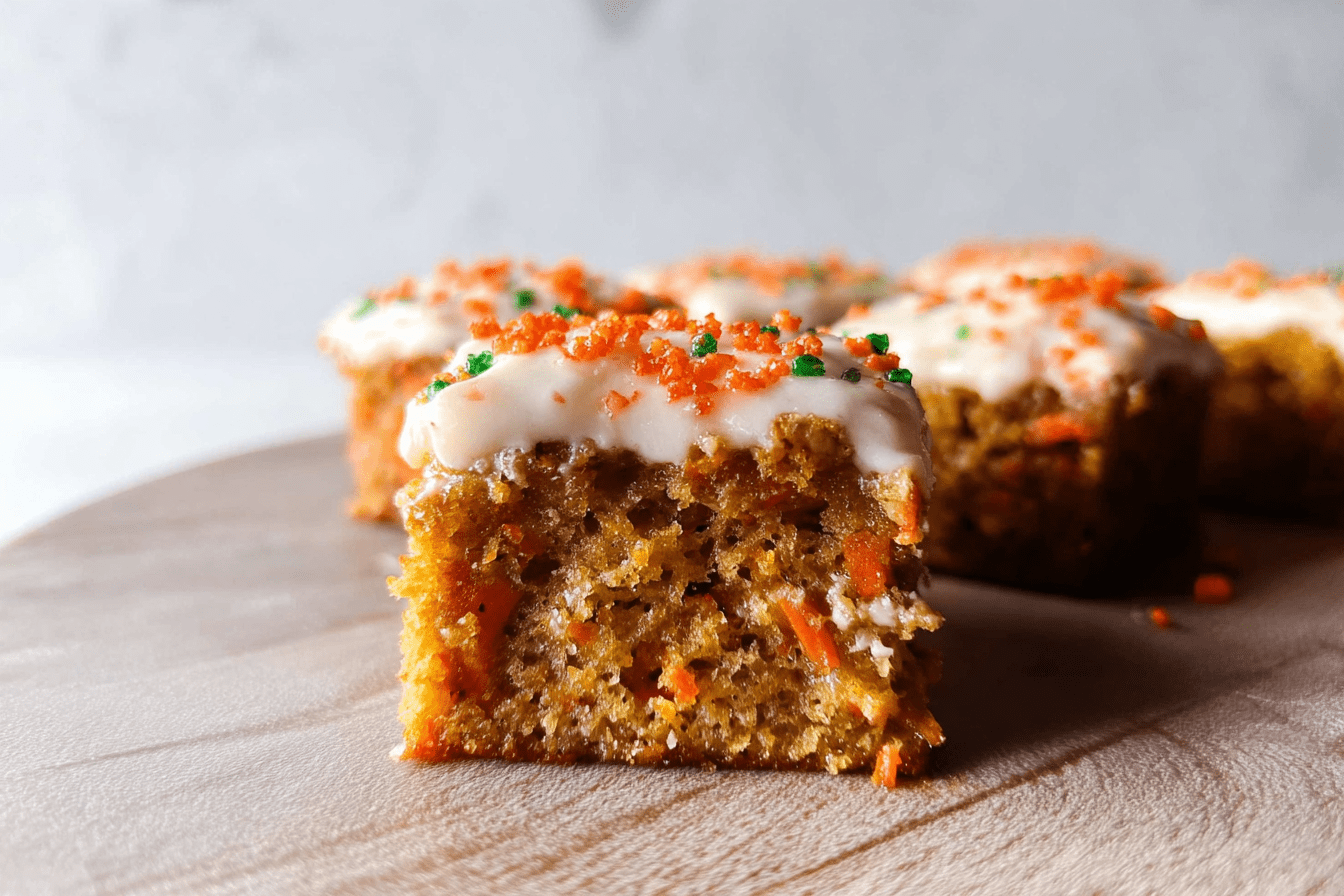
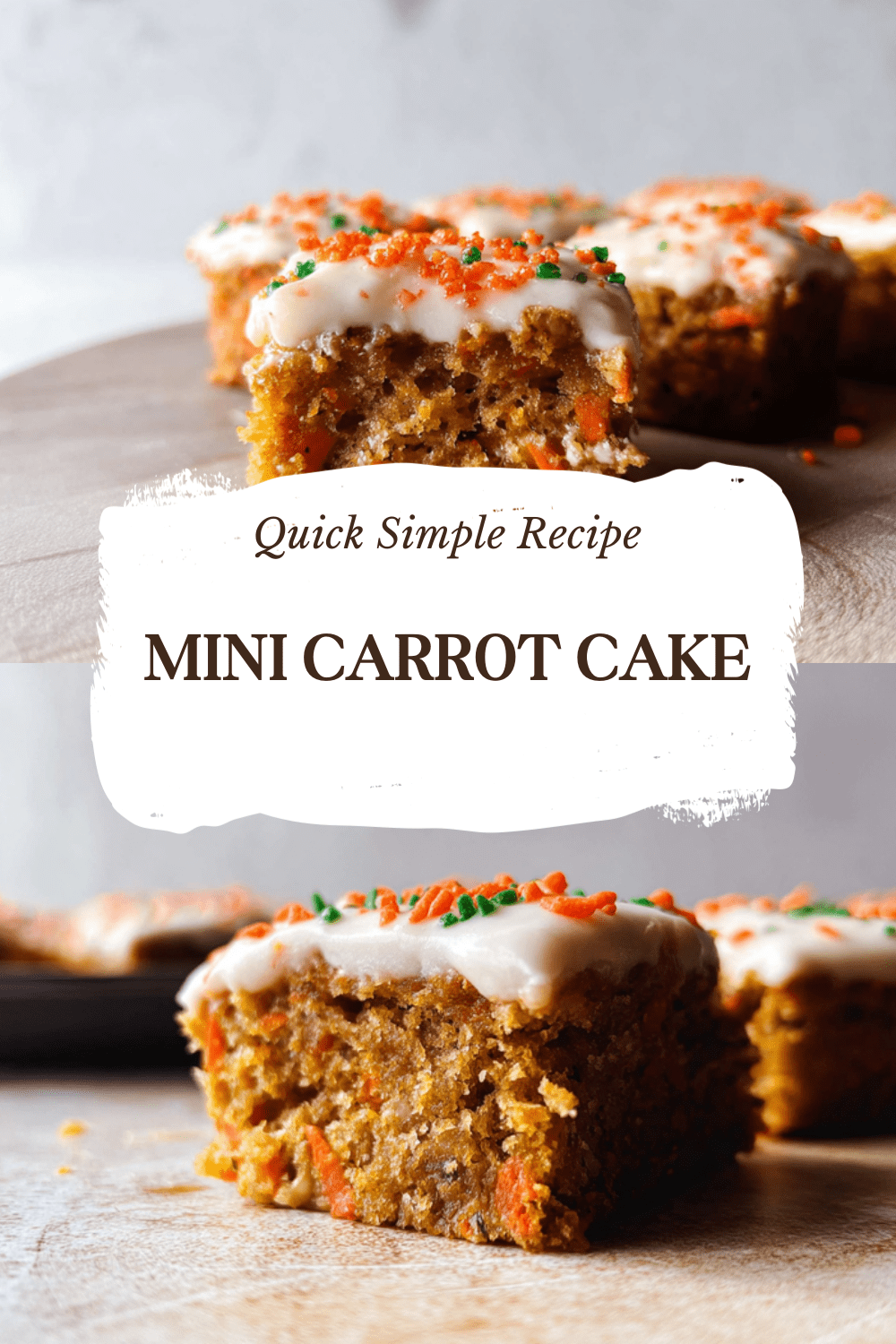
Once the cakes are completely cool, it’s time to frost them. You can spread the frosting with a small knife or offset spatula, or for a more polished look, pipe it using a piping bag fitted with a star tip. A dollop of frosting on each cake is sufficient, but feel free to add more if you prefer a generous layer.
For added visual appeal, consider garnishing with a small piece of candied carrot, a walnut half, a light dusting of cinnamon, or even a tiny sprig of mint. These finishing touches make your mini carrot cakes look as special as they taste.
Dietary Substitutions to Customize Your Mini Carrot Cake
Protein and Main Component Alternatives
If you’re looking to adjust the protein content or accommodate different dietary preferences, there are several substitutions you can try for the main components of this mini carrot cake recipe. For those avoiding eggs, flax eggs work exceptionally well in carrot cake due to the existing moisture from the carrots and pineapple. To make a flax egg, combine 1 tablespoon of ground flaxseed with 3 tablespoons of water and let it sit for 5 minutes until it thickens. Use this mixture as a direct replacement for each egg in the recipe.
For a protein boost, consider adding a scoop of vanilla or unflavored protein powder to the dry ingredients. This will increase the protein content without significantly altering the flavor. You may need to adjust the liquid slightly to maintain the proper batter consistency.
Nut allergies can be accommodated by simply omitting the walnuts or replacing them with seeds like pumpkin or sunflower seeds for a similar crunch. The brown butter component of the frosting can be made with any unsalted butter, including vegan butter alternatives for those following a plant-based diet.
Vegetable, Sauce, and Seasoning Modifications
The beauty of carrot cake lies in its versatility. While carrots are the star, you can incorporate other vegetables for different nutritional benefits and flavors. Consider adding a small amount of grated zucchini (about 1/4 cup) alongside the carrots for extra moisture and vitamins. The subtle flavor won’t overpower the cake but will add to its nutritional profile.
For the pineapple component, you can substitute with applesauce in equal amounts if you prefer not to use pineapple. This still provides moisture but with a different flavor profile that complements the warm spices beautifully. Alternatively, crushed banana can be used for a different twist on the classic flavor.
The seasoning blend can be customized to your taste preferences. If you’re a fan of spice, consider adding 1/4 teaspoon of ginger or allspice to the dry ingredients. For a more traditional taste, stick with the cinnamon and nutmeg combination. Those who enjoy cardamom might enjoy adding a pinch for an exotic note that pairs surprisingly well with carrots.
If you’re reducing sugar intake, you can decrease the brown sugar slightly and rely on the natural sweetness of the carrots and pineapple. Alternatively, try using a natural sugar substitute like coconut sugar or monk fruit sweetener designed for baking. These alternatives will affect the color and flavor slightly but can still produce delicious results.
Mastering Mini Carrot Cake: Advanced Tips and Variations
Pro Cooking Techniques
For the best results when making mini carrot cakes, temperature control is key. Ingredients should be at room temperature to ensure proper emulsification. When making the brown butter, use a light-colored pan so you can see the color change clearly. The goal is a deep golden color with a nutty aroma, not burnt. Once you achieve this, immediately pour it into a container to stop the cooking process.
When grating carrots, a food processor with the grating attachment will save time and create more uniform pieces than hand-grating. This consistency leads to a more even texture throughout the cake. However, if you prefer a more rustic look, hand-grating on the larger holes of a box grater creates visible carrot shreds that look appealing in the finished cakes.
For extra light cakes, separate the eggs and beat the whites until stiff peaks form, then gently fold them into the batter just before baking. This technique adds air to the batter, resulting in a fluffier texture. Be careful not to deflate the whites during folding, and work quickly to get them into the oven.
Flavor Variations
While this brown butter cream cheese frosting is exceptional, you can experiment with different flavor profiles. A maple syrup variation involves replacing some of the powdered sugar with pure maple syrup for a Vermont-inspired treat. Alternatively, a citrus version can be created by adding lemon or orange zest to the frosting for brightness that cuts through the richness.
For those who enjoy a touch of heat, adding a tiny pinch of cayenne pepper to the cake batter creates an unexpected depth that contrasts beautifully with the sweet frosting. Similarly, adding a tablespoon of espresso powder enhances the chocolate notes from the brown butter and creates a more complex flavor profile.
Consider incorporating different mix-ins beyond traditional walnuts and raisins. Pecans offer a sweeter, butterier crunch, while shredded coconut adds tropical notes and moisture. For a more decadent version, add chocolate chips or chopped dried fruits like cranberries or cherries for color and flavor contrast. If you’re looking for other chocolate dessert inspiration, our cherry chocolate cake offers another delicious option.
Presentation Tips
For professional-looking mini carrot cakes, consider investing in a piping bag and decorative tips. A Wilton 1M or 2D tip creates beautiful swirls that look impressive but require minimal effort. If piping isn’t your style, a simple offset spatula can be used to create smooth, professional-looking frosted tops.
For added elegance, consider using edible flowers as garnishes. Tiny pansies or violas in complementary colors add a sophisticated touch. Alternatively, a dusting of edible gold or silver glitter on the frosting creates a festive look perfect for special occasions.
Consistent sizing is crucial for a polished presentation. Using a portion scoop ensures all cakes are identical in size, which also means they’ll bake evenly. If you’re serving these at a party, consider arranging them on a tiered stand or decorative platter for maximum visual impact.
Make-Ahead Options
Mini carrot cakes are excellent for advance preparation. The unfrosted cakes can be made up to 3 days ahead and stored in an airtight container at room temperature. This actually allows the flavors to meld and intensify. They can also be frozen for up to 3 months, making them perfect for batch cooking.
The frosting can be prepared up to 5 days ahead and refrigerated in an airtight container. When you’re ready to use it, let it come to room temperature and whip it briefly to restore its fluffy texture. For the freshest taste, frost the cakes just before serving, but they’ll still be delicious if frosted a day in advance.
For party planning, consider setting up a mini carrot cake bar with the unfrosted cakes and various toppings. Let guests frost and decorate their own cakes, which can be a fun interactive element for gatherings. This approach also solves any dietary restrictions as individuals can choose which elements to include on their personal creations.
How to Store Mini Carrot Cake: Best Practices
Refrigeration
Proper storage ensures your mini carrot cakes remain moist and delicious for as long as possible. Unfrosted cakes can be stored at room temperature in an airtight container for up to 2 days. The oil and carrots in the recipe help maintain moisture without the need for refrigeration. Place a piece of parchment paper between layers to prevent sticking if you need to stack them.
Once frosted with the cream cheese frosting, the cakes must be refrigerated due to the dairy content. Store them in an airtight container in a single layer to prevent the frosting from getting smudged. They’ll keep well in the refrigerator for up to 5 days. Before serving, let them sit at room temperature for about 15-20 minutes to soften slightly for the best texture and flavor.
Freezing
For longer storage, freezing is an excellent option. Unfrosted mini carrot cakes freeze beautifully for up to 3 months. First, let them cool completely, then wrap each one individually in plastic wrap. Place the wrapped cakes in a freezer-safe bag or container, removing as much air as possible to prevent freezer burn. Label with the date so you can track freshness.
If you need to freeze frosted cakes, first place them in the freezer uncovered until the frosting is firm (about 1 hour). Then wrap them individually in plastic wrap followed by foil. While possible, freezing frosted cakes may result in slight textural changes to the frosting upon thawing, so freezing unfrosted and frosting after thawing is recommended for the best quality.
The following table summarizes the storage options for your mini carrot cakes:
| Storage Method | Duration | Special Instructions |
|---|---|---|
| Room Temperature (Unfrosted) | Up to 2 days | Store in airtight container with parchment between layers |
| Refrigerator (Unfrosted) | Up to 5 days | Place in airtight container |
| Refrigerator (Frosted) | Up to 5 days | Store in single layer in airtight container |
| Freezer (Unfrosted) | Up to 3 months | Wrap individually in plastic wrap, then place in freezer bag |
| Freezer (Frosted) | Up to 3 months | Flash freeze until firm, then wrap individually in plastic and foil |
Reheating
While mini carrot cakes are delicious served at room temperature, you can gently warm them for a special treat. To refresh refrigerated cakes, microwave individual cakes for 5-10 seconds. This won’t fully heat them through but will take the chill off and slightly soften the frosting.
For frozen cakes, first thaw them overnight in the refrigerator. Then bring to room temperature for about 30 minutes before serving. Avoid thawing at room temperature as the temperature change may cause condensation to form, potentially making the cakes soggy.
If you prefer your cakes warm, you can place thawed cakes in a 300°F oven for 5-7 minutes. Watch carefully to ensure the frosting doesn’t melt. This approach creates a delightful contrast between the warm, spiced cake and cool frosting.
Meal Prep Considerations
Mini carrot cakes are excellent for meal prep due to their portion-controlled size. Make a batch on Sunday and enjoy them throughout the week as a special treat. They’re perfect for packing in lunchboxes or having as an afternoon snack. Their small size also makes them ideal for sharing, so consider making extra to bring to work or give as gifts.
For busy schedules, consider freezing a portion of your batch and keeping some unfrosted in the refrigerator. Frost only what you’ll eat within a few days, and thaw the frozen ones as needed. This approach ensures you always have fresh-tasting treats without feeling pressured to consume them all at once.
If you’re planning an event, mini carrot cakes can be made up to a month in advance. Freeze them unfrosted, then frost and decorate them a day or two before your gathering. This timeline allows for stress-free party planning while still serving bakery-quality treats.
FAQs: Frequently Asked Questions About Mini Carrot Cake
How do you make mini carrot cake cupcakes?
To make mini carrot cake cupcakes, preheat your oven to 350°F (175°C) and line a mini muffin tin with 24 paper liners. In a bowl, mix 1 cup flour, 1 tsp baking powder, ½ tsp baking soda, ½ tsp cinnamon, ¼ tsp nutmeg, and ¼ tsp salt. In another bowl, beat ½ cup vegetable oil, ½ cup brown sugar, 2 eggs, and 1 tsp vanilla until smooth. Stir in 1 cup grated carrots and ¼ cup crushed pineapple (drained). Fold in dry ingredients until just combined. Fill liners ¾ full and bake for 12-15 minutes, or until a toothpick comes out clean. Cool completely before frosting. This yields 24 minis, perfect for parties. Total time: 30 minutes. (92 words)
What ingredients do you need for mini carrot cake?
For a simple batch of 24 mini carrot cakes, gather these staples: 1 cup all-purpose flour, 1 tsp baking powder, ½ tsp baking soda, ½ tsp ground cinnamon, ¼ tsp nutmeg, ¼ tsp salt, ½ cup vegetable oil, ½ cup packed brown sugar, 2 large eggs, 1 tsp vanilla extract, 1 cup finely grated carrots (about 2 medium), and ¼ cup drained crushed pineapple for moisture. Optional add-ins: ¼ cup chopped walnuts or raisins. No mixer needed—just whisk wet and dry separately, then combine. These ingredients keep the cakes moist and flavorful without overpowering the carrot taste. Prep everything in under 10 minutes. (112 words)
How long do you bake mini carrot cakes?
Mini carrot cakes bake quickly due to their small size. For mini muffin tins (yielding bite-sized cupcakes), preheat to 350°F (175°C) and bake filled liners for 12-15 minutes. Test doneness with a toothpick—it should exit clean with moist crumbs. Avoid overbaking to prevent dryness; start checking at 12 minutes. If using a standard muffin tin for slightly larger minis, extend to 18-22 minutes at the same temperature. Factors like oven calibration and batter moisture affect timing, so adjust as needed. Cool in the tin for 5 minutes, then transfer to a rack. Freshly baked minis stay soft for days. (98 words)
How do you store mini carrot cakes?
Store unfrosted mini carrot cakes in an airtight container at room temperature for up to 2 days, or refrigerate for 5 days—they stay moist thanks to the carrots and oil. Frosted versions (especially cream cheese icing) must go in the fridge in a single layer, covered, for up to 5 days; bring to room temp before serving for best texture. For longer storage, freeze unfrosted minis in a freezer bag for up to 3 months—thaw overnight in the fridge and frost fresh. Label with dates to track freshness. This keeps them tasting just-baked without sogginess. (96 words)
Can you freeze mini carrot cake with cream cheese frosting?
Yes, but freeze unfrosted mini carrot cakes for best results, then add cream cheese frosting after thawing to avoid texture issues. Wrap cooled, unfrosted minis individually in plastic wrap, place in a freezer-safe bag, and freeze for up to 3 months. Thaw in the fridge overnight. For frosting, beat 4 oz softened cream cheese, ¼ cup butter, 1 cup powdered sugar, and ½ tsp vanilla until fluffy—pipe onto thawed cakes. If freezing frosted, use a sturdy container to prevent sticking, but expect slight softening upon thawing. This method preserves flavor and moisture perfectly for later enjoyment. (102 words)
Mini Carrot Cake
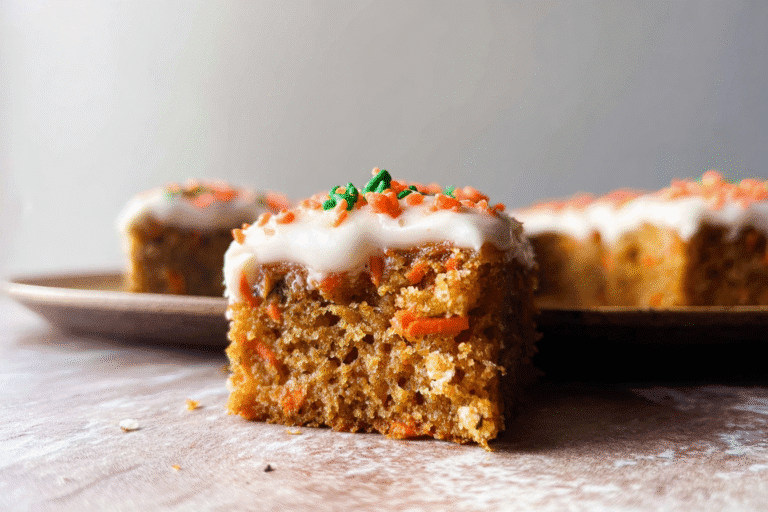
🥕 Delight in bite-sized portions of moist, spiced carrot cake packed with fresh carrots and warm flavors, perfect for parties or sweet treats without overindulging.
🍰 Elevate your dessert game with nutty brown butter cream cheese frosting that adds rich, caramelized depth to every mini cake.
- Total Time: 1 hour 13 minutes
- Yield: 24 mini cakes
Ingredients
– 1 cup all-purpose flour Provides the structure and base for your mini cakes
– 1 teaspoon baking powder Ensures the cakes rise properly and have a light texture
– 1/2 teaspoon baking soda Works with the baking powder for proper leavening
– 1/2 teaspoon ground cinnamon Adds warm, comforting spice flavor
– 1/4 teaspoon ground nutmeg Complements the cinnamon and adds depth
– 1/4 teaspoon salt Balances sweetness and enhances flavors
– 1/2 cup vegetable oil Keeps the cakes moist and tender
– 1/2 cup packed brown sugar Provides sweetness and moisture with a slight molasses flavor
– 2 large eggs Bind the ingredients together and provide structure
– 1 teaspoon vanilla extract Adds aromatic sweetness
– 1 cup finely grated carrots (about 2 medium) The star ingredient that gives the cake its name, color, and moisture
– 1/4 cup crushed pineapple, drained Adds extra moisture and a subtle fruity sweetness
– 1/4 cup chopped walnuts or raisins (optional) Adds texture and flavor variation
– 1/2 cup (1 stick) unsalted butter Used to make the brown butter that gives the frosting its distinctive flavor
– 4 ounces cream cheese, softened Creates the creamy base of the frosting
– 2 cups powdered sugar Sweetens the frosting and creates the perfect spreading consistency
– 1 teaspoon vanilla extract Enhances the overall flavor profile
– Pinch of salt Balances the sweetness
Instructions
1-Preparing the Ingredients: Before you begin, ensure all ingredients are at room temperature for the best results. This helps them combine smoothly and creates a more consistent texture. Preheat your oven to 350°F (175°C) and prepare your mini muffin tin by lining it with 24 paper liners or greasing it generously with cooking spray. For the carrots, wash and peel them, then grate them using a box grater or food processor. Aim for a fine, consistent grate that will distribute evenly throughout the batter. If using walnuts, roughly chop them to size. Drain the crushed pineapple thoroughly to remove excess liquid that could make the batter too wet.
2-Making the Brown Butter: The secret to this exceptional frosting lies in the brown butter. In a light-colored saucepan, melt the 1/2 cup of butter over medium heat. As it melts, the butter will begin to foam and sizzle. Continue cooking, swirling the pan occasionally, until the milk solids at the bottom turn golden brown and the butter releases a nutty aroma. This usually takes about 5-7 minutes. Immediately remove from heat and pour into a heat-proof container. Refrigerate until solid again, then bring to room temperature before using in the frosting. This process creates those signature caramel notes that will make your cream cheese frosting unforgettable.
3-Mixing the Batter: In a medium bowl, whisk together the flour, baking powder, baking soda, cinnamon, nutmeg, and salt until well combined. This ensures all the dry ingredients are evenly distributed and prevents clumps of baking soda or powder in your finished cakes. In a separate, larger bowl, whisk the vegetable oil and brown sugar until smooth. Add the eggs one at a time, beating well after each addition. Stir in the vanilla extract. Add the grated carrots and drained crushed pineapple to the wet ingredients and mix until well distributed. Pour the dry ingredients into the wet mixture and gently fold them together using a spatula or wooden spoon. Be careful not to overmix, which can make the cakes tough. Mix only until no flour streaks remain. If you’re adding walnuts or raisins, fold them in at this point.
4-Baking the Mini Cakes: Fill each mini muffin cup about 3/4 full with batter. An ice cream scoop or cookie scoop works perfectly for this, ensuring uniform portions. If you don’t have a scoop, you can use two spoons to drop the batter into the cups. Smooth the tops slightly with the back of a spoon for a more professional appearance. Place the tin in the preheated oven and bake for 12-15 minutes. The cakes are done when the tops are lightly golden and a toothpick inserted into the center comes out clean or with just a few moist crumbs attached. Because of their small size, these mini cakes bake quickly, so start checking at the 12-minute mark to avoid overbaking. Once baked, remove the tin from the oven and let the cakes cool in the pan for about 5 minutes. This brief resting period helps them set and makes them easier to remove. After 5 minutes, carefully transfer the cakes to a wire rack to cool completely. Warm cakes will cause the frosting to melt and slide off, so patience here is crucial for the best results.
5-Preparing the Frosting: While the cakes cool, prepare your brown butter cream cheese frosting. In a medium bowl, beat the room-temperature brown butter and softened cream cheese together until smooth and well combined. This usually takes about 2-3 minutes with an electric mixer on medium speed. Gradually add the powdered sugar, mixing on low speed initially to prevent it from flying out of the bowl. Once incorporated, increase the speed to medium and beat until smooth and fluffy, about 2 more minutes. Add the vanilla extract and pinch of salt, then beat for another minute to fully incorporate. The frosting should be thick enough to hold its shape but spreadable. If it’s too stiff, add a teaspoon of milk or cream. If too thin, add more powdered sugar, a tablespoon at a time, until you reach the desired consistency.
6-Decorating Your Mini Carrot Cakes: Once the cakes are completely cool, it’s time to frost them. You can spread the frosting with a small knife or offset spatula, or for a more polished look, pipe it using a piping bag fitted with a star tip. A dollop of frosting on each cake is sufficient, but feel free to add more if you prefer a generous layer. For added visual appeal, consider garnishing with a small piece of candied carrot, a walnut half, a light dusting of cinnamon, or even a tiny sprig of mint. These finishing touches make your mini carrot cakes look as special as they taste.
Last Step:
Please leave a rating and comment letting us know how you liked this recipe! This helps our business to thrive and continue providing free, high-quality recipes for you.Notes
🥄 Brown the butter carefully to avoid burning for the best nutty flavor.
🌿 Grate carrots finely for even distribution and moist texture in minis.
🎂 Store frosted cakes in an airtight container in the fridge for up to 5 days.
- Prep Time: 25 minutes
- Cooling Time: 30 minutes
- Cook Time: 18 minutes
- Category: Desserts
- Method: Baking
- Cuisine: American
- Diet: Vegetarian
Nutrition
- Serving Size: 1 mini cake
- Calories: 280 kcal
- Sugar: 22g
- Sodium: 190mg
- Fat: 16g
- Saturated Fat: 6g
- Unsaturated Fat: 9g
- Trans Fat: 0g
- Carbohydrates: 32g
- Fiber: 1g
- Protein: 3g
- Cholesterol: 45mg


