

Why You’ll Love This Meringue Cookies
Meringue cookies are a delightful treat that combines simplicity with elegance in every bite. These airy confections offer a satisfying crunch and a subtle sweetness that appeals to dessert lovers of all ages. Whether you’re a novice baker or an experienced chef, you’ll find this recipe approachable and rewarding.
Ease of Preparation
Creating these crispy meringue cookies requires minimal ingredients and basic equipment. You don’t need special culinary skills to achieve professional results. The entire process takes about 30 minutes of active preparation, followed by a hands-off baking time. This means you can enjoy impressive homemade treats without spending hours in the kitchen.
Health Benefits
Compared to many other desserts, meringue cookies offer a lighter option for health-conscious individuals. They’re naturally low in fat since they contain no butter or oil. The primary protein comes from egg whites, which provide high-quality protein with minimal calories. This makes them an excellent choice for those watching their fat intake while still satisfying their sweet tooth. For more information on the nutritional benefits of egg whites, you can check out egg whites versus whole eggs.
Versatility
The base recipe for meringue cookies adapts easily to various dietary needs and flavor preferences. They’re naturally gluten-free, making them suitable for those with gluten sensitivities. You can customize them with different extracts, food coloring, or add-ins to match any occasion or taste preference. From holiday themes to everyday treats, the possibilities are endless.
Distinctive Flavor
Meringue cookies offer a unique texture and flavor profile that sets them apart from other cookies. They’re light as air with a delicate sweetness that melts in your mouth. Their crispy exterior and slightly chewy center create a delightful contrast that makes them truly special. This simple combination of egg whites and sugar transforms into something magical through proper technique.
Jump To
- 1. Why You’ll Love This Meringue Cookies
- 2. Essential Ingredients for Meringue Cookies
- 3. How to Prepare the Perfect Meringue Cookies: Step-by-Step Guide
- 4. Dietary Substitutions to Customize Your Meringue Cookies
- 5. Mastering Meringue Cookies: Advanced Tips and Variations
- 6. How to Store Meringue Cookies: Best Practices
- 7. FAQs: Frequently Asked Questions About Meringue Cookies
- 8. Meringue Cookies
Essential Ingredients for Meringue Cookies
Creating perfect meringue cookies requires only a few basic ingredients, but the quality and precision with these ingredients make all the difference. Below you’ll find the exact measurements for our tested recipe.
Main Ingredients
- 3 large egg whites – The foundation of the meringue, providing structure and protein
- 1/4 teaspoon cream of tartar – Stabilizes the egg whites, helping them hold their shape
- 3/4 cup granulated white sugar – Provides sweetness and creates the crispy texture
- 1/2 teaspoon vanilla extract – Adds subtle flavor depth to the cookies
- Pinch of salt – Enhances the overall flavor profile
Special Dietary Options
Vegan Options
For those following a plant-based diet, aquafaba (the liquid from canned chickpeas) can replace egg whites. Use 6 tablespoons of aquafaba as a substitute for the 3 egg whites. The whipping time may be slightly longer, but the results are remarkably similar.
Gluten-Free Options
Traditional meringue cookies are naturally gluten-free as they contain no flour or wheat products. Simply ensure all your ingredients, especially any flavorings or add-ins, are certified gluten-free if you have severe gluten sensitivities or celiac disease.
Low-Calorie Options
To reduce calories further, you can substitute part of the sugar with a zero-calorie sweetener designed for baking. Replace up to half the sugar with your preferred sweetener, keeping in mind that some may alter the texture slightly.
How to Prepare the Perfect Meringue Cookies: Step-by-Step Guide
Follow these detailed instructions to create crispy, melt-in-your-mouth meringue cookies that will impress everyone who tries them. The key to success lies in proper technique and patience throughout the process.
Preparation
Before beginning, make sure your equipment is completely clean and free of any grease or residue, which can prevent the egg whites from reaching their full volume. Separate the eggs carefully, ensuring no yolk gets into the whites. Even a tiny amount of yolk can compromise the final result. Allow the egg whites to come to room temperature, which helps them achieve greater volume when whipped.
First Step: Preheat the Oven
Preheat your oven to 225°F (110°C). Line two baking sheets with parchment paper or silicone baking mats. Prepare a piping bag fitted with your choice of tip (a star tip creates pretty patterns, or simply cut a small opening in the bag for round cookies).
Second Step: Beat the Egg Whites
Place the egg whites in a clean, dry mixing bowl. Using an electric mixer on medium speed, beat the egg whites until they become frothy. Add the cream of tartar and continue beating until soft peaks form. The peaks should curl over when the beaters are lifted.
Third Step: Add Sugar Gradually
Increase the mixer speed to medium-high. Add the sugar one tablespoon at a time, allowing each addition to fully incorporate before adding the next. Continue beating until the sugar has completely dissolved. To test this, rub a small amount of the meringue between your fingers it should feel smooth, not gritty.
Fourth Step: Add Flavorings
Add the vanilla extract and salt. Beat on high speed until stiff, glossy peaks form. The meringue should stand up straight when the beaters are lifted, and the mixture should have a glossy, satin-like appearance.
Creating Different Shapes and Sizes
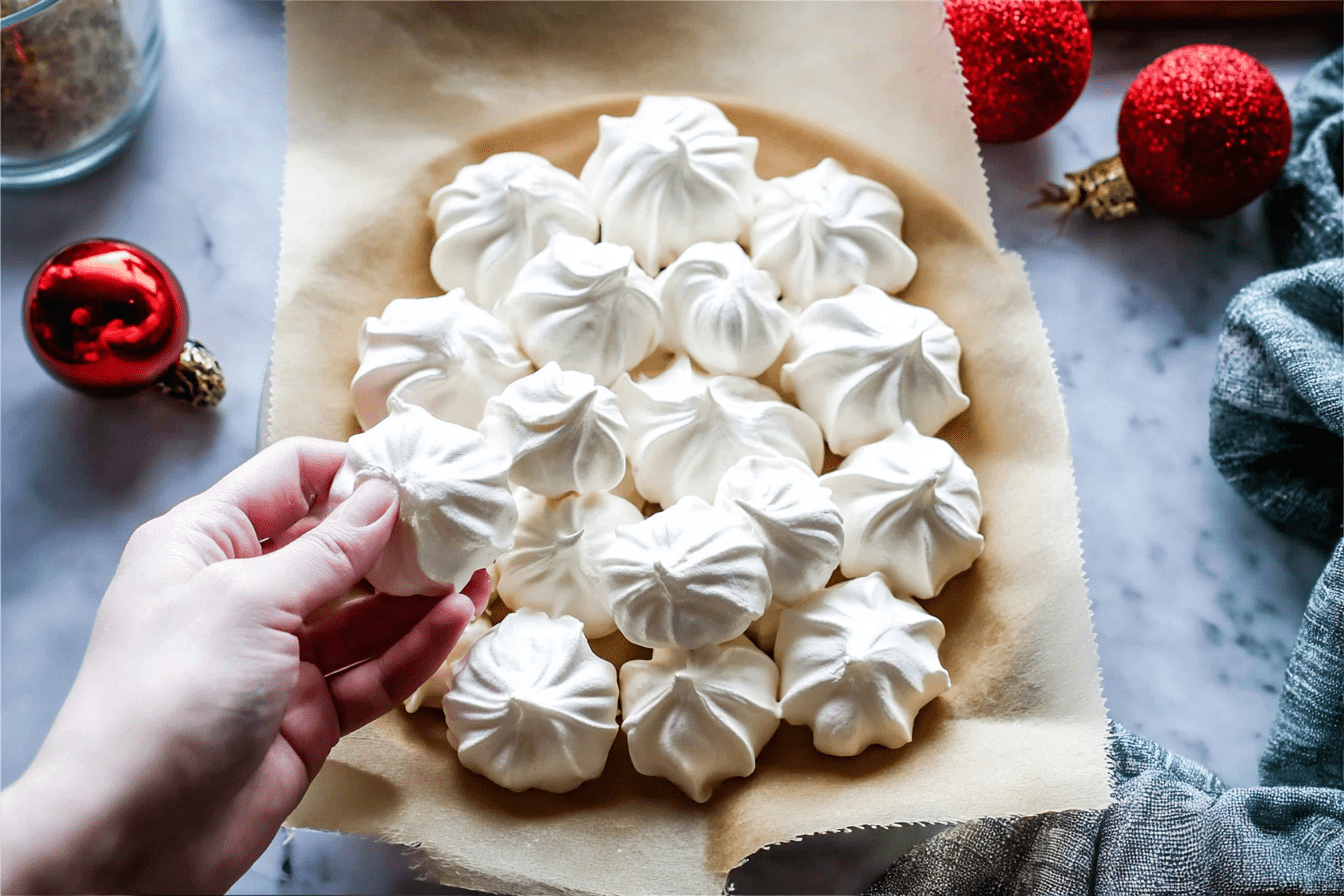
For traditional cookies, transfer the meringue to your prepared piping bag. Pipe the meringue onto the baking sheets in your desired shape and size, spacing them about an inch apart. For kisses, pipe small mounds about 1-2 inches in diameter. For nests, pipe a circle with slightly higher edges, then fill the center with the remaining meringue.
For a rustic approach, you can also simply drop spoonfuls of the meringue onto the baking sheets. This method creates charming, cloud-like cookies with a more homespun appearance.
Final Step: Bake and Cool
Place the baking sheets in the preheated oven. Bake for 1.5 to 2 hours, or until the meringues are dry to the touch and easily lift off the parchment paper. They should be crisp throughout, not just on the outside.
Turn off the oven and leave the meringues inside to cool completely, preferably overnight. This gradual cooling helps prevent cracking and ensures a perfectly crisp texture. Once cooled, store the meringues in an airtight container until ready to serve.
For a more detailed version of this recipe, you might want to check out this meringue cookie recipe for additional tips and variations.
Dietary Substitutions to Customize Your Meringue Cookies
Meringue cookies are naturally adaptable to various dietary needs and preferences. With a few simple substitutions, you can customize this recipe to accommodate specific requirements without sacrificing taste or texture.
Protein and Main Component Alternatives
While egg whites are the traditional foundation for meringue, several alternatives can produce similar results. For those with egg allergies or vegan preferences, aquafaba (chickpea brine) makes an excellent substitute. Simply use 3 tablespoons of aquafaba for each egg white replaced. The liquid from other canned beans can also work, though chickpea aquafaba tends to yield the most stable results.
For those following a specific macronutrient plan, you can add a scoop of your favorite unflavored protein powder to the mixture after the sugar has dissolved. This adds protein without significantly altering the texture or appearance. Be mindful that some protein powders may affect the sweetness level, so adjust accordingly.
Vegetable, Sauce, and Seasoning Modifications
The beauty of meringue lies in its versatility when it comes to flavors. While the classic recipe uses vanilla extract, you can experiment with numerous alternatives to create unique taste profiles:
- Replace vanilla with almond, lemon, orange, or peppermint extract for different flavor variations
- Add a tablespoon of citrus zest for brightness and visual appeal
- Incorporate instant coffee powder for a mocha flavor
- Mix in freeze-dried fruit powder for natural color and concentrated fruit flavor
- Add spices like cinnamon, cardamom, or nutmeg for warming flavors
For those looking to pair these meringues with other desserts, they complement fruit-based treats beautifully. Consider serving them alongside fresh cherry pie or crumbling them over cherry sorbet for added texture and contrast.
Mastering Meringue Cookies: Advanced Tips and Variations
Once you’ve mastered the basic meringue cookie recipe, you can elevate your results with these professional techniques and creative variations. These tips will help you achieve bakery-quality meringues consistently.
Pro Cooking Techniques
For the most stable meringue, use room temperature egg whites. If you forgot to take them out of the refrigerator in advance, place the whole eggs in a bowl of warm water for 5-10 minutes before separating. This small step makes a noticeable difference in volume and stability.
Humidity affects meringue significantly. On humid days, consider adding an extra 1/8 teaspoon of cream of tartar to help stabilize the whites. You can also bake the meringues for slightly longer at a lower temperature (200°F for 2-3 hours) to ensure they dry completely despite the moisture in the air.
For perfectly uniform cookies, use a template. Draw circles on the back of your parchment paper with a pen, then flip the paper over. Pipe the meringue within these circles for consistent size and shape.
Flavor Variations
The basic vanilla meringue is just the beginning. Try these delicious variations:
| Flavor | Additions |
|---|---|
| Chocolate Meringues | Fold in 2 tablespoons unsweetened cocoa powder after adding vanilla |
| Pistachio Meringues | Add 1/4 cup finely ground pistachios and 1/2 teaspoon almond extract |
| Coconut Meringues | Mix in 1/2 cup toasted coconut flakes after reaching stiff peaks |
| Lemon Meringues | Add 1 teaspoon lemon zest and replace vanilla with lemon extract |
| Raspberry Meringues | Swirl in 2 tablespoons raspberry preserves after achieving stiff peaks |
For a stunning presentation, create two-tone meringues by piping half the mixture in one color and flavor, then piping the second mixture in the center or in a contrasting pattern.
Presentation Tips
For elegant presentation, dip the cooled meringues partially in melted chocolate. Allow the chocolate to set on parchment paper before serving. You can also drizzle them with colored white chocolate for a festive appearance.
Edible glitter or shimmer dust adds a magical touch to meringues, especially for holidays or special occasions. Lightly brush the finished meringues with a mixture of water and luster dust for a pearl-like finish.
Make-Ahead Options
Meringue cookies store exceptionally well, making them perfect for advance preparation. You can make the cookies up to two weeks before serving if stored properly in an airtight container in a cool, dry place. They can also be frozen for up to a month, though the texture may become slightly less crisp upon thawing.
How to Store Meringue Cookies: Best Practices
Proper storage is essential for maintaining the crisp texture of your meringue cookies. Follow these guidelines to ensure your treats remain perfect until you’re ready to enjoy them.
Refrigeration
For short-term storage (up to two weeks), keep meringues at room temperature in an airtight container with a piece of parchment paper between layers to prevent sticking. Avoid refrigerating meringues unless necessary, as humidity in the refrigerator can cause them to become soft or sticky. If you must refrigerate them, place the container inside a larger sealed plastic bag with a silica gel packet to absorb excess moisture.
Freezing
For longer storage, meringues freeze beautifully for up to one month. Place them in a single layer in an airtight freezer-safe container with parchment paper between layers. For added protection, wrap the container in aluminum foil or place it inside a freezer bag to minimize exposure to moisture and odors from other foods. When ready to enjoy, allow them to thaw at room temperature in the container to prevent condensation from forming directly on the meringues.
Reheating
If your meringues have absorbed some moisture and lost their crispness, you can restore their texture by placing them in a preheated 200°F (95°C) oven for 10-15 minutes. Allow them to cool completely in the oven with the door slightly ajar before removing. This method helps evaporate absorbed moisture without over-browning the delicate meringues.
Meal Prep Considerations
Meringue cookies are excellent for batch cooking and meal prep. Consider making a large batch over the weekend to have treats ready for the week ahead. They make wonderful additions to lunch boxes, after-school snacks, or afternoon tea. Their long shelf life means you can always have an elegant dessert on hand without last-minute preparation.
FAQs: Frequently Asked Questions About Meringue Cookies
Print
Meringue Cookies
☁️ Delight in feather-light, crispy meringue cookies that dissolve on your tongue, naturally low-calorie and gluten-free for endless snacking.
🍬 Effortless to bake with pantry staples, customize flavors for holidays or tea time treats that impress without complexity.
- Total Time: 3 hours 15 minutes
- Yield: 40 cookies
Ingredients
– 3 large egg whites for structure and protein
– 1/4 teaspoon cream of tartar for stabilizing the egg whites
– 3/4 cup granulated white sugar for sweetness and crispy texture
– 1/2 teaspoon vanilla extract for flavor depth
– Pinch of salt for enhancing flavor
Instructions
1-Preparation: Before beginning, make sure your equipment is completely clean and free of any grease or residue, which can prevent the egg whites from reaching their full volume. Separate the eggs carefully, ensuring no yolk gets into the whites. Even a tiny amount of yolk can compromise the final result. Allow the egg whites to come to room temperature, which helps them achieve greater volume when whipped.
2-First Step: Preheat the Oven: Preheat your oven to 225°F (110°C). Line two baking sheets with parchment paper or silicone baking mats. Prepare a piping bag fitted with your choice of tip (a star tip creates pretty patterns, or simply cut a small opening in the bag for round cookies).
3-Second Step: Beat the Egg Whites: Place the egg whites in a clean, dry mixing bowl. Using an electric mixer on medium speed, beat the egg whites until they become frothy. Add the cream of tartar and continue beating until soft peaks form. The peaks should curl over when the beaters are lifted.
4-Third Step: Add Sugar Gradually: Increase the mixer speed to medium-high. Add the sugar one tablespoon at a time, allowing each addition to fully incorporate before adding the next. Continue beating until the sugar has completely dissolved. To test this, rub a small amount of the meringue between your fingers it should feel smooth, not gritty.
5-Fourth Step: Add Flavorings: Add the vanilla extract and salt. Beat on high speed until stiff, glossy peaks form. The meringue should stand up straight when the beaters are lifted, and the mixture should have a glossy, satin-like appearance.
6-Creating Different Shapes and Sizes: For traditional cookies, transfer the meringue to your prepared piping bag. Pipe the meringue onto the baking sheets in your desired shape and size, spacing them about an inch apart. For kisses, pipe small mounds about 1-2 inches in diameter. For nests, pipe a circle with slightly higher edges, then fill the center with the remaining meringue. For a rustic approach, you can also simply drop spoonfuls of the meringue onto the baking sheets. This method creates charming, cloud-like cookies with a more homespun appearance.
7-Final Step: Bake and Cool: Place the baking sheets in the preheated oven. Bake for 1.5 to 2 hours, or until the meringues are dry to the touch and easily lift off the parchment paper. They should be crisp throughout, not just on the outside. Turn off the oven and leave the meringues inside to cool completely, preferably overnight. This gradual cooling helps prevent cracking and ensures a perfectly crisp texture. Once cooled, store the meringues in an airtight container until ready to serve.
Last Step:
Please leave a rating and comment letting us know how you liked this recipe! This helps our business to thrive and continue providing free, high-quality recipes for you.Notes
❄️ Ensure bowl and utensils are spotless—any fat prevents whipping.
💨 Beat to stiff peaks for structure; underwhipped meringues deflate.
🌡️ Low slow bake is key for crispiness without browning.
- Prep Time: 15 minutes
- Baking & Cooling Time: 3 hours
- Cook Time: 2 hours
- Category: Desserts
- Method: Baking
- Cuisine: French
- Diet: Vegetarian
Nutrition
- Serving Size: 1 cookie
- Calories: 25 kcal
- Sugar: 6g
- Sodium: 20mg
- Fat: 0g
- Saturated Fat: 0g
- Unsaturated Fat: 0g
- Trans Fat: 0g
- Carbohydrates: 6g
- Fiber: 0g
- Protein: 0.5g
- Cholesterol: 0mg


