

Why You’ll Love This Meatloaf
There is something so comforting about a classic meatloaf recipe. It brings back memories of family dinners around the table, satisfying hungers with hearty, flavorful bites. This recipe stands out because it balances simplicity with incredible taste. You get a moist, tender loaf every single time without needing fancy techniques or hard-to-find ingredients.
- Ease of preparation: This meatloaf is surprisingly simple to make. With just 15 minutes of prep time, you can have it in the oven and baking in no time. The steps are straightforward, making it perfect for busy weeknights or a relaxed Sunday meal.
- Health benefits: Using quality ground beef provides a good source of protein and iron. By choosing 80% or 85% lean meat, you maintain moisture and flavor without excessive grease. It pairs perfectly with vegetables for a balanced meal.
- Versatility: This classic dish is incredibly adaptable. Whether you need a gluten-free option or want to swap in different spices, this meatloaf handles changes beautifully while still delivering delicious results.
- Distinctive flavor: The combination of sautéed onions, garlic, and a tangy ketchup glaze creates a flavor profile that is savory and slightly sweet. It is a taste that keeps everyone coming back for seconds.
Jump To
- 1. Why You’ll Love This Meatloaf
- 2. Essential Ingredients for Meatloaf
- 3. How to Prepare the Perfect Meatloaf: Step-by-Step Guide
- 4. Dietary Substitutions to Customize Your Meatloaf
- 5. Mastering Meatloaf: Advanced Tips and Variations
- 6. How to Store Meatloaf: Best Practices
- 7. FAQs: Frequently Asked Questions About Meatloaf
- 8. Meatloaf
Essential Ingredients for Meatloaf
Gathering the right components is the first step toward a delicious meal. This recipe uses standard pantry staples and fresh ingredients to build layers of flavor.
Main Ingredients
- 2 lbs ground beef (80% or 85% lean) – The foundation of the dish, providing richness and structure.
- 1 medium onion (finely chopped, about 1 cup) – Adds sweetness and depth to the meat mixture.
- 1 teaspoon salt – Enhances all the flavors in the loaf.
- 2 large eggs – Act as a binder to hold the meatloaf together.
- 3 garlic cloves (minced) – Provides a robust, aromatic flavor.
- 2 tablespoons ketchup – Adds moisture and a subtle tomato flavor to the base.
- 3 tablespoons fresh parsley (finely chopped) – Brings a fresh, herbal contrast to the savory meat.
- 3/4 cup Panko breadcrumbs or gluten-free breadcrumbs – Helps retain moisture and keeps the texture tender.
- 1/3 cup milk – Soaks into the breadcrumbs for extra softness.
- 1 teaspoon Italian seasoning or to taste – A convenient blend of herbs like oregano and basil.
- 1 teaspoon black pepper – Adds necessary heat and spice.
- 1/2 teaspoon ground black pepper – An additional measure of seasoning for perfect balance.
Meatloaf Glaze Ingredients
- 3/4 cup ketchup – The base for a tangy, sweet topping.
- 1 1/2 teaspoons white vinegar – Cuts the sweetness and adds a bit of zing.
- 2 tablespoons brown sugar – Creates a caramelized, sticky finish.
- 1/2 teaspoon garlic powder – Boosts the savory notes in the glaze.
- 1/2 teaspoon onion powder – Complements the garlic powder for rounded flavor.
Special Dietary Options
Gluten-free: Simply swap the Panko breadcrumbs for certified gluten-free breadcrumbs or crushed gluten-free crackers. This ensures the meal is safe for those with celiac disease or gluten sensitivity without sacrificing texture.
Low-calorie: To lighten the dish, use leaner ground beef or turkey. You can also increase the amount of vegetables in the mix to add volume and fiber with fewer calories.
How to Prepare the Perfect Meatloaf: Step-by-Step Guide
Making a great meatloaf is all about the process. Follow these steps carefully to ensure your loaf turns out moist, flavorful, and cooked to perfection.
First Step: Preparation and Mise en Place
Start by preheating your oven to 350°F. Line a rimmed baking sheet with parchment paper or foil to make cleanup easy. This setup helps the air circulate around the meatloaf, giving it a nice crust. Take your time to chop the onion and garlic finely so they distribute evenly throughout the meat.
Second Step: Sautéing the Aromatics
In a skillet, sauté the chopped onion in a teaspoon of oil for 5-7 minutes. You want them softened and golden. This step is crucial because raw onions can remain harsh and crunchy inside the loaf. Once cooked, set them aside to cool slightly before mixing. Adding hot onions to the meat can partially cook the eggs, so cooling is important.
Third Step: Mixing the Meat Mixture
In a large bowl, combine the ground beef, cooled onions, eggs, garlic, ketchup, parsley, breadcrumbs, milk, Italian seasoning, salt, and peppers. Here is a secret: mix the ingredients gently until just combined. Avoid overmixing the meat for tenderness and moisture. Overworking the proteins makes the loaf tough and rubbery. Your hands are the best tool here, but feel free to use a light touch.
Fourth Step: Shaping the Loaf
Transfer the mixture to your prepared baking sheet. Shape it into a loaf that is about 8 inches long, 4 inches wide, and 3 inches tall. Free-form baking on a sheet pan creates a crispier crust with better airflow, minimizing grey residue. Do not pack it down too tightly; keep it somewhat loose to allow heat to penetrate evenly.
Fifth Step: The Initial Bake
Place the baking sheet in the oven and bake uncovered for 40 minutes. This initial cook time sets the structure of the loaf. While it bakes, you can prepare the glaze. If you prefer a loaf pan, line it with parchment and bake at 375°F, adjusting time as needed.
Sixth Step: Applying the Glaze
In a small bowl, mix the glaze ingredients: 3/4 cup ketchup, white vinegar, brown sugar, garlic powder, and onion powder. Stir until smooth and the sugar is dissolved. After the meatloaf has baked for 40 minutes, remove it from the oven and spread the glaze evenly over the top and sides.
Final Step: Finishing and Resting
Return the meatloaf to the oven and bake for an additional 20 minutes. The glaze should be bubbling and caramelized. The internal temperature needs to reach 160°F for safety and optimal texture. Once done, remove it from the oven and let it rest for 10-15 minutes before slicing. This resting period allows the juices to redistribute, ensuring every slice is moist. Use a meat thermometer to check the temperature accurately. Serve warm and enjoy the fruits of your labor.
Pro Tip: For a variation, try serving this meatloaf with a side of hot water cornbread to soak up any extra juices and glaze.
Dietary Substitutions to Customize Your Meatloaf
One of the best things about this recipe is how adaptable it is. You can easily tweak ingredients to suit your dietary needs or what you have in your fridge.
Protein and Main Component Alternatives
While ground beef is traditional, you can certainly use other meats. Ground turkey or chicken makes for a lighter loaf, though you may need to add a little extra fat or moisture to prevent dryness. Mixing beef with pork is another fantastic option that adds flavor and juiciness. For a different twist, try using ground veal or a Italian sausage blend. If you are watching your fat intake, opting for leaner meats is a great choice, just remember to adjust the breadcrumbs slightly to bind it well. According to Verywell Fit, lean beef can indeed be part of a healthy diet when enjoyed in moderation.
Vegetable, Sauce, and Seasoning Modifications
Feel free to get creative with your add-ins. Finely diced bell peppers, carrots, or celery can be sautéed along with the onions for extra nutrition and texture. If you like a bit of heat, a dash of hot sauce or some red pepper flakes works wonders. Worcestershire sauce is a classic addition that deepens the savory notes. You can also experiment with different herbs like thyme or rosemary if Italian seasoning is not your favorite. For a tangy kick, try swapping the ketchup in the glaze for barbecue sauce or chili sauce. The possibilities are endless, so do not be afraid to make this recipe your own.
Mastering Meatloaf: Advanced Tips and Variations
Once you have mastered the basic recipe, there are always ways to improve your technique or try something new. These tips will help you take your meatloaf game to the next level.
Pro Cooking Techniques
For the ultimate texture, consider wrapping bacon slices over the top of the loaf before baking. The bacon renders its fat, basting the meat and adding a smoky crunch. Another technique is to bake meatloaf on a bed of sliced potatoes or onions, which keeps it off the pan and infuses the vegetables with savory flavor. Always remember to use a meat thermometer. This is the only way to guarantee your meatloaf is perfectly cooked without being dry. Aim for 160°F for beef mixes and 165°F if using poultry.
Flavor Variations
Changing the seasoning profile can completely transform the dish. Try a BBQ meatloaf by using a smoky barbecue sauce in the glaze and adding smoked paprika to the meat mix. For a cheese lovers version, mix shredded cheddar or mozzarella into the center of the loaf. A Tex-Mex style can be achieved by adding taco seasoning, corn, and black beans to the mixture. These variations keep the meal exciting and prevent dinner boredom.
Presentation Tips
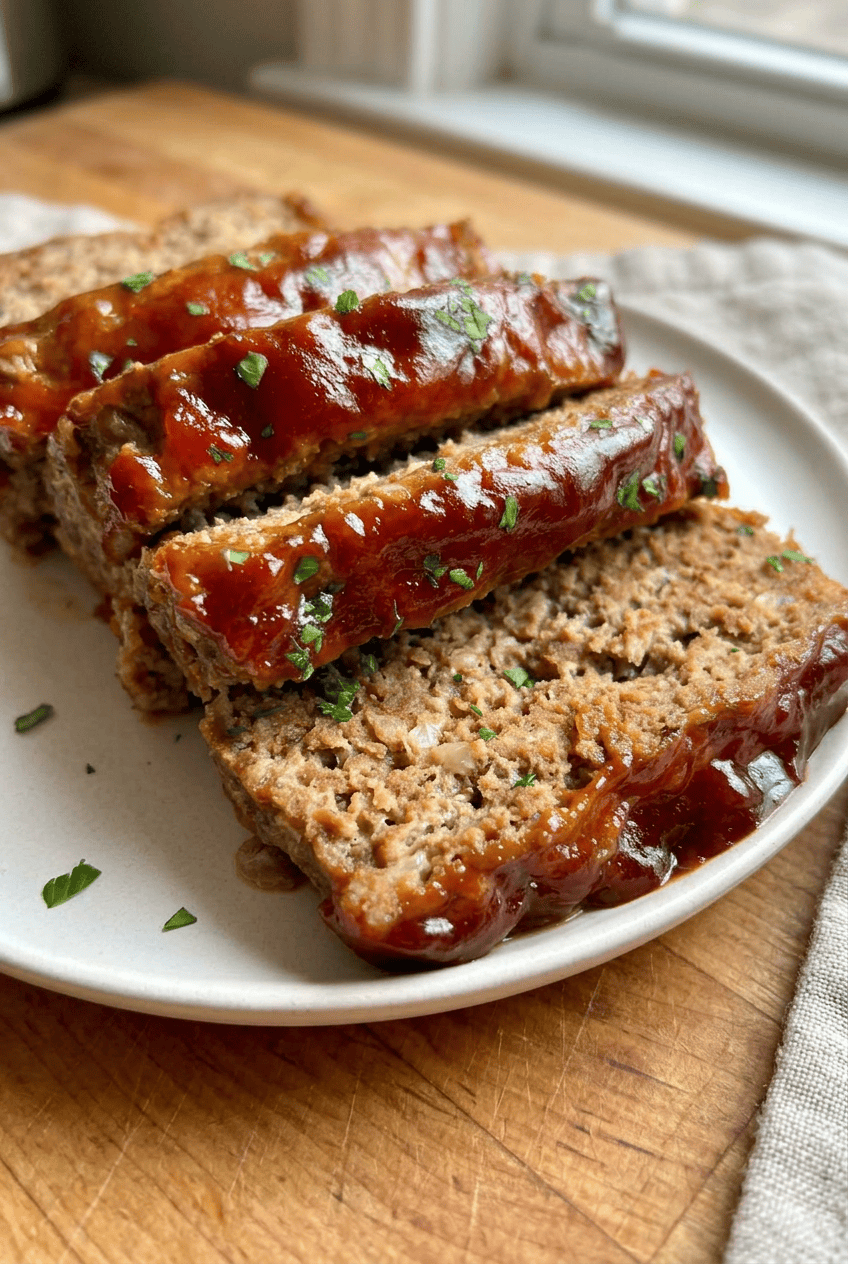
Plating meatloaf can be simple yet elegant. Slice the loaf into thick, even pieces and fan them out slightly on the plate. Garnish with fresh parsley or chives for a pop of color. A drizzle of extra glaze or a savory sauce on the side adds a professional touch. Serve it alongside classic sides like mashed potatoes and green beans for a complete meal.
Make-Ahead Options
Meatloaf is excellent for meal prep. You can assemble the raw loaf a day ahead and keep it covered in the refrigerator until you are ready to bake. You can also fully bake it, let it cool, wrap it tightly, and freeze it for up to three months. Simply thaw it overnight in the fridge and reheat gently in the oven. This makes weeknight dinners incredibly convenient.
How to Store Meatloaf: Best Practices
Proper storage ensures your leftovers remain safe and delicious. Here is how to handle your meatloaf after the meal is over.
Refrigeration
Allow the meatloaf to cool to room temperature before storing. Wrap it tightly in plastic wrap or aluminum foil, or place it in an airtight container. It will keep well in the refrigerator for 3 to 4 days. This makes it a great option for quick lunches or dinners later in the week.
Freezing
For longer storage, freezing is the way to go. Wrap the cooled meatloaf tightly in plastic wrap and then again in foil to prevent freezer burn. Label it with the date. It can be frozen for up to 3 months. When you are ready to eat, thaw it in the refrigerator overnight.
Reheating
To reheat, preheat your oven to 250°F. Place the slices on a baking sheet and cover them loosely with foil. Heat for about 20-30 minutes, or until warmed through. You can also microwave individual slices for a faster option, but the oven method helps retain the texture better.
Meal Prep Considerations
If you are cooking for the week, consider making a double batch. Slice one loaf for immediate meals and freeze the other whole or sliced. Having ready-to-eat portions in the freezer saves time and effort on busy days. Just remember to label everything clearly.
FAQs: Frequently Asked Questions About Meatloaf
What kind of ground beef is best for meatloaf?
For the best meatloaf, choose 80/20 or 85/15 ground beef, which means 80% or 85% lean meat with 20% or 15% fat. This fat content keeps the loaf moist and juicy during baking, preventing a dry texture. Super lean ground beef like 90/10 or 93/7 lacks enough fat, leading to tough results. Aim for 1.5 to 2 pounds for a standard recipe serving 6-8 people. Freshly ground chuck or a mix of chuck and sirloin works well for flavor. Pat the meat dry before mixing to avoid excess moisture. This simple choice makes a big difference in tenderness—test it next time for perfectly succulent slices. (92 words)
Can you substitute other meats for ground beef in meatloaf?
Yes, swap out some or all ground beef for turkey, pork, veal, or Italian sausage to vary flavors. A popular mix is half beef and half pork or turkey for leaner options with good taste. Use ground turkey cautiously as it’s drier—add extra breadcrumbs or an egg for binding. Italian sausage brings built-in seasoning but reduce added salt. For a classic combo, try the “meatloaf trio” of beef, pork, and veal. Always cook to safe temps: 160°F for beef/pork mixes, 165°F for turkey. Experiment in small batches first to match your preferences. These subs keep the loaf versatile and family-friendly. (98 words)
How do you keep meatloaf from drying out?
Prevent dry meatloaf by using 80/20 ground beef, not overmixing the ingredients, and sautéing onions, garlic, and veggies first to release moisture without steaming the meat. Add moisture boosters like milk-soaked breadcrumbs (1 cup breadcrumbs in ½ cup milk), one beaten egg per pound of meat, and Worcestershire sauce. Bake at 350°F without packing too tightly into the pan—form loosely for even cooking. Cover loosely with foil for the first half if needed. Check doneness at 160°F internal temp; resting 10 minutes post-bake redistributes juices. These steps yield a tender, flavorful loaf every time—avoid common pitfalls like lean meat or overhandling. (102 words)
Should I bake meatloaf in a loaf pan or on a sheet pan?
Bake meatloaf free-form on a foil-lined sheet pan for crispy edges, even cooking, and easy slicing—it drains fat naturally and finishes 10-15 minutes faster at 350°F. A loaf pan works for a softer, uniform shape but can trap grease, making it greasier; line it with parchment and bake at 325°F for 60-75 minutes. Sheet pan method suits 1.5 lbs of meat (about 50-60 minutes). Both need a 160°F internal temp. Sheet pan wins for texture and serving—glaze midway for caramelization. Choose based on preference, but try sheet for better results next bake. (96 words)
How do you know when meatloaf is done and safe to eat?
Use an instant-read meat thermometer for accuracy—beef meatloaf is done at 160°F internal temperature in the thickest center part; poultry versions hit 165°F. Visual cues like browned top and shrunk edges help, but temp is foolproof to avoid undercooking risks. Insert probe horizontally without touching pan. Bake at 350°F for 50-70 minutes depending on size; check after 45. Rest 10 minutes tented with foil before slicing—juices run clear, not pink. USDA guidelines confirm these temps kill bacteria safely. Pair with a ketchup glaze for the last 20 minutes. Always verify for perfect, safe meatloaf. (98 words)

Meatloaf
🍖🥘 Discover the ultimate classic meatloaf: moist, tender, and bursting with savory flavors from sautéed onions, herbs, and a sweet-tangy glaze.
🥘🍖 Family favorite ready in 1 hour 20 minutes – juicy slices every time, perfect for comforting dinners and leftovers!
- Total Time: 1 hour 20 minutes
- Yield: 8 servings
Ingredients
– 2 lbs ground beef (80% or 85% lean) for the foundation of the dish, providing richness and structure
– 1 medium onion (finely chopped, about 1 cup) for adding sweetness and depth to the meat mixture
– 1 teaspoon salt for enhancing all the flavors in the loaf
– 2 large eggs for acting as a binder to hold the meatloaf together
– 3 garlic cloves (minced) for providing a robust, aromatic flavor
– 2 tablespoons ketchup for adding moisture and a subtle tomato flavor to the base
– 3 tablespoons fresh parsley (finely chopped) for bringing a fresh, herbal contrast to the savory meat
– 3/4 cup Panko breadcrumbs or gluten-free breadcrumbs for helping retain moisture and keeps the texture tender
– 1/3 cup milk for soaking into the breadcrumbs for extra softness
– 1 teaspoon Italian seasoning or to taste for a convenient blend of herbs like oregano and basil
– 1 teaspoon black pepper for adding necessary heat and spice
– 1/2 teaspoon ground black pepper for an additional measure of seasoning for perfect balance
– 3/4 cup ketchup for the base for a tangy, sweet topping
– 1 1/2 teaspoons white vinegar for cutting the sweetness and adds a bit of zing
– 2 tablespoons brown sugar for creating a caramelized, sticky finish
– 1/2 teaspoon garlic powder for boosting the savory notes in the glaze
– 1/2 teaspoon onion powder for complementing the garlic powder for rounded flavor
Instructions
1-First Step: Preparation and Mise en Place Start by preheating your oven to 350°F. Line a rimmed baking sheet with parchment paper or foil to make cleanup easy. This setup helps the air circulate around the meatloaf, giving it a nice crust. Take your time to chop the onion and garlic finely so they distribute evenly throughout the meat.
2-Second Step: Sautéing the Aromatics In a skillet, sauté the chopped onion in a teaspoon of oil for 5-7 minutes. You want them softened and golden. This step is crucial because raw onions can remain harsh and crunchy inside the loaf. Once cooked, set them aside to cool slightly before mixing. Adding hot onions to the meat can partially cook the eggs, so cooling is important.
3-Third Step: Mixing the Meat Mixture In a large bowl, combine the ground beef, cooled onions, eggs, garlic, ketchup, parsley, breadcrumbs, milk, Italian seasoning, salt, and peppers. Here is a secret: mix the ingredients gently until just combined. Avoid overmixing the meat for tenderness and moisture. Overworking the proteins makes the loaf tough and rubbery. Your hands are the best tool here, but feel free to use a light touch.
4-Fourth Step: Shaping the Loaf Transfer the mixture to your prepared baking sheet. Shape it into a loaf that is about 8 inches long, 4 inches wide, and 3 inches tall. Free-form baking on a sheet pan creates a crispier crust with better airflow, minimizing grey residue. Do not pack it down too tightly; keep it somewhat loose to allow heat to penetrate evenly.
5-Fifth Step: The Initial Bake Place the baking sheet in the oven and bake uncovered for 40 minutes. This initial cook time sets the structure of the loaf. While it bakes, you can prepare the glaze. If you prefer a loaf pan, line it with parchment and bake at 375°F, adjusting time as needed.
6-Sixth Step: Applying the Glaze In a small bowl, mix the glaze ingredients: 3/4 cup ketchup, white vinegar, brown sugar, garlic powder, and onion powder. Stir until smooth and the sugar is dissolved. After the meatloaf has baked for 40 minutes, remove it from the oven and spread the glaze evenly over the top and sides.
7-Final Step: Finishing and Resting Return the meatloaf to the oven and bake for an additional 20 minutes. The glaze should be bubbling and caramelized. The internal temperature needs to reach 160°F for safety and optimal texture. Once done, remove it from the oven and let it rest for 10-15 minutes before slicing. This resting period allows the juices to redistribute, ensuring every slice is moist. Use a meat thermometer to check the temperature accurately. Serve warm and enjoy the fruits of your labor.
Last Step:
Please leave a rating and comment letting us know how you liked this recipe! This helps our business to thrive and continue providing free, high-quality recipes for you.Notes
🙅♂️ Gently mix ingredients just until combined to keep the meatloaf tender and prevent toughness.
🥄 Sauté onions first for softened texture and enhanced flavor without raw bite.
😴 Rest meatloaf 10-15 minutes post-bake for cleaner slices and maximum juiciness.
- Prep Time: 15 minutes
- Storage: Up to 4 days in refrigerator
- Cook Time: 1 hour 5 minutes
- Category: Main Course
- Method: Baking
- Cuisine: American
Nutrition
- Serving Size: 1/8 loaf
- Calories: 338 kcal
- Sugar: 10g
- Sodium: 667mg
- Fat: 19g
- Saturated Fat: 7g
- Unsaturated Fat: 9g
- Trans Fat: 1g
- Carbohydrates: 17g
- Fiber: 1g
- Protein: 24g
- Cholesterol: 119mg


