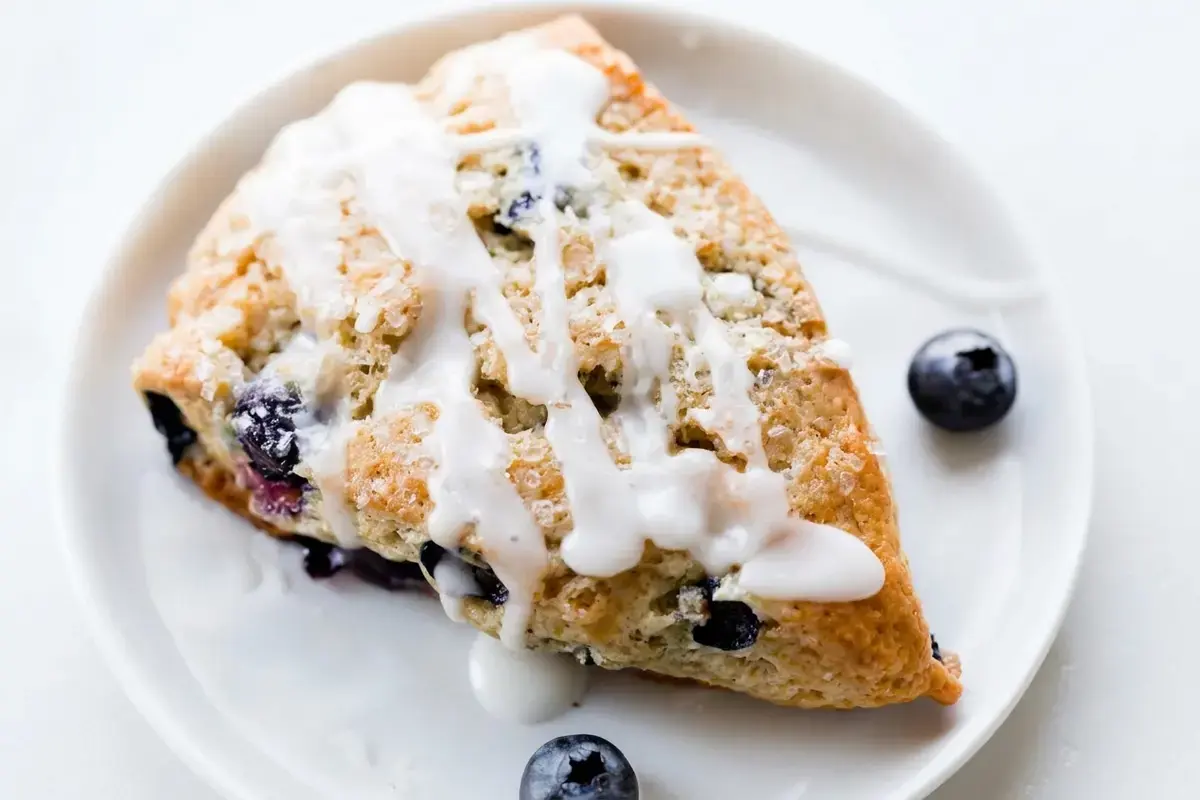
This master scone recipe is the one I come back to whenever I want a base that can go in almost any direction. Chocolate chips, fresh berries, shredded cheese with herbs, or a handful of toasted nuts all work because the dough underneath stays the same.
Master Scones Recipe For Flaky And Buttery Homemade Scones 33
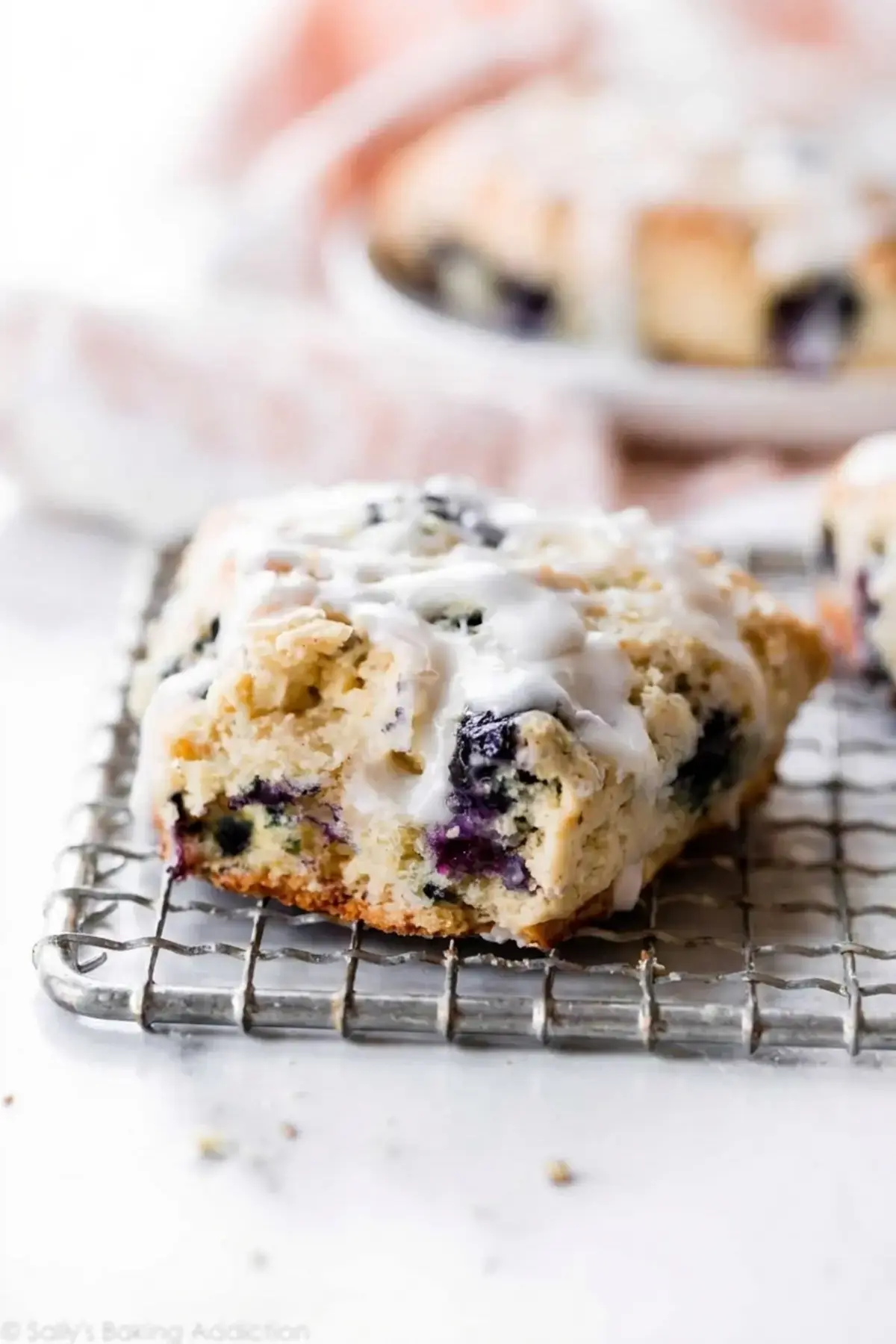
The results are flaky and moist with crisp, crumbly edges, the kind of pastry that turns an ordinary Saturday morning into something worth sitting down for. Several of my other scone recipes lean on this same basic formula, which is exactly why it is worth learning well.
Anyone who has bitten into a dry, bland scone knows the disappointment, and scones that spread too much in the oven lose their shape along with their texture. This formula is built to deliver crisp, buttery pastries with crumbly corners and a soft, flaky interior.
Master Scones Recipe For Flaky And Buttery Homemade Scones 34
You can jump straight to the ingredients and method if you are ready to bake, and the sections below walk through the fundamentals so you understand what each choice is doing.
The word scone means different things depending on where you are. English scones are closer to American biscuits, lighter in texture and often served split open with butter, jam, or clotted cream.
American scones are sweeter and heavier, with plenty of butter worked into the dough itself, which is why they are usually not buttered on top. A drizzle of vanilla icing or a dusting of confectioners sugar still works beautifully when you want something sweeter.
Scones are leavened with baking powder rather than yeast, which is what makes them quick. There is no rising time, no waiting for dough to double, and no proofing window to miss. You can mix, shape, chill, and bake them in about the time it takes to tidy up the counter.
Whatever flavor you choose, the target is the same. The finished scones should be moist and soft inside, crumbly at the edges, buttery and flaky, and never dry or sandpapery.
Readers who bake this recipe often tell me it is easy and foolproof, and several have reported reliably moist results with blueberry and with ham and cheese versions. That is exactly what I want from a master recipe. It should work the first time you try it and keep working when you start changing things.
Only 7 Ingredients in this Basic Scone Recipe
The list is short, seven to nine items depending on what you fold in, and none of it is hard to find. Here is the full lineup for the base dough, which makes 8 large scones or 16 smaller ones.
2 cups all purpose flour, spooned and leveled, plus more for your hands and work surface
1/2 cup granulated sugar
1/2 teaspoon salt
2 1/2 teaspoons baking powder
1/2 cup unsalted butter, frozen
1/2 cup heavy cream or buttermilk, plus 2 Tablespoons for brushing
1 large egg
1 1/2 teaspoons pure vanilla extract
1 to 1.5 cups add ins, such as chocolate chips, berries, nuts, or fruit
Coarse sugar for topping, optional
Flour is the backbone, and spooning then leveling keeps the measurement honest instead of packing in extra. Sugar sweetens the dough at about 1/2 cup. You can trim it slightly, though the flavor and texture shift a little when you do.
For savory scones, cut the sugar back to about 2 Tablespoons. Brown sugar works too, but whisk it into the wet ingredients so no lumps survive.
Master Scones Recipe For Flaky And Buttery Homemade Scones 35
Baking powder supplies the lift and salt supplies the flavor. Butter is the second most important ingredient after flour, and it is responsible for flakiness, flavor, crisp edges, and rise.
Use a thick liquid. Heavy cream is the standard choice and buttermilk adds a gentle tang, while thinner liquids lead to scones that are dry, bland, and flat. One egg adds flavor, lift, and structure.
Vanilla extract is optional but valuable in sweet scones, and you should leave it out for savory versions. Cinnamon is another optional addition that depends on the flavor you are building.
How to Make Scones from Scratch
The method is straightforward, and the only real skill is handling the dough gently. Prep takes about 30 minutes and baking takes about 25 minutes, so plan on about 1 hour from start to finish. Follow these steps in order.
Master Scones Recipe For Flaky And Buttery Homemade Scones 36
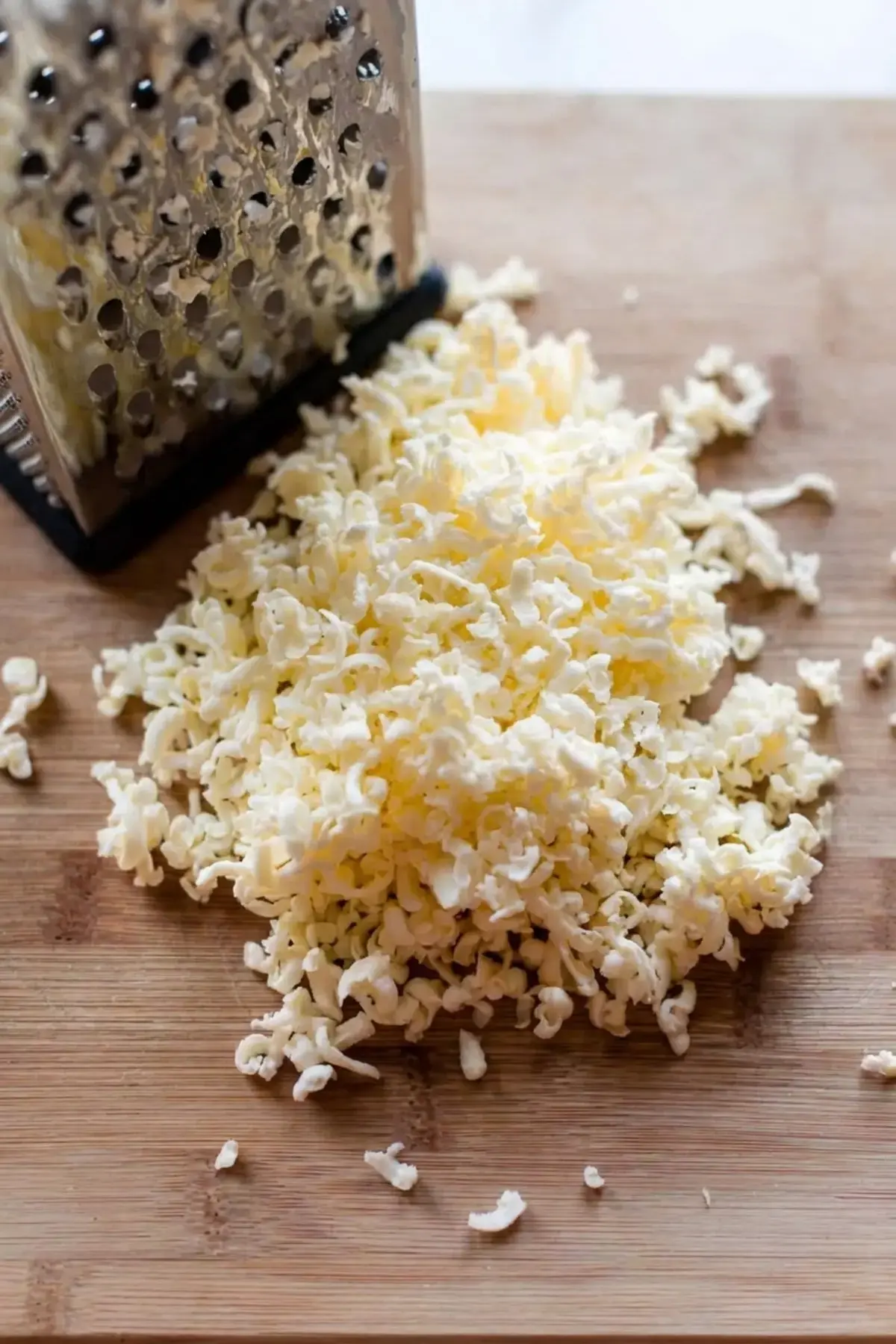
Mix the dry ingredients. Whisk the flour, sugar, salt, and baking powder together in a large bowl. Grate the frozen butter on a box grater, add it to the flour mixture, and combine with a pastry cutter, two forks, or your fingers until the mixture looks like crumbs the size of small peas. Put the bowl in the refrigerator or freezer while you mix the wet ingredients.
Whisk the wet ingredients. In a small bowl, whisk 1/2 cup heavy cream, the egg, and the vanilla extract together. Drizzle this over the flour mixture, add your add ins, and mix until everything appears moistened.
Shape the dough. Pour it onto the counter and, with floured hands, work it into a ball as best you can. The dough will be sticky. If it is too sticky, add a little more flour. If it seems too dry, add 1 to 2 more Tablespoons of heavy cream. Press into an 8 inch disc and cut into 8 wedges with a sharp knife or a bench scraper. For smaller scones, press the dough into two 5 inch discs and cut each into 8 wedges. For 10 to 12 drop scones, keep mixing the dough in the bowl until it comes together, then drop about 1/4 cup portions 3 inches apart on a lined baking sheet.
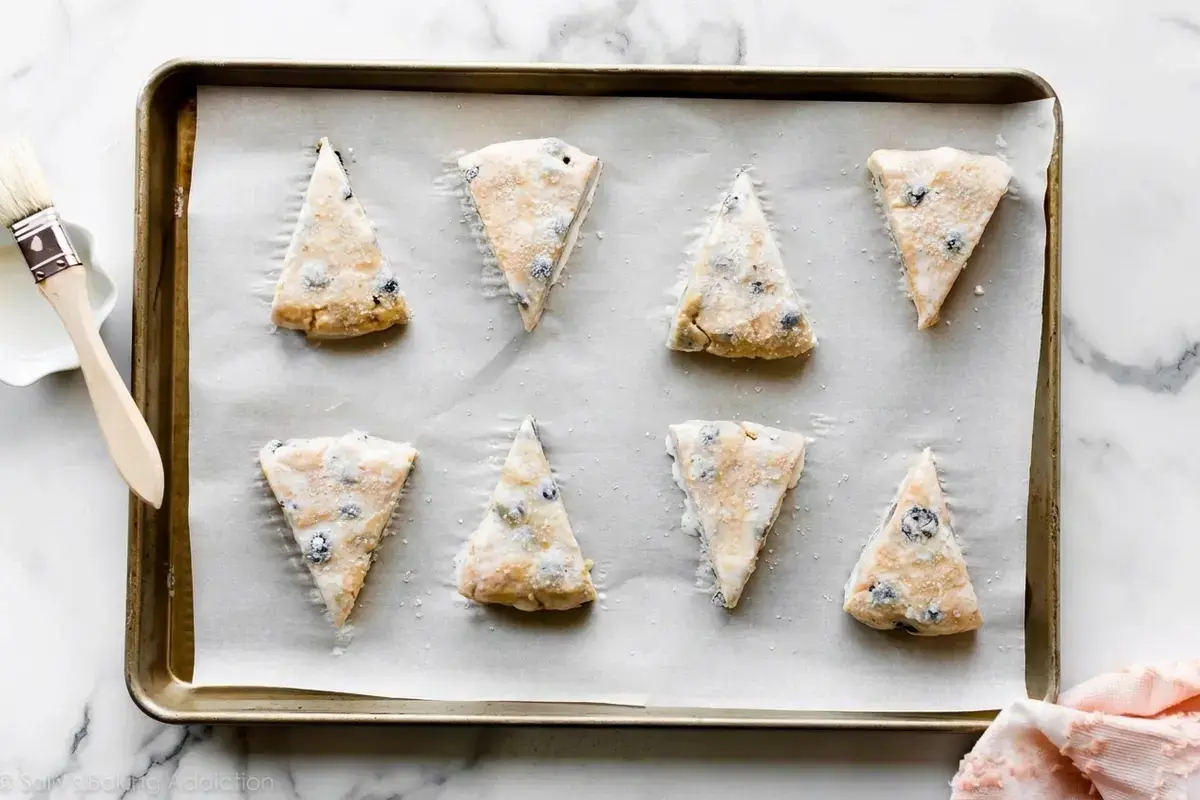
Finish the tops. Brush the scones with the remaining heavy cream, and for extra crunch sprinkle on coarse sugar. You can do this before or after the next step.
Chill. Place the scones on a plate or a lined baking sheet and refrigerate for at least 15 minutes.
Preheat. Meanwhile, heat the oven to 400°F (204°C).
Prepare the pan. Line a large baking sheet with parchment paper or a silicone baking mat. Use two sheets if you are making mini or drop scones. Arrange the chilled scones 2 to 3 inches apart.
Bake. Bake for 18 to 26 minutes, until golden brown around the edges and lightly browned on top. Larger scones take closer to 25 minutes. Remove from the oven and cool for a few minutes.
Store leftovers. Leftover scones keep well at room temperature for 2 days or in the refrigerator for 5 days.
Shaping option
How to do it
What you get
Triangle scones
Press into an 8 inch disc and cut into 8 wedges
8 large scones
Smaller scones
Press into two 5 inch discs and cut each into 8 wedges
16 small scones
Drop scones
Drop about 1/4 cup portions 3 inches apart on a lined sheet
10 to 12 scones
Cold Ingredients & Frozen Grated Butter
Cold dough is the whole game. Scones that spread too much in the oven lose the flaky, moist, crumbly texture you are after, and warm dough is the usual reason it happens.
Master Scones Recipe For Flaky And Buttery Homemade Scones 37
The simplest safeguard is to start cold: cold heavy cream, cold egg, and frozen butter. Frozen grated butter is the real key.
Just as with pie crust, cold butter gets worked into the dry ingredients to form crumbs, and those crumbs melt in the oven, releasing steam and creating air pockets. That steam is what gives you a flaky center while the edges stay crisp and crumbly.
Master Scones Recipe For Flaky And Buttery Homemade Scones 38
Frozen grated butter is the real key to scones with flaky layers and crisp edges.
Master Scones Recipe For Flaky And Buttery Homemade Scones 39
Refrigerated butter can soften and melt into the dough while you are handling it, but frozen butter holds its shape until it reaches the oven. Finer pieces of cold butter also mean less spreading and faster incorporation into the dry mix. Handle the dough as little as you can.
3 Tricks for Perfect Scones
If you remember nothing else, remember these three.
Master Scones Recipe For Flaky And Buttery Homemade Scones 40
Use heavy cream or buttermilk. Thinner milks produce flatter, less flavorful scones. Canned coconut milk is a good nondairy option.
Use frozen grated butter. It creates the steam that lifts and separates the layers.
Chill the shaped scones. At least 15 minutes in the refrigerator before baking keeps them from spreading.
Flat scones are almost always a butter temperature problem or a chilling problem, and these two habits solve both.
How to Freeze Scones
Scones freeze beautifully, and freezing the dough only slightly reduces the rise because the baking powder activates once it gets wet. In practice the difference is barely noticeable, so it is well worth doing. You can also simply refrigerate shaped wedges overnight and bake them in the morning.
To freeze before baking: freeze the wedges on a plate or baking sheet for 1 hour, then transfer them to a freezer safe bag or container. Bake straight from frozen with a few extra minutes added to the bake time, or thaw overnight and bake as written.
Master Scones Recipe For Flaky And Buttery Homemade Scones 41
To freeze after baking: let the scones cool completely and freeze them before you add icing or confectioners sugar. Store them in a freezer safe bag or container.
To thaw and reheat: thaw baked scones on the counter for a few hours, or overnight in the refrigerator. Warm them in the microwave for about 30 seconds, or in a 300°F (149°C) oven on a baking sheet for 10 minutes.
15+ Scone Flavors
Once the base dough is in your routine, the variations come fast. Some of my favorites are blueberry, chocolate chip, cranberry orange, pumpkin, banana, lavender, lemon blueberry, sprinkle, caramel apple, cinnamon chip, triple chocolate, strawberry lemon poppy seed, and ham and cheese. Here are a few that need a little more direction.
Mixed berry: add fresh or frozen mixed berries, and go easy on raspberries and blackberries since they burst easily.
Cherry chocolate chip: add 3/4 cup semisweet chocolate chips and 3/4 cup chopped fresh or frozen cherries.
Raspberry almond: add 1/2 teaspoon almond extract along with the vanilla. After shaping, gently press about 1 cup frozen raspberries into the scones instead of mixing them in, since they bleed. Top with 1/3 cup (37g) sliced almonds before baking and finish with the raspberry icing from the mini vanilla pound cakes recipe.
Fresh herb: reduce the sugar to 2 Tablespoons and omit the vanilla. Add 2 minced garlic cloves, 1/2 teaspoon ground black pepper, and 1/2 cup chopped herbs such as rosemary, parsley, and basil. You can also stir in 1 cup shredded cheese and finish with sea salt before or after baking.
Other add ins work just as well: white chocolate chips, toasted pecans, sweetened or unsweetened coconut, dried cranberries, or peanut butter chips.
Master Scones Recipe For Flaky And Buttery Homemade Scones 42
If you are using a wet add in such as chopped peaches, blot it with a paper towel first so the dough does not turn soggy. Serve the finished scones with lemon curd or raspberry sauce if you want to dress them up.
Look At All Of Your Scones!
I would love to see what you bake. Send me a photo or share it on social media so I can cheer you on.
FAQs
Why do you freeze butter for scones?
Freezing and grating butter is the secret to achieving flaky, tender scones. The frozen butter pieces create steam and air pockets during baking, which results in a flaky center and crisp edges. Using a box grater ensures the butter is distributed evenly without warming it from handling.
Should I chill scone dough before baking?
Yes, you should refrigerate shaped scone dough for at least 15 minutes before baking. Chilling solidifies the butter again, which prevents the scones from spreading in the oven and helps them rise upward instead of outward, creating a better texture and shape.
What is the best cream to use for scones?
Heavy cream or buttermilk is the best choice for scones, using 1/2 cup (120ml) in the dough. Heavy cream creates a richer, more tender crumb with a soft interior, while buttermilk adds a slight tang and extra lift for a golden-brown crust. Thinner liquids will result in dry, flat scones.
How do you keep scones from getting dry?
To prevent dry scones, use heavy cream or buttermilk and frozen grated butter in the recipe. Do not overmix the dough; mix only until it appears moistened and shaggy. Bake the refrigerated scones at 400°F (204°C) for 18 to 26 minutes, just until golden brown around the edges.
Master Scones Recipe This master scone recipe is the one I come back to whenever I want a base that can go in almost any direction. Chocolate chips, fresh berries, shredded cheese with herbs, or a handful of toasted nuts all work because the dough underneath stays the same.
Total Time:60 min
Yield:8 large or 16 small scones 1x
Ingredients
Scale
Dough 2 cups all-purpose flour, spooned & leveled, plus more for hands and work surface 1/2 cup granulated sugar 1/2 teaspoon salt 2 1/2 teaspoons baking powder 1/2 cup unsalted butter, frozen 1/2 cup heavy cream or buttermilk 1 large egg 1 1/2 teaspoons pure vanilla extract 1 add-ins, such as chocolate chips, berries, nuts, fruit, etc. coarse sugar, for topping, optional
Instructions
1-Whisk flour, sugar, salt, and baking powder: Whisk flour, sugar, salt, and baking powder together in a large bowl. Grate the frozen butter using a box grater. Add it to the flour mixture and combine with a pastry cutter, two forks, or your fingers until the mixture comes together in pea-sized crumbs. Place in the refrigerator or freezer as you mix the wet ingredients together. 2-Whisk 1/2 cup heavy cream, the egg,: Whisk 1/2 cup heavy cream, the egg, and vanilla extract together in a small bowl. Drizzle over the flour mixture, add the add-ins, then mix together until everything appears moistened. 3-To make triangle scones: To make triangle scones: Pour onto the counter and, with floured hands, work dough into a ball as best you can. Dough will be sticky. If it’s too sticky, add a little more flour. If it seems too dry, add 1-2 more Tablespoons heavy cream. Press into an 8-inch disc and, with a sharp knife or bench scraper, cut into 8 wedges. For smaller scones, press dough into two 5-inch discs and cut each into 8 wedges. To make 10-12 drop scones: Keep mixing dough in the bowl until it comes together. Drop scones, about 1/4 cup of dough each, 3 inches apart on a lined baking sheet. To make mini (petite) scones, see recipe note. 4-Brush scones with remaining heavy cream and: Brush scones with remaining heavy cream and for extra crunch, sprinkle with coarse sugar. (You can do this before or after refrigerating in the next step.) 5-Place scones on a plate or lined: Place scones on a plate or lined baking sheet (if your fridge has space!) and refrigerate for at least 15 minutes. 6-Meanwhile, preheat oven to 400°F (204°C): Meanwhile, preheat oven to 400°F (204°C). 7-Line a large baking sheet with parchment: Line a large baking sheet with parchment paper or silicone baking mat(s). If making mini or drop scones, use 2 baking sheets. After refrigerating, arrange scones 2-3 inches apart on the prepared baking sheet(s). 8-Bake for 18-26 minutes or until golden: Bake for 18-26 minutes or until golden brown around the edges and lightly browned on top. Larger scones take closer to 25 minutes. Remove from the oven and cool for a few minutes. Feel free to top with any of the toppings listed in the recipe Note below. 9-Leftover scones keep well at room temperature: Leftover scones keep well at room temperature for 2 days or in the refrigerator for 5 days.
Last Step:
Please leave a rating and comment letting us know how you liked this recipe! This helps our business to thrive and continue providing free, high-quality recipes for you.