

Why You’ll Love This Marzipan
Marzipan offers an appealing option for those interested in marzipan recipes that blend simplicity with rich flavors. Made primarily from ground almonds and sugar, it contains up to 35% sugar in traditional formulations, providing a balanced sweetness that enhances various desserts. This confection not only delivers a quick and easy preparation process but also introduces nutrients from almonds, including Vitamin E and healthy fats, making it a satisfying choice for marzipan uses in baking and sweet treats.
With its marzipan recipes, you gain access to versatile applications, from forming replicas of fruits and vegetables to decorating pastries like stollen and baumkuchen. The dough’s pliability allows for creative shaping, ideal for festive treats such as animal figures during Christmas and Easter or in king cakes for Carnival. Overall, marzipan stands out as a wholesome ingredient, rich in carbohydrates from sugar and proteins from almonds, while offering fats that include both saturated and unsaturated fatty acids for added nutritional value.
Preparation of this marzipan takes just 20 to 40 minutes, depending on the quantity, making it accessible for busy parents and working professionals. Its adaptability supports dietary tweaks, such as vegan or low-calorie versions, ensuring everyone from students to baking enthusiasts can enjoy it. High-quality almonds are key for optimal texture, and keeping moisture below 10% helps maintain shelf life when stored properly away from direct light.
Key Features of Marzipan Recipes
- Ease of preparation: The recipe requires minimal ingredients and steps, ideal for beginners like newlyweds or seniors exploring baking with marzipan.
- Health benefits: Almonds in marzipan provide essential nutrients, supporting diets for health-conscious individuals with unsaturated fats and proteins.
- Versatility: Easily modified for gluten-free or vegan options, fitting various preferences in how to use marzipan in baking and marzipan sweet treat ideas.
- Distinctive flavor: A mix of roasted almonds and optional flavorings like rosewater creates a unique taste, perfect for best ways to cook with marzipan in desserts.
For deeper insights into the benefits of almonds in marzipan, consider reading about benefits of almonds, which highlights their role in nutritious eating.
Jump To
- 1. Why You’ll Love This Marzipan
- 2. Essential Ingredients for Marzipan
- 3. How to Prepare the Perfect Marzipan: Step-by-Step Guide
- 4. Dietary Substitutions to Customize Your Marzipan
- 5. Mastering Marzipan: Advanced Tips and Variations
- 6. How to Store Marzipan: Best Practices
- 7. FAQs: Frequently Asked Questions About Marzipan
- 8. Marzipan
Essential Ingredients for Marzipan
When focusing on marzipan recipes, selecting the right ingredients ensures a smooth and flavorful outcome. Marzipan is crafted from ground almonds and sugar, with almonds first blanched by immersion in hot water for about 5 minutes to remove skins, then cooled, chopped, and ground with sugar. The process continues by roasting the ground mixture and cooling it before adding more sugar or syrup like starch syrup to form a pliable dough, enhanced with flavorings such as rosewater or almond extract.
This section outlines the core components needed, formatted as a structured list for easy reference. Below is a comprehensive breakdown of all ingredients mentioned, with precise measurements to guide home cooks and baking enthusiasts.
- 200g ground almonds Provides the primary nutty flavor and texture, ensuring the base is finely milled for smoothness.
- 150g powdered sugar Sweetens the marzipan smoothly and evenly, typically up to 35% of the recipe for traditional balance.
- 1 tsp almond extract Enhances the almond aroma and richness, adding depth to the overall flavor profile.
- 2 tbsp rose water (optional) Adds a subtle floral note for sophistication, which can be included to enhance taste as per preferences.
Special Dietary Options for Marzipan Recipes
For those exploring easy marzipan recipes for desserts, adaptations make it inclusive. Sugar-free versions can substitute sugar with polyols like maltitol to maintain sweetness without compromising texture.
| Dietary Option | Substitution | Benefits |
|---|---|---|
| Vegan | Use organic maple syrup or agave instead of powdered sugar | Keeps the recipe plant-based while preserving pliability |
| Gluten-free | This recipe naturally has no gluten; ensure sugar is certified gluten-free | Allows safe enjoyment for those with gluten sensitivities |
| Low-calorie | Substitute sugar with erythritol or stevia | Reduces calorie content for diet-conscious individuals |
Using high-quality almonds and keeping moisture content below 10% ensures good texture and shelf life in these marzipan uses.
How to Prepare the Perfect Marzipan: Step-by-Step Guide
Creating marzipan involves a straightforward process that aligns with best ways to cook with marzipan, typically taking 20 to 40 minutes. Start by blanching almonds in hot water for 5 minutes to remove skins, then cool, chop, and grind them with sugar. The ground mixture is roasted and cooled before incorporating additional sugar or syrup to form the dough, with optional flavorings like rosewater for enhanced taste.
This guide covers the steps in detail, ensuring even beginners can achieve success with marzipan recipes for cakes and pastries.
- Gather and measure all ingredients precisely, ensuring ground almonds are finely milled for a smooth texture, as this forms the base of the confection.
- In a mixing bowl, combine ground almonds and powdered sugar, mixing thoroughly to distribute sweetness evenly and prepare for roasting.
- Add almond extract and rose water if using, then knead the mixture gently until it forms a firm, pliable dough, incorporating any syrup like starch syrup for better consistency.
- For a vegan or low-calorie version, substitute sweeteners during mixing to maintain the dough’s texture while adapting to dietary needs.
- Shape the marzipan into desired forms, such as replicas of fruits or thin sheets for decorating items like Battenberg cake and tarts.
- Wrap shaped marzipan in cling film and refrigerate for at least 1 hour to set, helping to keep moisture below 10% for optimal shelf life.
- Optionally, dust with powdered sugar or cocoa powder before serving to enhance presentation, making it ready for use in festive treats.
- Serve chilled or at room temperature; this step ensures the marzipan retains its fats from almonds, including saturated and unsaturated fatty acids, for a rich experience.
To explore more dessert ideas, check out our cherry almond bars recipe, which complements marzipan with similar nutty flavors.
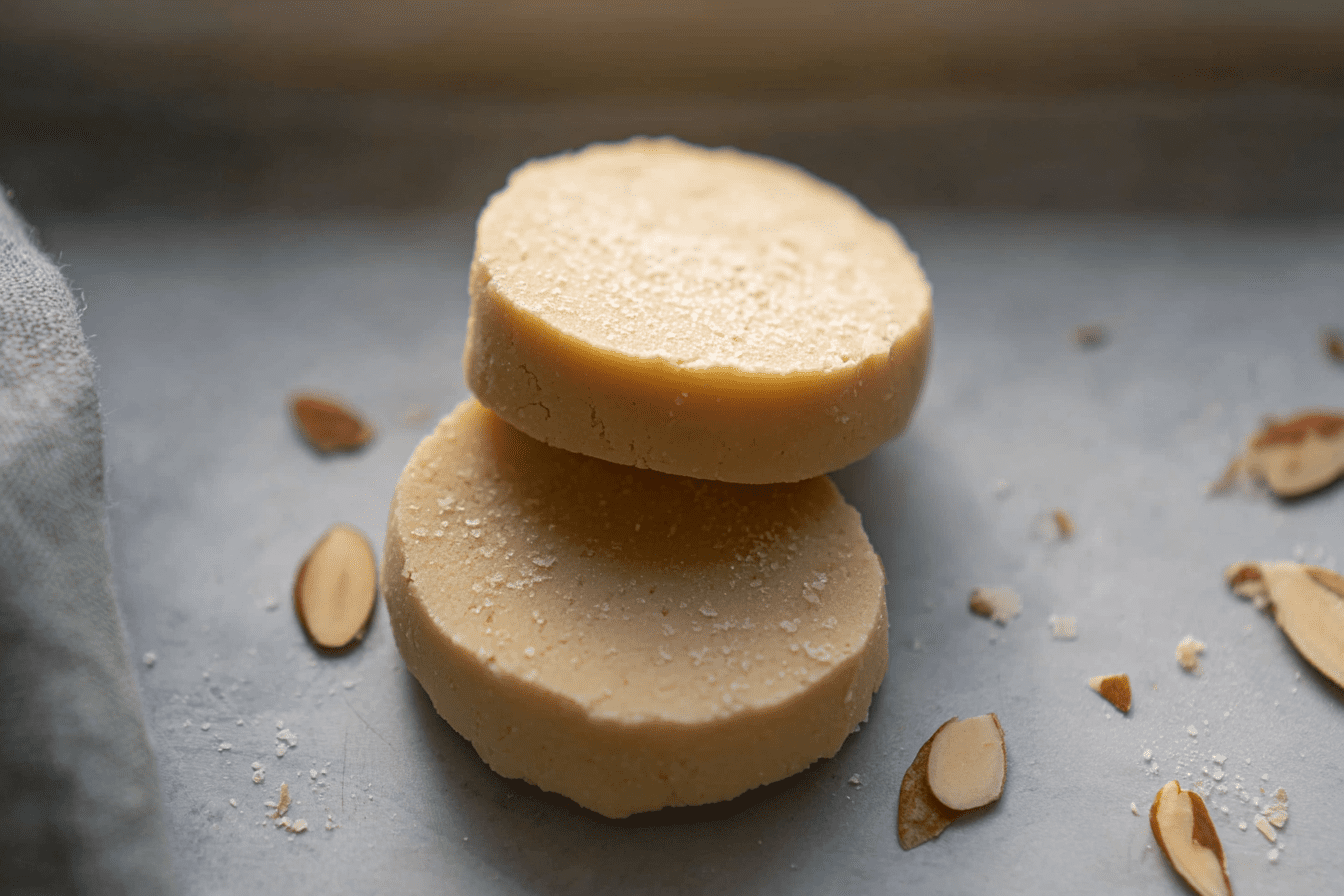
Dietary Substitutions to Customize Your Marzipan
Customizing marzipan allows for flexibility in marzipan sweet treat ideas, especially when addressing allergies or preferences. Protein alternatives like ground cashews can replace almonds for nut-free options, while unsweetened coconut flakes offer a unique base. This adaptability makes marzipan recipes suitable for a wide audience, from travelers to food enthusiasts seeking variety.
Incorporate vegetable and seasoning modifications to enhance flavor, such as adding citrus zest for a fresh twist or natural extracts like vanilla. These changes align with traditional practices, including the use of food-safe colorings and molds for shaping. Marzipan contains carbohydrates from sugar and proteins from almonds, so substitutions help maintain nutritional balance.
- Replace ground almonds with ground cashews or sunflower seeds to cater to allergies, ensuring the mixture remains pliable.
- Use unsweetened coconut flakes as an alternative base, which adds a tropical note while preserving the dough’s texture.
- Incorporate citrus zest such as orange or lemon to vary the flavor, providing a refreshing element in baking with marzipan.
- Add natural extracts like vanilla or peppermint for different aroma profiles, enhancing the overall taste without overpowering.
- Mix in finely chopped dried fruits or nuts for seasonal variations, aligning with dietary restrictions for comprehensive options.
For more on rose water benefits that can enhance these substitutions, see rose water benefits.
Mastering Marzipan: Advanced Tips and Variations
Advanced techniques elevate marzipan recipes, starting with toasting almonds lightly before grinding to deepen flavor and create a robust base. Experimenting with spices like cinnamon or cardamom adds an exotic twist, making these methods ideal for how to use marzipan in baking. Presentation plays a key role, as molding into intricate shapes and dipping in dark chocolate produces elegant treats suitable for gifting.
Sugar-free versions use polyols like maltitol to substitute sugar, maintaining the confection’s appeal for diet-conscious individuals. Food-safe colorings and molds help in creating attractive designs, while keeping preparation time between 20 to 40 minutes ensures efficiency. High-quality almonds and proper storage in airtight containers prevent drying and rancidity, preserving the fats and proteins from almonds.
Key pro cooking techniques include roasting the ground mixture for better texture, as outlined in traditional methods. Flavor variations might involve mixing in dried fruits, expanding on marzipan uses for festive occasions like Christmas animal figures. Make-ahead options allow preparing dough in bulk, freezing portions for convenient use for quick desserts and pastries.
Creative Ideas for Marzipan Variations
- Toast almonds before grinding to enhance depth, a step that integrates well with other baking recipes.
- Experiment with spices for warm flavors, perfect for pairing with items like cherry chocolate cake.
- Mold and dip in chocolate for gifts, utilizing the dough’s versatility in sweet treats with marzipan.
How to Store Marzipan: Best Practices
Proper storage maintains marzipan’s quality, with moisture content kept below 10% to ensure good texture and prevent rancidity from almond fats. Store marzipan in airtight containers away from direct light, which helps preserve its shelf life for up to two weeks when refrigerated. Freezing options extend usability, wrapping portions to avoid freezer burn and maintaining freshness for three months.
Thawing should occur slowly at room temperature to retain the confection’s pliable nature and nutritional elements like proteins and carbohydrates. These practices make marzipan a reliable ingredient for busy parents and working professionals. Consider meal prep by portioning in advance for streamlined dessert assembly.
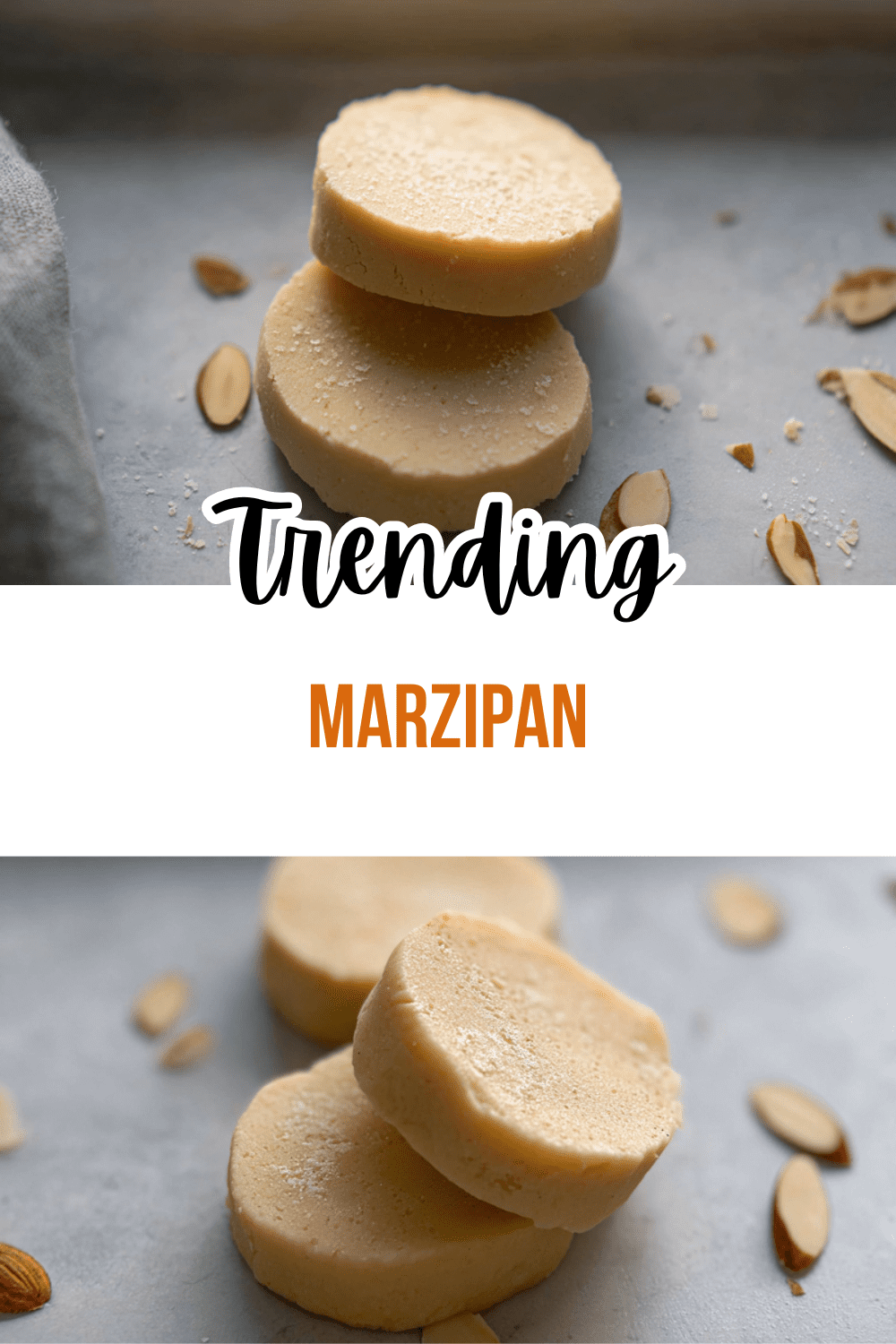
FAQs: Frequently Asked Questions About Marzipan
What is marzipan made from?
Marzipan is made primarily from ground almonds (almond flour) and sugar. To enhance flavor, some recipes include rose water or almond extract. The almonds are usually blanched to remove skins, then finely ground and mixed with sugar to create a smooth, pliable paste. This combination gives marzipan its characteristic sweet, nutty taste.
How is marzipan typically used in baking and desserts?
Marzipan is commonly shaped into small confections, such as fruit and vegetable replicas, or coated with chocolate. It is often rolled into thin sheets to cover cakes as a smooth icing layer. Marzipan is also an ingredient in traditional baked goods like stollen and figolli, adding both flavor and texture.
Where did marzipan originate, and what are some popular regional varieties?
Marzipan’s origins are debated but are often linked to Mediterranean and Middle Eastern regions. In Europe, it is especially popular in Spain (Toledo), Germany (Lübeck and Königsberg), and Italy (Sicily). For example, Lübeck marzipan contains a high almond content, while Königsberger marzipan features a browned surface. Outside Europe, variations exist using different nuts or flavorings, such as cashew-based marzipan in India and peanut-based marzipan in Mexico.
How should I store marzipan to keep it fresh?
To maintain freshness, store marzipan in an airtight container in a cool, dry place away from direct sunlight. This prevents the almond oils from becoming rancid and stops the paste from drying out or hardening. Proper storage can keep marzipan soft and flavorful for several weeks.
Can marzipan be made without sugar?
Yes, sugar-free marzipan can be prepared by substituting sugar with sugar alcohols like maltitol or erythritol. These alternatives reduce the sugar content while maintaining sweetness and texture, making it suitable for people monitoring their sugar intake or with dietary restrictions.

Marzipan
🍬 Marzipan is a versatile sweet confection made from ground almonds and sugar, perfect for creating decorative edible treats.
🎨 Its pliable texture makes it ideal for molding into shapes or rolling out for cake and pastry decoration, adding elegance and flavor to baked goods.
- Total Time: 40 minutes
- Yield: Varies based on recipe quantity
Ingredients
– 200g ground almonds for providing the primary nutty flavor and texture
– 150g powdered sugar for sweetening the marzipan
– 1 tsp almond extract for enhancing the almond aroma
– 2 tbsp rose water for adding a subtle floral note
– organic maple syrup or agave for keeping the recipe plant-based
– erythritol or stevia for reducing calorie content
– maltitol for maintaining sweetness
Instructions
1-Gather and measure all ingredients precisely, ensuring ground almonds are finely milled for a smooth texture, as this forms the base of the confection.
2-In a mixing bowl, combine ground almonds and powdered sugar, mixing thoroughly to distribute sweetness evenly and prepare for roasting.
3-Add almond extract and rose water if using, then knead the mixture gently until it forms a firm, pliable dough, incorporating any syrup like starch syrup for better consistency.
4-For a vegan or low-calorie version, substitute sweeteners during mixing to maintain the dough’s texture while adapting to dietary needs.
5-Shape the marzipan into desired forms, such as replicas of fruits or thin sheets for decorating items like Battenberg cake and tarts.
6-Wrap shaped marzipan in cling film and refrigerate for at least 1 hour to set, helping to keep moisture below 10% for optimal shelf life.
7-Optionally, dust with powdered sugar or cocoa powder before serving to enhance presentation, making it ready for use in festive treats.
8-Serve chilled or at room temperature; this step ensures the marzipan retains its fats from almonds, including saturated and unsaturated fatty acids, for a rich experience.
Last Step:
Please leave a rating and comment letting us know how you liked this recipe! This helps our business to thrive and continue providing free, high-quality recipes for you.Notes
🌰 Use high-quality almonds for the best flavor and texture.
🎨 Food-safe colorings and molds can help create beautiful and attractive designs.
📦 Store marzipan properly in airtight containers to maintain freshness and prevent drying or rancidity.
- Prep Time: 20 minutes
- Cook Time: 20 minutes
- Category: Confectionery
- Method: Grinding, roasting, kneading
- Cuisine: European
Nutrition
- Serving Size: Varies


