

Why You’ll Love This Lime Cake
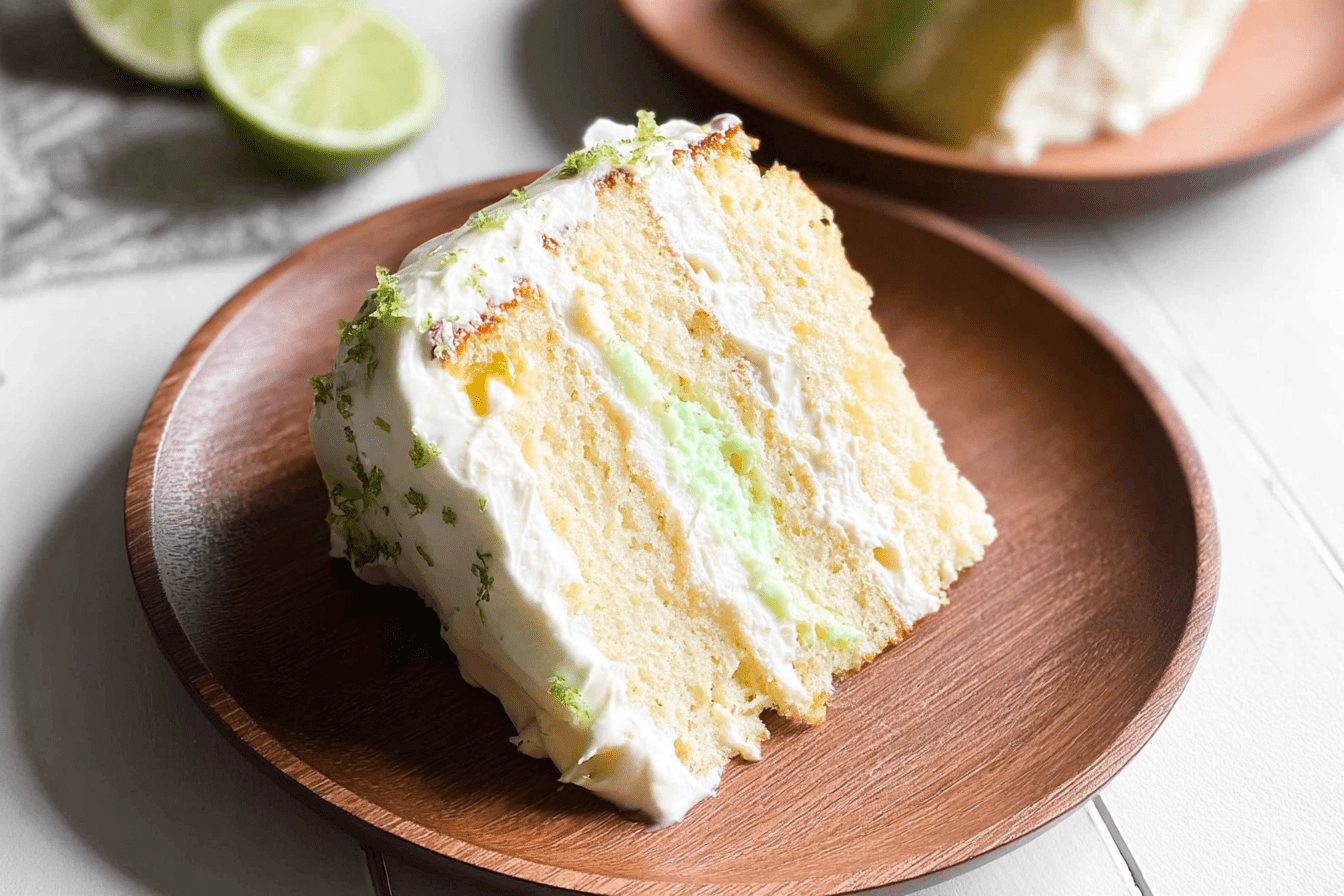
If you’re searching for a dessert that brightens up any gathering, this lime cake recipe from scratch is your perfect match. With its tangy, refreshing flavor and moist texture, it’s no wonder this cake has become a favorite for both special occasions and everyday treats. Here’s why you’ll love adding this recipe to your baking repertoire:- Ease of preparation: This easy lime cake recipe comes together with simple ingredients and straightforward steps. Even if you’re new to baking, you’ll find the process approachable and rewarding. The entire cake can be prepared in about an hour, making it perfect for busy weeknights or last-minute dessert needs.
- Health benefits: Fresh limes offer vitamin C and antioxidants that support overall health. By making this homemade lime cake recipe, you control the ingredients, avoiding preservatives and artificial flavors found in store-bought alternatives. You can even adjust the sugar content to suit your dietary preferences.
- Versatility: This moist lime cake adapts beautifully to various dietary needs. Whether you need gluten-free options, vegan alternatives, or lighter versions, this recipe serves as an excellent base that welcomes modifications without compromising taste or texture.
- Distinctive flavor: The bright citrus notes in this key lime cake set it apart from traditional lemon or orange desserts. The perfect balance of tang and sweetness creates an unforgettable taste profile that keeps people coming back for seconds. It’s especially refreshing during warmer months but comforting year-round.
This lime pound cake offers everything you want in a dessert simplicity, nutrition, adaptability, and exceptional flavor. Once you try it, you’ll understand why it quickly becomes a household favorite.
Jump To
- 1. Why You’ll Love This Lime Cake
- 2. Essential Ingredients for Lime Cake
- 3. How to Prepare the Perfect Lime Cake: Step-by-Step Guide
- 4. Dietary Substitutions to Customize Your Lime Cake
- 5. Mastering Lime Cake: Advanced Tips and Variations
- 6. How to Store Lime Cake: Best Practices
- 7. FAQs: Frequently Asked Questions About Lime Cake
- 8. Lime Cake
Essential Ingredients for Lime Cake
Creating the perfect lime cake starts with quality ingredients. Each component plays a crucial role in achieving the right texture and flavor profile. Below is a comprehensive list of what you’ll need for both the cake and the delicious lime buttercream frosting.
For the Cake:
- 2 cups all-purpose flour – Provides structure and the foundation for the cake
- 1.5 teaspoons baking powder – Helps the cake rise and become fluffy
- 0.5 teaspoon salt – Enhances flavors and balances sweetness
- 1 cup unsalted butter (softened) – Creates richness and tenderness
- 1.5 cups granulated sugar – Sweetens the cake and aids in texture
- 4 large eggs – Bind ingredients and contribute to structure
- 0.25 cup fresh lime juice – Provides the tangy lime flavor
- 1 tablespoon lime zest – Adds intense citrus aroma and taste
- 0.75 cup whole milk – Adds moisture and helps create a tender crumb
For the Lime Buttercream Frosting:
- 0.5 cup butter (softened) – Creates a creamy, smooth frosting base
- 3 cups powdered sugar – Sweetens and thickens the frosting
- 2 tablespoons lime juice – Adds refreshing lime flavor
- 1 teaspoon lime zest – Provides extra citrus aroma and color
Special Dietary Options:
Vegan:
- Replace eggs with flax eggs (1 tablespoon ground flaxseed + 3 tablespoons water per egg)
- Substitute butter with vegan butter or coconut oil
- Use plant-based milk instead of dairy milk
Gluten-free:
- Replace all-purpose flour with a 1:1 gluten-free flour blend
- Ensure all other ingredients, especially baking powder, are certified gluten-free
Low-calorie:
- Reduce sugar to 1 cup and add a natural sweetener like stevia
- Replace half the butter with unsweetened applesauce
- Use 2% milk instead of whole milk
How to Prepare the Perfect Lime Cake: Step-by-Step Guide
Making a homemade lime cake is a rewarding process that yields impressive results. Follow these detailed steps to create a delicious, moist cake that will have everyone asking for the recipe.
First Step: Preparation
Before you begin, preheat your oven to 350°F (175°C). Proper oven temperature is crucial for even baking. Grease two 8-inch round pans with butter or cooking spray, then dust with flour to prevent sticking. You can also line the bottoms with parchment paper for easy removal later. Gather all your ingredients and measuring tools to ensure a smooth cooking process. Having everything ready before you start is the secret to stress-free baking.
Second Step: Mixing Dry Ingredients
In a medium bowl, whisk together 2 cups all-purpose flour, 1.5 teaspoons baking powder, and 0.5 teaspoon salt. Whisking these dry ingredients together ensures that the leavening agent is evenly distributed throughout the flour, which helps the cake rise uniformly. Set this mixture aside while you prepare the wet ingredients. This separation of wet and dry ingredients is a fundamental technique in cake baking that prevents overmixing later in the process.
Third Step: Creaming Butter and Sugar
In a large bowl, beat 1 cup softened butter with 1.5 cups sugar until fluffy and pale. This process, known as creaming, incorporates air into the batter, resulting in a lighter cake texture. Use a stand mixer or hand mixer on medium-high speed for about 3-5 minutes. You’ll know it’s ready when the mixture has noticeably increased in volume and looks creamy. Then add 4 eggs one at a time, beating well after each addition. This gradual incorporation helps maintain the structure you’ve created through creaming. Finally, mix in 0.25 cup lime juice and 1 tablespoon lime zest until combined.
Fourth Step: Combining Ingredients
With the mixer on low speed, add the dry ingredients to the butter mixture in three additions, alternating with 0.75 cup milk in two additions (beginning and ending with the dry ingredients). Mix only until just combined after each addition. Overmixing at this stage can develop gluten, resulting in a tough cake. The batter should be smooth but not overworked. Gently fold in any remaining dry ingredients at the bottom of the bowl with a spatula to ensure everything is incorporated without excessive mixing.
Fifth Step: Baking the Cake
Divide the batter evenly between your prepared pans. You can use a kitchen scale for precision or estimate by eye if you don’t have one. Tap the pans gently on the counter to release any air bubbles. Bake for 25-30 minutes, or until a toothpick inserted into the center comes out clean. The edges should start to pull away from the sides of the pan, and the tops should spring back when lightly touched. Rotate the pans halfway through baking for even results.
Final Step: Finishing Touches and Serving
Allow the cakes to cool in the pans for 10 minutes, then turn them out onto wire racks to cool completely. This cooling period is essential if you try to frost a warm cake, the frosting will melt and slide off. Once completely cooled, make your lime buttercream by beating 0.5 cup butter until creamy, then gradually adding 3 cups powdered sugar, 2 tablespoons lime juice, and 1 teaspoon lime zest until smooth. Frost between the layers and over the top and sides of the cake. Garnish with additional lime zest or fresh lime slices for a beautiful presentation. This moist key lime cake is best served at room temperature but can be refrigerated for longer storage.
While your lime cake is baking, you might be inspired to prepare more delicious recipes. If you’re looking for a refreshing dessert option, check out our fresh peach galette that pairs wonderfully with citrus flavors. For those hot summer days, our fresh cherry lemonade makes the perfect accompaniment to this zesty cake.
Dietary Substitutions to Customize Your Lime Cake
One of the beauties of this lime cake recipe is its adaptability to various dietary needs and preferences. Whether you’re accommodating allergies, following a specific diet, or simply working with what you have in your pantry, these substitutions will help you create a delicious cake that meets your requirements.
Protein and Main Component Alternatives
The main structural components of this cake flour, butter, and eggs can be successfully substituted to create versions suitable for different diets:
- For a dairy-free version: Replace the butter with an equal amount of coconut oil, vegan butter, or even avocado for a healthier fat source. The coconut oil will add a subtle coconut flavor that complements the lime beautifully, creating a coconut lime cake variation.
- For an egg-free option: Commercial egg replacers work well, but you can also use flax eggs (1 tablespoon ground flaxseed mixed with 3 tablespoons water per egg), or for this recipe, 0.25 cup of unsweetened applesauce per egg works particularly well and adds moisture.
- For reduced fat: Substitute half of the butter with Greek yogurt or mashed banana. This will reduce the calorie content while maintaining moisture, though the texture will be slightly denser.
- For extra protein: Replace up to 0.5 cup of the all-purpose flour with almond flour or your favorite protein powder. This modification works especially well in a lime pound cake variation, where the denser texture is desirable.
Vegetable, Sauce, and Seasoning Modifications
The flavor profile of this lime cake can be adjusted with simple modifications to the citrus components and additions:
- Citrus variations: While this recipe focuses on lime, you can create a citrus blend by using half lime and half lemon or orange. For a key lime pound cake, use authentic key limes if available they’re smaller and more tart than regular Persian limes.
- Seasonal adaptations: In spring, add some finely diced rhubarb to the batter for a tangy contrast. Our rhubarb fool recipe shows how well rhubarb pairs with sweet components. Summer calls for the addition of fresh berries like blueberries or raspberries.
- Spice additions: Warm spices like cardamom, ginger, or a pinch of cayenne pepper can add depth to the lime flavor. A teaspoon of poppy seeds creates a delightful texture contrast reminiscent of lemon poppy seed cake.
- Alcohol infusions: For adult gatherings, brush the cooled cake layers with a simple syrup made with equal parts sugar and water, infused with a tablespoon of tequila or rum for a spirited twist.
- Herbal notes: Fresh herbs like mint, basil, or thyme can complement the lime flavor beautifully. Add 1-2 tablespoons of finely chopped herbs to the batter or incorporate them into the frosting.
These modifications allow you to customize the basic lime cake recipe to suit any occasion or dietary requirement. Experiment with these variations to discover your perfect version of this versatile dessert.
Mastering Lime Cake: Advanced Tips and Variations
Once you’ve mastered the basic lime cake recipe, you might want to elevate your baking skills with these advanced techniques and creative variations. These tips will help you achieve professional results and create unique desserts that impress family and friends.
Pro Cooking Techniques
Baking a truly exceptional moist lime cake requires attention to detail and some professional techniques:
- Room temperature ingredients: Always use room temperature butter, eggs, and milk. This ensures even distribution throughout the batter and proper emulsification. Cold ingredients can cause the butter to seize, leading to a dense, uneven texture.
- Pan preparation: For perfectly shaped cakes that release easily, use the cake release method: mix equal parts flour, shortening, and vegetable oil to coat your pans. This commercial bakery technique never fails.
- Oven calibration: Invest in an oven thermometer to ensure your oven’s temperature is accurate. Even a 10-degree difference can affect baking time and texture. Place the thermometer in the center of the oven where the cakes will bake.
- The toothpick test: Insert a wooden toothpick into the center of the cake. If it comes out clean or with just a few moist crumbs, the cake is done. If it has wet batter on it, continue baking in 2-minute increments.
- Proper cooling: Cool cakes in the pan for exactly 10 minutes before turning out. This allows the structure to set without becoming soggy from condensation. Use a wire rack for even cooling on all sides.
Flavor Variations
While the classic lime cake is delicious on its own, these flavor variations offer exciting new taste experiences:
| Variation | Ingredients to Add | Flavor Profile |
|---|---|---|
| Coconut Lime Cake | 0.5 cup shredded coconut in batter, coconut milk instead of regular milk | Tropical, sweet and tangy |
| Lime Blueberry Cake | 1 cup fresh blueberries folded into batter | Fruity, slightly tart, summery |
| Lime Cardamom Cake | 1 teaspoon ground cardamom added to dry ingredients | Spiced, aromatic, sophisticated |
| Lime Basil Cake | 2 tablespoons fresh chopped basil in frosting | Herbal, refreshing, garden-fresh |
| Chocolate Lime Cake | 0.25 cup cocoa powder replacing some flour, chocolate ganache glaze | Rich, balanced sweet and tart |
Presentation Tips
Beautiful presentation makes your lime cake as appealing to the eye as it is to the palate:
- Crumb coat: Apply a thin layer of frosting to seal in crumbs, then chill for 30 minutes before applying the final layer. This professional technique ensures a perfectly smooth finish.
- Garnishes: Top the cake with fresh lime slices, zest spirals, or edible flowers like violas or pansies for an elegant touch. Candied lime peel makes for a sophisticated garnish that echoes the cake’s flavor.
- Texture contrast: Sprinkle the top with toasted coconut, chopped pistachios, or lime-infused sugar for added visual interest and texture variety.
- Serving suggestion: Present each slice with a dollop of whipped cream and a mint leaf. For a special occasion, serve with a scoop of lime sorbet on the side.
Make-Ahead Options
Planning ahead can make serving this cake stress-free:
- Cake layers: Bake and cool the cakes completely, then wrap tightly in plastic wrap and freeze for up to 3 months. Thaw overnight in the refrigerator before frosting.
- Frosting: Prepare the buttercream up to 5 days in advance and store in an airtight container in the refrigerator. Bring to room temperature and re-whip before using.
- Complete cake: Frosted cakes can be refrigerated for up to 3 days. Bring to room temperature for 1 hour before serving for optimal flavor and texture.
- Individual portions: Cut the frosted cake into slices and freeze individually on a baking sheet before transferring to a freezer bag. This makes grab-and-go desserts easy and prevents having to thaw the entire cake.
With these advanced techniques and variations, your lime cake will go from delicious to extraordinary, showcasing your growing baking skills and creativity in the kitchen.
How to Store Lime Cake: Best Practices
Proper storage is essential for maintaining the freshness, flavor, and texture of your lime cake. Follow these guidelines to ensure your delicious creation stays at its best for as long as possible.
Refrigeration
For short-term storage, refrigeration is your best option for frosted lime cake, especially in warm weather or humid climates. Place the cake in an airtight container or cover it loosely with plastic wrap to prevent the frosting from drying out. A properly stored frosted cake will maintain its quality for 5-7 days in the refrigerator. For unfrosted cake layers, wrap each one individually in plastic wrap, then place them in a zip-top bag or container. Unfrosted layers can be refrigerated for up to 5 days or frozen for longer storage.
Freezing
Freezing is an excellent option for long-term storage or when you want to prepare your cake in advance. For best results, cool the cake completely before freezing to prevent ice crystals from forming. Wrap unfrosted layers tightly in plastic wrap, then in aluminum foil to prevent freezer burn. Label with the date and contents. Properly wrapped cake layers can be frozen for up to 3 months. Thaw overnight in the refrigerator while still wrapped to prevent condensation from making the cake soggy. Once thawed, bring to room temperature before frosting.
Reheating
While most people enjoy lime cake at room temperature, you might prefer it slightly warmed. To reheat individual slices, microwave for 10-15 seconds. For larger portions or whole cakes, warm in a 300°F (150°C) oven for 10-15 minutes. Avoid overheating, as this can dry out the cake and cause the frosting to melt. If your cake has been refrigerated, bringing it to room temperature for 30-60 minutes before serving will restore its optimal texture and flavor profile.
Meal Prep Considerations
If you’re planning ahead for events or busy weeks, consider these meal prep strategies:
- Bake in advance: Prepare the cake layers on a weekend, freeze them, and frost just before your event. This reduces day-of preparation time significantly.
- Portion control: Pre-cut your cake into slices before freezing. This allows you to thaw only what you need, preventing waste and making portion control easier.
- Storage containers: Invest in quality cake carriers with tight seals for transporting your lime cake to events or gifting to friends and family.
- Freshness indicators: Add a label with the date the cake was baked or frozen to track freshness. This is especially helpful if you have multiple desserts stored.
By following these storage practices, you can enjoy your lime cake at its best whether you’re serving it immediately or saving it for a future occasion. Proper storage not only maintains quality but also reduces food waste, making your baking efforts last longer.
FAQs: Frequently Asked Questions About Lime Cake
How do you make a simple lime cake from scratch?
To make a simple lime cake from scratch, preheat your oven to 350°F (175°C) and grease two 8-inch round pans. Whisk together 2 cups all-purpose flour, 1.5 tsp baking powder, and ½ tsp salt. In another bowl, beat 1 cup softened butter with 1.5 cups sugar until fluffy, then add 4 eggs one at a time, followed by ¼ cup lime juice and 1 tbsp lime zest. Alternate adding the dry ingredients and ¾ cup milk to the wet mix until just combined. Divide batter between pans and bake for 25-30 minutes, or until a toothpick comes out clean. Cool completely before frosting with a lime buttercream made from ½ cup butter, 3 cups powdered sugar, 2 tbsp lime juice, and zest. This yields a moist, tangy cake perfect for summer gatherings. Total time: about 1 hour. (92 words)
What ingredients do I need for a moist lime cake recipe?
For a moist lime cake, core ingredients include 2 cups flour, 1.5 tsp baking powder, ½ tsp salt, 1 cup unsalted butter (softened), 1.5 cups granulated sugar, 4 large eggs, ¼ cup fresh lime juice, 1 tbsp lime zest, and ¾ cup whole milk. Optional add-ins like ½ cup sour cream boost moisture. For frosting: ½ cup butter, 3 cups powdered sugar, 2 tbsp lime juice, and zest. Use fresh limes for the best citrus flavor—about 3-4 medium ones. Avoid bottled juice to prevent bitterness. This combination ensures a tender crumb and bright tang. Store leftovers in an airtight container for up to 3 days. Pairs well with whipped cream. (112 words)
Can I use regular limes instead of key limes in a lime cake?
Yes, regular Persian limes work great in lime cake as a substitute for key limes, which are smaller and more tart. Persian limes are larger, juicier, and easier to find in stores, providing similar citrus notes with slightly less acidity. Use ¼ cup juice and 1 tbsp zest from 3-4 Persian limes for the batter. The cake will still be vibrant and moist. For extra authenticity, mix in a teaspoon of lime extract. Test bake time as moisture levels are comparable. Key limes shine in pies, but for cake, Persian limes deliver reliable results without hunting specialty markets. Frost and chill for best texture. (98 words)
How do you store homemade lime cake to keep it fresh?
Store homemade lime cake at room temperature in an airtight container for up to 2 days, or refrigerate for 5-7 days to maintain moisture and prevent spoilage from the fresh lime juice. Wrap unfrosted layers in plastic wrap first. For freezing, cool completely, wrap tightly in plastic and foil, and store up to 3 months—thaw overnight in the fridge. Avoid direct sunlight to preserve the bright green hue from zest. If frosted, refrigerate immediately and cover loosely to prevent drying. Bring to room temp before serving for optimal flavor. Pro tip: Slice and freeze individually for grab-and-go treats. Always check for off smells before eating. (102 words)
Why does my lime cake taste bitter and how can I fix it?
A bitter lime cake often comes from over-zesting (white pith is bitter) or using bottled juice lacking freshness. Fix it by zesting lightly with a microplane, avoiding the pith, and squeezing fresh limes only—juice turns bitter when oxidized. Balance with 1 tsp baking soda to neutralize acidity, or add ¼ cup sour cream for creaminess. If batter tastes off, stir in 2 tbsp sugar. Bake promptly to minimize reaction time. For next time, taste-test batter and adjust zest to ½ tbsp. Salvage baked cake by soaking with a lime simple syrup (equal parts sugar, water, lime juice, boiled). This restores tang without bitterness. (104 words)

Lime Cake
🍈🍰 Zesty lime cake recipe from scratch delivers moist tender crumb infused with fresh citrus brightness – beats boxed mixes every time!
🌿 Perfect for summer celebrations, tea parties, or refreshing dessert with tangy lime glaze drizzle.
- Total Time: 2 hours
- Yield: 12-16 servings
Ingredients
– 2 cups all-purpose flour – Provides structure and the foundation for the cake
– 1.5 teaspoons baking powder – Helps the cake rise and become fluffy
– 0.5 teaspoon salt – Enhances flavors and balances sweetness
– 1 cup unsalted butter (softened) – Creates richness and tenderness
– 1.5 cups granulated sugar – Sweetens the cake and aids in texture
– 4 large eggs – Bind ingredients and contribute to structure
– 0.25 cup fresh lime juice – Provides the tangy lime flavor
– 1 tablespoon lime zest – Adds intense citrus aroma and taste
– 0.75 cup whole milk – Adds moisture and helps create a tender crumb
– 0.5 cup butter (softened) – Creates a creamy, smooth frosting base
– 3 cups powdered sugar – Sweetens and thickens the frosting
– 2 tablespoons lime juice – Adds refreshing lime flavor
– 1 teaspoon lime zest – Provides extra citrus aroma and color
Instructions
1-First Step: Preparation Before you begin, preheat your oven to 350°F (175°C). Proper oven temperature is crucial for even baking. Grease two 8-inch round pans with butter or cooking spray, then dust with flour to prevent sticking. You can also line the bottoms with parchment paper for easy removal later. Gather all your ingredients and measuring tools to ensure a smooth cooking process. Having everything ready before you start is the secret to stress-free baking.
2-Second Step: Mixing Dry Ingredients In a medium bowl, whisk together 2 cups all-purpose flour, 1.5 teaspoons baking powder, and 0.5 teaspoon salt. Whisking these dry ingredients together ensures that the leavening agent is evenly distributed throughout the flour, which helps the cake rise uniformly. Set this mixture aside while you prepare the wet ingredients. This separation of wet and dry ingredients is a fundamental technique in cake baking that prevents overmixing later in the process.
3-Third Step: Creaming Butter and Sugar In a large bowl, beat 1 cup softened butter with 1.5 cups sugar until fluffy and pale. This process, known as creaming, incorporates air into the batter, resulting in a lighter cake texture. Use a stand mixer or hand mixer on medium-high speed for about 3-5 minutes. You’ll know it’s ready when the mixture has noticeably increased in volume and looks creamy. Then add 4 eggs one at a time, beating well after each addition. This gradual incorporation helps maintain the structure you’ve created through creaming. Finally, mix in 0.25 cup lime juice and 1 tablespoon lime zest until combined.
4-Fourth Step: Combining Ingredients With the mixer on low speed, add the dry ingredients to the butter mixture in three additions, alternating with 0.75 cup milk in two additions (beginning and ending with the dry ingredients). Mix only until just combined after each addition. Overmixing at this stage can develop gluten, resulting in a tough cake. The batter should be smooth but not overworked. Gently fold in any remaining dry ingredients at the bottom of the bowl with a spatula to ensure everything is incorporated without excessive mixing.
5-Fifth Step: Baking the Cake Divide the batter evenly between your prepared pans. You can use a kitchen scale for precision or estimate by eye if you don’t have one. Tap the pans gently on the counter to release any air bubbles. Bake for 25-30 minutes, or until a toothpick inserted into the center comes out clean. The edges should start to pull away from the sides of the pan, and the tops should spring back when lightly touched. Rotate the pans halfway through baking for even results.
6-Final Step: Finishing Touches and Serving Allow the cakes to cool in the pans for 10 minutes, then turn them out onto wire racks to cool completely. This cooling period is essential if you try to frost a warm cake, the frosting will melt and slide off. Once completely cooled, make your lime buttercream by beating 0.5 cup butter until creamy, then gradually adding 3 cups powdered sugar, 2 tablespoons lime juice, and 1 teaspoon lime zest until smooth. Frost between the layers and over the top and sides of the cake. Garnish with additional lime zest or fresh lime slices for a beautiful presentation. This moist key lime cake is best served at room temperature but can be refrigerated for longer storage.
Last Step:
Please leave a rating and comment letting us know how you liked this recipe! This helps our business to thrive and continue providing free, high-quality recipes for you.Notes
🍈 Rub lime zest into sugar with fingers releases maximum oils for intense flavor.
🥛 Buttermilk tenderizes crumb; substitute with milk + 1 tbsp lemon juice if needed.
❄️ Wrap and freeze unglazed cake up to 3 months; thaw and glaze day of serving.
- Prep Time: 20 minutes
- Cool: 1 hour
- Cook Time: 35 minutes
- Category: Dessert
- Method: Bake
- Cuisine: American
- Diet: Vegetarian
Nutrition
- Serving Size: 1 slice
- Calories: 380 kcal
- Sugar: 42g
- Sodium: 280mg
- Fat: 14g
- Saturated Fat: 8g
- Unsaturated Fat: 5g
- Trans Fat: 0g
- Carbohydrates: 60g
- Fiber: 1g
- Protein: 5g
- Cholesterol: 85mg


