

Why You’ll Love This Lemon Curd
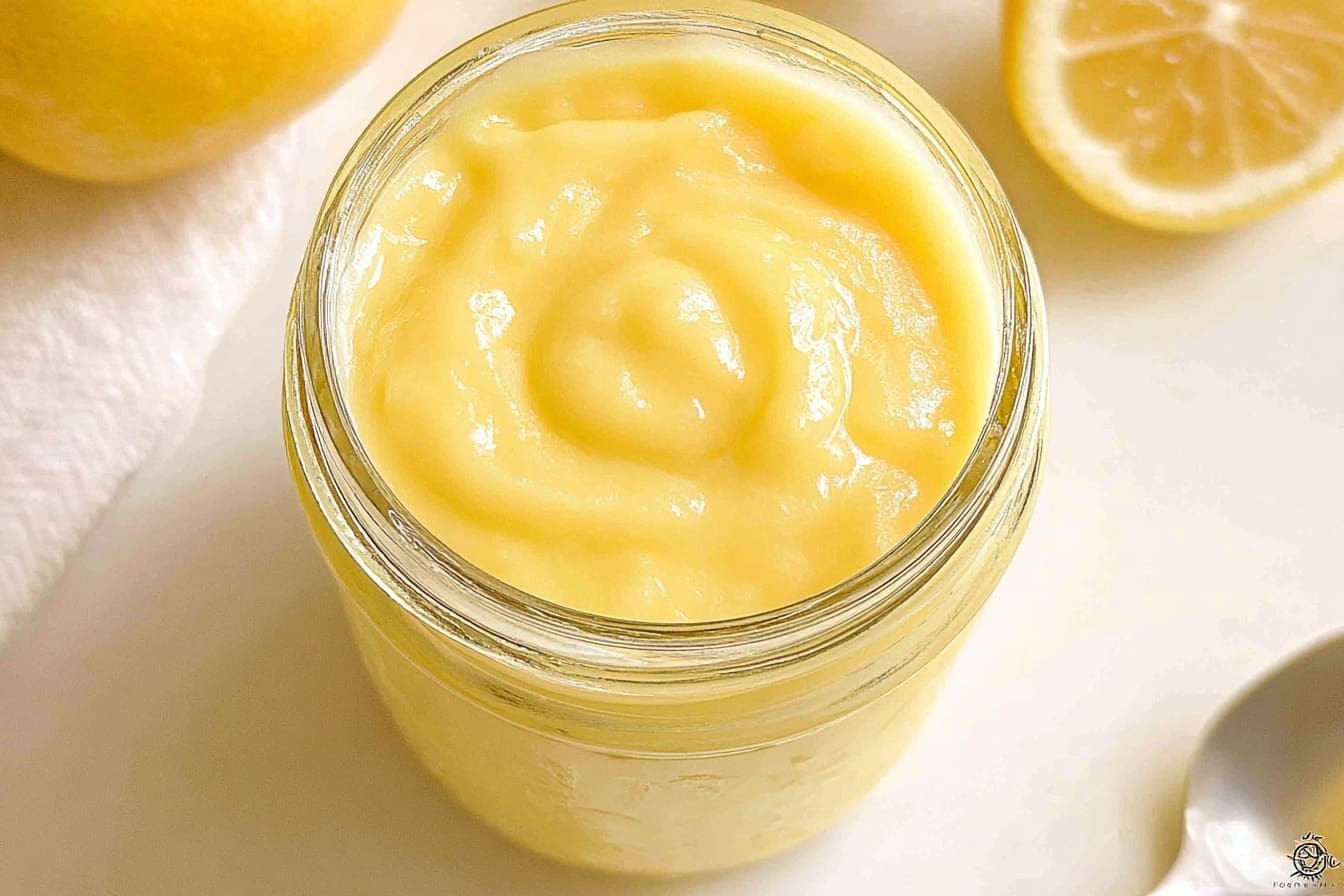
If you have a soft spot for bright citrus desserts, this Lemon Curd recipe is about to become your new favorite kitchen sidekick. It is silky, tangy, and just sweet enough to make pies, tarts, and breakfast toast feel a little fancy without turning your kitchen into a disaster zone. And yes, it tastes far better than the jarred stuff from the store.
- Easy to make: This homemade lemon curd comes together in one saucepan with simple ingredients. You whisk, stir, and cook it gently until thickened. No complicated equipment, no pastry school diploma required, and no dramatic soap opera moments over the stove.
- Bright and fresh flavor: Fresh lemon juice and lemon zest give this lemon curd recipe a clean, bold citrus taste. The flavor is lively, sweet, and tart all at once, which makes it perfect for anyone who loves desserts that wake up your taste buds.
- Great for many diets and uses: Lemon filling can be used in pies, tarts, cake layers, parfaits, and even spooned over yogurt. It works well for busy parents, students, and baking fans because one batch can stretch across several recipes. If you need a lemon curd filling for pies, this one is steady, glossy, and easy to spread.
- Lovely homemade quality: Homemade lemon curd has a smooth texture and a fresher taste than most store-bought versions. Since you control the ingredients, you can make it a touch thicker, a bit sweeter, or extra tart depending on your mood. That is the kind of flexibility home cooks love.
For a citrus treat that feels cheerful any day of the week, this silky lemon curd hits the sweet spot. If you enjoy fresh fruit desserts too, you might also like this fresh cherry pie recipe or a spoonful of fruit-forward flavor in your next bake.
Fresh lemon juice, butter, eggs, and sugar can turn into something magical in less than 20 minutes of active time. That is a very good return on whisking.
For more about the nutrition side of lemons, you can read this guide to the benefits of lemons and this nutrition overview of lemons.
Jump To
- 1. Why You’ll Love This Lemon Curd
- 2. Essential Ingredients for Lemon Curd
- 3. How to Prepare the Perfect Lemon Curd: Step-by-Step Guide
- 4. Dietary Substitutions to Customize Your Lemon Curd
- 5. Mastering Lemon Curd: Advanced Tips and Variations
- 6. How to Store Lemon Curd: Best Practices
- 7. FAQs: Frequently Asked Questions About Lemon Curd
- 8. Lemon Curd
Essential Ingredients for Lemon Curd
This homemade lemon curd uses a short ingredient list, but each item plays a big role in the final texture and flavor. Every ingredient should be measured carefully so the curd sets properly and stays silky instead of turning into sweet scrambled eggs. Nobody wants dessert with a surprise texture.
Main Ingredients
- 4 large egg yolks or replace 2 with 1 whole egg for thicker curd, which gives the curd its rich, custard-like body.
- 2/3 cup granulated sugar, which balances the tart lemon juice and helps create a smooth finish.
- 1 tablespoon lemon zest from about 1 lemon, which adds strong citrus aroma and bright flavor.
- 1/3 cup fresh lemon juice from about 2 to 3 lemons, the star of the show that gives this lemon filling its tangy punch.
- 1/8 teaspoon salt, which sharpens the lemon flavor and keeps the sweetness in check.
- 6 tablespoons unsalted butter softened and cut into 6 pieces, which makes the curd glossy, creamy, and rich.
Ingredient Notes and Helpful Swaps
| Ingredient | Why It Matters | Swap Tip |
|---|---|---|
| Egg yolks | Create the thick, custard-like base | Use 1 whole egg plus 2 yolks for a thicker curd |
| Sugar | Rounds out the tartness | Reduce slightly if your lemons are very sweet |
| Lemon zest | Adds aroma and stronger lemon flavor | Use zest from other citrus fruits for variation |
| Butter | Brings shine and a silky finish | Salted butter works if you leave out the added salt |
Special Dietary Options
- Vegan: Replace the egg yolks with 1 tablespoon cornstarch mixed with 1 tablespoon water per cup of curd base, then use plant-based butter and whisk with unsweetened coconut milk for a creamy texture.
- Gluten-free: This lemon curd recipe is naturally gluten-free as written, which makes it a handy lemon filling for gluten-free pies and tarts.
- Low-calorie: Use a bit less sugar and a lighter butter substitute, but keep in mind the texture may be less rich. A small spoonful still goes a long way.
How to Prepare the Perfect Lemon Curd: Step-by-Step Guide
This stovetop method is simple, but gentle heat matters. The goal is to cook the lemon curd slowly enough that the eggs thicken the mixture without scrambling. If you can whisk and keep an eye on the pan, you are already most of the way there.
First Step: Gather and prep the ingredients
Before you turn on the stove, measure everything out. Separate the egg yolks if needed, zest the lemon, and juice enough lemons to get 1/3 cup fresh juice. Cut the butter into six pieces so it melts quickly and evenly later.
This prep step makes the process smoother, especially for busy parents or students squeezing in dessert between errands, homework, or a quick snack attack.
Second Step: Whisk the base together
In a medium saucepan, whisk together the egg yolks, granulated sugar, lemon zest, lemon juice, and salt until the mixture looks smooth and evenly combined. Make sure the sugar dissolves as much as possible before heating. This helps the curd cook more evenly and gives you a silkier finish.
If you want to make the curd slightly thicker, you can use 1 whole egg in place of 2 of the yolks. That tiny change gives the filling a firmer set, which is useful when you are making a lemon curd filling for pies.
Third Step: Cook low and slow
Place the saucepan over medium-low heat. Stir constantly with a whisk or silicone spatula, scraping the bottom and corners so nothing sticks. Keep the heat gentle. The mixture will slowly warm, then thicken after several minutes.
Cook until the curd thickens enough to coat the back of a spoon. This usually takes about 8 to 10 minutes, depending on your stove and pan. If you have a thermometer, the target temperature is about 170°F. That is the sweet spot where the eggs are cooked and the texture stays smooth.
Low heat is your best friend here. High heat turns a dreamy lemon curd into a lumpy regret puddle.
Fourth Step: Add the butter
Once the curd has thickened, remove the pan from the heat right away. Add the softened butter pieces and stir until fully melted and blended. The butter gives the curd its shiny look and rich, creamy mouthfeel.
If you are using salted butter, leave out the added salt from the recipe. That small adjustment keeps the flavor balanced and prevents the curd from tasting too salty.
Fifth Step: Strain for silkiness
For the smoothest silky lemon curd, pour the hot mixture through a fine sieve into a clean bowl or jar. This step catches any tiny cooked egg bits, zest fragments, or small lumps. It is optional, but it makes the curd extra polished and party-ready.
Straining is especially helpful if you plan to use the curd as a filling for pies, tart shells, or layered desserts where texture really matters.
Final Step: Cool and use
Let the curd cool to room temperature before covering it and placing it in the fridge. As it cools, it will thicken a little more. Once chilled, it is ready to spoon into tart shells, spread onto scones, or swirl into yogurt.
One batch makes about 2 cups, which is usually enough for a 9-inch tart or several smaller desserts. That makes this homemade lemon curd a great make-ahead filling for home bakers who like to plan ahead.
Dietary Substitutions to Customize Your Lemon Curd
Protein and Main Component Alternatives
If you need to adjust the egg component, there are a few practical ways to do it. For a slightly firmer curd, use 1 whole egg in place of 2 yolks. This gives the curd a more set texture, which can work well for pies and bars.
For an egg-free version, use a cornstarch-thickened mixture instead of yolks. Whisk cornstarch with water before heating so the mixture stays smooth. Some cooks also use aquafaba for a lighter vegan route, though the final texture will be a bit different from classic lemon curd.
Vegetable, Sauce, and Seasoning Modifications
You can change the citrus flavor by swapping in other fruits. Lime, orange, grapefruit, or even pineapple juice can work with similar ratios, though you may need to adjust the sugar. A touch more sugar helps balance very tart fruit, while sweeter fruit may need less.
If you want a gentler flavor, add a little extra butter or reduce the zest. For a stronger citrus kick, increase the zest slightly. This flexibility is great for cooks who like to make the same recipe in different ways across the seasons.
Salted butter can replace unsalted butter if you leave out the added salt. That small swap is handy when you are making dessert with whatever is already in the fridge, which is very real-life cooking behavior.
Mastering Lemon Curd: Advanced Tips and Variations
Pro cooking techniques
For the smoothest homemade lemon curd, use a heavy-bottomed saucepan. It spreads heat more evenly and lowers the chance of scorching. Keep the heat on medium-low and stir the whole time. If your stovetop runs hot, move the pan off the burner for a few seconds while stirring, then return it to the heat.
A fine-mesh sieve is also worth using, especially if you want a cleaner look for pie filling. Another helpful trick is to stir constantly in a figure-eight motion so the curd cooks evenly from edge to center.
Flavor variations
Once you know the basic lemon curd recipe, you can play with the flavor. Add a little vanilla for a softer finish, a pinch of ginger for warmth, or a little extra zest for more punch. If you like tart desserts, this is your moment to lean in and let the lemon do its thing.
For a springy dessert spread, try pairing this curd with berries. It can also sit nicely next to other fruit-forward treats like rhubarb fool or a bright spoonful beside cake and cream.
Presentation tips
Serve lemon curd in a small glass jar, a shallow bowl, or spooned into a baked tart shell. A little lemon zest on top makes it look fresh and lively. Fresh berries, mint, or whipped cream also make great finishing touches.
If you are making a dessert platter, pair it with cookies, shortbread, or scones. The color alone makes it look cheerful enough for brunch, tea time, or a special family dessert.
Make-ahead options
This curd is a smart make-ahead recipe because it keeps well in the fridge and freezes nicely. Make a batch on the weekend, then use it throughout the week for breakfasts, desserts, and last-minute treats. It is a quiet little kitchen win for working professionals and anyone who likes less stress later.
How to Store Lemon Curd: Best Practices
Proper storage keeps your homemade lemon curd for pies tasting fresh and safe to eat. Since it contains eggs and butter, refrigeration matters even though the lemon juice gives it some natural acidity.
Refrigeration
Store lemon curd in a clean, airtight jar or container in the refrigerator. It usually keeps for 1 to 2 weeks. Always use a clean spoon when scooping it out so you do not shorten its shelf life.
Freezing
If you want to keep it longer, freeze the curd in freezer-safe containers or bags. Leave a little room at the top for expansion. It can keep for up to 3 months. Thaw it overnight in the fridge before using.
Reheating
If chilled lemon curd feels too firm, let it sit at room temperature for a short time before using. If needed, warm it very gently over low heat while stirring. Do not boil it, or the texture may break.
Meal prep considerations
Portioning the curd into small jars is a smart move for meal prep. That way, you can grab just what you need for toast, pie filling, or dessert layering. It also helps reduce waste because you only open what you plan to use.
FAQs: Frequently Asked Questions About Lemon Curd
What is lemon curd and what is it used for?
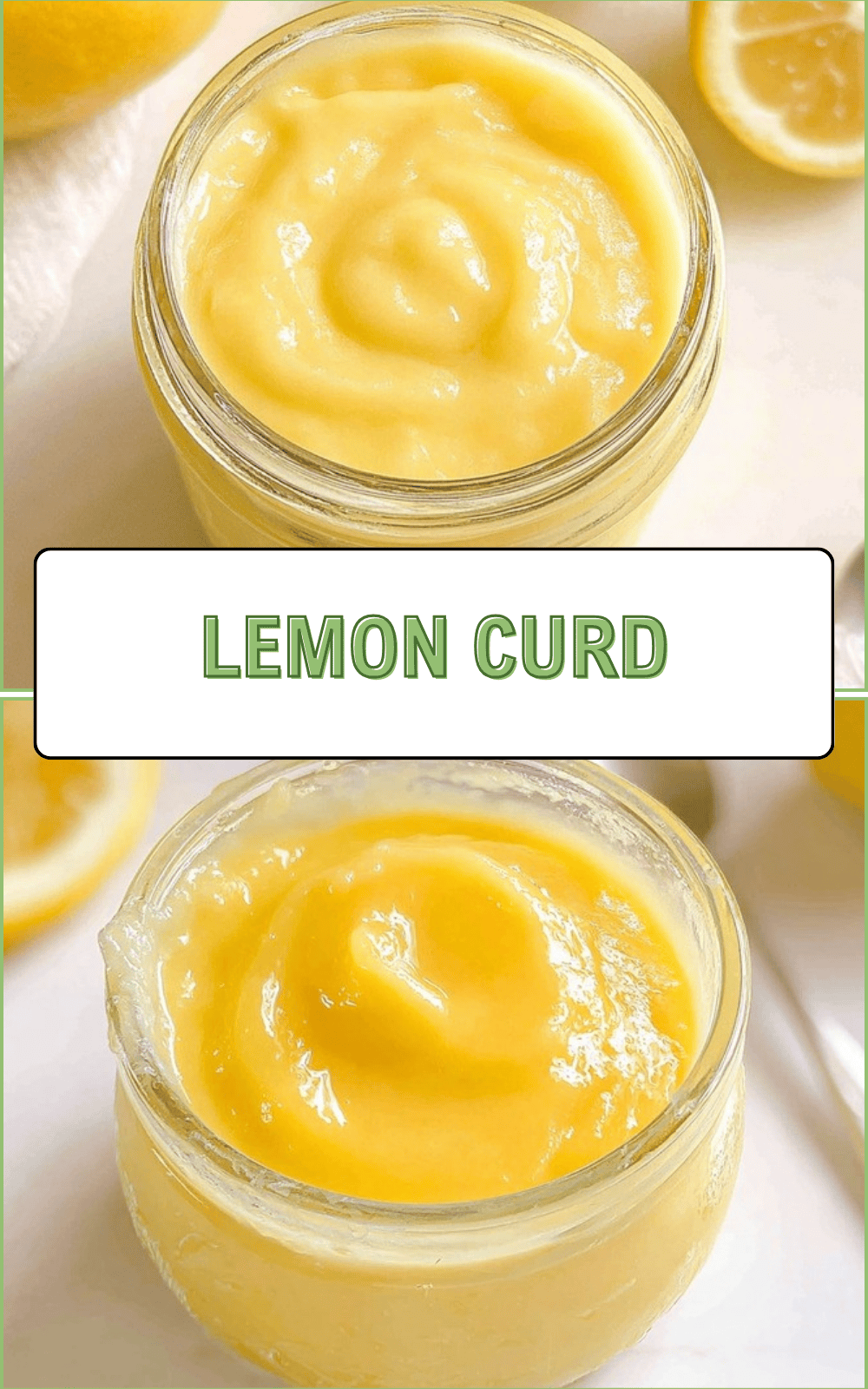
Lemon curd is a smooth, tangy custard-like spread made from fresh lemon juice, zest, sugar, butter, and eggs. It’s cooked gently on the stove until thick and creamy, offering a bright burst of citrus flavor. Use it as a filling for tarts, pies, or cakes; spread it on scones, toast, or muffins; or layer it in parfaits and yogurts. It’s versatile for breakfast, desserts, or even as a cupcake filling. One batch yields about 2 cups, perfect for a 9-inch tart. Store leftovers in the fridge for up to two weeks. For best results, strain it through a sieve after cooking to remove any lumps and ensure silkiness. This homemade version beats store-bought with fresher taste and no preservatives.
How do you make lemon curd at home?
To make lemon curd, whisk together 3/4 cup fresh lemon juice, 3/4 cup sugar, 3 large eggs, and 4 egg yolks in a saucepan. Cook over medium-low heat, stirring constantly with a whisk, until it thickens to coat the back of a spoon (about 8-10 minutes; reaches 170°F). Remove from heat, stir in 1/2 cup cold butter (cut into pieces) and 1 tablespoon lemon zest until melted and smooth. Strain into a jar to remove bits. Yields 2 cups. Cool to room temperature before refrigerating. Use a heavy-bottom pan to prevent scorching, and a thermometer for precision. This stovetop method is foolproof and takes under 20 minutes active time. Avoid high heat to prevent curdling.
How long does homemade lemon curd last?
Homemade lemon curd lasts 1-2 weeks in the fridge when stored in an airtight jar or container. For longer storage, freeze it in freezer-safe bags or jars (leave headspace for expansion) for up to 3 months. Thaw overnight in the fridge before use. Signs it’s gone bad: mold, off smell, or watery texture. Always use clean utensils to scoop it out to extend shelf life. The high acidity from lemons acts as a natural preservative, but eggs make refrigeration essential. Pro tip: portion into small jars for grab-and-go use in recipes like lemon bars or thumbprint cookies. If canning, follow proper water bath methods for safety, though fresh is best within a week for peak flavor.
Can I make lemon curd with other citrus fruits?
Yes, swap lemons for limes, oranges, grapefruits, or even pineapple juice or cranberries using the same recipe ratios. For limes, use 3/4 cup juice and adjust sugar slightly higher if tart. Oranges need less sugar due to natural sweetness—start with 2/3 cup. Zest from your chosen fruit adds bold flavor. Cook the same way: whisk juice, sugar, eggs, then add butter and zest off-heat. Straining ensures smoothness. Pineapple curd works great for tropical tarts; cranberry for holiday pies. Taste-test during cooking and tweak sugar to balance acidity. This flexibility makes it easy to create passionfruit or blood orange versions too. Each variation stores the same: fridge 1-2 weeks, freezer 3 months.
What are common mistakes when making lemon curd and how to fix them?
Common issues include curdling from high heat—cook low and slow, stirring constantly, aiming for 170°F. Fix by straining and blending smooth. Lumpy texture? Strain through a fine sieve post-cook. Too thin? It thickens as it cools; if not, recook gently with a cornstarch slurry (1 tsp cornstarch + 1 tbsp water per cup). Too sweet? Add lemon juice incrementally next time. Butter not melting evenly? Use room-temp pieces. Egg bits from overheating? Whisk vigorously off-heat or use a double boiler. For vegan version, sub eggs with cornstarch and coconut milk. Test doneness by drawing a line on a spoon—it should hold. With practice, you’ll get perfect results every time for pies, macarons, or straight from the jar.
Lemon Curd
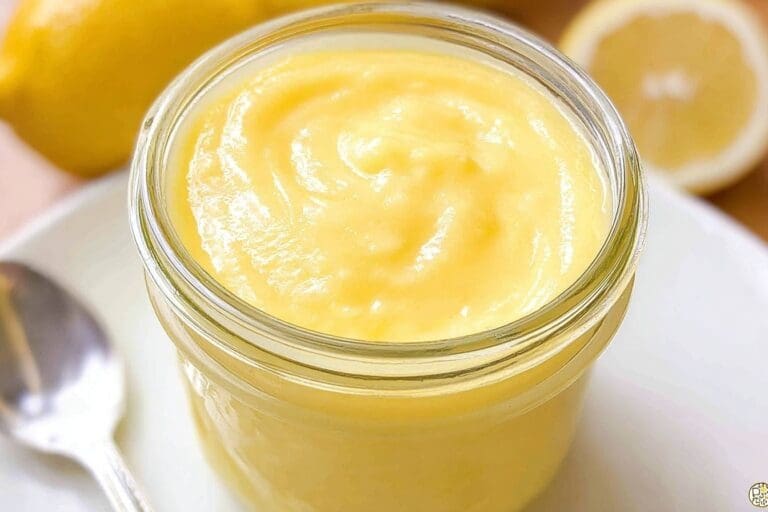
🍋🥧 Silky smooth lemon curd bursts with fresh citrus tang – perfect velvety filling for pies, tarts, or lemon bars!
🍋 Luscious homemade treat ready in 20 minutes, brighter and creamier than store-bought every time.
- Total Time: 2 hours 25 minutes
- Yield: 1 1/2 cups (12 servings)
Ingredients
– 4 large egg yolks for rich, custard-like body
– 2/3 cup granulated sugar for balancing tart lemon juice and smooth finish
– 1 tablespoon lemon zest from about 1 lemon for strong citrus aroma and bright flavor
– 1/3 cup fresh lemon juice from about 2 to 3 lemons for tangy punch
– 1/8 teaspoon salt for sharpening lemon flavor and keeping sweetness in check
– 6 tablespoons unsalted butter softened and cut into 6 pieces for glossy, creamy, and rich
Instructions
1-First Step: Gather and prep the ingredients Before you turn on the stove, measure everything out. Separate the egg yolks if needed, zest the lemon, and juice enough lemons to get 1/3 cup fresh juice. Cut the butter into six pieces so it melts quickly and evenly later.
2-Second Step: Whisk the base together In a medium saucepan, whisk together the egg yolks, granulated sugar, lemon zest, lemon juice, and salt until the mixture looks smooth and evenly combined. Make sure the sugar dissolves as much as possible before heating. This helps the curd cook more evenly and gives you a silkier finish.
3-Third Step: Cook low and slow Place the saucepan over medium-low heat. Stir constantly with a whisk or silicone spatula, scraping the bottom and corners so nothing sticks. Keep the heat gentle. The mixture will slowly warm, then thicken after several minutes. Cook until the curd thickens enough to coat the back of a spoon. This usually takes about 8 to 10 minutes, depending on your stove and pan. If you have a thermometer, the target temperature is about 170°F. That is the sweet spot where the eggs are cooked and the texture stays smooth.
4-Fourth Step: Add the butter Once the curd has thickened, remove the pan from the heat right away. Add the softened butter pieces and stir until fully melted and blended. The butter gives the curd its shiny look and rich, creamy mouthfeel.
5-Fifth Step: Strain for silkiness For the smoothest silky lemon curd, pour the hot mixture through a fine sieve into a clean bowl or jar. This step catches any tiny cooked egg bits, zest fragments, or small lumps. It is optional, but it makes the curd extra polished and party-ready.
6-Final Step: Cool and use Let the curd cool to room temperature before covering it and placing it in the fridge. As it cools, it will thicken a little more. Once chilled, it is ready to spoon into tart shells, spread onto scones, or swirl into yogurt.
Last Step:
Please leave a rating and comment letting us know how you liked this recipe! This helps our business to thrive and continue providing free, high-quality recipes for you.Notes
🍋 Always use fresh lemons for vibrant flavor and natural pectin.
🔥 Whisk constantly on low heat to avoid scrambling eggs.
❄️ Strain curd and chill covered to achieve perfect silky consistency.
- Prep Time: 10 minutes
- Chilling Time: 2 hours
- Cook Time: 15 minutes
- Category: Sauces & Condiments
- Method: Double Boiler
- Cuisine: American
- Diet: Vegetarian
Nutrition
- Serving Size: 2 tablespoons
- Calories: 120 kcal
- Sugar: 11g
- Sodium: 30mg
- Fat: 8g
- Saturated Fat: 5g
- Unsaturated Fat: 3g
- Trans Fat: 0g
- Carbohydrates: 12g
- Fiber: 0g
- Protein: 1g
- Cholesterol: 85mg


