Why You’ll Love This Lemon Buttercream Frosting
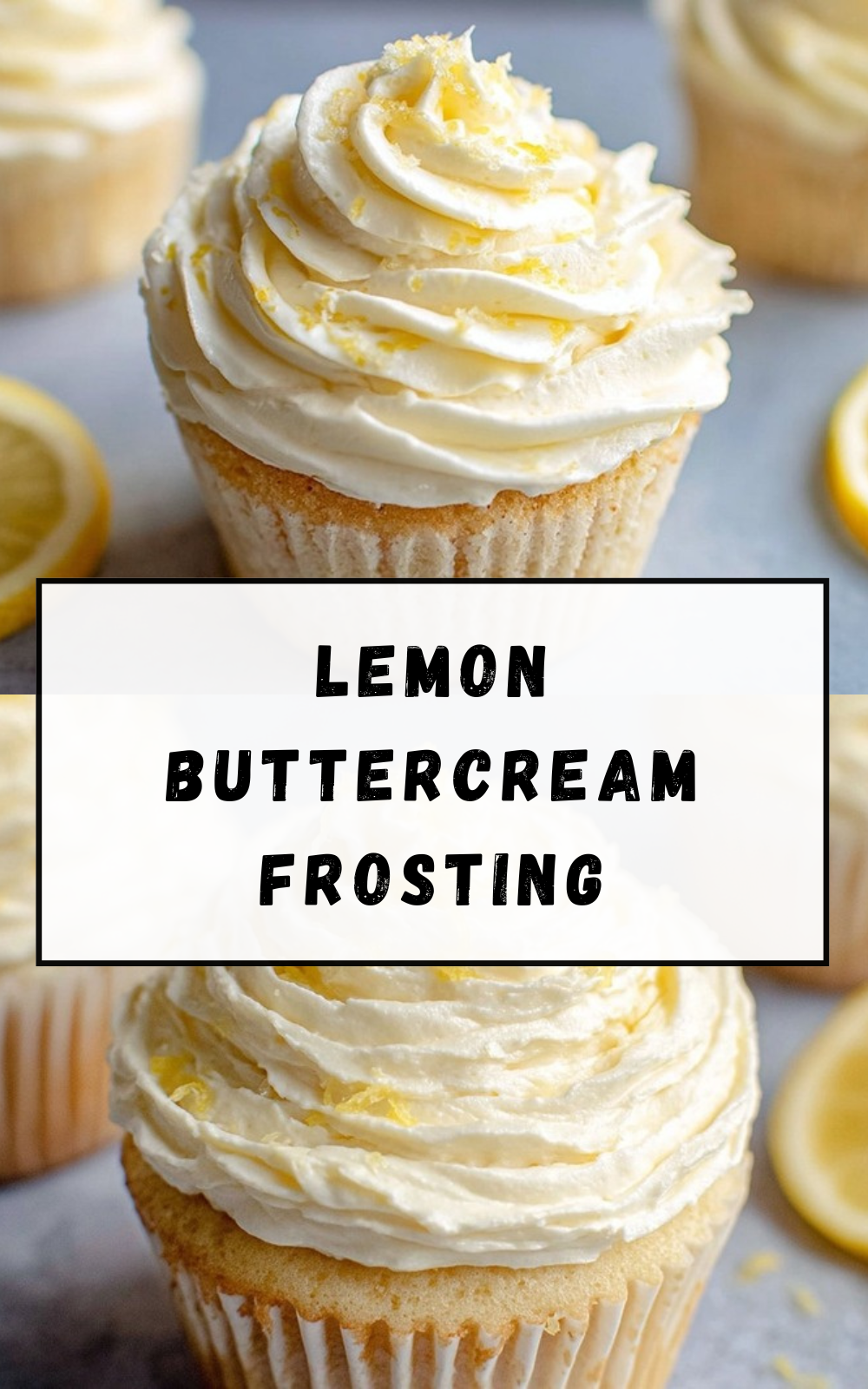
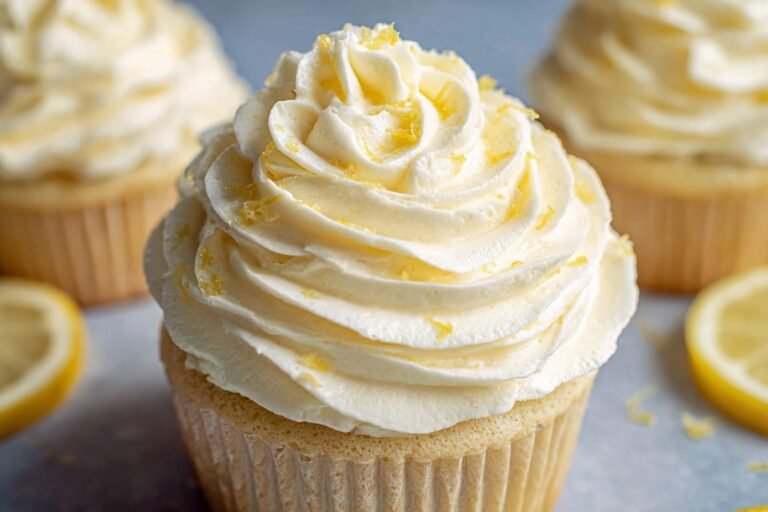
If you want a frosting that tastes bright, creamy, and sweet in the right way, this Lemon Buttercream Frosting recipe is a winner. It comes together fast, pipes beautifully, and it gives your bakes that pale yellow look from fresh lemon zest and juice.
- Ease of preparation: Total time is about 5 minutes. It’s no-cook, so you can jump straight from ingredients to frosting.
- Health and wellness angle: It uses real butter plus fresh lemon juice and zest for a natural, lemony flavor rather than relying on heavy flavorings.
- Versatility: Great for cupcakes, cakes, and even as a filling. You can also scale it for different cake sizes.
- Distinctive flavor: Tangy lemon juice and aromatic zest balance perfectly with confectioners’ sugar for a silky, sweet-tart taste.
This frosting pipes easily, tastes silky and tangy, and pairs wonderfully with lemon cupcakes, vanilla cupcakes, sugar cookies, cakes, or as a filling.
If you like baking with citrus, you might also enjoy bright, lemony drink ideas like this rhubarb margarita mocktail to serve alongside a dessert table.
Jump To
- 1. Why You’ll Love This Lemon Buttercream Frosting
- 2. Essential Ingredients for Lemon Buttercream Frosting
- 3. How to Prepare the Perfect Lemon Buttercream Frosting: Step-by-Step Guide
- 4. Protein and Main Component Alternatives
- 5. Vegetable, Sauce, and Seasoning Modifications
- 6. Mastering Lemon Buttercream Frosting: Advanced Tips and Variations
- 7. How to Store Lemon Buttercream Frosting: Best Practices
- 8. FAQs: Frequently Asked Questions About Lemon Buttercream Frosting
- 9. Lemon Buttercream Frosting
Essential Ingredients for Lemon Buttercream Frosting
Here’s everything you need, with exact measurements. This is written to match the Lemon Buttercream Frosting Recipe you’re looking for, including storage tips and consistency adjustments.
Main Ingredients
- 1 cup (16 tablespoons; 226 grams) unsalted butter – Beaten until creamy to create the base texture.
- 4 and 1/2 cups (540 grams) confectioners’ sugar – Provides sweetness, body, and helps prevent curdling.
- 2 and 1/2 tablespoons fresh lemon juice – Adds tangy flavor that defines the frosting.
- 2 tablespoons heavy cream – Helps smooth the mix and stabilize the emulsion.
- 2 teaspoons lemon zest – Adds fresh citrus aroma and gives the pale yellow color.
- Pinch of salt , to taste – Balances sweetness and makes the lemon flavor pop.
Special Dietary Options
Because this frosting relies on butter and confectioners’ sugar for its classic structure, it isn’t truly “diet-specific” without substitutions. That said, here are thoughtful options depending on what you need:
- Vegan: Use plant-based butter and a vegan cream substitute (for best results, choose one that whips well). Note that texture may differ slightly.
- Gluten-free: Confectioners’ sugar is usually gluten-free, but check the label. If yours contains wheat-based anti-caking agents, swap for a certified gluten-free version.
- Low-calorie: Swap is tricky because reducing sugar affects frosting structure. Consider making a smaller batch and using a thinner layer instead of heavy reduction of ingredients.
How to Prepare the Perfect Lemon Buttercream Frosting: Step-by-Step Guide
This Lemon Buttercream Frosting is no-cook, so it’s ideal when you want homemade frosting without spending half your day in the kitchen. Prep time is around 5 minutes, and you’ll be ready to frost quickly.
Step-by-Step Instructions
First Step: Set up your mixer. Beat 1 cup (16 tablespoons; 226 grams) unsalted butter on medium speed using a handheld or stand mixer fitted with a paddle or whisk attachment until creamy, about 2 minutes.
Second Step: Turn the mixer to low. With the mixer running on low, add 4 and 1/2 cups (540 grams) confectioners’ sugar, 2 and 1/2 tablespoons fresh lemon juice, 2 tablespoons heavy cream, and 2 teaspoons lemon zest.
Third Step: Increase to high speed and beat for 3 minutes. This is when the frosting turns smooth, thick, and easy to pipe.
Fourth Step: Taste the frosting and add a pinch of salt, to taste. Salt helps balance sweetness and makes the lemon flavor feel more “real.”
Final Step: Check consistency and adjust if needed. Cover tightly and store in the refrigerator up to one week, or freeze up to three months. When you’re ready to use it again, thaw in the refrigerator, bring it to room temperature, and beat briefly to restore creaminess. If it still feels too stiff, add a little milk or heavy cream and whip again.
Consistency Adjustments (So It Always Pipes and Spreads Well)
Even with the same recipe, frosting can vary based on butter softness, room temperature, and how the lemon juice affects moisture. Use these adjustments to get your ideal texture:
- If too thin: Add up to 1/2 cup more confectioners’ sugar.
- If too thick: Add an extra tablespoon of cream and beat again.
- If still too stiff after chilling: Let it sit at room temperature for a few minutes, then whip again. If needed, add a small splash of milk or heavy cream.
Texture and Flavor Tips You’ll Actually Use
Here are a few practical tips that make a real difference:
- Balance the sugar and lemon: Too much lemon juice can throw off the creaminess. Add and beat exactly as directed.
- Prevent curdling: The frosting uses heavy cream to help stability, and the powdered sugar absorbs moisture for a thicker texture.
- Use fresh lemon: Fresh lemon juice and zest provide authentic flavor and that lovely pale yellow color.
- Don’t overdo coloring: If you want a pastel look, add gel food coloring. It won’t ruin the consistency the way some liquid colors can.
How Much This Makes (And What You Can Frost)
This batch is perfect for everyday baking and small celebrations. It works well with lemon cupcakes, vanilla cupcakes, sugar cookies, cakes, and it can even be used as a filling.
| What you’re frosting | How well this batch fits |
|---|---|
| Standard cupcakes | Frost about 12 to 16 cupcakes generously, depending on your swirl size |
| 9×13-inch quarter sheet cake | Cover with a smooth layer plus some piping details |
| Two-layer 8- or 9-inch cake | Double the recipe for full coverage between layers, on top, and around sides |
| Filled cupcakes | Core and fill about 24 cupcakes with a thin layer on top |
If you want something equally bright to serve with lemon desserts, check out fresh cherry lemonade for a fun, citrus-friendly pairing.
Protein and Main Component Alternatives
This frosting is butter-based, so “protein” alternatives aren’t really the same category as in savory recipes. Still, the main component is the creamy fat base, and you can swap it to match dietary needs or ingredient availability.
Butter Alternatives
- Plant-based butter: Use vegan butter that’s designed for baking and frosting. Beat it until creamy just like regular butter, but expect a slightly different mouthfeel.
- Different dairy fats: If you’re experimenting, stick closely to butter for flavor. The goal is similar creaminess and emulsification.
Heavy Cream Substitutes
- Half-and-half: This can work when you don’t have heavy cream, but the frosting may be a little less stable.
- Plant cream: Use a plant-based heavy cream alternative if going dairy-free. Choose one that whips well so the frosting doesn’t turn grainy.
Sugar Structure Notes
Confectioners’ sugar provides the thick texture and helps absorb the liquid from lemon juice. For best results, keep the sugar amount and only adjust by small amounts (like up to an extra 1/2 cup if too thin) rather than changing the ratio drastically.
Vegetable, Sauce, and Seasoning Modifications
There aren’t vegetables in this recipe, but you can absolutely modify the “seasoning” side of things, like how you build lemon flavor and how you add optional extras.
Lemon Flavor Variations
- Extra lemon zest: Add a bit more zest for stronger aroma and a bolder lemon smell.
- More lemon juice: Keep changes small. Too much liquid can make the frosting softer and harder to pipe.
- Small pinch of salt: If your frosting tastes too sweet, salt is your best friend. Add to taste.
Color and Presentation
If you want decorative color, use gel food coloring. The recipe notes that gel coloring won’t affect consistency, so you can keep the frosting thick and pipe-ready.
Pairing Ideas With Different Desserts
This frosting tastes great with:
- Lemon cupcakes (classic match)
- Vanilla cupcakes (gives a tangy twist)
- Sugar cookies (zesty border or light spread)
- Cakes (use as a smooth layer or filling)
If you like fruit-forward desserts, you may also enjoy pairing lemon frosting with fresh fruit toppings. One idea is to bake something like fresh cherry pie and serve it alongside a lemon-scented dessert plate.
Mastering Lemon Buttercream Frosting: Advanced Tips and Variations
Once you’ve made the recipe once or twice, it gets even easier. The goal is to keep the frosting creamy and stable so it pipes cleanly and holds its shape.
Pro Cooking Techniques
- Room-temperature butter matters: It creams faster and helps the frosting blend smoothly.
- Mix in stages: Start with butter, then add sugar and lemon on low, and finish beating on high for that smooth, thick texture.
- Taste before adjusting: Add salt and make small sugar or cream tweaks only after you’ve tasted.
Flavor Variations to Try
- More tang: Add extra zest rather than extra juice for a brighter lemon aroma.
- Balanced sweetness: If it tastes too sweet, add salt gradually and beat again.
- Pastel tinted frosting: Add gel food coloring for spring-like shades.
Presentation Tips
- For piping rosettes: Keep it thick. If needed, add up to 1/2 cup extra confectioners’ sugar.
- For smooth spreads: If it’s stiff, add 1 tablespoon cream and whip until glossy.
- For a pale yellow look: Don’t skip zest. That’s where the color and aroma come from.
Make-Ahead Options for Busy Schedules
- Refrigerator: Store tightly covered in the fridge up to one week.
- Freezer: Freeze up to three months in a sealed container. Thaw in the refrigerator before using.
- Bring back the texture: After thawing, bring to room temperature and beat briefly again. Add a little milk or heavy cream if it becomes too stiff.
How to Store Lemon Buttercream Frosting: Best Practices
Proper storage keeps your frosting creamy instead of grainy or separated. Lemon juice can react a bit with temperature changes, so aim for consistent chilling and thawing.
Refrigeration
- Store in an airtight container in the refrigerator for up to one week.
- Frosted desserts are best kept in a cool place, and if longer than a day, refrigerate to prevent melting.
Freezing
- Freeze up to three months in a freezer-safe container.
- Thaw in the refrigerator first, then bring to room temperature before using.
Reheating and Re-Whipping
- After refrigeration or thawing, beat briefly to restore creaminess.
- If it’s still too stiff, add a little milk or heavy cream and whip again until smooth.
Tip: If you notice separation after storage, re-whip slowly and adjust with a tiny splash of cream to bring it back together.
Meal Prep Considerations
If you’re baking for a busy week, consider frosting prep in advance. Make the frosting, chill it, and plan to re-whip before decorating. This helps you keep your swirls neat and your frosting tasting fresh.
FAQs: Frequently Asked Questions About Lemon Buttercream Frosting
How much lemon buttercream frosting does one batch make?
One batch of lemon buttercream frosting yields about 2.5 cups, which is enough to frost 12-16 standard cupcakes generously or cover one 9×13-inch quarter sheet cake with a smooth layer and some piping details. For a two-layer 8- or 9-inch cake, double the recipe to ensure full coverage between layers, on top, and around the sides. If you’re filling cupcakes, this amount cores and fills 24 cupcakes with a thin layer on top. Always mix in extra confectioners’ sugar if you need more volume without changing the flavor. This makes it perfect for small gatherings or testing recipes before scaling up. (78 words)
How do I stop lemon buttercream frosting from curdling or separating?
Curdling happens when lemon juice overwhelms the fat in butter. To prevent it, start with room-temperature butter and gradually add fresh lemon juice (no more than 3-4 tablespoons per 2.5 cups frosting) while beating on medium speed. Use plenty of confectioners’ sugar—at least 4 cups—to absorb the liquid, and incorporate 2-3 tablespoons of heavy cream for stability. Fresh lemon zest adds flavor without extra moisture. If it starts to split, add powdered sugar 1/4 cup at a time and beat until smooth. Avoid artificial extracts, as they can destabilize the emulsion. Test a small batch first for perfect results every time. (98 words)
How do I fix lemon buttercream frosting that’s too thick or too thin?
If your lemon buttercream is too thin, beat in additional confectioners’ sugar, 1/4 cup at a time, up to 1/2 cup total, until it holds peaks. Chill for 10-15 minutes if needed, then re-whip. For frosting that’s too thick and stiff, add heavy cream 1 tablespoon at a time while mixing on low speed—start with 1-2 tablespoons max to avoid over-thinning. Let it sit at room temperature for 20 minutes before adjusting. These tweaks maintain the tangy lemon flavor and creamy texture ideal for piping rosettes or spreading. Always taste as you go to balance sweetness. (92 words)
How do I store leftover lemon buttercream frosting?
Store lemon buttercream frosting in an airtight container in the fridge for up to 1 week. For longer storage, freeze it in a freezer bag for up to 3 months—flatten it for quick thawing. To use after refrigerating, let it soften at room temperature for 30-60 minutes, then beat on medium speed for 2-3 minutes to restore fluffiness. If it’s still stiff, add 1-2 teaspoons of heavy cream or milk and whip again. Avoid direct sunlight or heat, as lemon juice can cause slight separation over time. Label containers with dates for easy tracking. This keeps it fresh for multiple baking projects. (102 words)
Can I use lemon buttercream frosting on sugar cookies or scale it for bigger cakes?
Yes, lemon buttercream works great on sugar cookies—spread a thin layer or pipe borders for a zesty twist that pairs with the cookie’s sweetness. It also frosts one 9×13 cake perfectly; for a two-layer 9-inch cake, double the recipe, and for a three-layer 8-inch cake, increase by 1.5 times. Use half-and-half instead of heavy cream if needed, but it may be slightly less stable. Gel food coloring tints it easily for pastel shades. Apply a crumb coat first on cakes for smooth finishes, and it holds up at room temp for 1 day before refrigerating. (96 words)
Lemon Buttercream Frosting
🍋 Brighten your desserts with zesty Lemon Buttercream Frosting – tangy, creamy perfection that pipes beautifully and balances sweetness with citrus!
🧁 Quick 5-minute recipe ideal for cupcakes, cakes, or cookies; store easily and pairs with any vanilla or lemon baked good.
- Total Time: 5 minutes
- Yield: Enough for 24 cupcakes
Ingredients
– 1 cup (16 tablespoons; 226 grams) unsalted butter – Beaten until creamy to create the base texture.
– 4 and 1/2 cups (540 grams) confectioners’ sugar – Provides sweetness, body, and helps prevent curdling.
– 2 and 1/2 tablespoons fresh lemon juice – Adds tangy flavor that defines the frosting.
– 2 tablespoons heavy cream – Helps smooth the mix and stabilize the emulsion.
– 2 teaspoons lemon zest – Adds fresh citrus aroma and gives the pale yellow color.
– Pinch of salt, to taste – Balances sweetness and makes the lemon flavor pop.
Instructions
1-First Step: Set up your mixer. Beat 1 cup (16 tablespoons; 226 grams) unsalted butter on medium speed using a handheld or stand mixer fitted with a paddle or whisk attachment until creamy, about 2 minutes.
2-Second Step: Turn the mixer to low. With the mixer running on low, add 4 and 1/2 cups (540 grams) confectioners’ sugar, 2 and 1/2 tablespoons fresh lemon juice, 2 tablespoons heavy cream, and 2 teaspoons lemon zest.
3-Third Step: Increase to high speed and beat for 3 minutes. This is when the frosting turns smooth, thick, and easy to pipe.
4-Fourth Step: Taste the frosting and add a pinch of salt, to taste. Salt helps balance sweetness and makes the lemon flavor feel more “real.”
5-Final Step: Check consistency and adjust if needed. Cover tightly and store in the refrigerator up to one week, or freeze up to three months. When you’re ready to use it again, thaw in the refrigerator, bring it to room temperature, and beat briefly to restore creaminess. If it still feels too stiff, add a little milk or heavy cream and whip again.
Last Step:
Please leave a rating and comment letting us know how you liked this recipe! This helps our business to thrive and continue providing free, high-quality recipes for you.Notes
🍋 Always use fresh lemon juice and zest for the most vibrant flavor and aroma.
🧂 Taste as you go and adjust salt or sugar to perfectly balance the tang and sweetness.
❄️ Frosting freezes beautifully; portion into zip bags for easy thawing and reuse.
- Prep Time: 5 minutes
- Category: Desserts
- Method: No Bake
- Cuisine: American
Nutrition
- Serving Size: 2 tablespoons
- Calories: 179
- Sugar: 22g
- Sodium: 20mg
- Fat: 10g
- Saturated Fat: 6g
- Unsaturated Fat: 4g
- Trans Fat: 0g
- Carbohydrates: 22g
- Fiber: 0g
- Protein: 0g
- Cholesterol: 25mg